

A Porch Pot Mistake
A big mistake I made — and how I could fix it.
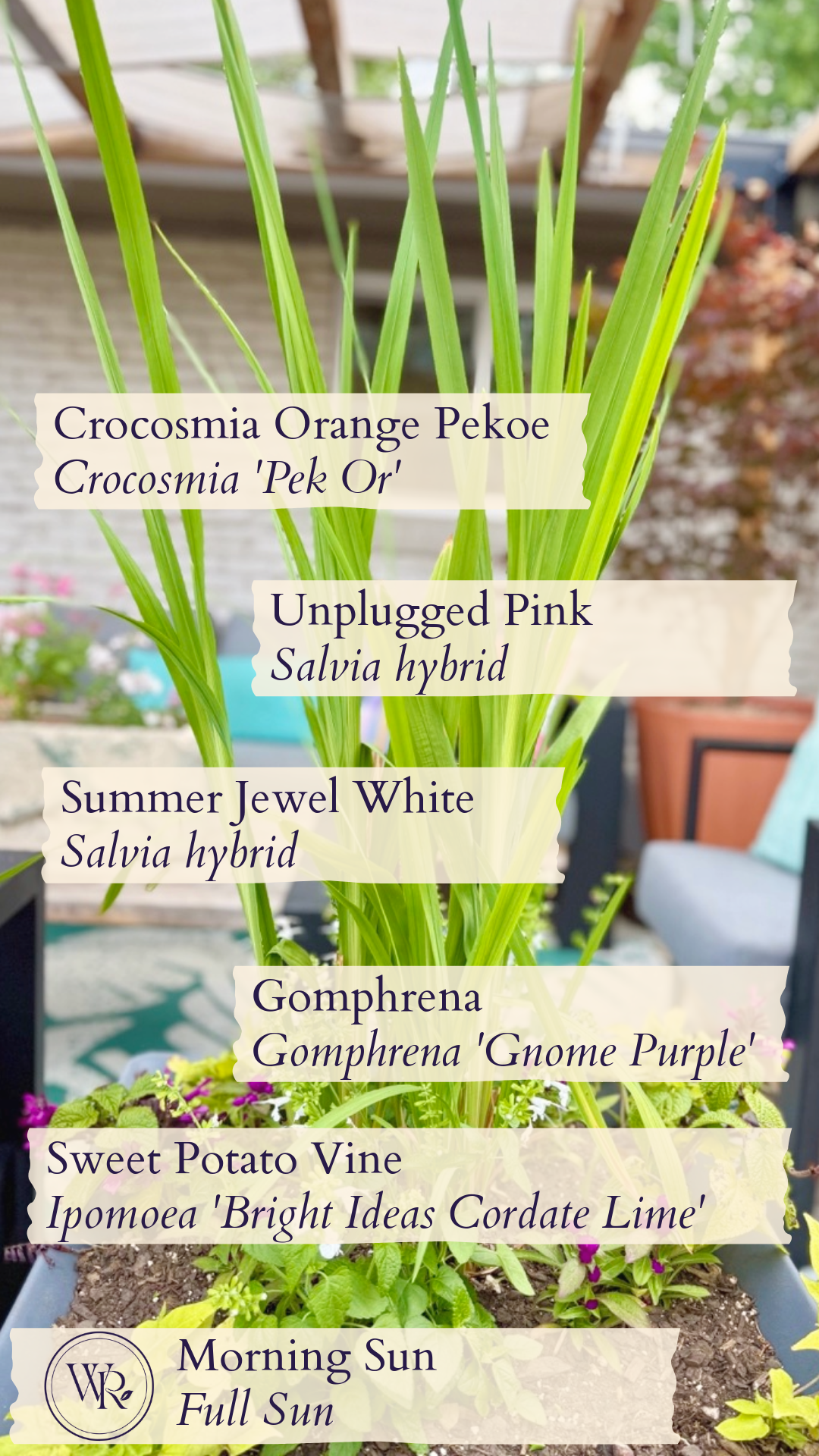
I was so excited about my summer planters for the back deck! I planted them out with a range of annual Salvias, Gomphrena, Potato Vine, and Crocosmia – all of which I bought at my local garden center back in May.
But here it is at the end of summer, and I made a BIG mistake when choosing my plants for this year’s pots. Read on for what I did — and how it could be fixed.
The full plant list for this year’s Deck Pots. They are planted up in the Pinch Pot from Crescent Garden. Want a discount? Use Promo Code: WILDREVIVAL15
And here they are when I first planted them out.
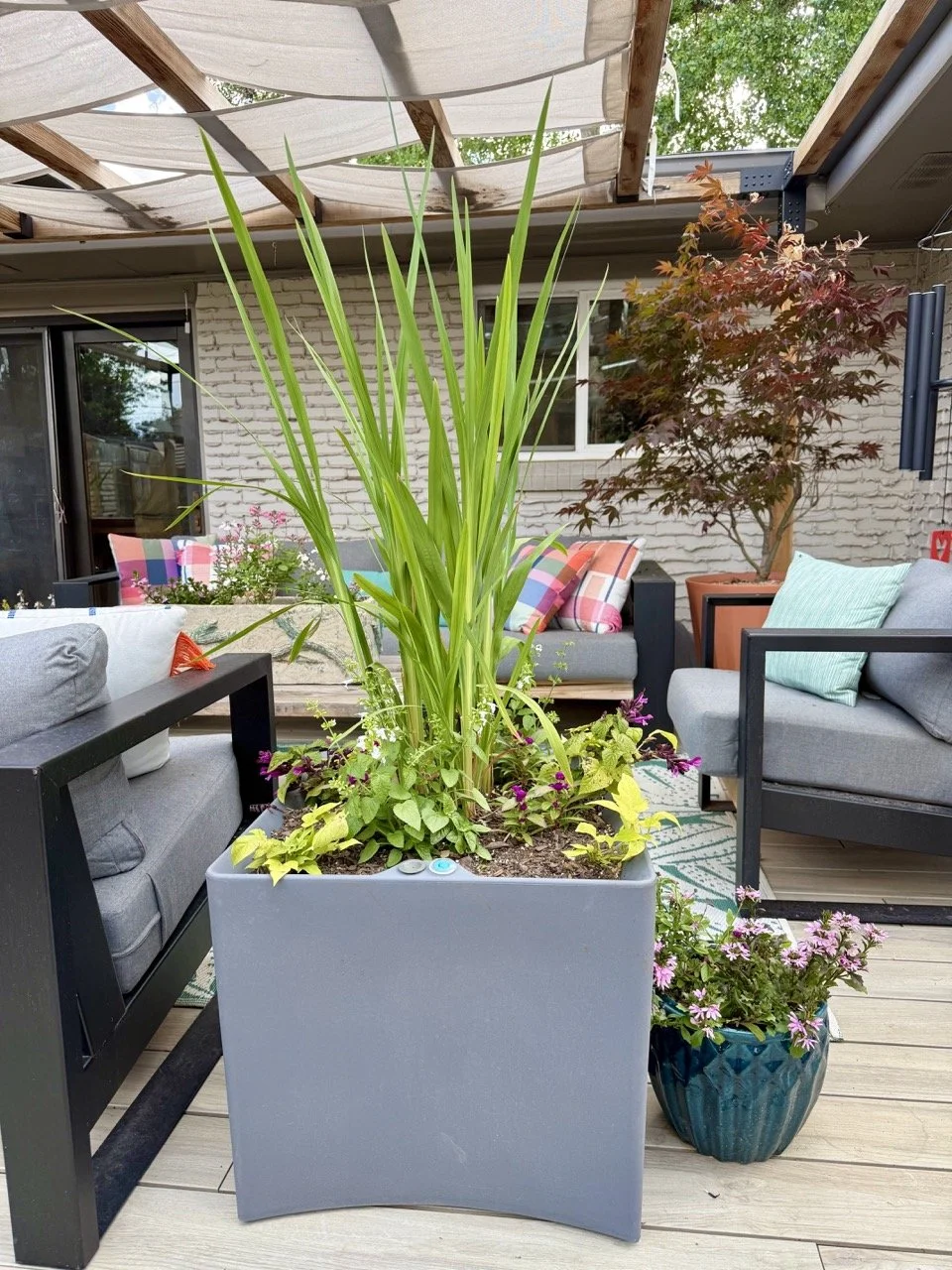
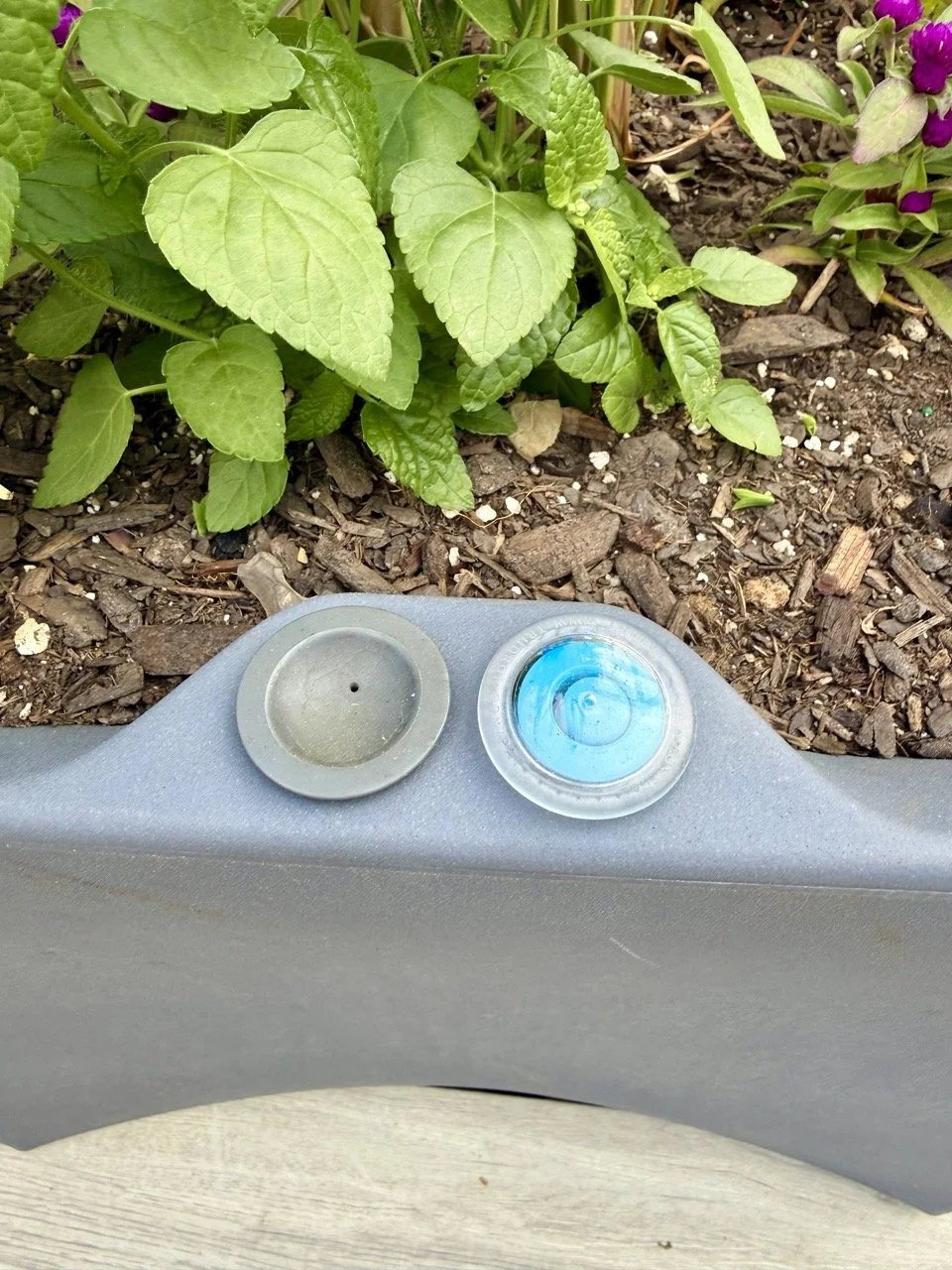
These Pinch Pots are the cat’s pajamas! These are self-watering planters from Crescent Garden. They never get dry!
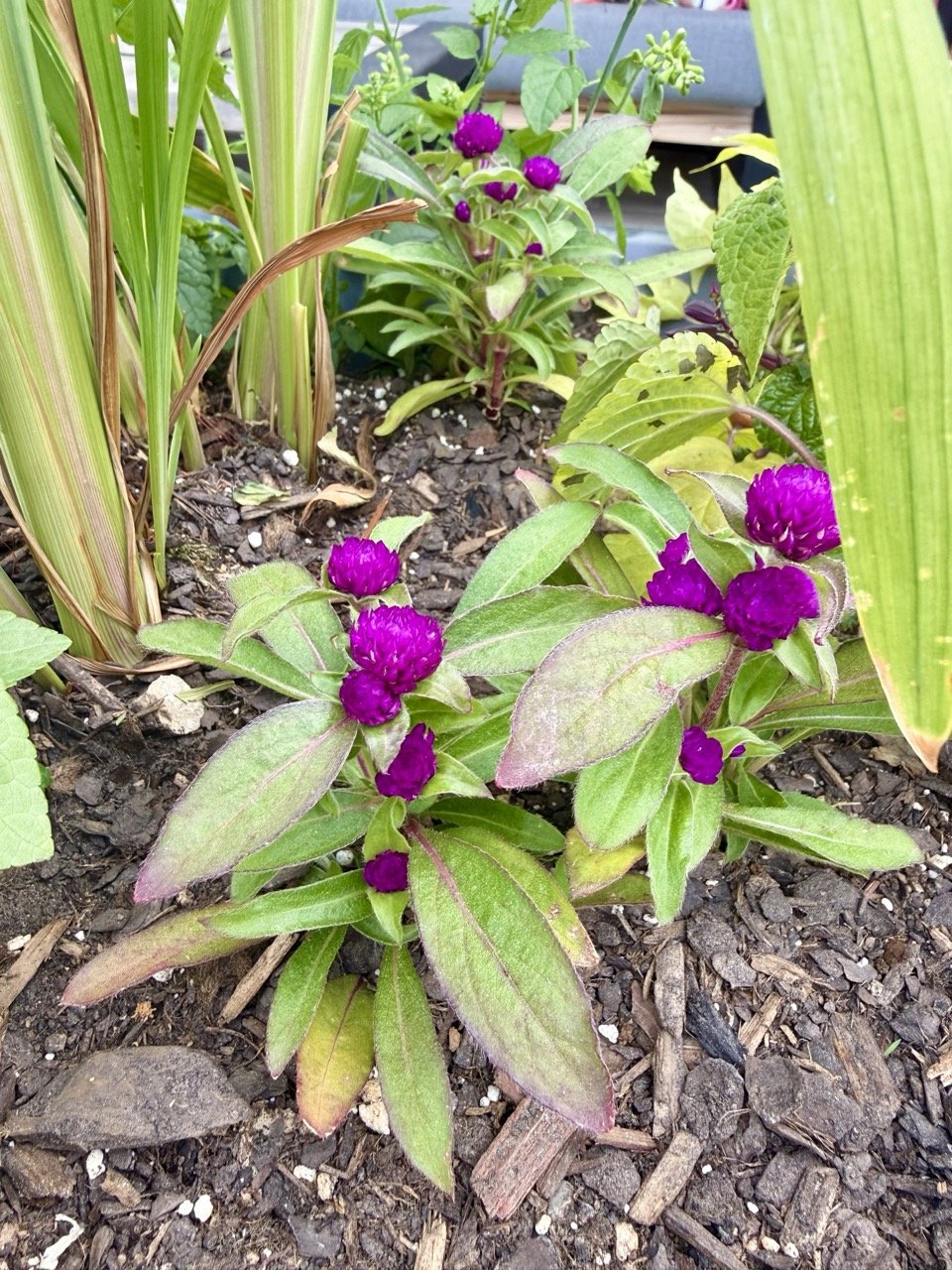
Now, I have grown all of those plants before. I used annual Salvias because they flower repeatedly all summer long. The Gomphrena are also great bloomers with an amazing shot of vibrant color. And Potato Vine – a classic, easy spiller which gets better as the summer wears on (not true of all spillers, frankly).
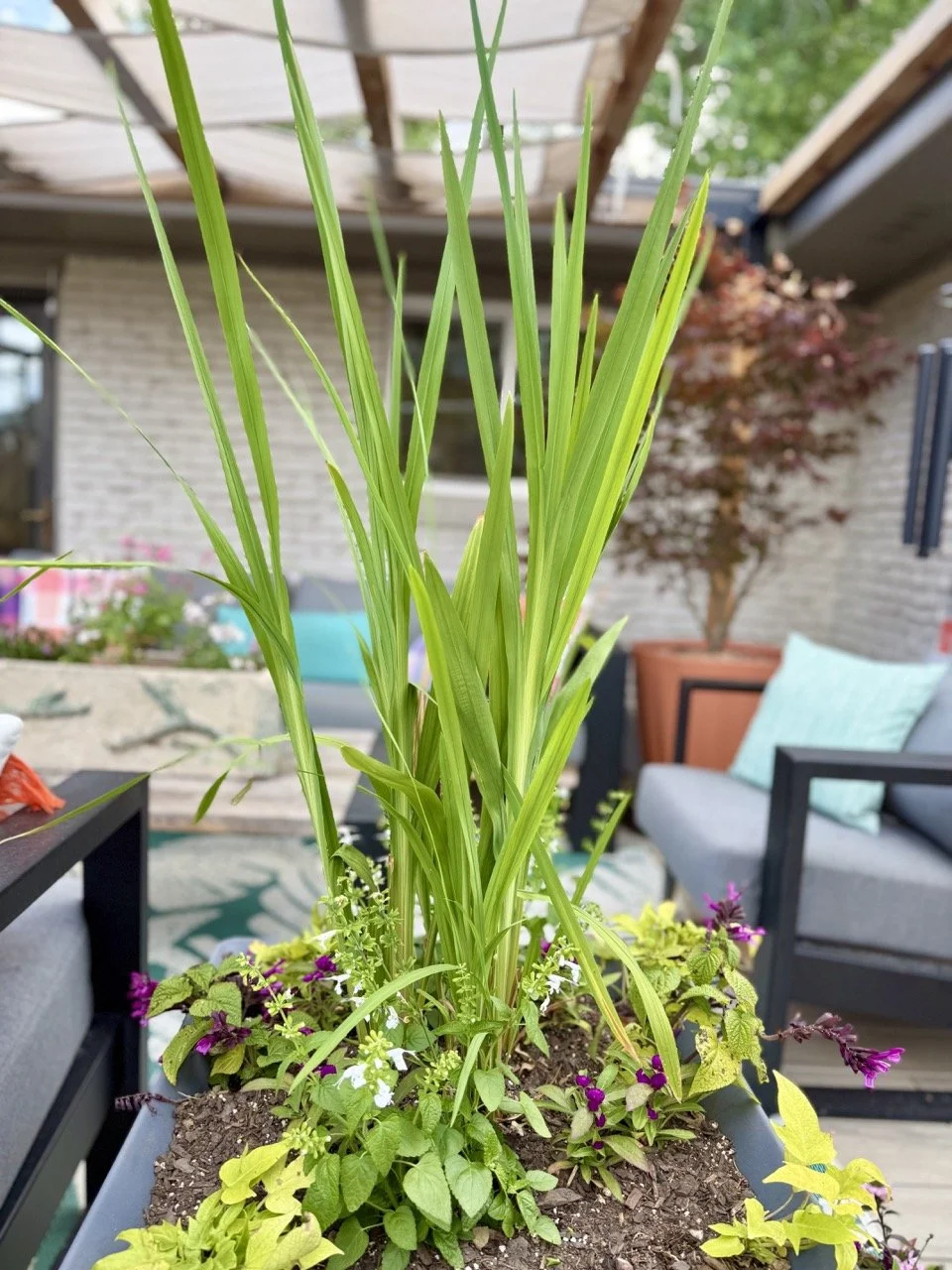
I chose the Crocosmia for height and drama. Crocosmia flowers are amongst my favorites. I grow them in my garden from corms. They are a perennial even here, but they add drama and a tropical flair that I absolutely love.
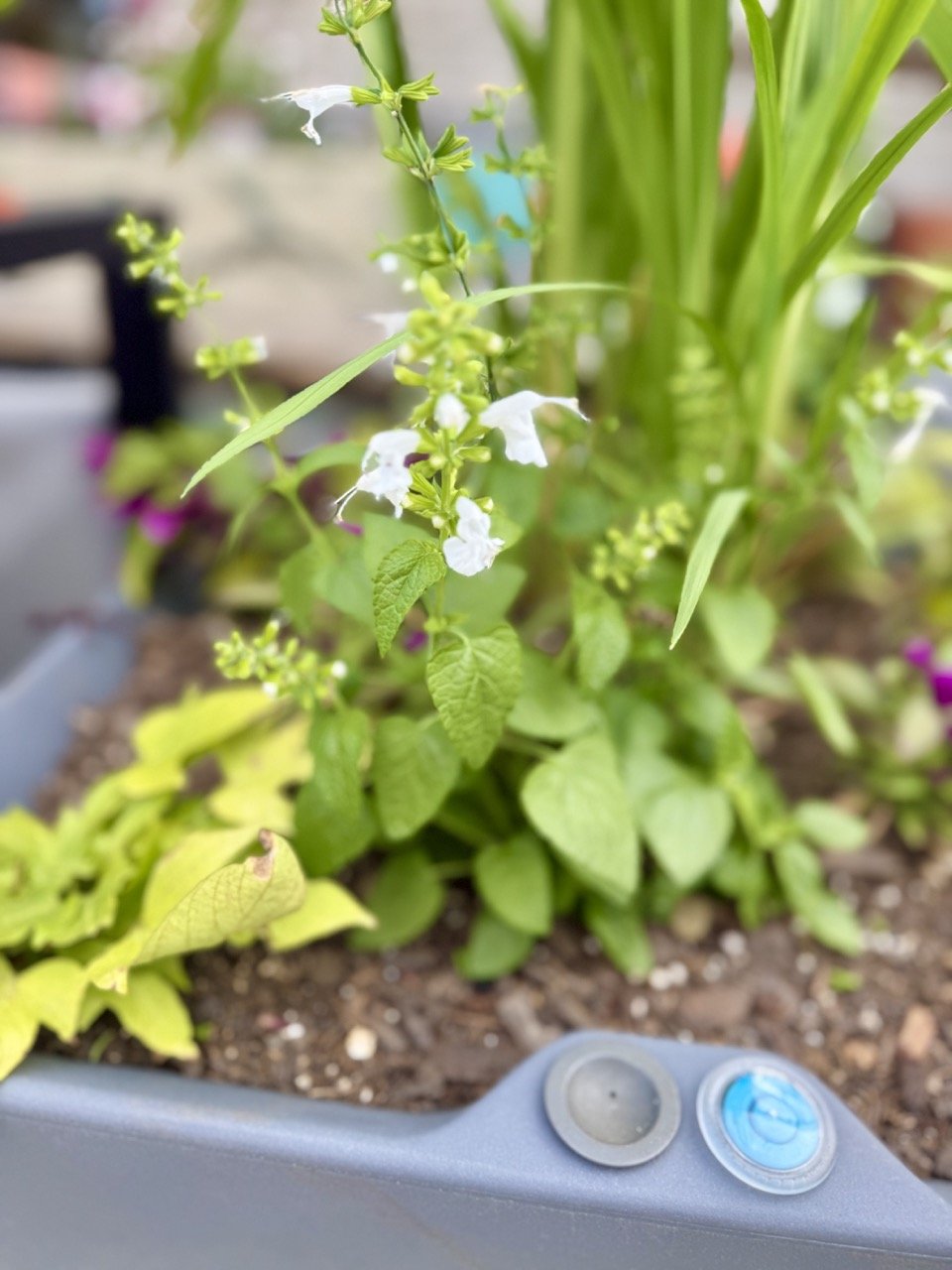
I have enjoyed all of them in combination. In retrospect, I would have chosen Salvias with more color. The white and pink blooms disappear into the mix. And I would have put in more Gomphrena. And maybe two varieties of potato vine for color contrast. But overall, I liked how these plants worked together, and that acid green thread that ties them together is a lovely foil to the deeper greens in my garden landscape.
It’s the Crocosmia that was the mistake – well, at least sort of a mistake.
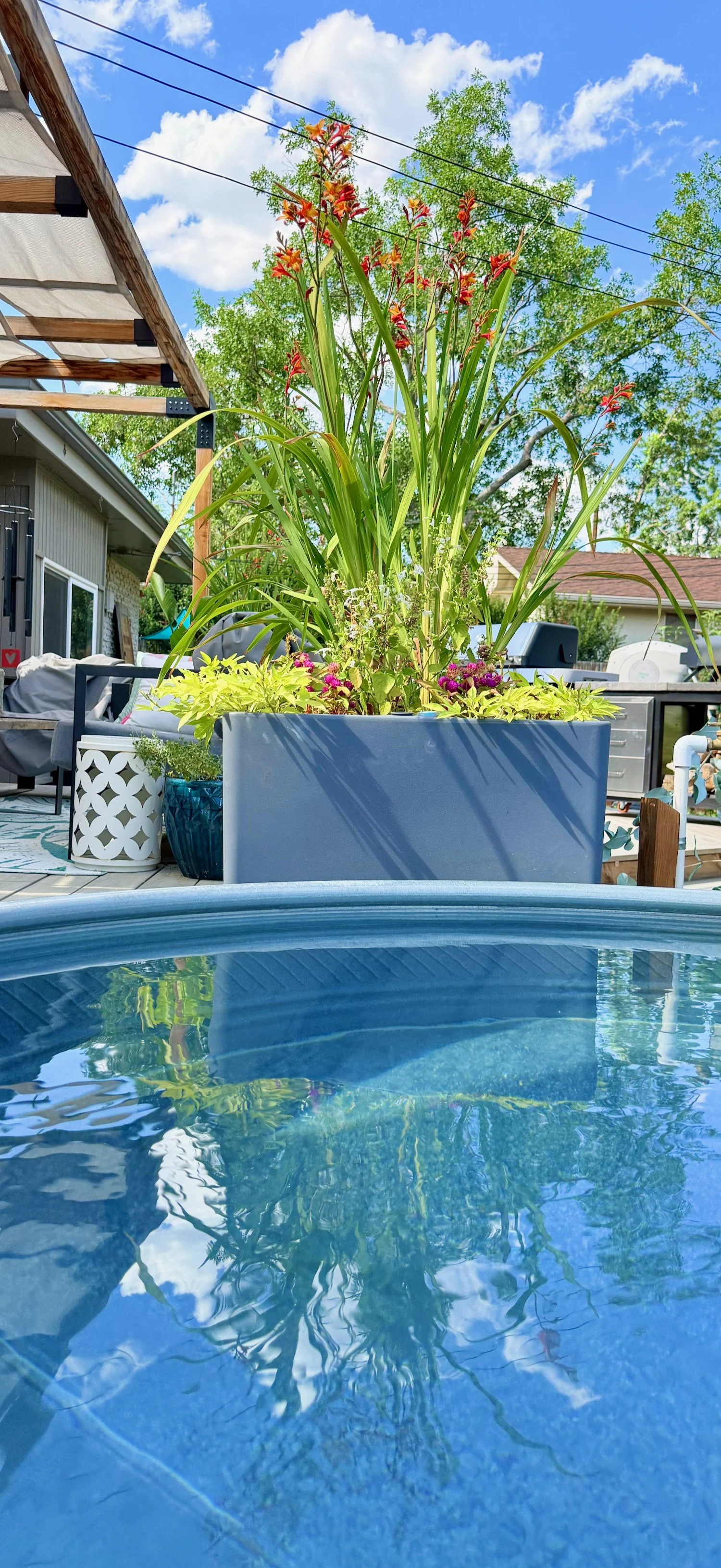
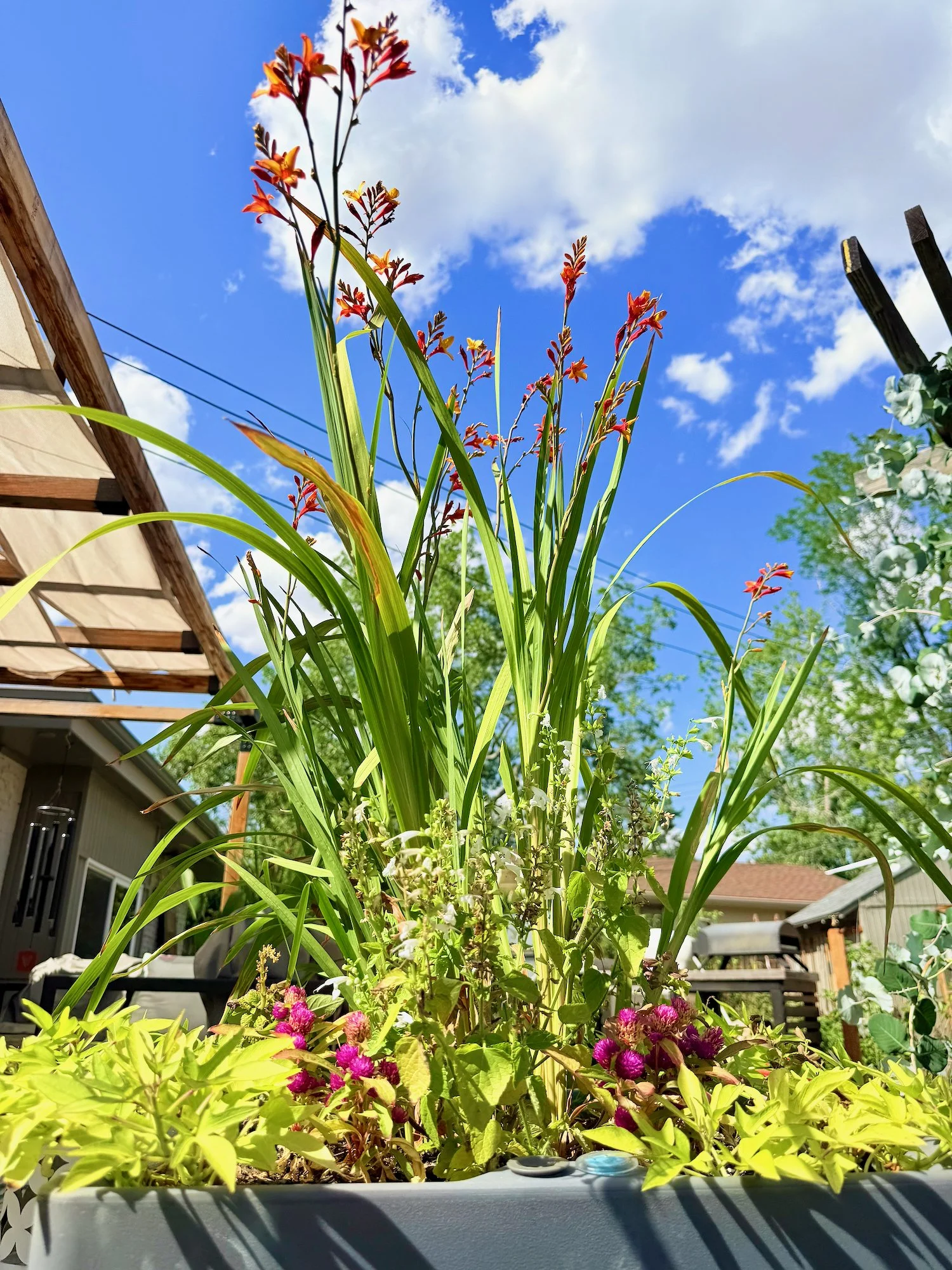
Early July I floated in the pool and watched the hummingbirds feed all afternoon. Heaven!
Does THIS look like a mistake? Not yet…
Crocosmia
Common varieties include:
Crocosmia ‘Lucifer’
Crocosmia ‘Emberglow’
Crocosmia ‘George Davidson’
Crocosmia ‘Emily McKenzie’
Crocosmia ‘Pek Or’ — this is what I used in these planters
Hardiness Zones: 5-9 (generally, varies by variety)
Growing conditions: full-sun with well-drained soil and regular watering
Note: Crocosmia corms are planted in the spring, and most varieties are perennial in Zones 5-9. I have had good luck overwintering Crocosmia ‘Lucifer’ here in Colorado Zone 5|6 – though they were one of the casualties of the extremely dry winter of 2025-26, so they do need moisture over the winter.
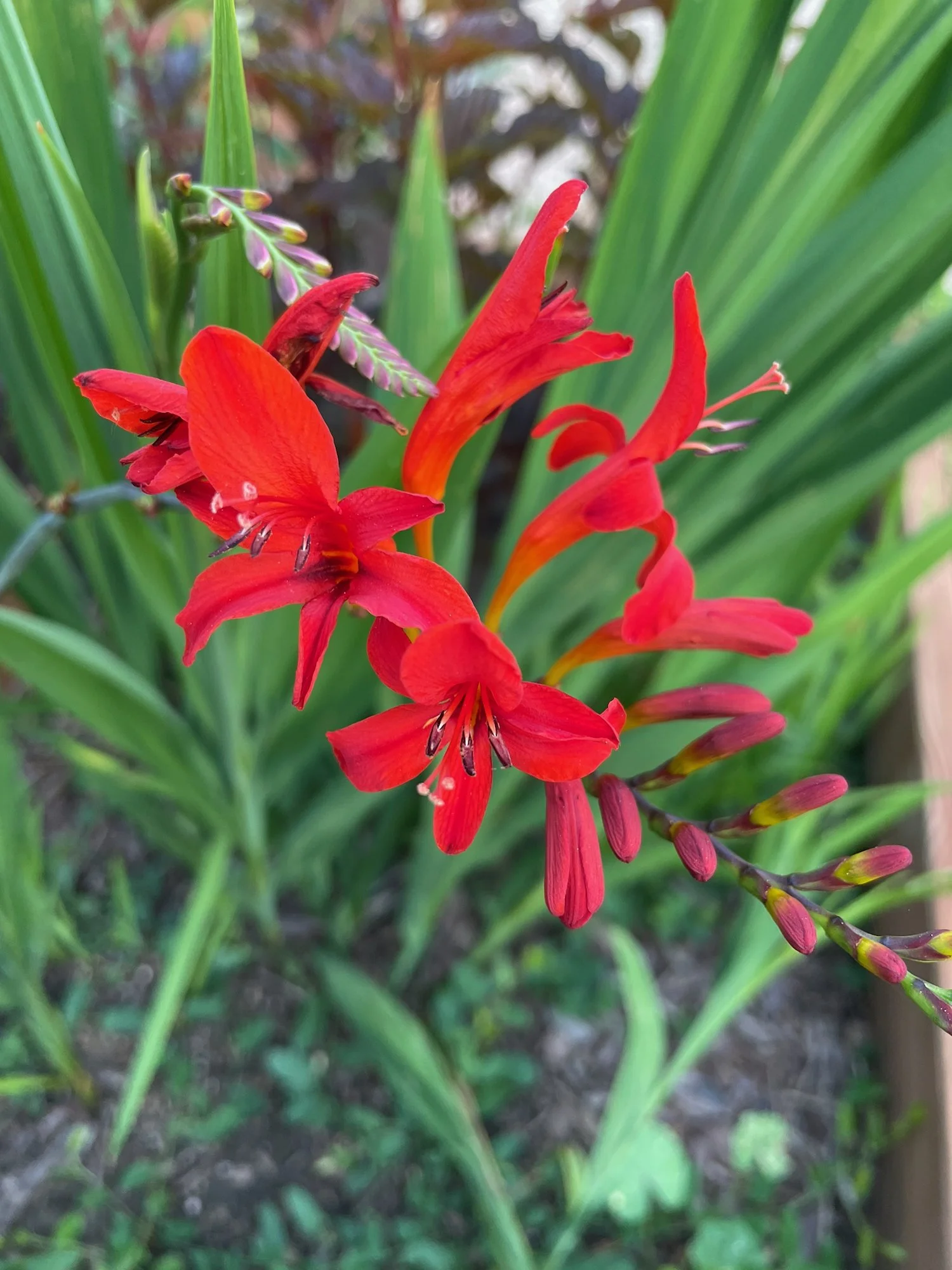
All of this is to say: I love Crocosmia. But…
They weren’t a good choice for my planters. At least not the plants that I purchased. And that’s not because of the variety or the color.
It all came down to timing.
When I purchased those Crocosmia, they had been started in a greenhouse somewhere, and they were 3-4 months ahead of corms that would have been in the ground.
That means instead of blooming in late-August and September – ending the warm season with their fireworks of color – they bloomed in mid-June through early July.
And then their foliage started to die back. Slowly at first. But over the last few weeks, well, they are just a hot mess now.
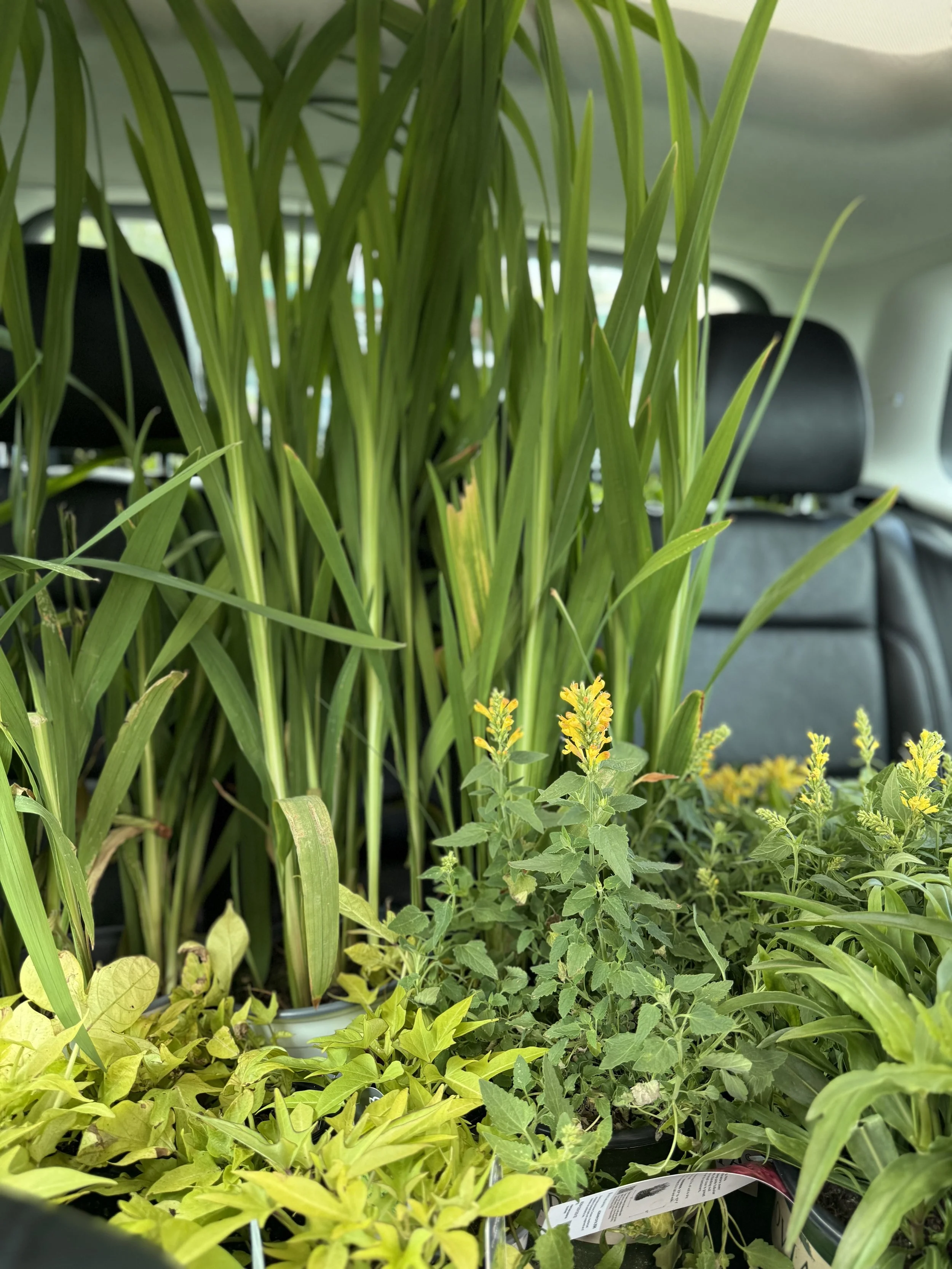
Crocosmia on the way home from the garden center in May
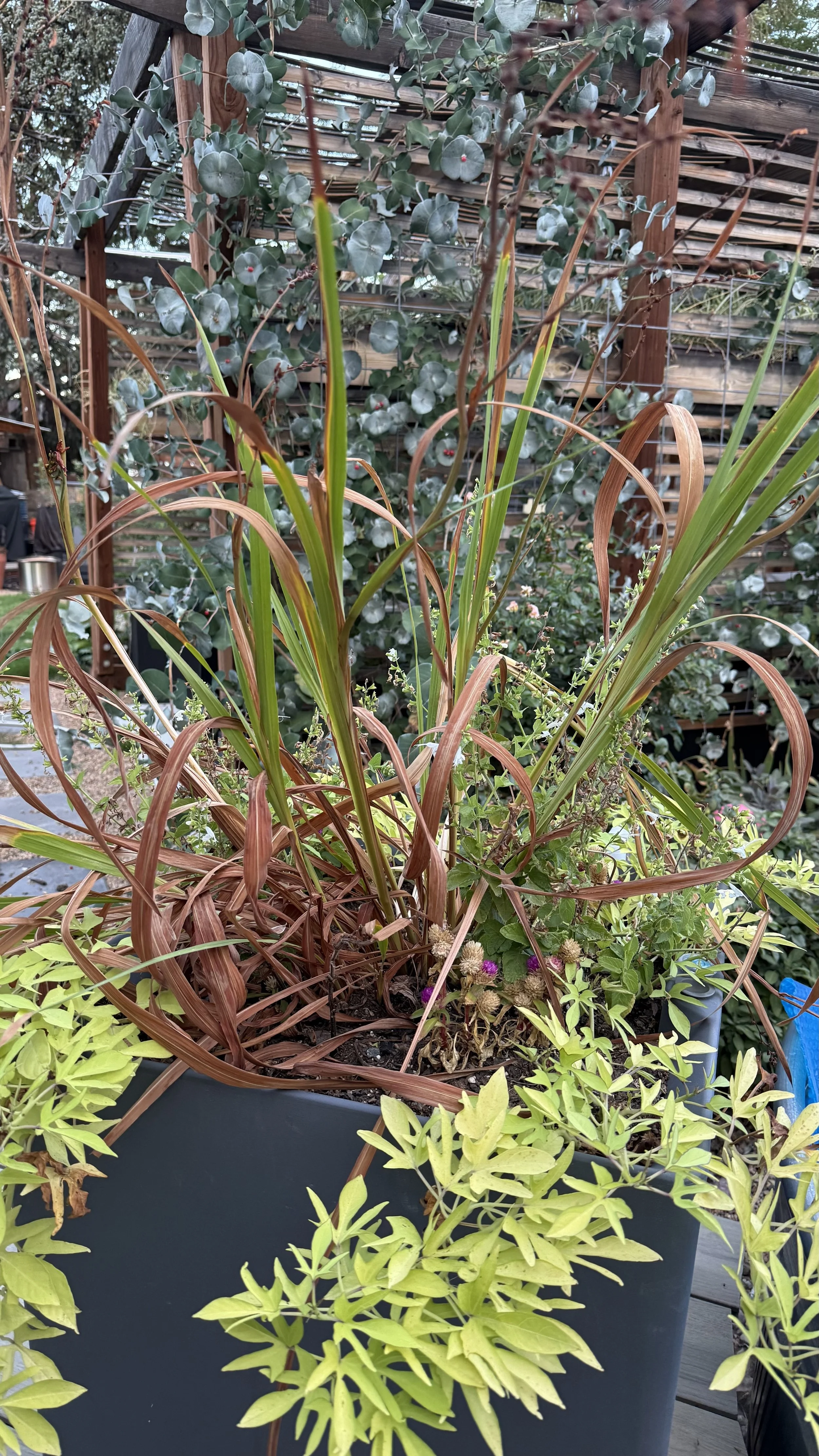
Crocosmia in my planters in early September.
Why did my Crocosmia die back so soon?
Some bulbs and corms bloom early and then their foliage feeds the bulb or corm all summer, storing sugars away for the coming year. But late-blooming plants like Crocosmia, store up sugars and then bloom. Once they are done blooming, their foliage has done its job, and it dies back to rest until the next growing season.
That’s fine in the landscape where other plants take over. And frankly, here, they generally die back with the first few frosts. But that dying foliage does not look good in a planter or a container. And this was the centerpiece of my big planters for the summer!
Now, I know this about plants! But in my excitement in the spring, I didn’t think about the fact that my greenhouse-grown plants would be dying back long before the end of summer.
So now I have a dilemma:
Do I replace those plants because I want my planters to look pretty – knowing that we are 3 weeks from our average first frost?
Or do I just cut them back and let it go?
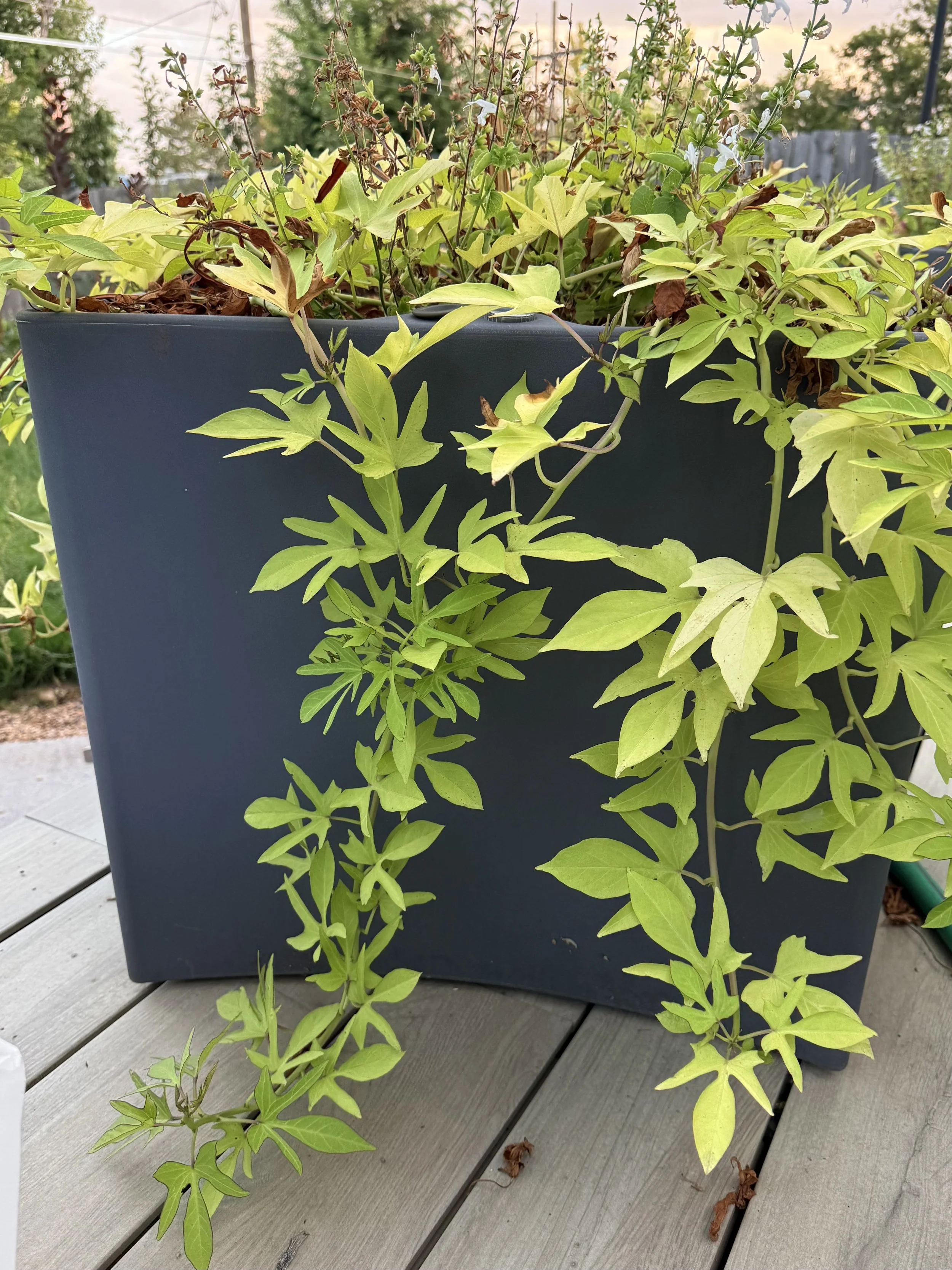
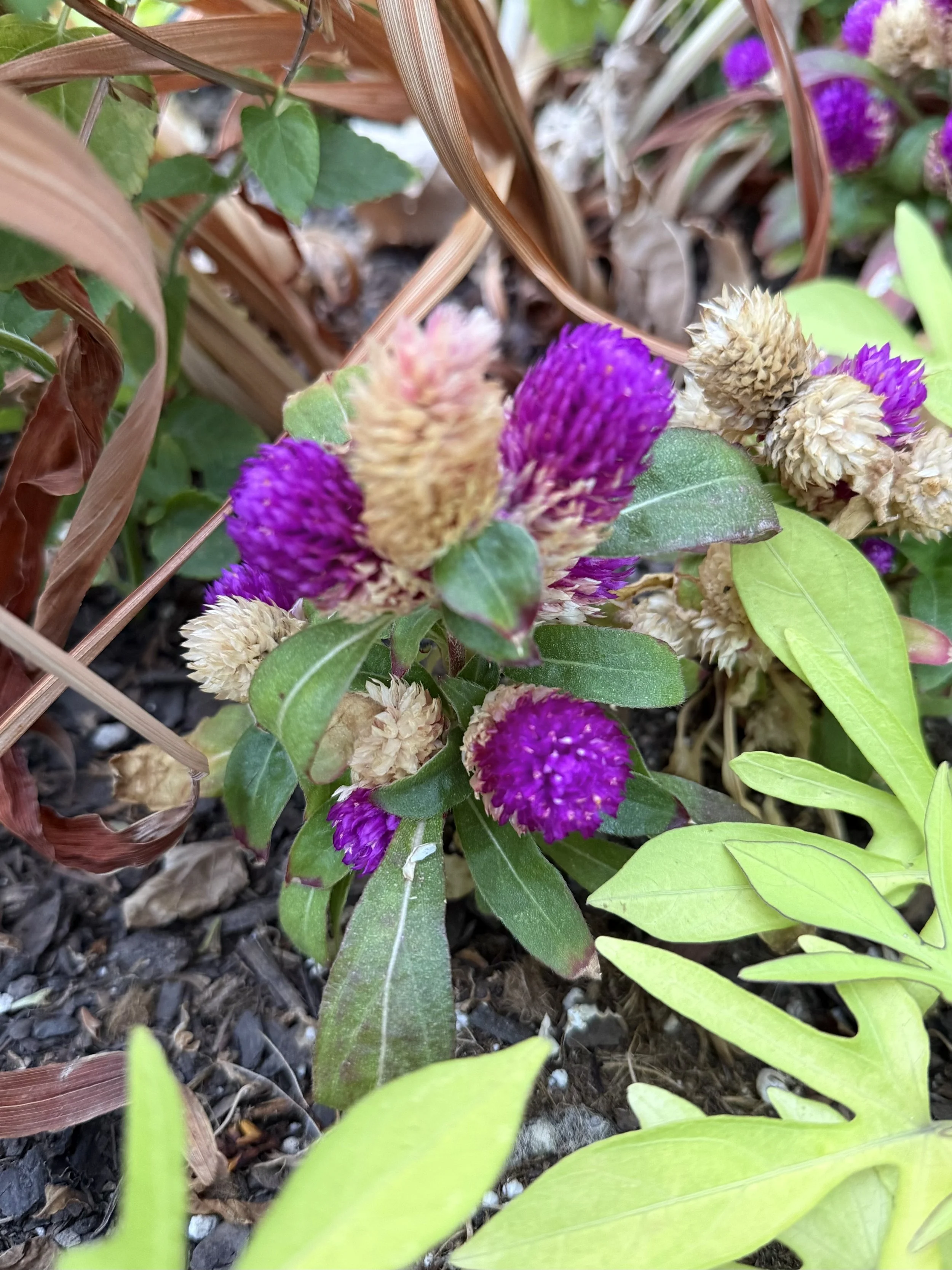
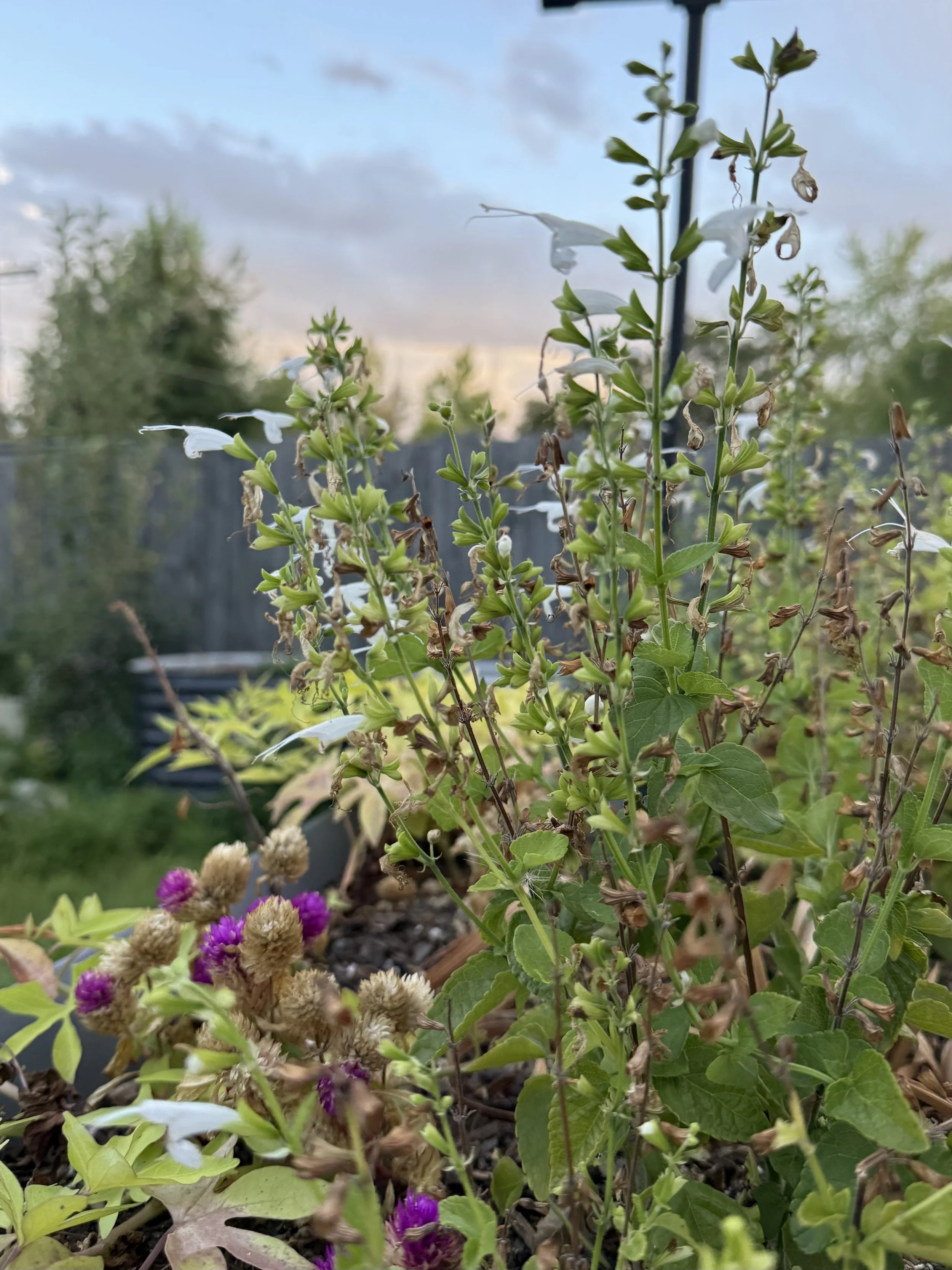
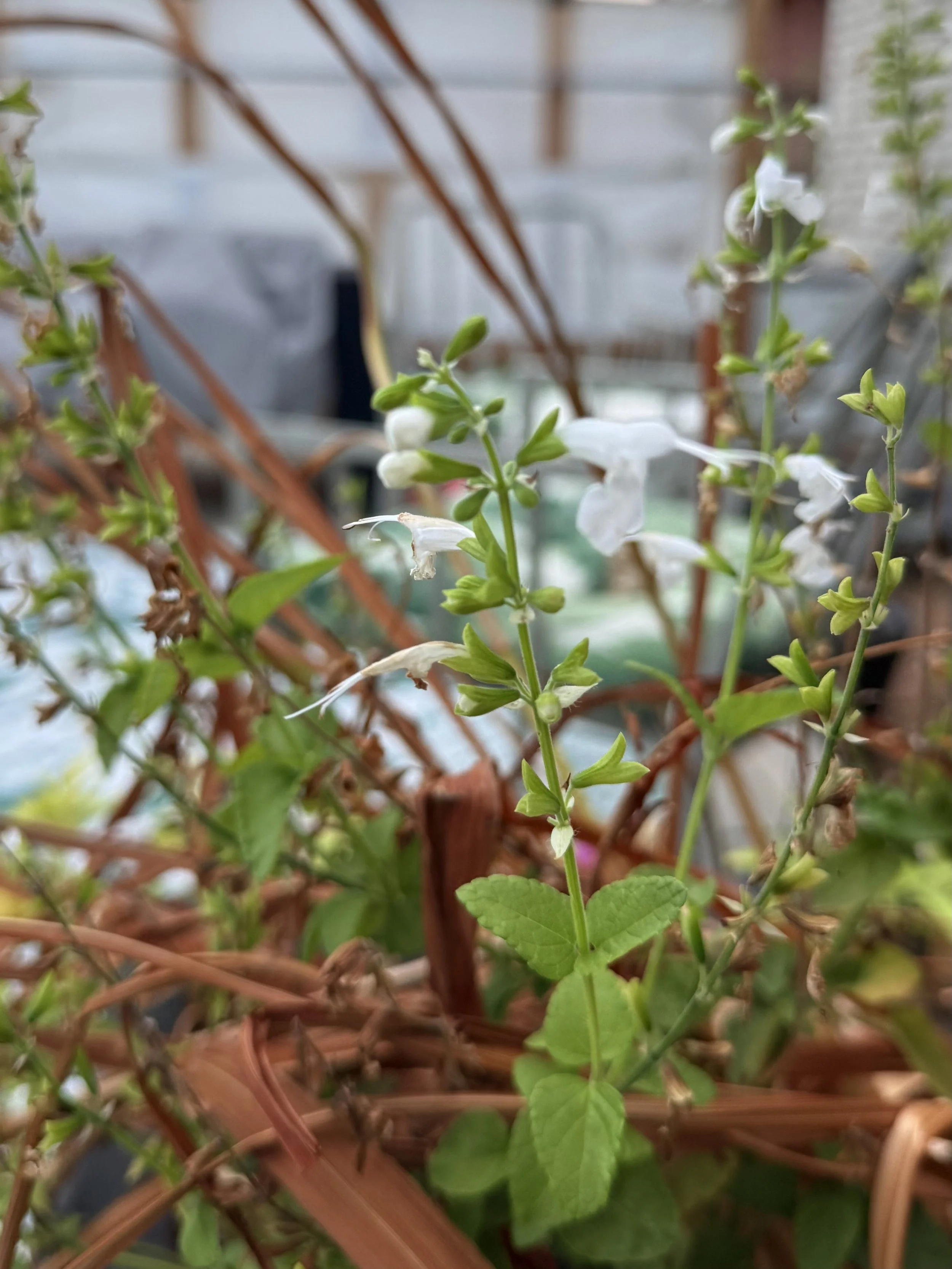
My instinct is to replace the plants. I know that our average first frost is three weeks away, but I also know that it is still in the 90’s almost daily, and last year we didn’t get frost at my house until the end of October. That would be 6-7 weeks from now.
But plants aren’t disposable. At least, they shouldn’t be.
Every plant we purchase represents months of time and labor done by dozens of people – from starting the seeds or cuttings, watering them and caring for them, potting them up, growing them on. Each plant is the sum total of that labor, that water, the soil and growing medium, the fertilizers not to mention electricity to heat or cool a greenhouse, gasoline to move those plants from the grower to your garden center, and the time and resources you put into keeping that plant alive.
Annuals – plants that live and die within one growing season – are less precious, I suppose. And perhaps that is the solution – a lovely annual assortment that will fill my empty planters.
But I think carefully about every plant I buy.
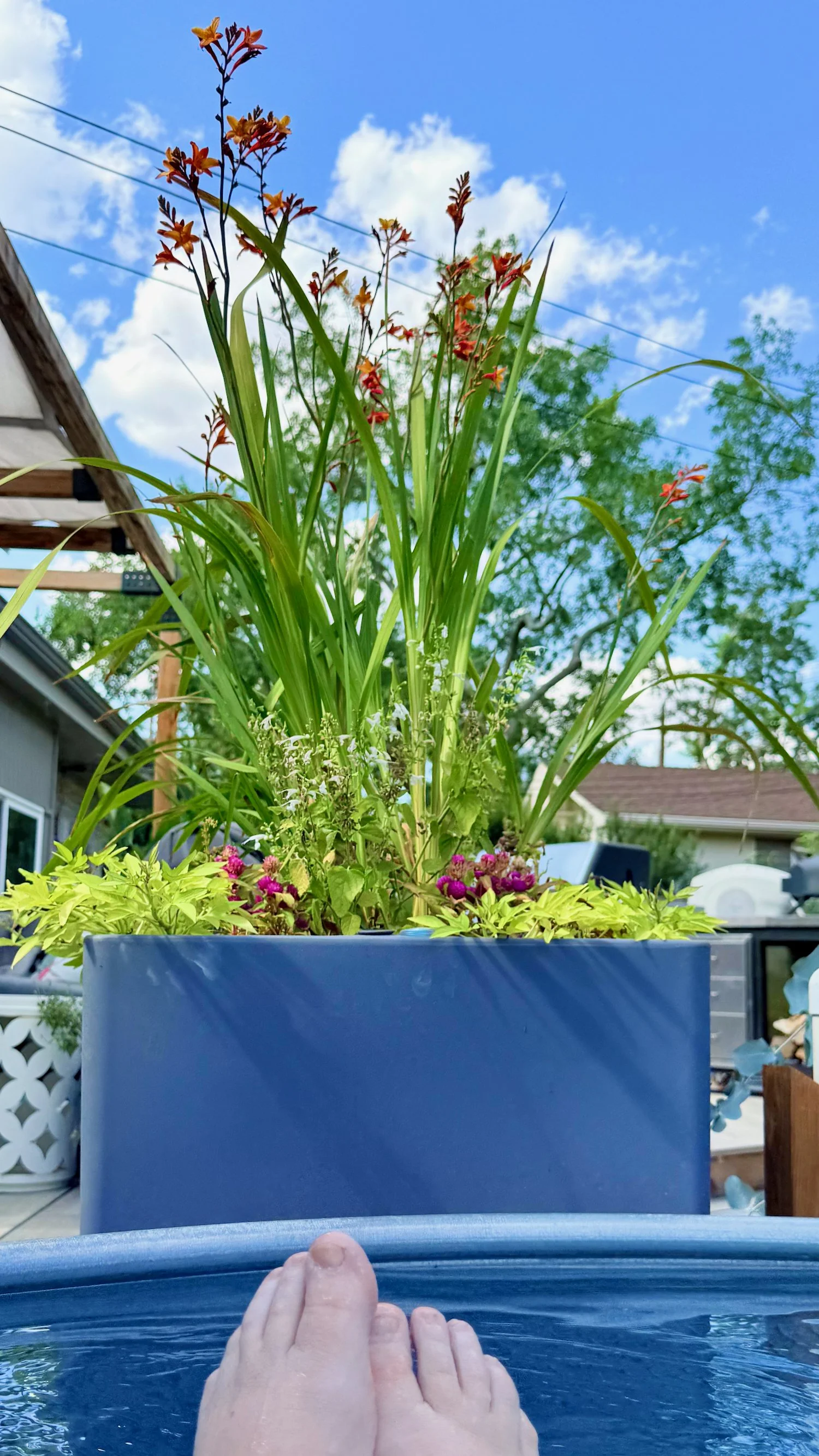
I chose Crocosmias, because they are perennials, and I planned to plant them out in the garden in the fall. I still do. They just ended their yearly cycle much earlier than I anticipated.
And I love using perennials in containers when they can live their best life in my garden in the next seasons! It’s a great way to save money and build your plant collection.
So, I’m unsure what I will do. I’ll keep you posted.
But as we think about our containers for next year, avoid the mistake I made: remember that the plants you choose from the garden center are months ahead of plants in your garden which may impact their timing – both of flowering and of dying back.
So maybe put Crocosmia in the ground instead of in containers!
at the close…
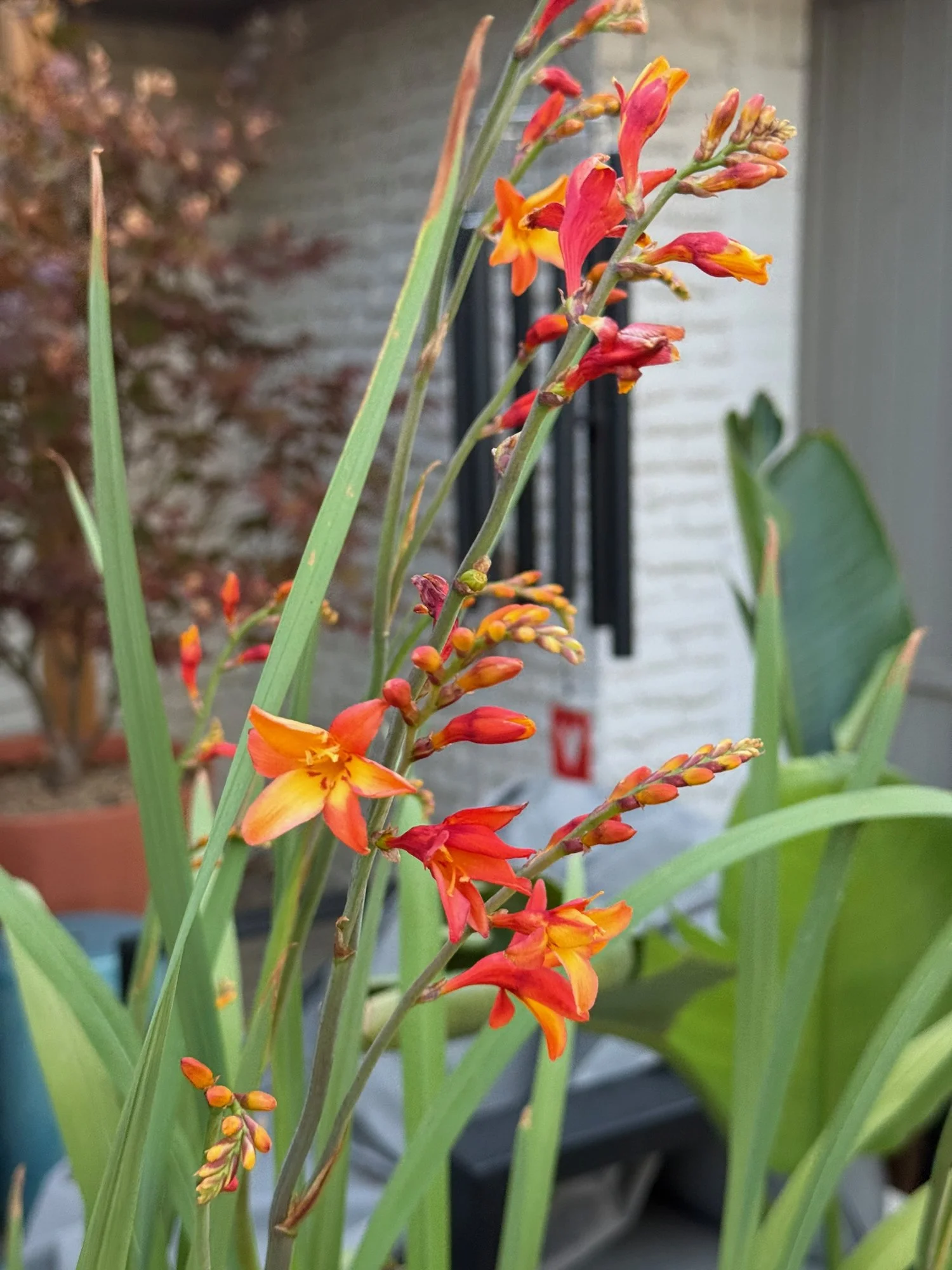
Crocosmia is one of my favorite plants, I just won’t be using it in my feature planters again!
If you have questions about Crocosmia or anything gardening, don't hesitate to ask!
This post originally appeared on my Substack. Subscribe to my Substack, and all of this gardening goodness will appear in your email inbox weekly!
Happy Gardening!
Angela
Subscribe now so you never miss a thing!