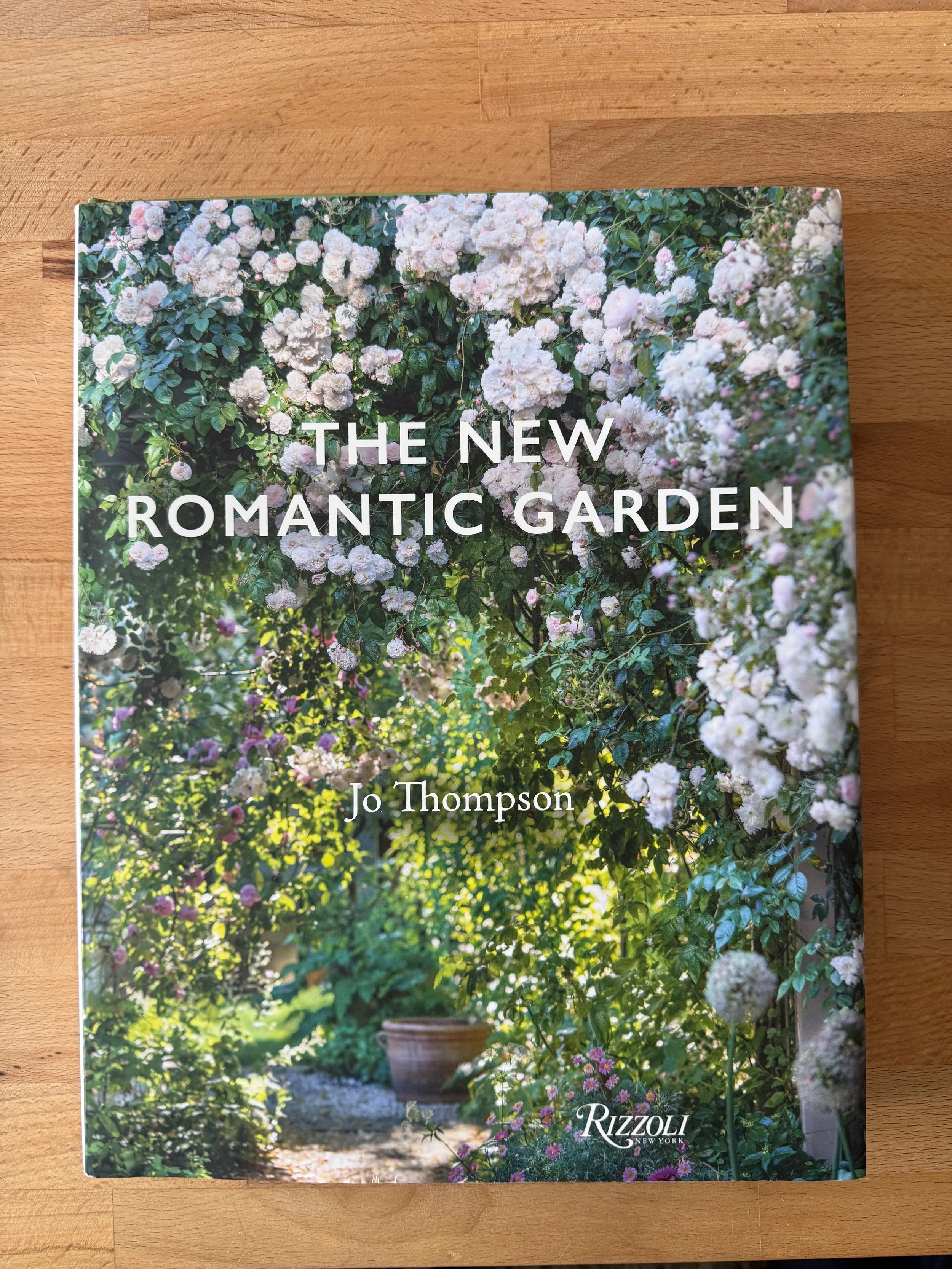
How to Create a Romantic, Rose-filled Garden
Tips for the Home Gardener from the UK’s Most Romantic Garden Designer, Jo Thompson
You know that old saying, “Don’t meet your idols.” The implication is clear: admiration rarely survives proximity.
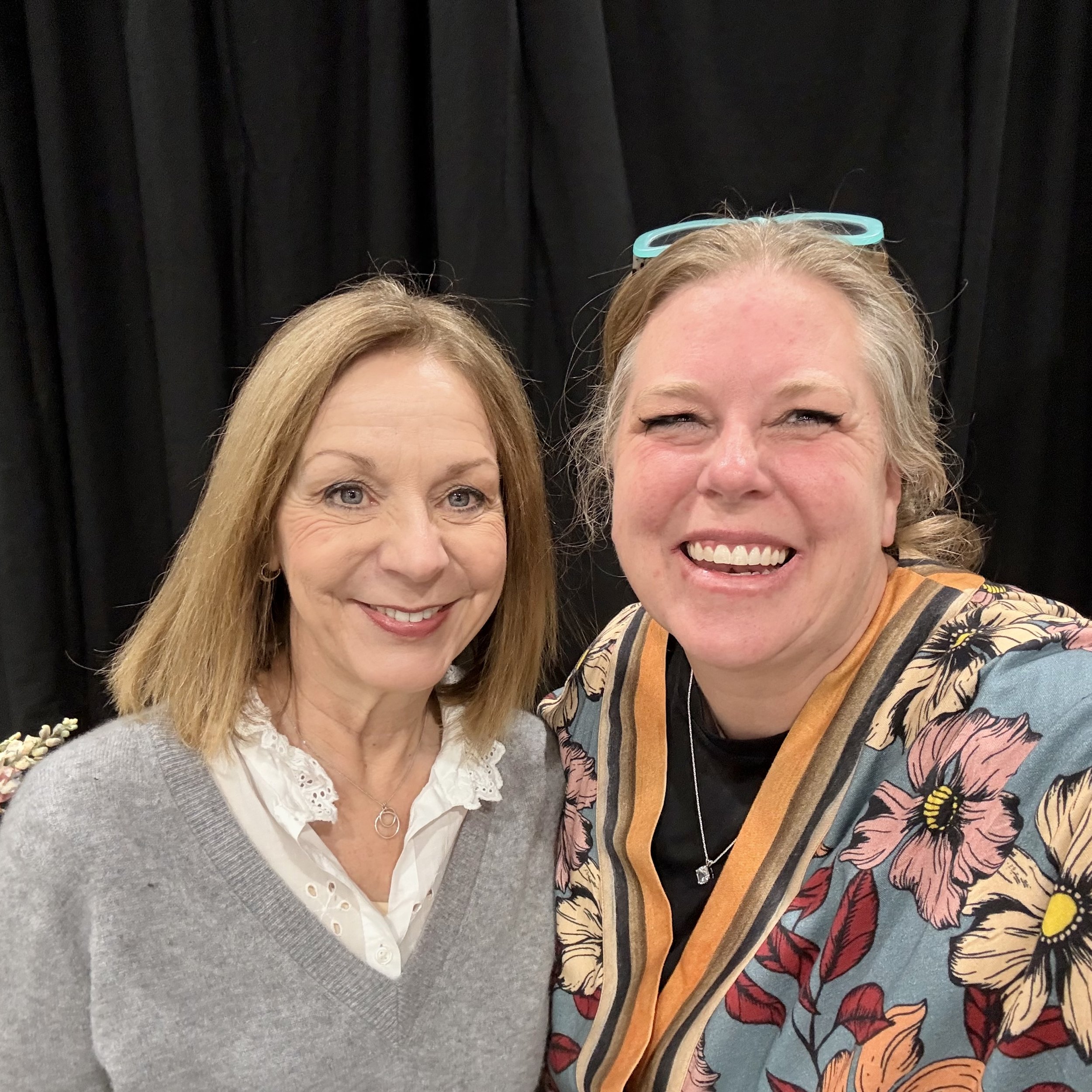
And yet, when I sat down with Jo Thompson—one of Britain’s most celebrated garden designers—I found the opposite to be true. The designer whose work stopped me in my tracks at the Chelsea Flower Show turned out to be thoughtful, generous, and wonderfully grounded.
When she posted on her Substack (where I'm a subscriber, and you should be, too) that she would be in Denver speaking, I took a deep breath and messaged her: "Would you be willing to do an interview?" She accepted, and my inner-fan-girl did a huge happy dance!
Jo's book, The New Romantic Garden, had already captured my imagination on winter afternoons when roses felt impossibly far away. But in conversation, her philosophy became something even more compelling: romantic, yes—but also practical. Atmospheric, yet achievable.
Her gardens are the billowy fantasies of Anne of Green Gables or Pride and Prejudice. They overflow with roses and foliage and poetry. And I know – I saw her Chelsea Glasshouse show garden in person. It was astonishing!
So I have included here both the full interview as well as a distillation. What follows are some of her most beautiful and useful insights for the home gardener—offered not from a pedestal, but from a place of lived experience.
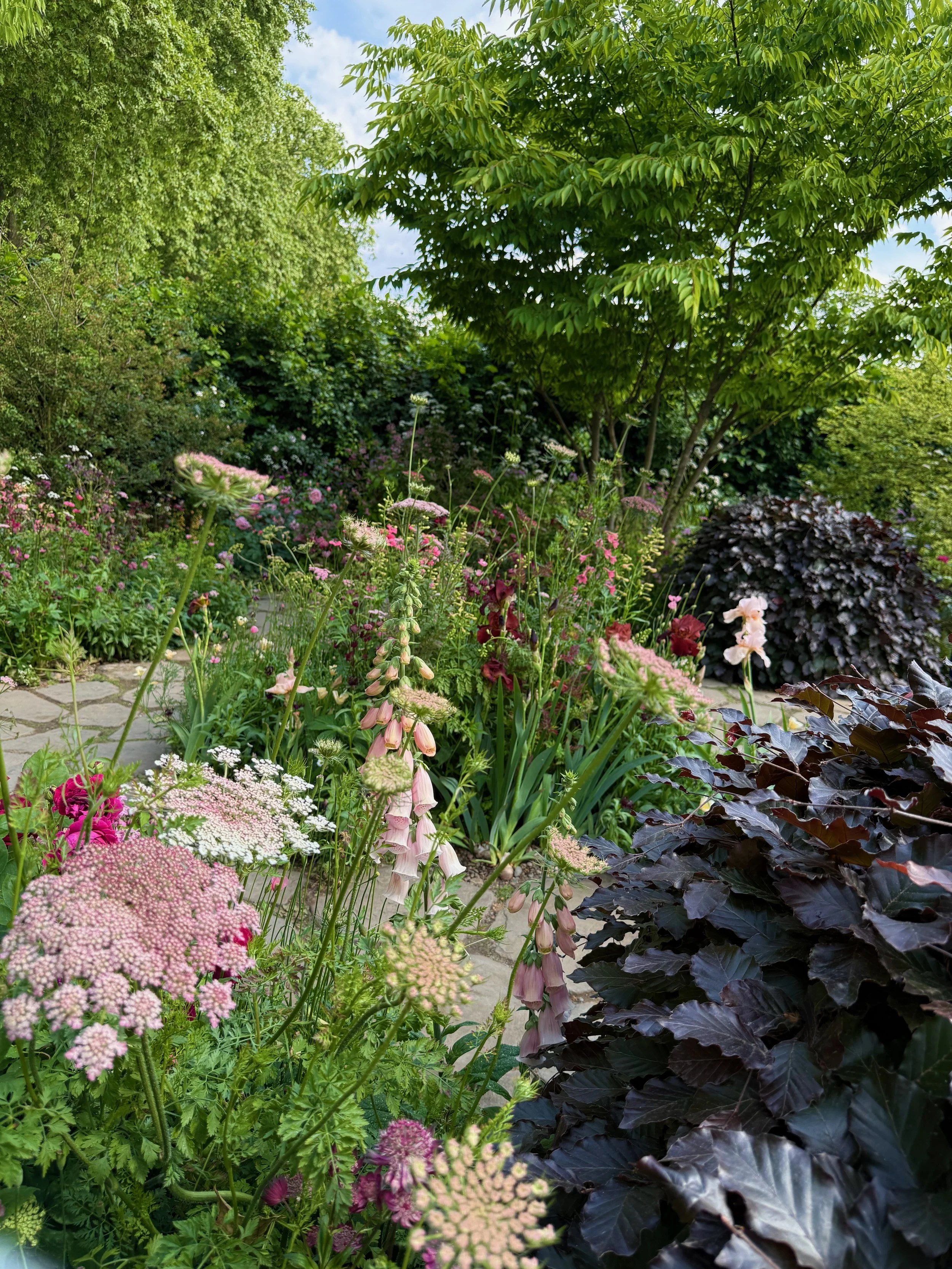
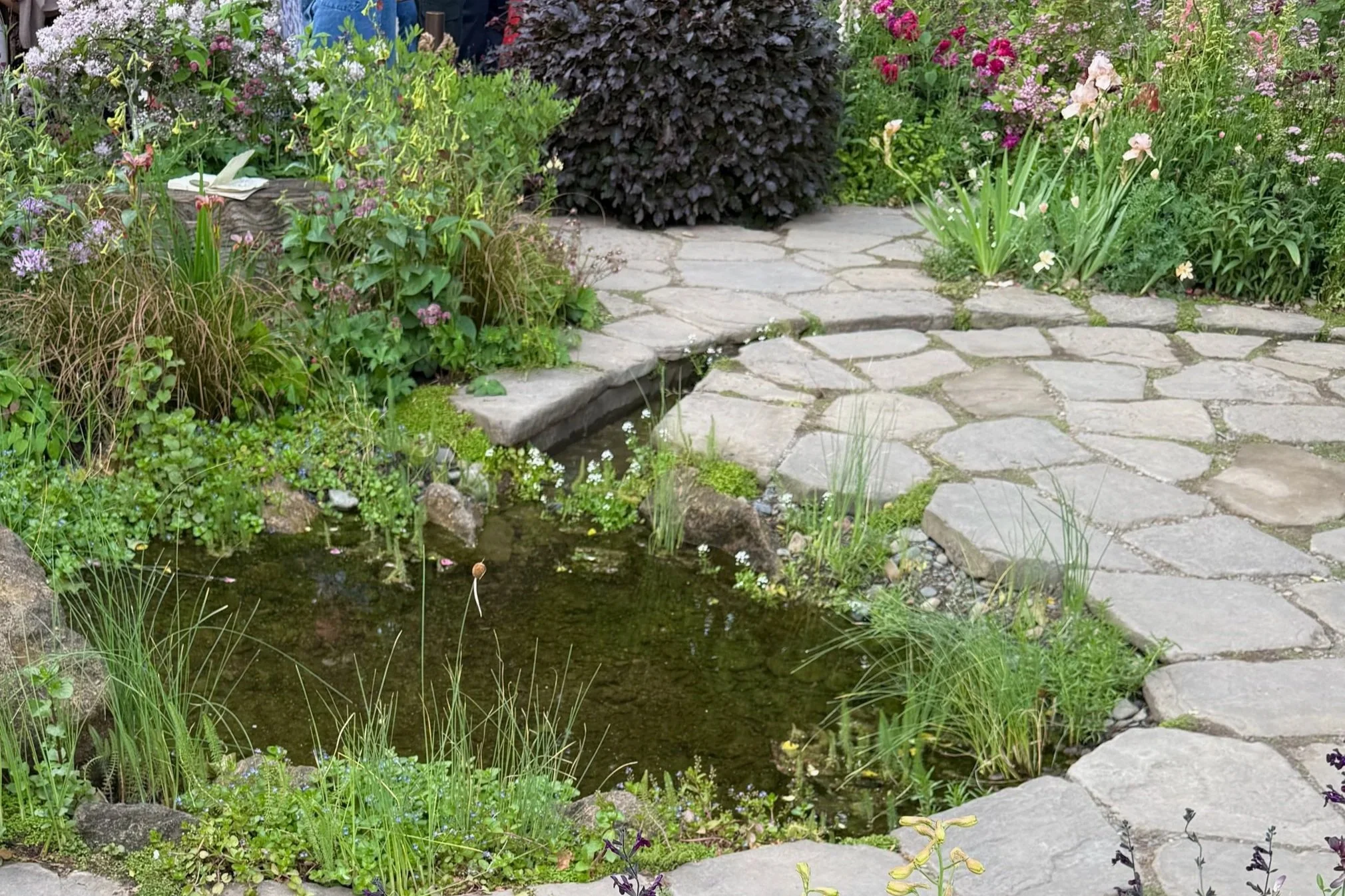
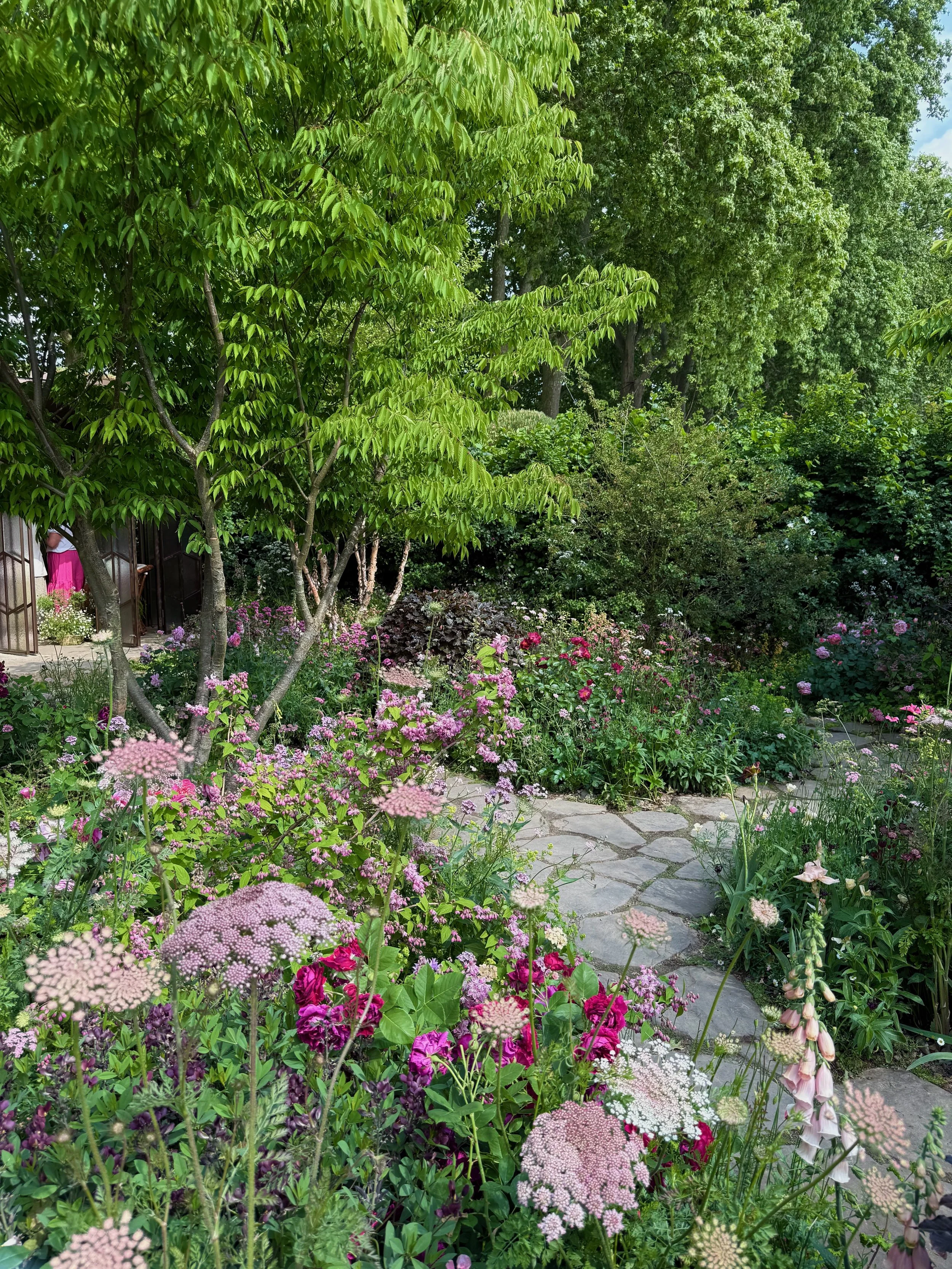
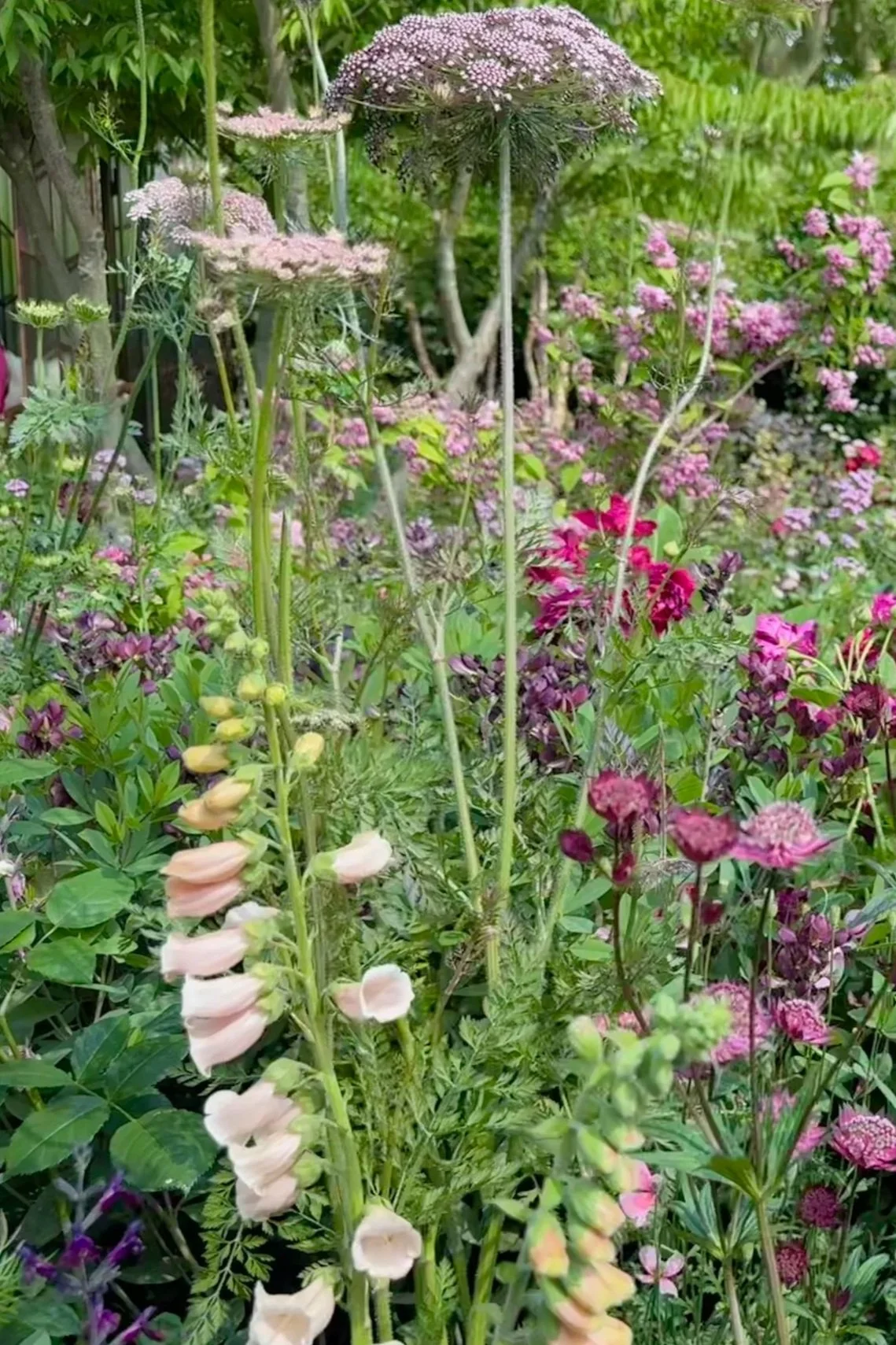
A Note: all of the photos in this piece are from Jo Thompson’s Glasshouse Garden at 2025 Chelsea Flower Show | Photographed by Angela K. Nickerson.
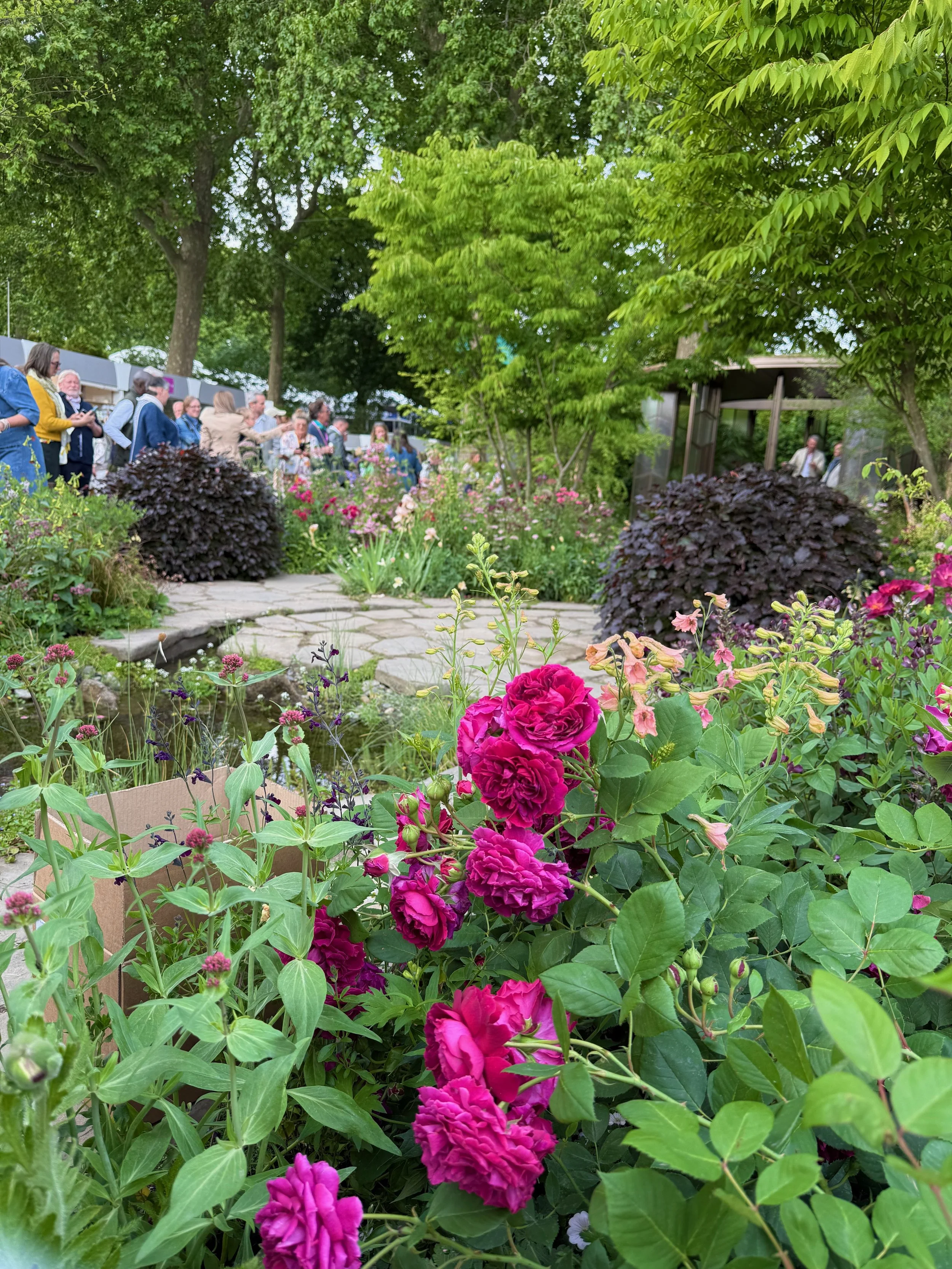
Create Spaces for Your Living Style
Jo did not come to gardening through childhood obsession or inherited expertise. She came to it through feeling.
“I’d always loved the idea of gardens as a space,” she told me. “I loved the atmosphere, the environment… how spaces kind of make people have lovely times.”
That instinct—gardens as settings for life—is at the heart of her work.
When I asked how homeowners might make their gardens less overwhelming, she gently redirected the question:
“Before you start designing, think about how much time you’ve got. So how much space you can actually then turn over to plants, because the plants are going to take the time.”
There is something deeply humane in that advice. Design for the life you actually live—not the one you imagine on a perfect June evening.
She suggests restraint where many gardeners feel temptation:
Fewer varieties.
Plants grouped in generous drifts.
Repetition rather than restless collecting.
“It’s much easier to look after seven plants that are fairly near each other rather than dotted all over the place.”
There is elegance in repetition. And the idea of restricting your palette to bigger groups of a smaller number of plants makes so much sense!
My Conversation with Garden Designer Jo Thompson
Listen to our entire conversation about gardens, plants, and good design for home gardeners, too.
Leave Room for Serendipity
One of Jo’s most enchanting projects featured self-seeded poppies weaving through a coastal garden like silk threads caught on the wind. They were not planned.
“The one thing I didn’t plant there—the thing that makes it magnificent—I didn’t do that. That was nature.”
She speaks of self-seeders with affection and respect:
“They know they’re going to like it there, because they’ve decided to live there. So embrace it.”
Erigeron spilling from cracks in paving. Fennel casting its airy haze above borders. Umbellifers catching the light. These are not accidents to be corrected, but gestures of collaboration between gardener and place.
To garden romantically is, perhaps, to allow surprise. And encourage those self-seeders who tell you where they want to live. After all: free plants are fabulous!
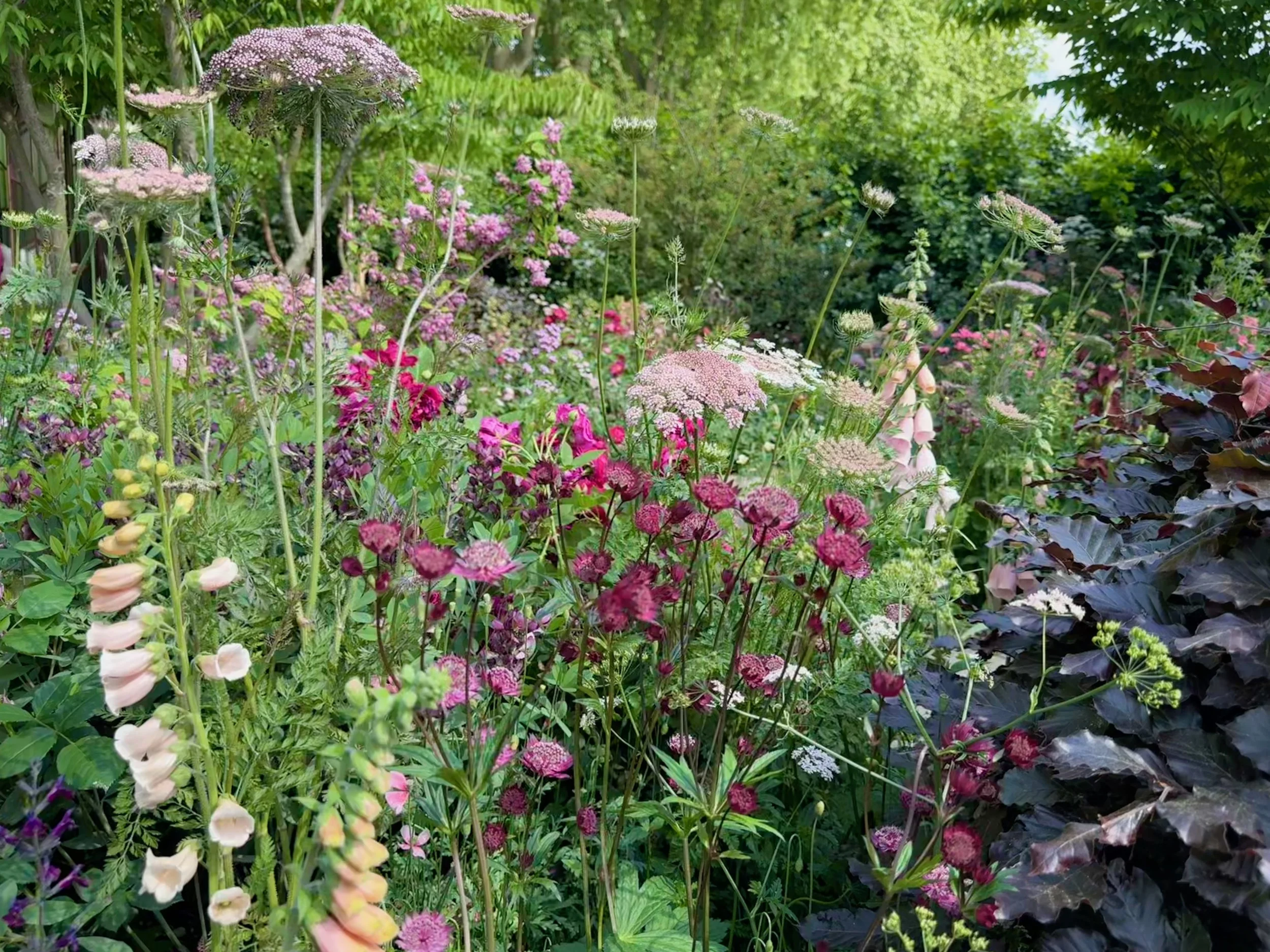
Cultivate Resilience
At first glance, Jo’s gardens appear lush, almost indulgent. But beneath their softness lies discipline.
“I don’t water in my garden. I water my pots, I water my containers. But I treat plants very harshly. And that goes back to that— I don’t want to be out there every evening watering for the planet, for the water bills, for my time.”
New plants receive care in their first season. After that:
“They’ve just got to fend for themselves. And my opinion is, if a plant doesn’t survive, then it’s not right for that place.”
Even roses—those supposed divas of the garden—are not exempt.
“Because a rose has a very long taproot if you let it, and it will go down, down, down and look for water. But if you keep watering it, it’ll keep its roots near the surface.”
Her philosophy is quietly radical: resilience is more beautiful than fussiness.
But another key here: mulch. She preaches mulch over and over again. Resilience – but with some help, too. We don't just abandon those plants!

Practice Gentle Intervention
In a culture quick to rip out and replace, Jo advocates something softer.
Discussing overgrown shrubs and inherited camellias, she suggested:
“Why not go in and try to thin out those lovely stems? … You could see if you could make a dome out of it, you know—why not? Have a go. Be fun.”
In a southern French garden, she transformed the space not by dramatic reinvention but by patient shaping.
“Let’s celebrate what’s there and just mold it into shape, gently wrestle with it.”
There is poetry in that phrase—gently wrestle with it.
Rather than imposing control, she coaxes form from what already exists.
Before discarding a plant, she asks: What might this become?
So how do we do this? Consider pruning before removing a shrub or tree that you don't like. Move plants from one place to another. And remember: you can always cut something back – even to the ground – if it is too big. Resilient plants will take it and may come back even better – but more to your liking.
Related Posts and Content
-
Jo Thompson
Garden Designer
The Gardening Mind | Jo’s Substack -

The Glasshouse Garden
Click Here | My impressions of Jo Thompson’s Glasshouse Garden from the 2025 Chelsea Flower Show
-
North American Plants at Chelsea Flower Show
Click Here | Check out the Native North American plants I saw in the Chelsea show gardens
-
Creative Plant Choices
Click Here | New and interesting plant varieties
-
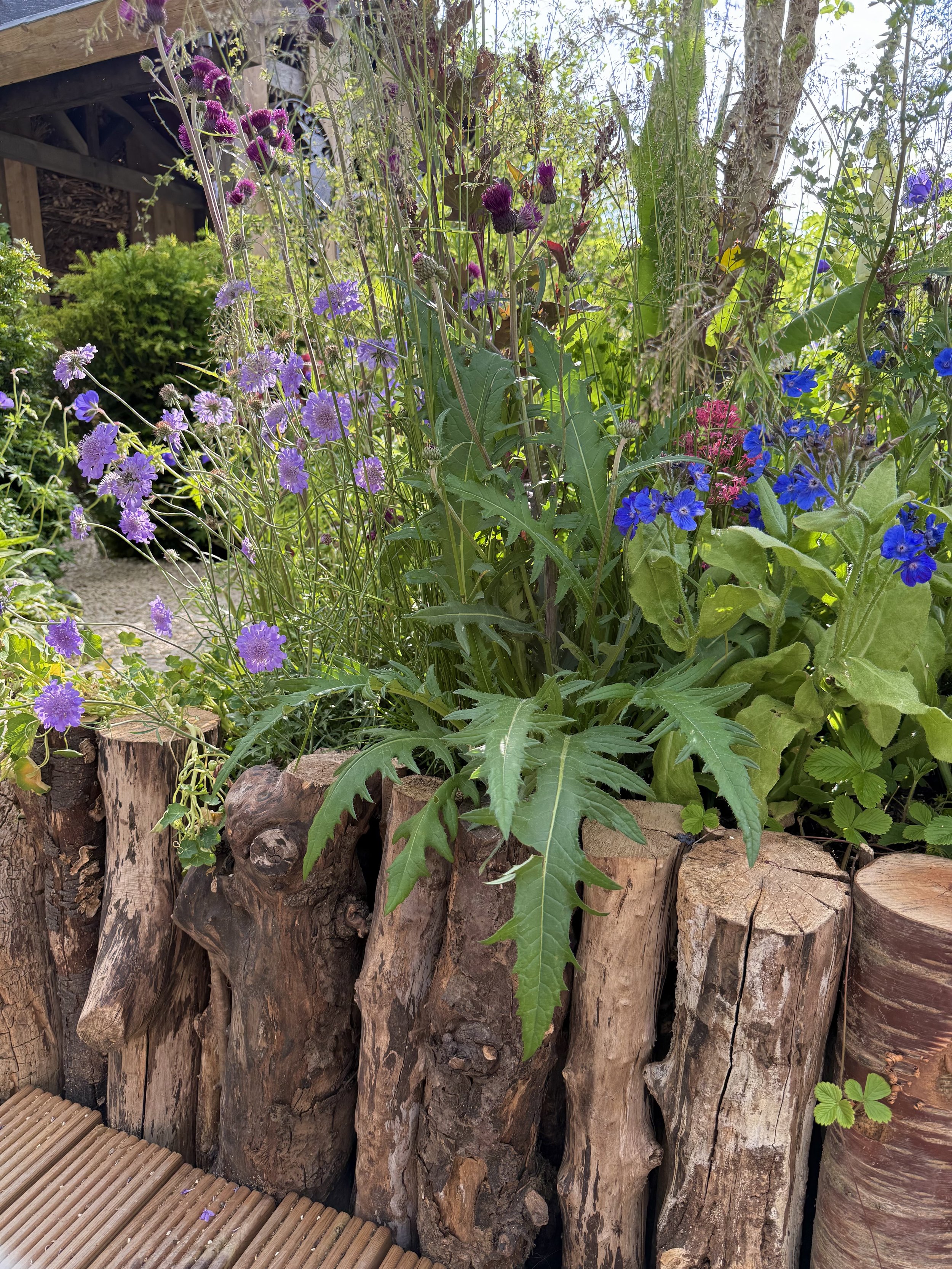
Hardscaping Ideas for Your Yard or Garden
Click Here | Ideas for paths, containers, structures, and more that will transform your yard or garden
-

Adding Trees to Your Yard or Garden
Click Here | Even the smallest spaces have room for trees! You just have to choose the right ones.
Banish Rose Anxiety
Roses intimidate many gardeners. Jo dismantles that fear with characteristic clarity.
First:
“Stop with the pesticides. Stop.”
Aphids, she reminds us, are part of a larger story. Leave them, and predators follow.
Second: choose wisely. Research varieties suited to your region.
And perhaps most liberating:
“Don’t overthink pruning.”
She once stared at pruning diagrams in confusion herself.
“As long as I’ve got the timing right, how wrong can I go?”
There is permission in that question. Gardening, she suggests, is not an exam. It is an evolving conversation.
Underplant roses with salvias, irises, hardy geraniums. Let them live among companions. Replace rigidity with relationship. And mulch them with compost, too.

Create Mystery
In The New Romantic Garden, Jo explores romance not as sentimentality, but as atmosphere.
“A garden that tells a story or feels as if it could tell a story. A garden that is a stage for moments in life.”
She speaks of mystery—of withheld views and beckoning paths:
“Little areas beckoning you. You might not see the whole garden at once, but you get glimpses of something that make you want to go further.”
The garden becomes narrative. You move through it the way you turn pages.

Invite Wildlife with Intention
Jo’s gardens hum with life—not through grand gestures, but through thoughtful ones.
She mows different areas of lawn at different heights. She leaves some grass long. She feeds birds in winter when the ground is frozen. She ensures hedgehogs can pass between gardens. She plants flowers of many shapes to serve many pollinators.
And she offers this gentle insistence:
“People say, oh, but is it going to make any difference what I do? Yes, it is. Because if everybody did one little bit, it would be a wonderful thing.”
The romantic garden is not merely beautiful. It is alive.
at the close…
Perhaps the most enduring lesson from our conversation was this:
“Every house, every client, every location is different. Every garden is different. So the gardens are going to be different.”
There is no formula. No universal blueprint. Only attentive listening—to the land, to the climate, to the people who will inhabit the space.
Meeting Jo Thompson did not diminish the magic of her work. It deepened it.
Behind the show gardens and the accolades is a designer who leaves room for wild poppies, questions unnecessary rules, resists chemicals, shapes rather than destroys, and insists that gardening should never feel like punishment.
As she said so simply:
“I don’t want it to be daunting. I want it to be a pleasure.”
And perhaps that is the truest definition of a romantic garden—not extravagance, but joy. And plant some roses already!
Happy Gardening!
Angela
Subscribe now so you never miss a thing!