

Plant This!
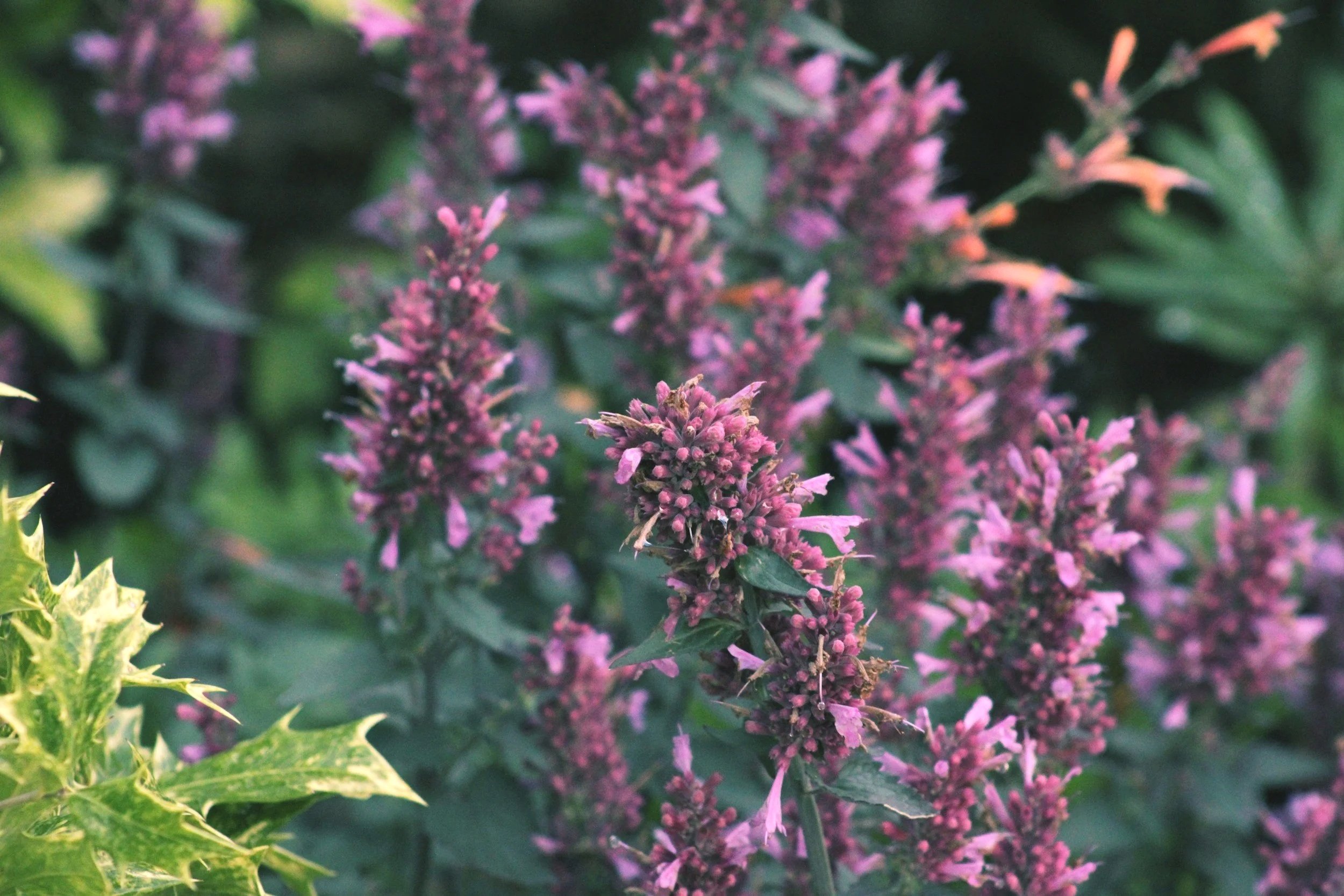
Agastache
Agastache Care Guide
Why Agastache Is a Must-Have Native Plant
If you’re looking for a plant that does a little bit of everything in the garden—feeding pollinators, thriving in tough conditions, and improving your local ecosystem—let me introduce you to Agastache, commonly known as hummingbird mint or anise hyssop.
This is one of those plant groups that I wish more home gardeners appreciated—because when you choose the right Agastache, especially native North American species, you’re not just planting flowers. You are planting food. You are planting a place to rest. And you are restoring a tiny piece of the ecosystem, one root system at a time.
Agastache is a genus of drought-tolerant perennials in the mint family. Generally speaking, Agastache:
thrive in full sun
like well-drained soil
are an excellent choice for pollinator gardens.
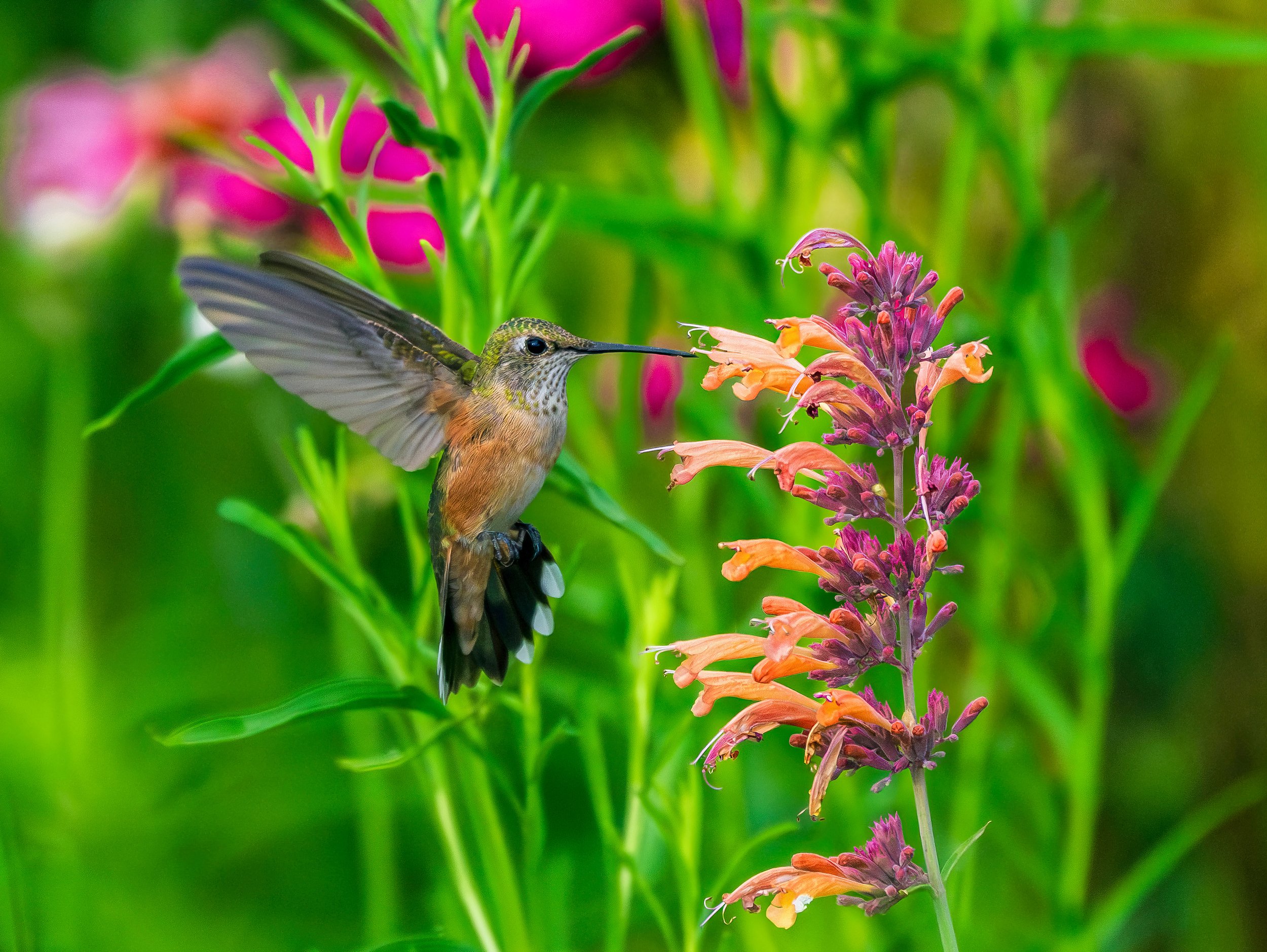
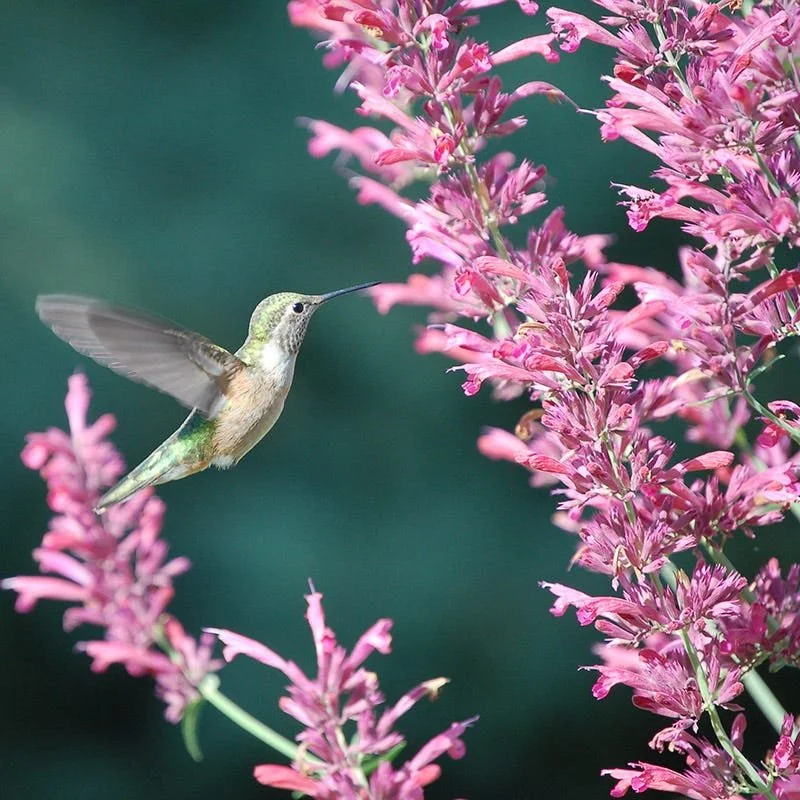
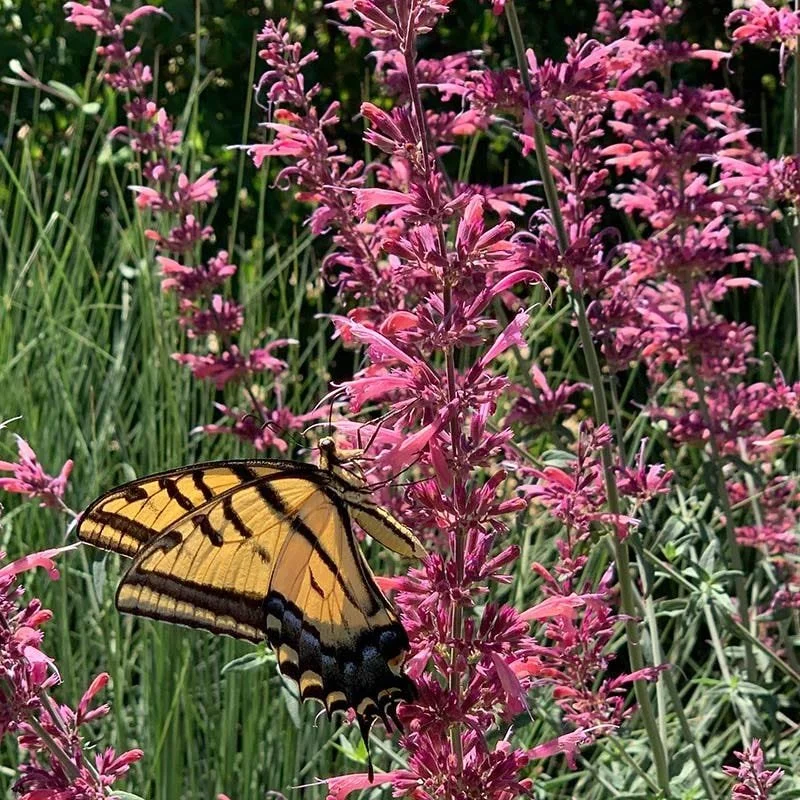
Native varieties support bees, butterflies, and hummingbirds while requiring minimal water and maintenance. And they BLOOM! They are gorgeous, happy blooming plants that will live for years – if they get a good start in the right place.
I have learned, however, that Agastache can be a little fussy. I planted a lot of them in my Wildlife Garden originally, and they haven't survived. I was so upset about this, but I have since learned more about my own soil – and about Agastache – and now I know that they were the wrong plant in the wrong place.
My mistake! But we can learn from this, and grow as gardeners, right? So, let’s dig into how to grow Agastache well—and thoughtfully.
Note: the Substack version of this post was sponsored by my long-time partner, High Country Gardens. But the ideas and opinions expressed are all mine.
What Makes Agastache So Valuable for Pollinators
Agastache is a genus of about 22 species, many native to North America, especially from the prairies, the plains, and the Southwest .
Native plants like these:
Support specialist pollinators
Require less water and fertilizer
Are adapted to local climate extremes
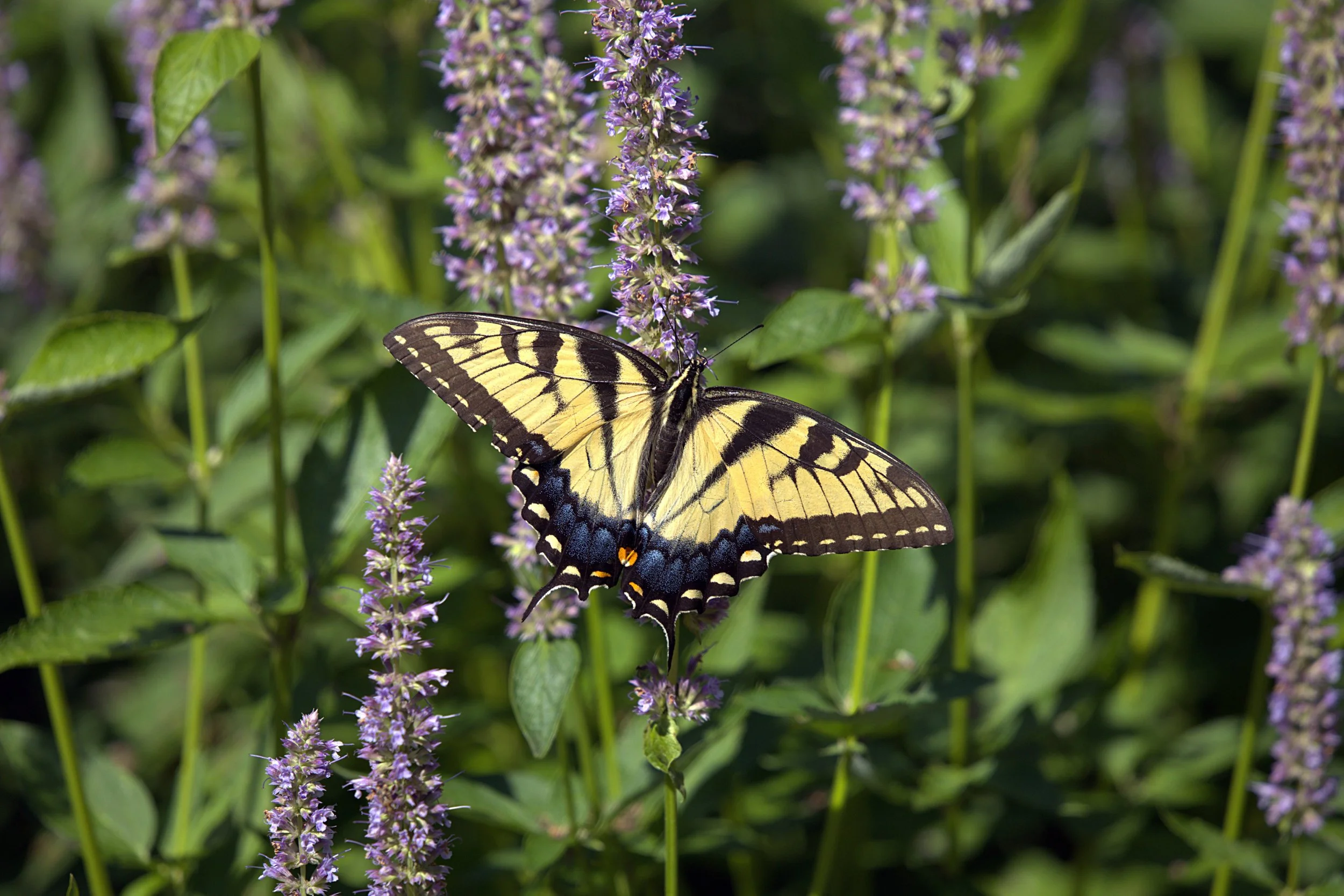
And Agastache does all that while blooming for months and attracting bees, butterflies, and hummingbirds in droves .
Agastache also tends to be rabbit and deer-resistant which is a bonus!
The plants of the Agastache genus produce nectar and pollen – both important food sources for hummingbirds, native bees, butterflies, and other pollinators. And they have tube-shaped flowers which are critical for many insects with pointed mouth-parts.
The Best Native Agastache Varieties to Grow
Which Agastache Is Right for Your Region
If you want a range of Agastache, like I do, consider putting in a collection. This spring I am planting the Best in Show Collection of Agastache from High Country Gardens. The varieties in this collection were all cultivated by David Salman and are perennial in Zones 5-9.
Agastache | Best in Show Collection
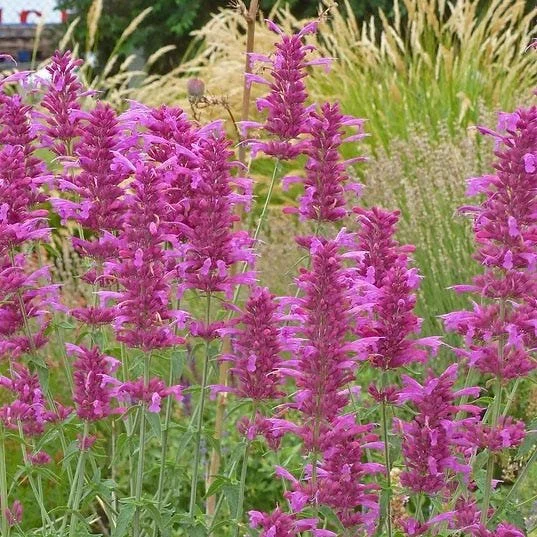
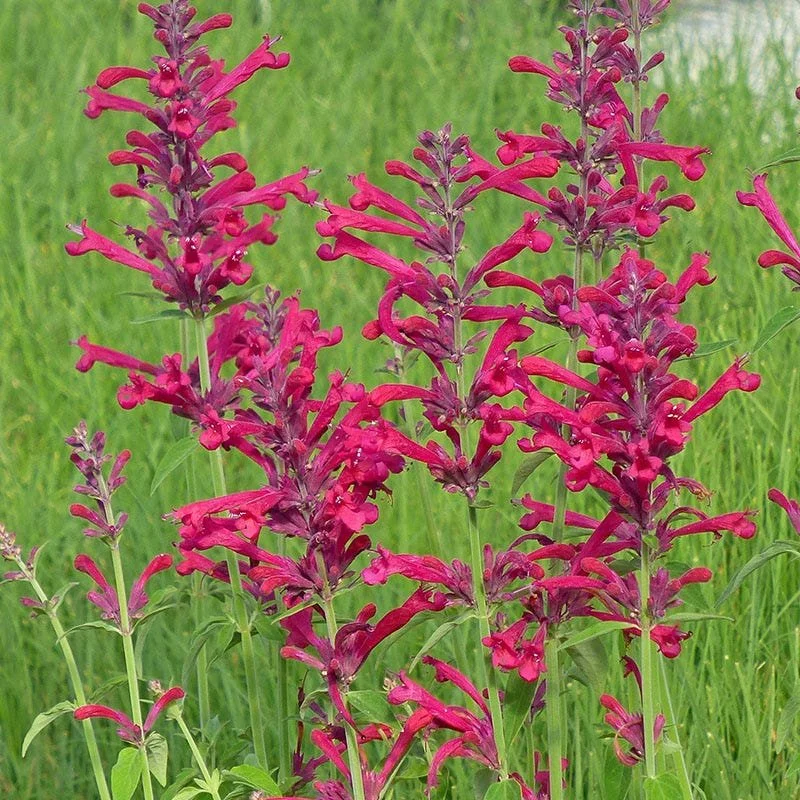
Ava Agastache: a raspberry-red variety with a subtle fragrance
Desert Solstice Agastache: a shorter plant with lighter pink blooms
'Red Happiness' Agastache: gorgeous red flowers that attract hummingbirds
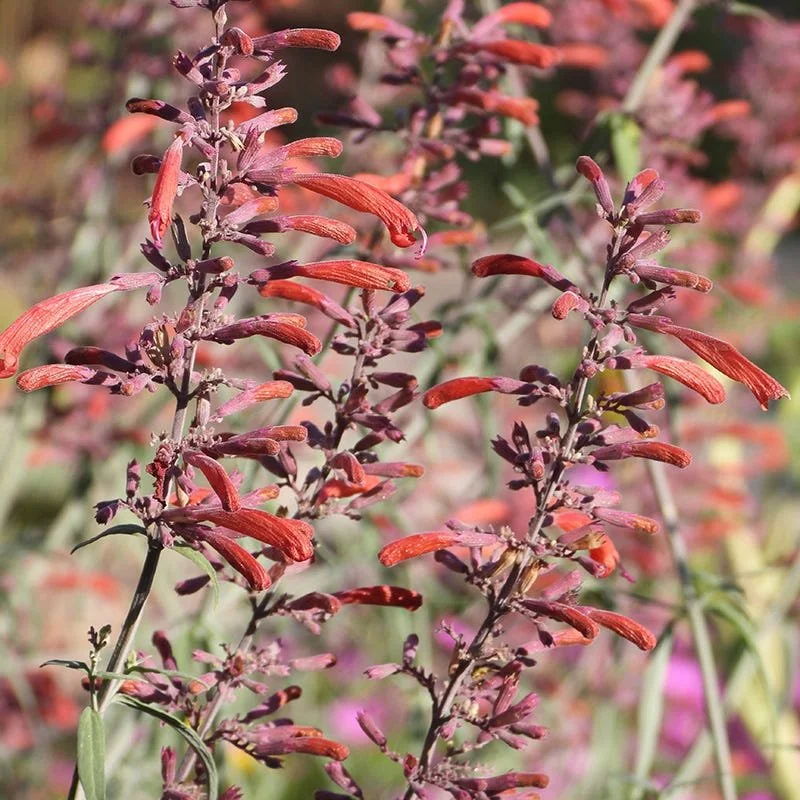
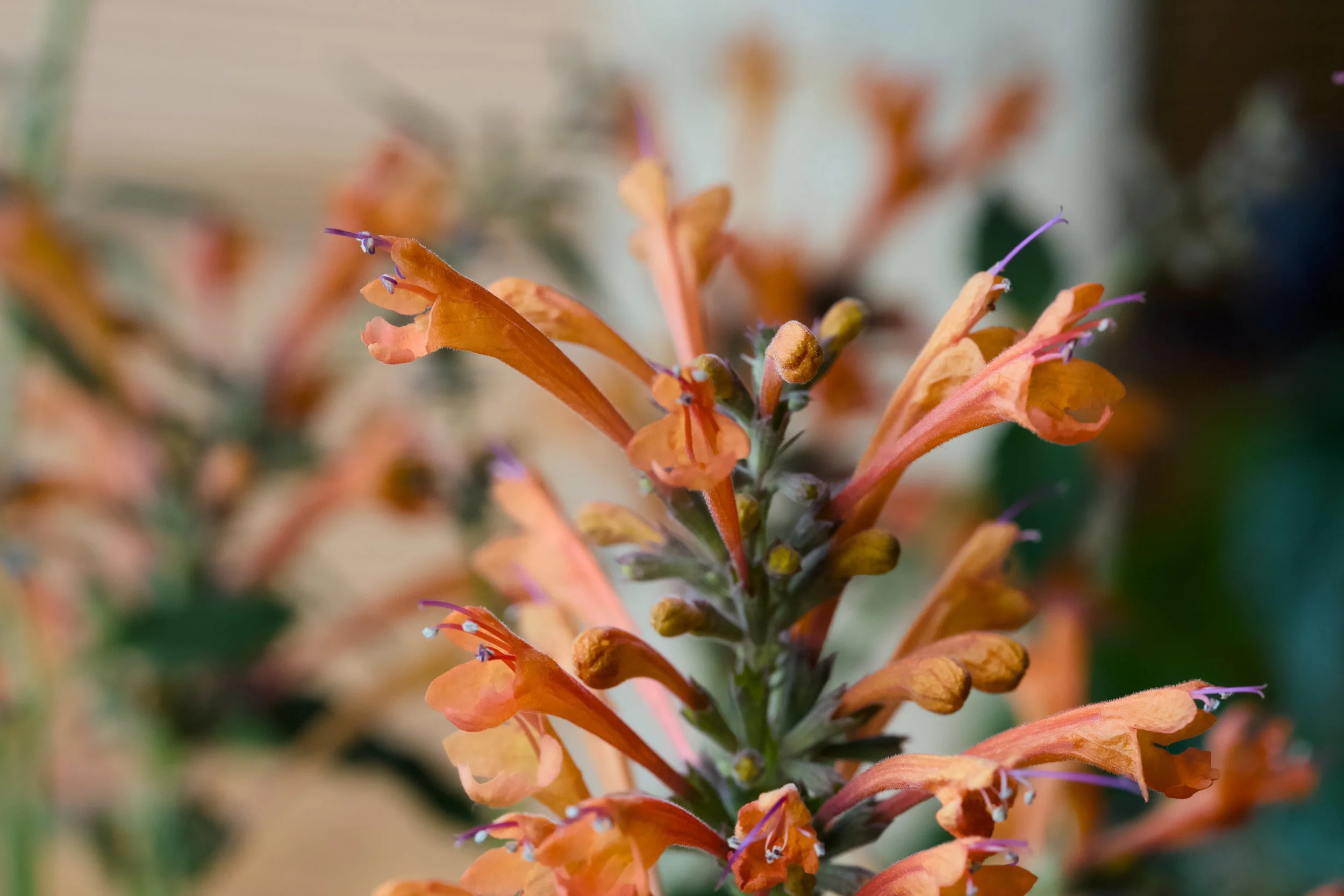
Glowing Embers® Agastache: an orange-red variety that pops against green foliage
Fall Fiesta Agastache: a particularly tall variety with spikes of pink and orange flowers
All of these varieties support native pollinators. Other varieties you could try include:
Agastache x 'Blue Fortune': a European hybrid which is well-suited to the Eastern part of North America
Agastache foeniculum | Anise Hyssop: native to the northern plains and prairies; very cold-hardy and reliable
Agastache scrophulariifolia | Purple Giant Hyssop: excellent for woodland edges and part-sun conditions
Agastache nepetoides | Yellow Giant Hyssop: a very tall plant, fabulous for native meadow plantings
Agastache rupestris | Licorice Mint Hyssop: beautiful orange blossoms on an incredibly durable plant – great for hellstrips
Agastache cana | Texas Hummingbird Mint: a purply-pink species that thrives in crevices and hot, dry locations
The key to establishing Agastache – and the thing I didn't do well with my Wildlife Garden – is to know your soil, and choose plants that will thrive in the soil you have. More on that in a minute!
My advice: Grow Agastache where you can mimic their native habitat (think gravel gardens, slopes, or raised beds).
David Salman & Agastache
Have you ever wondered where the plants you can buy at your local nursery or mail order company come from? Well, some of the best water-wise choices have their roots with David Salman (1957-2022), an American horticulturalist.
David Salman built a reputation as one of the most influential figures in modern American horticulture, particularly through his passion for discovering, cultivating, and sharing rare and climate-adapted plants. His work blends botanical curiosity with a practical mission: to bring resilient, water-wise species into mainstream gardening. Salman traveled to remote places all over the world – discovering unknown varieties of plants. He would bring home cuttings and seeds and then grow them on at his own home.
By traveling, trialing, and carefully selecting plants suited for challenging conditions, Salman has helped reshape how gardeners think about sustainability in the landscape. Rather than chasing fleeting trends, he consistently focused on plants that thrive with less water and maintenance, making beauty more accessible in arid regions.
He also founded High Country Gardens – making his plant selections available to us all.
Among Salman's most notable contributions is his work with Agastache, a group of fragrant, pollinator-friendly perennials that were once relatively unknown in commercial horticulture. Salman recognized their potential early on, collecting and hybridizing varieties that could handle heat, drought, and poor soils while still delivering vibrant color and long bloom times.
By introducing improved cultivars to the market, he helped transform Agastache into a staple of water-wise gardening. Today, these plants are beloved not only for their resilience but also for their ability to attract hummingbirds and bees—an enduring testament to Salman’s vision of gardens that are both ecologically meaningful and visually striking.
Where Does Agastache Grow Best?
Agastache thrives when you match it to its native conditions.
Ideal Climates and Hardiness Zones
Prairie natives (like A. foeniculum):
Midwest, Northeast, Mountain WestSouthwestern species:
Colorado, New Mexico, Arizona, dry inland CaliforniaAdaptable varieties:
Many can grow in USDA Zones 4–10 depending on the species
The Golden Rule: Drainage Over Everything
If you remember one thing, make it this: Agastache would rather be dry than rich.
Poor drainage—especially in winter—is the #1 cause of failure. It was for me!
Most Agastache species are naturally adapted to dry, sunny environments, which makes them thrive in arid and semi-arid climates with minimal intervention. In these regions, their preference for lean, well-drained soils and infrequent watering aligns perfectly with natural conditions, allowing them to develop strong root systems and long-lasting blooms.
Tips for Growing Agastache outside of the Western US
If you live in a place with more moisture, and lots of you do, there are a few things you can do to ensure your Agastache varieties thrive.
Grow in pots: pots dry out much more quickly which makes Agastache a great candidate for container gardening. You can even stow them away in a dry shed or garage for the winter, and many varieties will come back year after year.
Plant in sandy soil: if you have free-draining, sandy soil, Agastache might be the perfect plant!
South or west-facing exposure: especially if you are planting on a slope which improves drainage even more, exposure can be your friend.
Choose the right variety: there are Agastache species and varieties which appreciate a little more moisture. Keep that in mind as you choose!
Why did my Agastache die?
That's a great question! I'm glad you asked.
When I planned my Wildlife Garden, I knew my soil was pretty heavy clay. It was also suffering from decades of neglect. I knew that Agastache prefer well-draining soils, but I had a slope to plant, and I hoped that would be enough.
It wasn't.
First, the spring when I planted them was historically wet – great for establishing young plants. But the following winter was also a very wet winter, and I suspect the combination of clay soil, lots of moisture, and young plants was the root of their demise.
So what am I doing differently this time?
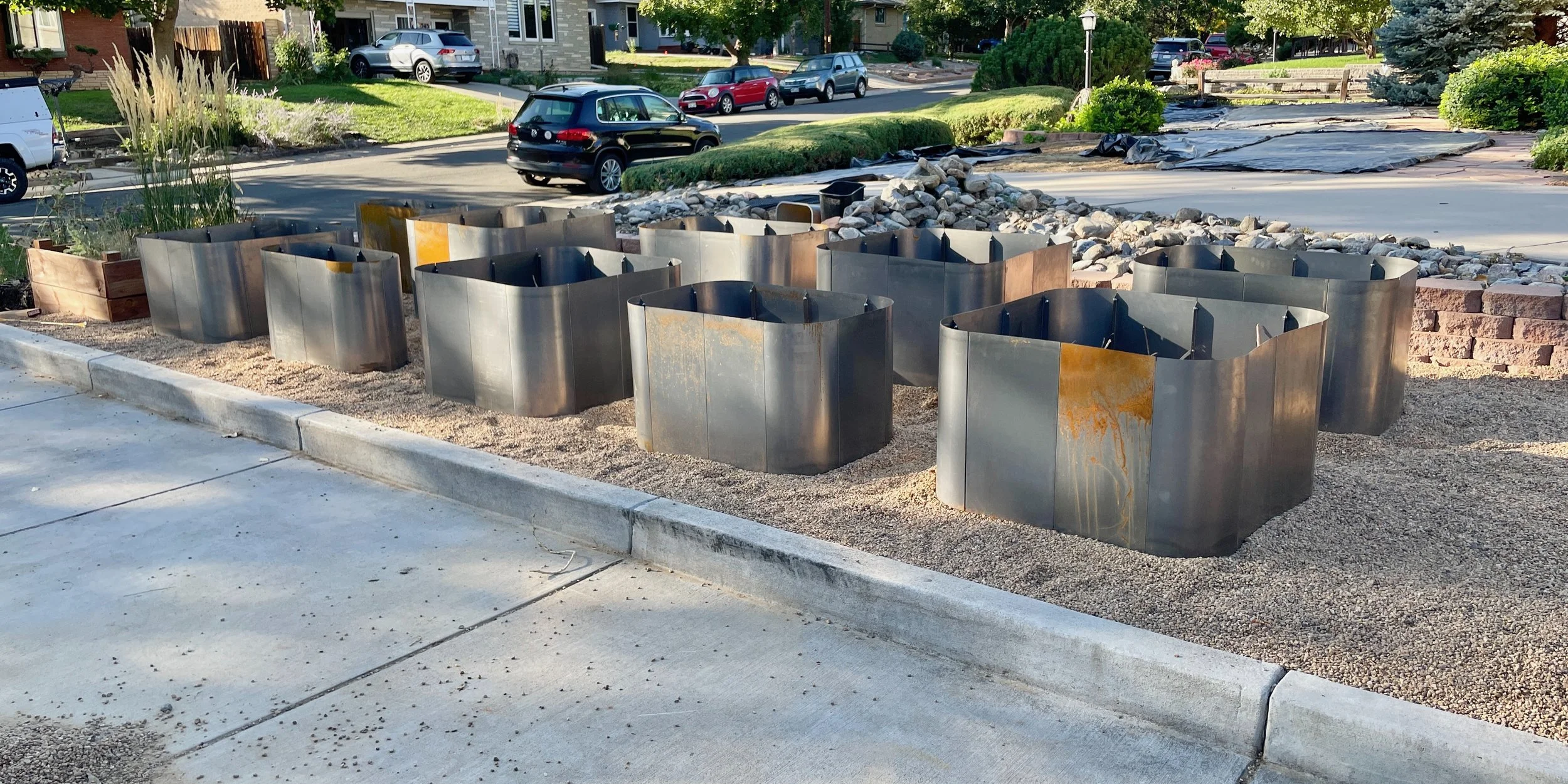
It's all about location this time around! I have an area which used to be my Potager garden. The soil in these raised beds has been heavily planted for several years, depleting the nutrition. Additionally, this is a hot, dry area with plenty of reflected heat from the gravel and driveway. So, my new growing conditions are:
depleted soil
hot and dry location
raised beds which drain readily
I think this will be the perfect location for an Agastache garden!

How to Plant Agastache Successfully
Sunlight Requirements:
Choose the Sunniest Spot You Have
Agastache needs full sun (6–8+ hours) for strong stems and heavy blooms .
Less sun = floppy plants and fewer flowers.
My new plantings will get a combination of morning and afternoon sun. They should be very happy!

The Best Soil for Agastache:
Drainage Is Key
Skip the instinct to “improve” soil with rich compost.
Instead:
Aim for lean, fast-draining soil
Add gravel or coarse sand if you have clay
Consider raised beds or slopes
Agastache naturally thrives in low-fertility soils. Think rock gardens, crevices, rocky outcroppings.
How to Feed & Mulch Agastache Plants
Don’t.
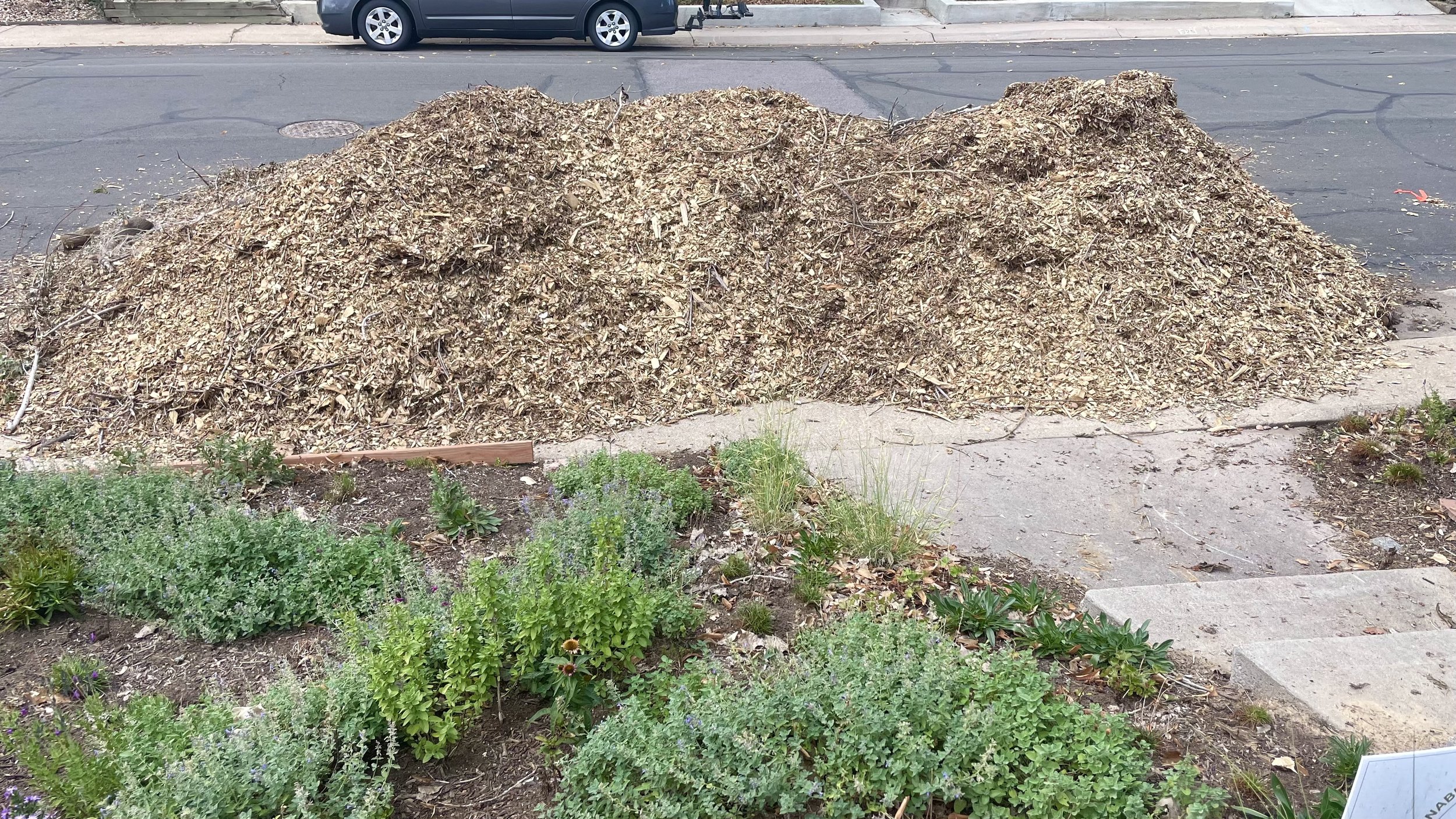
Agastache plants thrive on soil that is low in nutrients, so you don’t need to feed them. Likewise mulch may trap too much moisture during the winter leading to crown-rot.
If you are in a very dry location, you can mulch with 1-2” of crushed gravel or pea gravel. This can help with weed suppression.
Agastache Care Tips for Healthy, Long-Blooming Plants
Watering: How Much Is Too Much
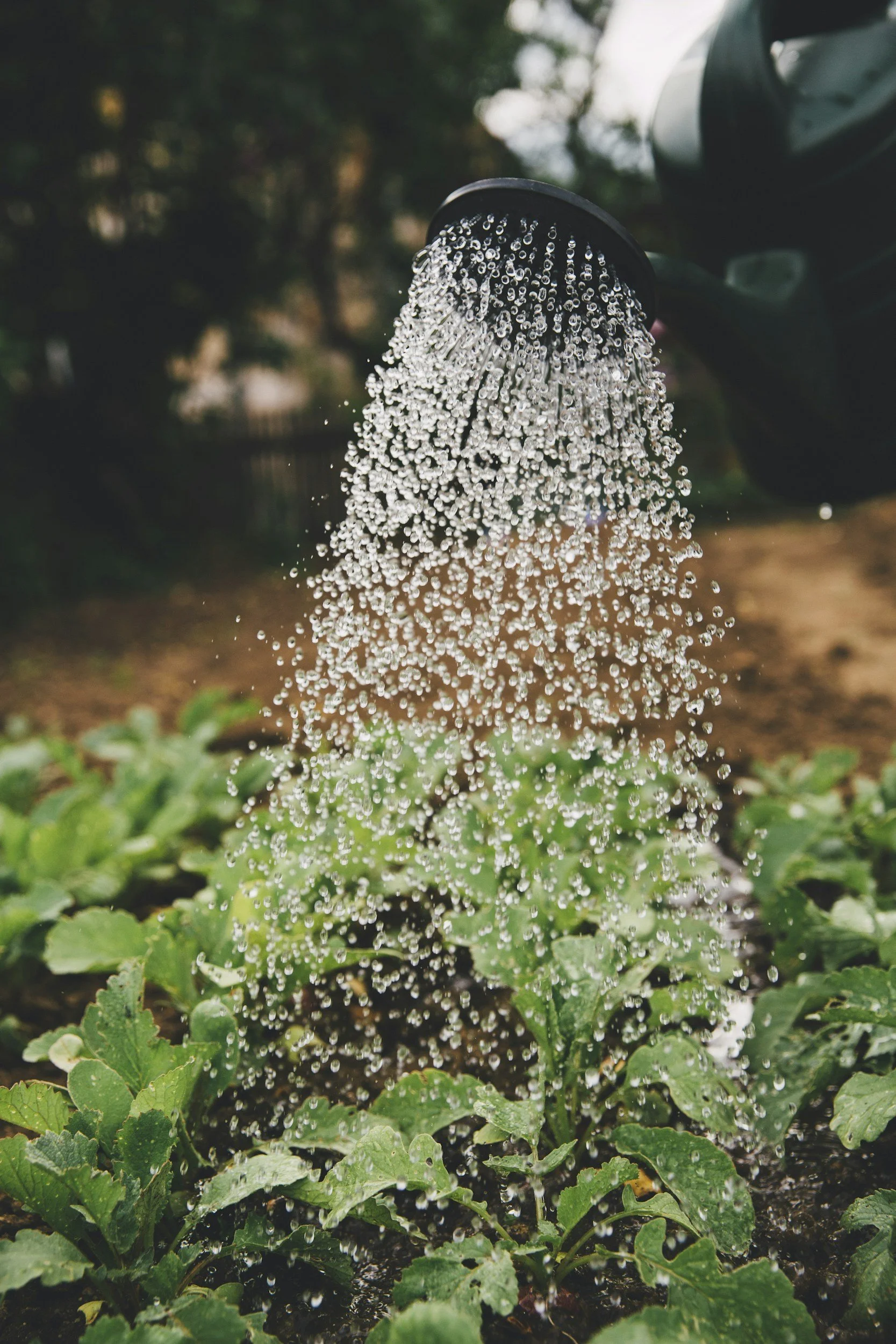
Water to Establish—Then Back Off
Year One: water regularly
Year Two: deeper, less-frequent watering
Year 3: deep, infrequent watering
These are drought-tolerant plants that decline with overwatering, but they do need two good years of watering to get their roots established.
Once established (after their first two years), Agastache require only occasional, deep watering and performs best when the soil is allowed to dry between cycles, mimicking desert rainfall patterns . In dry climates, these plants are low-maintenance and highly resilient, with fewer disease issues and stronger flowering performance.
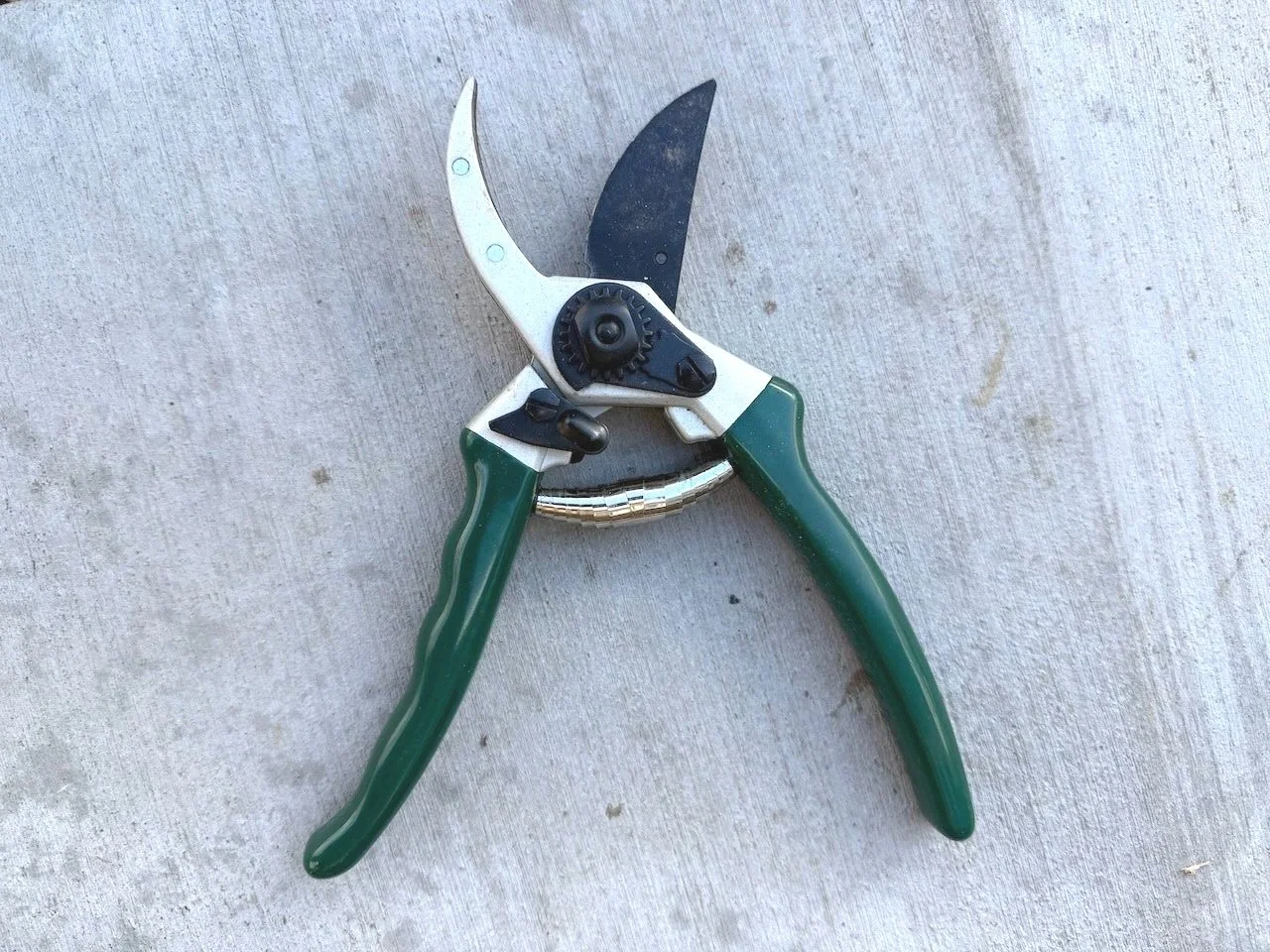
Pruning & Deadheading
Pinch in spring for bushier growth.
Deadhead if you want more blooms, but not past mid-summer
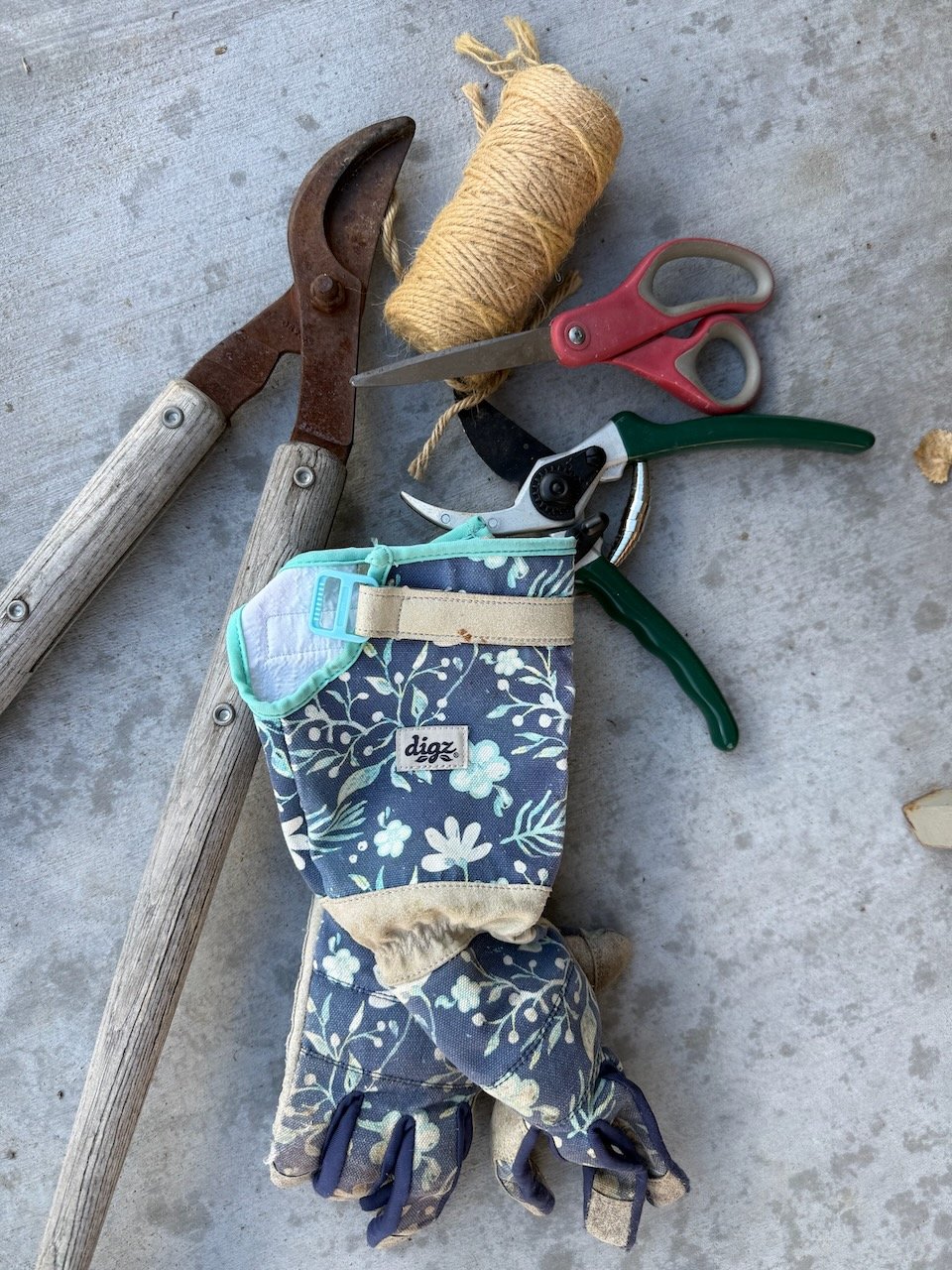
When to Cut Back Agastache
Maintenance: The “Less Is More” Approach. Agastache rewards restraint.
What to Do
Cut back in spring—not fall
What Not to Do
Don’t fertilize heavily (it reduces flowering)
Don’t mulch heavily at the crown
Don’t keep soil moist
Common Problems (and How to Avoid Them)
Let me save you a few seasons of frustration:
Mistake #1: Planting in rich, wet soil
→ Fix: prioritize drainage over fertility
Mistake #2: Treating all Agastache the same
→ Fix: match species to your climate
Mistake #3: Cutting back in fall
→ Fix: leave stems for winter protection
Mistake #4: Overwatering
→ Fix: think “desert rainfall,” not “garden bed”
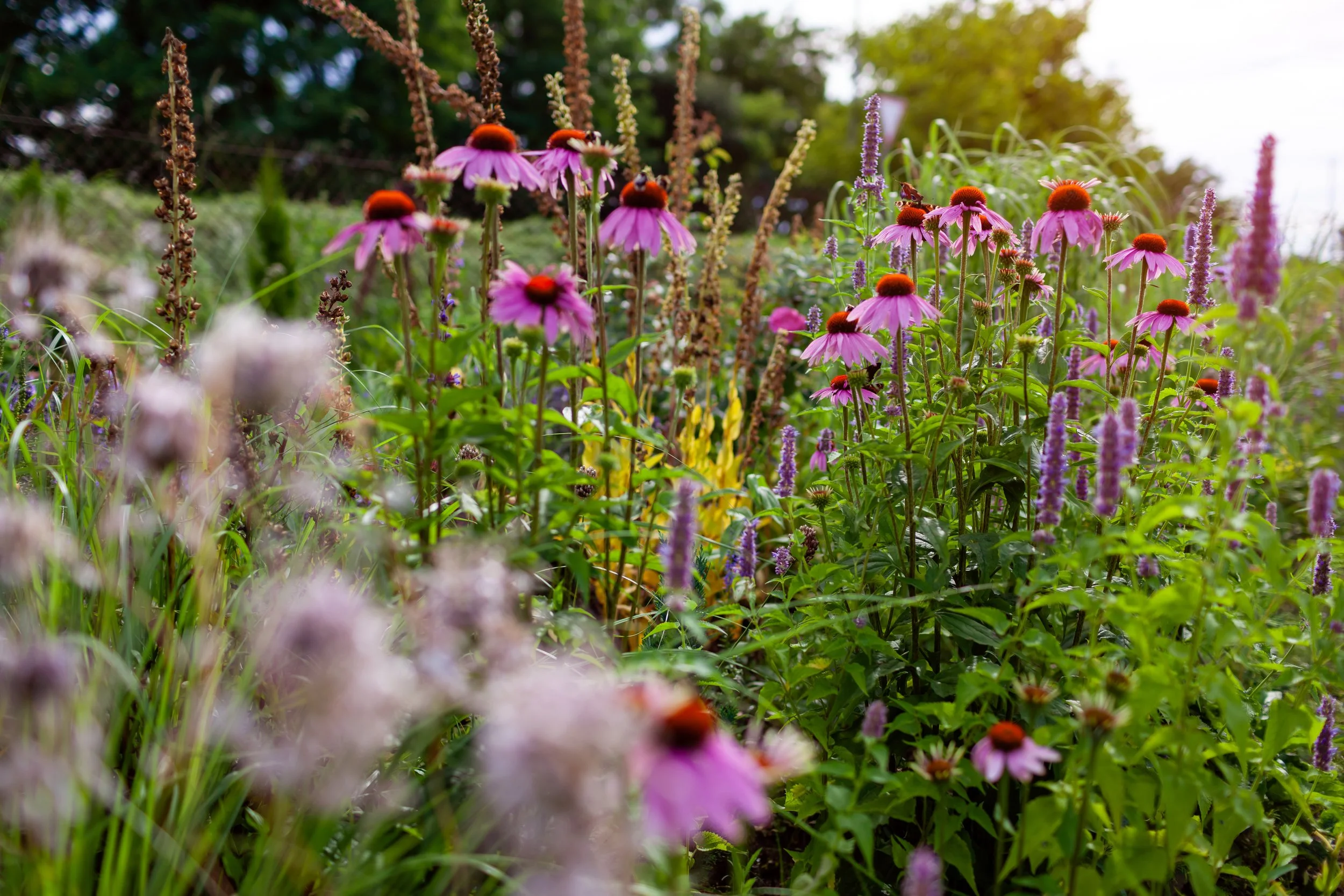
Designing a Pollinator Garden with Agastache
If you’re serious about improving your garden ecosystem, think beyond single plants.
Pair Agastache with:
Native grasses (like Little Bluestem)
Echinacea
Rudbeckia
Penstemon
Salvias
Agastache’s long bloom time (summer into fall) fills a critical nectar gap for pollinators as they prepare for winter, too.
Agasache | Frequently Asked Questions
-
Many Agastache species are native to North America, especially across prairie and western regions. Some of the most reliable native types for home gardens include Agastache foeniculum (anise hyssop), Agastache scrophulariifolia, and Agastache nepetoides. These species are especially valuable because they support local pollinators and fit naturally into regional ecosystems.
-
Yes— once it is established, Agastache is one of the most drought-tolerant perennials you can grow once it’s established. It thrives in full sun and well-drained soil, and it actually prefers drier conditions over consistently moist ones. That makes it a perfect choice for xeriscaping or low-water gardens.
-
Agastache grows best in full sun with excellent drainage. Native species are especially well-suited to prairies, plains, and dry western climates, but many can adapt to cooler or slightly more humid regions if the soil drains well. If your soil tends to hold water, improving drainage will make all the difference.
-
Most Agastache species are perennial and will return each year, particularly native varieties. However, their long-term survival depends heavily on drainage. Wet or heavy soil—especially in winter—is the most common reason plants fail to come back.
-
To keep Agastache blooming during the season, plant it in full sun and avoid overwatering. Deadheading spent flowers can encourage additional blooms, although many varieties will flower continuously even without it. Skip heavy fertilizing—lean soil actually promotes better flowering.
-
The most common cause is poor drainage or too much water. Agastache prefers dry, well-drained conditions and can decline quickly in soggy soil. Winter moisture is especially problematic, so if your plant didn’t come back in spring, excess moisture is often the culprit.
at the close…
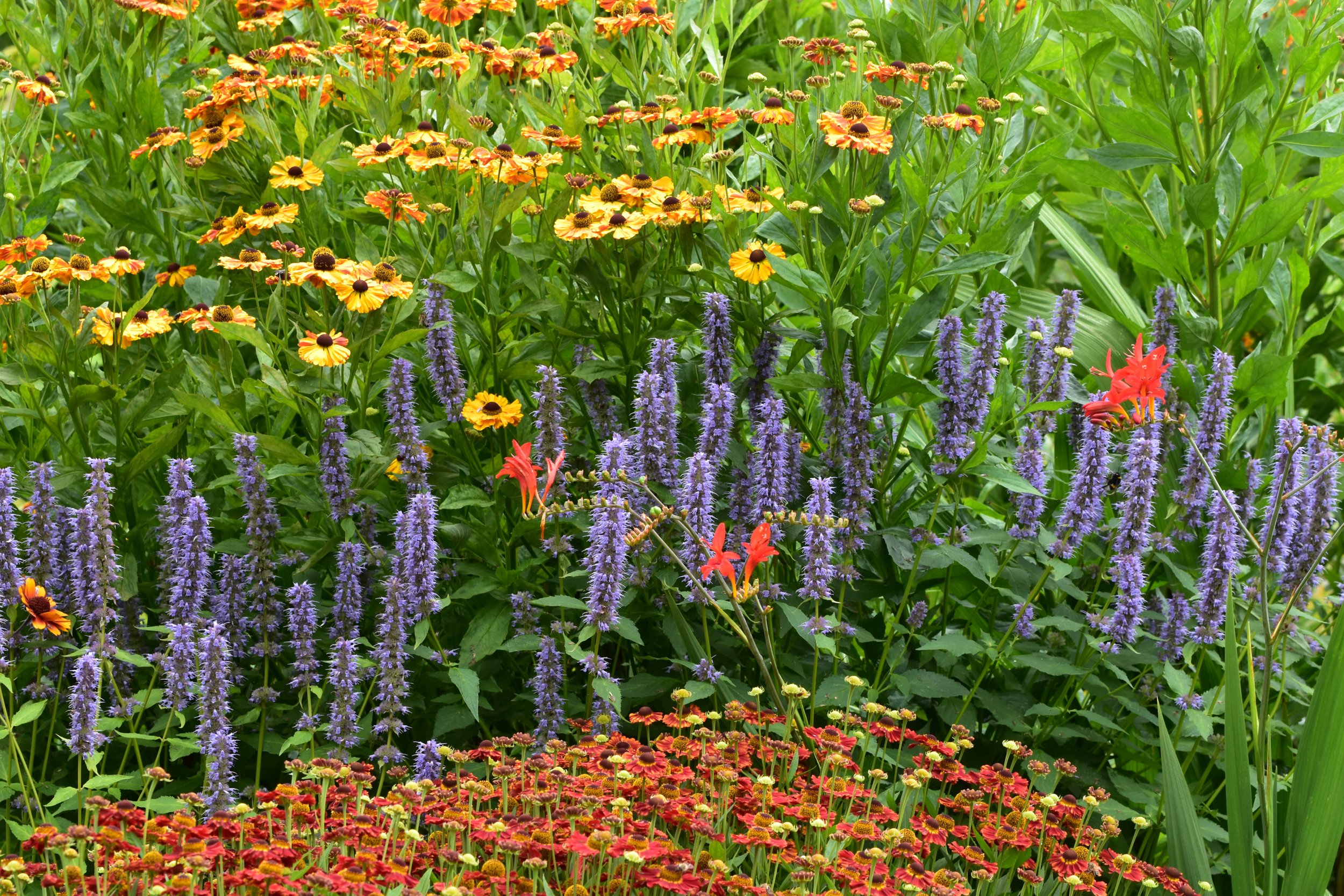
Agastache is so much more than a pretty perennial.
When you choose native species and plant them well, you’re:
Supporting pollinators
Reducing water use
Building resilience into your landscape
And honestly? It’s one of the easiest ways to make your garden feel alive. There is nothing more satisfying than welcoming wildlife into your garden. I look forward to a summer of hummingbirds and butterflies feasting on my Agastache garden. I'll let you know how it goes!
If you have questions, don't hesitate to ask!
This post originally appeared on my Substack. Subscribe to my Substack, and all of this gardening goodness will appear in your email inbox weekly!
Happy Gardening!
Angela
Subscribe now so you never miss a thing!
Photo credits: this post includes some photos from Adobe Stock under license as well as photos from High Country Gardens, used with permission.