

Toby Musgrave,The Kitchen Garden, and the Revival of Edible Gardening
Secrets of the World's Most Beautiful Edible Gardens
I realize now that I’ve never really just wanted a “vegetable garden” — with rows and rows of vegetables and nothing blooming. Everywhere I have grown, I have mixed edibles and ornamentals — sometimes to the point that I can’t find my radishes, for example, because they are growing under the hardy geraniums.
But it wasn’t until much later that I understood that there is a name and a reason for this type of gardening: a Kitchen Garden.
It’s probably the oldest type of garden known to humans. And today I’m talking with garden historian and guy who has a job I want and never knew existed, Dr. Toby Musgrave, about kitchen gardens and where we can get inspiration in our changing world.
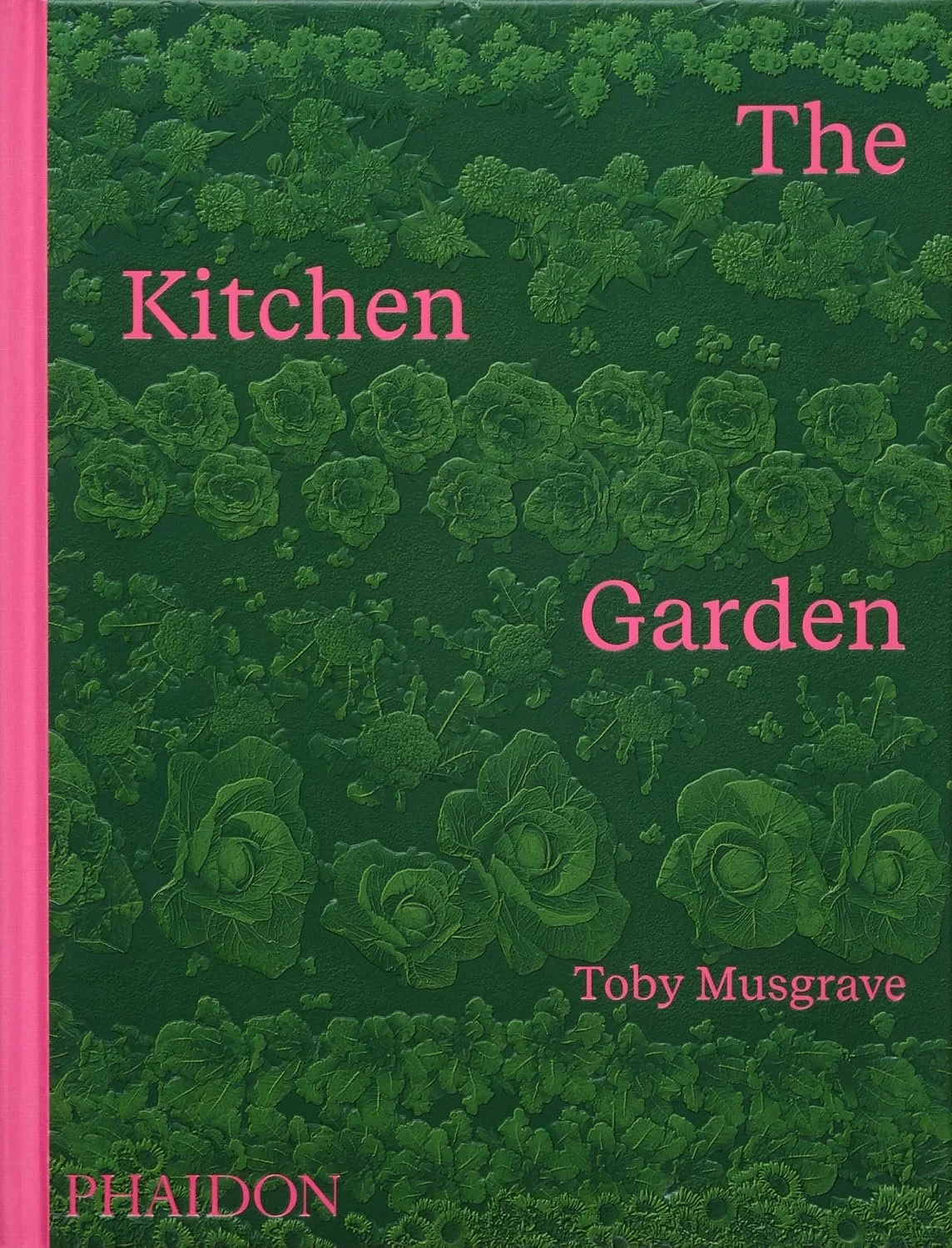
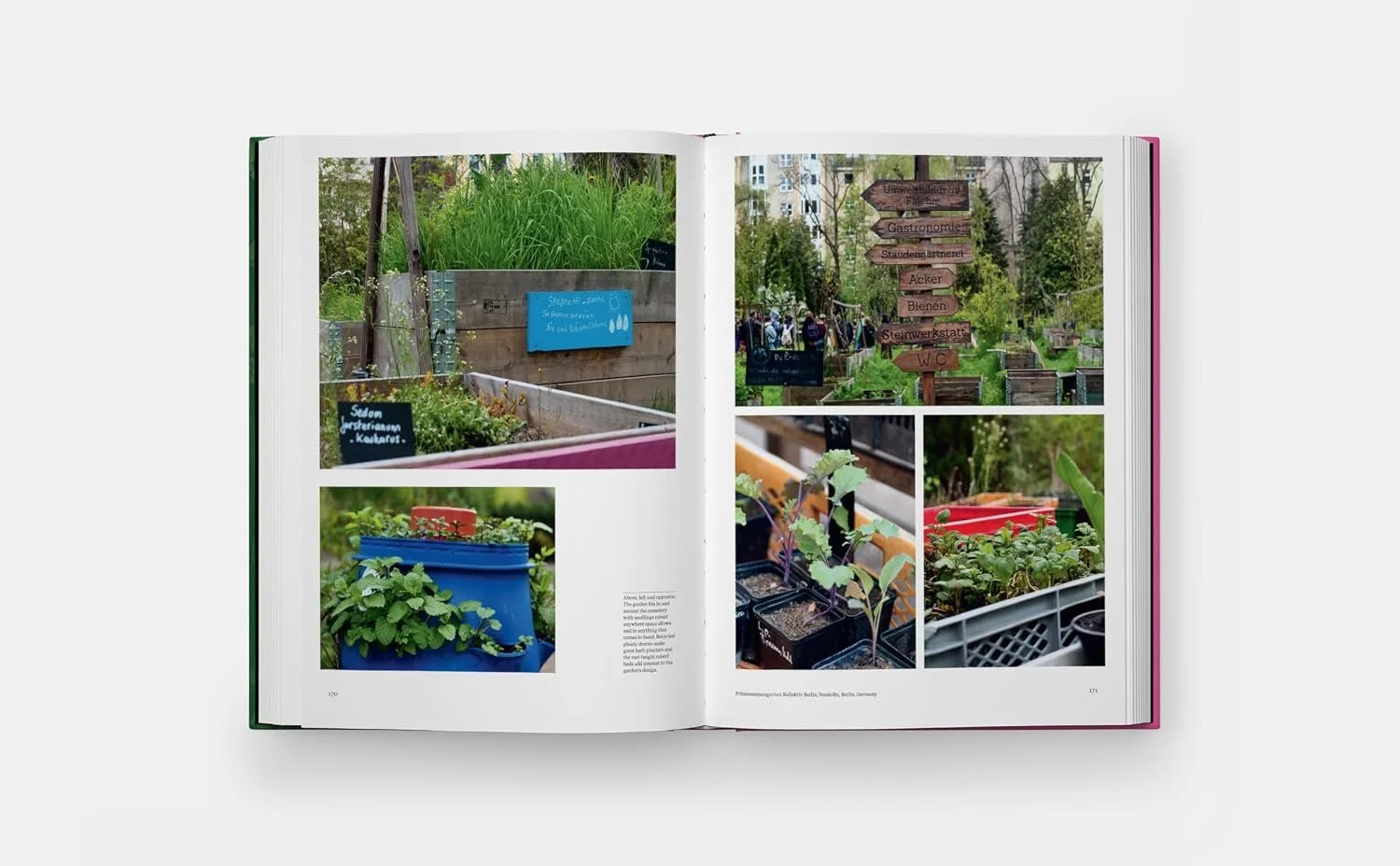
Here’s a link to his beautiful book:
The Kitchen Garden by Toby Musgrave
Interview:
Toby Musgrave on The Kitchen Garden
Our discussion on kitchen gardens around the world.
A SummaryofourInterview
Angela: Toby, you’ve spent years studying gardens around the world as a garden historian. When did you first fall in love with kitchen gardens specifically?
Dr. Toby Musgrave: I think it’s always been in my blood. Gardening full stop has always been in my blood. My mother’s family were particularly keen gardeners, so some of my earliest memories are of sowing seeds in my grandfather’s potting shed. That smell of compost and pipe tobacco is something that still sticks with me. I always grew up in gardens, and my grandparents were both kitchen and flower gardeners, so it was always a mix.
I think the history side of it came from my father, who was an anthropologist and anatomist. We spent great summers traveling to Greece, specifically Crete, for his work on archaeological sites. My mum would come back laden with weird things in the early 70s—like garlic to grow in the gardens, or olive oil used for cooking rather than earaches. I think she was considered mildly eccentric by our neighbors, but I remember those amazing kitchen gardens in Greece from the early 80s. It’s definitely in the blood.
Angela: How did you come to be a garden historian? I keep thinking that if I had known that was a job, I might have pursued it—though I suppose it’s a bit of a minority job.
Dr. Toby Musgrave: It is, let’s put it that way. It was a combination of things. I studied horticulture for my bachelor’s, and in our final year, we had an option to specialize. I chose garden design, and part of that year was a module on garden history. I thought, “Gardens and history—that is definitely me.” When I finished my first degree, I taught at an agricultural college for a while, and then decided I wanted to get deeper into garden history, so I went back and studied for a PhD.
Angela: Kitchen gardens are the perfect intersection between history and garden design because they are so granular and important to human survival. Give us a little bit of that history and why it’s such a fundamental piece of gardening history.
Dr. Toby Musgrave: No one really knows when the first kitchen garden was made, but my bet would be that somewhere along the agricultural revolution, someone just decided to plant a few edibles next door to their little round hut. It was pre-pottery, so it wouldn’t have been in a pot, but I suspect the same for ornamental gardens—someone picked something they liked and planted it around their dwelling.
People started kitchen gardening for subsistence. In medieval times, the king would have had a lovely edible garden, but down through the scale, peasants and serfs would have had a vegetable garden just to supplement their diet. It crosses all society levels and wealth brackets. One of the lovely things about gardening, specifically kitchen gardening, is that it’s so embracive. It doesn’t matter your age, your background, or your belief system—everyone can get out there and grow beautiful edibles that taste fantastic when harvested.
Angela: It’s such a rich part of bringing culture into your garden. People grow things they wouldn’t find at the grocery store, which is a lovely thing.
Dr. Toby Musgrave: I think so. A tragedy in the history of the kitchen garden is how many cultivars have been lost in the 20th century, both in Europe and the States. It’s shocking how many were lost because they weren’t economically viable, or because of rules and regulations. Organizations like Seed Savers in the States and Garden Organic in the UK, who save these heirloom varieties—they should be lauded for saving our biodiversity. We can still grow some of them, and they always taste so much better. They were grown to be harvested and eaten straight away, not to survive weeks on a truck halfway across Europe and then two weeks on a shelf. Moving back to those old varieties and growing organically is such an encouraging trend.
Angela: Why do you think this resurgence of interest in growing your own food is resonating so deeply with people right now?
Dr. Toby Musgrave: It’s a combination of things. People are questioning where their produce comes from. If you’re growing organically at home, there are no pesticide residues, you’re reducing your carbon footprint, and you’re cutting out packaging waste. You’re eating fresh, healthy food and teaching kids how to grow and eat. People have gained a sense of responsibility about what and how they eat.
Covid also played a huge role. People were locked down for so long and realized, “Oh, we’ve got a garden we never used; why don’t we try growing something?” and they got hooked. When I finished my degree, I went to get a community garden, and the chap said, “Which one do you want?” The field was huge and empty. Now, there’s a years-long waiting list. It’s urban chic now, too. Before, if you grew vegetables, you were considered a weirdo who wore a flat cap and bred pigeons. Now, it’s cool, and getting kids involved from an early age is amazing. The stars have aligned.
Angela: What inspired you to write about kitchen gardens as an entity unto themselves?
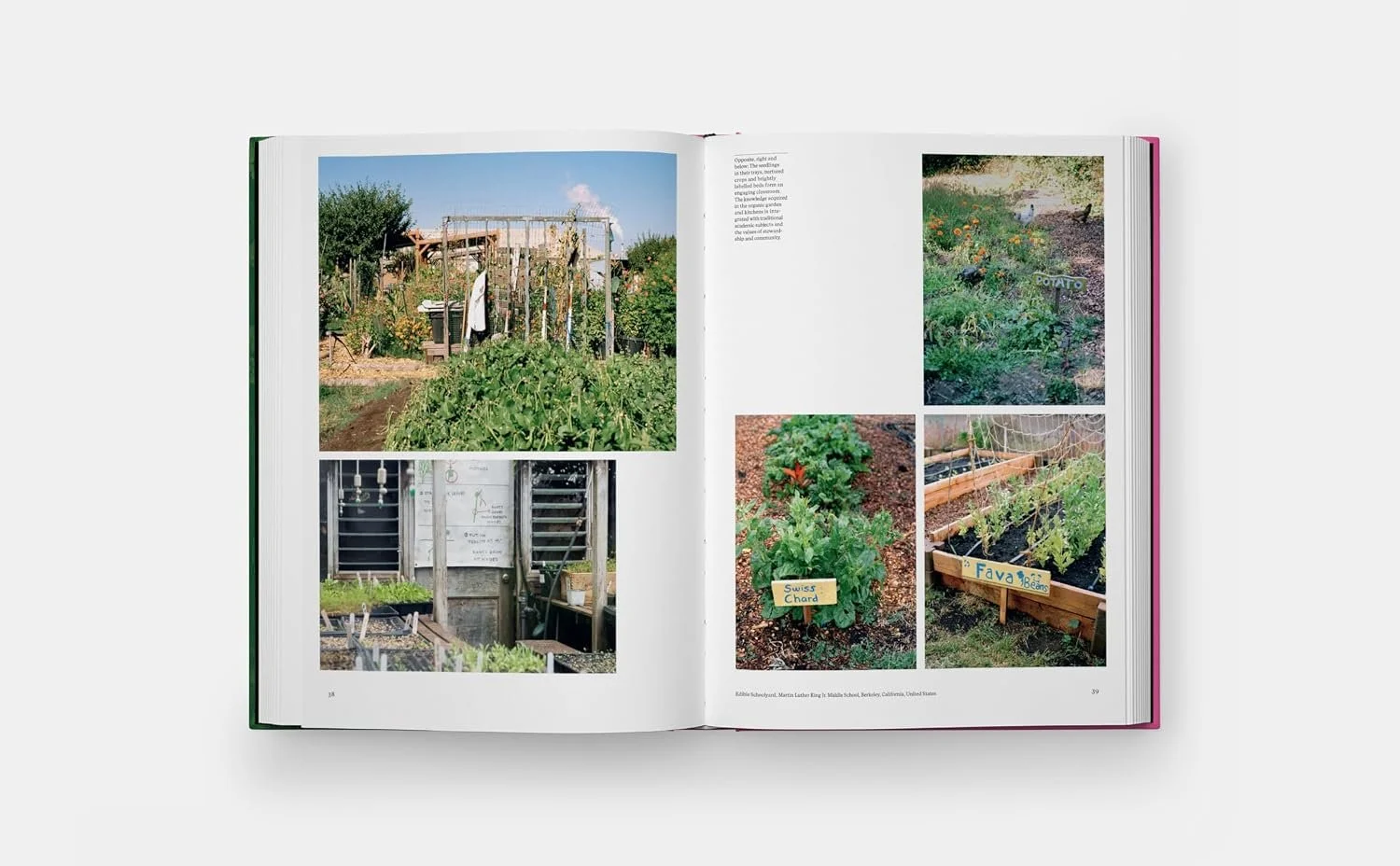
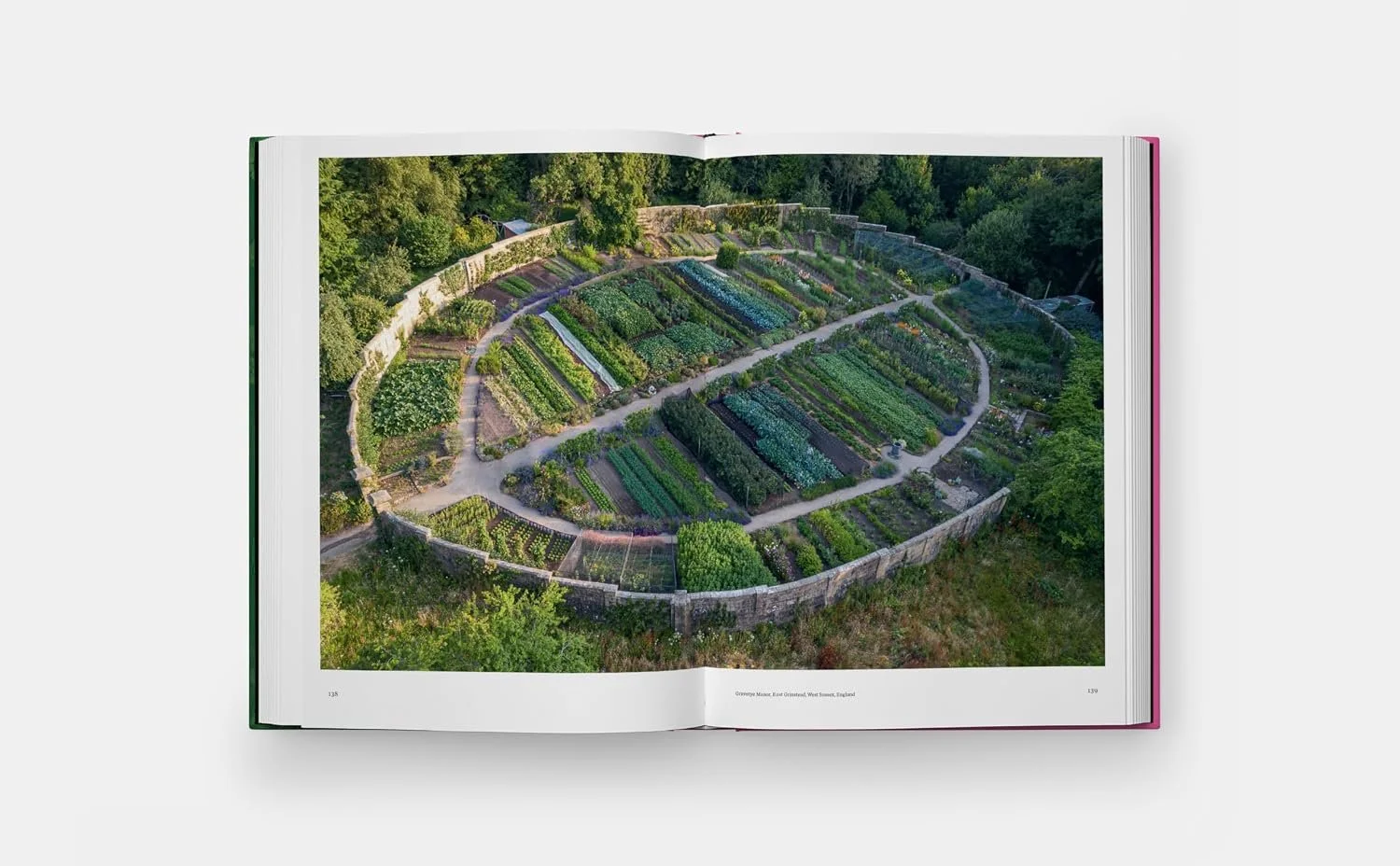
Dr. Toby Musgrave: I’ve always enjoyed it, but through my studies of garden history, I noticed so much attention is paid to ornamental gardens of the “great and the good.” The kitchen garden has always been the poor cousin. I’ve visited enough private and public kitchen gardens to know that these places are really, really beautiful. You can create a stunning ornamental vegetable garden. I wanted to redress the balance and put kitchen gardens on the map. There are dozens of books on how to kitchen garden, but I wanted to focus on their beauty and show the huge diversity of ways people are doing it around the world.
Angela: Was there a garden in particular that you found especially inspiring or surprising?
Dr. Toby Musgrave: There are a range of things. We have a garden in New Zealand focused on Maori culture, where people are perpetuating their culture through their vegetables—that is amazing. Ron Finley in LA is doing an incredible job using gardens to improve lives and empower people. I also liked the restoration projects.
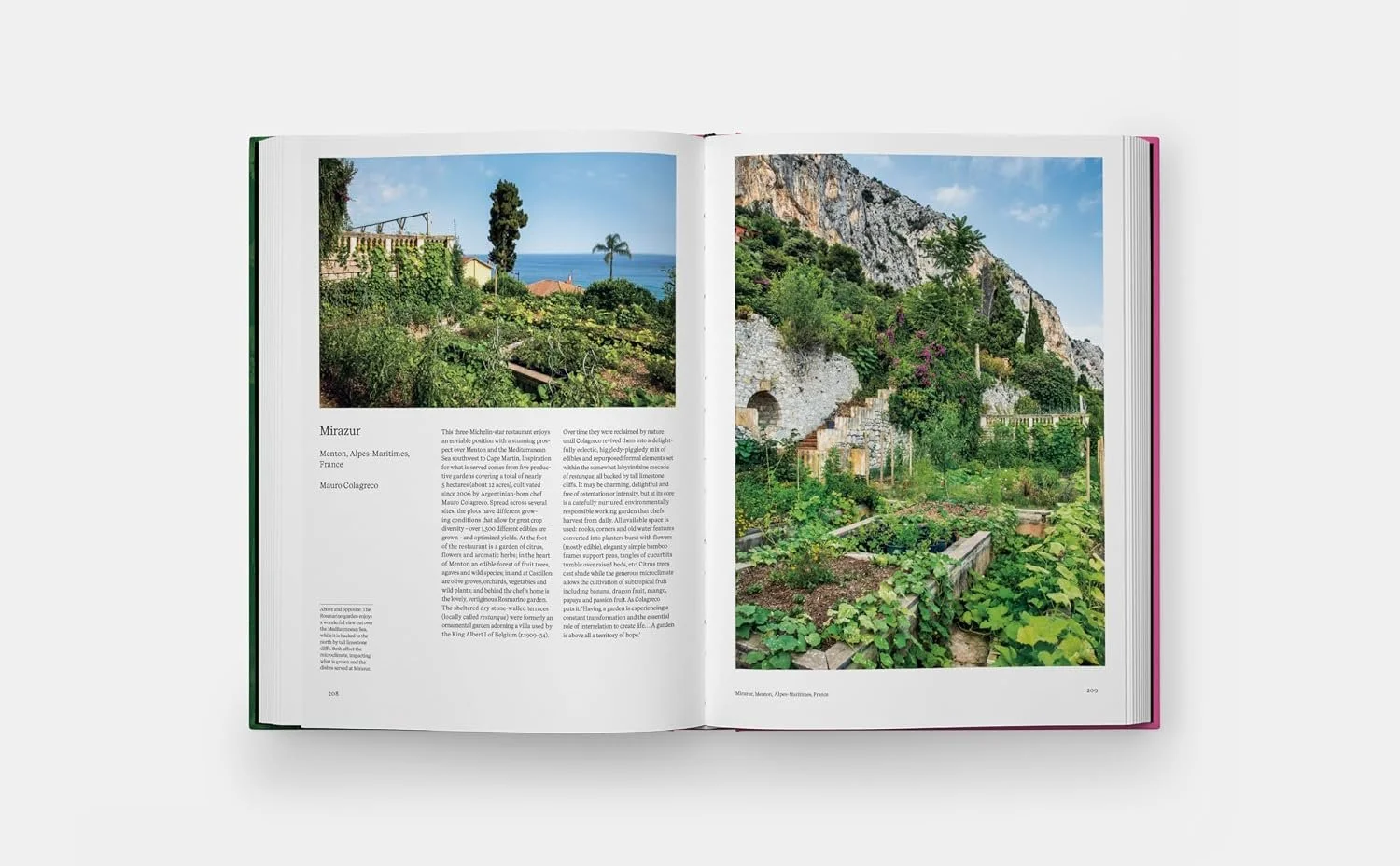
There’s one on the south coast of France, Menton, which I loved. It was made on a steep terraced site, formerly the ornamental garden of King Leopold of Belgium. It had been abandoned, and now it’s been repurposed into an ornamental vegetable garden. It’s this bit of ornament stuck in a garden where everything is vegetables. It’s like the vegetables have taken over where there was once an ornamental garden. They won in the end, which I liked.
Angela: So, are you “Team Veg” for sure?
Dr. Toby Musgrave: No, I’m Team Both. If you’re a gardener, both sides appeal. My own garden is both vegetables and ornamentals. Giving a lecture to students recently, I showed them garden designs from the interwar period in the UK, where the kitchen garden was always hidden behind a hedge. Now, it’s cast off its shackles. Vegetable gardens can be part of the ornamental garden. In my garden, I grow them right next door to each other, mixing and matching.
Angela: Talk a bit about the philosophy of mixing ornamentals, vegetables, and herbs. Does it create a healthier ecosystem?
Dr. Toby Musgrave: It’s contemporary in terms of figuring out companion planting, which is very much part of the organic movement. Historically, perhaps it wasn’t codified that way, but people figured stuff out through old wives’ tales. In medieval gardens, you see plants were multitasking—grown for ornamental purposes but also having culinary, domestic, or medicinal uses.
It’s evolved, and now we are figuring out the science behind what your great-grandmother said worked. Maybe it wasn’t magic; maybe it was observation down the centuries. Now, the science takes the mystique away, but usually, there’s a grain of truth buried in those old legends.
Angela: For someone starting from scratch, what advice would you give?
Dr. Toby Musgrave: It depends on your plot size, but just go and do it. Grow what you like. My garden isn’t enormous, and I’m not self-sufficient. I don’t grow brassicas, for example, because they’re too big and take up too much space, and I can buy them organically cheap at the supermarket. I’m not going to stress about it. Work with what you enjoy eating.
I’d advocate for the organic movement and growing heirloom varieties to help preserve biodiversity—they taste better, anyway. Gardening teaches patience—you have to let nature do her thing at her own pace. If you’re starting, if you’ve got a garden, do it. If you’ve got a balcony, plant some pots. There are so many new dwarf cultivars. If you’ve just got a kitchen windowsill, plant some herbs. Grow stuff you enjoy; I don’t like chard, and I hate kale, so I don’t grow it. There’s a reason they went out of fashion!
Angela: It’s refreshing to hear someone be honest about not growing certain things. I don’t grow brassicas either because they’re too difficult in my climate. I have huge climate envy for the Mediterranean, though.
Dr. Toby Musgrave: I agree! Growing in Denmark, we have a short season. I’d love to grow in the Mediterranean. I travel quite a bit, so keeping tomatoes alive is a challenge, and okra just won’t grow. You have to accept where you are. I admire the Italians for eating what’s in season. That seasonality is difficult if you don’t live in a Mediterranean climate, but oh man, it is idyllic. I was in Pistoia once during mushroom season—all wild-harvested from the local forest. It was a revelation.
Angela: Do you do much winter gardening? Do you use season extenders?
Dr. Toby Musgrave: No. I travel in the winter, and supplementary heating in Denmark is expensive. If my pockets were bottomless, I probably would, but reality kicks in. People talk to me about deep cold frames, but that’s hard work. If I were a head gardener on a property, I could dedicate the time, but I garden for fun—it’s not my career. It might be a retirement thing to experiment like that.
Angela: Are there any forgotten gardening techniques you think modern gardeners should revive?
Dr. Toby Musgrave: A comeback that’s worth it is hotbeds. It goes back to Roman times—using manure as a source of heat. In an age where we want to reduce our carbon footprint, reinventing that is great. Another is digging down to create a sunken greenhouse, using the earth’s heat. A lot of old literature was written for estates with 24 greenhouses and huge staffs, which we aren’t blessed with today, but those specific techniques are worth looking into.
Angela: After studying gardens for so long, what inspires you about gardeners themselves?
Dr. Toby Musgrave: They are incredibly passionate and generous. I teach garden history, and I ask students, “What is your definition of a garden?” In ten years, I’ve never had negative feedback. Gardening is an escape; it’s good for the soul. Gardeners are perennially inventive, ingenious, and kind. I’ve never met a gardener who was a nasty person. Tom, the head gardener at Gravetye, once told me the best thing you can do is give plants away. It’s a nice thing to do, but it also increases the plant’s chance of survival. It’s a double whammy.
Angela: If someone finishes the book feeling inspired but intimidated, what would you say to encourage them?
Dr. Toby Musgrave: Just try it. Grow something you like. Look at heirlooms. Don’t get discouraged if things don’t always work—that “try it and see” attitude is key. The more you do it, the more confident you get. Even if it’s just a few pots on a balcony, once you’ve tasted fresh, homegrown produce, you’ll never go back.
Angela: Thank you so much for your time today. This was a lovely conversation.
at the close…
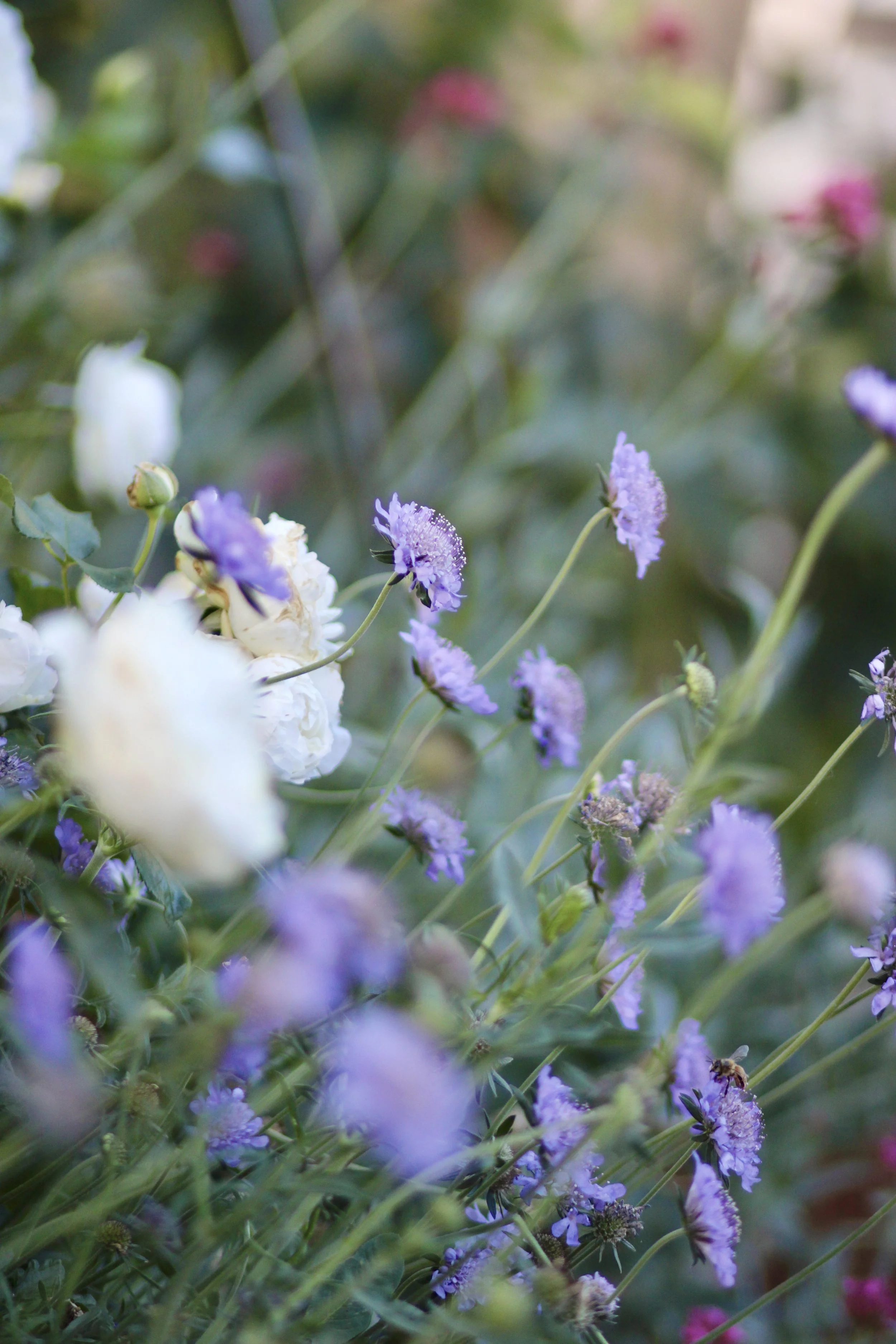
We have hail warnings all week this week. Cross your fingers for me. It’s astonishing how much damage 5 minutes of hail can do…
This week in my garden | Colorado Zone 5|6:
What I’m Planting: I have some little vines that MUST be planted out this week as well as some new roses. That’s exciting. I’ll be updating my list of roses in the garden in short order.
What’s Blooming: all of the roses. OMG. And so much more. I just got home — I need to get out and explore!
Preview of Next Week: I will be live TOMORROW at 10 am MST doing a little garden tour. Join us!
Here’s to a fabulous week for you all!
If you have questions, don't hesitate to ask!
This post originally appeared on my Substack. Subscribe to my Substack, and all of this gardening goodness will appear in your email inbox weekly!
Happy Gardening!
Angela
Subscribe now so you never miss a thing!