

How to Dispose of Your Christmas Tree
How to Dispose of a Real Christmas Tree Sustainably: Science-Backed Ways to Reuse, Recycle, and Return It to Nature
When the holidays wind down and the ornaments come off, our Christmas trees still have a lot of life (and usefulness!) left. Real trees are 100% biodegradable, rich in carbon, and full of woody material that can support soil health, wildlife habitat, and plant protection—if you dispose of them the right way.
If you made the choice to get a real Christmas tree, you probably did so hoping it would be a good environmental choice as well as something beautiful and joyful. But, the environmental impact of that choice is determined, in part, my how you DISPOSE of your tree!
Put it in the landfill, and you have all but negated the rest of your decision.
"The most pressing environmental concern regarding landfills is their release of methane gas. As the organic mass in landfills decompose methane gas is released. Methane is 84 times more effective at absorbing the sun’s heat than carbon dioxide, making it one of the most potent greenhouse gases and a huge contributor to climate change." (Vasarhelyi, Kayla “The Hidden Damage of Landfills”)
So, here are the best science-backed, eco-friendly ways to recycle or repurpose your real Christmas tree, whether you want to compost it at home, drop it off at a city site, or transform it into mulch or habitat right in your backyard.

Add Your Tree to Your Garden as Wildlife Habitat
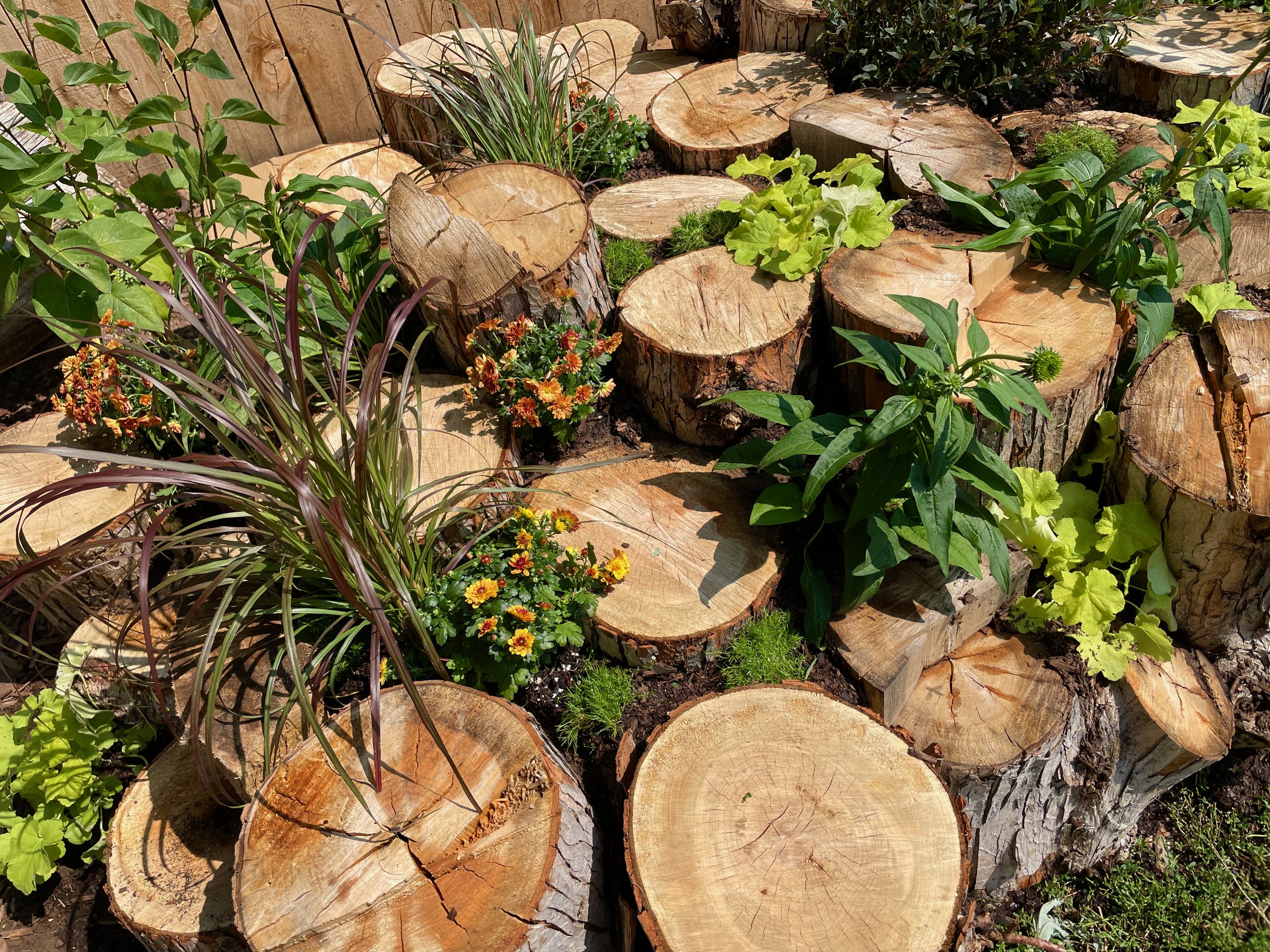
I've written about this before – there is a very real and specific role for dead trees to play in natural habitats. They provide living spaces for small animals, fungi, and insects. They provide food for a whole host of creatures. Dead and decaying wood is an important part of most ecosystems. And if your garden lacks dead wood, incorporating your Christmas tree is one way of putting dead or dying wood to work.
If you think it wouldn't work in your garden, consider:
Remove some or all of the branches
Create a space for a dead wood pile in an out-of-the-way space
Cut your tree trunk into 3-4 pieces which you can then work into your landscape in a range of places
If you have a large property, place the whole tree at a perimeter location
For more ideas about why and how to incorporate dead wood into your garden (and I have worked most of a huge Maple and a smaller Ash tree into mine), check out this post:
Compost Your Christmas Tree at Home
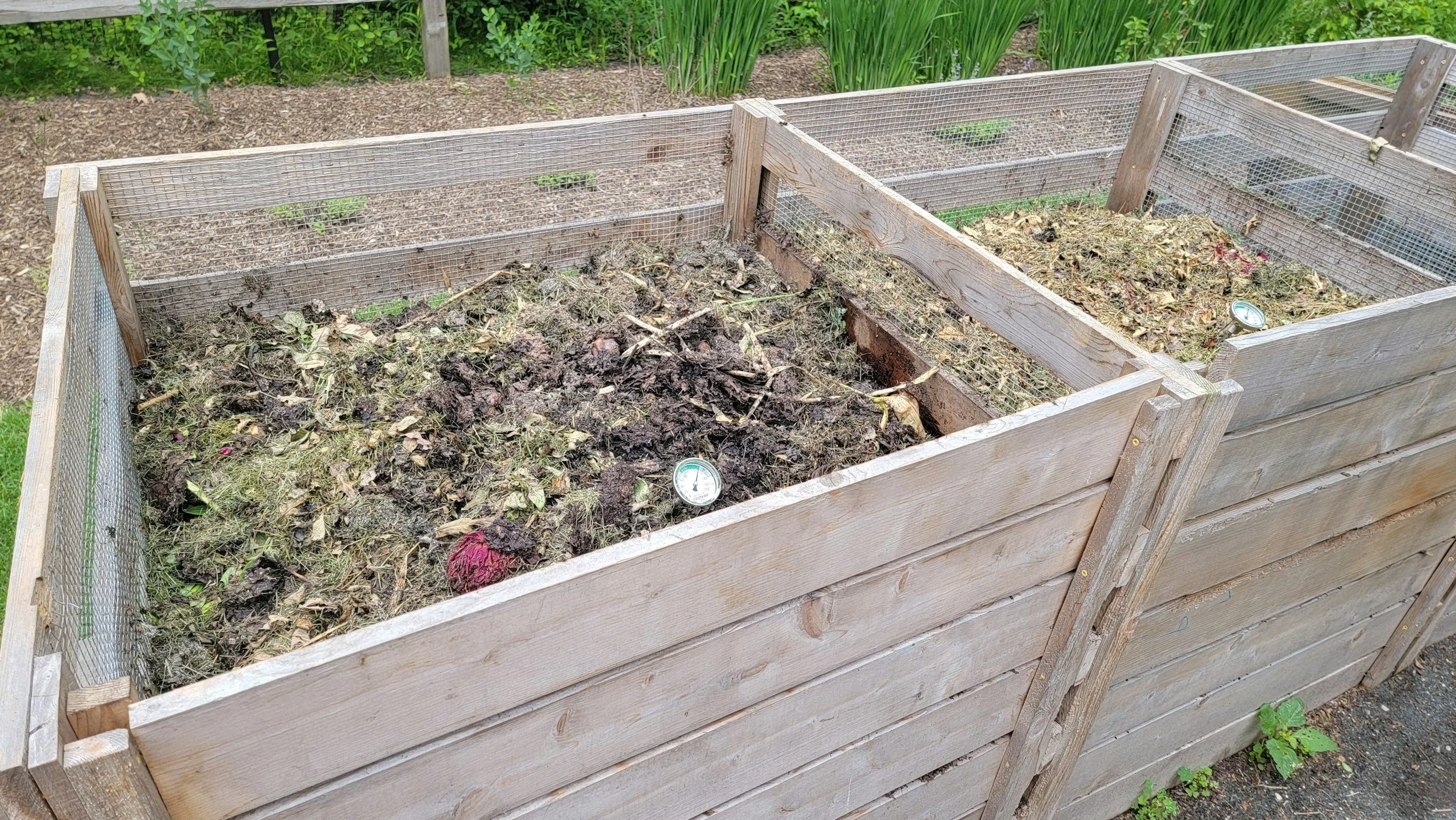
Composting a Christmas tree is one of the most sustainable options, and it works because wood is a high-carbon material (often called “browns”) that feeds the fungal and microbial activity in a healthy compost pile.
If you aren't already composting at home, this probably isn't the place to start. A tree is BIG, and decomposition is slow. But if you already have a pile started, a Christmas tree can be a fabulous addition to the pile, and there are a few things that you can do to hurry the process along.
How to Compost It Properly
Remove all decorations, tinsel, hooks, and string lights.
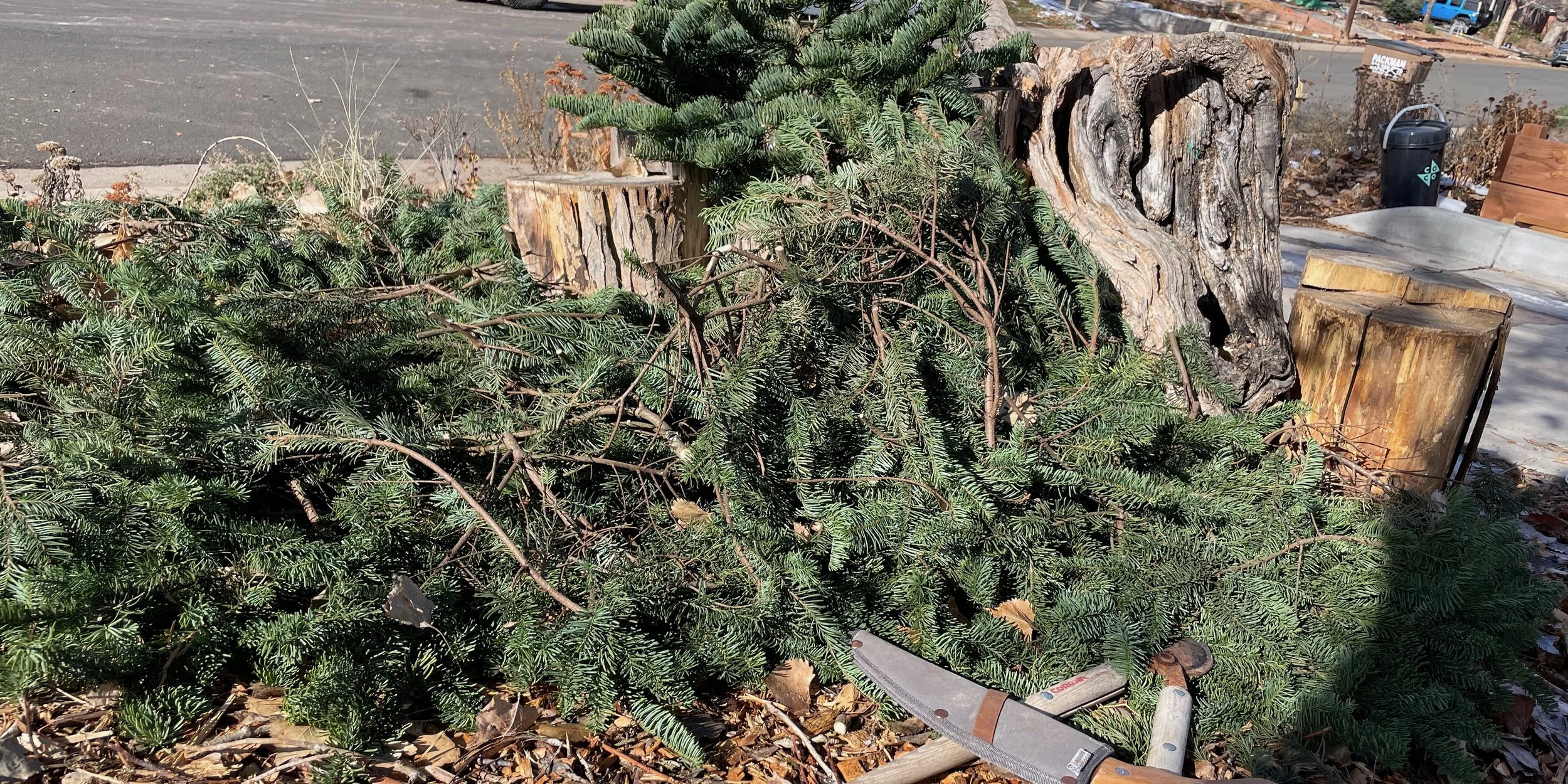
Remove the branches.
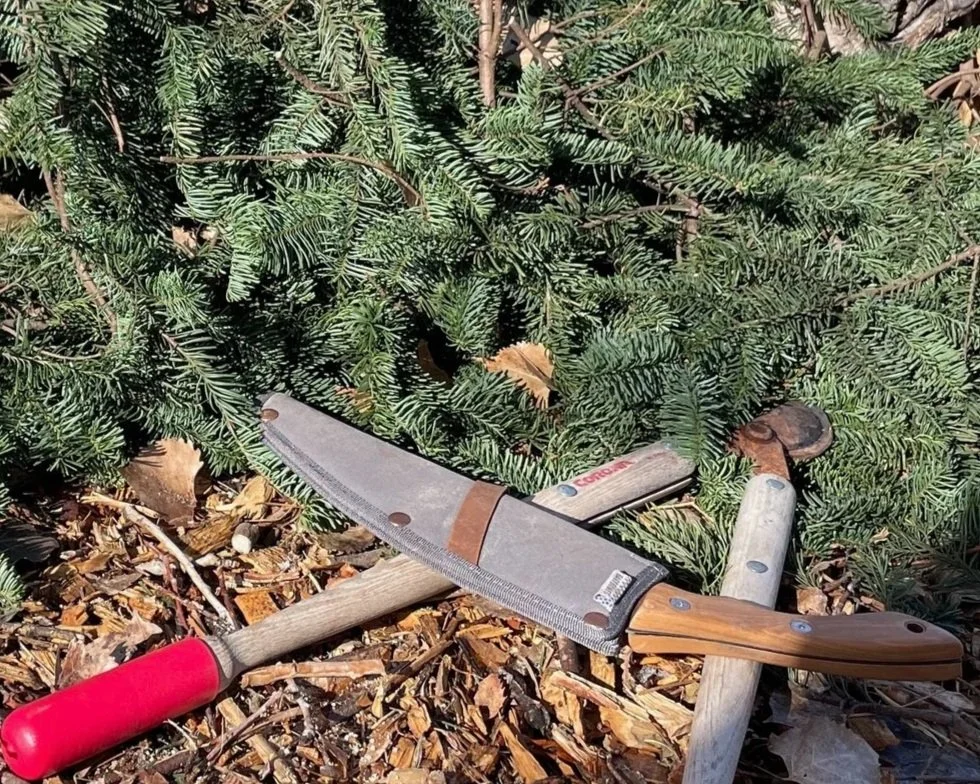
Cut the branches into smaller pieces or run them through a shredder.
Add the chopped branches to your compost pile as a carbon source ("browns").
Balance with “greens” like kitchen scraps or fresh grass clippings.
Leave the trunk out to dry and use it as a plant support in the spring – or chip it up into small pieces.
Why It Works
Woody material breaks down slowly but steadily through fungal decomposition, enriching compost with structure and improving aeration. While needles decompose faster than branches, they’re acidic only briefly—microbes neutralize them quickly.
Best for: Home composters with established medium or large bins, or anyone building a long-term pile.


Use a City Compost or Mulch-Recycling Program
Most cities offer curbside pickup or drop-off sites for real Christmas trees after the holidays. These trees are typically chipped into municipal mulch, used in parks or community landscaping. In my city, we have to drive our trees to a drop-off site where we can also collect free chipped wood to use as mulch.
Why City Composting Helps
Large composting operations can handle thicker branches and trunks efficiently thanks to:
Industrial chippers
High-heat compost piles
Controlled aeration and moisture
This process breaks down the tree rapidly, returning nutrients back into public green spaces.
Bonus: It’s one of the easiest and most eco-friendly disposal methods—just follow your city’s guidelines.

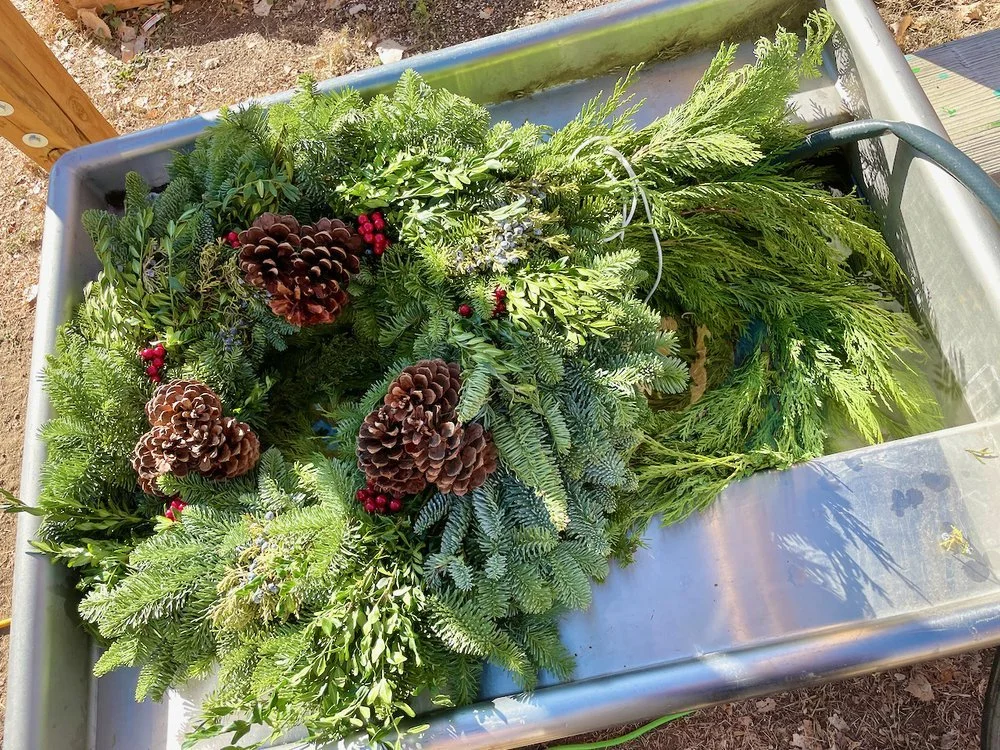
How to Dispose of Garlands, Wreaths, and Swags
While they are smaller, we also have to think about how to best dispose of garlands, wreaths, and other decorations made from plant material. The same basic rules apply!
Remove any plastic or metal ornamentation like ribbons, lights, picks, and tinsel. Keep them for next year if they can be reused.
Cut apart any wires or zip ties. Put them in the trash.
You should be left with organic, plant material which can be added to your compost pile, composted by your city, layered with your plants in the landscape, or added to your new dead hedge.
Build a Dead Hedge for Backyard Wildlife
This has been on my wish list for years, but I just don't have a good place to try it! A “dead hedge” is a centuries-old method of layering branches to create a natural barrier. It’s also a fantastic wildlife habitat.
How to Create One
Remove all decorations, tinsel, hooks, and string lights.
Remove the branches.
Set out a series of stakes or posts that will hold the dead hedge in place – generally at the edge of your property or in an out-of-the-way location.
Stack branches vertically or horizontally along the edge of your yard.
Weave them between the stakes, shrubs, or posts for stability.
Add yard trimmings throughout the year to keep it dense and functional.
Why It Works
Dead hedges act as:
Shelter for overwintering insects
Protection for small birds and mammals
Slow-release organic matter as the wood decomposes
This technique supports beneficial insects and expands backyard biodiversity—something we all love to see.
Use the Branches as Winter Insulation for Plants
Your Christmas tree branches (or “boughs”) make excellent natural insulation for vulnerable plants during freeze-thaw cycles.
How to Use Them
Lay branches in a light layer over perennials, bulbs, or dormant shrubs.
Build little tents over smaller perennial plants for shelter – angle them so air can circulate while still shielding the soil.
Use them to prevent frost heave around sensitive plants.
You can place the branches over existing layers of leaves or use them in places where leaves have not accumulated.
Why It Works
The branches trap air pockets that can help to retain moisture and prevent soil erosion. This can reduce winter injury and protects root systems—especially in unpredictable winter weather.
Perfect for: Young shrubs, fall plantings, and overwintering herbs.
Chip or Cut the Tree Into Mulch
If you have access to a wood chipper—or want a more hands-on recycling project—you can transform your Christmas tree into long-lasting garden mulch.
How to Turn Your Tree Into Mulch
Cut off branches and run them through a chipper.
Dry the trunk for a few months, then chip or split it.
Alternatively use the trunk as a plant support where it will last for many seasons.
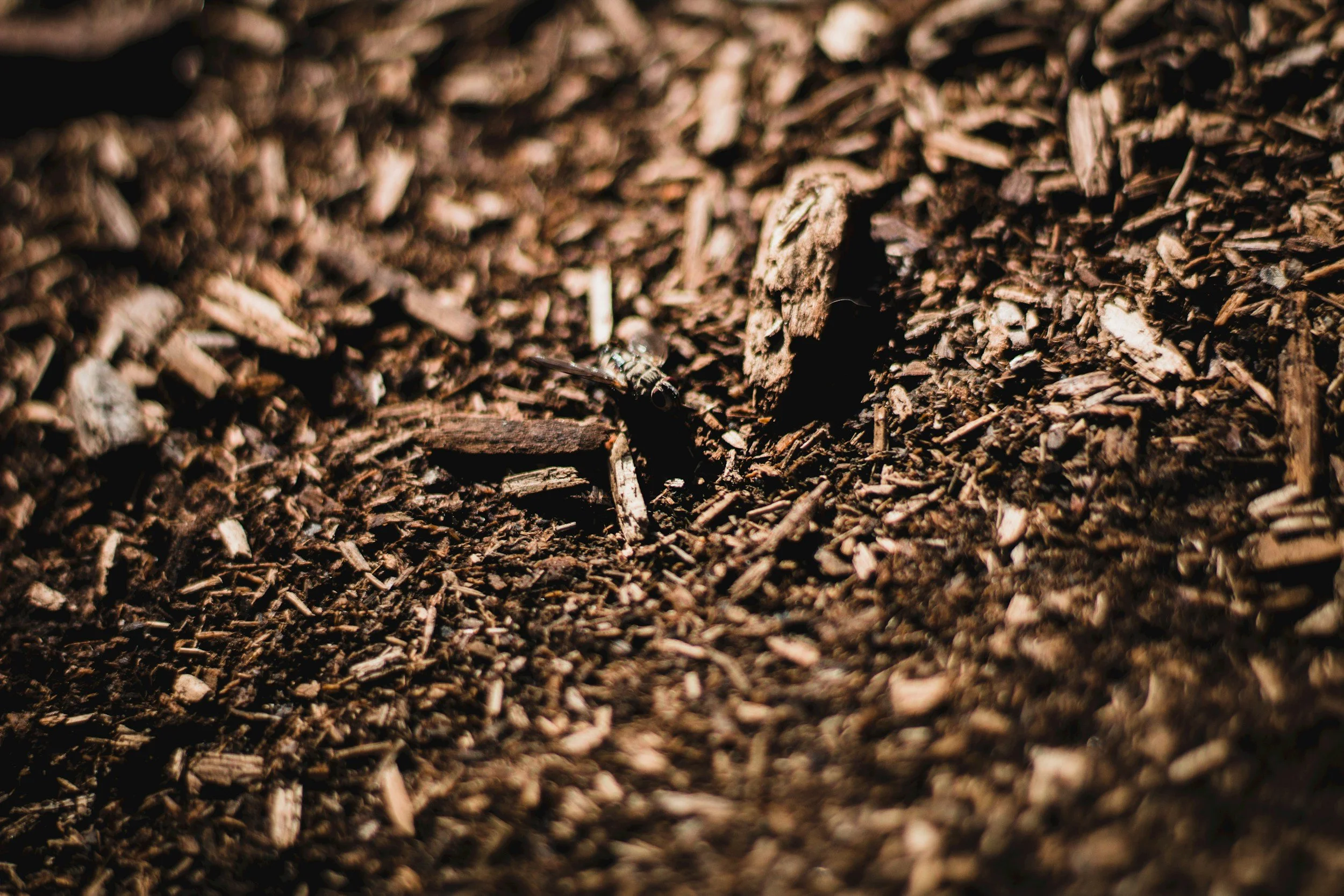
Spread the fresh mulch around trees or pathways.
Why Mulch Works So Well
Mulch made from evergreens:
Reduces soil evaporation
Stabilizes temperature
Supports beneficial fungi
Breaks down slowly, feeding soil as it decomposes
Contrary to myth, pine needles and fir chips won’t permanently acidify your soil. Any acidity is temporary and neutralizes quickly.

Science Reminder: Never Burn a Christmas Tree Indoors
Christmas tree wood carries high resin content, which burns hot and fast. Indoors, this can cause chimney fires or dangerous creosote buildup. Limit burning to outdoor fire pits only—and let branches dry completely first.
at the close…
Which Method Is Best?
It depends on your space and sustainability goals:
Want the simplest option? Use your city’s compost program.
Have a garden? Turn the tree into mulch or use branches as insulation.
Love wildlife? Build a dead hedge.
DIY sustainability fan? Home composting is rewarding and effective.
No matter which you choose, a real Christmas tree can continue giving back long after the season ends.
The key is always to dispose of your tree in the most environmentally-friendly way possible! Composting it closes the loop and keeps the nutrients in the circle, and keeps your tree from becoming part of our landfill problems!
Happy Gardening!
Angela
Subscribe now so you never miss a thing!