

Planting Perennials
in Fall
Plant Suggestions and a Fall Planting Checklist
I know we associate planting with the springtime. It’s an easy connection: everything is green, the nurseries are full of beautiful plants, and for those of us who live in areas where we have winter, spring is a welcome change. It’s a time of rebirth. It’s a time of renewal. And it is fantastic gardening.
However, it’s actually not my favorite season for gardening. That badge goes to Autumn!
I love fall. In many ways fall is the antidote to the intensity of summer in the same way that spring is the antidote to the intensity of winter. It’s cooler. It’s crisp. The leaves change color. And there’s a sense of relief after the heat of the summer, even for people who love summer.
As much as we feel this, plants also feel this change. And they respond. But I would posit that fall planting is superior to spring planting. Especially when you’re planting perennials.
Now this isn’t necessarily true for plants that you are growing from seed. There are some plants – largely biennials – that are grown from seed in the late summer and fall. They germinate in the heat of July, August, and September. They established their roots. They die back over the winter. And then they flourish in the spring and the next summer. That’s their lifecycle.
But it’s planting garden center perennials where you get the deep advantage of fall gardening. And I would advocate for almost anyone trying to establish a new garden or a new piece of a garden: fall is a far superior time to do that gardening over the spring.
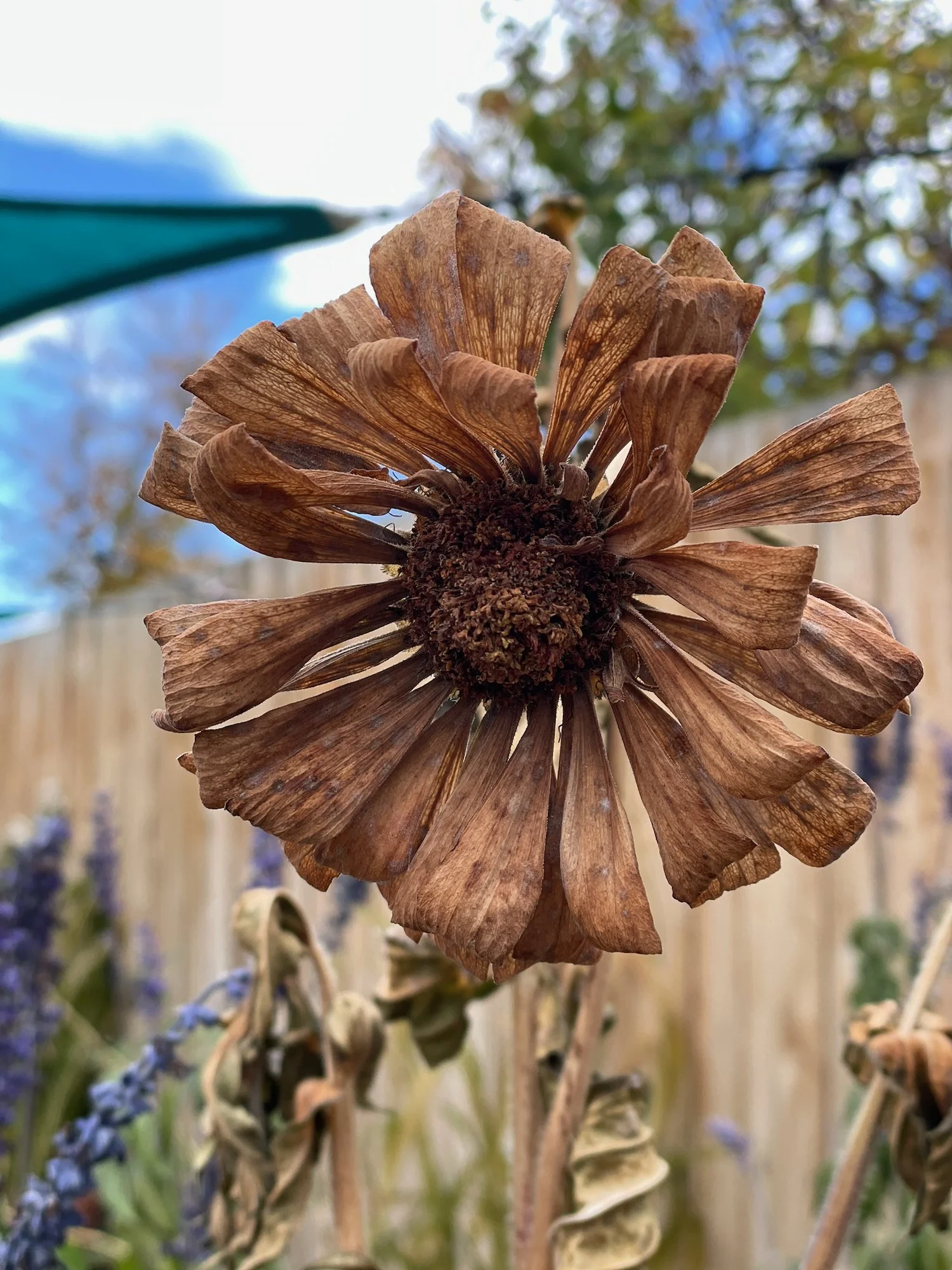
Warmer Soil Temperatures
Plants are able to establish more quickly in the fall because the soil temperatures are nice and warm. When you think about a plant rooting out into the soil, the cooler, damp soil of spring is not as welcoming for a plant's roots. Those cooler temperatures can curtail root growth. And the moisture in the soil can reduce the oxygen content. And yes, plants do need oxygen at their roots. When soil is especially damp, the oxygen content is lower. And that’s more common in the spring. So these two factors together can make it much more difficult for little roots to get established in springtime soils.
That’s particularly important when you are growing perennials. Perennials need a strong root system because that root system is going to support that plant for years to come. Herbaceous perennials – plants that die back completely to the ground in the fall and then re-emerge in the spring – are especially vulnerable if their root systems are immature over the winter. But given warm soil and sun in the fall, those herbaceous perennials will root deeply.
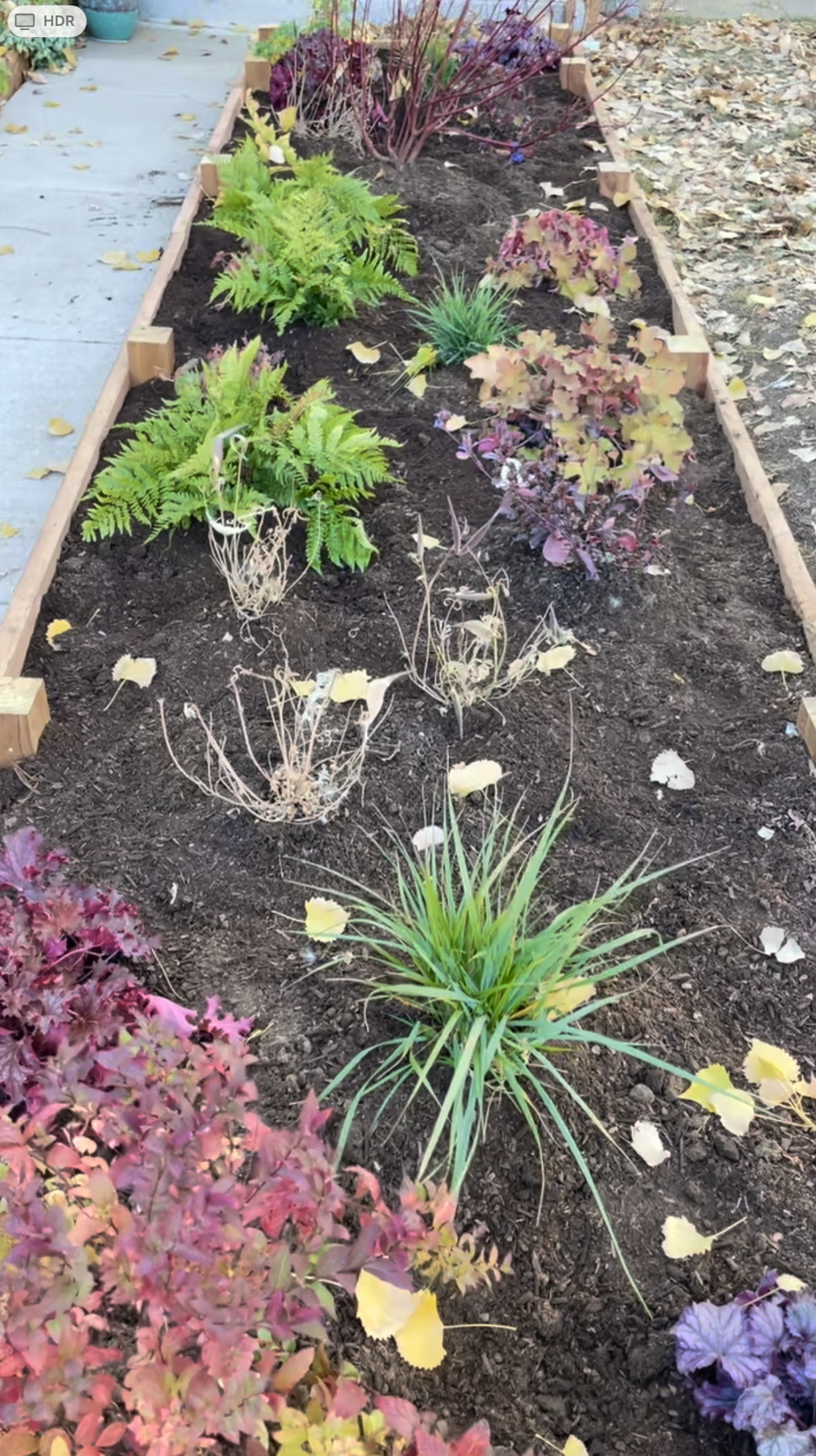
The same is true for woody perennials, like shrubs and trees. As long as you prepare the hole for planting well, those shrubs and trees should have time to get established over the autumn before the soil freezes. And if you’re in an area where the soil temperatures never freeze, so much the better.
Cooler Daytime Temperatures
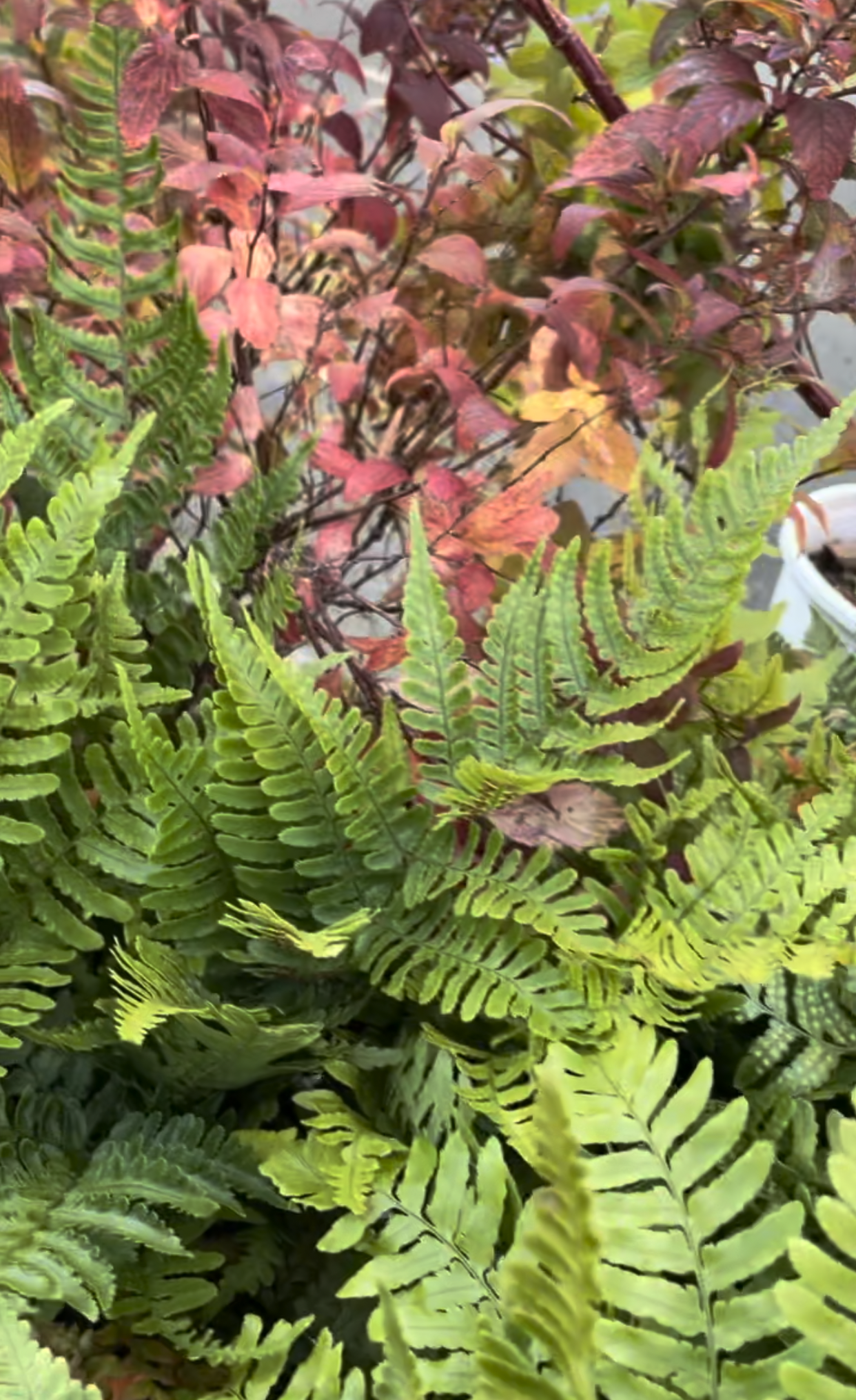
Fall planting can mean far less stress for your plants. Those cooler daytime temperatures reduce the amount of transpiration – water loss – through the plant's leaves. You know how stressful and sweaty summer heat can be – well, your plant feels the same way. But with warmer soil and cooler days, a plant can focus on root growth and getting established quickly.
Fall Rains
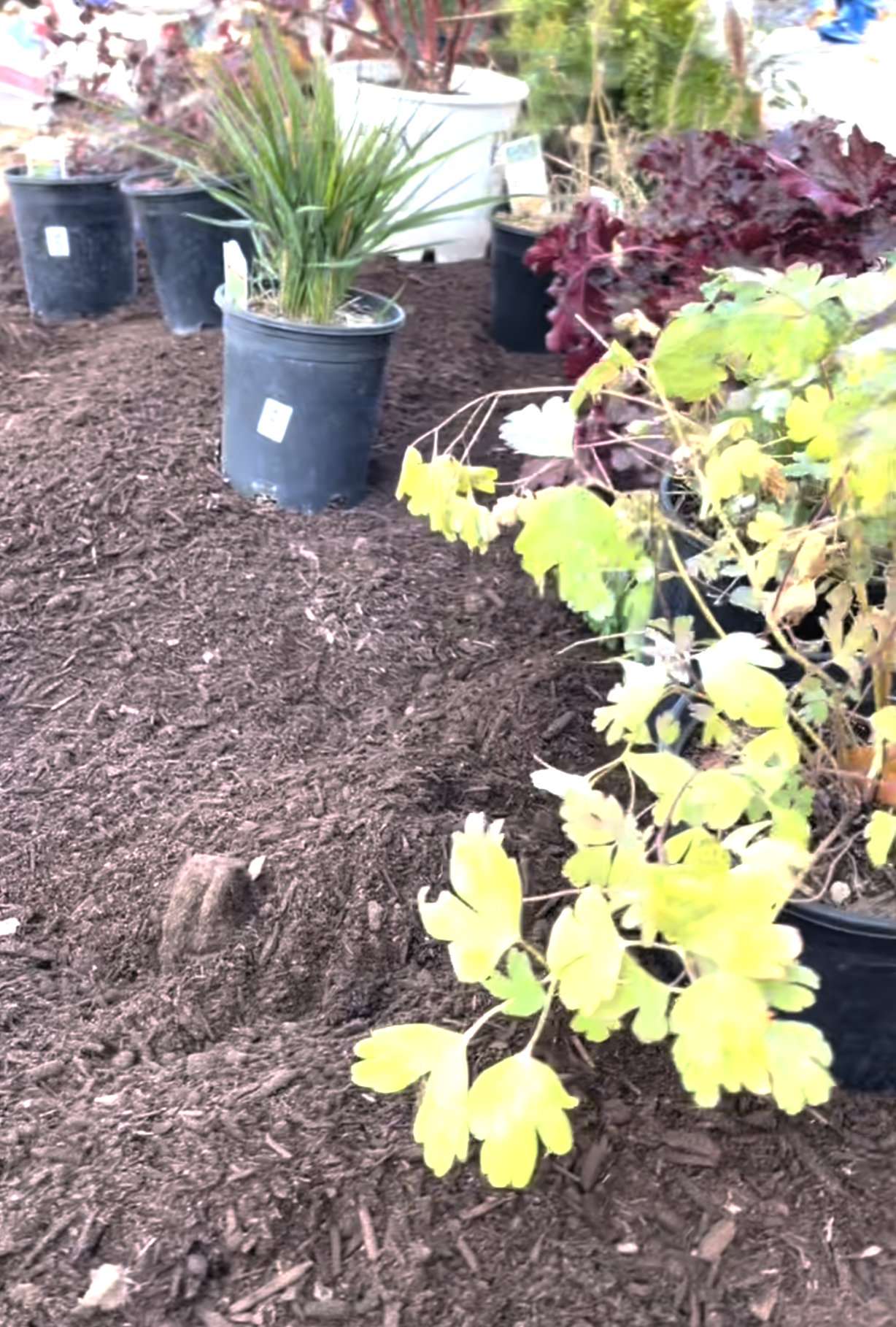
In addition to warmer temperatures, in North America rain tends to be more plentiful in the fall than in the summer. So you have the advantage of warm soil, but you also have the advantage of fall rains. And that means less irrigation. Rain is always preferable to irrigated water.
Since newly planted perennials need more water to get established, this is incredibly helpful!
Fewer Pests
Newly-established plants have less insect pressure in the fall which also means less stress. Many insects are completing their life cycles by early September, so their munching and crunching is significantly decreased. While they are busy laying eggs and dying off or preparing to overwinter, your plants have a better chance of getting established before spring without becoming a meal.
Plants on Sale
For those of us who live where gardening is not a 12 month proposition, fall plant sales can also be an amazing money saver. Growers, nurseries, and garden centers do not want to hold over inventory through the winter. Many of them can not. And they need to make room for starting plants for spring. So many plant sellers will offer deep discounts in the fall. This can make larger garden projects more economical. And I am always about saving money! Gardening can be expensive, so any way that you can save money is a good thing!
Timing your gardening projects for the fall – – especially trees, shrubs, and perennial plantings – – can save you significant money over the long run.
Because the spring push is long past, fall gardeners have an advantage: less competition for the good plants. Many people have kind of moved on from planting by the autumn, and sometimes you find great bargains and incredible selections, because, culturally in North America, the more experienced gardeners are the ones doing the gardening.
Additionally, most of the plants that you will find at a nursery or garden center in the fall have been hardened-off already. In the spring, the turnover of inventory is much faster, and those young plants often have not been hardened off yet. So you have to take those steps yourself. But in the fall for the most part, the perennials that are on the garden tables have been there for a few weeks or even a few months. They are hardened off and ready to be planted right away. So that saves you a little bit of time!
My Fall Planting Strategy
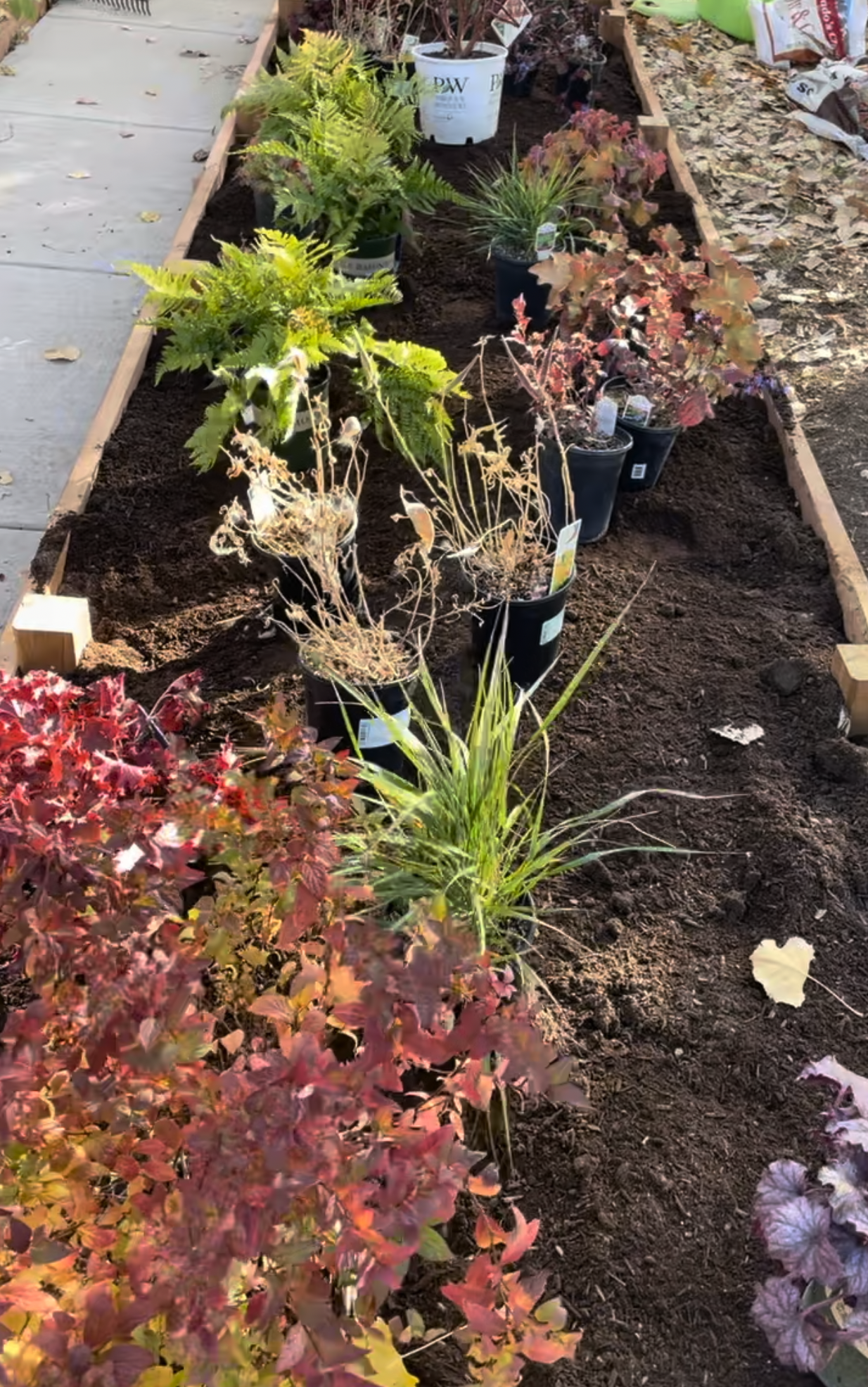
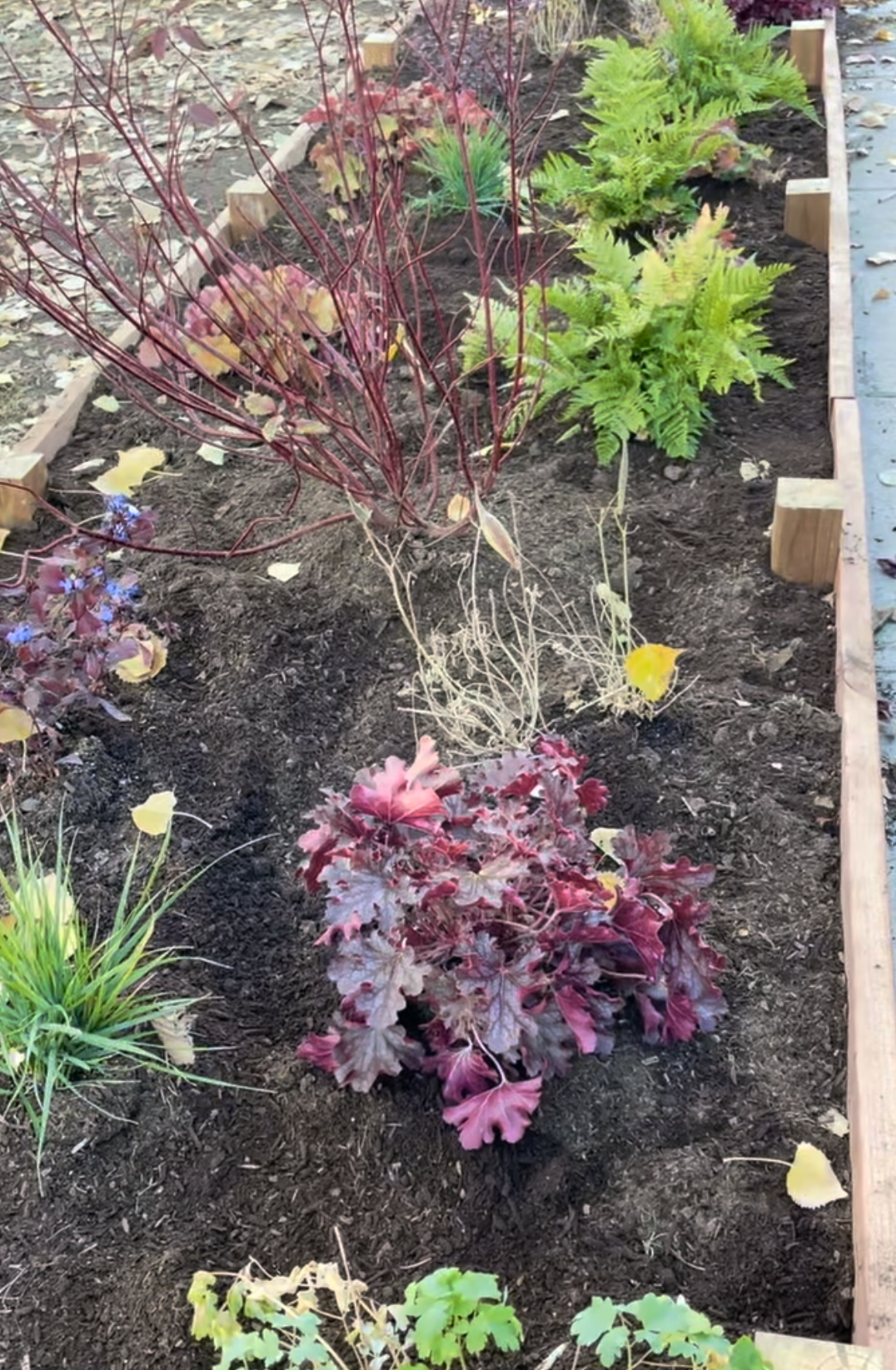
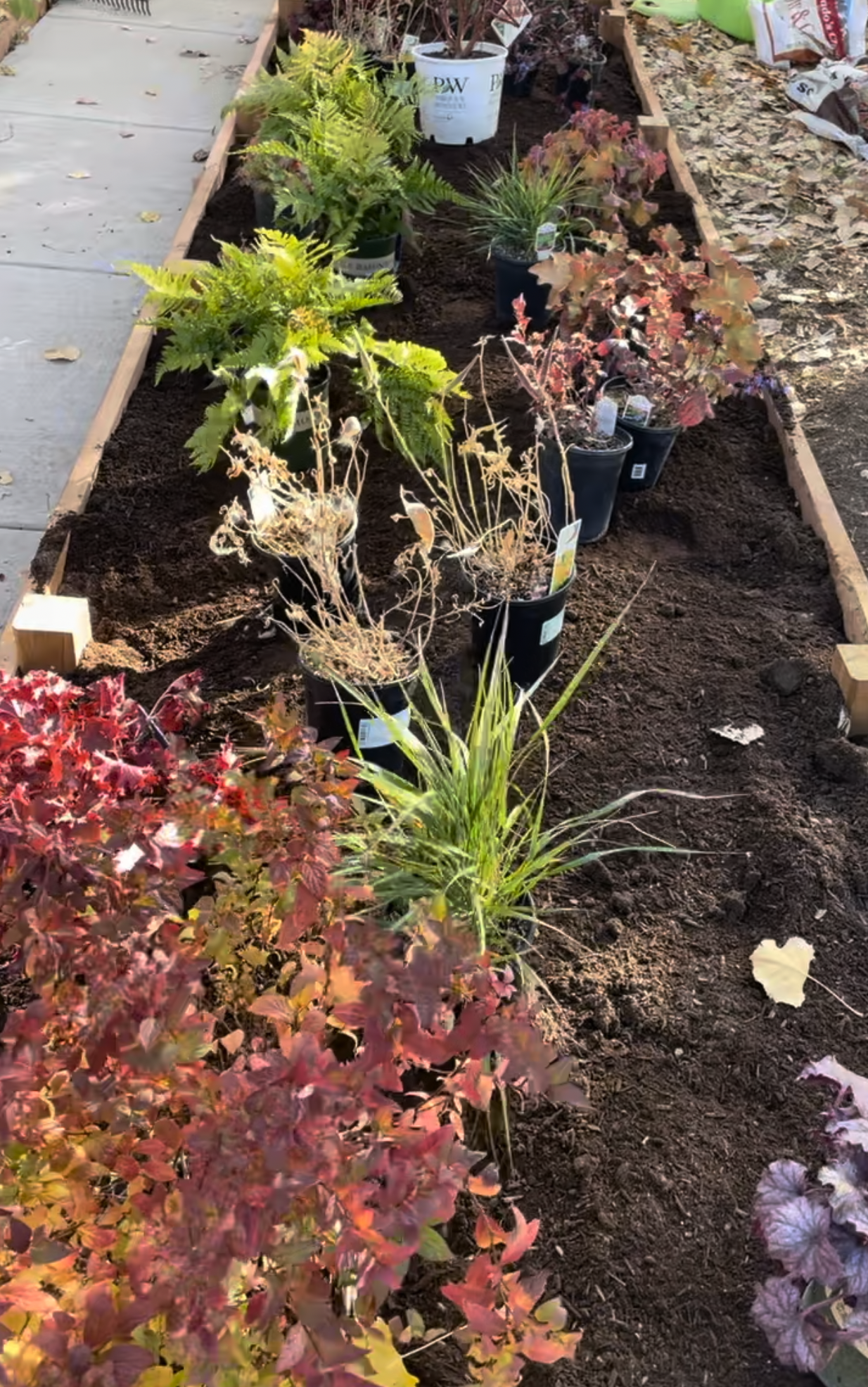
Here in Colorado I am in zone 5|6. My first frost date is in the first week of October. I have felt comfortable planting all the way to the first week of November. Because while my first frost or even snow might happen, those soil temperatures generally remain nice and warm until that first week of November or even later.
Take the Temperature: One of my most important tools is a soil thermometer. And every week or so I check the soil temperatures to make sure that it’s still warm enough to plant. Above 55° is ideal. But my rule of thumb is generally if the soil temperature is above 50° in the fall, I will still plant.
Protect from Snow: Just like I do in the spring, I use overturned pots to protect newly-planted perennials from the first snows of fall. I only do this for the first month that they are in the ground, and the protection is simply to protect foliage while the roots are getting established. Since a plant's leaves produce sugars that sustain them over the winter, I protect the leaves from freezing. But after a month of being in the ground, they are on their own.
Regular Watering: As with any other new plantings, fall planted perennials need supplemental water to get established. Check your plants regularly – especially when the temperatures spike. Keep them well-watered through the fall and even in the winter if it is dry. Newly-planted plants don't have the resources to draw upon that established plants have. So they need a little more love!
I probably take a few more risks than I should. But I work to cram as many plants as I possibly can into my fall planting schedule. Bulbs, perennials, all of my favorites. And for the most part, it works out beautifully.
What Perennials to Plant in the Fall
This list includes some of my favorite plants that thrive when planted in the fall as well as some I've never grown but want to try!
And these are ideas to get you started. North America is HUGE and enormously diverse in its plant life. When I suggest a particular variety of Echinacea, it may not be the Echinacea that thrives in your part of the world. That's ok! Take Echinacea as a suggested plant type and find the one you prefer – or that is native to your area.
I've divided this list into categories:
Fall-Planted Spring Bulbs
Flowering Pollinator Perennials
Ornamental Grasses and Sedges
Woodland and Shade Perennials
Groundcovers
A Few Notes:
USDA Hardiness Zones: the USDA Plant Hardiness Zone Map is a guide to the average lowest temperature you can expect in a location. It does not account for rainfall, summer temperatures, or any other factor that can influence a plant's health. For more about how the USDA Zones work, read this post.
Native Designation: "Native" means native to some part of North America, not necessarily native to every U.S. region. The species suggested may not be native to your region, but it represents a genus of plant which may have other species that are. I am not a native plant purist. I look for plants which will thrive in my area – even if they originate in another part of the continent.
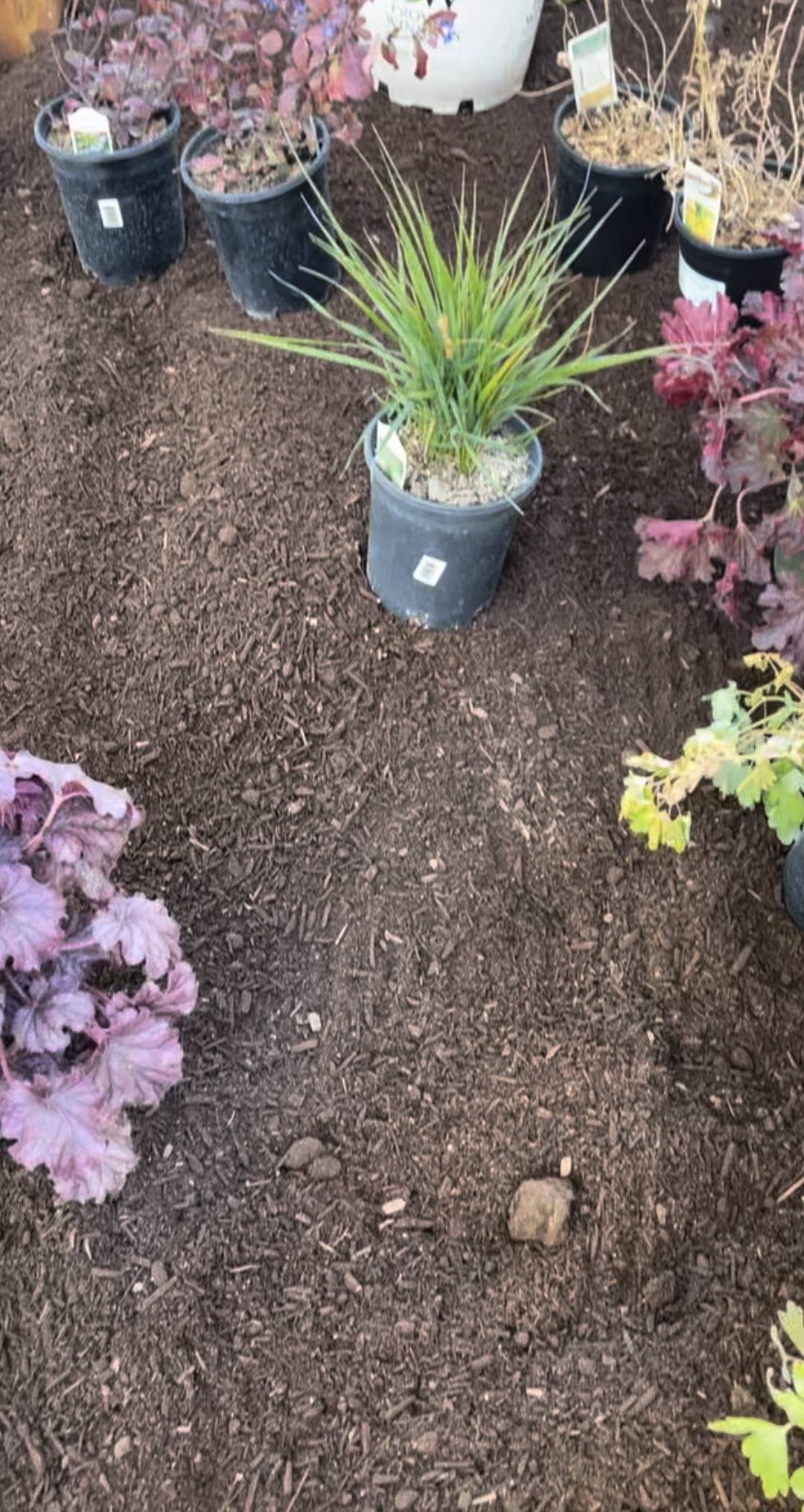

If you're like me and often forget by spring what you planted in the fall, I have a tracker for you to download and print! This tracker helps you to plan your purchases and to keep track of when they arrive and get planted. It's simple, but it can really help you remember what the heck you planted come spring. We all forget over the winter – just be sure you put it in a safe place!
This tracker is only available to my Substack community. Subscribe at the link below!
1. Fall-Planted Spring-Flowering Bulbs
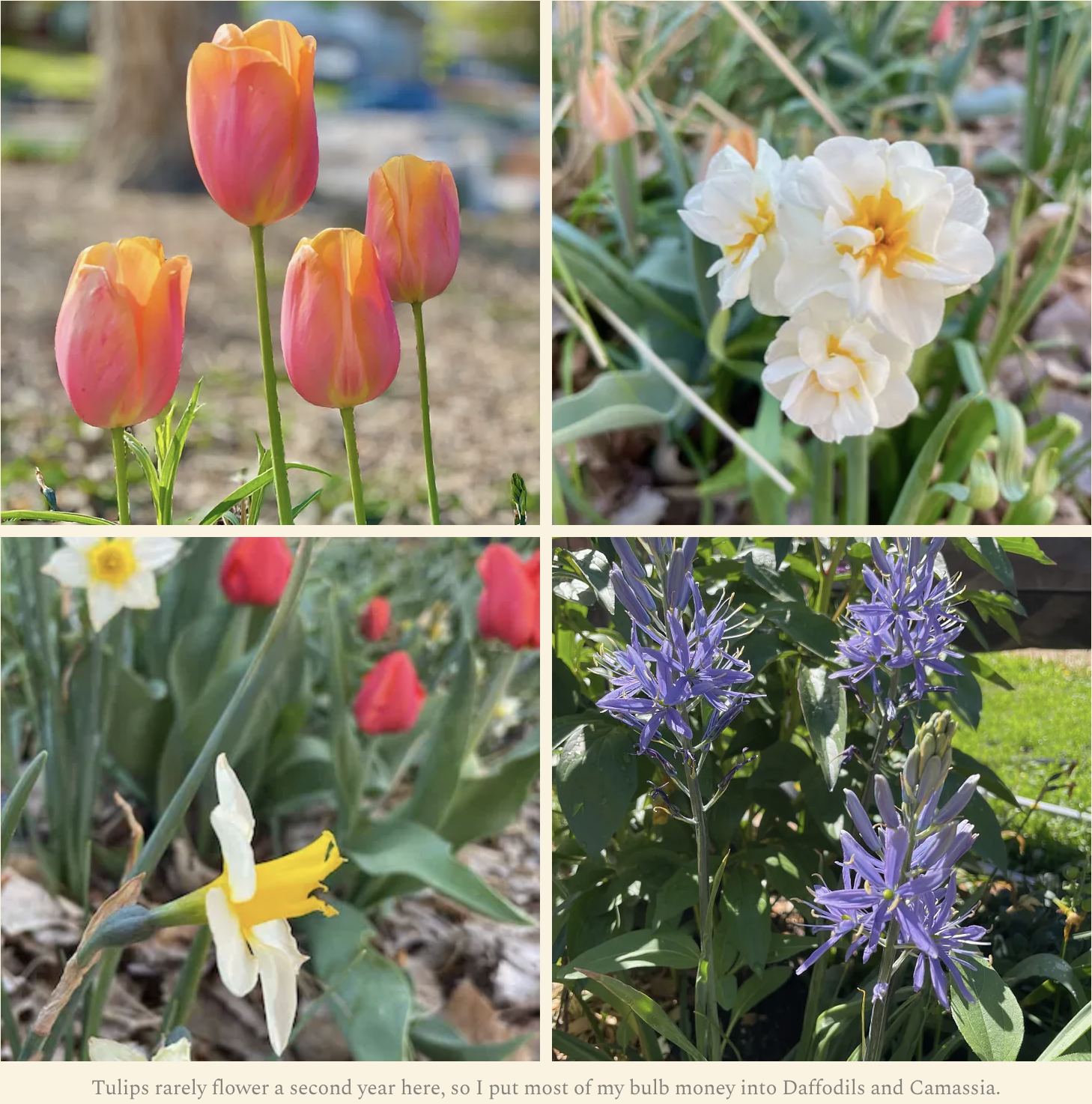
Many bulbs must be planted in the fall in order to flower the following spring. While lots of common spring bulbs aren't native to North America, they are a wonderful way to bring color to your spring garden. Additionally, early spring flowers are critical for early-emerging pollinators.
For me, daffodils and tulips are the couture show of spring, but I also LOVE Camassia. They don't live long in my garden – it's too dry – but if you get more moisture than I do, go hard for Camassia. You won't be sorry!
Species to Consider
Mount Hood Trumpet Daffodil (Narcissus ‘Mount Hood’) | Non-native Europe | USDA Zones approximately 3–8.
Thalia Daffodil (Narcissus ‘Thalia’) | Non-native Europe | USDA Zones approximately 4–8.
Poet’s Daffodil (Narcissus ‘Actaea’) | Non-native Europe | USDA Zones approximately 3–8.
Eastern Trout Lily (Erythronium americanum) | Native North America | USDA Zones 3a–8b.
Northern Blue Flag Iris (Iris versicolor) | Native North America | USDA Zones 3a–9b.
Camassia spp. | Native North America | USDA Zones approximately 3–8, depending on species.
Bulb-Planting Tips
Plant bulbs in clusters or drifts. For a more natural effect, plant bulbs in groups of 5-9. Or even more! When they are planted together, they look more natural especially against the relatively bare spring landscape.
Plant bulbs at the proper depth. Most bulbs should be planted twice as deep as they are tall. But check the bulb's packaging for species-specific instructions.
Protect newly-planted bulbs from squirrels. I use burlap, and it works perfectly! Check it out here.
2. Flowering Pollinator Perennials
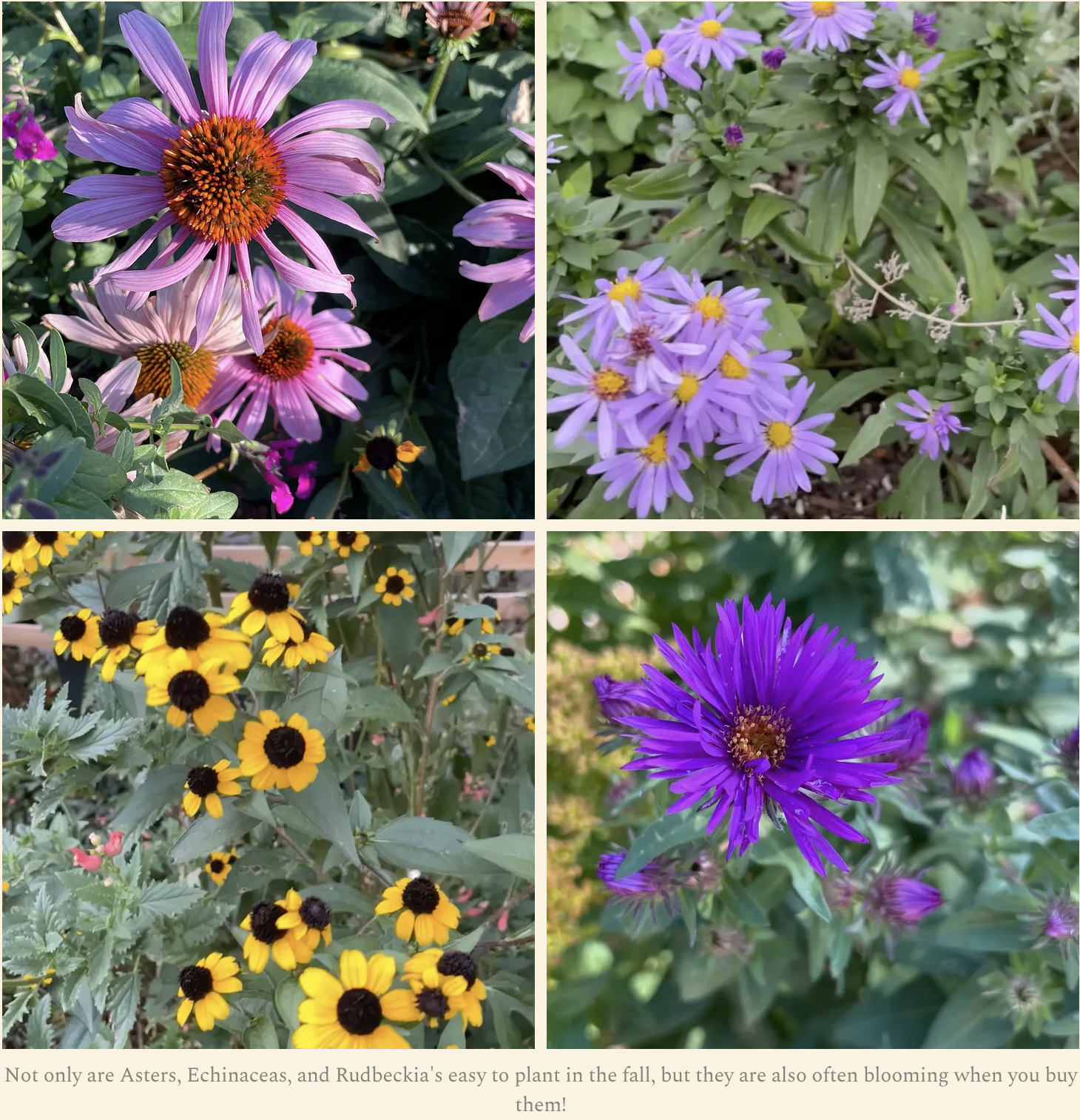
Native flowering plants including Asters, Goldenrods, Bee Balm, Coneflowers and Blazing Stars are important habitat and food sources for insects and birds.
This is where I tend to spend my money in the fall. Not all perennials live for 10+ years, so fall can be a great time to fill in holes that develop in a planting scheme, and I'm always thinking about food for my pollinator and bird friends.
Species to Consider
Purple Coneflower (Echinacea purpurea) | Native North America | USDA Zones 3–8.
New England Aster (Symphyotrichum novae-angliae) | Native North America | USDA Zones 3–8.
Mexican Hat/Prairie Coneflower (Ratibida columnifera) | Native North America | USDA Zones approximately 4–9.
Black-eyed Susan (Rudbeckia fulgida) | Native North America | USDA Zones 3a–9a.
Wild Bergamot (Monarda fistulosa) | Native North America | USDA Zones 3a–9b.
Dense Blazing Star (Liatris spicata) | Native North America | USDA Zones 3a–8b.
Common Sneezeweed (Helenium autumnale) | Native North America | USDA Zones 3a–8b.
Planting Tips
Match plants to the site. Putting the right plant in the right place is critical! Be sure to check sun, drainage, and soil moisture before planting.
Water regularly while roots establish. For the first 4-6 weeks your plants will need water or rain almost every day. Check the soil moisture 1-2 inches down. If it is dry, water. The key is to have moist soil that's not soggy.
Leave seedheads through winter. Don't cut back the seedheads until spring. The seeds provide food all winter and fallen leaves and stems provide shelter for wildlife.
3. Ornamental Grasses and Sedges
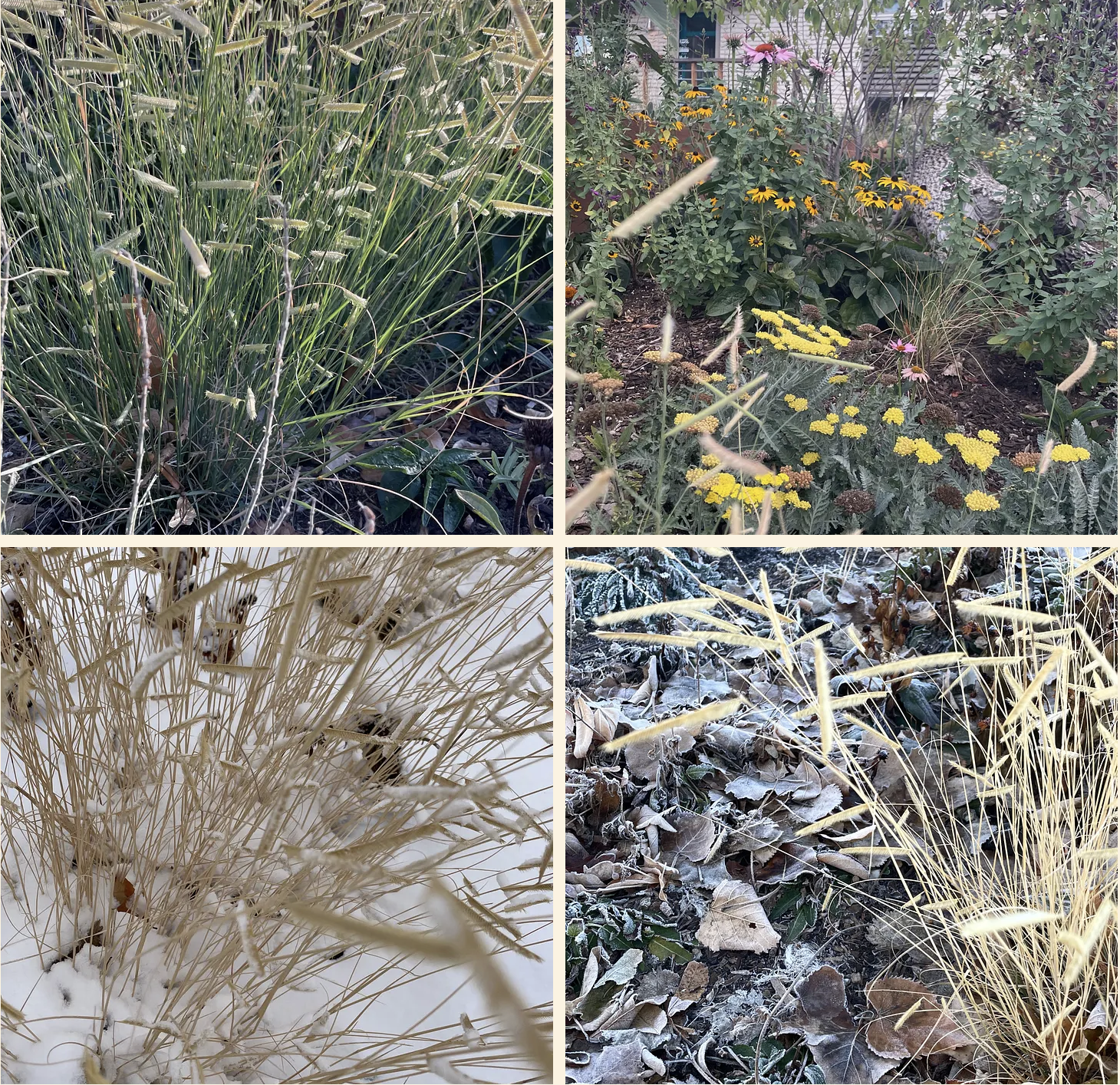
Grasses and sedges offer critical beauty in our gardens, and they can be a little easier to establish over the fall and winter if they receive enough water. They do require a lot of water to get established, so plan for that as you are setting out. However, once established they are some of the most valuable plants in your garden for both habitat and wildlife food.
Species to Consider
Prairie dropseed (Sporobolus heterolepis) | Native North America | USDA Zones 3–8.
Blaze little bluestem (Schizachyrium scoparium ‘Blaze’) | Native North America | USDA Zones 3–9.
Sideoats grama (Bouteloua curtipendula) | Native North America | USDA Zones approximately 4–9.
Little bluestem (Schizachyrium scoparium) | Native North America | USDA Zones 3a–9b.
Switchgrass (Panicum virgatum) | Native North America | USDA Zones 5a–9b.
Bottlebrush grass (Elymus hystrix) | Native North America | USDA Zones 5a–9b.
Appalachian sedge (Carex appalachica) | Native North America | USDA Zones 3–8.
Feather reed grass ‘Karl Foerster’ (Calamagrostis × acutiflora) | Non-native hybrid | USDA Zones 4–9.
Planting Tips
Give grasses room to mature. Not all grasses are the same. Some get very large. Others remain on the petite side. But you do need to pay attention to their size when planting. They don't like to be crowded.
Choose grasses according to moisture and sun. Many grasses and sedges are particular about sun exposure. Consider your location. And give them plenty of water to get established including over the winter if you haven't had rain or snow in 2 weeks.
Leave the grasses standing through winter. The old guidance was to cut grasses after the first frost. That has changed! Their seedheads and dried foliage provide important habitat and seeds for forage. Plus, they just look better! Leave them standing until spring.
4. Woodland & Shade Perennials
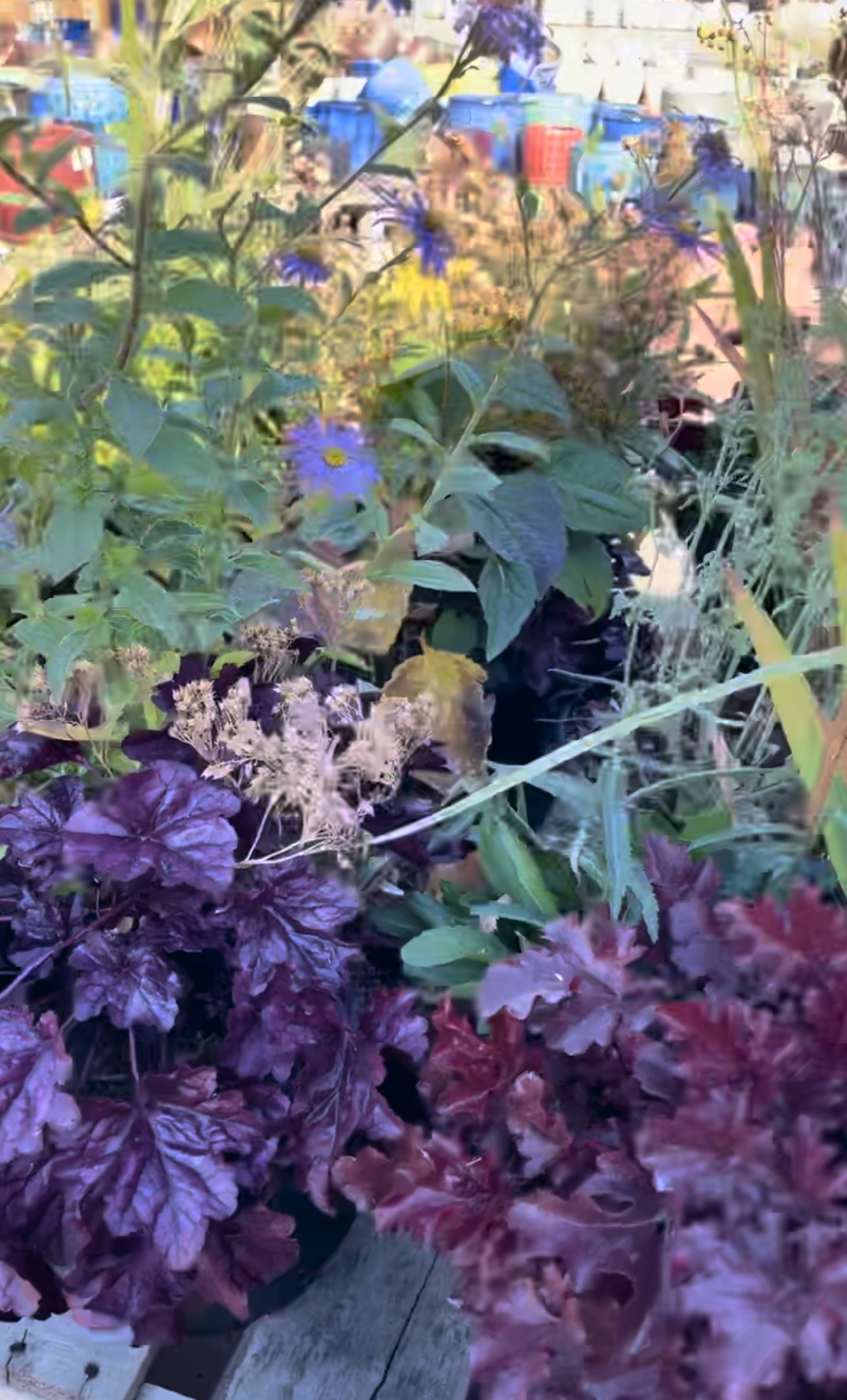
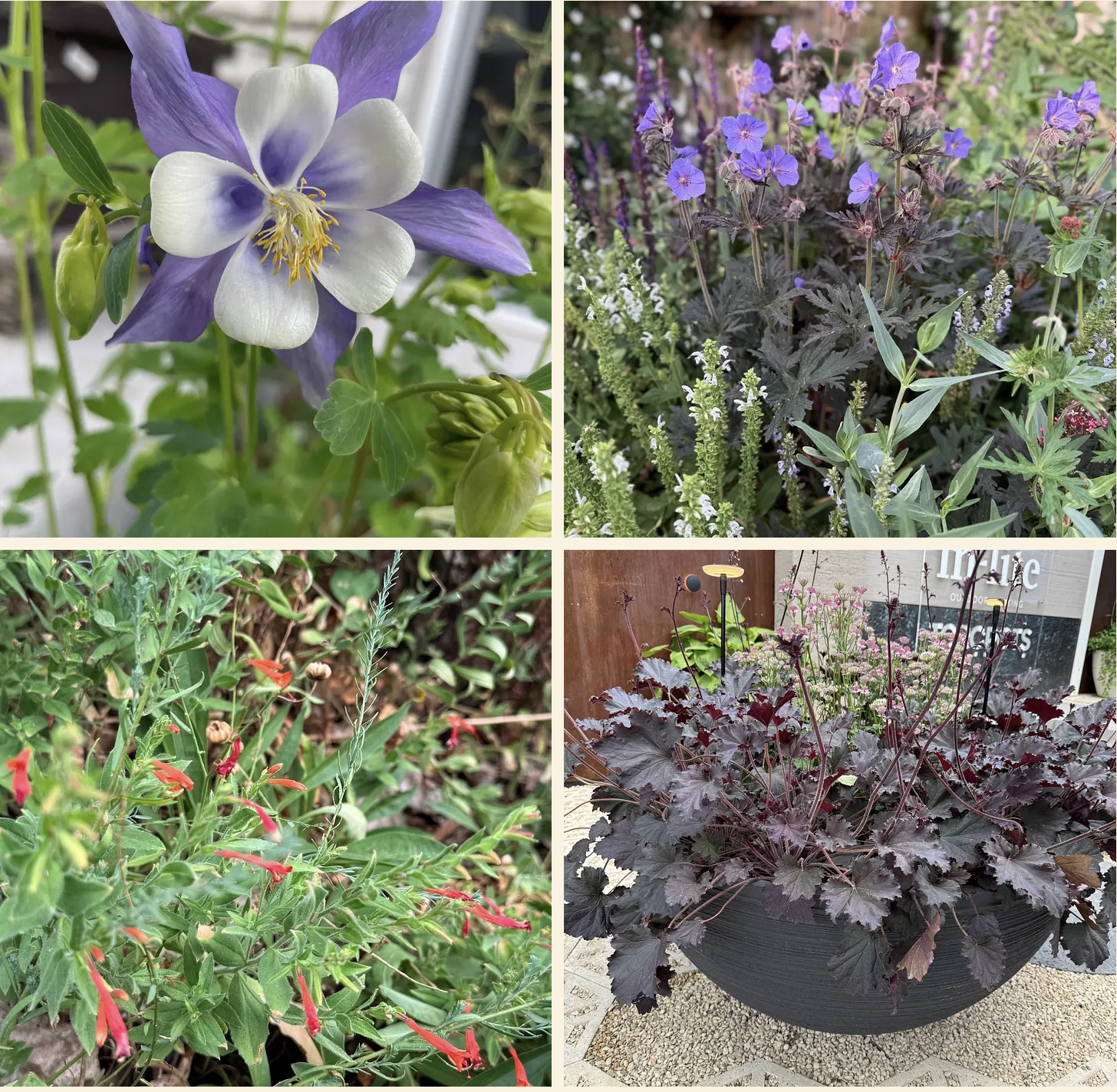
I don't have much shade – dappled or otherwise. But woodland plants are amongst my favorites, and I know many people long for my sunny garden while I long for their shade. At any rate, establishing woodland plants in fall leads to easy beauty in the spring! My favorites on this list: Aquilegia, Zauschneria, Heuchera, and Hardy Geranium. Love them!
Species to Consider
Columbine (Aquilegia canadensis) | Native North America | USDA Zones 3–8.
Orange Carpet® Creeping Hummingbird Trumpet (Zauschneria garrettii) | Native North America | Zones 3-8.
Sticky Geranium (Geranium viscosissimum) | Native North America | USDA Zones 3a–11b.
Foamflower (Tiarella cordifolia) | Native North America | USDA Zones 3a–8b.
American alumroot (Heuchera americana) | Native North America | USDA Zones 4a–9b.
Canadian wild ginger (Asarum canadense) | Native North America | USDA Zones 4a–6b.
Planting Tips
Plant under existing trees with care. Make sure you know which side of your trees get the most shade. It will differ! And take care not to disturb tree roots while planting.
Use a light organic mulch after planting. Mulch helps maintain soil moisture and buffers temperature changes. Just keep it pulled back from the plant crowns.
Favor native plants when wildlife habitat is the priority. I love a good hosta, but Columbine and Wild Ginger are preferable to the hosta because they are North American natives. And I can't say enough good things about Heuchera!
5. Groundcovers
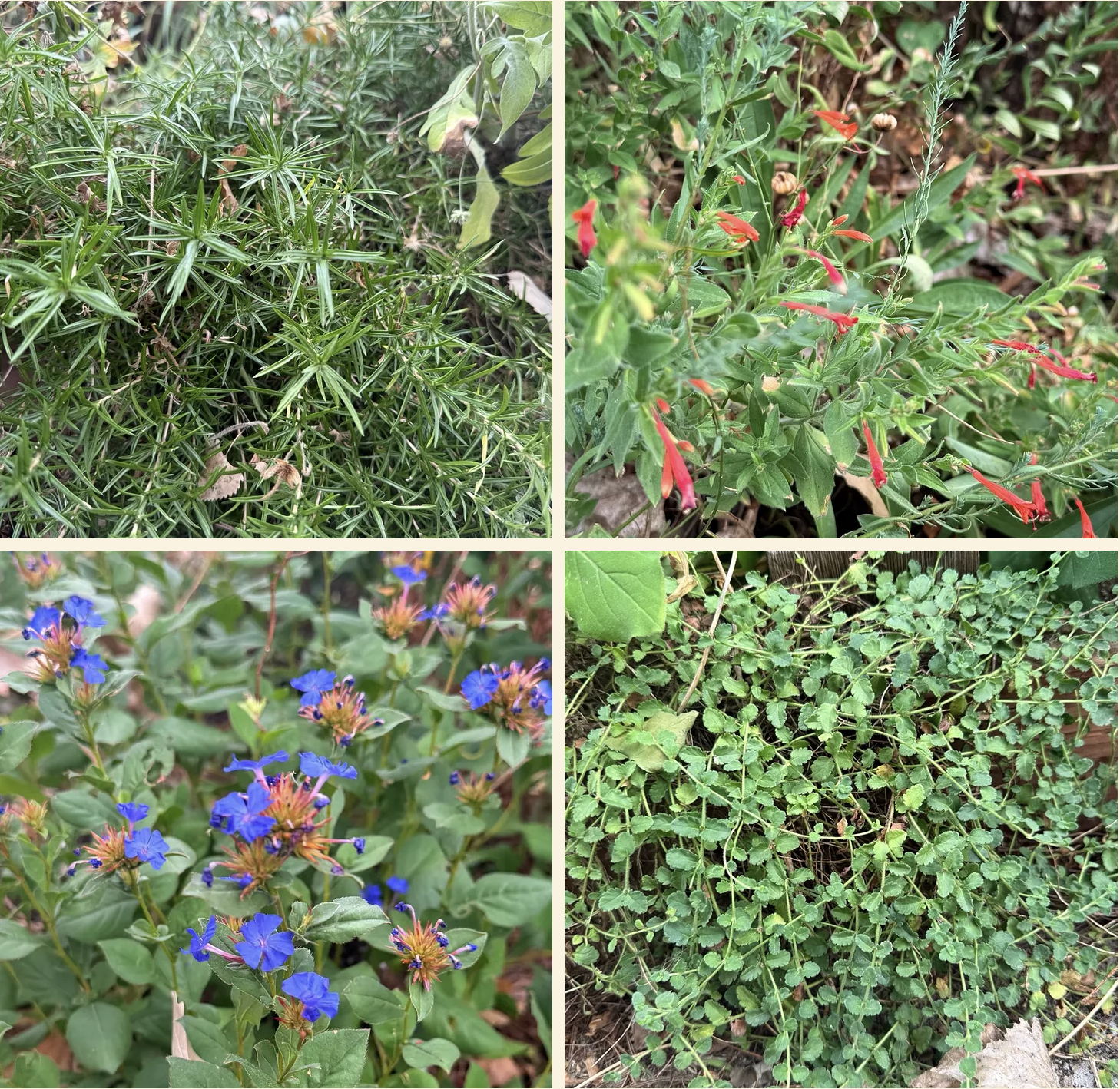
Groundcovers reduce bare soil and help suppress weeds once established. Dense plantings shade the soil and reduce the opportunity for invasive weeds. But lots of the plants that have been marketed as groundcovers in the last 50 years or so have been non-natives and often invasive (Vinca, I am looking at you). Here are some more beneficial plants to consider!
Species to Consider
Sundrops (Calylophus drummondianus) | Native North America | USDA Zones 5–9.
Pussytoes (Antennaria dimorpha) | Native North America | USDA Zones 4–8.
Common blue violet (Viola sororia) | Native North America | USDA Zones 3a–7b.
Golden groundsel (Packera aurea) | Native North America | USDA Zones 3a–8b.
Canadian wild ginger (Asarum canadense) | Native North America | USDA Zones 4a–6b.
Creeping thyme (Thymus serpyllum) | Non-native European/Asian perennial | USDA Zones 4–9.
Canby’s mountain lover (Paxistima canbyi) | Native Eastern North America | USDA Zones 4–8.
Planting Tips
Keep new plantings well-watered. Fall planting reduces but does not eliminate the need for irrigation while roots are getting established. Regular watering is critical!
Plant several together. Groundcovers work best when allowed to form a continuous or repeated scheme rather than being scattered individually. Plant them in larger patches together.
Don't bury low-growing crowns. Plant at approximately the same depth as the container/root ball and use only a light layer of mulch around – not over – the crown.
at the close…
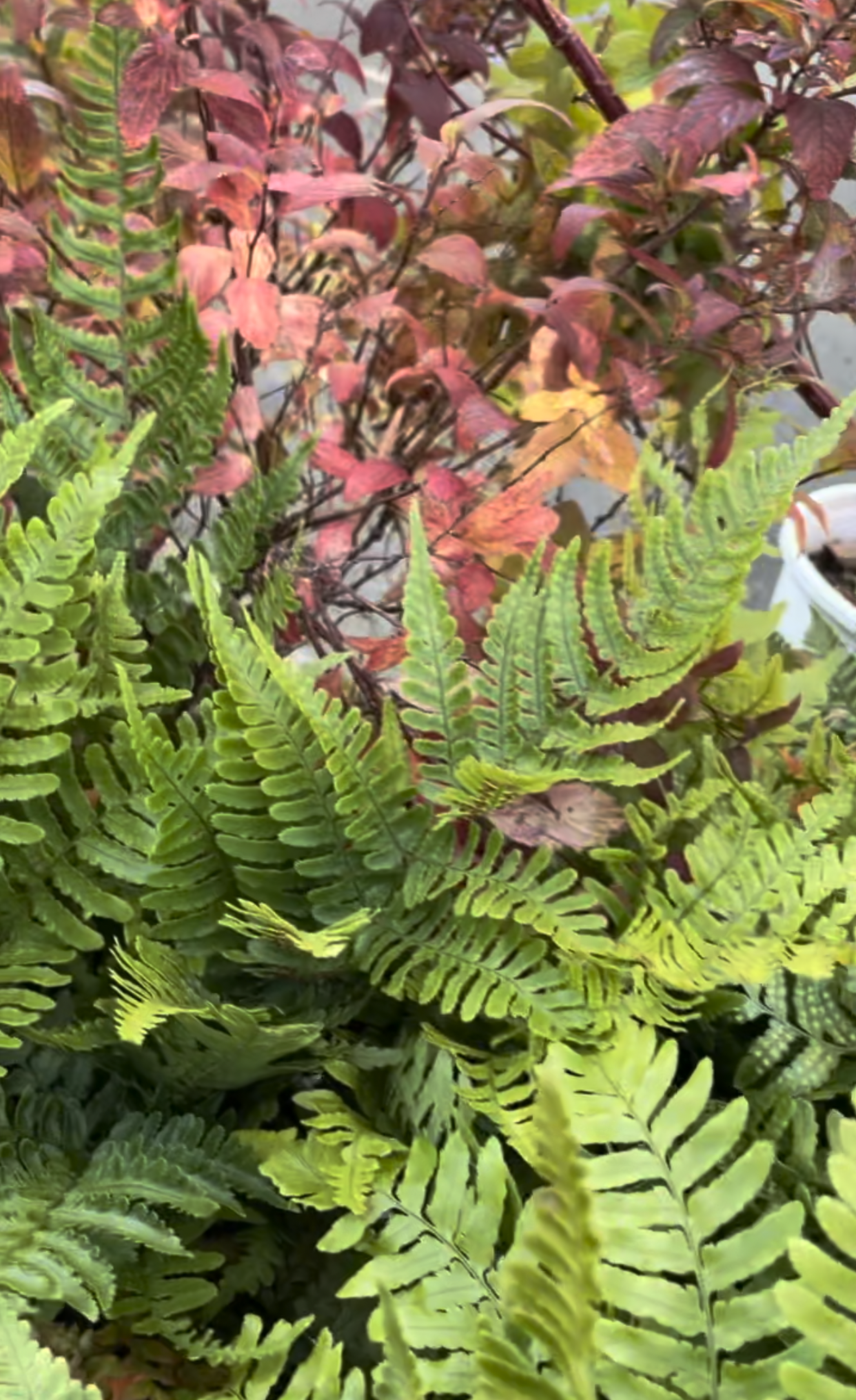
Fall is absolutely my favorite time in the garden, and I hope as you dig in you’ll find lots of beautiful plants to enhance your growing space as well.
If you have questions, don't hesitate to ask!
This post originally appeared on my Substack. Subscribe to my Substack, and all of this gardening goodness will appear in your email inbox weekly!
Happy Gardening!
Angela
Subscribe now so you never miss a thing!