

What Your Garden Needs Most in October
What to plant, what to do, and what to avoid this October to Make Your Garden Wildlife Friendly
The word for our October gardens is: Untidy. As in don’t tidy up. No fall clean up necessary. Put down the rake and walk away – untidy!
We have been told for decades and generations that fall is the time to tidy up the garden – cutting back, raking away, filling plastic bags (gasp!) with yard waste to be hauled away to the dump. And all of that is wrong. We have actually been making our gardens less healthy, less diverse, and less interesting in the process. All in the name of neatness.
No more! Wild Revival Gardeners celebrate the Untidy Octoberness of it all! Because we now know that in sweeping away all of that yard waste and the fallen leaves and the raking and the cutting back we have been removing the invertebrate and insect life that makes our gardens tick.
Before we knew better we swept away the next year’s crop of caterpillars for our beloved birds to feed their young. We cleaned away eggs carefully laid for next year’s moths and butterflies. We swept up nutrition for the worms and underground wee ones who make our soils friable and loose. We gathered up the leaves and branches and sticks that provide shelter and warmth for small mammals, lizards, and amphibians.
In our quest for tidiness, we have forgotten that our gardens are the homes to so many. And what we see as messiness is abundance for those who live in our ecosystem. We have forgotten that fall’s abundance is a preparation for springs to come.
Now we know better, so welcome to Untidy October! And yes, we are going to use UNTIDY as both an adjective and a verb, thank you very much!
How do we Untidy October? It’s pretty easy – and a LOT less work!

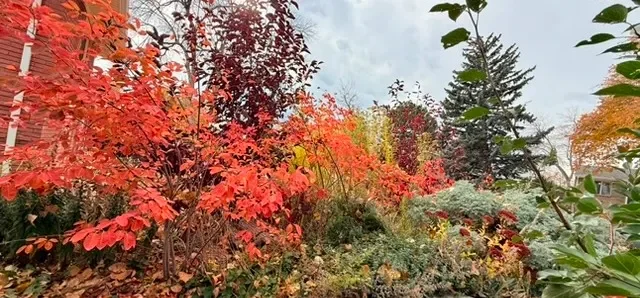
Leave the Leaves
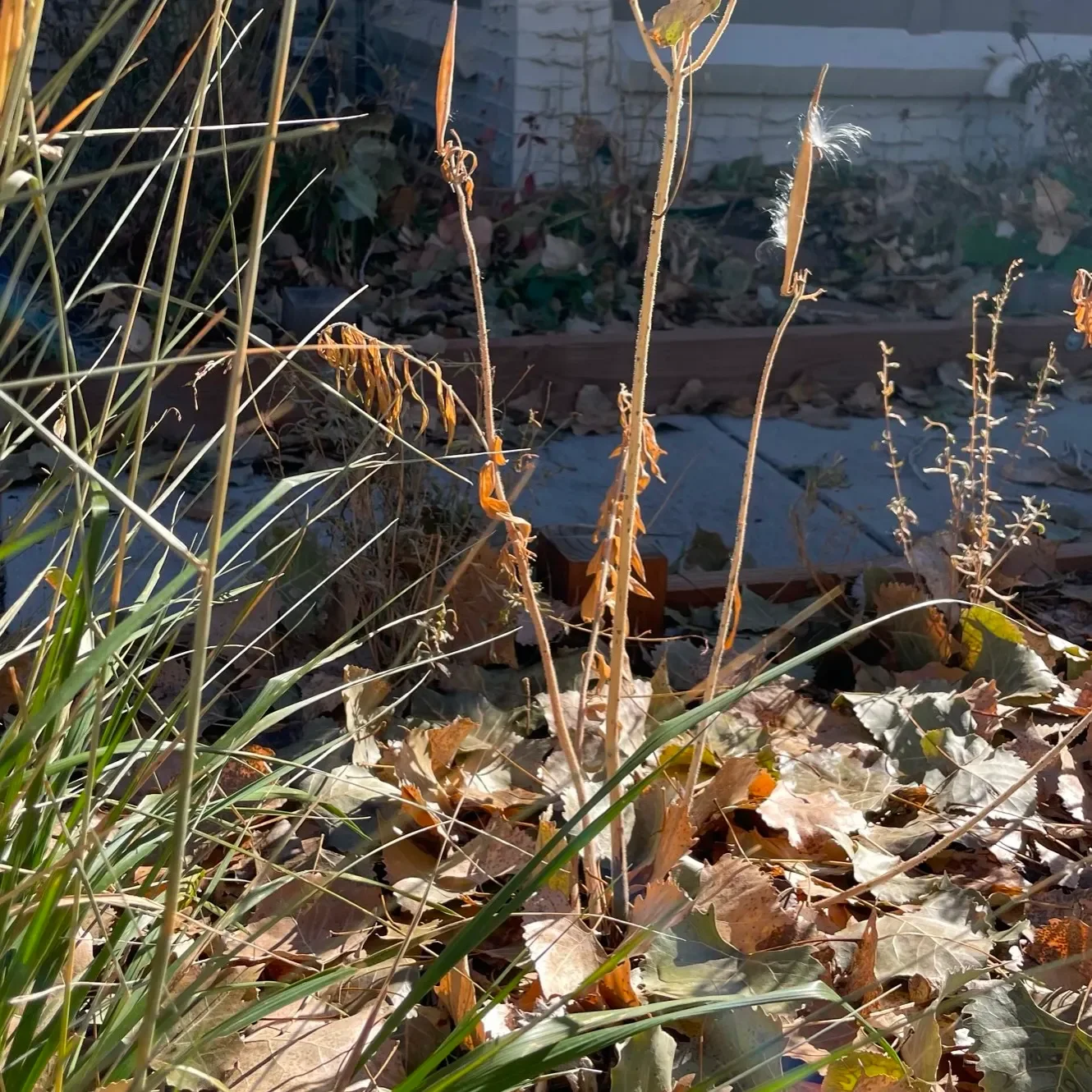
I am noticing the first falling leaves this week here. Have you seen yours yet? As those leaves fall, remember they are a tremendous resource – not a nuisance. The leaves that fall around your garden contain some nutrition, yes, but they more importantly are habitat for overwintering creatures including insect larvae.
So, what should you do with leaves?
Best Option: leave them where they fall. If they are falling in inconvenient places – walkways, driveways, streets etc, rake them into your flower beds.
Another Good Option: make leaf mould. See below.
A Meh Option: mowing over leaves. If you do this you’re likely chopping up all of the larvae and eggs in the leaves. But if you leave it to compost, at least you are getting that benefit. And they will break down more quickly.
Avoid at all Costs: bagging your leaves and sending them to the landfill.
If you have to bag them up, put them in compostable bags and take them to your city’s yard waste drop off. Or find a local farmer who is looking for leaves. I know several here who will come and collect your bagged leaves to use as mulch in their fields. Perhaps a community garden or other effort will do the same where you live.
Just don’t send them to the landfill!
Make Leaf Mould
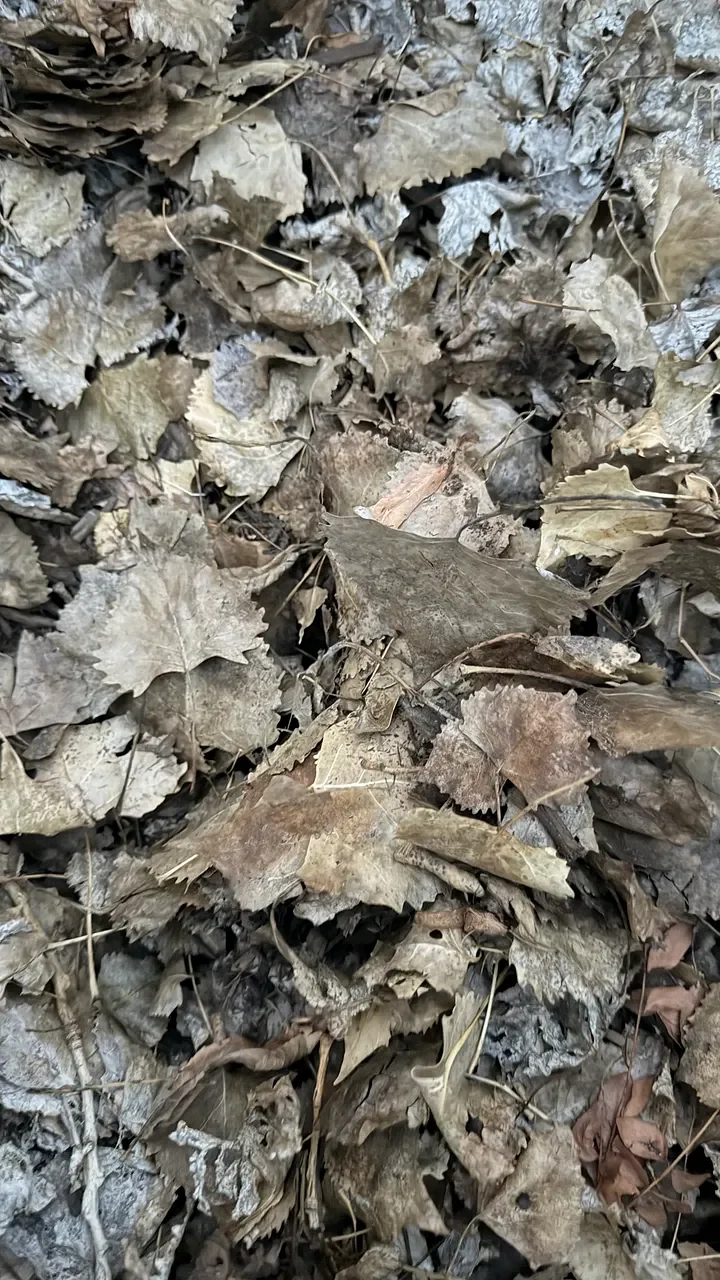
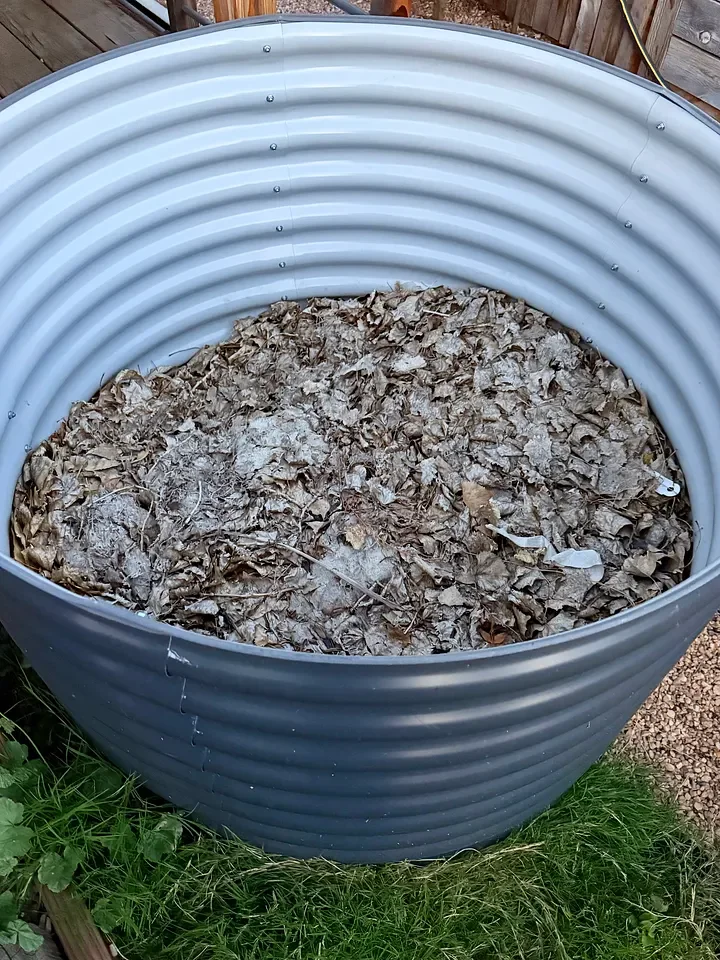
Leaf mould is such an easy resource to make! It’s a great addition to potting mixes and raised beds. I also use it as compost on raised beds when I have enough. It’s very easy to make, too. The biggest consideration: where will you do it?
For me, I have two large planters which were a gift from Epic Gardening. I didn’t have a place to use them, so they have become my leaf mould decomposition center. I just fill them with leaves in the fall and leave them for a whole year. Then before I add fresh leaves the next fall, I consolidate the partially-broken down material into one of the bins, and fill the other with fresh leaves.
It takes about two years to make leaf mould this way here in Colorado (it’s dry, so it takes a long time), but it takes absolutely NO effort except once per year.
For more about leaf mould and four different ways to make it, here’s my guide:
Support Plants for Winter
There is fall work to be done in the garden, to be sure. And getting your perennials ready for winter involves a bunch of little jobs which together mean healthier, happier plants for years to come:
Stop Deadheading: allow your roses and other flowers to go to seed now! Those seeds become bird food, and the rose hips and other seedheads add beautiful structure and color to your garden over the winter.
Tie Up Climbers: climbing roses and other vines have done lots of growing over the summer. Tie up any of that growth that may be a little unruly now. This will protect those canes or stems from winter snows and winds.
Divide Spring Bloomers: it’s still free plants time! Perennials which bloom in the spring and early summer are best divided in the fall. Just be sure to support them with extra water for a month or so.
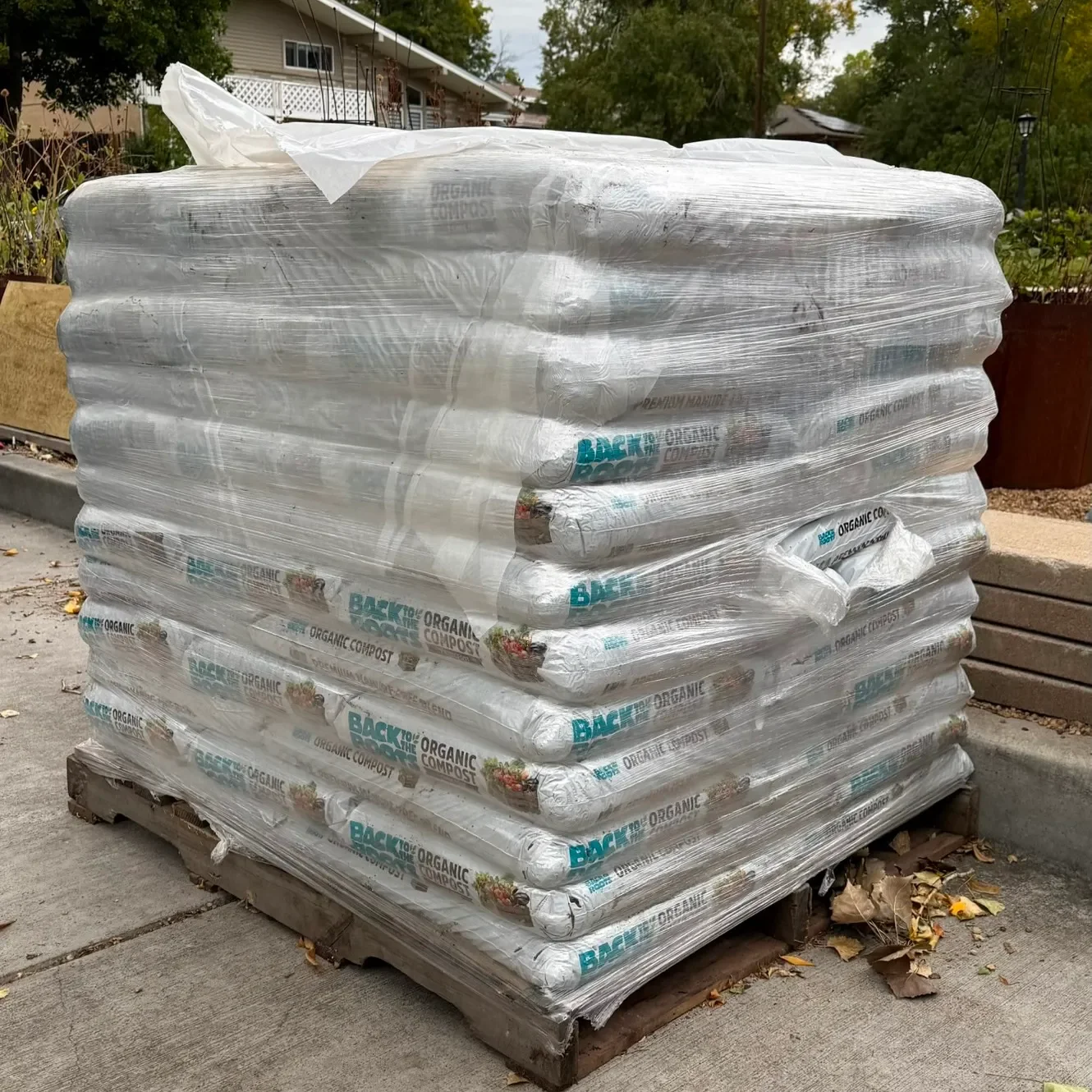
Add Compost: fall is a wonderful time to add a fresh layer of compost in flower beds. Not only does the compost add nutrition, it’s also a great mulch helping to lock in moisture and keeping the soil below from drying out as quickly.
Chop and Drop
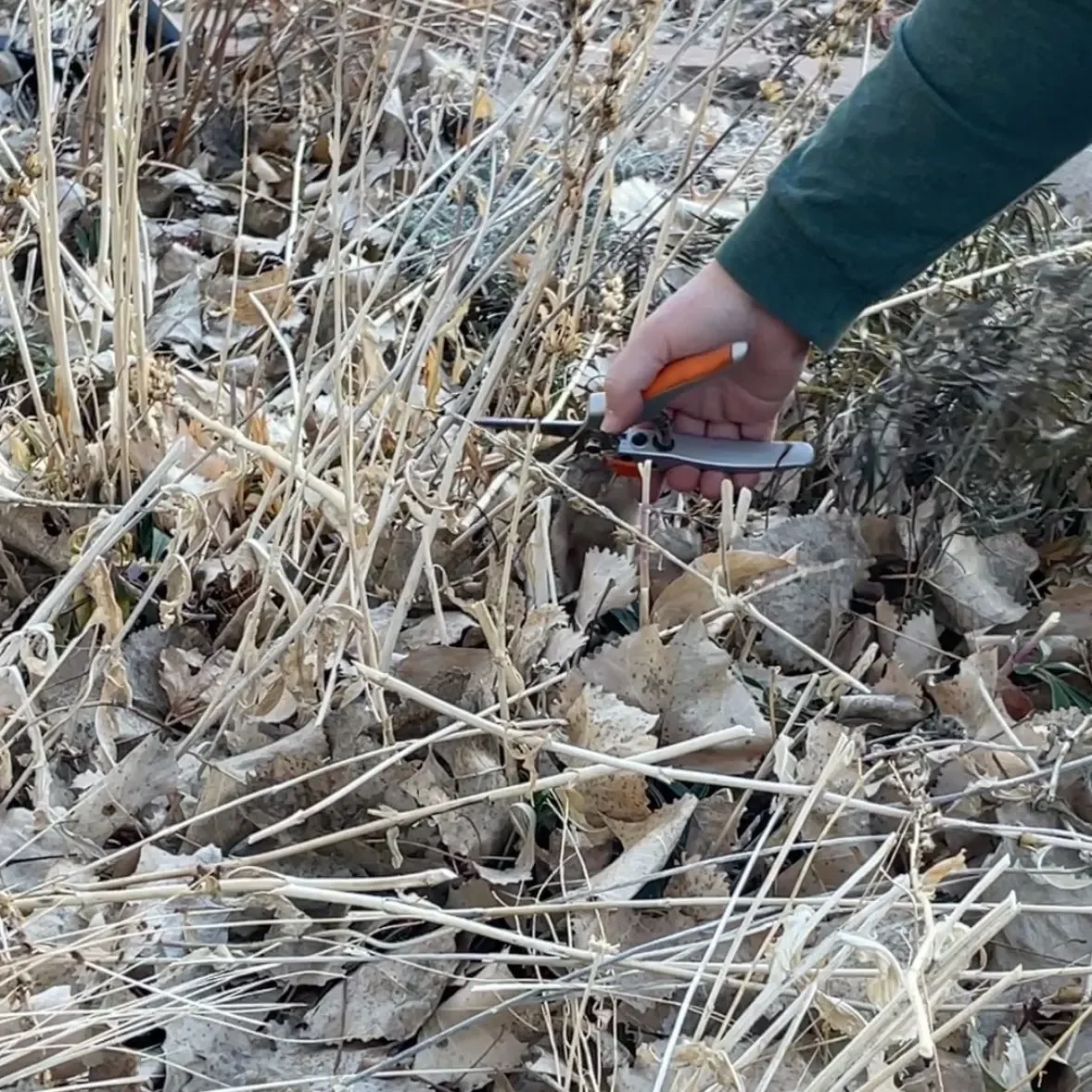
When you do need to cut a plant back this fall, and it happens, consider chopping and dropping. Basically this means using the cuttings from the plant as mulch around the base of the plant. I chop and drop in my Wildlife Garden especially. I generally don’t add mulch or compost here, but chopping and dropping means that my plants get some slowly-decomposing plant material added into the soil every fall.
Chopping and dropping can also help plants reseed. If you include seedheads in what you leave on the soil, those seeds may have an opportunity to spread themselves around. Free plants! But this means don’t use this technique with weeds or other plants that you don’t want in your garden.
Build a Bug Snug
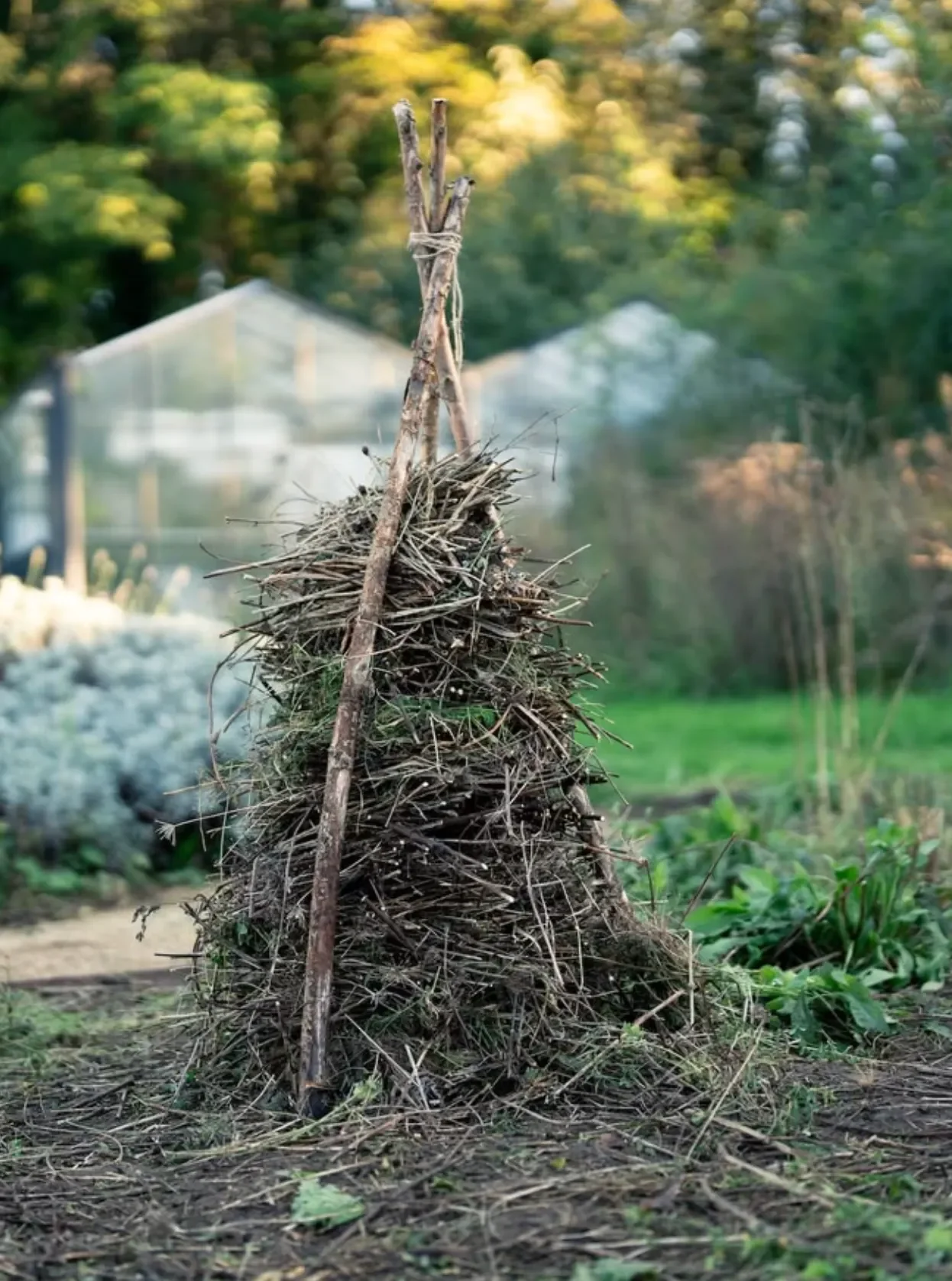
This is a project on my list for this fall! When you do need to cut back plant material, consider making a wildlife tower. This simple structure consists of 4-5 poles inserted firmly into the ground. They are tied together at the top to create a pyramid shape. Then the interior spaces are filled with cuttings, sticks, and other plant materials.
The nooks and crannies in a Bug Snug provide habitat for insects like spiders as well as nesting places for solitary bees to lay eggs and for other creatures to reproduce.
I think Bug Snugs are a great compromise for people who struggle with not tidying their gardens in the fall. You can clean up some key areas, but still keep that decomposing material within your garden for habitat and forage.
Plant Perennials | Fall Planting Strategy

Last month’s Here’s the Plan laid out a full Fall Planting Strategy complete with plant suggestions. Here’s the link in case you need some ideas:
Allow Your Eyes and Brain to Adjust
One of the hardest parts of Untidy October is learning to see our gardens in a different way. When we look at dried stems and crunchy leaves, we have been conditioned to see them as problematic, messy, and unkempt. But actually dried stems might be egg-laying locations. Crunchy leaves may contain caterpillar cocoons. If we work to see abundance in our fall gardens – and it is work to retrain our brains – we can stop seeing jobs to be done, and start seeing shelter, food, and habitat being provided.
Give yourself some grace in this. And it’s hard because our neighbors or our HOAs might be judging our efforts. It can be hard to just say, “Eff it all!”
But when your neighbors see you working in your garden, tending it in other ways, that telegraphs your care. And being outside planting and tending in the fall is an opportunity to chat with neighbors – tell them what you’re up to, and recruit them to the cause!
at the close…
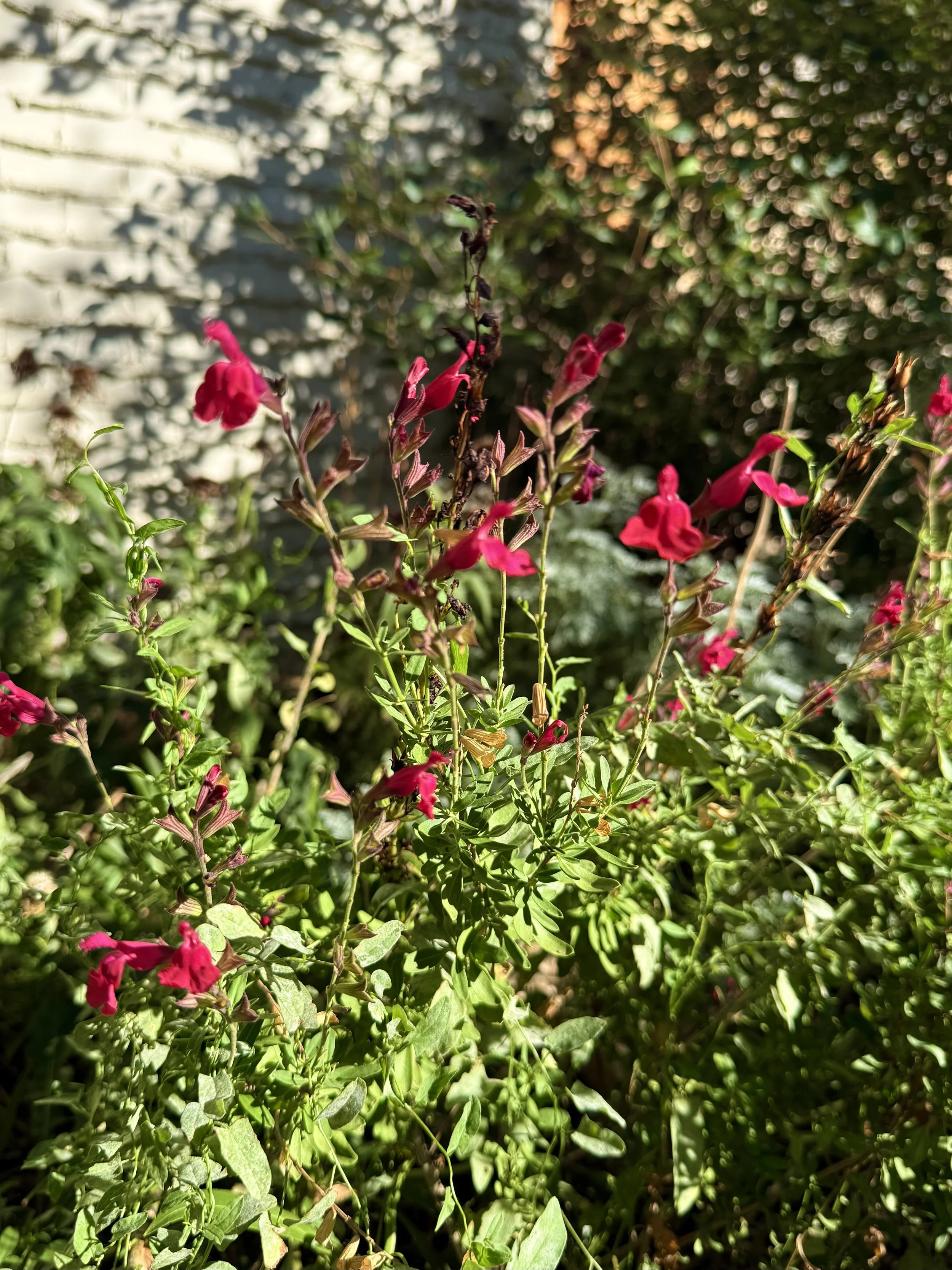
My fall orders are coming in bit by bit.
I ordered some baby shrubs for my front part-sun beds. These beds have needed some structure, so I’m layering in shrubs from American Meadows:
Aronia melanocarpa Low Scape Mound | Low Scape Mound Chokeberry
Cephananthus occidentalis Sugar Shack | Sugar Shack 2.0 Buttonbush
All three are cultivars of native North American plants, and all three will offer at least three seasons of interest including berries which I simply don’t have enough of in my garden. They are tiny plants now, so they will need some love and support over the winter. Fingers crossed for a wetter-than-average winter!
If you have questions, don't hesitate to ask!
This post originally appeared on my Substack. Subscribe to my Substack, and all of this gardening goodness will appear in your email inbox weekly!
Happy Gardening!
Angela
Subscribe now so you never miss a thing!