

Essential Fall Rose Care
Preparing Your Garden for Winter
I have a lot of roses in my gardens, so there is always a day or two of dedicated rose maintenance in the fall. But it's easy work which I enjoy doing, frankly. The light is softening. The air is cooler. And I think of this as putting my roses to bed for the winter.
Roses are hardy plants, and even for those of us in very cold climates, for the most part they will be just fine over winter. But there are a few things you can do which will ensure their health and survival. Taking a few intentional steps in the autumn ensures your roses survive winter frost and emerge vigorous, healthy, and full of blooms come spring.
As you go about your fall rose-care tasks focus on protecting plant health, safeguarding root structures, and helping your roses transition smoothly into dormancy.
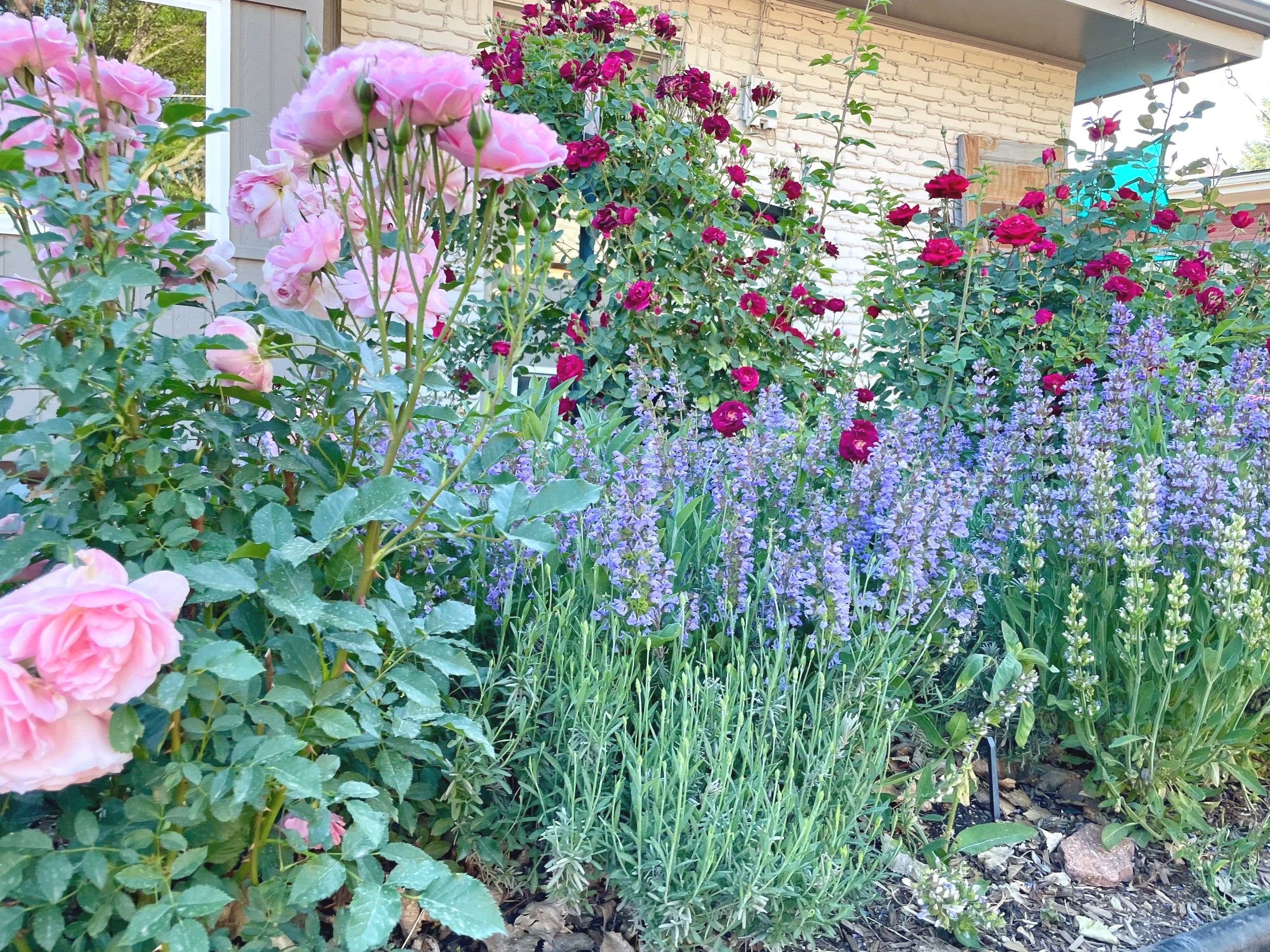
Preparing your roses for winter will mean more glorious summer days like this!
The Basic Science behind Fall Rose Care
Fall rose care relies on the plant's natural hormonal and physiological signals to shift from active reproduction to winter dormancy. So the steps we take in our gardens reflect three priorities:
encourage dormancy,
maintain healthy soil moisture,
and protect the crown and roots from extreme temperature fluctuations.
As daylight decreases and temperatures fall, roses begin shifting away from active growth. Applying fertilizer late in the season or aggressively pruning and deadheading can encourage tender new shoots that may not have enough time to harden off before a freeze.
You want to send every signal possible: it's time to go dormant! It's like that good bedtime routine with kids. You don't want to get them all riled up and then toss them into bed and expect that they fall asleep immediately. That simply won't happen! Same with plants.
Plants do the best job of preparing the changes of the season. They respond to waning light levels by beginning their own dormancy process. We just need to assist that – not hinder the plant's own processes – by supporting and encouraging dormancy.
Here is your essential checklist for fall rose care.

Stop Deadheading (Embrace the Rose Hips)
This has been in the last few Here's the Plans and The Saturday List, but it's worth repeating. As late summer turns to fall, stop cutting off spent blooms. Allowing your roses to set seed triggers the production of rose hips.
Signals Dormancy: Letting spent flowers turn into hips signals to the plant that the growing season is ending, encouraging it to put its energy into hardening off for winter rather than producing tender new growth.
Winter Interest & Wildlife: Rose hips add brilliant pops of red and orange structure to your cold-weather landscape while providing vital food for birds throughout the winter months.
This is part of the plant's natural cycle, and it's important to allow your plants to take their time into that natural rhythm.
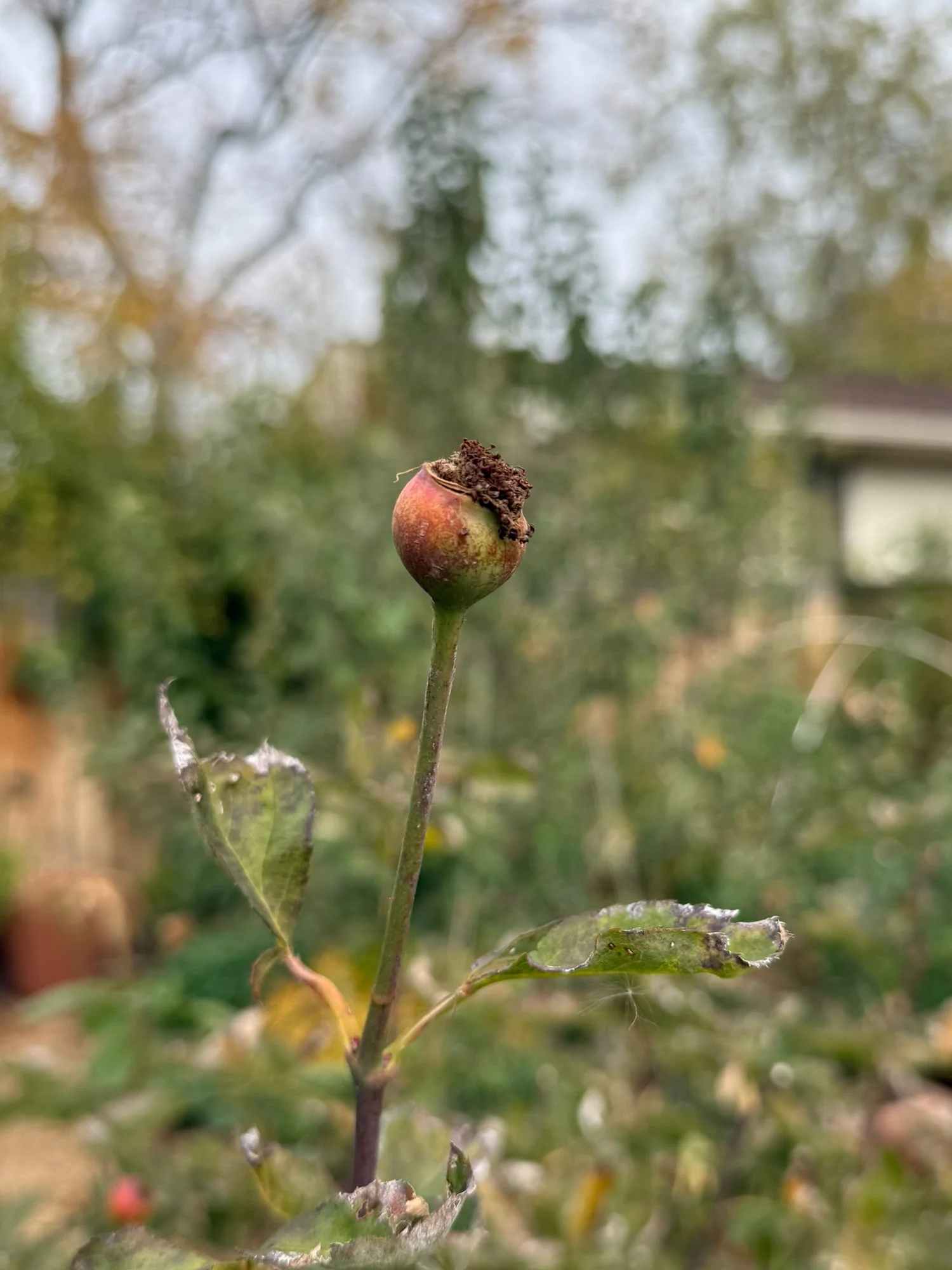
Rose hips offer their own beauty in the fall garden. I love watching them change color.
Some Light Pruning and Tying Up
The old gardening advice was to prune heavily in the fall, but we know better now. Major pruning should always wait until late winter or early spring. Heavy fall pruning stimulates new plant tissue growth right when the plant should be slowing down – again, this is about honoring that natural cycle. Soft new shoots will easily freeze and damage the overall structure of the rose bush.
Instead, keep fall pruning minimal and purposeful:
Shrub Roses: Trim about 6 inches off the top to reduce wind resistance and prevent winter winds from whipping long canes around. I find cutting to a flat top seems to help a bit.
Climbing and Rambling Roses: Secure long, unruly canes to fences, arbors, or supports using twine. Tying up long growth prevents wind damage and guards against "root rock," where strong gusts loosen the root system in freezing soil.
Doing this sets your roses up for success as it gets colder and windier. Heavy snow can break canes. Violent winds can loosen roots, too. So ensuring your rose is stable is key.
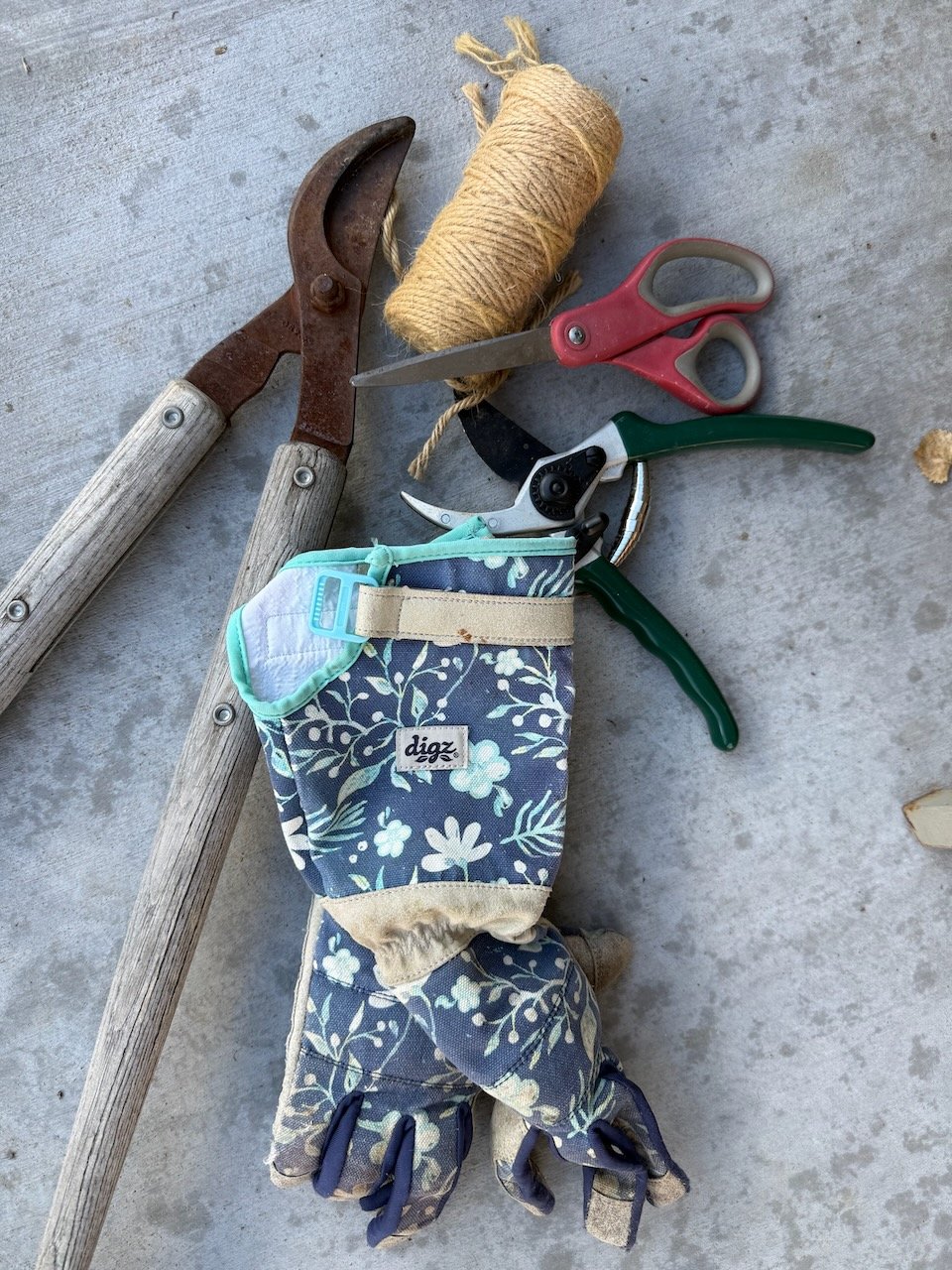
Rose pruning only requires some simple tools. And always use twine for tying up — nothing with plastic.
Practice Clean Sanitation (No Home Composting!)
Fungal diseases like black spot and powdery mildew overwinter on dead foliage and fallen stems. Good garden hygiene in the autumn stops disease cycles before they start in spring.
Clean up fallen leaves: Rake and discard all fallen rose leaves and debris from under the bushes. This stops fungal spores like black spot, rust, and powdery mildew from overwintering.
Take care with diseased foliage: Throw away infected leaves in the regular trash rather than adding them to your compost pile. You don't want to spread disease to other plants inadvertently. See below for options.
Provide deep hydration: water directly at the root zone rather than overhead to keep foliage dry during cool autumn days.
Important: Do not put pruned rose canes or diseased leaves into your home compost bin. Rose thorns take a long time to break down, and home compost piles rarely reach high enough temperatures to kill off fungal spores.
Disposal Options:
Dispose of rose waste through municipal commercial composting, which gets hot enough to safely process the plant material.
Alternatively put the canes in the trash. Do your best to dispose of them another way, but if you don't have another option, the trash is best to limit the spread of disease.
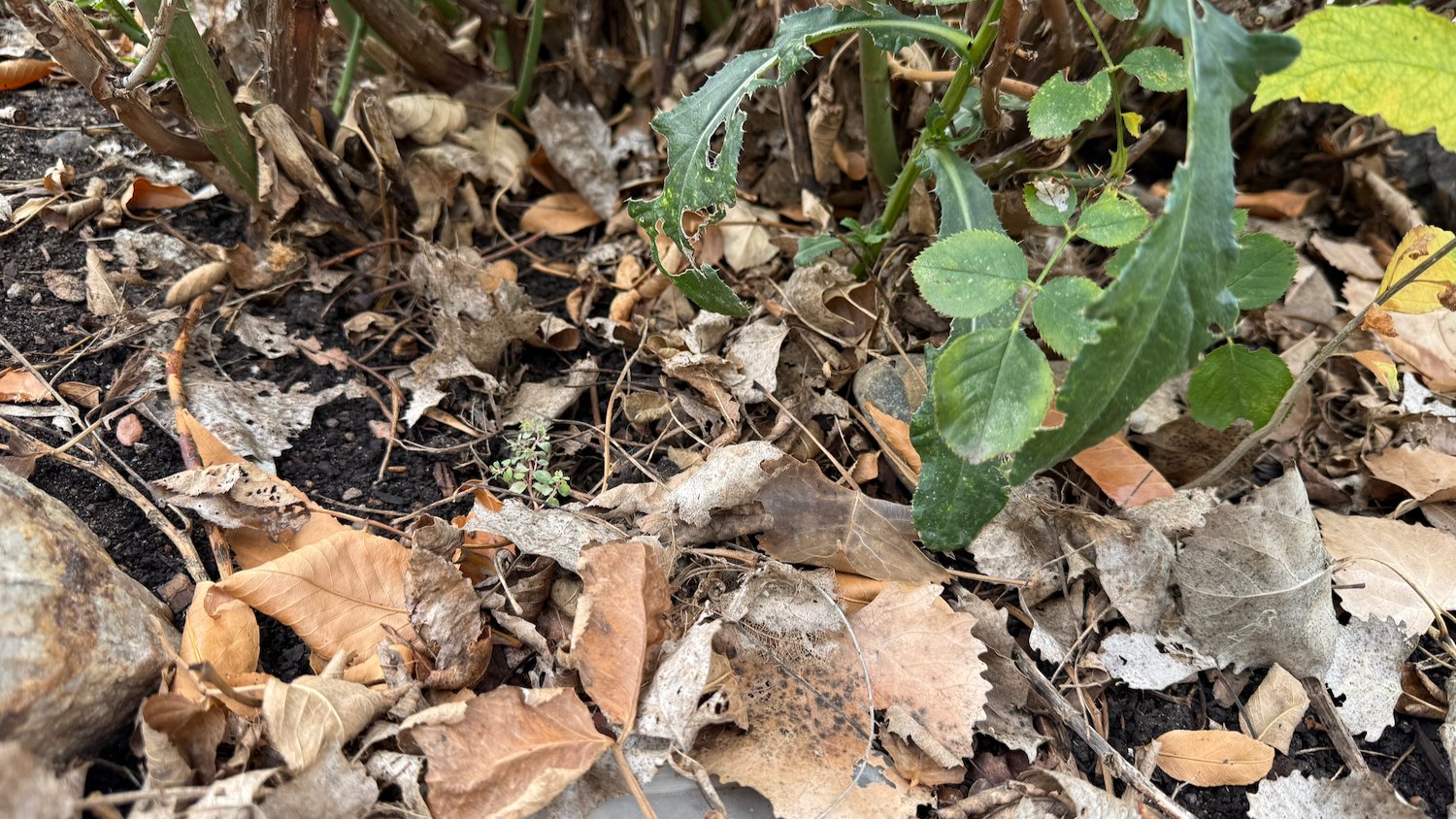
In a few weeks — once the rose leaves have fallend — all of these leaves (and weeds) will be raked up and removed.
Protect the Roots with Mulch and Compost
Winter cold can dry out plant roots, especially in regions prone to dry or windy winters – like here in Colorado. Mulching is one of the single best steps you can take for winter rose protection.
Apply Compost: Adding a layer of organic compost around the root zone delivers mild nourishment to the soil structure (feeding the microbial life, not the rose) and retains moisture. This is optional, and can certainly be done in spring.
Mound Wood Chips/Mulch: Apply a generous layer (I use a full trug) of wood chip mulch over the crown and root flare of your rose bushes. In colder or drier climates, mounding mulch over the base insulates roots against freeze-thaw cycles and prevents desiccation.
I wait until the rose has lost most of its leaves before doing this. That way I can clear away all of the fallen leaves before adding that deep layer of mulch. And I put that mound of mulch over the plant's crown. If I lose all of the other canes, new growth will come from the crown in the spring, so that's the most important part of the plant to protect.
If you live in a milder climate where freeze-thaw isn't much of a problem, you can just mulch the root flare and leave mulch off the crown. Mulching the crown could encourage fungal disease in some particularly moist areas.
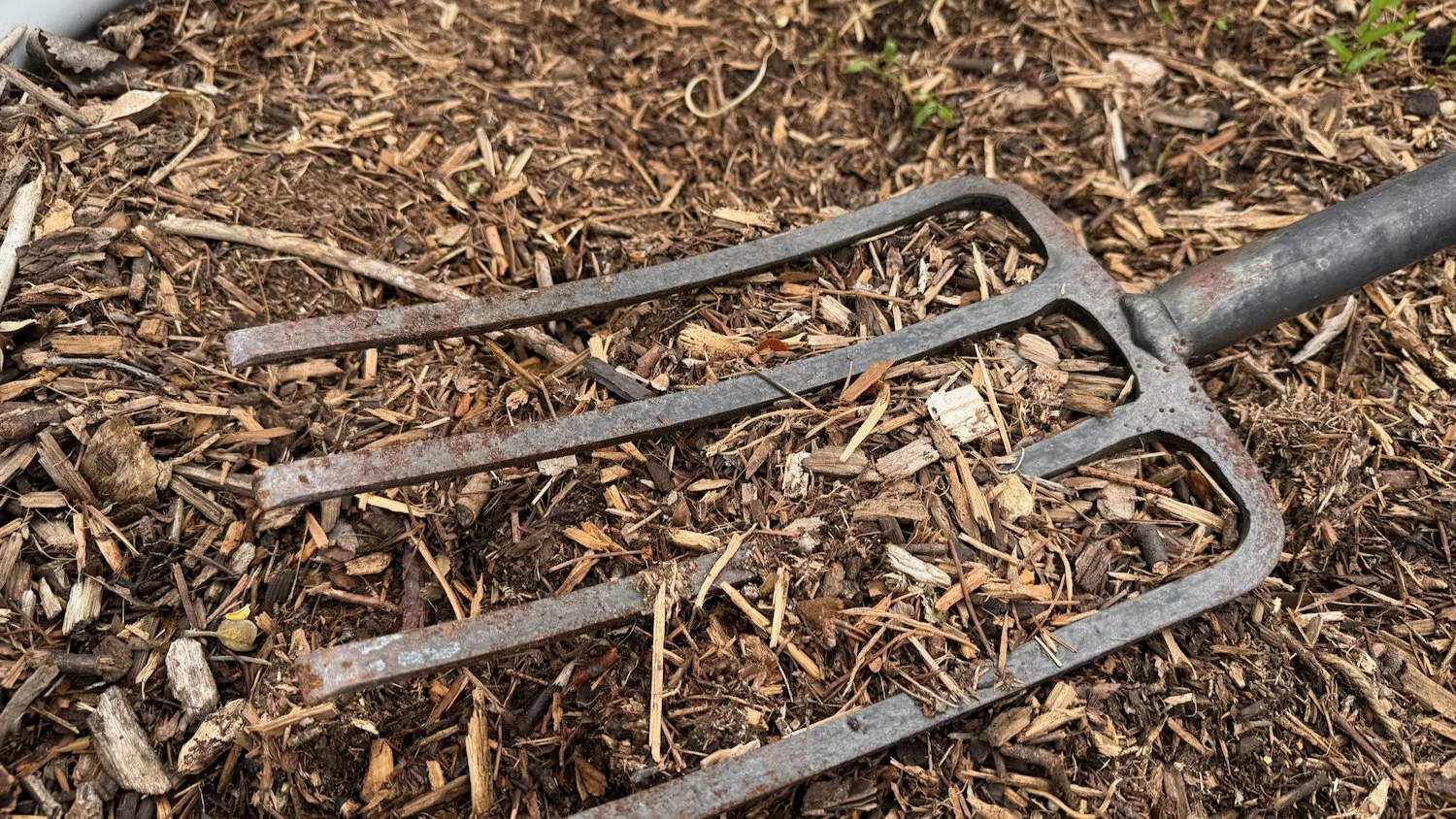
I keep two bins of arborist’s chips ready at all times for mulching. It’s free from the city, and it mellows down into a nice compost over time.
Water Deeply Before the Ground Freezes
Cooler weather doesn't mean roses no longer need water. Their water requirements generally decrease as growth slows, but dry soil going into winter – and over winter – can leave plants more vulnerable to stress, particularly when cold winds and frozen ground limit water availability.
Continue watering during dry fall periods, adjusting for rainfall, soil type, and plant needs. Water deeply enough to moisten the root zone, and stop when the ground freezes or conditions make watering impractical.
Good soil moisture before a hard freeze can reduce root damage. The key is maintaining moisture without leaving the soil waterlogged. This really isn't a problem here in Colorado, but in areas with more rainfall, this may be an issue.
Check your soil's moisture levels by inserting a trowel and assessing the moisture 2" below the surface. If it is dry, water!
Continue watering through the winter
If you haven't had rain or snow for 3 weeks or so, and you have a day above 40 ℉, give your roses a good watering. Dry soil can be very damaging for rose roots – just like tree roots and other perennials. So take advantage of those warm "bluebird days" (is that a thing outside of Colorado?), and do some winter watering as needed.
Tip: I track my snow and rainfall in my planner so I can keep track of the last time we had moisture – or when I last watered.
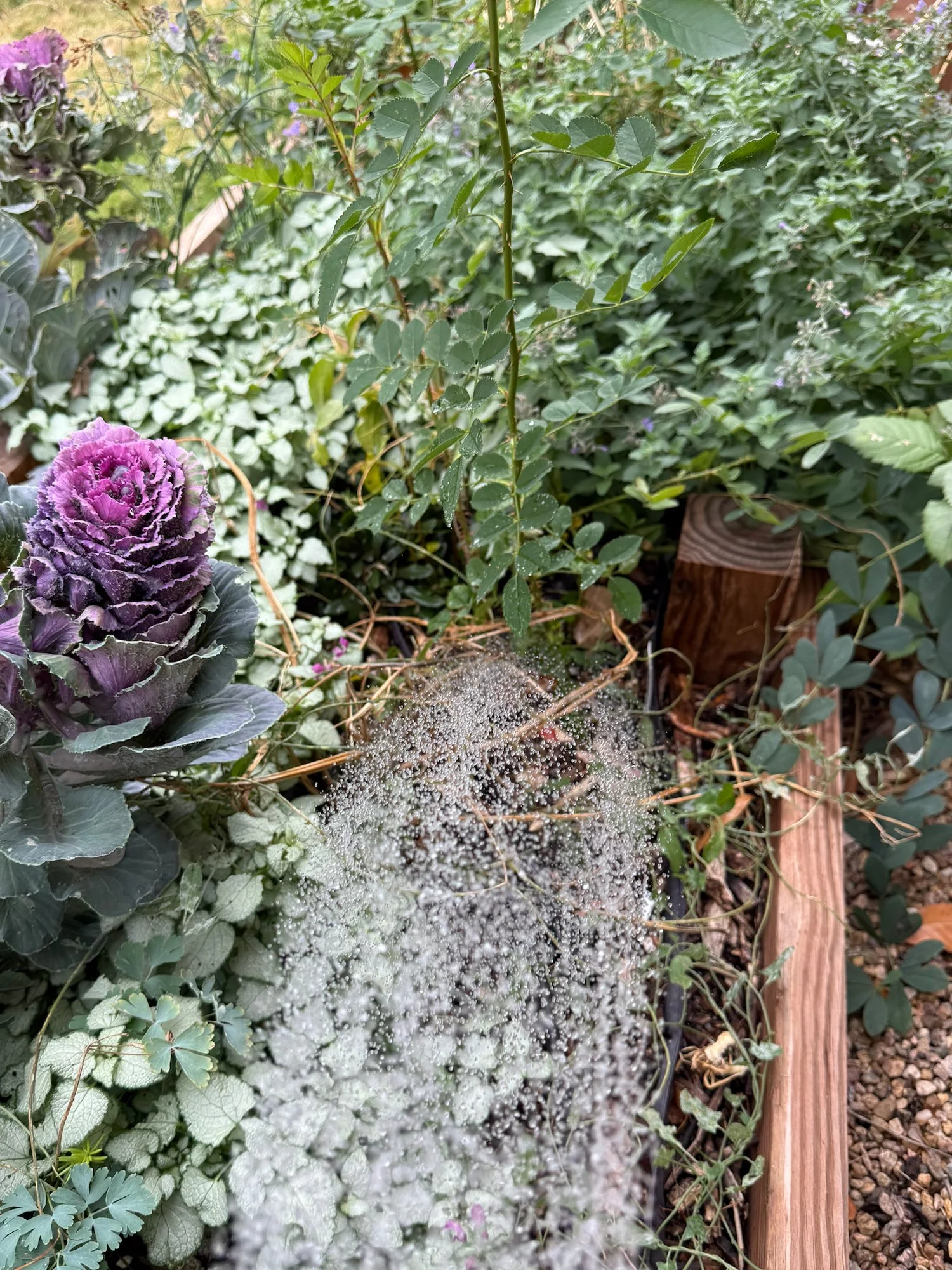
Fall watering helps your roses overwinter and experience less stress.
University extension sources:
Oregon State University Extension: Take Steps in the Fall to Protect Roses in the Winter
University of New Hampshire Extension: Winter Protection of Roses
Note: Winter protection recommendations vary by rose variety and climate. For best results, follow the guidance of your local university extension service.
at the close…
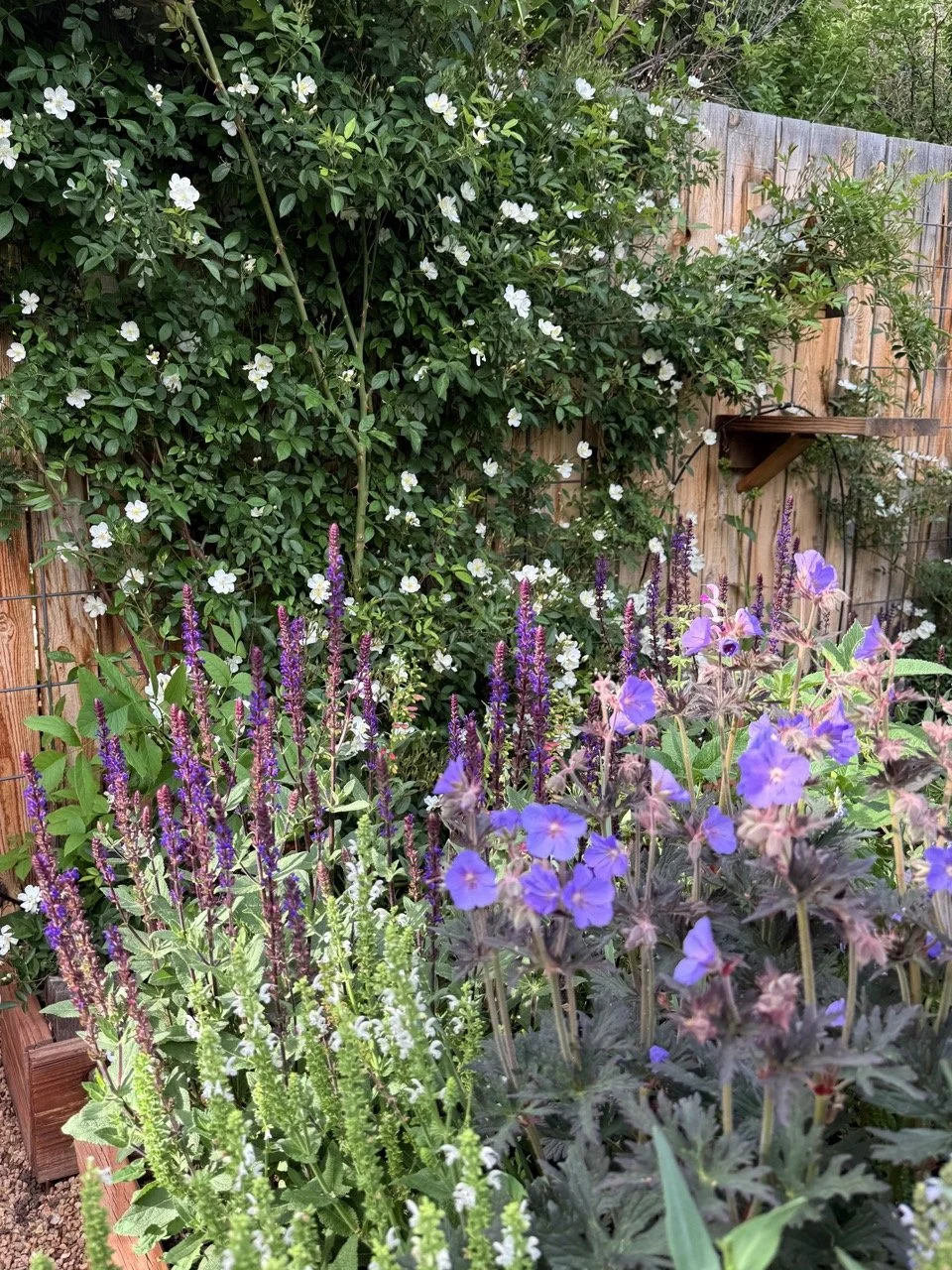
Generally, as I said before, I set aside a day or two, after the rose leaves have fallen, to treat all of my roses at once. That just seems to be the most expeditious way to work in my garden.
Fall rose care doesn't require hours of intense work—just a few careful tasks aimed at protection and honoring the rose's own natural cycle. By letting rose hips form, tying down long canes, protecting the crown with rich organic mulch, and cleaning up fallen leaves, you give your roses everything they need to hibernate peacefully.
When spring arrives, your rose garden will reward you with robust growth and an abundance of fragrant blooms!
If you have questions, don't hesitate to ask!
This post originally appeared on my Substack. Subscribe to my Substack, and all of this gardening goodness will appear in your email inbox weekly!
Happy Gardening!
Angela
Subscribe now so you never miss a thing!