

What's Blooming in My Rose Garden?
A Tour of My Colorado Rose Garden in June
I’m coming to you from the shade house this morning. We had a significant amount of rain last night—nearly two inches—which, in our dry Colorado climate, is quite a lot. Everything is looking a bit waterlogged and sleepy, but the garden is lush.
I decided this morning would be the perfect time for an unscripted stroll through the garden. It’s been a really good rose summer, and they have absolutely exploded. Since so many of you have been asking about how I manage them, I thought I’d share what I’m planting, how I care for them, and a new-to-me technique that has been an absolute game-changer for getting more blooms.The Sissinghurst Method: My Secret to Endless Blooms
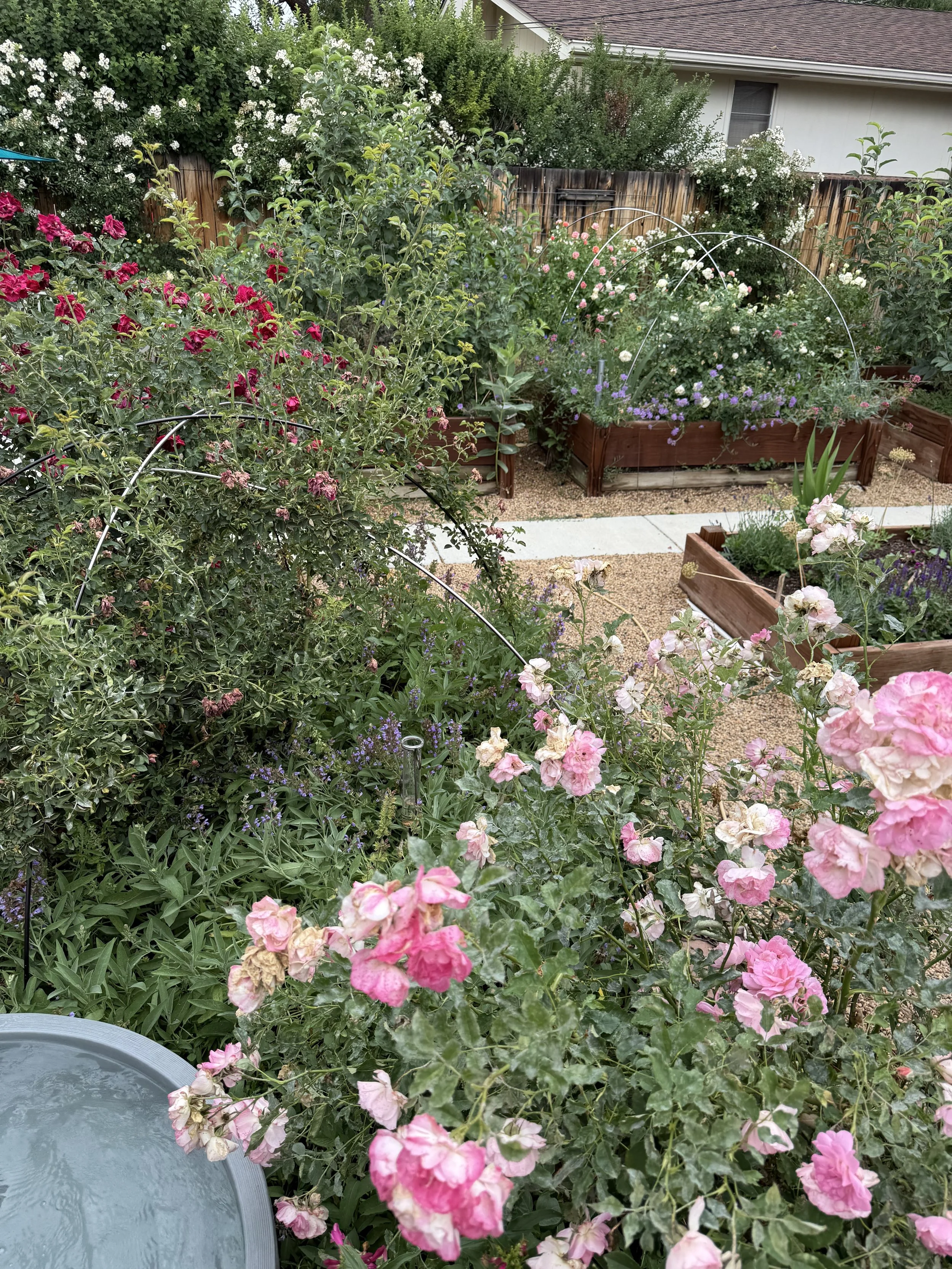
The Sissinghurst Method
If you have climbing or shrub roses that just grow tall, gangly, and bloom only at the very top, I have a secret for you. It’s called the Sissinghurst method, named for the legendary gardens at Sissinghurst Castle in the UK.
The principle is simple: Roses bloom on new growth coming off the canes. If you let a cane grow vertically, the energy rushes to the tip, and you get one big flower at the top. But if you force the canes into a horizontal position, you stop that rush of energy. The rose panics slightly and sends out a bunch of new shoots all along that cane, each of which will produce a bloom.
I’m currently using simple tent poles to arc my roses into gentle curves. It’s a bit of a "late-to-the-game" project for me—I really should have done this last October—but even starting late, the results have been incredible. It turns a standard shrub or climber into a literal mountain of flowers.
90 Minute Winter Houseplant Refresh
Here’s what I do to support my houseplants for the winter — and it only takes 90 minutes!
Roses for Pollinators
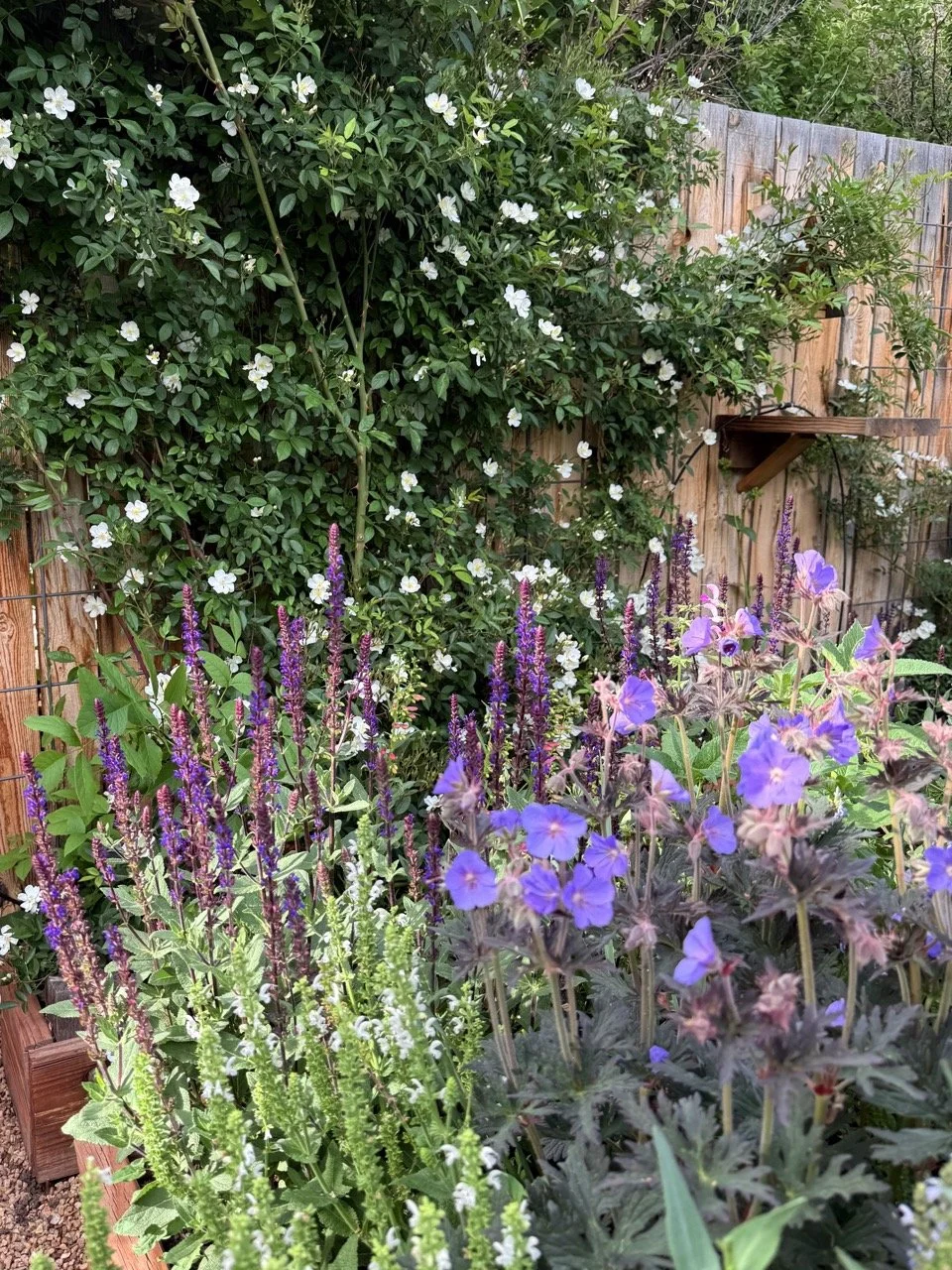
One thing you’ll notice as you walk through my garden is that I prioritize roses that are "open." While I love a big, multi-petaled show-stopper as much as anyone, those tight, dense blooms can be hard for bees to navigate.
The more open the rose, the more accessible the nectar and pollen are. My garden is currently buzzing with native bees (did you know over half of North America's native bee species live right here in Colorado?).
Some of my favorites for both beauty and pollinators:
Darlow's Enigma: This is a rambler that doesn't need much fuss. It blooms all summer long, shifting from peach to pink to white. It is absolutely covered in bees whenever I walk by.
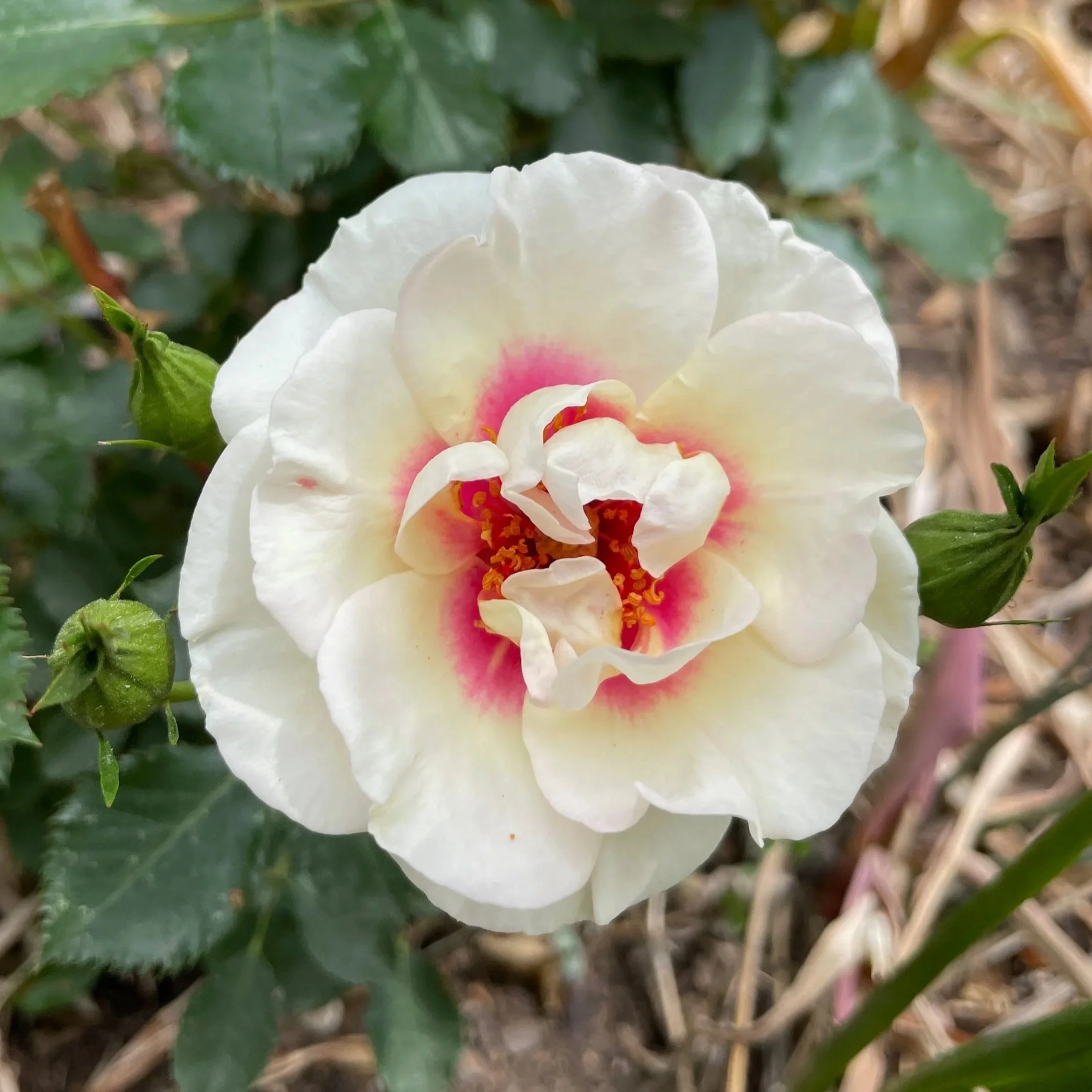
Bullseye: I’ve had a complicated relationship with this one because of its growth habit, but since using the Sissinghurst method, it has transformed. It starts yellow with a pink center and fades to white. It's a joy to watch.
Crown Princess Marguerite: Simply gorgeous. I’m training this one on a cattle panel in front of our treehouse to maximize those horizontal canes.
Roses in The Cutting Garden
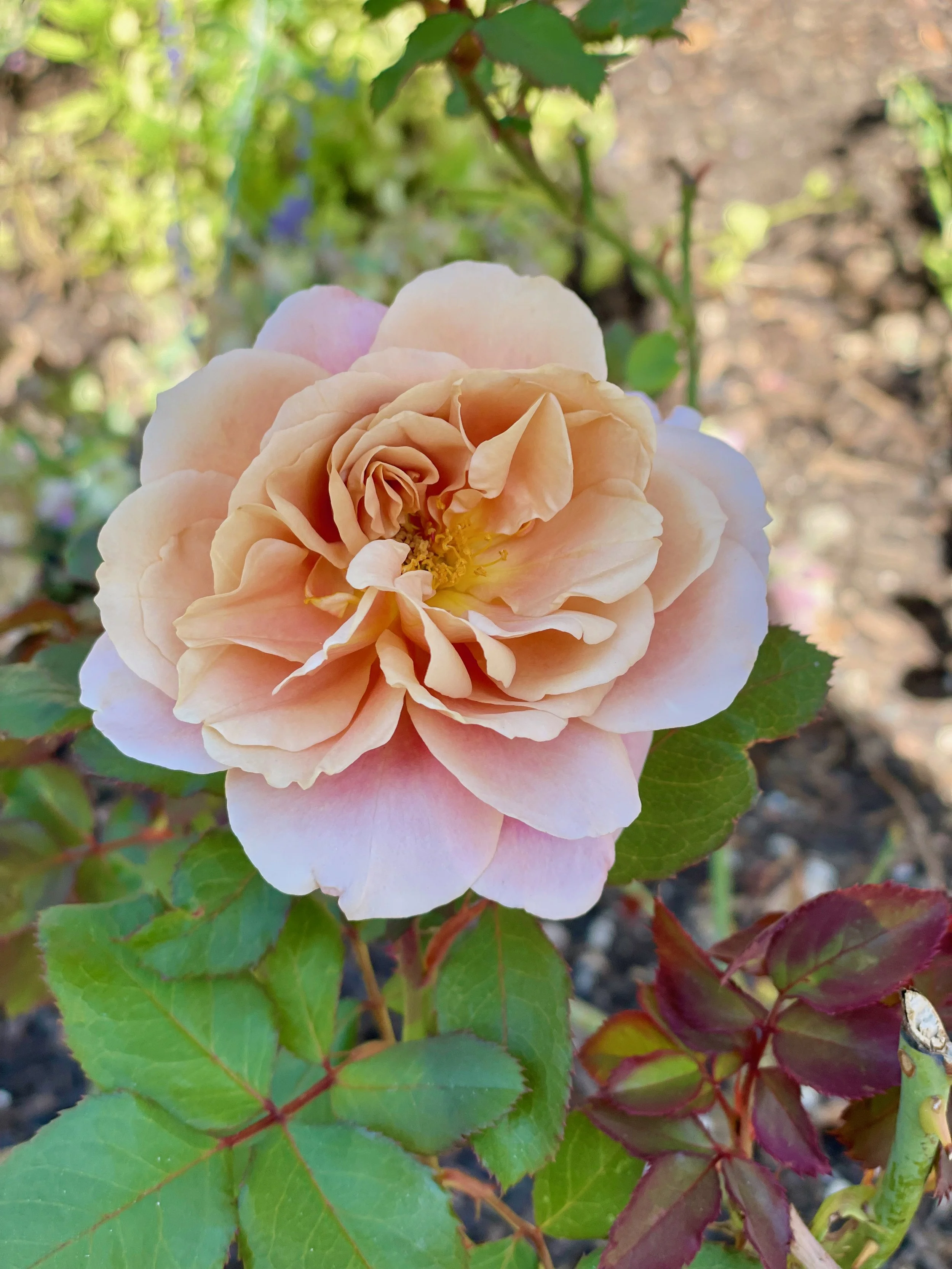
If you’re looking to bring the garden inside, I’ve had success with Bolero for cutting. Tequila Supreme is also a staple here—I love the color, even if it’s not the most practical for a vase.
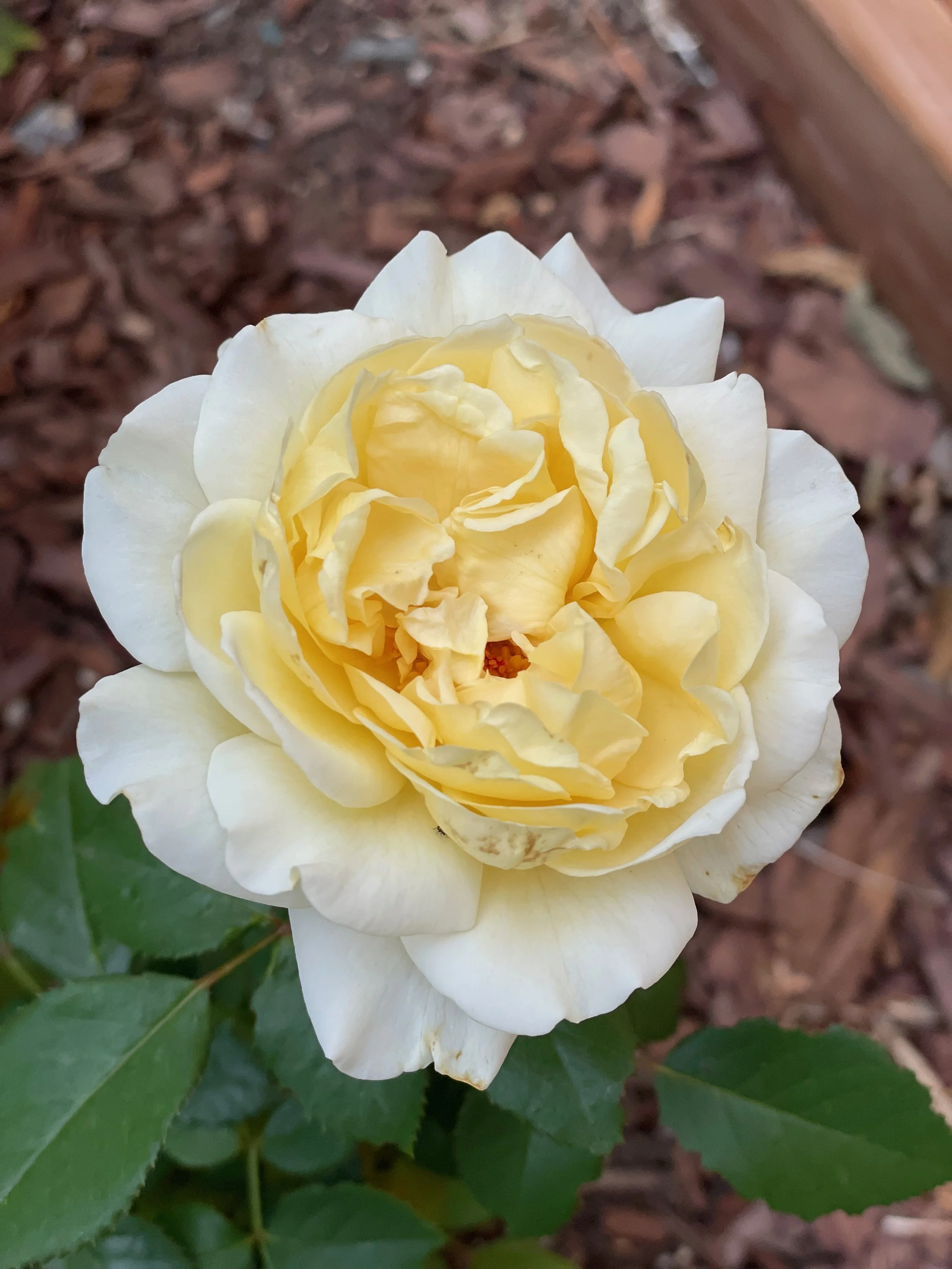
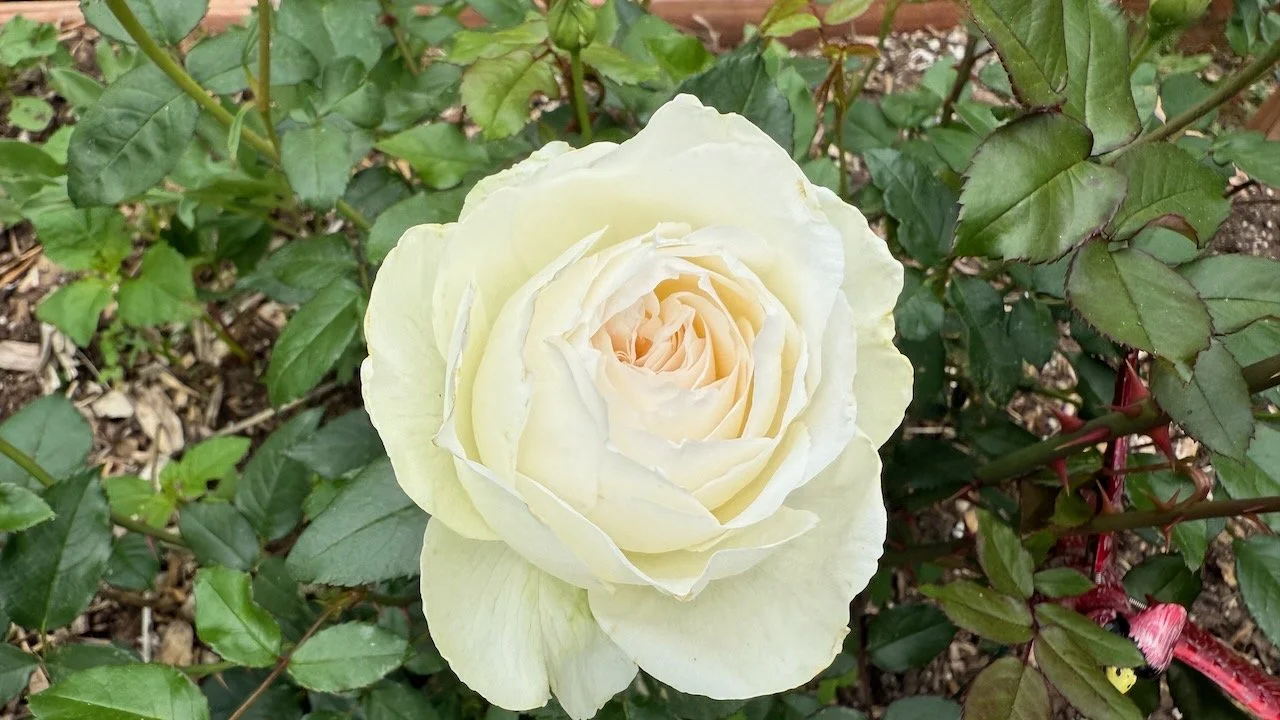
The yellow rose that I couldn’t remember: My Best Friend.
And that changing rose in the Orchard — that’s Distant Drums.
A quick note on labels: If you’re like me and can never remember the name of that “perfect yellow rose” you planted three years ago, I recommend keeping a garden journal with a map. I have labels at the base of my roses, but having a written record is the only way I keep my sanity when I’m out there planning replacements.
My RoseList
Looking for rose recommendations? I maintain a list of all of my roses with notes about how they perform here:
at the close…
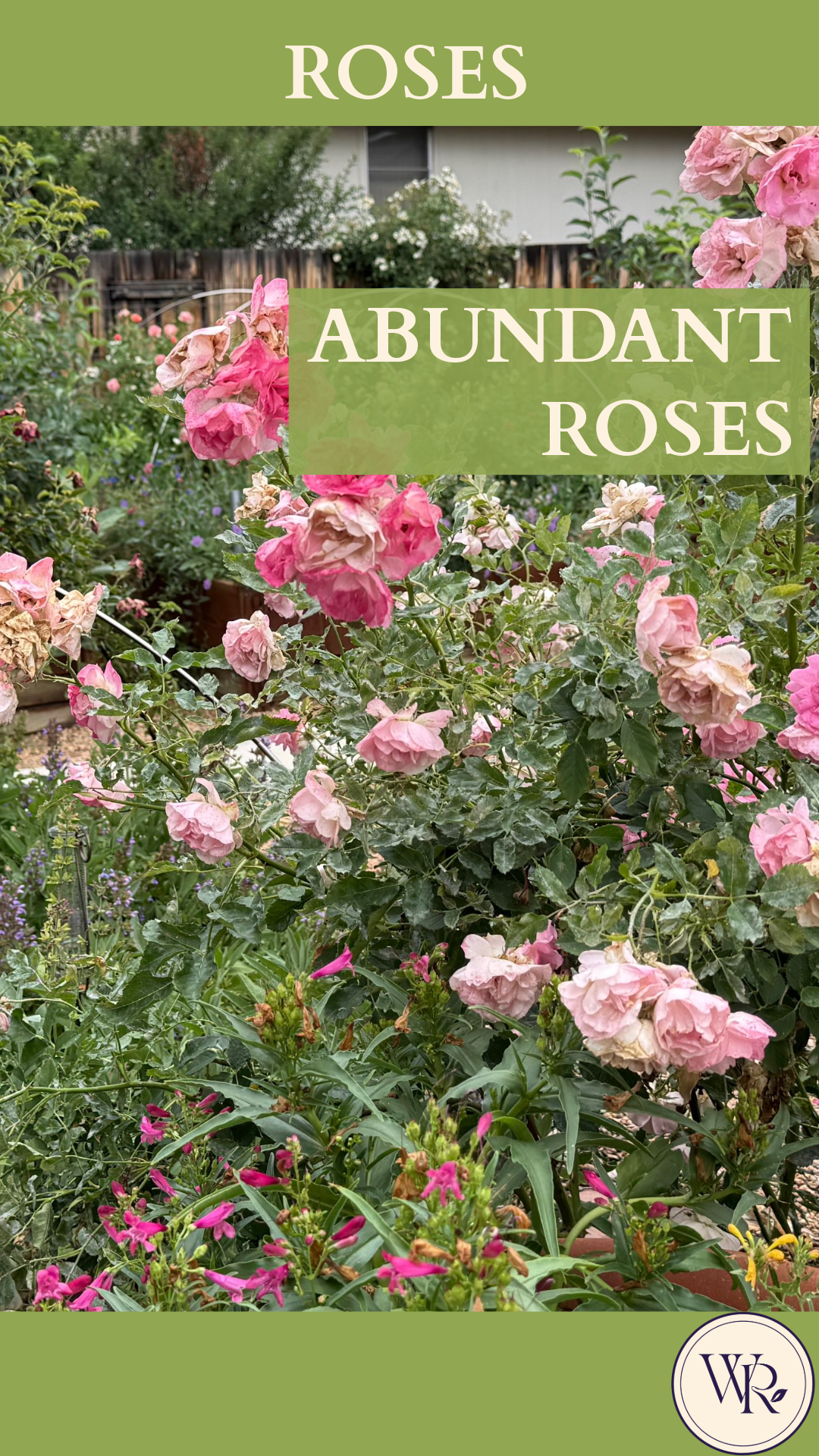
My garden isn't a museum; it’s a living, breathing ecosystem. It can be a little messy – and certainly verdant. Honestly? I love the messiness. I let the milkweed self-seed for the monarchs, I let the roses romp over the fences, and I don't obsess over every dead bloom.
Gardening is a verb, an action, not just a static picture. It’s about creating a space that supports the birds, the bees, and the wildlife that depend on us, especially as we head into the changing seasons.
Thanks for walking through the garden with me today! If you have questions, don't hesitate to ask!
This post originally appeared on my Substack. Subscribe to my Substack, and all of this gardening goodness will appear in your email inbox weekly!
Happy Gardening!
Angela
Subscribe now so you never miss a thing!