

Best Rose Varieties for High-Altitude Colorado Gardens
The Roses that Thrive in My Personal Garden
My love affair with roses began as a very young girl. When I was in ballet recitals my parents always brought me a small bouquet after our performance. It was usually a lot of carnations and baby's breath – frilly, frothy blooms. But occasionally there would be a rose amongst the carnations – and I knew that roses were particularly special. Afterall, in my favorite books, every garden featured roses. Nevermind that those books were almost always set in England and climates far different from my hometown of Dallas, Texas.
Thus began my lifelong quest to grow our Plant of the Week: Roses.
There are thousands of rose varieties and lumping them all together in one Plant of the Week seems rather unfair, frankly. But I am asked about roses all the time, and I thought this was a good opportunity to look at roses as a group – specifically the roses which I find most successful in my garden.
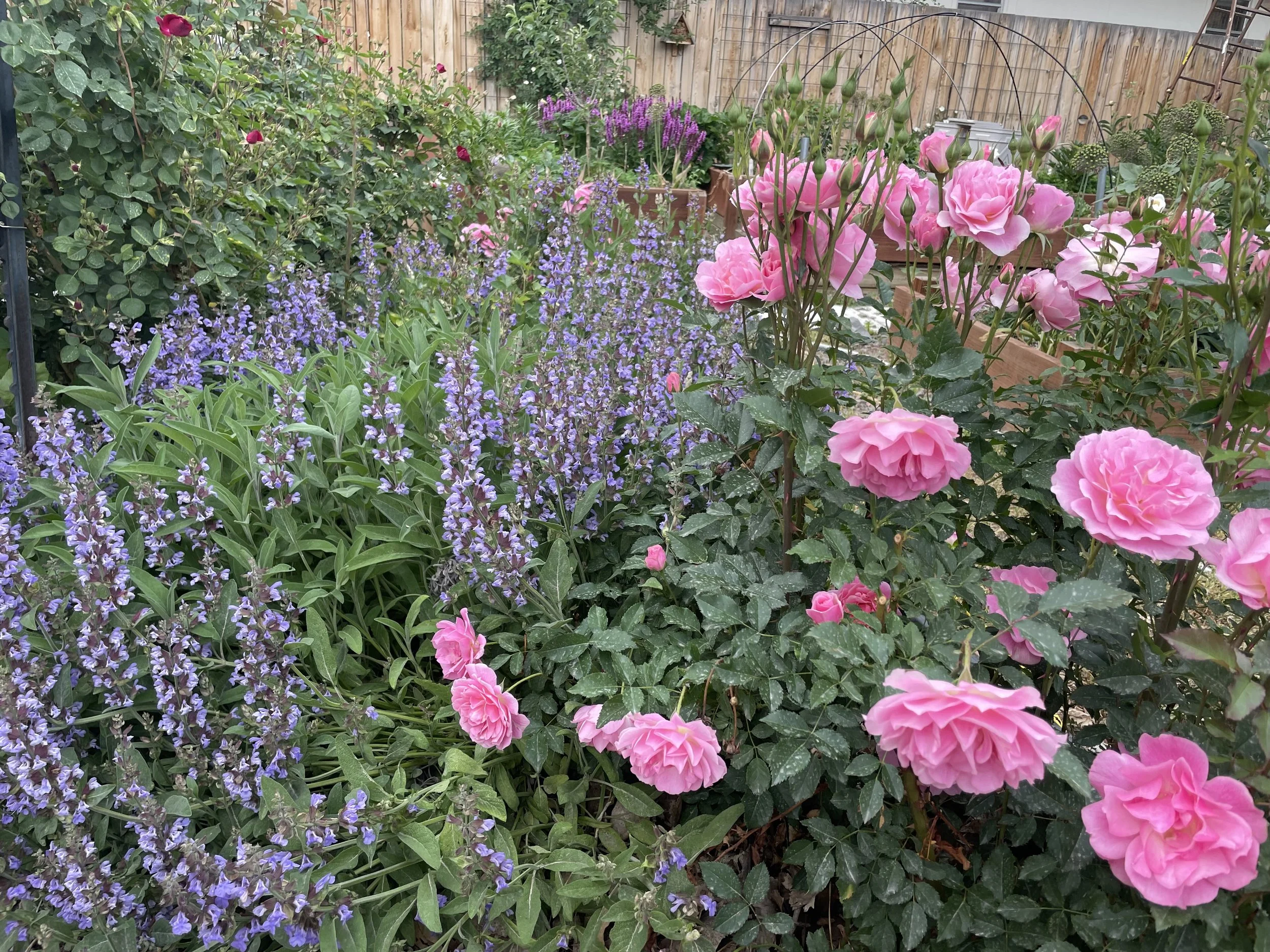
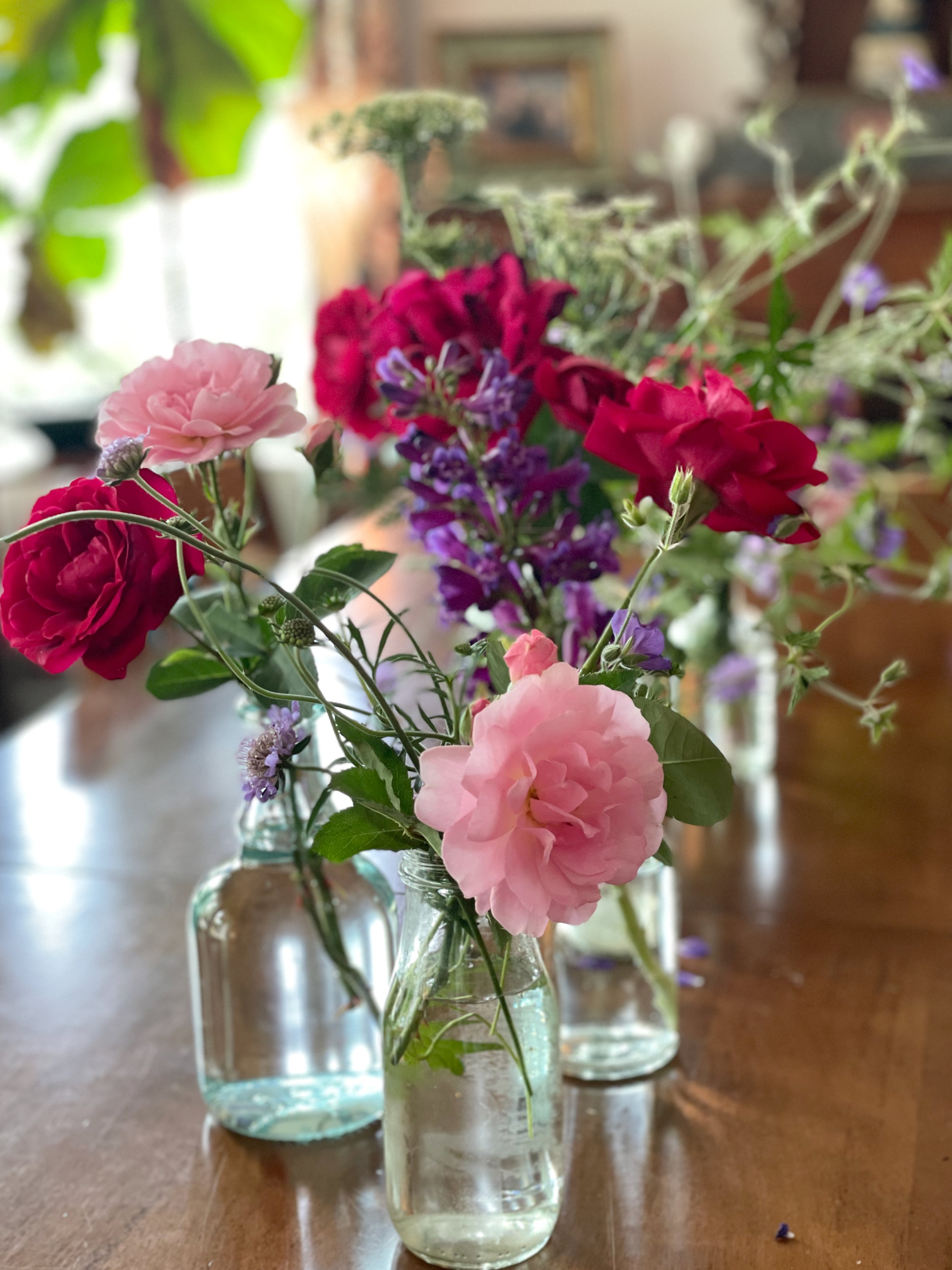
I garden along the Colorado Front Range in Zone 5|6 at an altitude of 5600 ft.
I have learned over the years to choose roses for Zone 4|5. That's because the USDA Hardiness Zones are based on average low temperatures during the winter. Averages hide a lot of detail. The average lows for my zone are -10°F to -5°F. But just a few years ago we had a particularly cold winter with a really long stretch down to -24°F. I lost quite a few roses that winter, and the ones that survived took some coddling to come back strong.
So when I choose roses – and most perennials, to be honest – I choose varieties hardy in colder zones. I want them to live!
The roses that I am featuring today have proven resilient in my particular zone and with the altitude, the additional UV exposure, and the arid air that come with being in Colorado.
Note: this post is part of a whole Guide to Growing Roses. Check out all of the posts here!
Shrub Roses
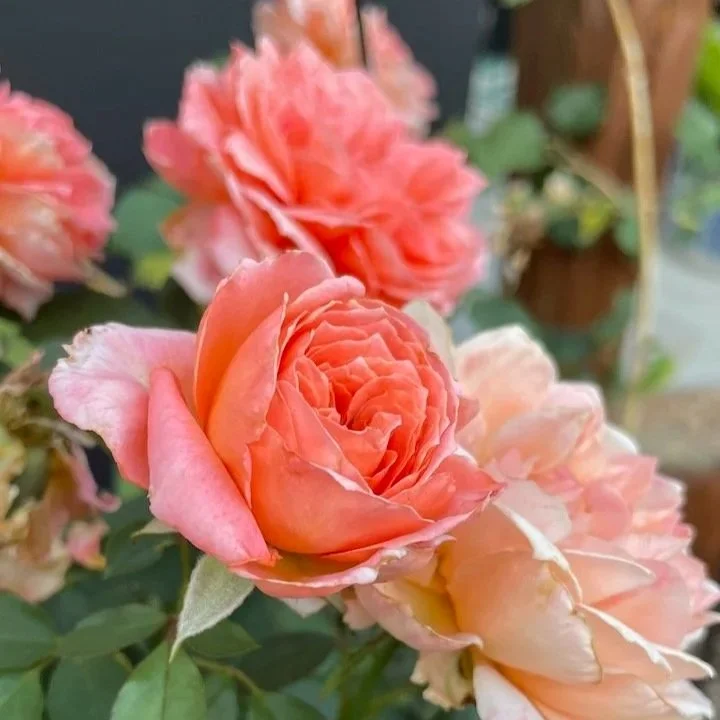
Adobe Sunrise
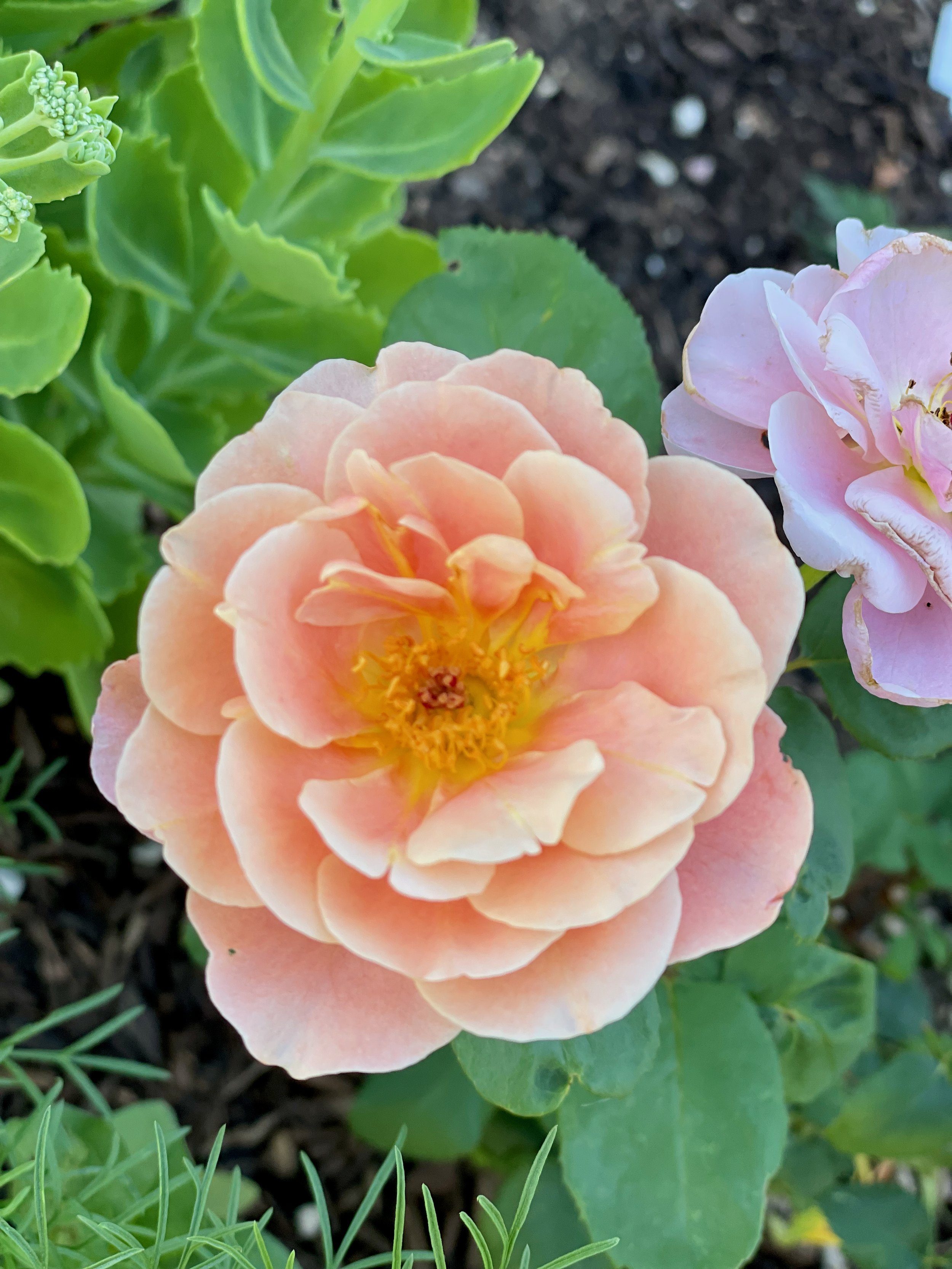
I didn't choose this rose – a brand sent me two of them to try. And I wasn't sure I would like them. I felt like the color was a little dated. I was wrong! This little shrub rose – and it is little – blooms and blooms and blooms. It is covered in roses for months, and they are quite beautiful. The color changes depending on how wet or dry our summer is, but they are reliable and beautiful.
Color: Orange-pink
Fragrance: Light
Hardiness Zone: 5-10
Size: Small
Rebloom: Continual
Bolero
I purchased two Bolero plants specifically to grow white, fragrant roses for bouquets. While the plants are still quite young, I am in love with their blooms. They smell particularly fabulous on a warm evening. If you like cut flowers, this is a wonderful choice!
Color: White
Fragrance: Exceptional
Hardiness Zone: 5-9
Size: Medium
Rebloom: Repeat
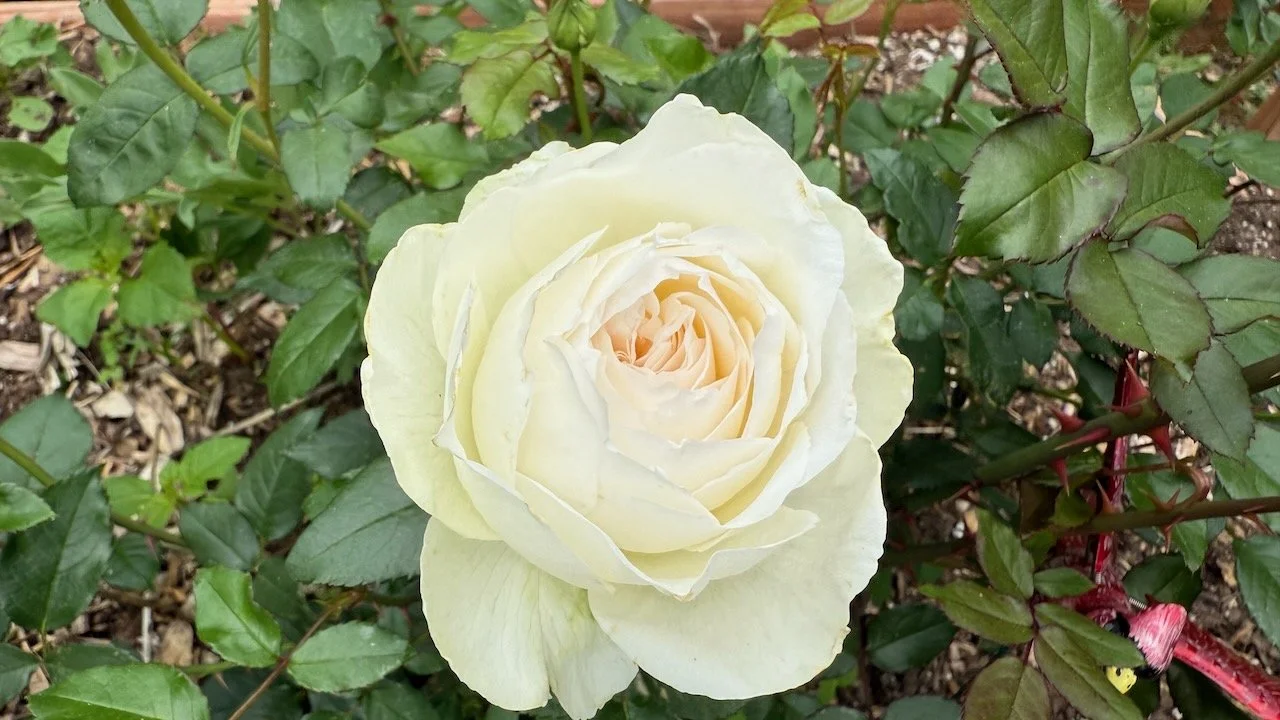
Bull’s Eye
It's funny – Bull's Eye isn't a typical choice for me. But I like it more and more every year. This rose pumps out flowers in beautiful flushes all summer, and it's lovely from across the garden. I chose it because I wanted more open-faced roses for pollinators, and the bees definitely love visiting Bull's Eye. Not great as a cut flower, but deadhead her, and Bull's Eye will provide the eye candy.
Color: White with a red center
Fragrance: Moderate
Hardiness Zone: 5-10
Size: Medium
Rebloom: Repeat
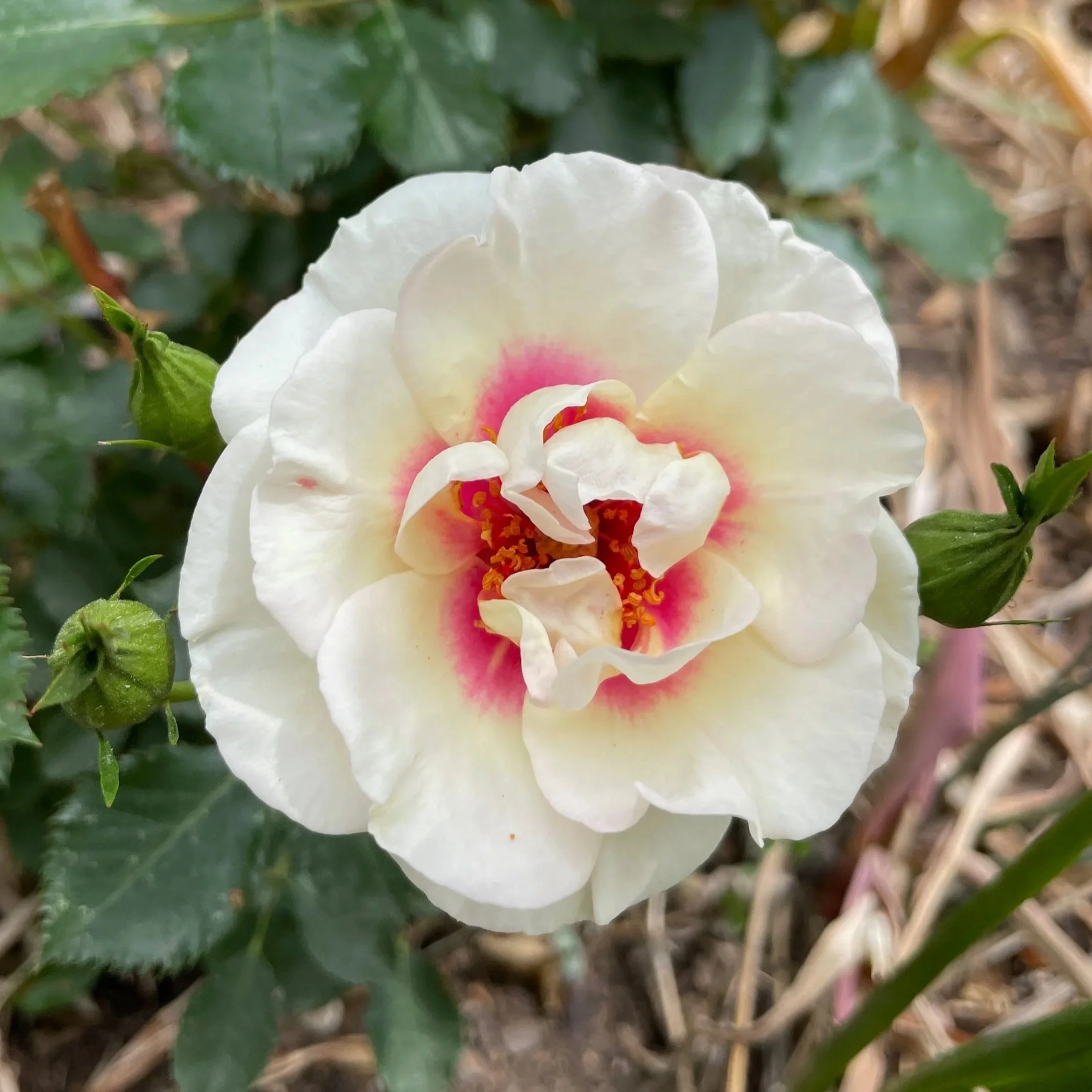
Distant Drums
Distant Drums is a magical rose. The blooms change colors from pink to purple to dusky brown over the course of a few days – fascinating to watch if you cut them and bring them inside to observe. My plants are only a few years old, but they bloom all summer long producing beautiful flowers. I love this rose so much I have three now. And they have a nice long vase life, too.
Color: Pink to purple to dusky brown
Fragrance: Moderate
Hardiness Zone: 5-10
Size: Medium
Rebloom: Continual
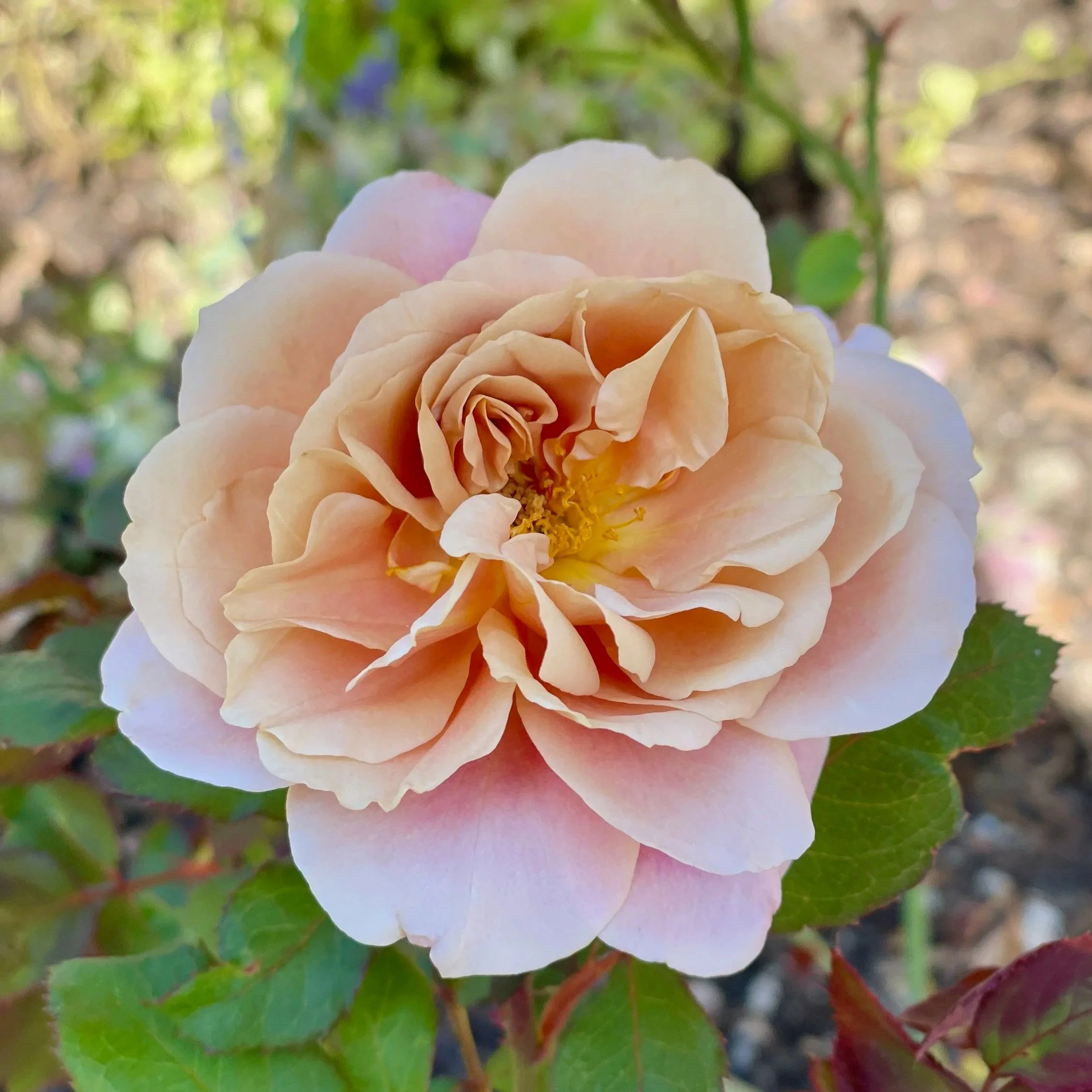
Lady of Shalott
She is gorgeous! I mean truly gorgeous. Sadly, the Japanese beetles think so, too. I'm considering bagging her flowers this year – at least some of them – so that I get more of her beautiful flowers before those darn beetles do. Nonetheless, the fragrance is heady, and she blooms all summer. She is one of my favorites!
Color: Orangey yellow
Fragrance: Very Fragrant
Hardiness Zone: 4-11
Size: Large
Rebloom: Repeat
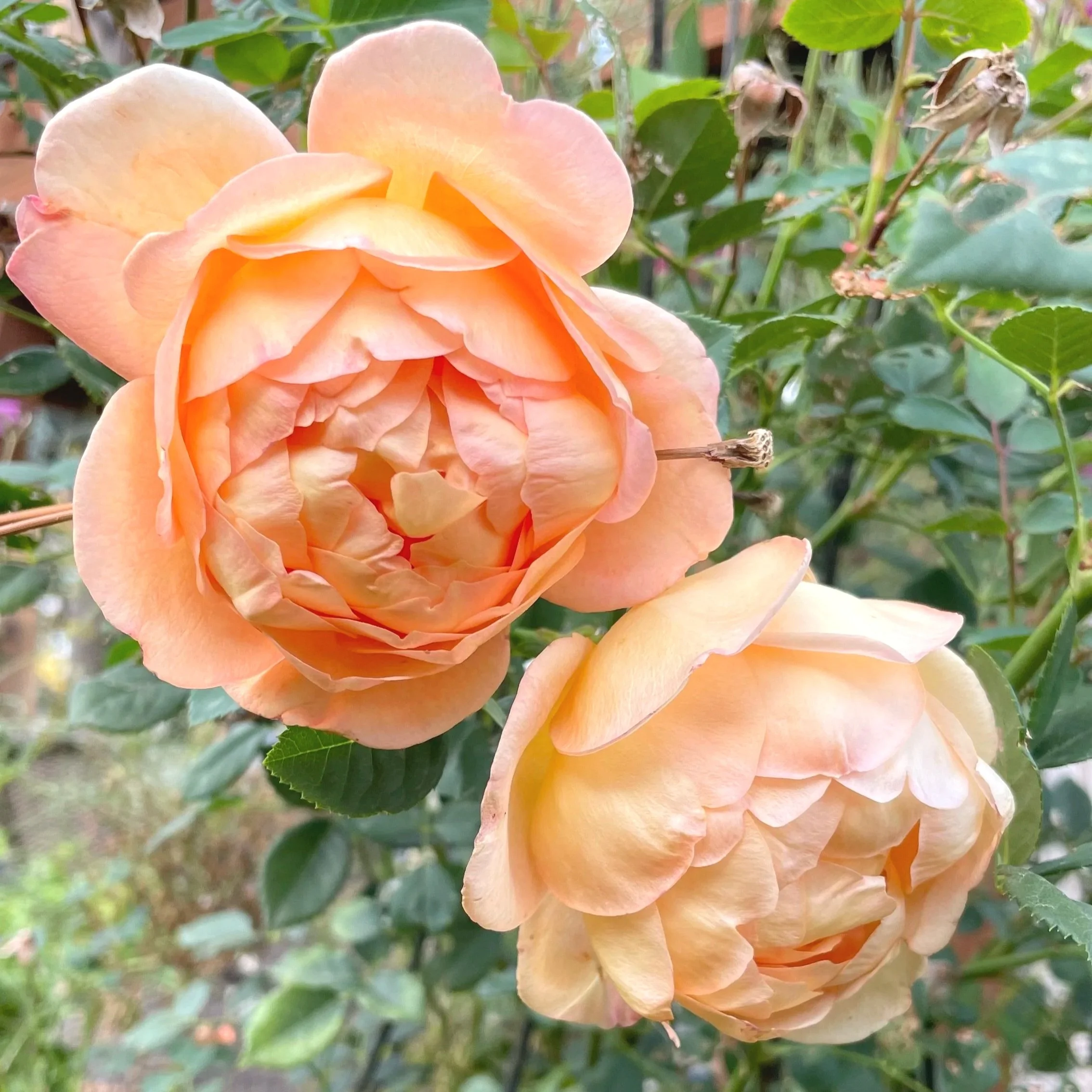
Tequila Supreme
This is another rose that I bought for cutting. The blossoms are more open-faced, and the pollinators love them. At my altitude these shade straight to pink. I was hoping for something more in the coral range, but that's one of the tricks way up here – colors tend to change. I see this with dahlias, too! Fortunately, I like pink! I don't usually cut Tequila Supreme – she doesn't have a great vase life afterall. But I LOVE the impact her flowers have in my garden!
Color: Orange & Pink
Fragrance: Light
Hardiness Zone: 6-9
Size: Medium
Rebloom: Repeat
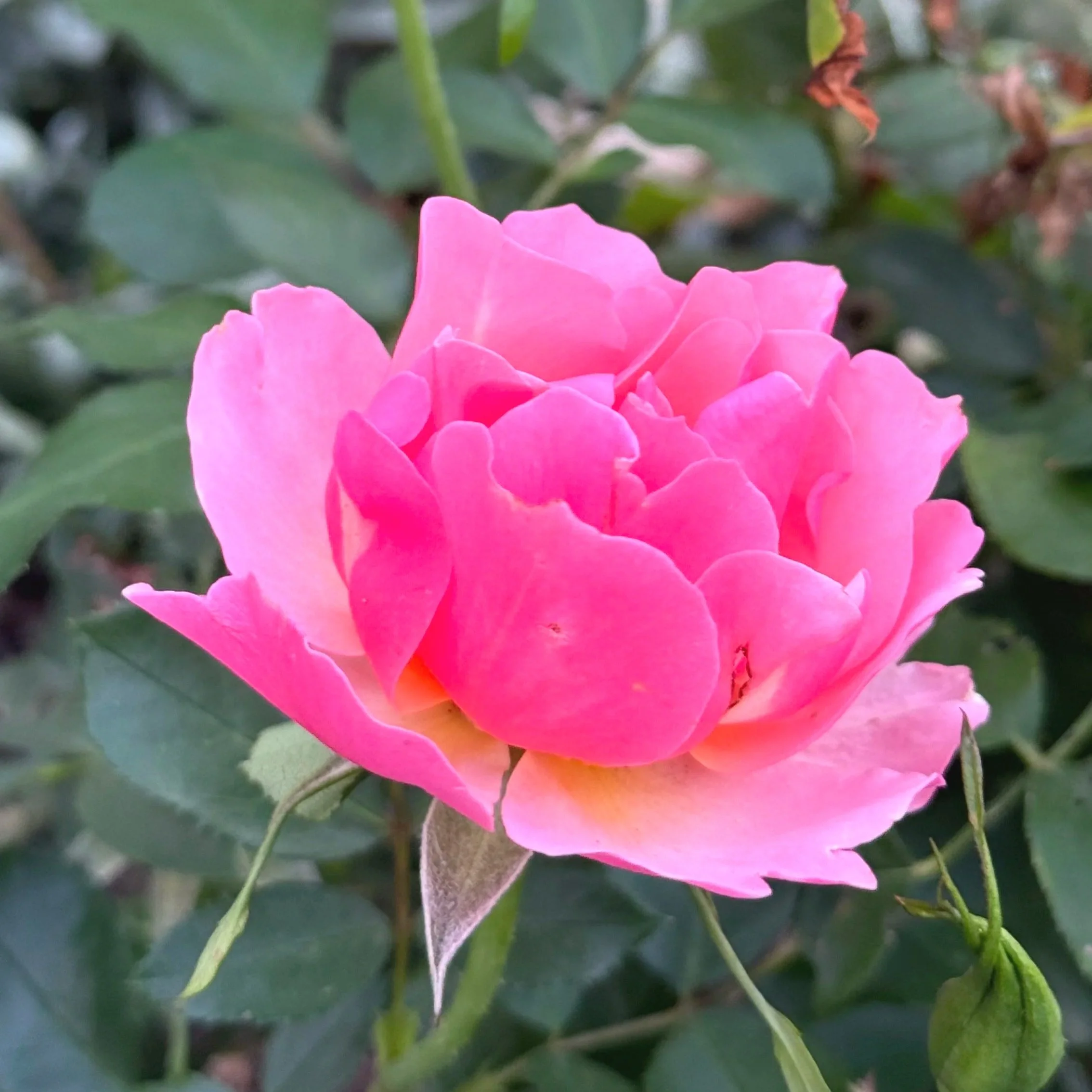
Winter Sunset
This is another rose that does not come true to color here in Colorado, but I'm here for it. She is very buttery yellow here – especially in the heat of summer. And I absolutely love her flowers. I should move her to a more prominent position, because she is really beautiful. Highly recommend.
Color: Yellow
Fragrance: Light
Hardiness Zone: 4-10
Size: Medium
Rebloom: Continual
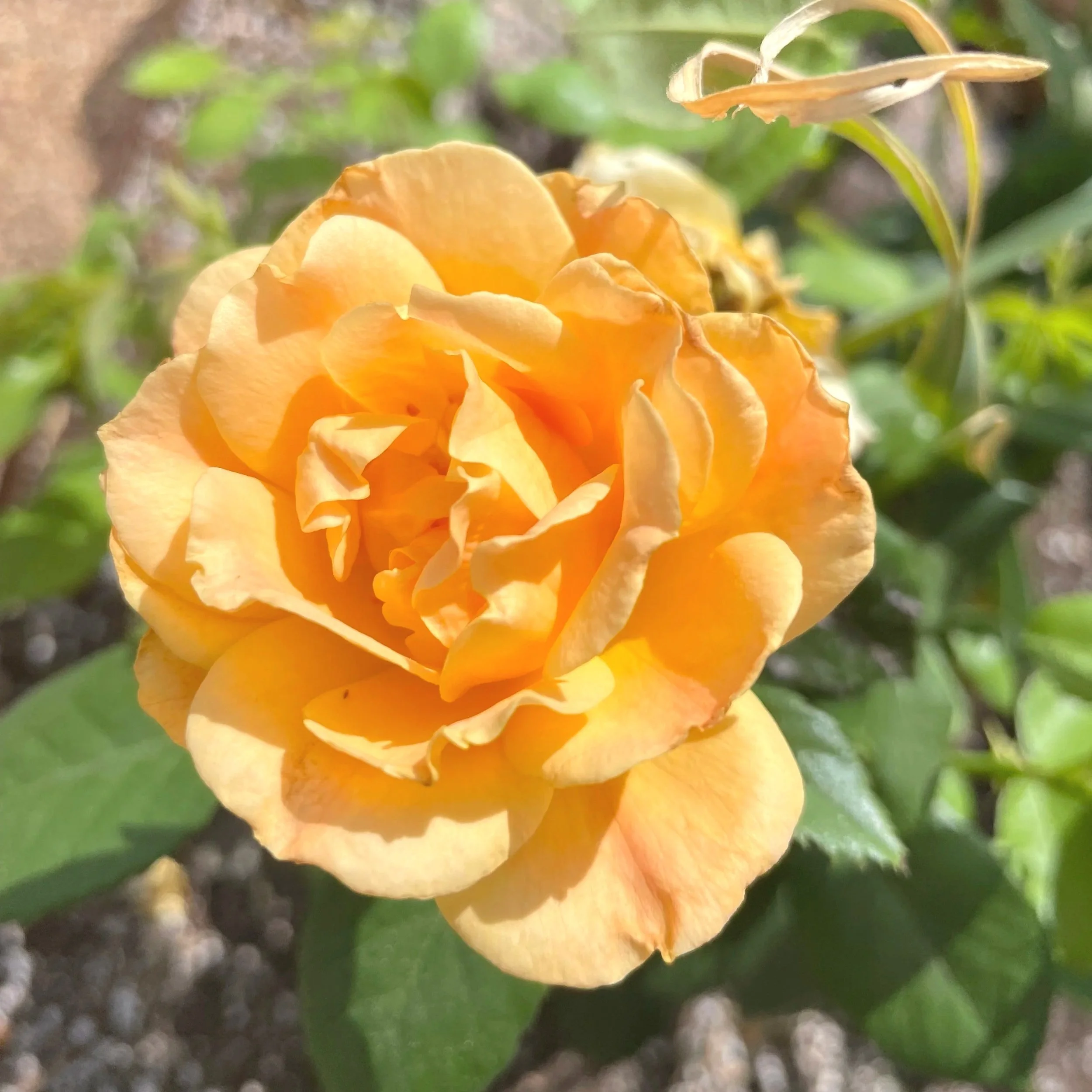
Climbing Roses
Crown Princess Margareta
I am in the process of training Crown Princess Margareta against a cattle panel. She is a gorgeous rose, and my neighbors keep asking about her. Full and blowsy and absolutely gorgeous. Unlike some of the orangey-colored flowers in my garden, she also holds her color. As I train her, I should get more and more blooms, too!
Color: Apricot/orange blend
Fragrance: Very Fragrant
Hardiness Zone: 5-10
Size: Large
Rebloom: Repeat
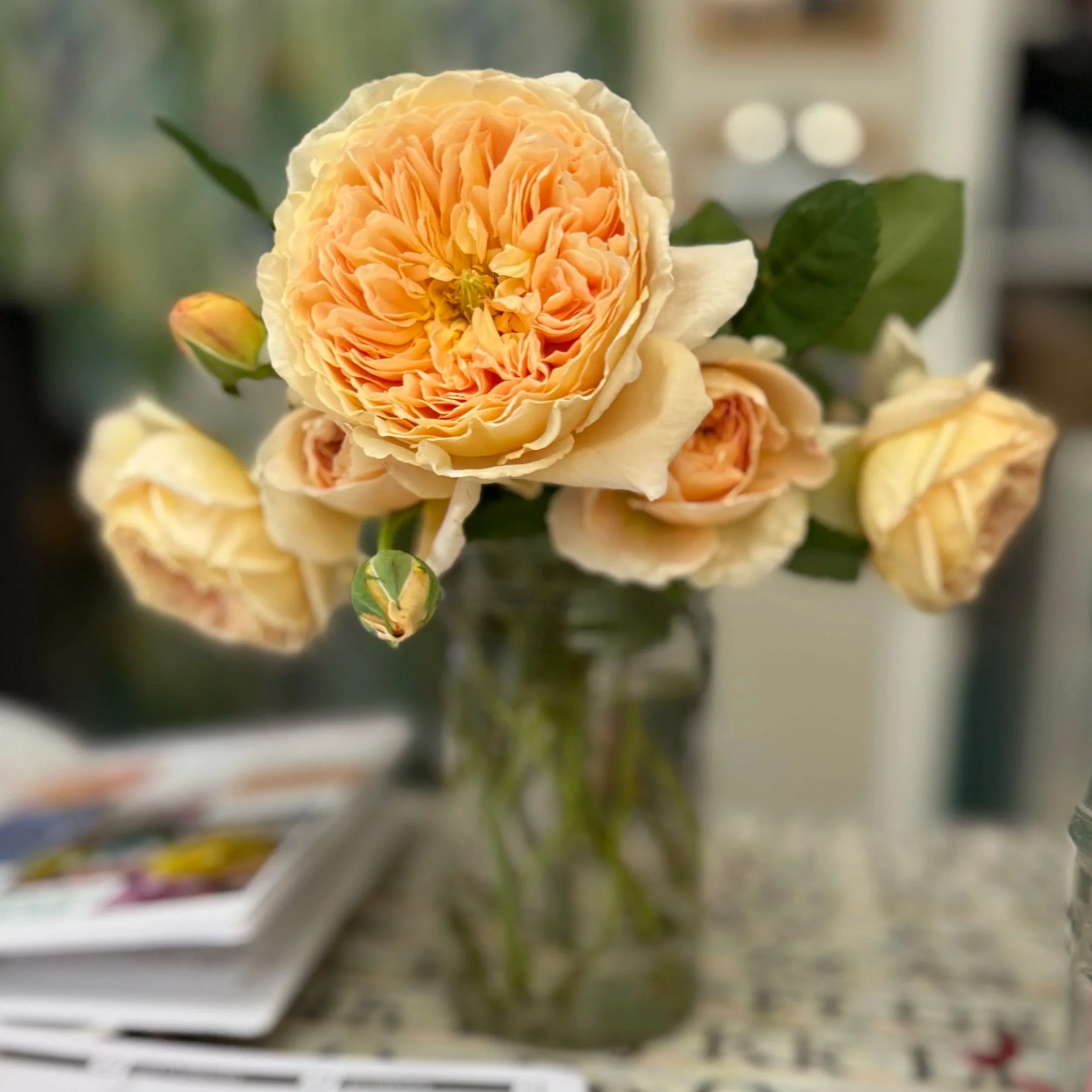
Wollerton Old Hall
Wollerton Old Hall is named for an old manor house in rural England – the kind of place I dream of living in someday. Well, at least with this rose I bring a little of that beauty to my own garden. I'm training her against a cattle panel together with Crown Princess Margareta, and they look beautiful together. But I do think she could do with a bit more shade and protection – she is a bit more fragile than the Princess.
Color: pale yellow to creamy white
Fragrance: Very Fragrant
Hardiness Zone: 5-11
Size: Large
Rebloom: Continual
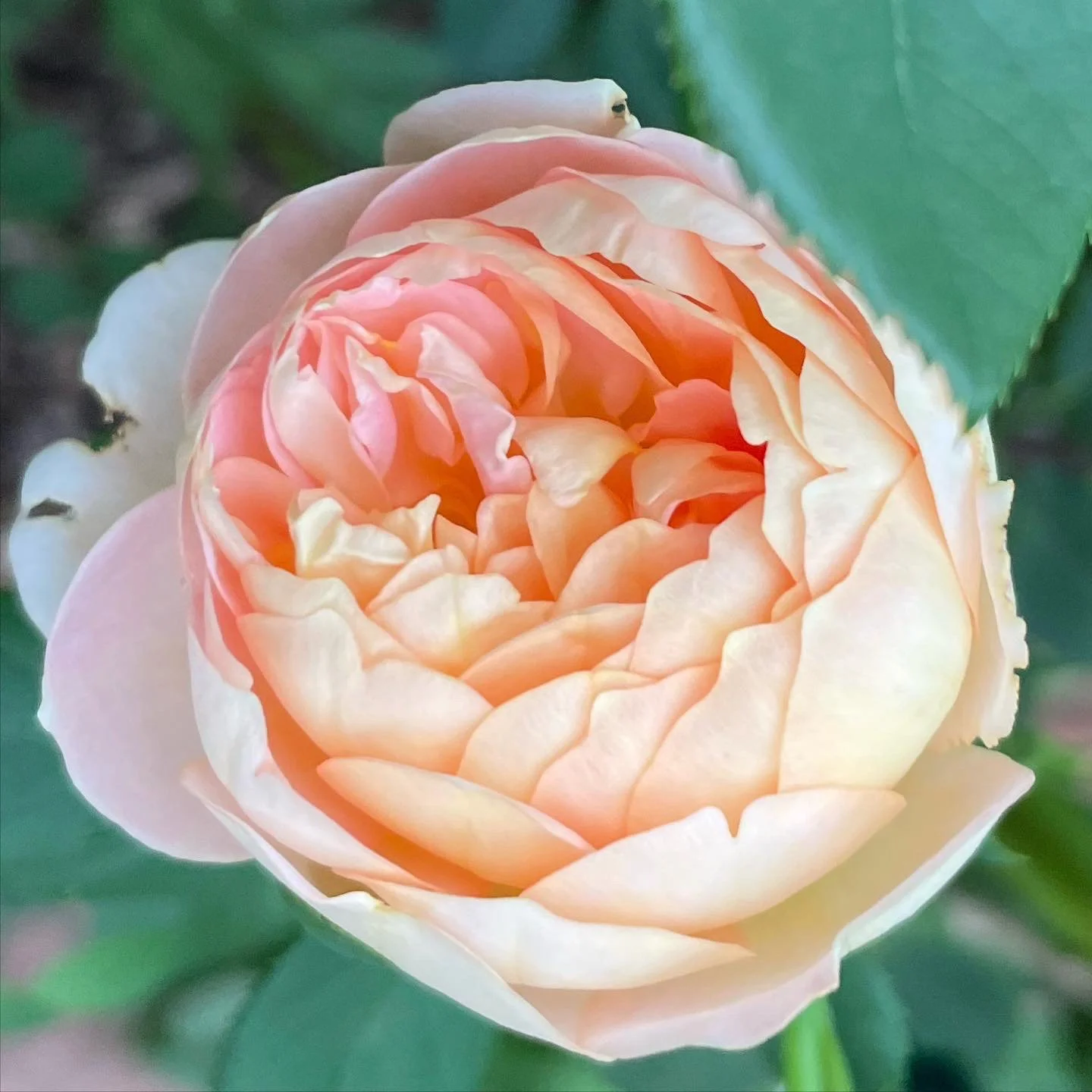
Rambling Roses
Darlow’s Enigma
Darlow's Enigma is the first named rambler in my garden. I have one other, but it was planted long ago, and I have no idea what variety it is. Darlow's Enigma, however, is a fabulous rose! It's planted against a south-facing fence. I actually have five of them there with the goal of covering the fence one day. Frankly, just a few years into the project, I'm not far from it! This rose grows quickly, blooms furiously, and is absolutely gorgeous. Beware, though – lots and lots of thorns! I would love to grow this rose up into a tree one day. I am certain it would thrive!
Color: White with a yellow center
Fragrance: Light
Hardiness Zone: 4-10
Size: Large
Rebloom: Continual
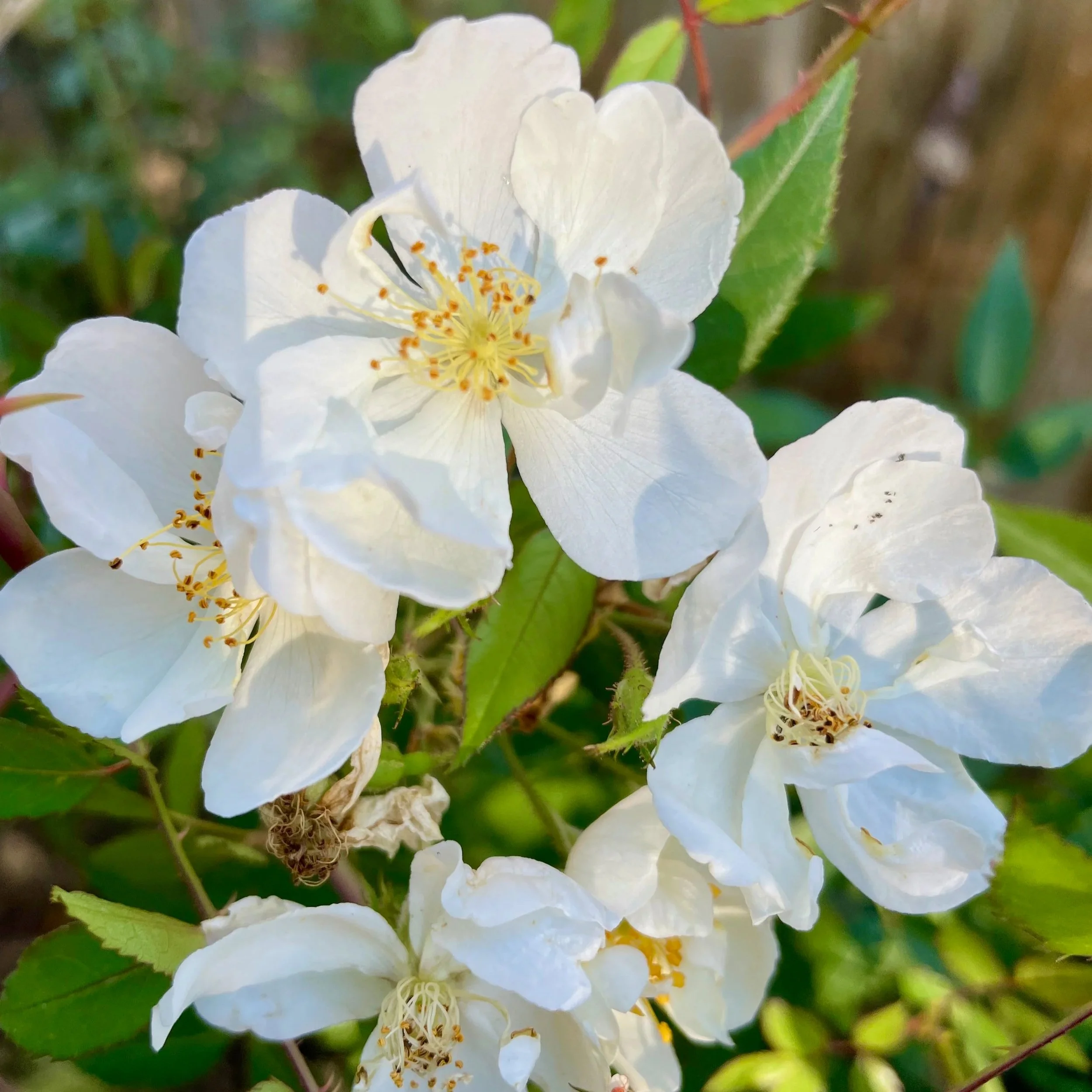
A note about Darlow's Enigma: I knew I wanted our fence to be covered in roses, so once we had built the new fence, I chose five different roses to trial as candidates for the job. Darlow's Enigma won the trial handily. It was clear even after the first summer that this rose was going to do very well in that location, so I replaced the other four roses after two summers. It's a great rose, and I love watching it burst into bloom!
How do you keep track of your roses?
I get this question quite often, and the answer has two parts. I do think it is important to know the names and varieties of as many plants in the garden as possible. But they don't all stick in my head! So I do two things to keep it all straight.
Labels
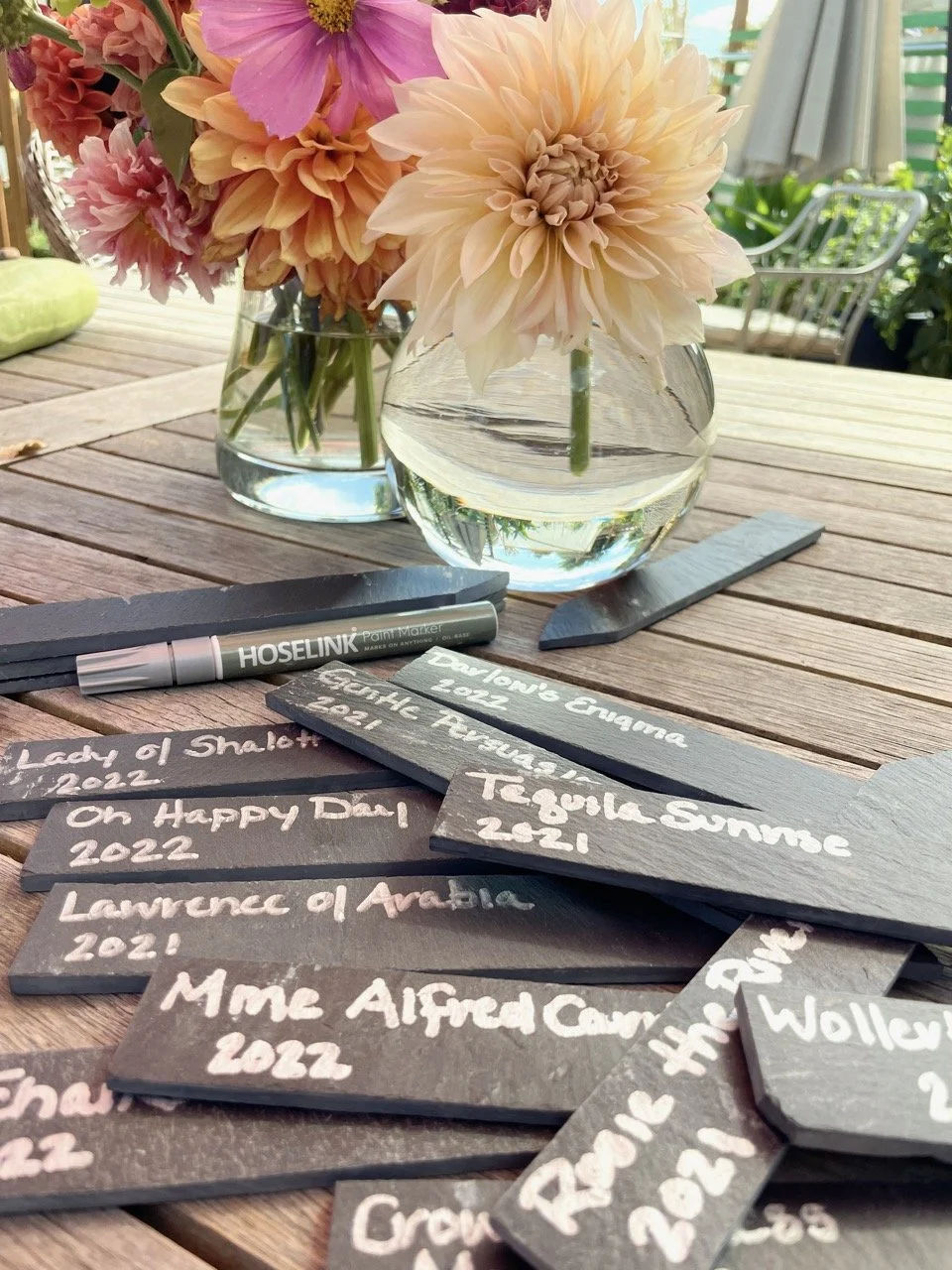
For my roses and other perennials I use these stone plant labels from Hoselink which last for years and are quite discreet in the plantings. I have one at the base of each rose bush, so when I'm out gardening I can reference them right away.
A Garden Map
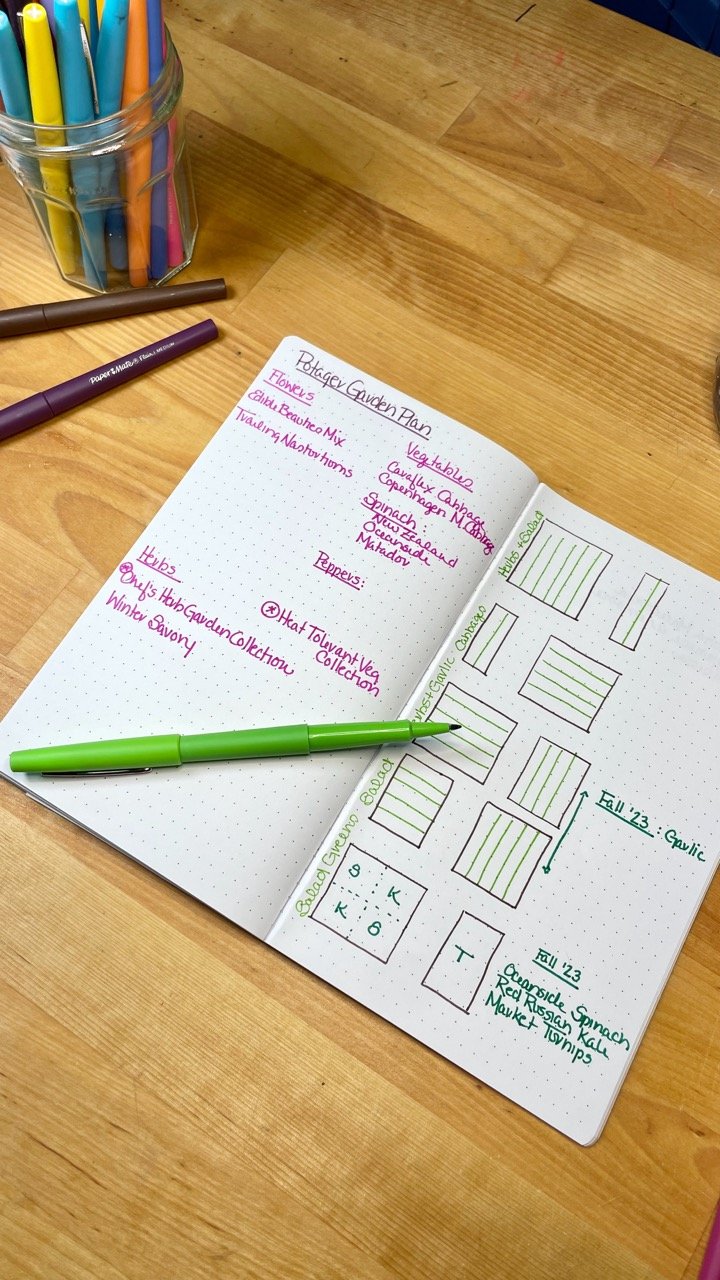
In my gardening journal I also keep a drawn map of my garden beds. And I have one specifically of my roses with each variety written in. If a rose dies, and they do die, I know exactly where it was and which variety. That way I can be careful when choosing a replacement – or adding to my collection.
Together, I have a record of my roses which I can reference any time – very helpful for those January midnight shopping sprees!
at the close…
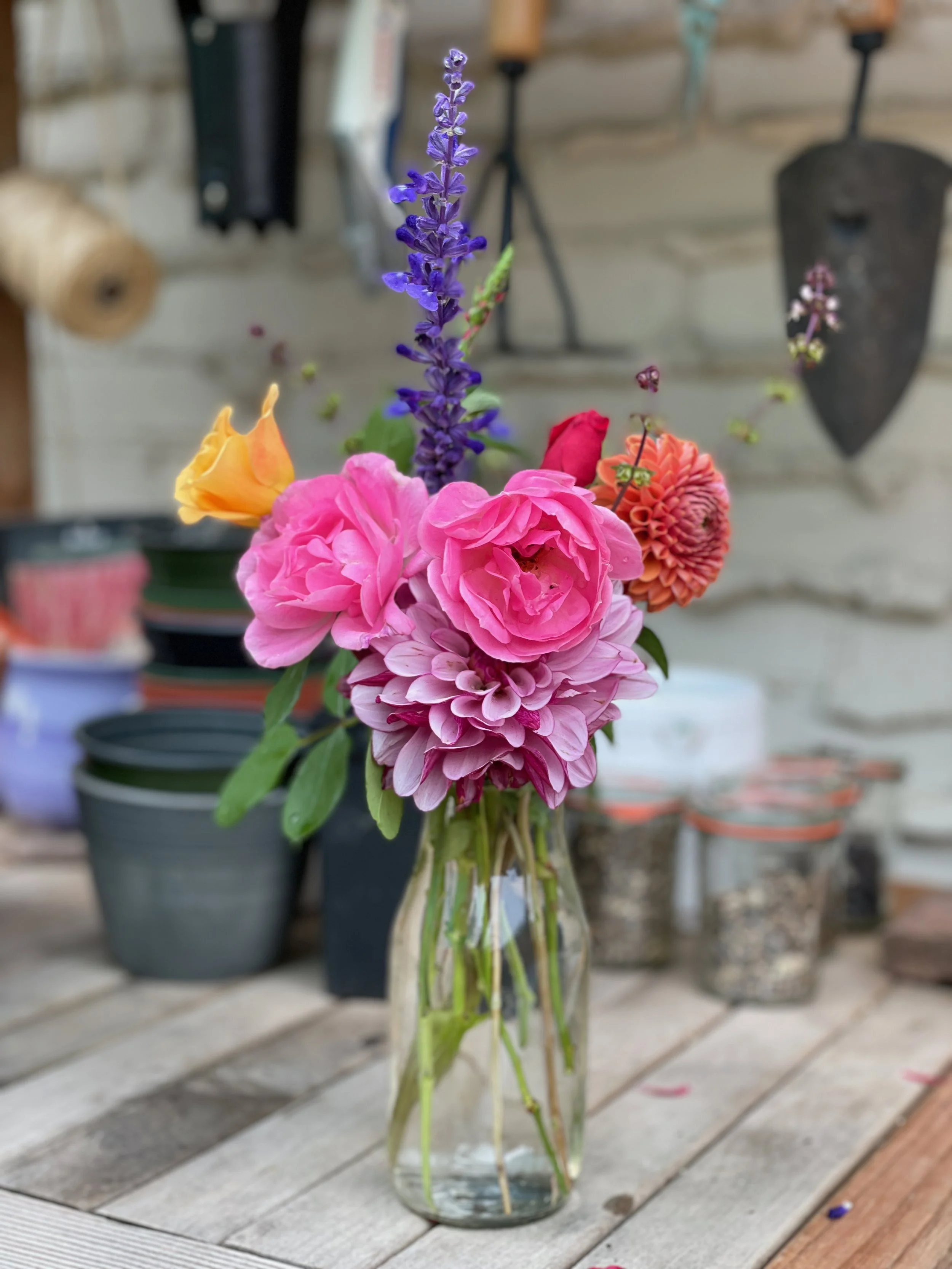
I do love roses so very much, and growing them is quite gratifying. I'd love to hear from you – what roses are particularly successful in your garden? And which roses do you wish you could grow?
Drop in on the conversation on my Substack, and be sure to subscribe so you don’t miss a thing!
Happy Gardening!
Angela
Subscribe now so you never miss a thing!