

Essential Rose Care Tips to Help You Become a Better Gardener
Simple Care Tips for Healthier Plants and Better Blooms
“A rose by any other name would smell as sweet.”
William Shakespeare, Romeo and Juliet
Roses have a reputation for being high-maintenance, but actually they can be surprisingly resilient and rewarding. Whether you're planting your first rose bush or refining your garden, there are proven, science-backed tips and tasks to help your roses thrive – and to make gardening easier.
There is a certain kind of magic that only roses can create. At dusk, when the light softens and the air cools, their fragrance lingers. Petals unfold in layers catching the light, inviting you closer. A well-chosen rose garden doesn’t just look beautiful; it feels intimate, timeless, and quietly enchanting. There's a reason great garden designers like Jo Thompson use so many roses in their gardens. They bring the magic!
But behind every thriving, romantic garden is not luck—it’s intention. Choosing the right roses is a delicate balance between emotion and ecology, between what stirs your heart and what will truly flourish in your space.
Let’s walk through how to choose roses that don’t just survive—but create the dreamy, romantic garden you’re imagining.
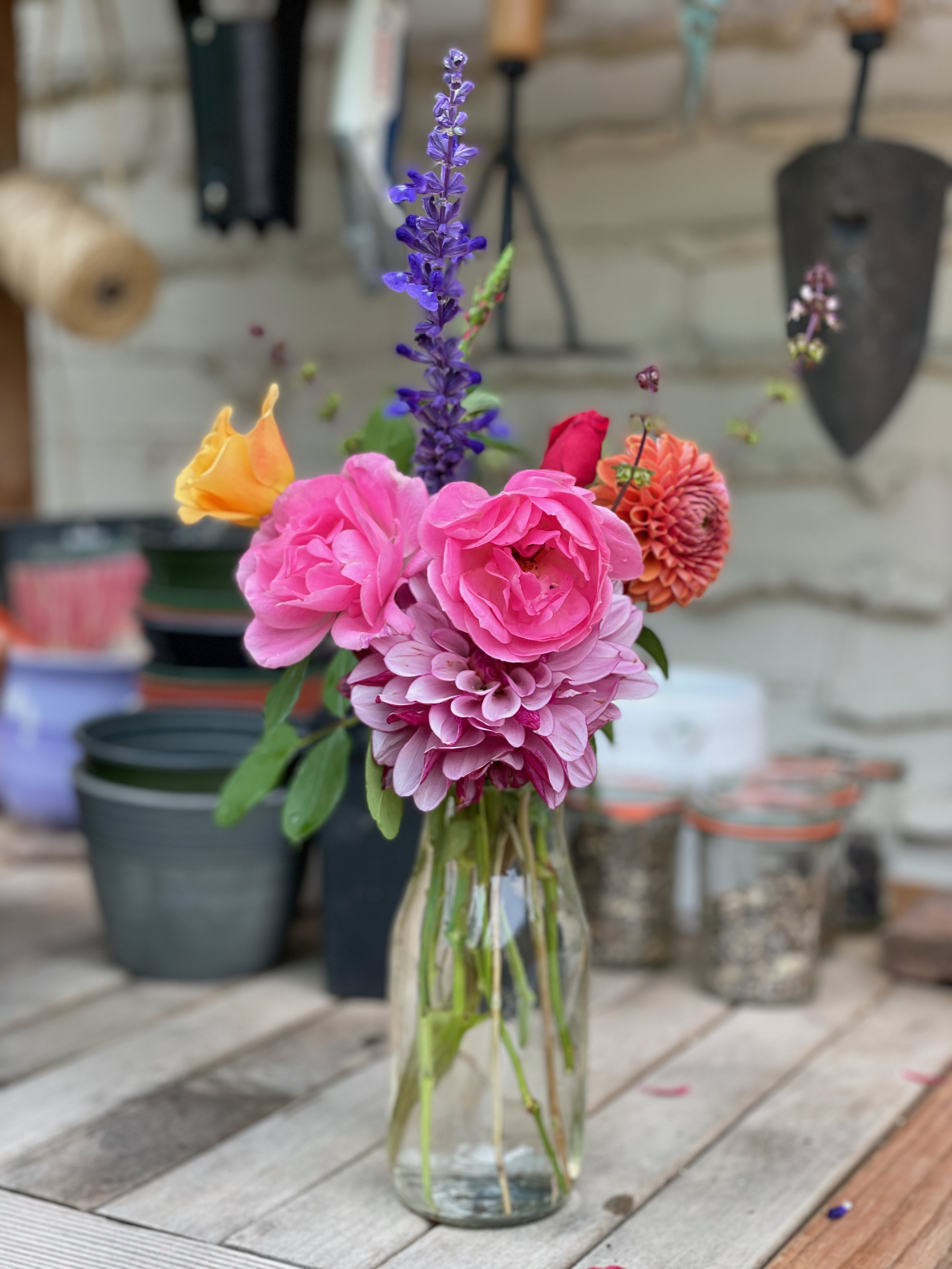
Choosing the Right Roses for Your Garden
Consider Your Climate
Before you fall for a rose’s color or fragrance, pause and consider your garden’s natural rhythm. The sweep of winter cold, the intensity of summer heat, the hush of humid mornings—these shape how well your roses will thrive in your garden.
Some roses are delicate and prefer mild conditions, while others are bred to endure harsh winters or relentless sun.
Roses that are well-matched to your climate experience less physiological stress. This means stronger immune responses, fewer diseases, and more energy devoted to producing those lush, abundant blooms you’re dreaming of.
If you're searching for “easy roses to grow for beginners” or “low maintenance rose varieties,” start with resilient types bred for performance. Success starts with selection. Not all roses are created equally — some are bred for disease resistance, climate tolerance, or low maintenance.
Information You'll Need: Your USDA Hardiness Zone
Tip: Look for varieties labeled as disease-resistant (especially resistant to black spot and powdery mildew). These traits reduce the need for chemical treatments and improve long-term plant health. Modern breeding focuses on genetic resistance to fungal diseases, reducing the need for pesticides and improving long-term success.
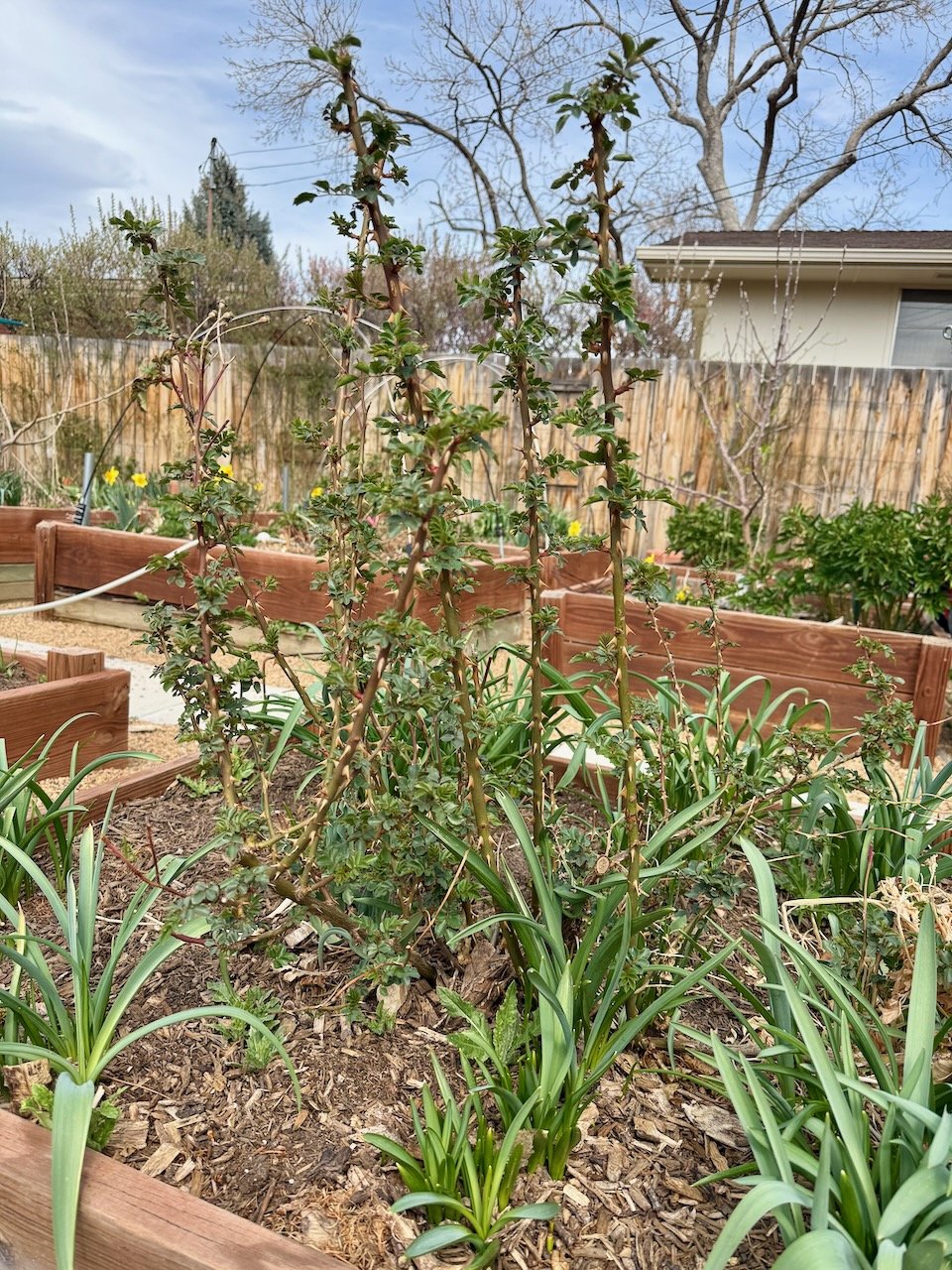
Choose a Form That Works in Your Space
Every rose has a habit—a way it grows, reaches, and blooms. Think of this as the architecture of your plant – a scaffolding.
Climbing roses and Rambling Roses: wander, perfect for training over arches or along a fence
Shrub roses: fill space generously, creating softness and abundance; don't require support
A rose’s growth pattern is written into its genetics. Choosing the right form ensures your garden evolves naturally, without constant correction or struggle.
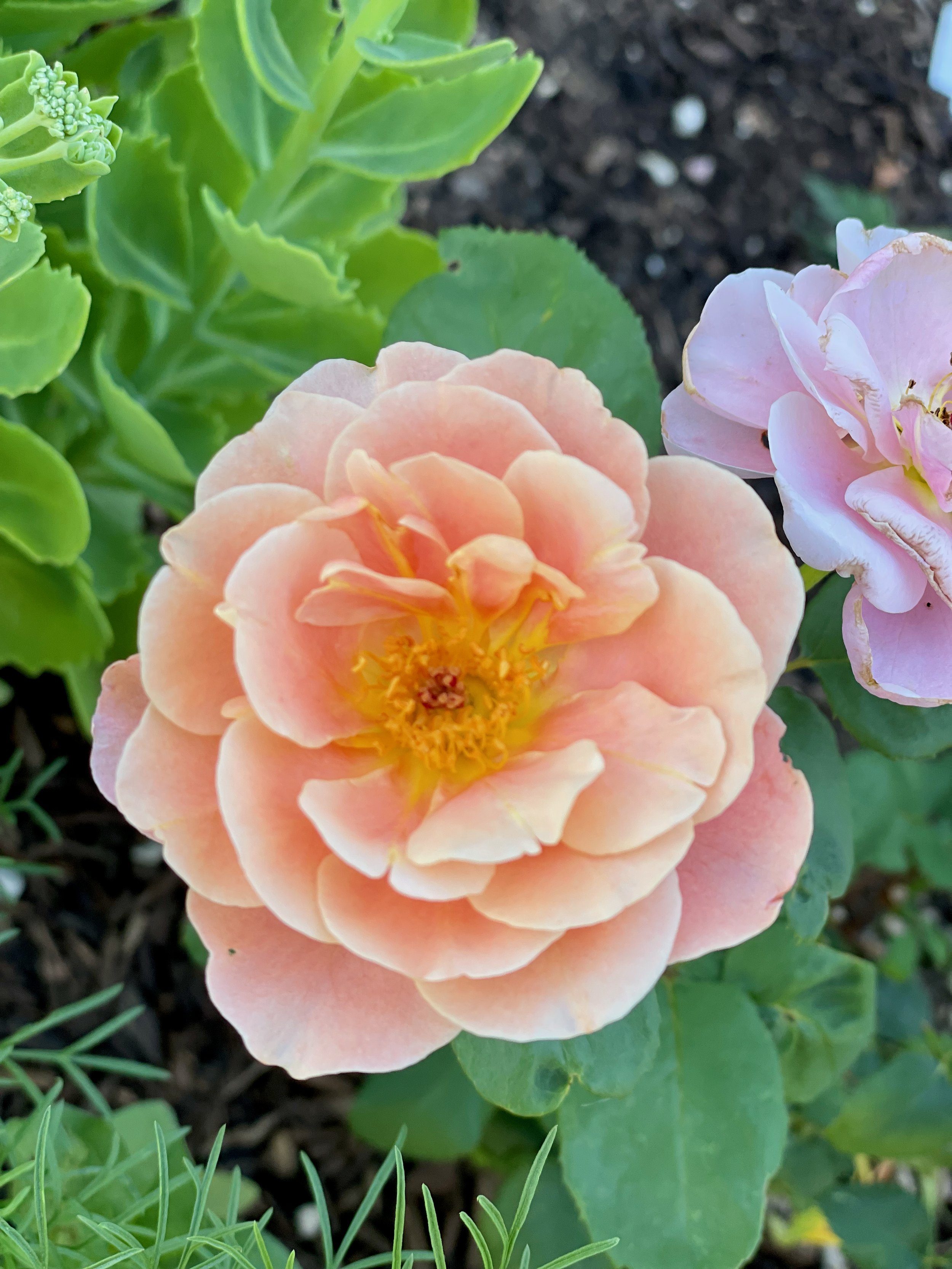
Consider Fragrance & Petals
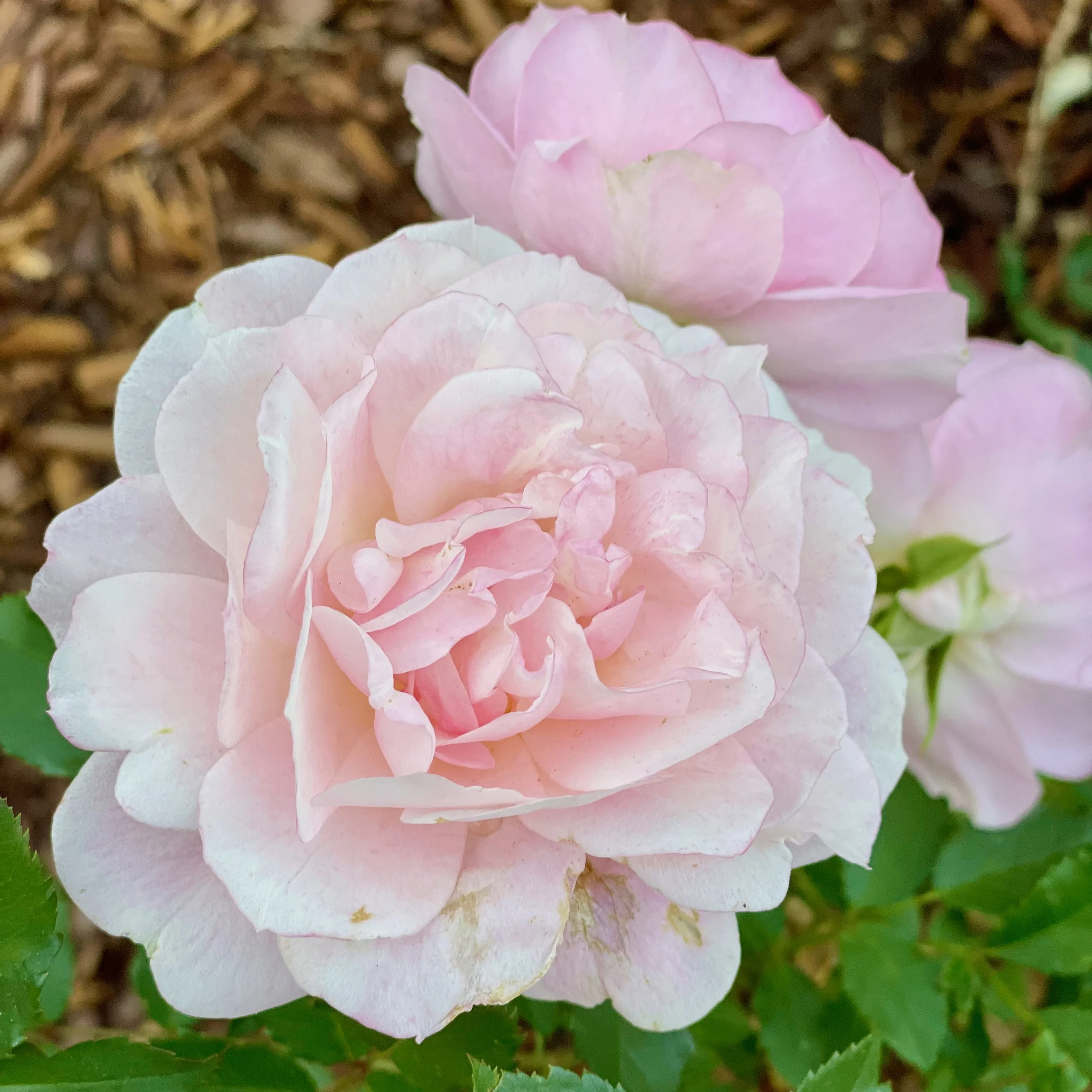
Close your eyes and imagine your garden. Is the air sweet and heavy with scent? Are the blooms full and ruffled? Or are you looking for nectar-rich blooms for pollinators?
Not all roses are fragrant—many modern varieties prioritize appearance over scent. If fragrance matters to you, seek it out intentionally.
Fragrance comes from compounds produced by the flower. Heavily petaled, old-style roses often produce more of these compounds, creating that classic, romantic perfume.
Some people – including one of my close friends – hate the smell of roses! And others are very sensitive to fragrance in general. But there are so many scentless roses out there, especially the modern roses. Truly there is a rose for everyone!
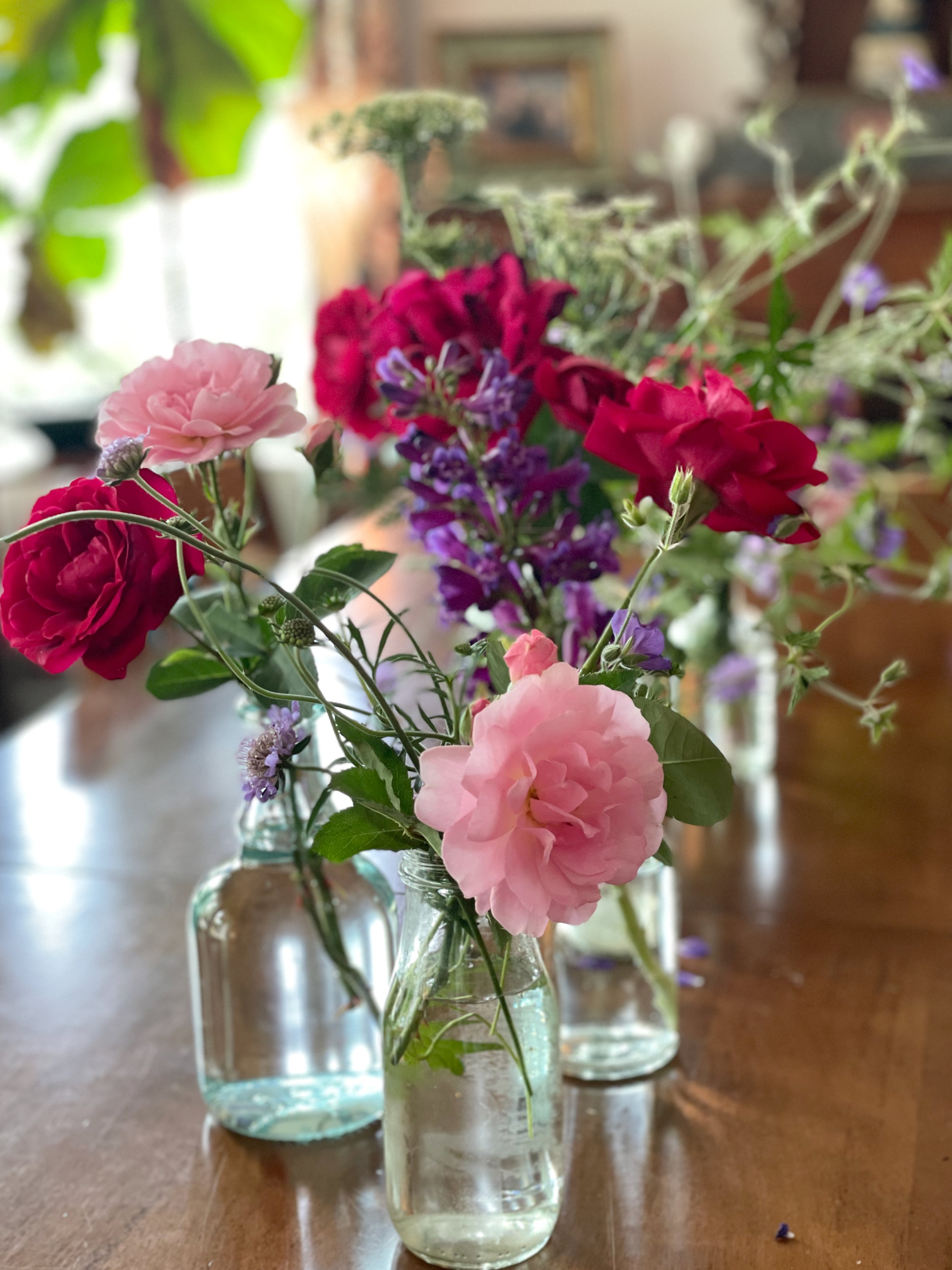
Blooming Through the Seasons
A truly romantic garden doesn’t peak once—it unfolds, slowly and continuously, like a story.
Look for repeat-blooming roses and combine varieties that flower at different times.
Repeat blooming is controlled by hormonal cycles that trigger flowering multiple times. Choosing these varieties keeps your garden alive with color and fragrance from spring through fall.
Deadheading is key to getting abundant blooms, so remember that this will be part of your summer maintenance cycle.
Roses in My Garden
For a list and descriptions of the roses that flourish in my garden, click the link!
How to Plant Your Roses for Success
Sunlight Requirements for Roses (the Key to More Blooms)
One of the most common questions I get is: “How much sun do roses need?”
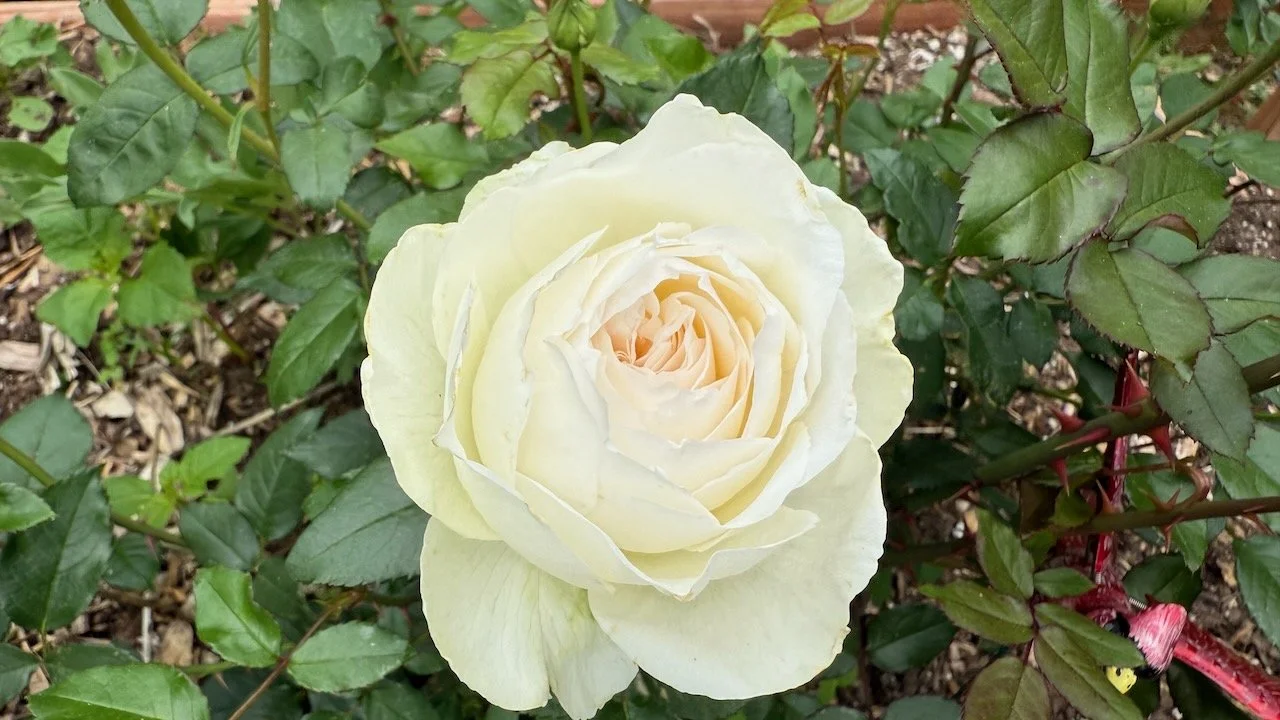
The answer: it depends. Most roses require 6–8 hours of full sun daily, but that depends on the variety of rose you are choosing. There are also roses that thrive in part-shade.
Why it matters (science):
Sunlight drives photosynthesis, which provides energy for the entire plant including flower production – a high-energy activity
UV exposure can help reduce fungal pathogens as well
Morning sun is especially valuable, because it helps dry dew on leaves, reducing fungal growth.


Best Soil for Growing Roses
Healthy soil is one of the most important factors in rose success. If you're looking up “best soil mix for roses,” here's what research supports:
Ideal soil conditions:
pH: 6.0–6.5 (slightly acidic)
Well-draining, loamy texture
Rich in organic matter
What does that actually mean? You can have a soil test done. That might be helpful – and it might not. Read more about soil testing here. Planting in a raised bed? Use a good peat-free raised bed mix.
But in practical terms it means:
Dig a big hole when planting a rose to loosen the soil around it.
Apply aged compost in the spring. That's the organic matter roses need.
Apply mulch in the fall. More organic matter. And it helps prevent drying out.
Use organic rose foods – and FOLLOW THE INSTRUCTIONS. Over-fertilizing can really damage your soil and your plants.
Science-backed tip:Healthy soil supports microbial ecosystems that improve nutrient uptake and root development. Amend soil with compost to improve microbial activity. Beneficial soil microbes enhance nutrient availability and root health.
Avoid waterlogged soil—poor drainage can lead to root rot due to oxygen deprivation.
How to Keep Your Roses Healthy
Water Deeply, Not Frequently
Roses prefer consistent moisture but dislike soggy roots. So allowing them to dry out between waterings is important.
Best practice:
Water deeply 1–2 times per week
Aim for ~1 inch of water weekly (including rainfall)
Why?
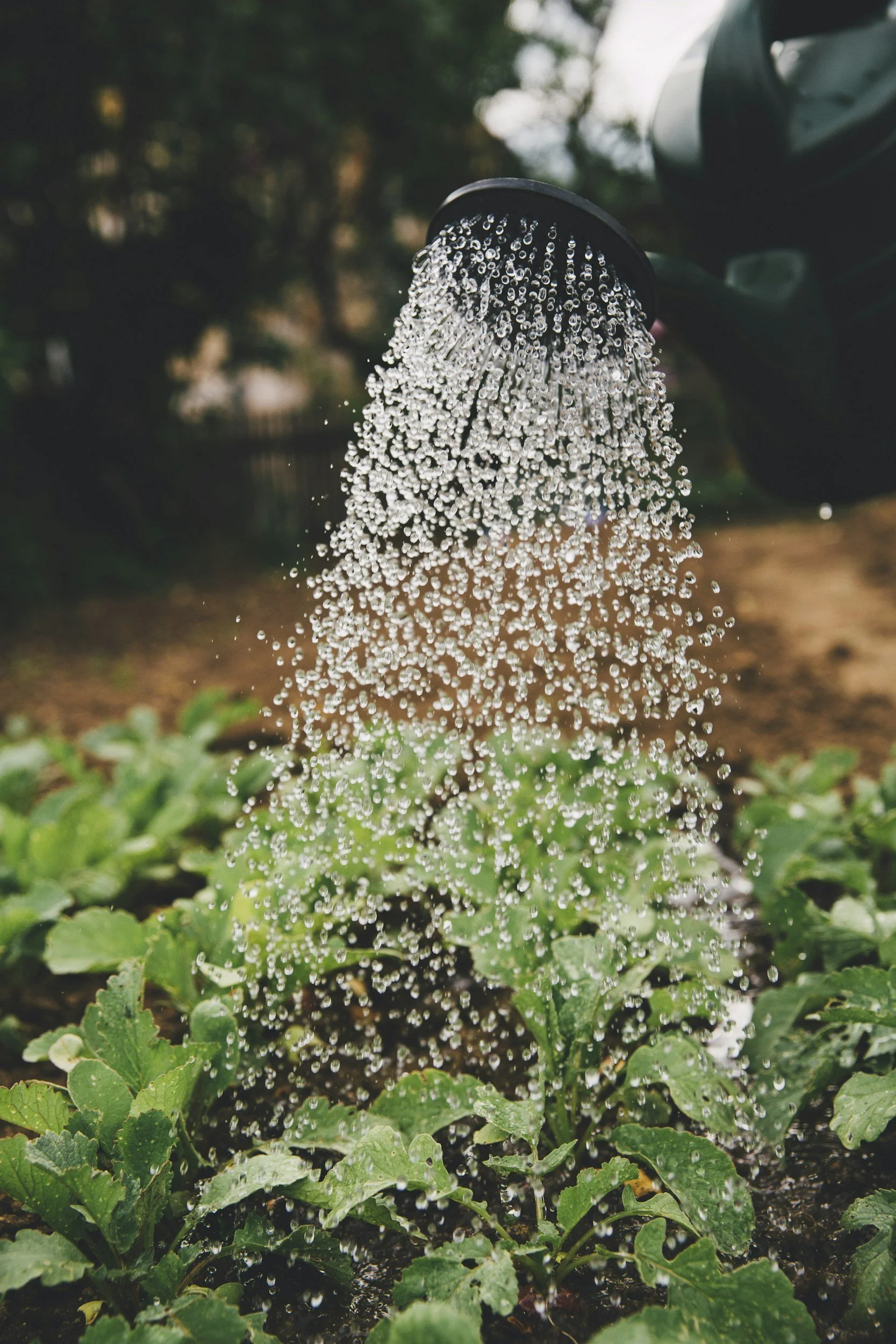
Deep watering encourages roots to grow downward, increasing drought tolerance and overall plant stability. Frequent watering encourages root growth at the surface which can more easily be damaged in cold and drought.
Important:
Avoid overhead watering—it increases risk of fungal diseases like black spot. Water at the base of the plant instead.
Sprinkler systems kill lots of roses. They tend to overwater and water overhead. If you have a sprinkler system, consider adjusting the schedule specifically for your roses so that they are being watered deeply but less frequently.
“O, how much more doth beauty beauteous seem / By that sweet ornament which truth doth give.
The rose looks fair, but fairer we it deem / For that sweet odor which doth in it live.”
Feed Your Roses for Maximum Blooms
In addition to pruning your roses, you also should be feeding them. And the difference between a well-fed rose and one that isn’t is remarkable.
Remember, those rose bushes I uncovered in my new-to-me backyard? They probably hadn’t been fed in a decade or more. After a few summers of consistent feeding, they are so much healthier, and they produce so many more blooms.
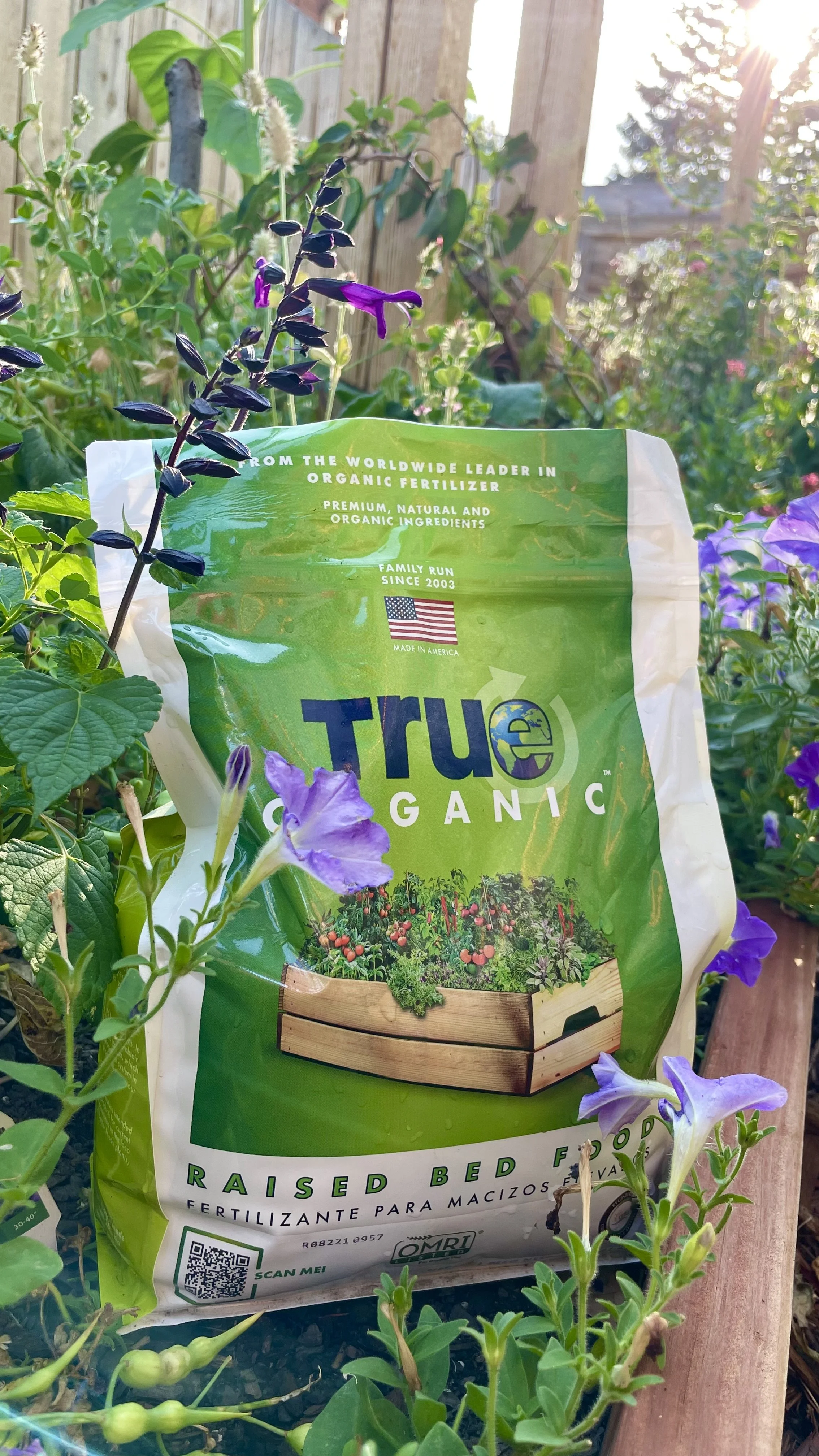
I use an organic, granular rose feed once per month — April through August. They are the only plant for which I consistently use a granular feed, but I find that it works much better for my roses than anything else.
No matter which food you choose to use, be sure you are following the instructions from the manufacturer as every formula is slightly different, and you can cause harm to your plants (and the environment) by using them incorrectly.
Schedule:
Early spring
After first bloom
Mid-summer (optional)
How to Prune Roses (Step-by-Step Basics)
Pruning is critical for many reasons particularly disease management and encouraging more flower production.
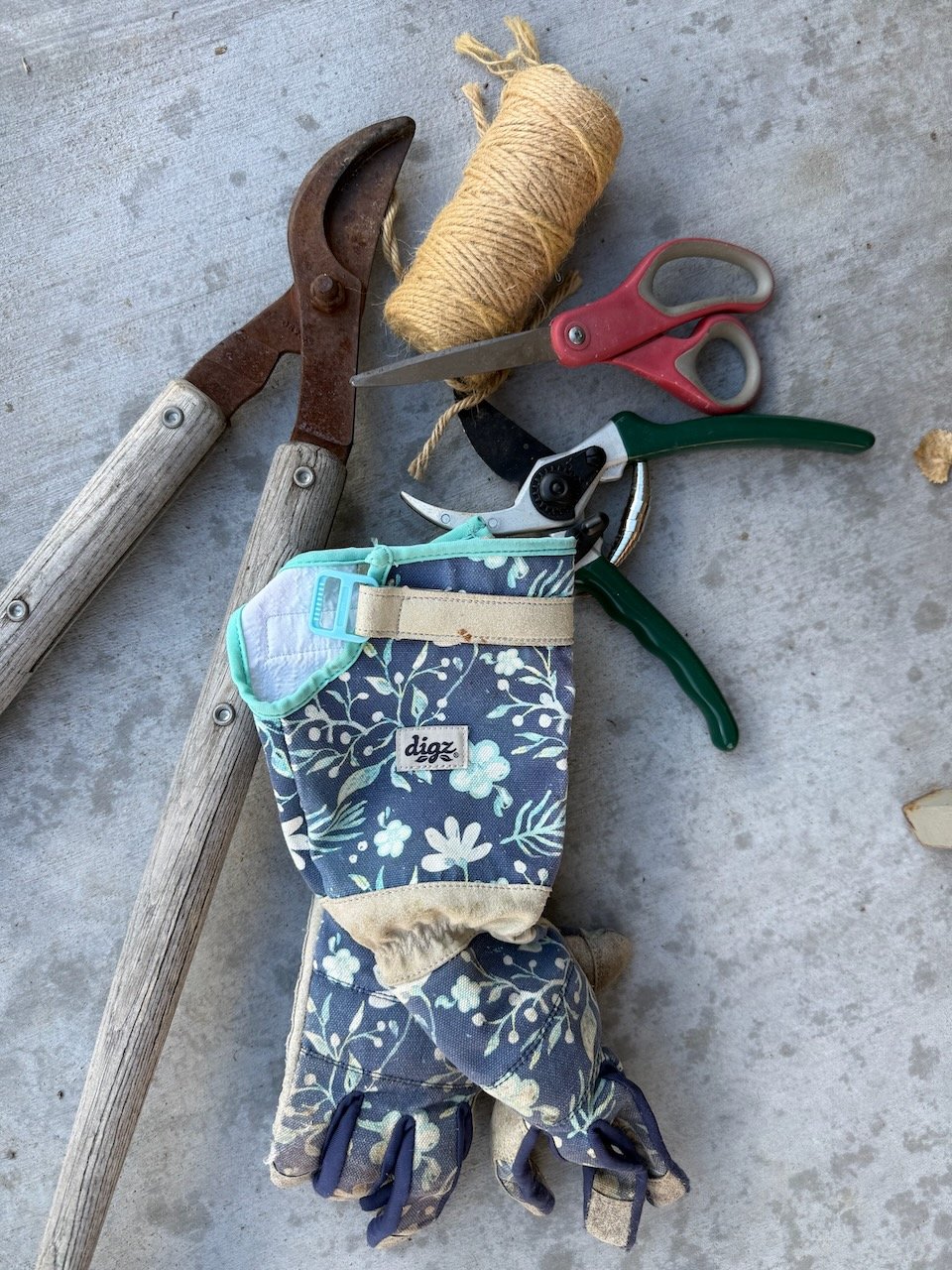
I have a whole post all about pruning roses with step-by-step instructions. Read it here.
Common Rose Problems and How to Prevent Them
I get lots of questions like: “why are my rose leaves turning yellow?” or “rose diseases and treatment.” Without photos, I can't tell you for sure. But there are some commonalities amongst most of these problems.
Common issues:
black spot
Powdery mildew
Rust
Many of these issues can be traced back to problematic planting and care practices. To prevent rose diseases, make sure you are starting right from the beginning.
Disease Prevention Tips:
Space plants for airflow – don't crowd roses in your garden.
Prune regularly to remove diseased growth and provide airflow.
Water at soil level and keep water off the leaves and stems.
Water regularly. Inconsistent watering can contribute to powdery mildew.
Remove infected leaves and stems quickly.
Dispose of rose cuttings commercially. Don't try to compost them at home – you may just spread the disease.
Fungal spores spread via water droplets and humidity—control moisture to reduce outbreaks.
Compost and Mulch for Healthier Roses

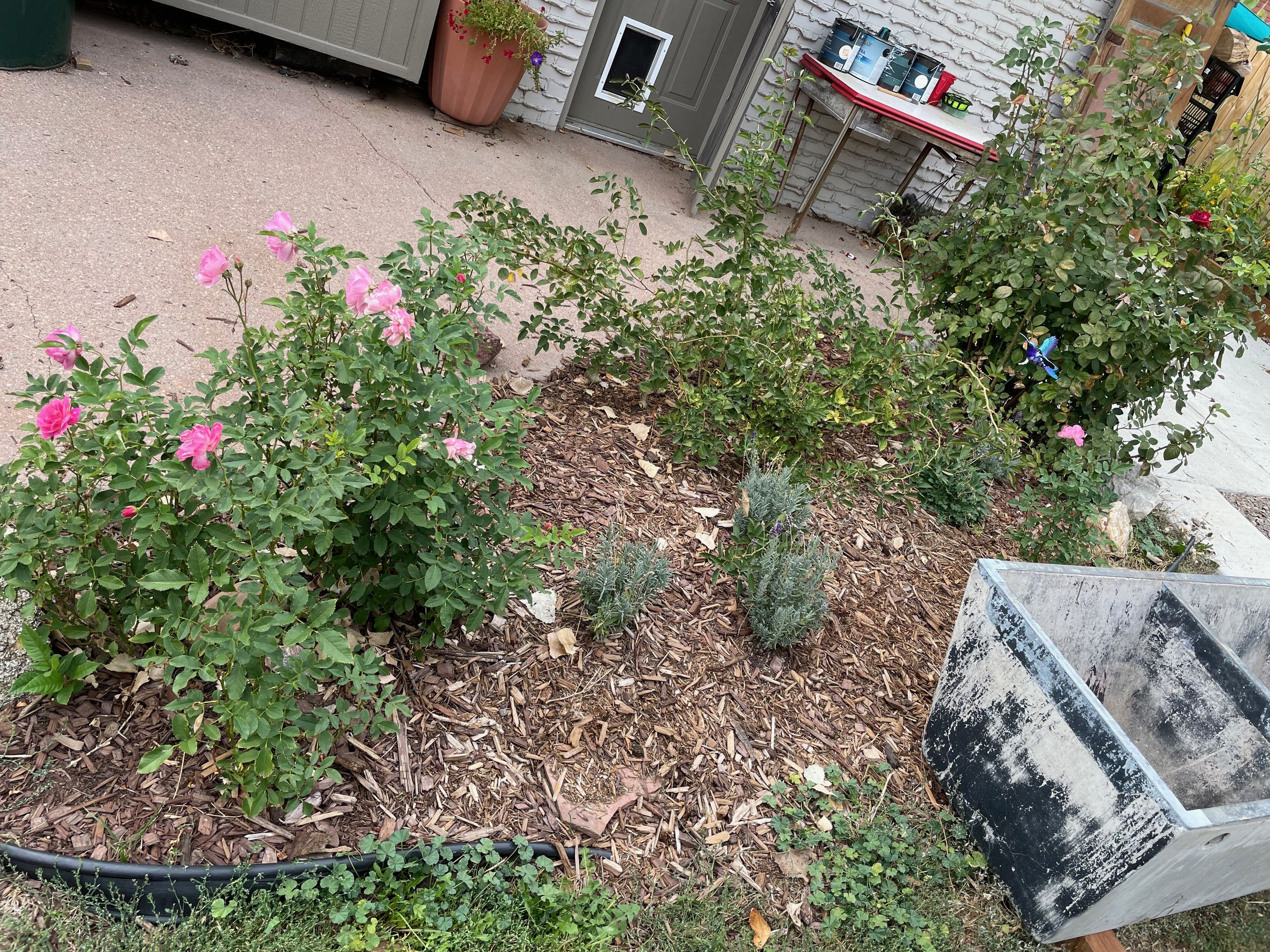
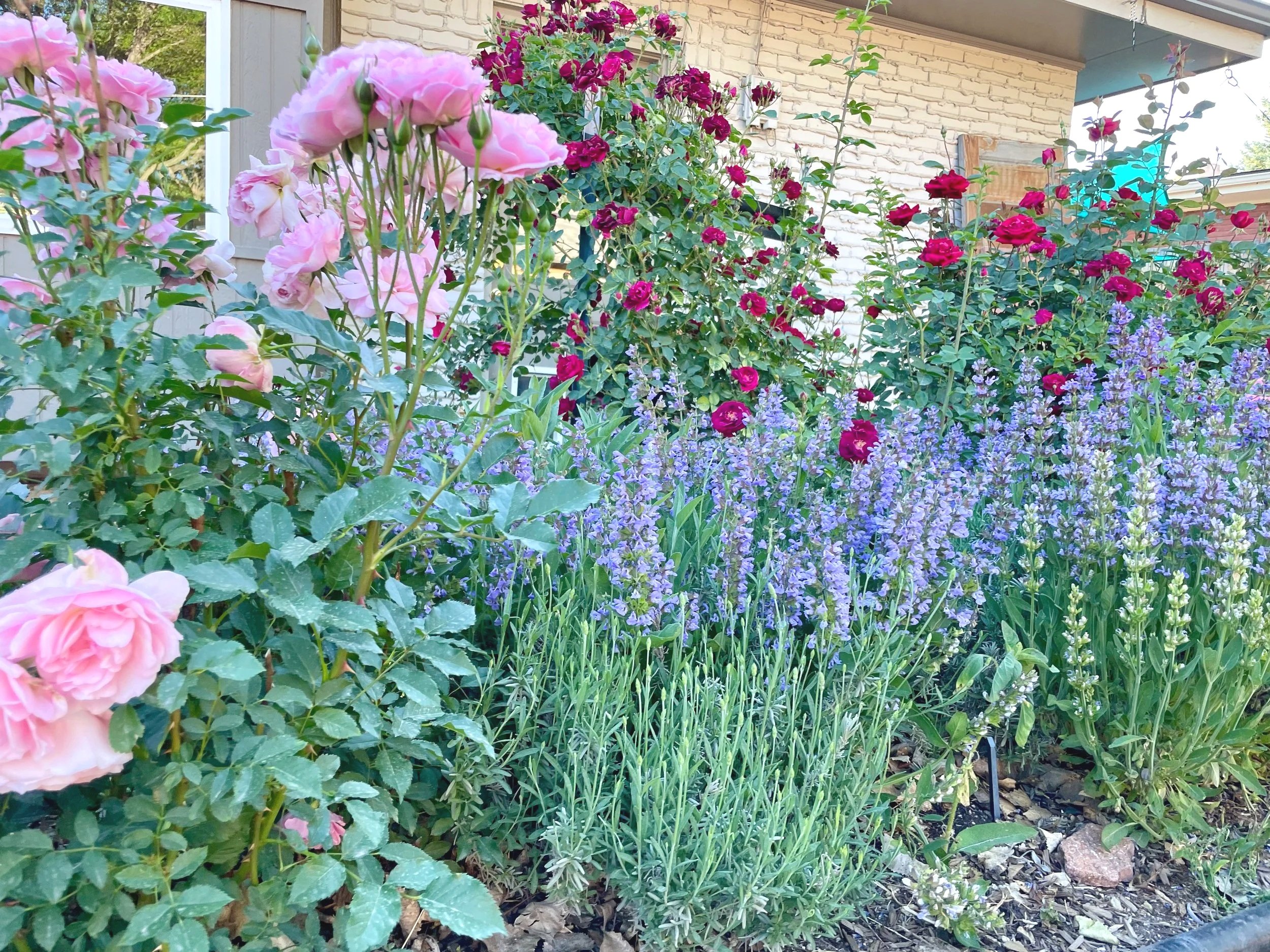
Another key to rose health is regular use of compost or mulch. Here I do both.
Spring: I apply 2” of compost in the spring around the base and root flare of each rose bush. This serves two functions:
The compost provides a little nutrition and organic matter to the soil. This is important because roses thrive in soil with a solid organic composition.
Additionally, the compost acts as a sponge holding moisture and preventing evaporation. That’s particularly important in a dry climate like Colorado — but it is also part of a good watering strategy.
Fall: after the first frost, I apply a full trug of wood chip mulch over the crown and root flare of each rose.
This provides protection from winds which can dry out and desiccate the rose over the winter — especially if we have a dry winter.
Over the season, the mulch also prevents evaporation where the rose needs moisture — at the roots.
If you live in a climate with more moisture, rather than making a mound over the crown, you can add 2-4 inches of wood chips around the root flare.
The goal is to protect the roots and crown of the rose from winter damage and to prevent evaporation.
Companion Plants for Roses
Gardeners often ask for lists of “what to plant with roses.” There is no magic here. You need to plant other plants that like the same soil and watering conditions that roses do. And if they bloom and attract beneficial insects – well, that's even better!
Seriously, people get all wound up like there is a mystical connection between different types of plants. The science doesn't back that up. However, the science does support companion planting from a different perspective: planting plants that support beneficial insects can help to naturally control pests, reducing reliance on chemicals.
THAT is a big benefit! So here are some of the best plants to plant with roses:
Lavender
Alyssum
Salvia
Dill
Cosmos
Feverfew
Penstemon
Knautia macedonica
Scabiosa
Nepeta
Verbena
Nicotiana
Campanula
Baptisia
Larkspur
Garlic
at the close…
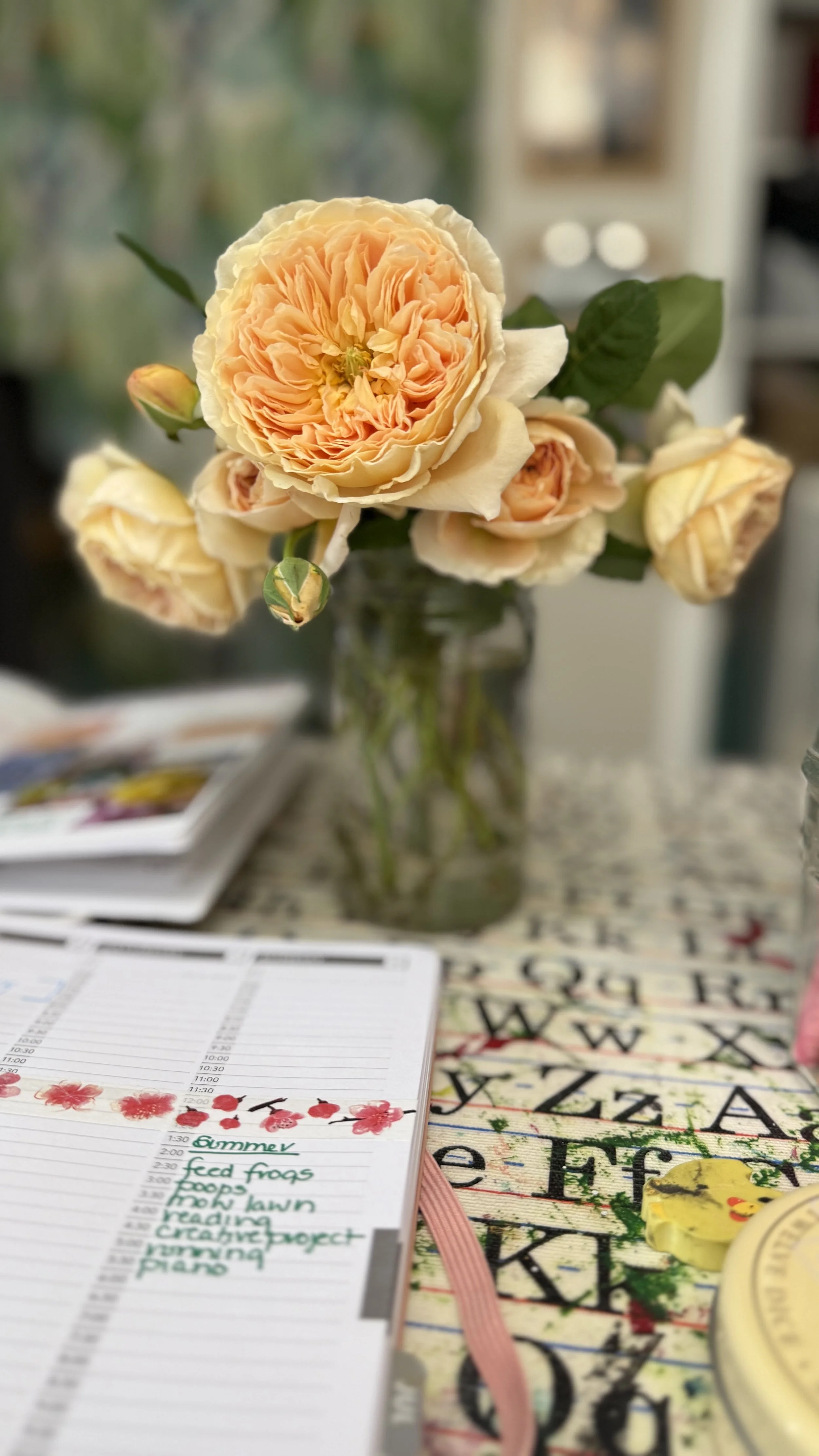
“Gather ye rosebuds while ye may…”
Growing roses is easier than most people think. It's certainly easier than I thought when I was just starting out! By focusing on sunlight, soil health, watering, and disease prevention, you are helping your roses grow and thrive.
Whether you have a single stunning rose bush or a full garden of roses, I hope these science-based rose gardening tips will help you grow healthier plants, bigger blooms, and longer-lasting flowers.
Subscribe now so you never miss a thing!