

Plant This!
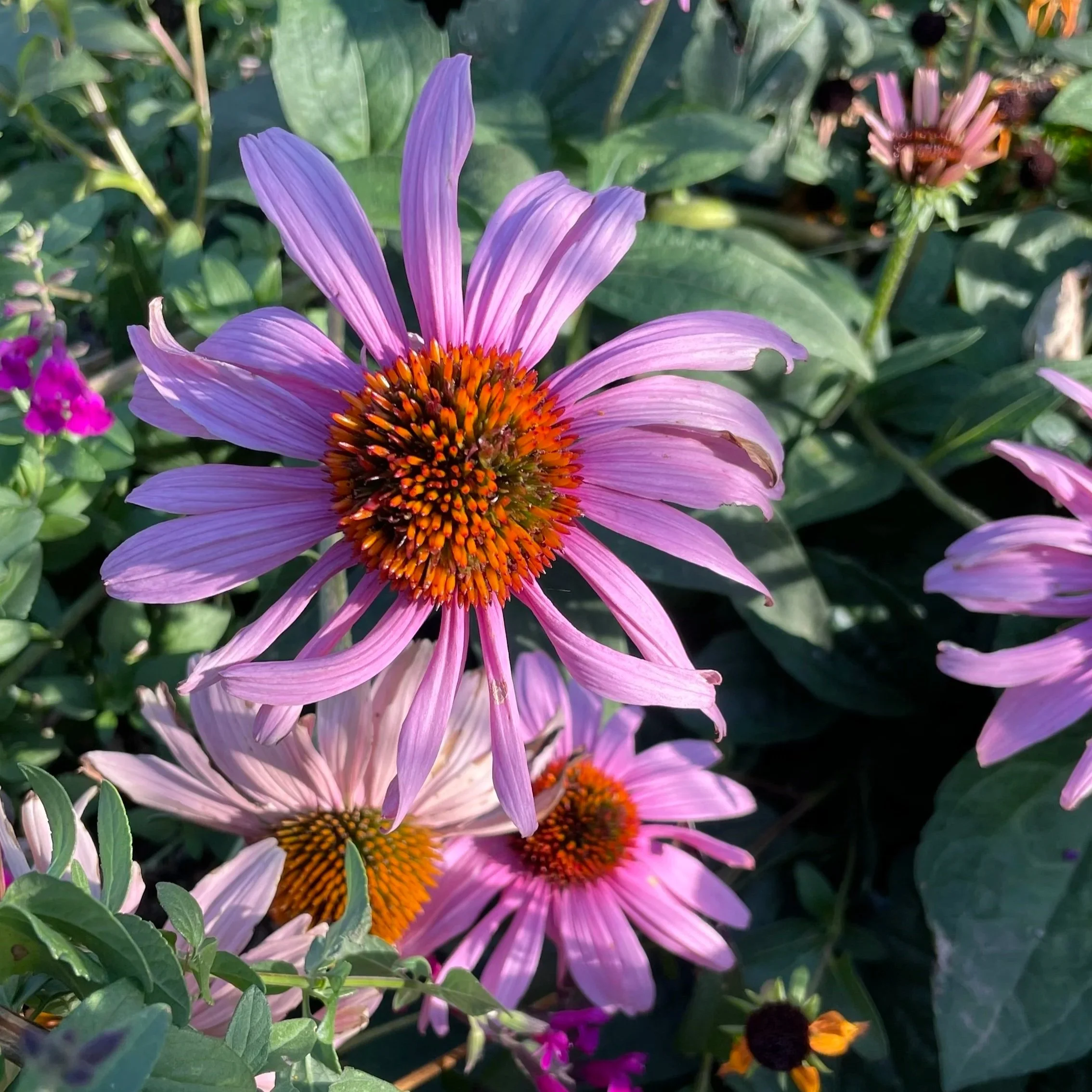
Echinacea | Coneflowers
Why Echinacea Is Essential for Pollinator Gardens in North America
I have planted a full-fledged musical theater just outside my office window. I said "planted" for a reason. The raised bed at window level is filled with plants that offer seed to birds in the fall and winter – key among them is today's Plant of the Week: Echinacea. And the month's long musical numbers rival anything in the West End or on Broadway.
Over the late fall and winter, a range of feathered showgirls and boys – especially finches – flitter about my Echinacea, showing off their plumage while gradually stripping the seedheads of their hundreds of seeds. The strong stems lift up the cones of seeds, and they support the small birds who land to feast – and sometimes to fight over the meal. The feast continues for weeks and months as they return again and again.
But this is generally the Echinacea finale – the show starts mid-summer as the blooms begin to open and beckon the bumblebees, native bees, dragonflies, and other insects – all of whom delight in putting on their own theatrics perched atop the flowers' cone-shaped banquets.
Echinacea, commonly known as "coneflower," is one of the most ecologically valuable perennials you can add to a North American garden. Native to the central and eastern parts of North America, it evolved alongside local insects, birds, and soils, which makes it far more than just a pretty face. It's truly a showstopper!
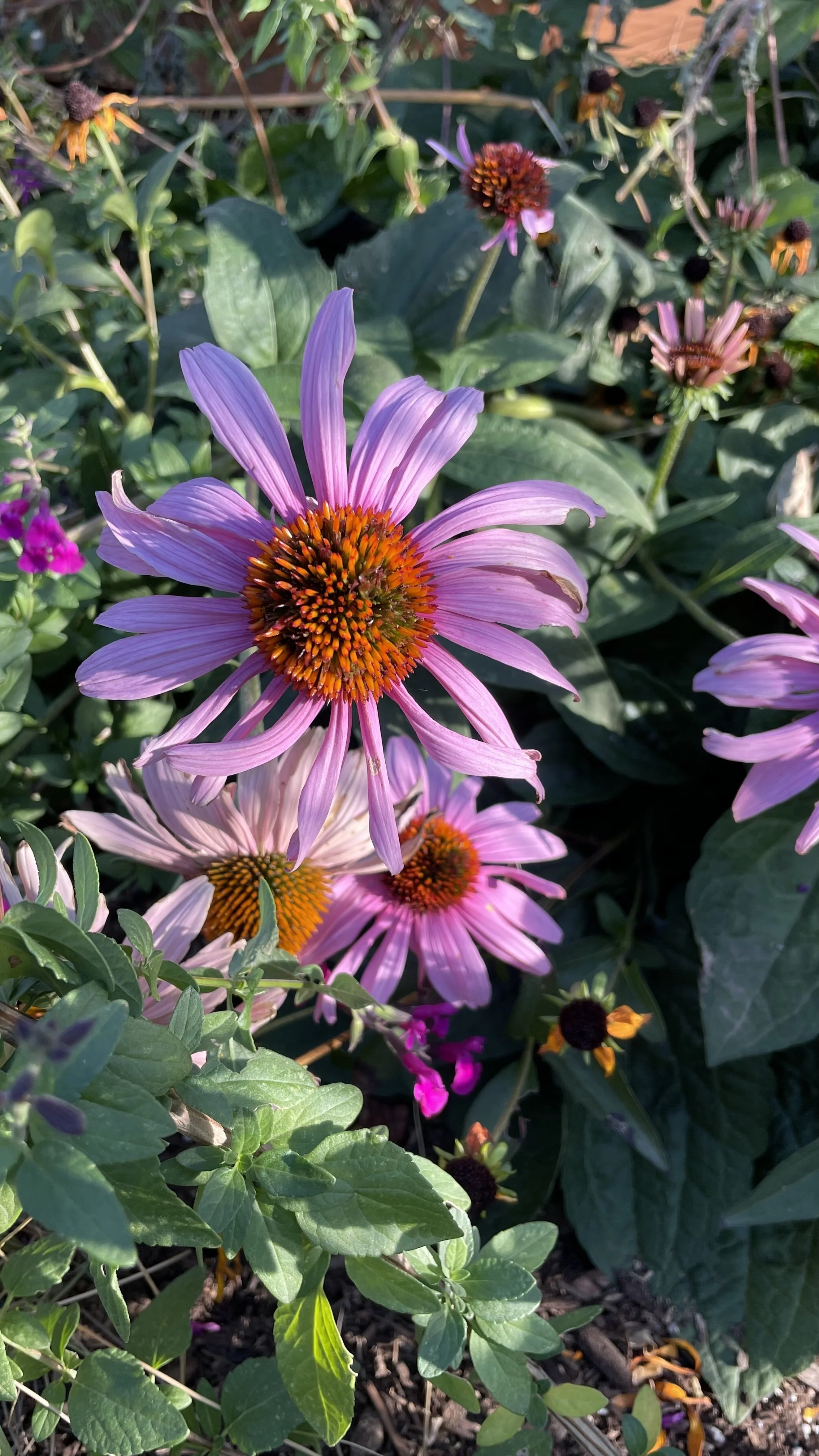
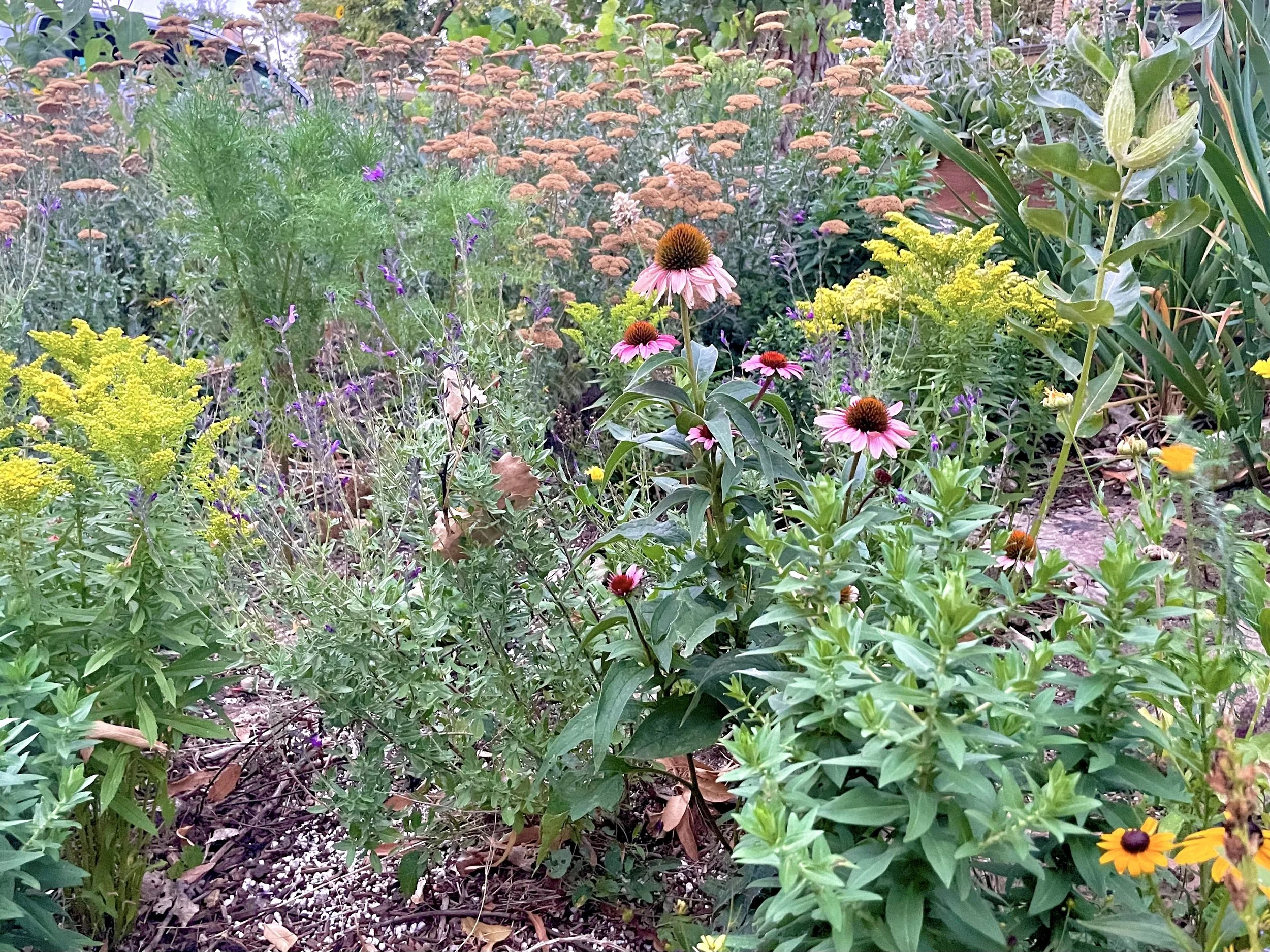
Echinacea purpurea ‘Magnus’ is a keystone plant in my Wildlife Garden
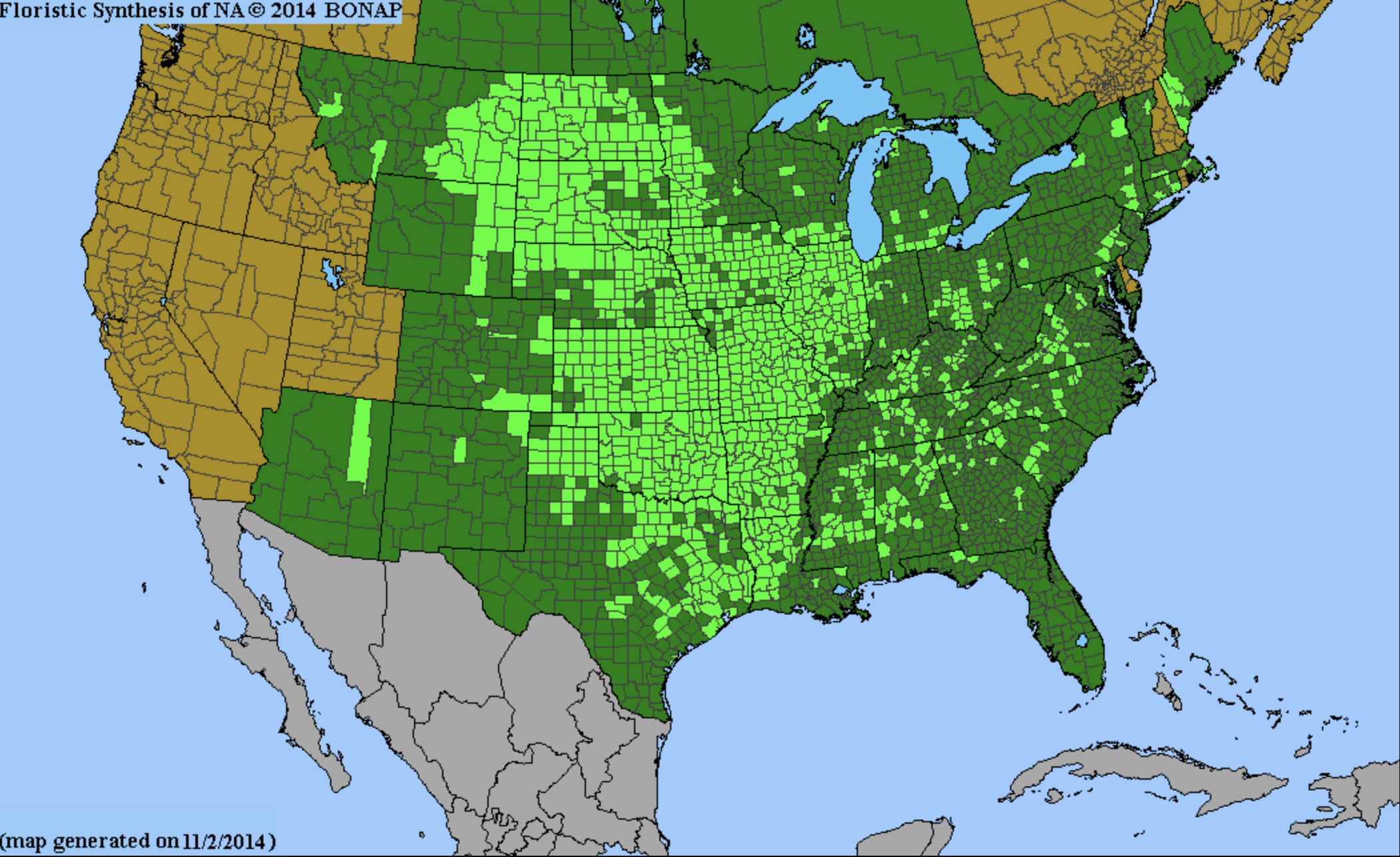
Echinacea species native distribution in the US and Southern Canada. Of course, plants don’t stop at political borders. | BONAP 2014
Where Echinacea Thrives
Great Plains & Midwest
Ideal native range
Minimal care needed
Mountain West / Colorado Front Range
Full sun
Well-drained or sandy soils
Eastern U.S.
Meadow edges
Open woodland margins
There are 9 species and a few varieties of Echinacea – all native to North America. Some like Echinacea purpurea are widespread. Others like Echinacea tennessensis are locally specialized and may only thrive in a very small area.
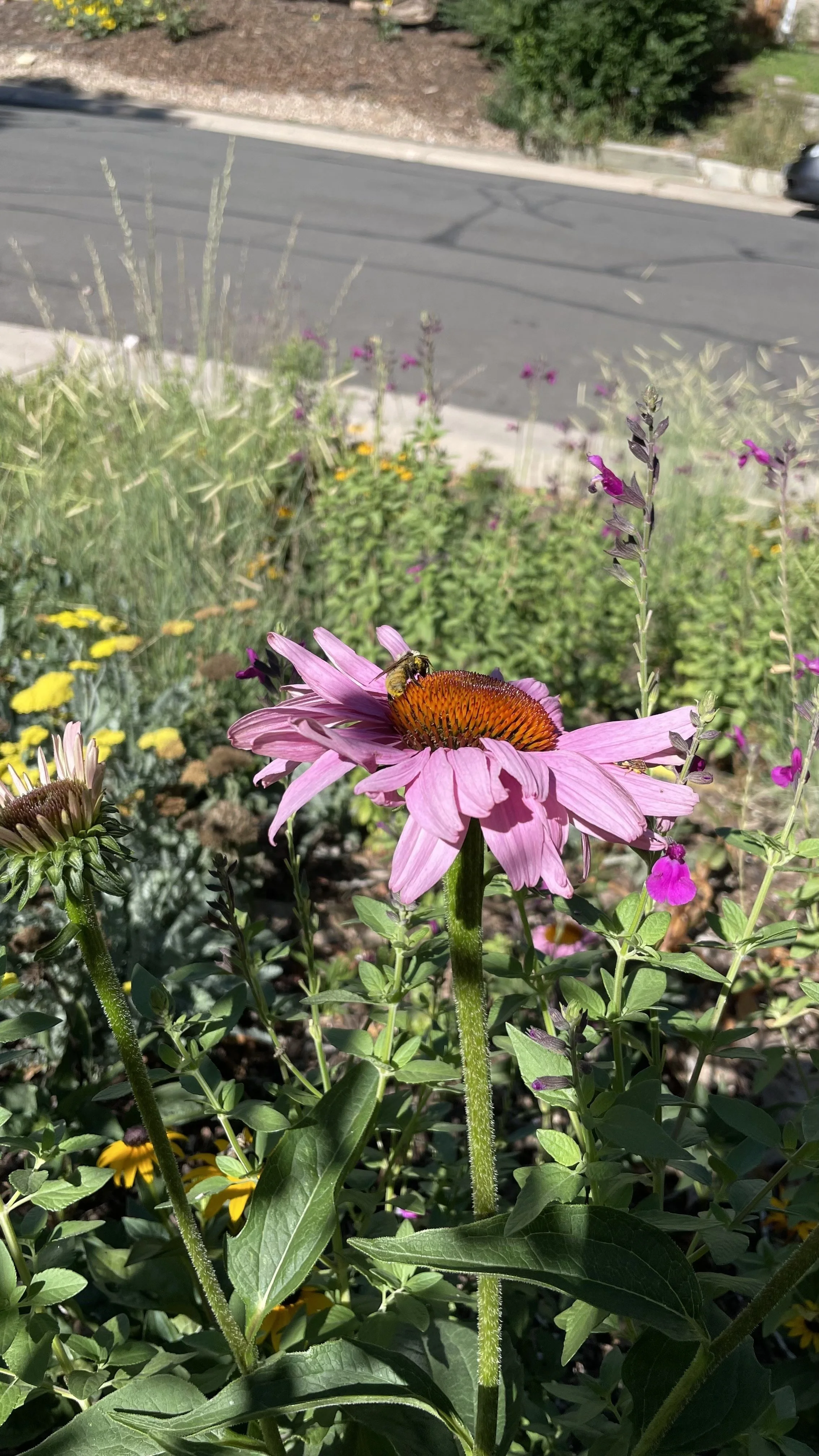
A native bumblebee sips nectar from an Echinacea bloom in the Wildlife Garden.
Why Echinacea is Exceptional for Pollinators
in the Summer & Birds in the Winter
Native plants like Echinacea play a foundational role in supporting local biodiversity. Because they are adapted to local climates and ecosystems, they require fewer inputs like water and fertilizer while providing critical food and habitat resources for wildlife.
One of the most important reasons Echinacea is so beneficial lies in its relationship with pollinators. Its distinctive cone-shaped flower head is actually made up of hundreds of tiny florets that open gradually over time.
One flower is actually HUNDREDS of flowers surrounded by a ring of petals which act like a theatre marquee – drawing insects to feast over and over again.
This structure provides a reliable and long-lasting supply of nectar and pollen, which supports a wide range of pollinators including native bees, butterflies, and even some beetles.
The sturdy, raised cone also creates an accessible landing platform – a stage, if you will – especially useful for larger insects.
Plant species with extended bloom periods are especially valuable, and Echinacea fills a crucial mid-season gap in August when many other plants are not flowering as heavily. The show continues even during intermission!
Food for a Diversity of Insects
Echinacea’s cone is made of hundreds of tiny florets that bloom sequentially, providing a long-lasting food source.
Supports native bees (including solitary bees)
Attracts butterflies and beetles
Provides a stable landing platform for larger pollinators
This structure is one reason it supports high pollinator diversity, not just abundance.
Long Bloom Window = Continuous Food
Pollinator habitats need overlapping bloom times.
Echinacea typically blooms:
Mid-summer → late summer/fall
This helps fill a mid-season nectar gap, especially important for bees and butterflies.
Benefits for Birds
Echinacea supports wildlife in multiple life stages:
Insect support → bird food
Insects attracted to Echinacea become food for birds
Insects are a critical food base for wildlife
Seeds for birds
Cone heads produce seeds eaten by finches and songbirds
Leaving seed heads standing into winter provides food
Habitat structure
Upright stems offer perching and shelter
Works well in layered habitats that attract birds
So Echinacea supports birds both directly (seeds) and indirectly (insects).
Beyond pollinators, Echinacea contributes significantly to bird populations and broader wildlife systems. First, the insects that Echinacea attracts become an essential protein source for birds, especially during nesting season when feeding young is critical. The more caterpillars the better! Seriously, start to think about caterpillars as baby bird food – because they are!
Then, as the flowers mature, they produce seeds that are particularly attractive to finches and other songbirds. Leaving the seed heads standing through fall and winter keeps the show going – bringing in preening birds to replace the flittering insects.
In this way, Echinacea supports wildlife both directly through seeds and indirectly by sustaining insect populations that form the base of the food web.
How to Grow Echinacea in Your Garden
Growing Echinacea is pretty easy! It thrives in full sun and prefers well-drained soil, though it tolerates poor or sandy conditions remarkably well. In my garden, it doesn't mind my heavy clay soil, either.
Once established, it is drought-tolerant and requires minimal maintenance. This makes it particularly well suited to regions like Colorado and the broader Mountain West.
You can choose whether to deadhead spent flowers to encourage more blooms or leave them intact to support birds later in the season. From an ecological perspective, leaving the seed heads in place provides greater overall benefit.
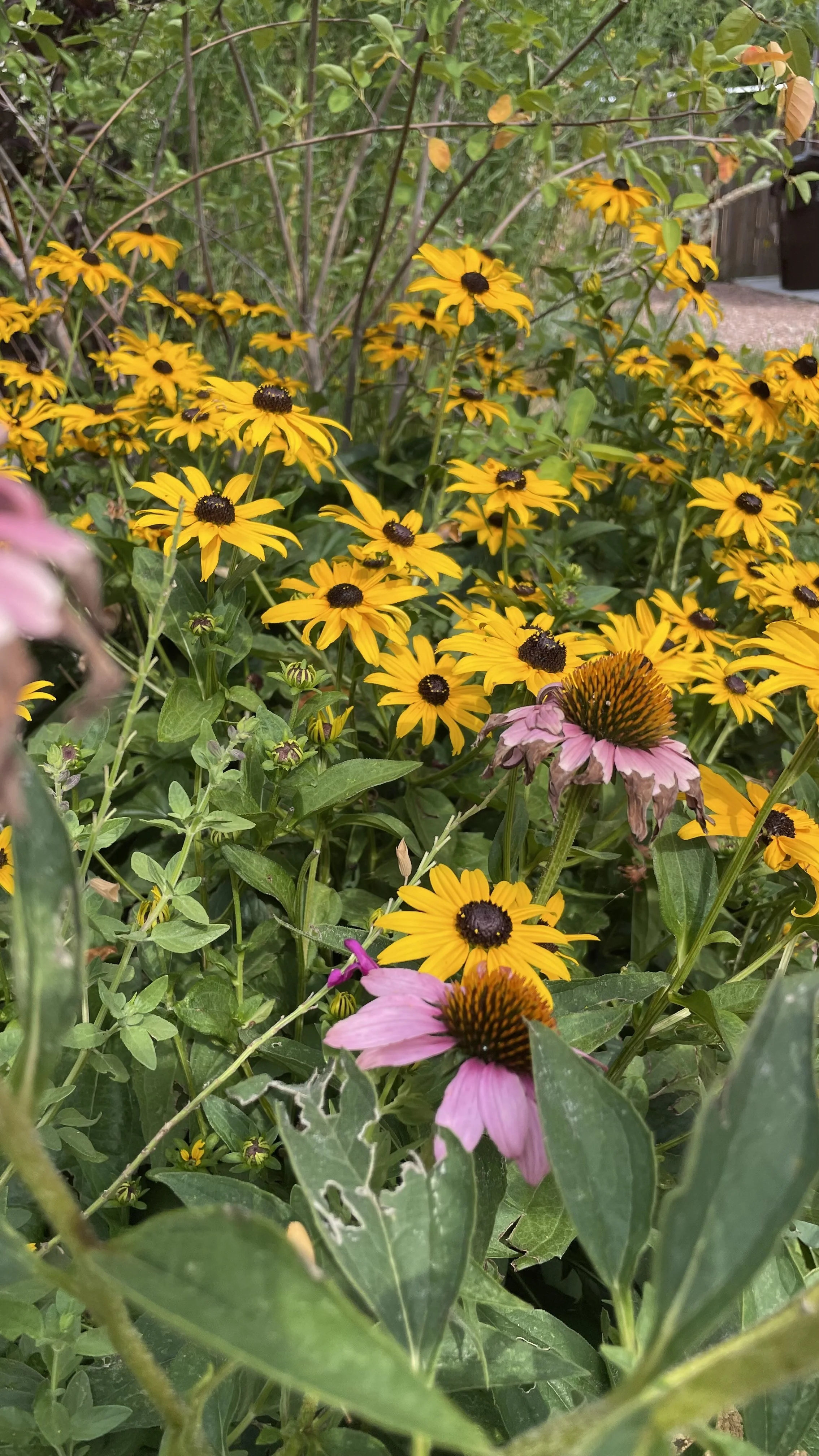
Not all Echinacea varieties perform equally when it comes to supporting wildlife. Straight species such as Echinacea purpurea and Echinacea angustifolia tend to offer the greatest ecological value because their flower structures and nectar production remain closest to what pollinators evolved with.
Many gardeners also use cultivated varieties, often referred to as “nativars,” such as ‘Magnus’ or ‘PowWow Wild Berry,’ which retain much of the original structure and still attract and feed pollinators well.
However, more heavily bred ornamental hybrids—especially those with double petals or really unusual colors—can be significantly less useful to wildlife. University research has shown that these modifications can reduce nectar availability or make it physically harder for insects to access pollen. While these varieties may be visually striking, they are best used sparingly in gardens intended to support pollinators and other wildlife.
How to Grow Echinacea
Site conditions
Full sun (best flowering)
Well-drained soil (tolerates poor soils)
Hardy roughly USDA zones 3–9
Planting
Direct sow in spring or fall, or transplant seedlings
Space ~12–24 inches apart
Water to establish (1 growing season); then very drought-tolerant
Maintenance
Minimal fertilizer needed
Deadheading optional:
✔ More blooms if cut
✔ More bird food if left standing
For wildlife gardens: leave seed heads through winter
I stop deadheading in mid-August.
Design Tips
Plant echinacea with:
Early bloomers (spring nectar)
Late bloomers (fall support)
Plant in clusters/drifts for better pollinator visibility
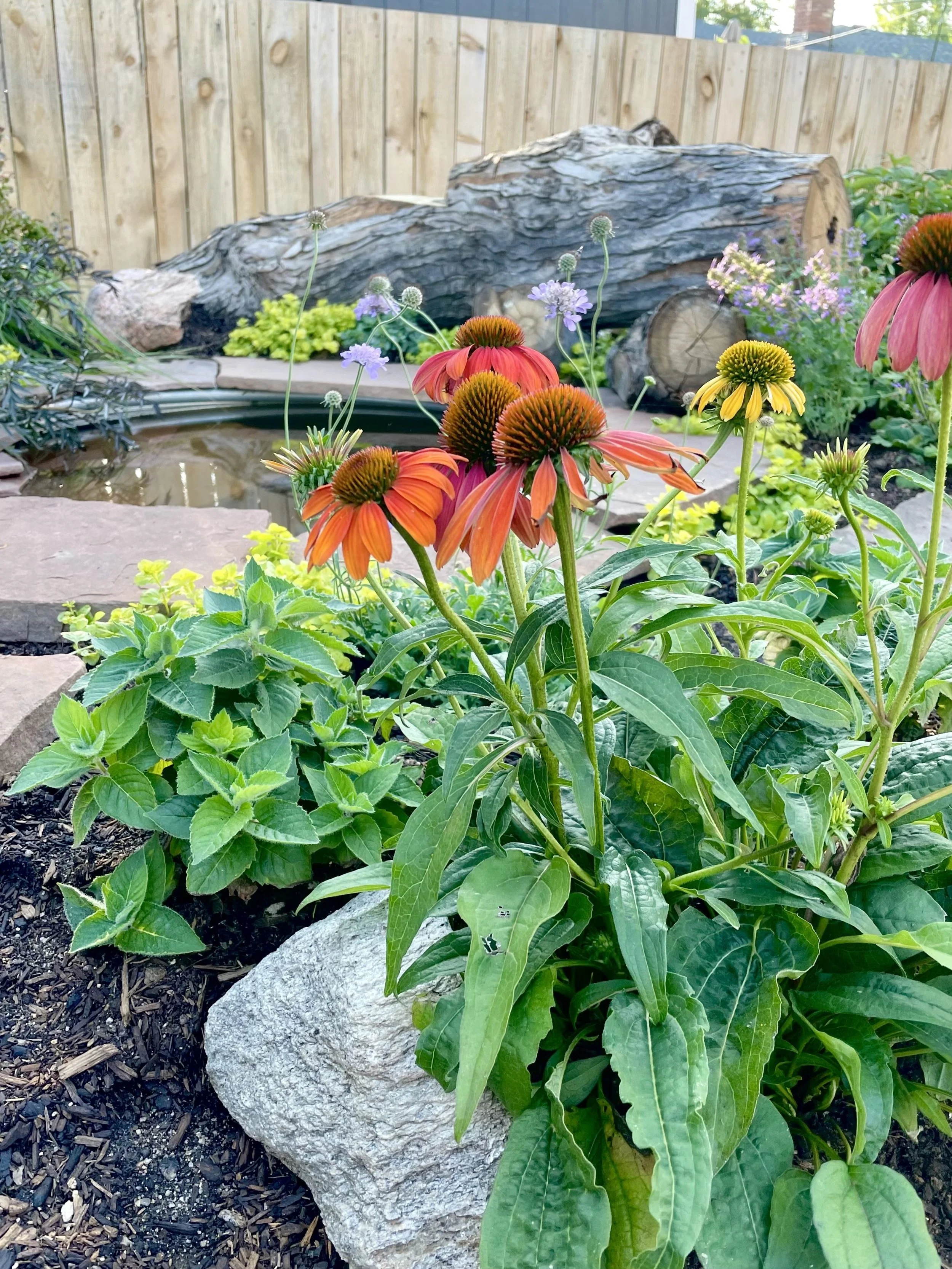
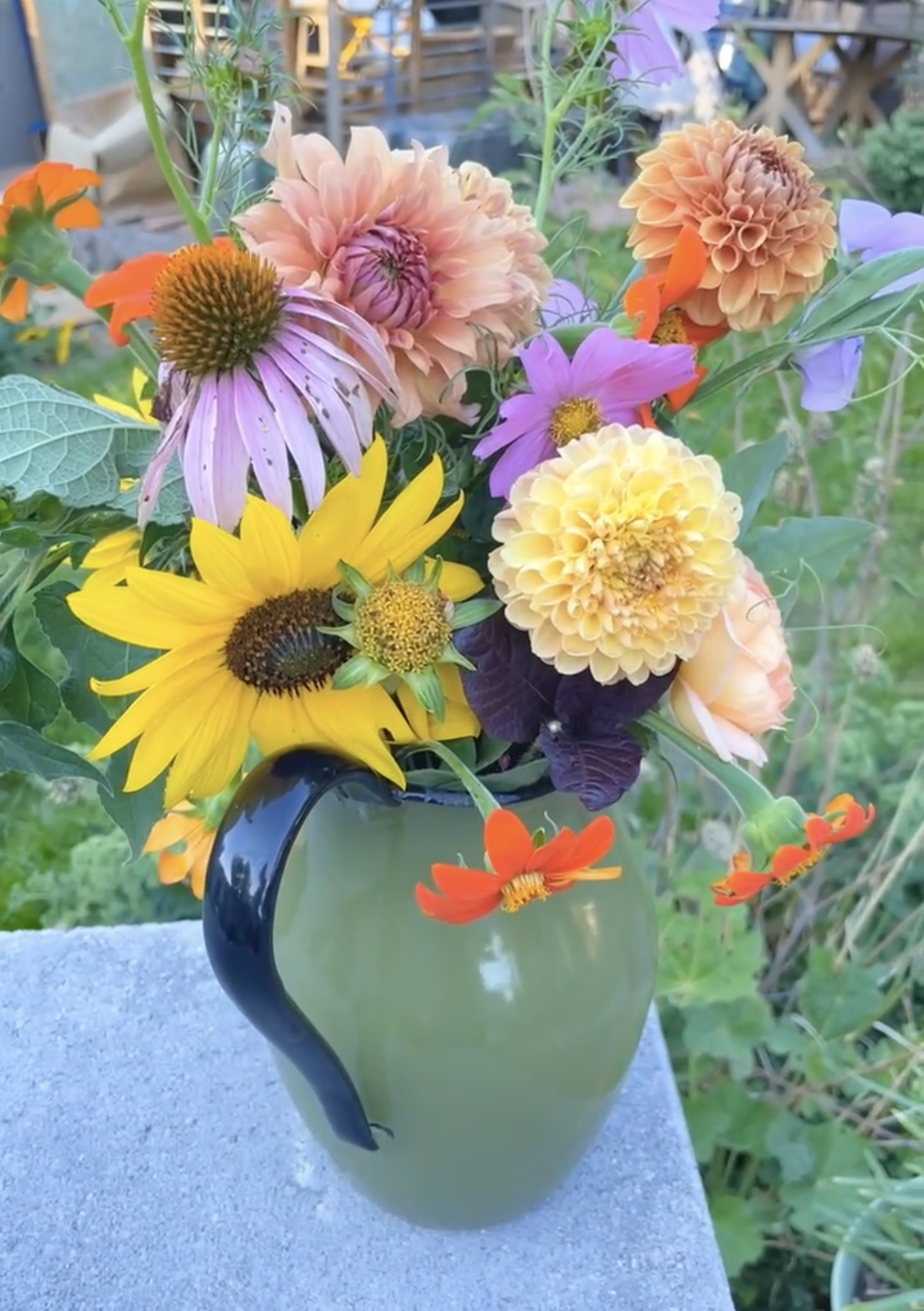
I bought these on the cheap at a garden center. They are a pop of color for me — not very attractive to pollinators, though.
Note: Native Species Outperform Many Cultivars
University and research findings warn:
Some highly bred cultivars get fewer pollinator visits
Altered traits (double petals, unusual colors) can reduce nectar/pollen access
Best practice: Prioritize “straight species” or near-native selections for wildlife value. Look for flowers that are shades of white, purple, and yellow – the closest to our straight native species. And use the fancy cultivars as accents rather than the main attraction.
More Plants for Less Money
Echinacea is one of those plants that is so important in many parts of the continent, that it should be a keystone plant in your garden if you live in east of the Rocky Mountain region of North America.
One of the best ways to do this is to plant Echinacea in bulk – think about big swathes of purple or white blooms. But how do you accomplish this? There are several key ways to get that mass-planted effect:
Sow Seeds:Echinacea purpurea is one of those species that is readily available as seed – even by the pound. If you have a large area to cover, this can be the most economical way to go, but you have to prepare the area the right way and sow at the right time of year to be successful.
Grow from Seed: if you aren't covering quite such a big area, growing your own plugs from seed can be a good way to start.
Buy in Bulk: some growers like High Country Gardens offer starts in bulk. HCG calls it Buy More, Save More – and several of their Echinacea varieties are available in bulk at a discount
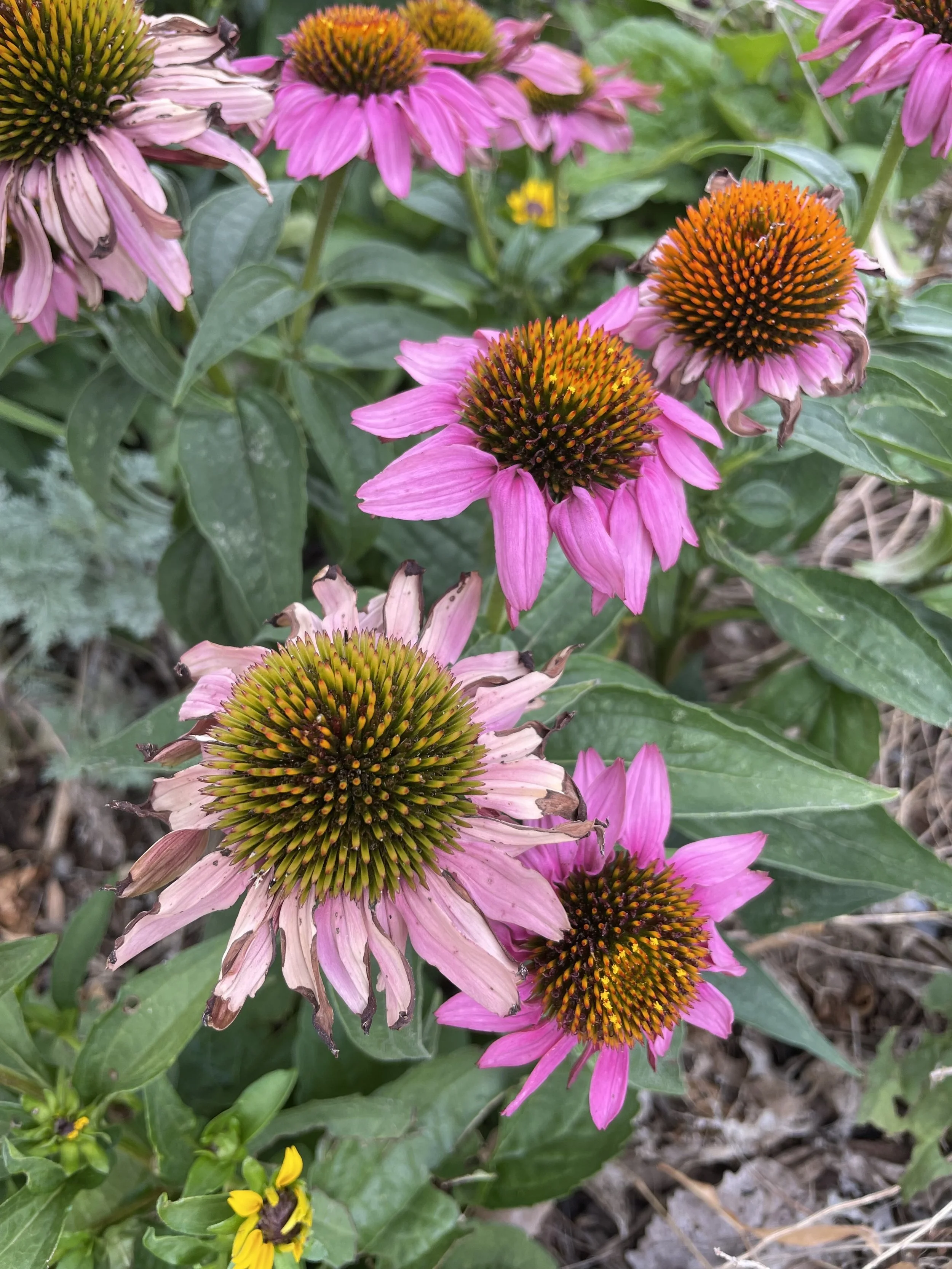
Echinacea in My Garden
This year I am adding 36 PowWow Wild Berry Echinacea (Echinacea purpurea 'PAS702917') to my Wildlife Garden – from High Country Gardens. I will plant them in six big clumps of 6 plants each – bringing more color and vibrance to the garden in August which is a time when I've noticed it needs an infusion of nectar and pollen.
at the close…
By incorporating native plants like coneflowers, we gardeners can help restore fragmented habitats, support declining pollinator populations, and strengthen local food webs. These plants not only survive in challenging conditions but they actively contribute to the health of the surrounding ecosystem.
By choosing plants like Echinacea for our gardens, we are bringing beauty to our surroundings – and supporting our local wildlife, too. So let's get out there and plant some Echinacea! Bring a little theater to your garden, too. You'll be delighted by the show!
This post originally appeared on my Substack. Subscribe to my Substack, and all of this gardening goodness will appear in your email inbox weekly!
Happy Gardening!
Angela
Subscribe now so you never miss a thing!