

Plant This!
Nepeta | Catmint
Growing Nepeta for Pollinators
Easy Tips for a Bee-Friendly Garden
I’m not sure when I first encountered Nepeta (commonly called “catmint”). Probably when I lived in Sacramento where despite the unrelenting heat of summer it bloomed and always looked fresh and happy. I grew it at the base of my undefeatable rose, and they seemed to be such happy companions in the dry heat of California’s Central Valley.
When we moved here it seemed impossible that the same plants might thrive in our hot and dry plus very cold and snowy climate. But they do! Certainly, I grow different varieties here than in California, but Nepeta is one of those plants without which I will probably never garden again.
A member of the mint family (Lamiaceae), Nepeta is actually a huge group of low-growing plants from the Mediterranean region including Northern Africa and spreading into Eurasia. Like most members of Lamiaceae, Nepetas have square stems – something I love about them.
There are more than 250 species of Nepeta – and many more commercial varieties. This explains why a plant I loved in Sacramento is also one I can grow in Colorado. The range of Nepetas is vast, and they can be used in a wide range of gardens.
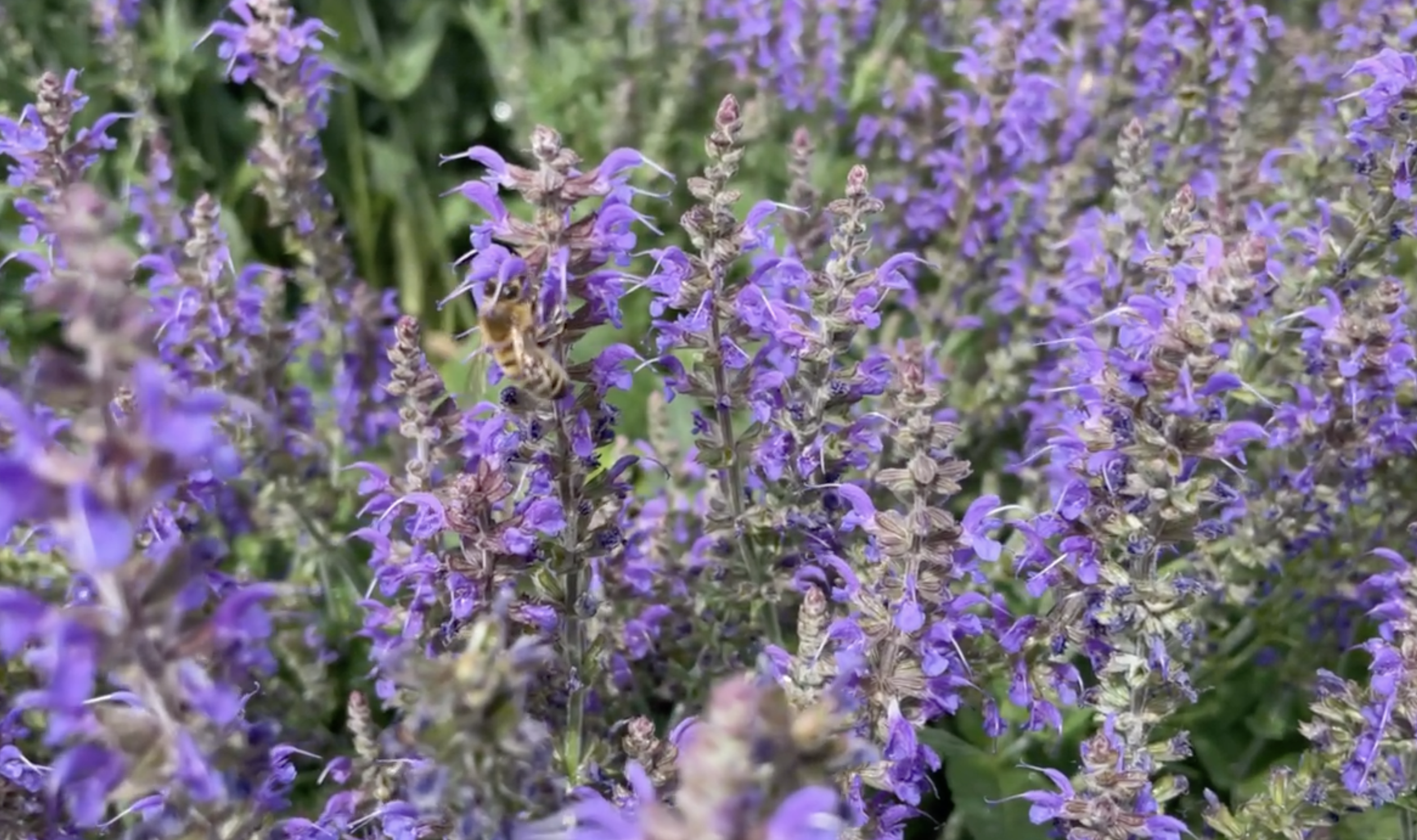
One of the fabulous things I notice about Nepetas, too, is that they attract a range of pollinators – not just European honeybees (for whom these plants would be familiar). This easy-care perennial combines long bloom times, drought tolerance, and exceptional pollinator value—making it ideal for those of us who are home gardeners wanting beauty and ecological impact.
What Is Nepeta?
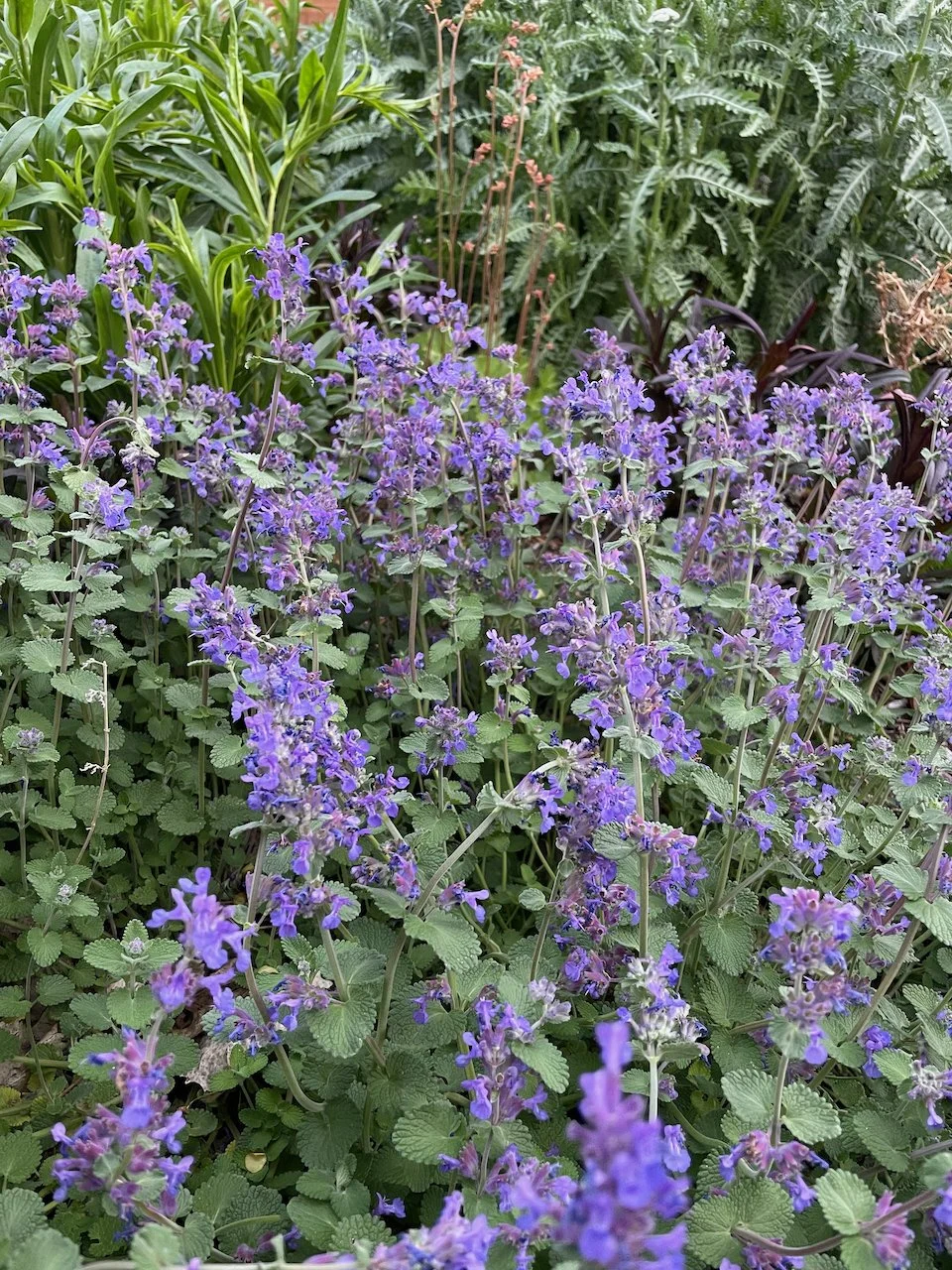
Nepeta is a genus of herbaceous perennials in the mint family (Lamiaceae). It’s native to parts of Europe, Asia, and Africa.
These plants are known for their soft gray-green foliage, aromatic leaves, and spikes of lavender, blue, or white flowers that bloom for months.
My Favorite Varieties of Nepeta
When you head to the garden center or shop online, there are several varieties of Nepeta which dominate North American nurseries. These are the workhorses which thrive in a range of conditions and climates. And they are so popular, because they are so reliable! But it is very important to pay attention to the plant labels when you are shopping. The growth habits of Nepeta – and the conditions in which they thrive – vary widely.
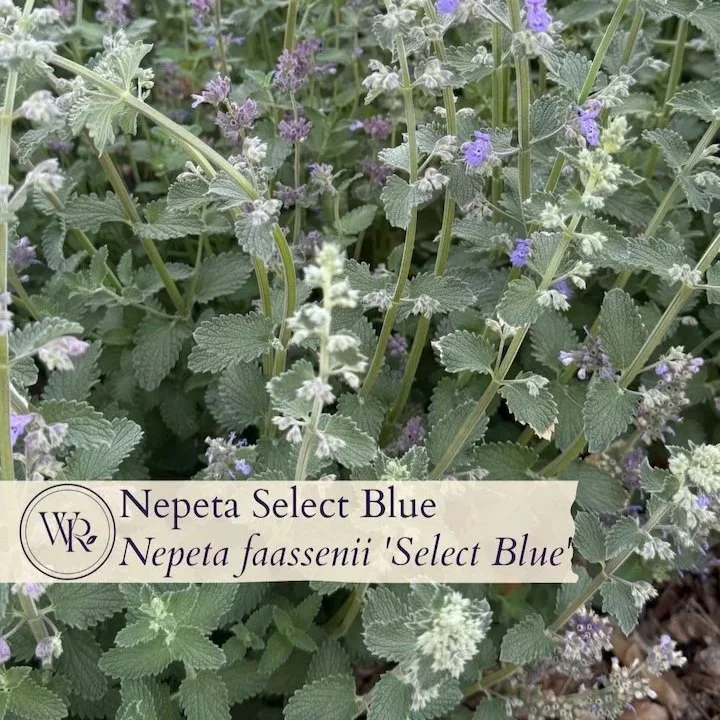
Nepeta faassenii ‘Select Blue’
Has amazing, deep blue flowers and gets to be about 18” tall
My recommendation: Buy plants at a nursery. Seed-grown Nepetas tend to self-seed easily and can be rather weedy spreading in your garden – and your neighbor’s gardens, too. I grow sterile cultivars for this reason. I don’t want my plants to spread far afield. And Nepetas can be divided every 3-5 years, so if you start with a few plants, you can multiply your stock pretty quickly.
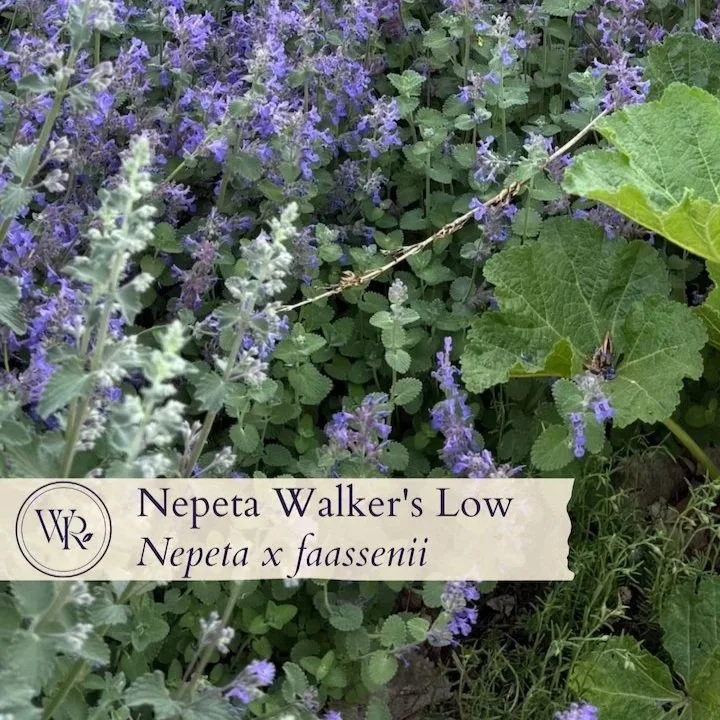
Nepeta x faassenii ‘Walker’s Low‘
Not Low because it is short (it is about 24” tall), but named for the part of a garden in Ireland where it was cultivated.
With three varieties in the garden, one is almost always blooming. They seem to take over for each other.
Other Nepeta Varieties
Little Trudy (Nepeta x ‘Psfike’ PP#18904): only grows to 8-10” tall! I haven’t grown this one, but it would be great in the front of a border
‘Six Hills Giant’: a very tall variety that gets to be 2-3 ft. in height and width; more tolerant of wet conditions; may do well in Midwestern or rain gardens
‘Snowflake’: a smaller version of the species with white blooms
‘Superba’: a diminutive variety that grows more like a groundcover
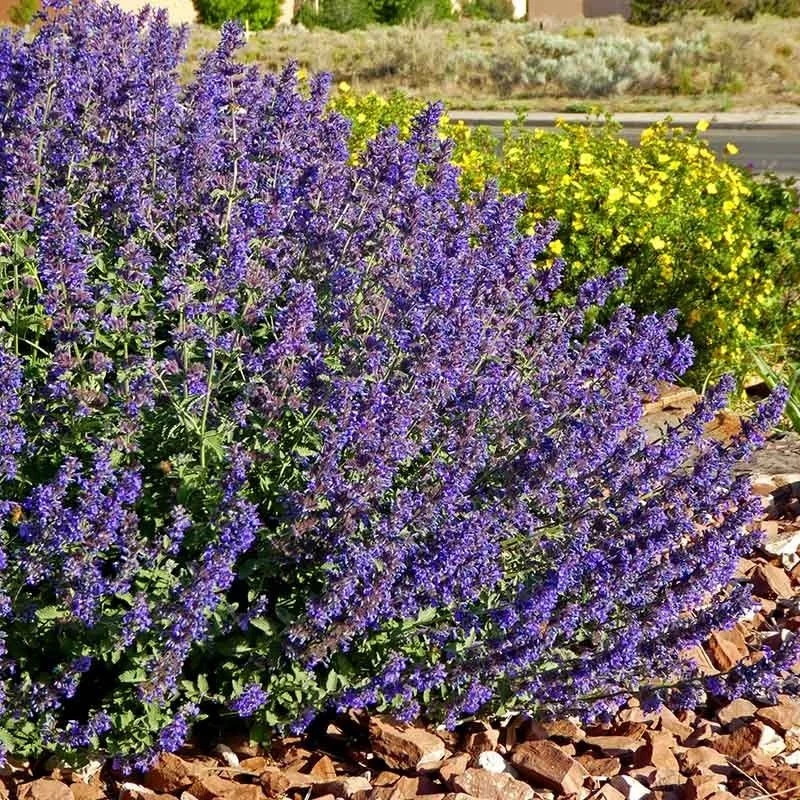
This variety is new to me, but I just planted it in the absolute hottest, driest part of my front garden as part of the Soft Colors Inferno Strip Pre-Planned Garden from High Country Gardens. I fully expect it will flourish there despite the heat and drought conditions.
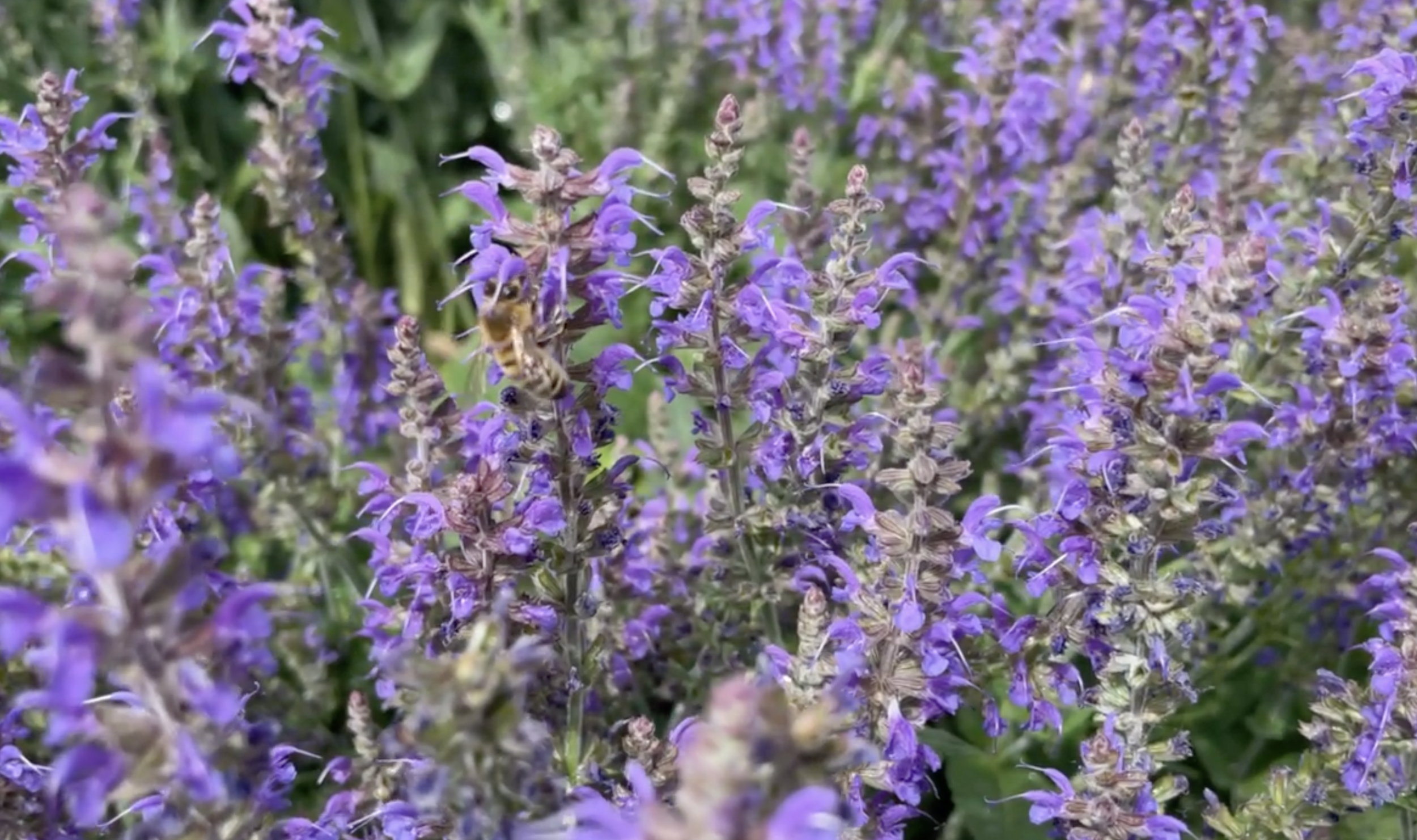
Why Nepeta Is Excellent for Pollinators
Nepeta is pretty, perennial, and a pollinator powerhouse.
Its nectar-rich flowers attract bees, butterflies, and other beneficial insects.
It supports a wide range of native and managed pollinators, including honey bees, bumblebees, leafcutter bees, and more.
Blooming can last from late spring through summer (and even longer with pruning), providing a consistent food source.
In pollinator gardens, continuous bloom is critical, and in many gardens it blooms in late summer – a period when many plants are resting and not flowering. So it can fill an important hunger gap.
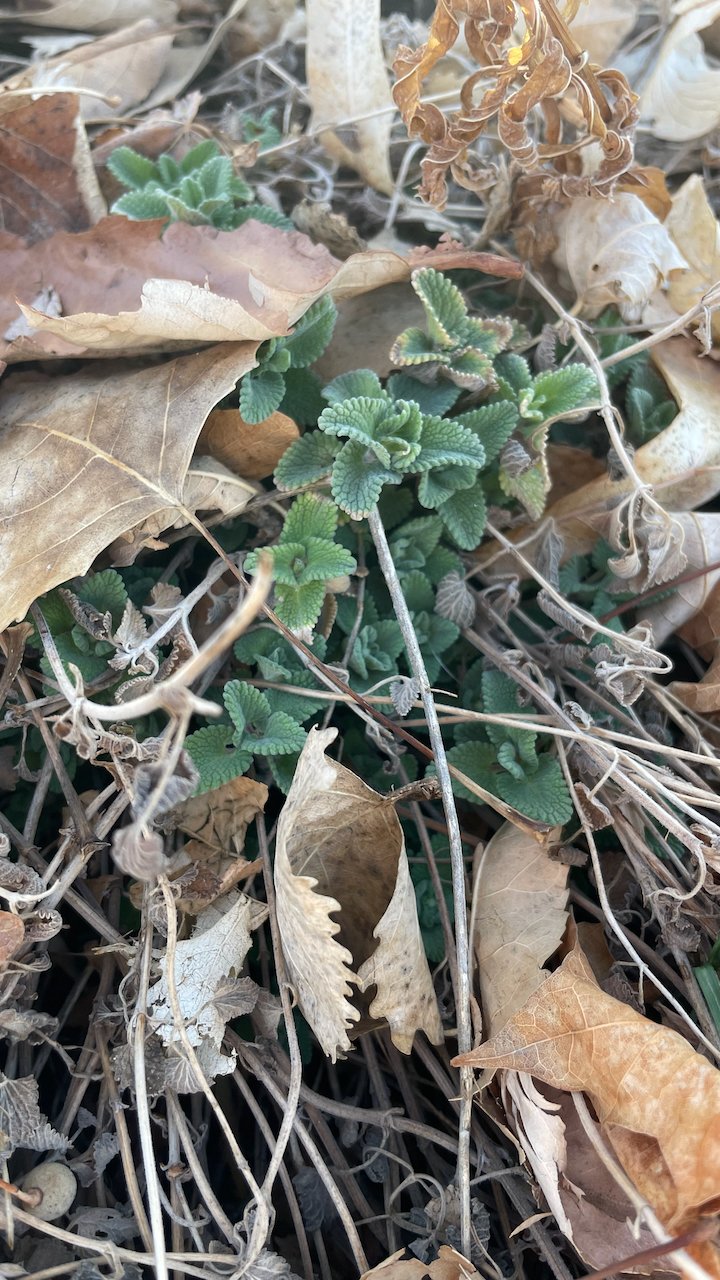
Benefits of Growing Nepeta in a Home Garden
Long Bloom Season: Nepeta produces waves of flowers from late spring into fall, especially if you trim it back after the first flush.
Drought Tolerant & Low Maintenance: Once established, it thrives in dry conditions and poor soils—perfect for busy gardeners or water-wise landscapes.
Pest Resistance: Its aromatic foliage can help repel pests like aphids and squash bugs, reducing the need for chemical controls.
Deer and Rabbit Resistant: Like many mint-family plants, Nepeta is typically avoided by rabbits and deer, making it a reliable choice in rural or suburban areas.
Pruning & Maintenance Tips
To keep Nepeta blooming and looking tidy:
Shear back after the first bloom to encourage a second flush of flowers
Cut plants back by about half to maintain shape and prevent legginess
Divide every 3-5 years when clumps become too large
How to Grow Nepeta Successfully
Light
Full sun is best for maximum flowering
Some varieties tolerate partial shade, especially in hot climates
Soil
Prefers well-drained soil
Adaptable to clay, sandy, or rocky soils
Watering
Water regularly until established (for the first growing season)
After that, it’s highly drought tolerant
Flowers more reliably with some watering
Best Ways to Use Nepeta in a Pollinator or Wildlife Garden
Nepeta is incredibly versatile in design:
Border plant along pathways
Mixed into pollinator beds with coneflowers, salvia, or at the base of roses
Rock gardens or dry landscapes
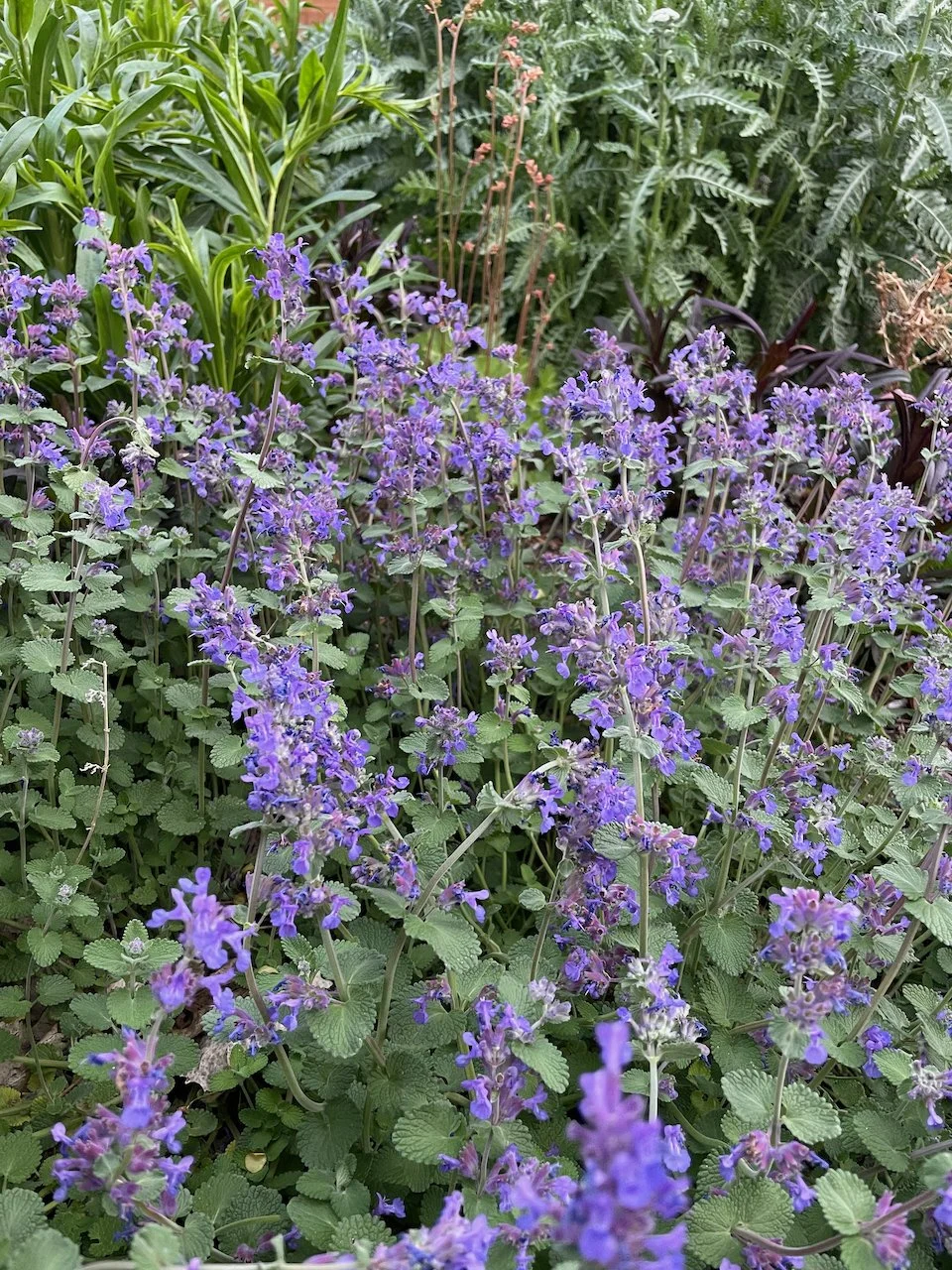
Most commercially-available Nepetas grow in a mounding shape – one of my favorite shapes to use. Plant it with contrasting shapes – the spikey leaves of Iris or the tall flower spikes of Penstemon, for example – to achieve a beautiful effect.
As much as I love Lavender, and I do, I use Nepeta more often. It is just a little more flexible and performs better overall.
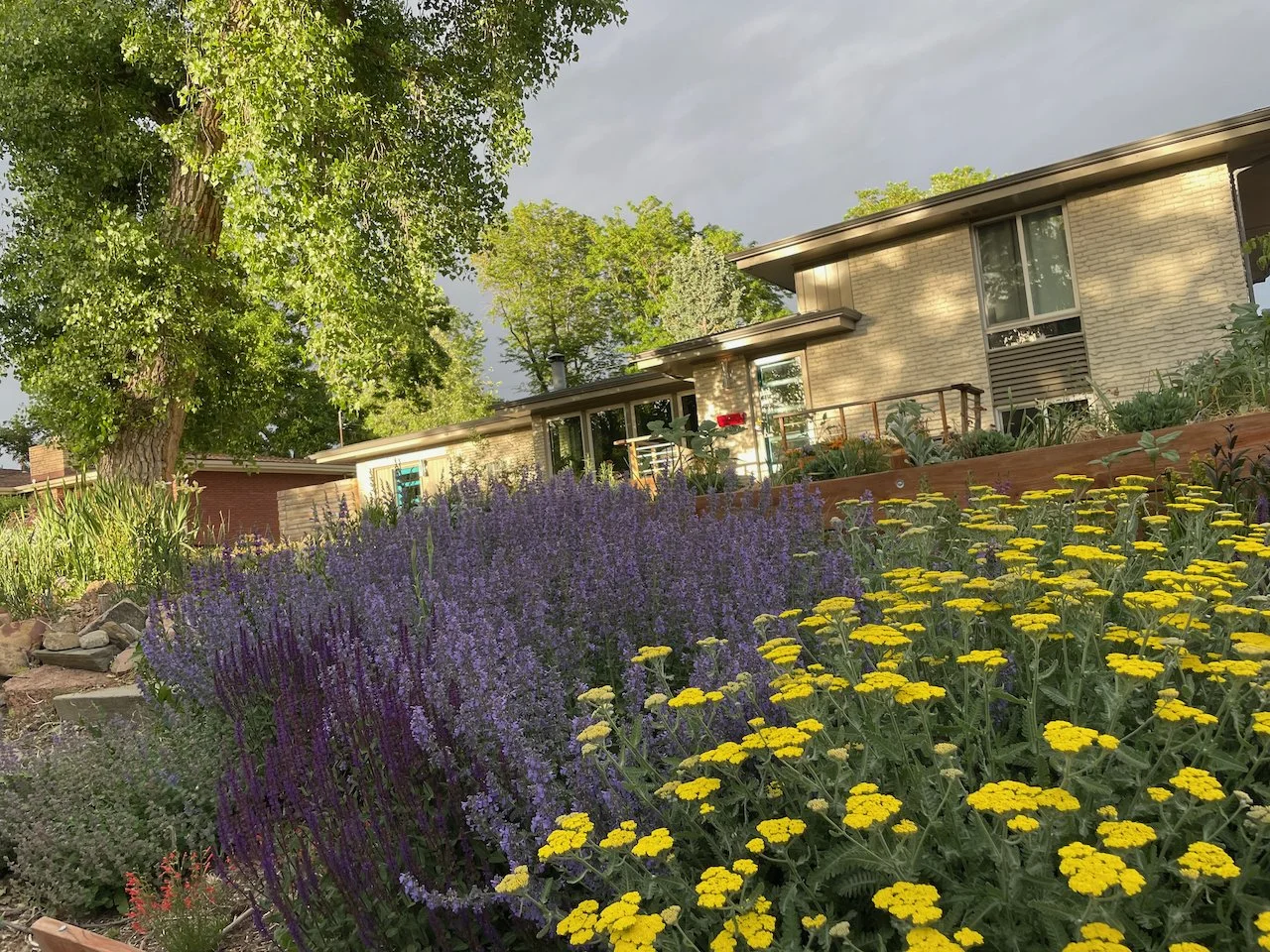
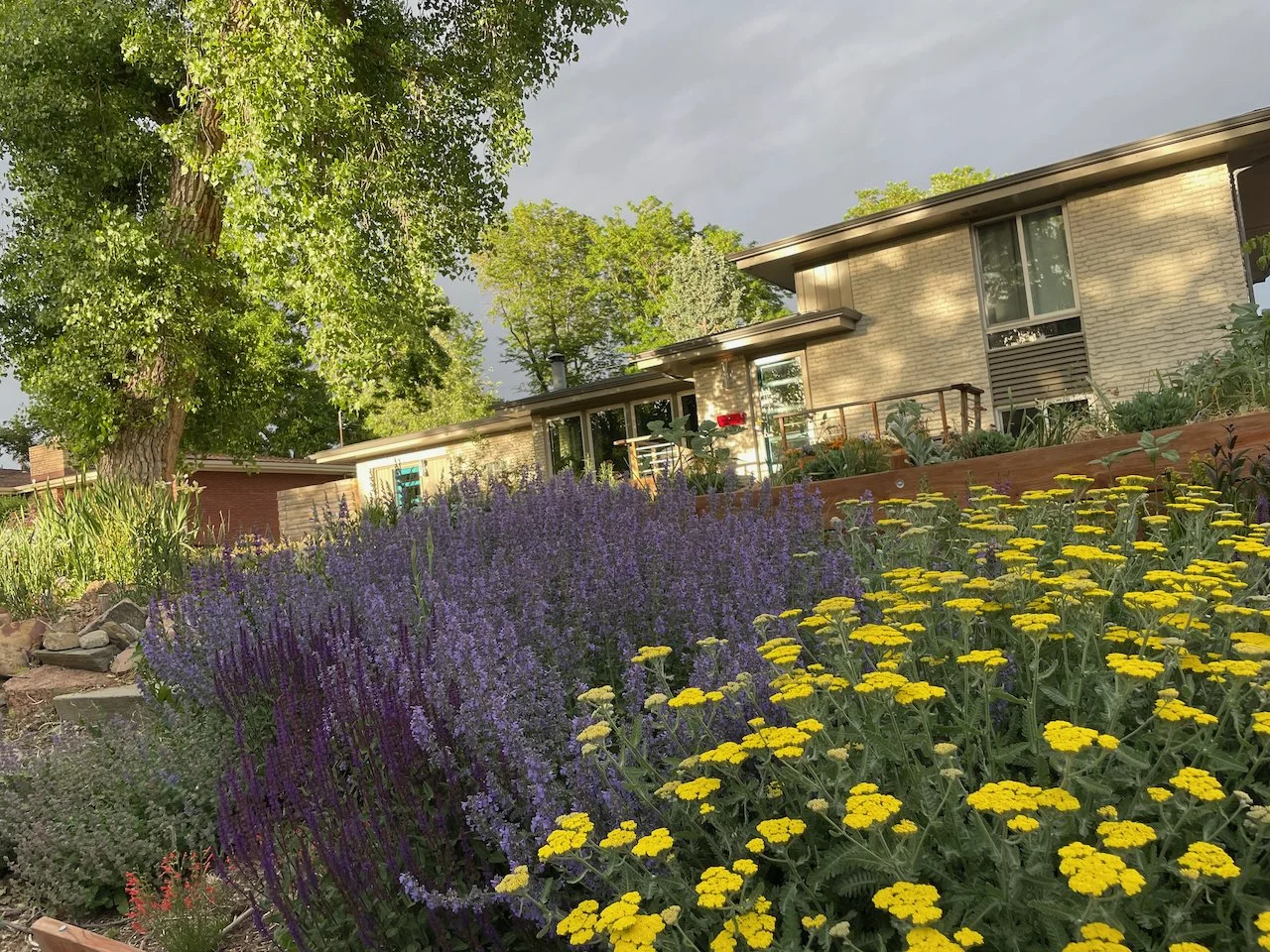
In my Wildlife Garden, I love the mounds of Nepeta contrasted with the yellow flowers of Achillea. They look beautiful together, and they are both covered with insects all summer long.
Note: Nepeta and Calamintha are Not the Same
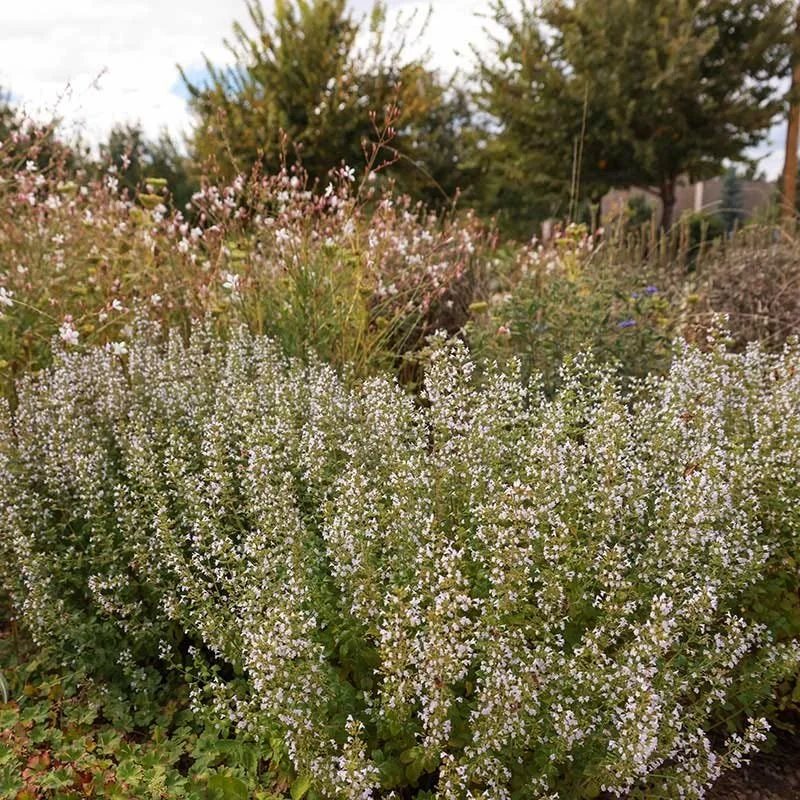
This can cause some confusion at the garden center. There is even a plant named Calamintha nepeta – this is NOT a Nepeta. Calamintha is a different genus of plants with very similar characteristics. And Calamintha nepeta is named as such because of its similarities to Nepetas.
Both have square stems and are members of the mint family, but Calaminthas have smaller leaves, white blooms, and a different fragrance. They are not attractive to cats, either, which could be a plus for your garden – depending on how you feel about cats.
A Note on Catnip
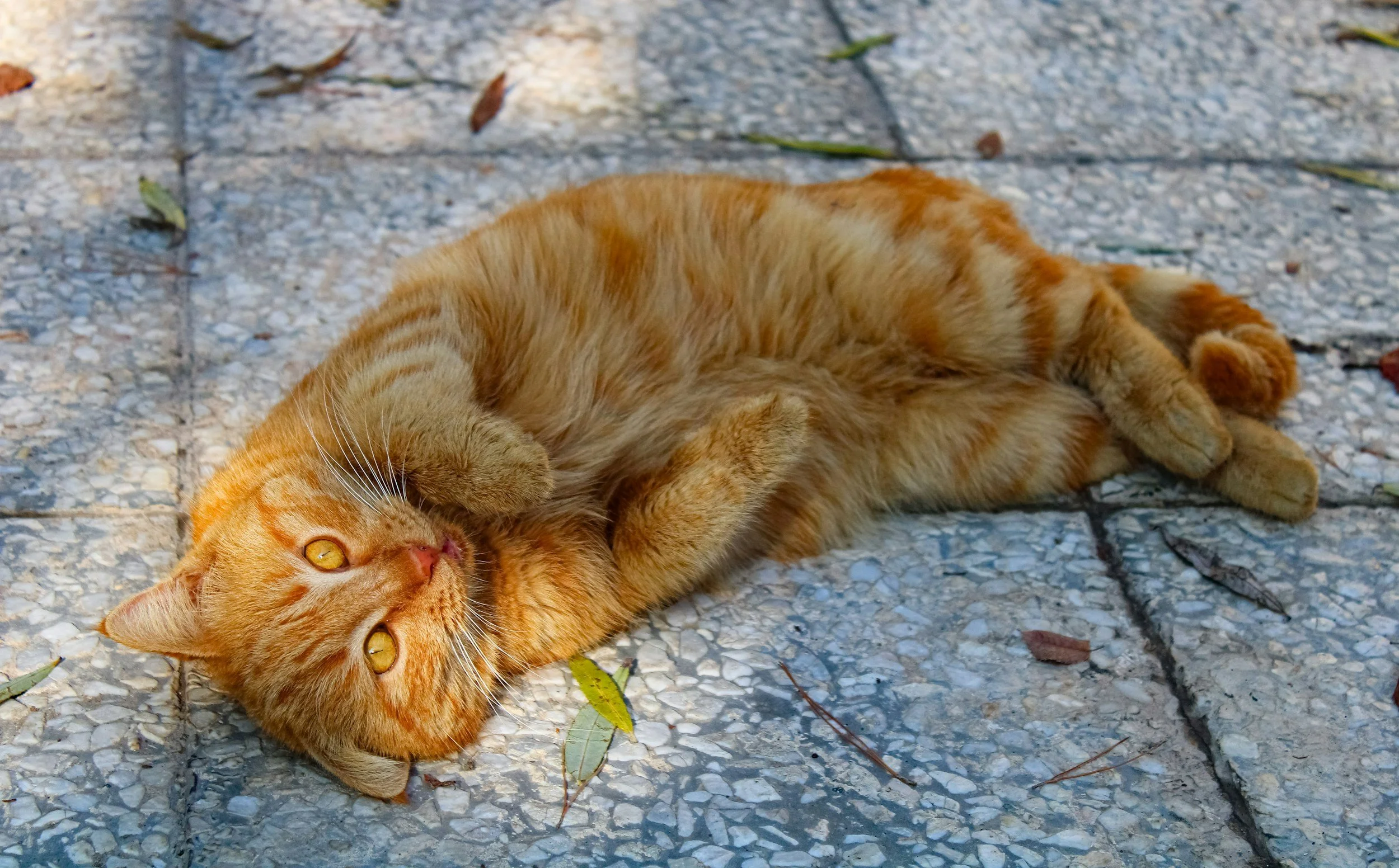
If you want to draw all of the neighborhood Toms to your yard, planting Catnip (Nepeta cataria) will do the trick.
Catnip “contains a chemical called nepetalactone in its leaves and stems that can impact your cat’s behavior.
When cats are exposed to nepetalactone by smell, it acts as a stimulant, causing some cats to have an uptick in activity. When ingested, nepetalactone has a sedative effect. It is thought that this chemical mimics natural pheromones, acting on those receptors to elicit a response.
‘Catnip has a psychoactive effect, meaning that it can make cats high for about 15-30 minutes after exposure,’ Teller said.”
(Source: “Teller, Lori. Feline Fine: The Benefits of Catnip. Texas A&M University College of Veterinary Medicine & Biomedical Sciences, 5 Dec. 2019, https://vetmed.tamu.edu/news/pet-talk/feline-fine-the-benefits-of-catnip/)
It’s not just a myth! But as a gardener, you then need to be prepared for two things:
cats using your garden as a litter box
cats predating song birds and other wildlife in your garden
Personally, I don’t want either of those things happening! Plus, catnip isn’t the prettiest of Nepeta species. Frankly, it looks like a weed (Cat Weed, anyone), and unlike many other Nepeta varieties, it spreads a lot. So I keep it out of my garden!
at the close…
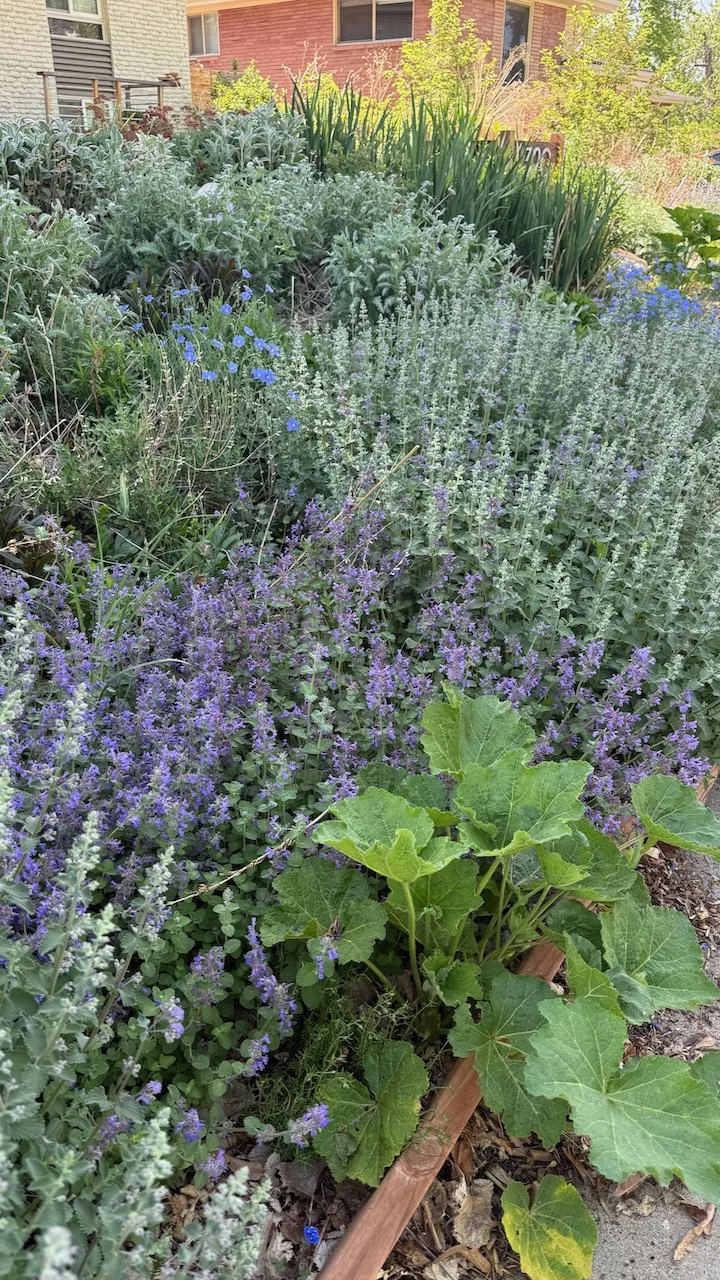
We all want to support pollinators in our gardens, and Nepeta is one of those reliable perennials that help support insects while also just being pretty. With its long bloom time, adaptability, and ability to attract a wide range of beneficial insects, it’s a reliable cornerstone for any eco-friendly landscape.
Plant it once, give it sun and good drainage, and enjoy a steady stream of pollinators all season long. Nepeta is one of my favorite plants in the Wildlife Garden. It isn’t the star. We can’t all be stars, right? But it does its job without complaint, and is so solid every season. I can’t imagine my garden without it!
If you have questions, don't hesitate to ask!
This post originally appeared on my Substack. Subscribe to my Substack, and all of this gardening goodness will appear in your email inbox weekly!
Happy Gardening!
Angela
Subscribe now so you never miss a thing!