

Plant This!
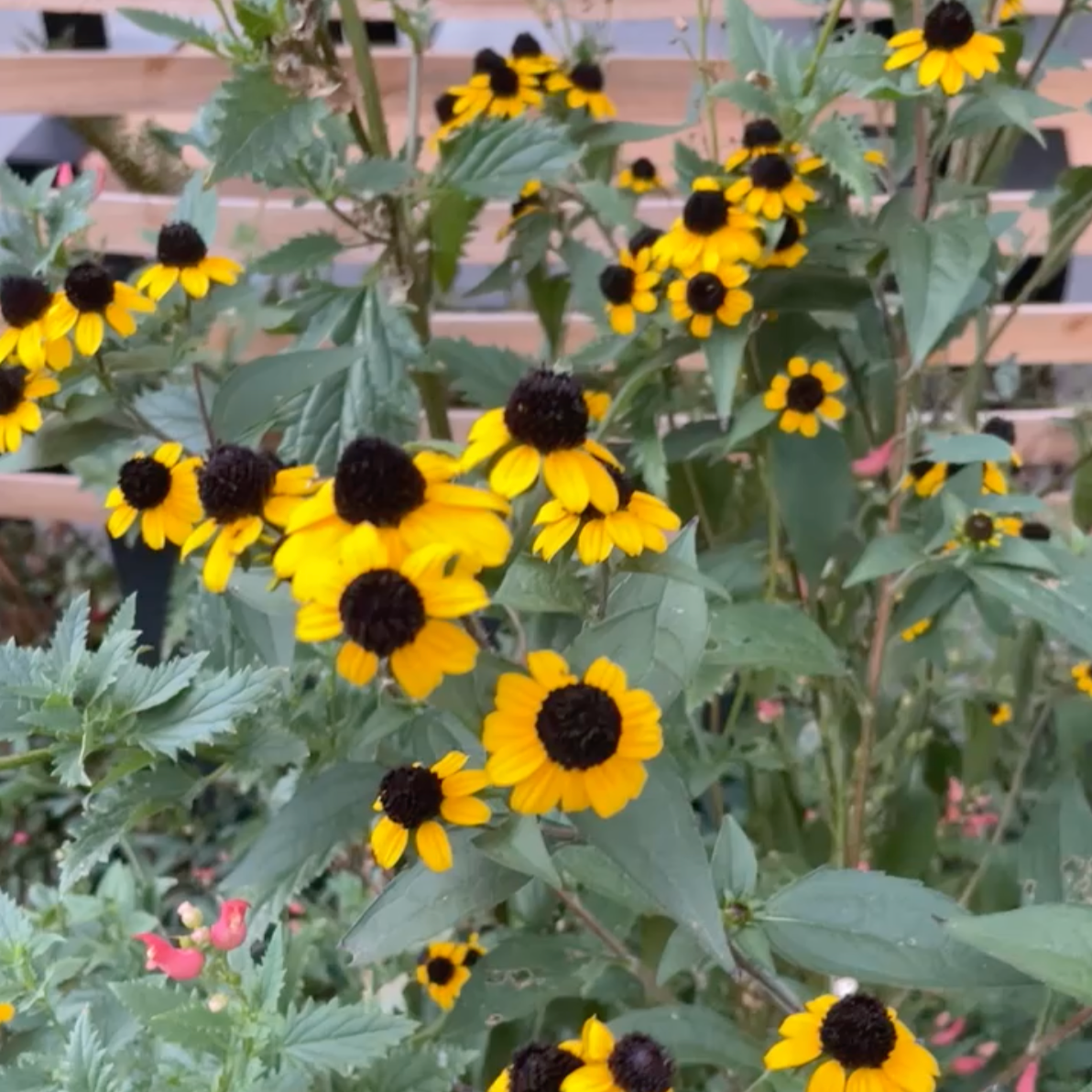
Rudbeckia | Black-Eyed Susan
Rudbeckia
one of the best plants for birds and bugs
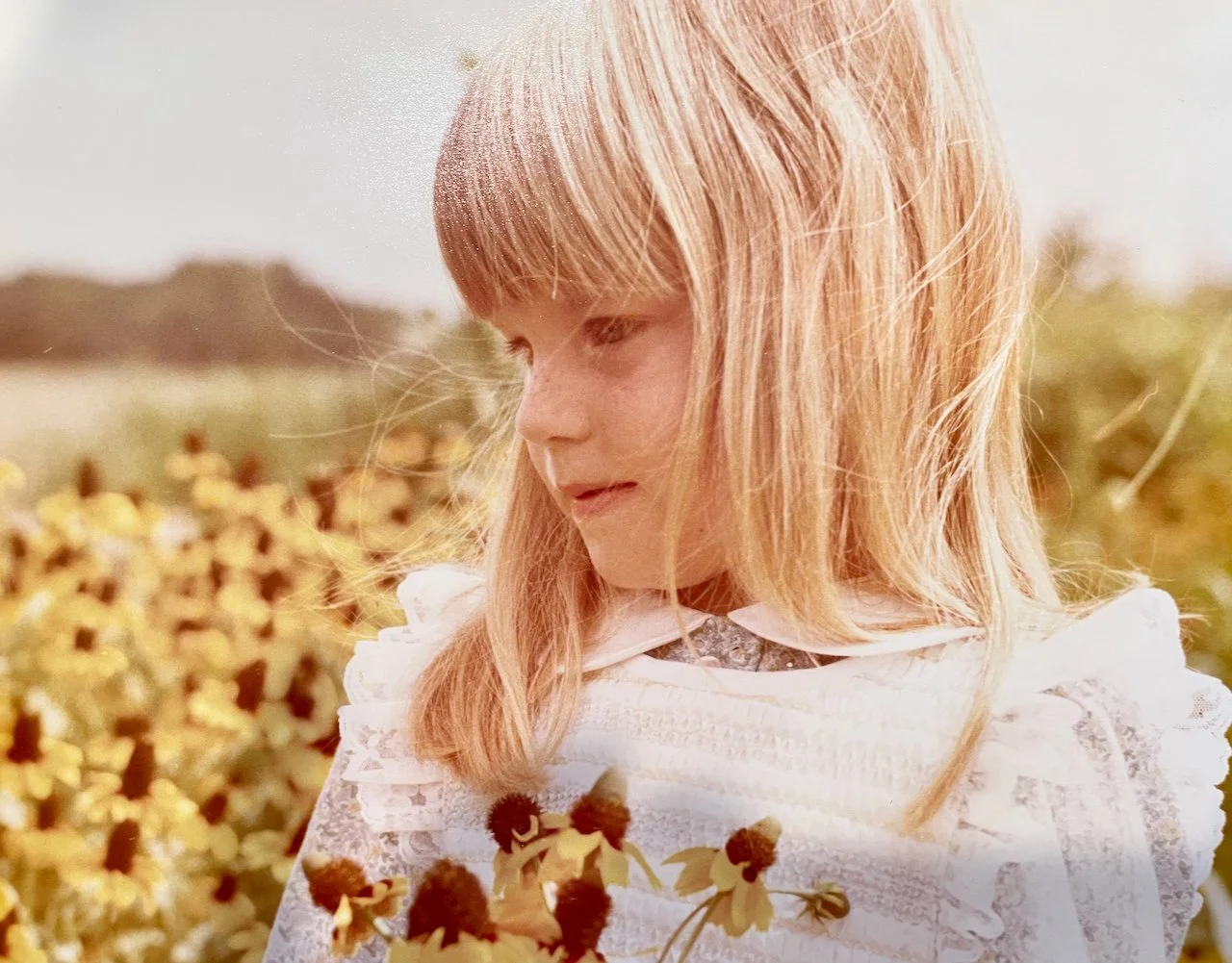
When I was in kindergarten, my favorite dress was a Little House on the Prairie-inspired calico dress and smocked pinafore that my grandmother made for me. Oh, I LOVED that dress – a love only equaled to my love for the Little House on the Prairie books.
One day, my mom dressed me up and we drove to a drainage ditch near our home. The ditch was absolutely bursting with what we then called Black-Eyed Susans – Rudbeckia maxima – a native wildflower in Texas. She took pictures while I fretted about falling into the swampy drainage ditch. But the photos are beautiful, and they capture a wildness that we didn’t often see in the Dallas area – even if it was by the side of a road.
Those Black-Eyed Susans – wildflowers in a drainage ditch – represent the dichotomy of Rudbeckia as a whole. If there’s a plant that bridges the gap between “wildflower meadow” and “cottage garden classic,” it’s Rudbeckia.
Rudbeckia varieties have a way of looking both intentional and effortless—like they’ve always belonged exactly where you planted them. And that’s because if you are gardening in North America – they do. They belong there because Rudbeckia is a group of plants native to North America and essential to our native ecosystems.
They’re also one of the easiest ways to start shifting a garden toward ecological function. But like many familiar flowers, there’s a difference between growing Rudbeckia and growing the right Rudbeckia.
Let’s dig into both.
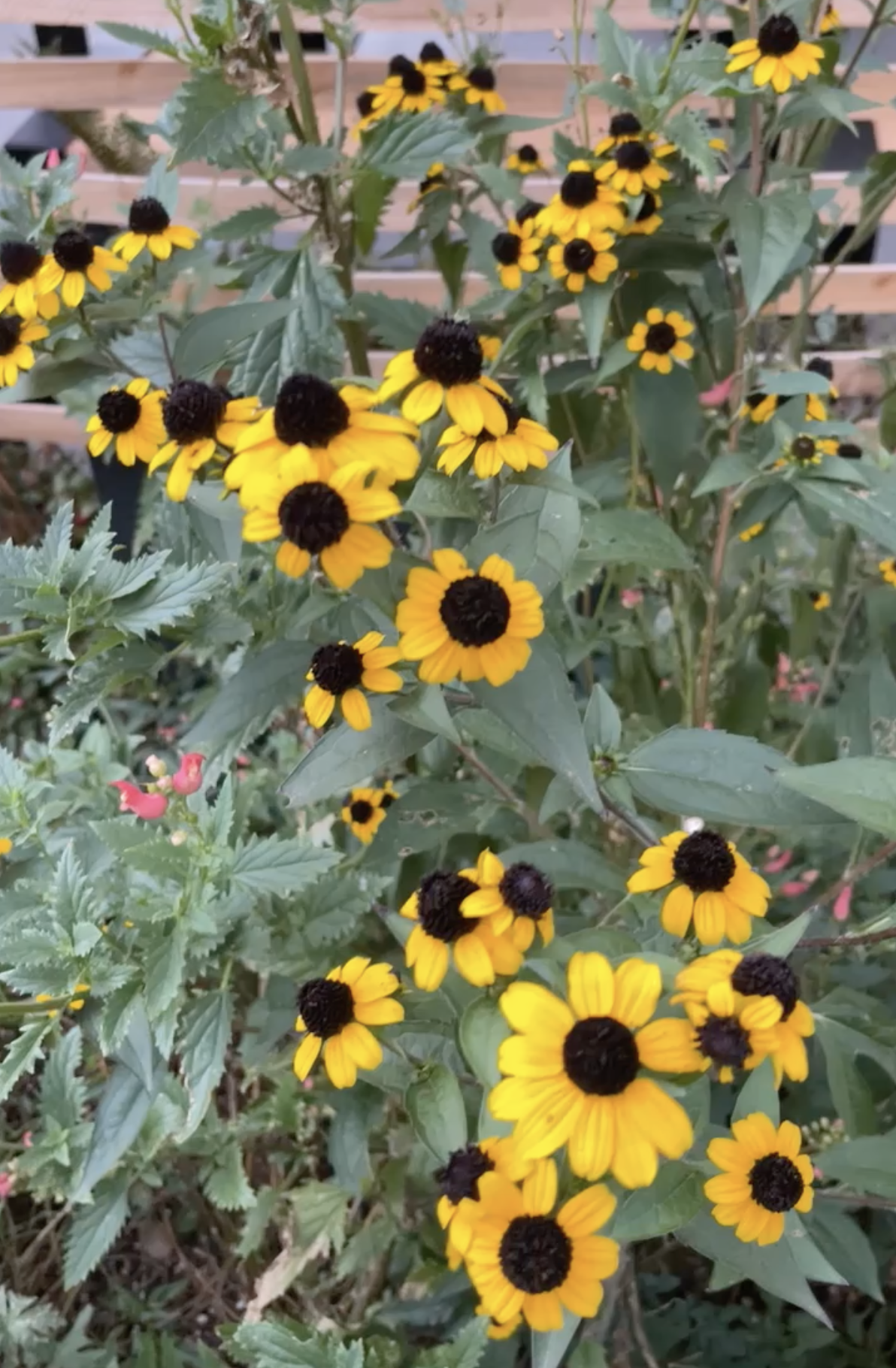
Then & Now
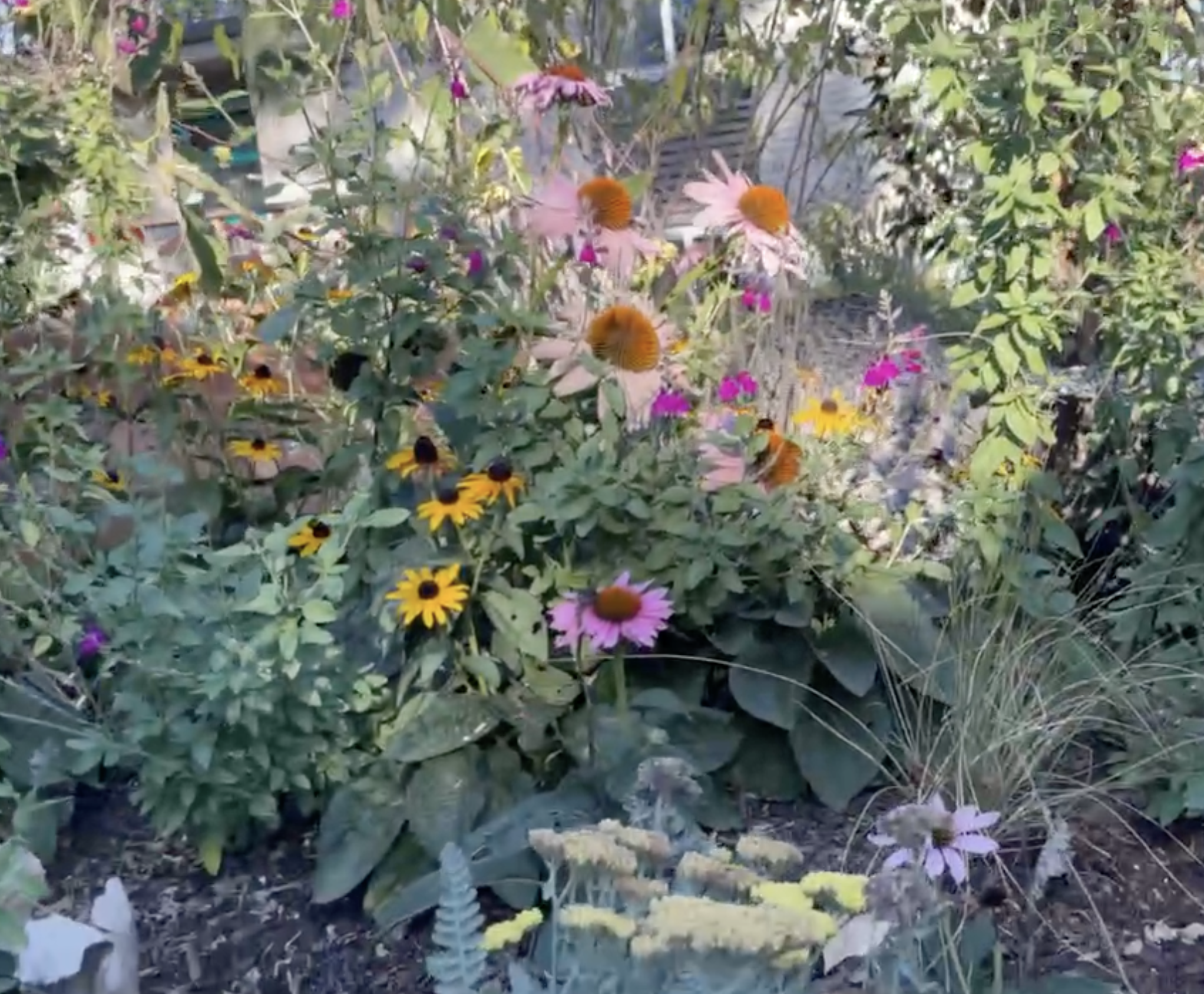
A Rudbeckia for Every Garden
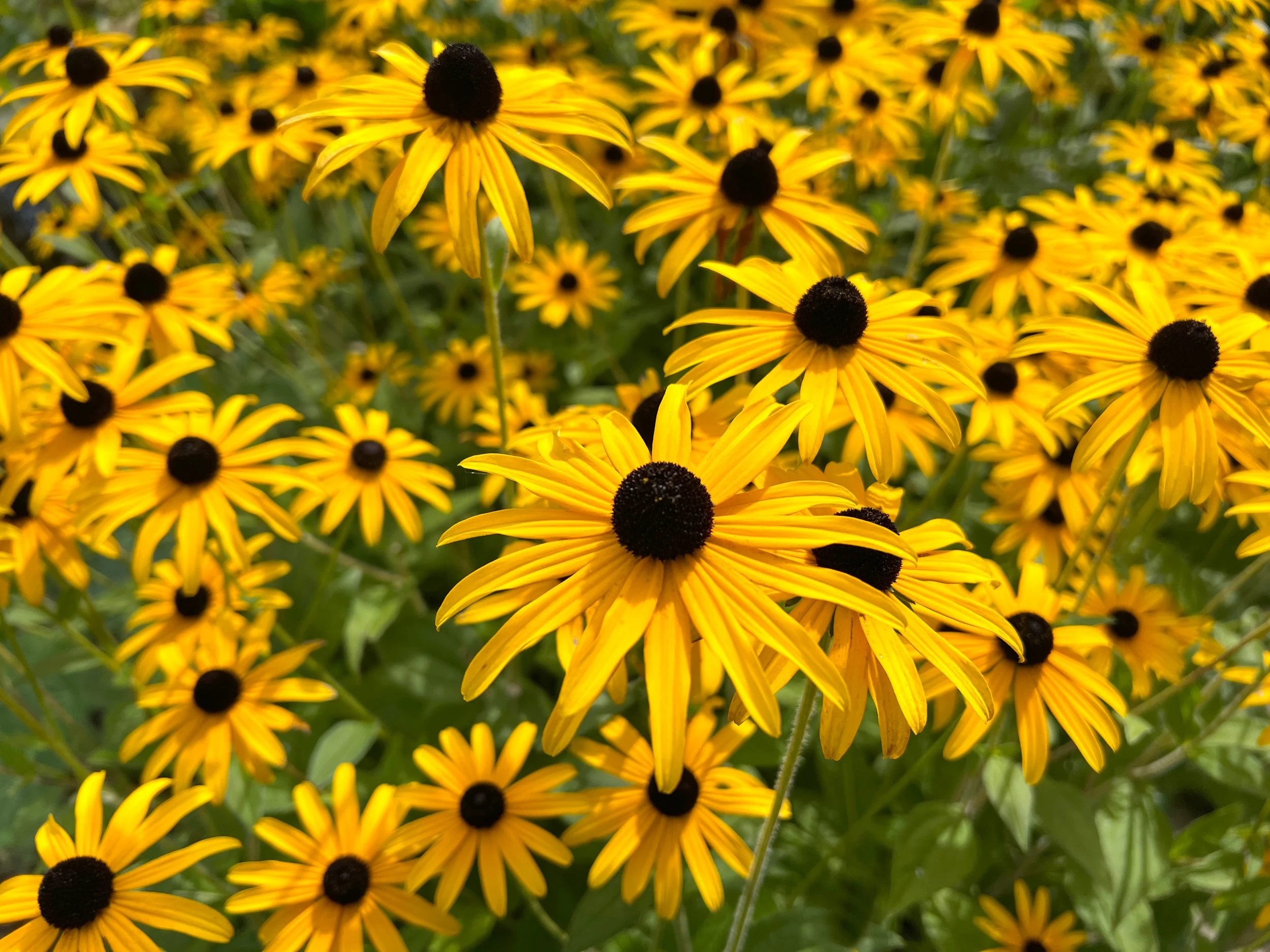
Rudbeckia (often called black-eyed Susan or brown-eyed Susan) is a genus of North American native wildflowers known for their golden petals and dark central cones. They’re members of the aster family and bloom for months, typically from early summer into fall.
They’re also pollinator magnets—supporting bees, butterflies, flies, and more—and are widely adapted across much of the United States.
What makes them especially valuable for home gardeners is this combination:
Long bloom time
High ecological value
Low maintenance
Wide adaptability
And you’ll find a range of Rudbeckia available at garden centers and by seed. But real magic happens when you match the right species to your place.
Why Native-to-Your-Region Matters
Rudbeckia is native to North America—but not every species is native everywhere, and to best support the wildlife in your area, you’ll need to find the native Rudbeckia to your part of the continent.
Plants that evolved in your specific region:
Support more specialized pollinators
Establish more easily
Require less water and intervention
Integrate better with existing plant communities
Even within Rudbeckia, ranges vary. Some species are widespread; others are region-specific.
Planting a non-local species or heavily bred cultivar may still look good—but it may not provide the same ecological benefit, and sometimes it will be short-lived.
How to Check If a Rudbeckia Is Native to You
Start with Lady Bird Johnson Wildflower Center (wildflower.org).
Here’s how to use it:
Search the species (e.g., Rudbeckia fulgida)
Scroll to the distribution map
Compare it to your state or ecoregion
You can also search for “rudbeckia” and then narrow down the choices by state. I find, for example, that there are eight native varieties of Rudbeckia in Colorado: Rudbeckia hirta, Rudbeckia hirta var. pulcherrima, Rudbeckia laciniata, Rudbeckia laciniata var. ampla, Rudbeckia laciniata var. laciniata, Rudbeckia montana, Rudbeckia triloba, and Rudbeckia triloba var. triloba.
Here’s where knowing those Latin names is important. If I shop for Rudbeckia or just Black-Eyed Susans, I may end up with varieties which won’t benefit my local bees and butterflies – or not as much. But I want my garden to be full of snacks and egg-laying locations, so those insects show up! So, I know to look for specific Latin names – even if I am buying cultivars.
You can also use:
State university extension sites (great for region-specific advice)
USDA Plants Database
Your local native plant society
University extensions consistently emphasize matching plants to local conditions for better success and ecological value.
A Thought on Cultivars vs. Straight Species
Many Rudbeckia sold in garden centers are cultivars bred for:
Unusual colors (reds, bronzes)
Double petals
Compact size
These can be beautiful—but they sometimes:
Produce less nectar or pollen
Don’t reseed reliably
Behave differently than wild types
If your goal is habitat-first gardening, prioritize straight species when possible. If your goal is aesthetics with some ecological benefit, a mix can work.
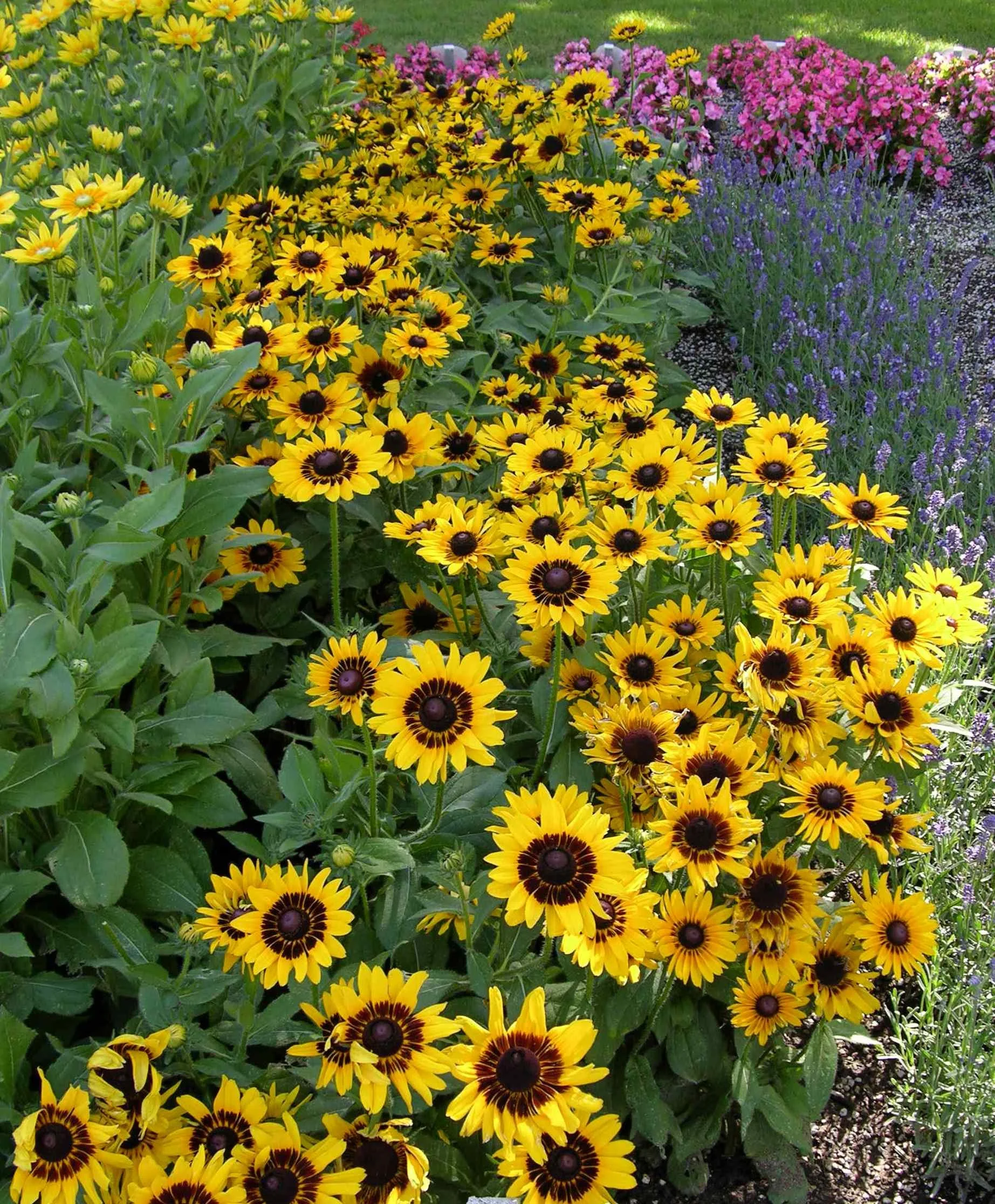
An example: the Denver Daisy
This is a gorgeous plant from High Country Gardens. It was bred from one of Colorado’s native Rudbeckias – Rudbeckia hirta and Rudbeckia hirta ‘Prairie Sun’. Prairie Sun is a yellow The straight species freely-reseeds, is slightly taller, and has what might be described as a “weedy look.” But Prairie Sun is somewhat shorter, has stronger stems, and has different coloration.
So by crossing these two plants together, the Denver Daisy emerges with a flower that’s similar to the straight species but with more petals. It also has stronger stems and doesn’t reseed as reliably.
So it may be a better fit in a more restrained garden, but with many of the benefits of the straight species – and may be easier to maintain in a nursery setting.
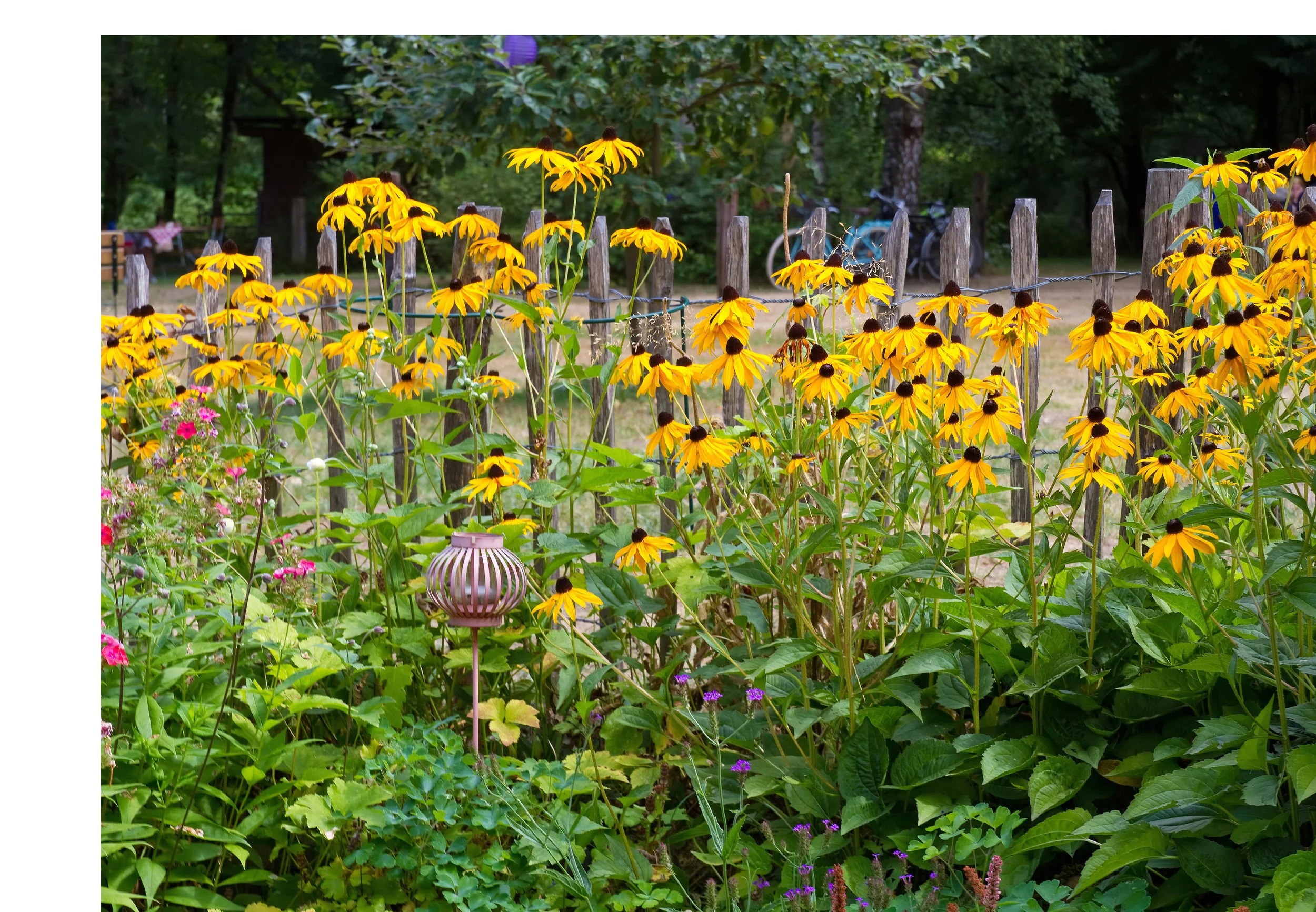
How to Grow Rudbeckia
Ideal growing conditions depend on the variety you’re growing. Some Rudbeckia evolved in woodlands. Others are prairie plants. Woodland plants like richer soils and more water. Prairie plants are more drought-tolerant and thrive in full sun. So as you consider which species you will grow, also consider where you’ll be planting them. And choose accordingly.
However, in general…
Sun: Full sun is best—aim for at least 4–6 hours daily. Less light means fewer blooms, but it doesn’t have to be in sun all day long, either.
Soil: This depends on the species and variety.
Water:
First 3 weeks: keep evenly moist to establish roots
After that: water or rain once per week is plenty for most species; less in years 2+ for perennial varieties
Spacing + Habit: Plant about 9–12 inches apart and let them fill in naturally. Many species will self-seed and form drifts over time—which is exactly what you want in a naturalistic planting.
Timing:
Spring planting: around last frost
Fall planting: ~1 month before first frost
If you are planting in the fall, generally your plants are biennial or perennial species. The biennials may only bloom once – the following summer. Biennials generally grow foliage only in their first year and then bloom in their second year.
Maintenance (Minimal)
Deadhead for longer bloom
In fall, leave seed heads for birds and winter structure
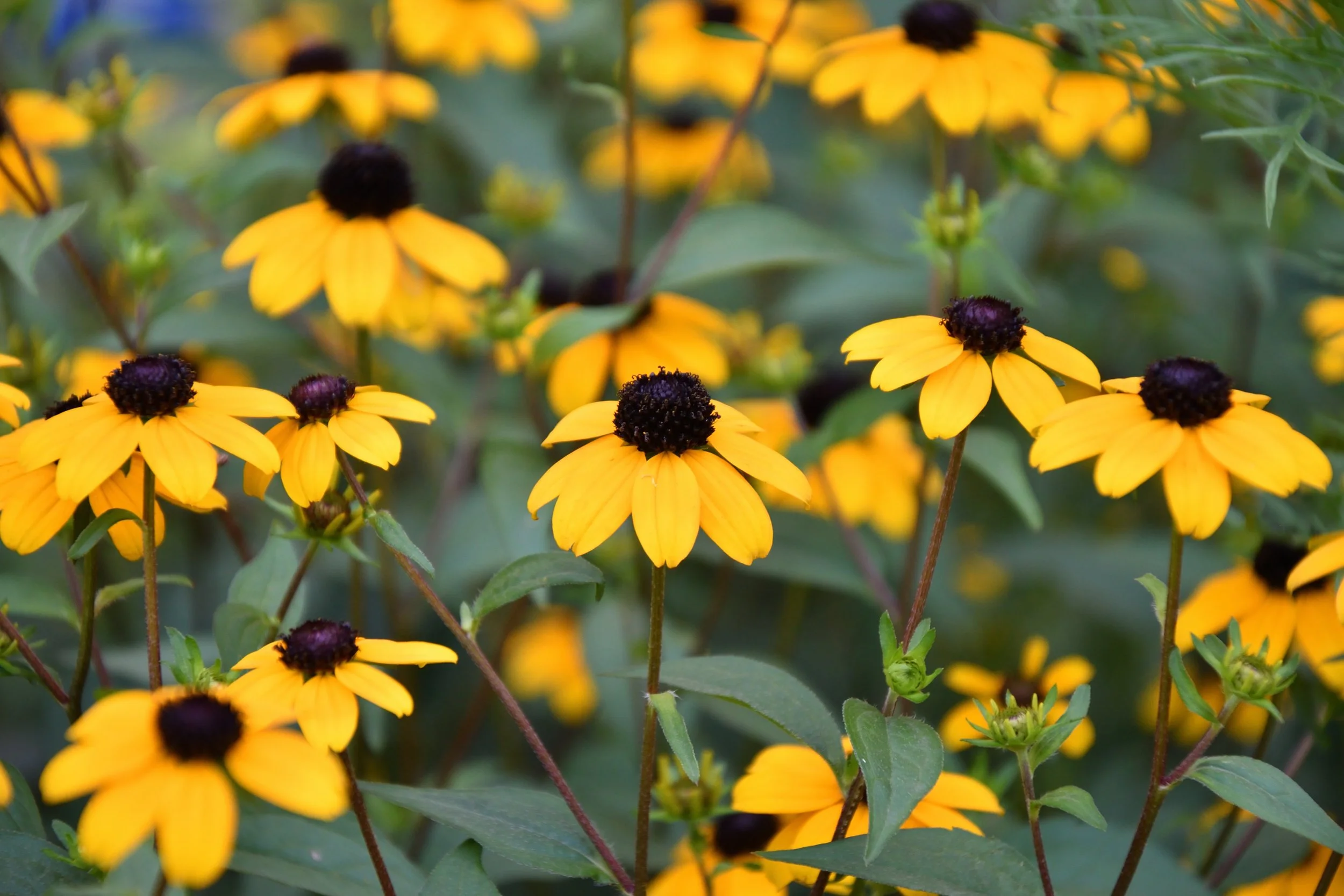
A Note on Annual vs Perennial Rudbeckia
Not all Rudbeckia behave the same way.
Rudbeckia hirta (classic black-eyed Susan): often a short-lived perennial or biennial
Rudbeckia fulgida: longer-lived perennial (think ‘Goldsturm’)
Rudbeckia triloba: short-lived perennial or biennial
Knowing how your Rudbeckia will behave is important when you’re designing a bed. Some will persist for years; others rely on reseeding or replanting to stick around.
Varieties to Consider
If you’re browsing, you’ll often see a mix of straight species and cultivated varieties.
A few commonly offered (and worthwhile) options include:
Rudbeckia x ‘Denver Daisy’: an improved variety of a Colorado native plant with gorgeous flowers
Rudbeckia fulgida ‘Goldsturm’: reliable, long-lived perennial, classic form; I grow this in my Wildlife Garden and love it – as does the wildlife.
Rudbeckia hirta: easy to grow from seed; great for quick color and reseed easily
Rudbeckia triloba ‘Blackjack Gold’ – more delicate, excellent in meadow-style plantings, truly perennial; I have one plant, and the finches LOVE it during the fall and winter.
Rudbeckia fulgida v. deamii – sun-loving perennial native to the Midwest
These can all work beautifully—but they’re not interchangeable everywhere.
Which brings us to the most important piece.
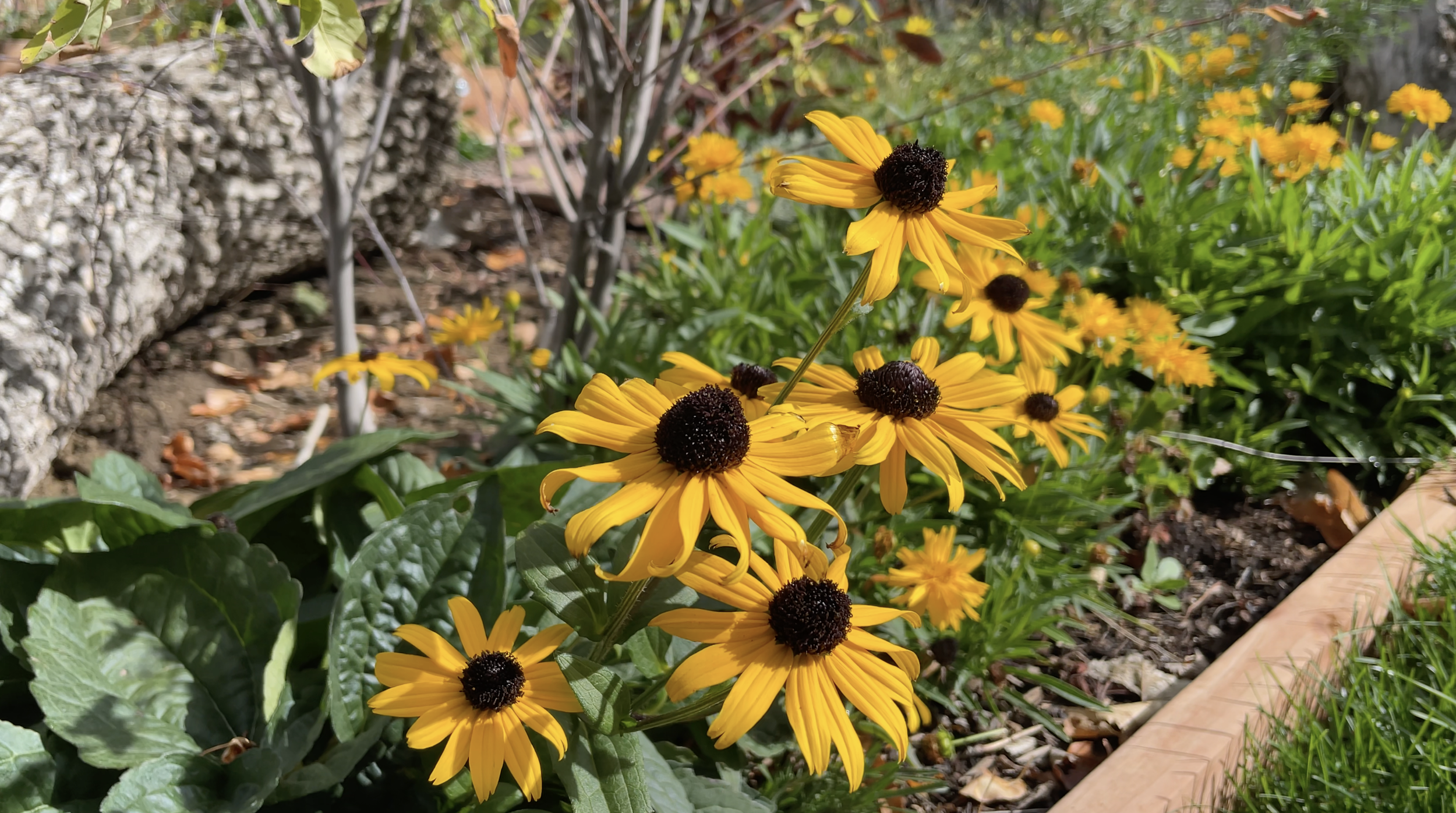
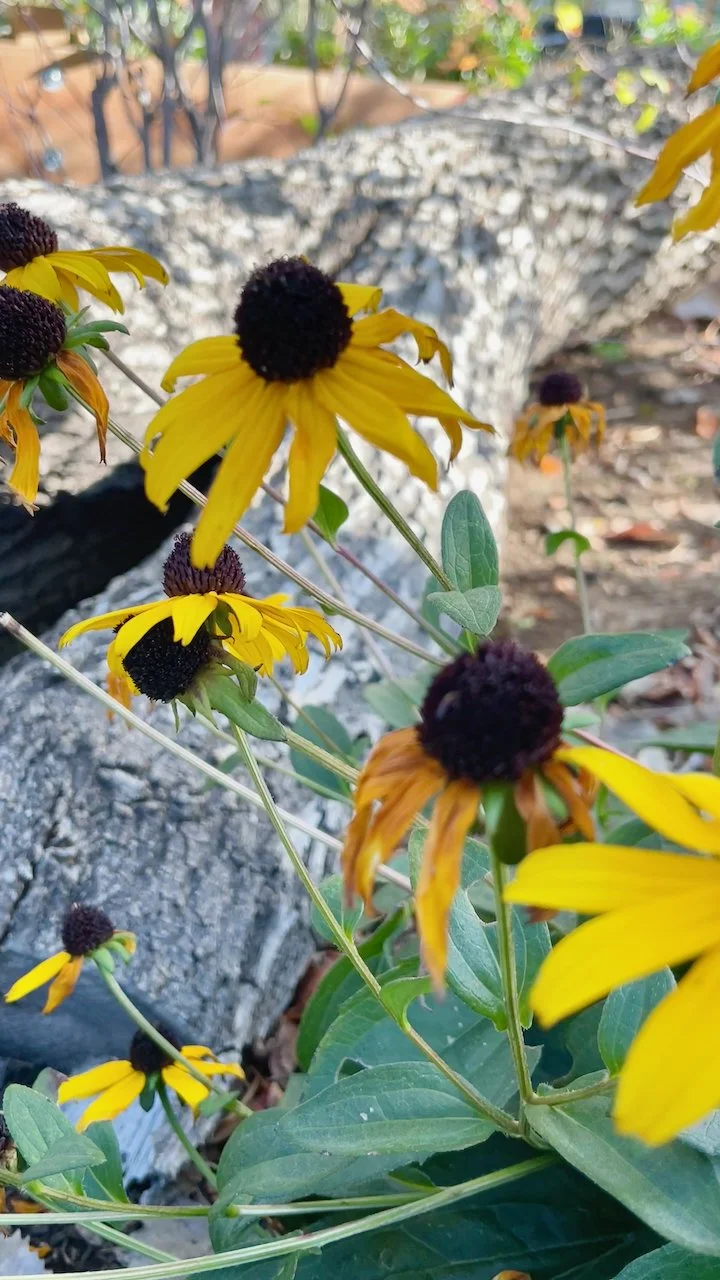
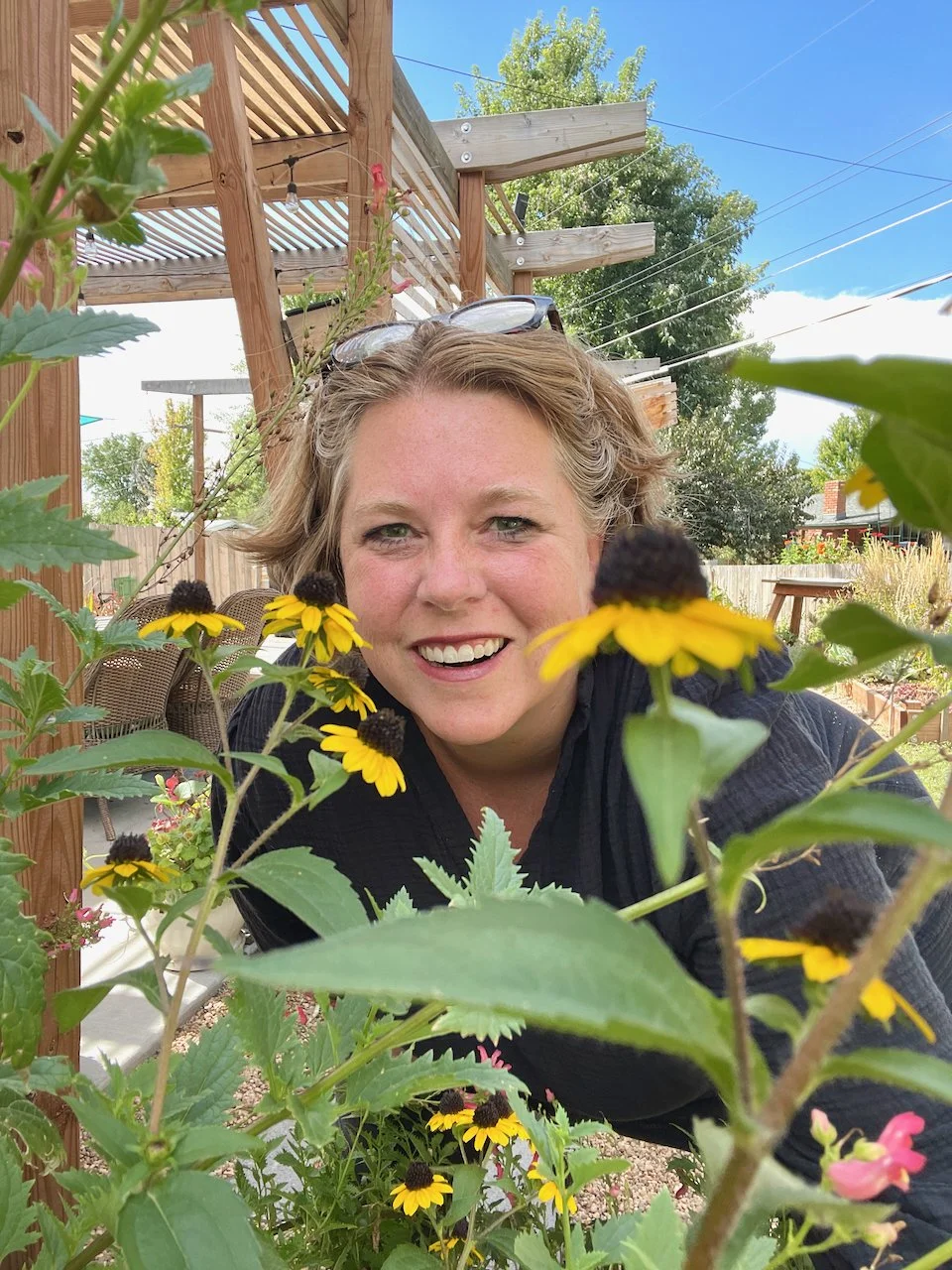
In my garden, I have Rudbeckias in several places. In the Wildlife Garden, several varieties romp together, both perennial and annual.
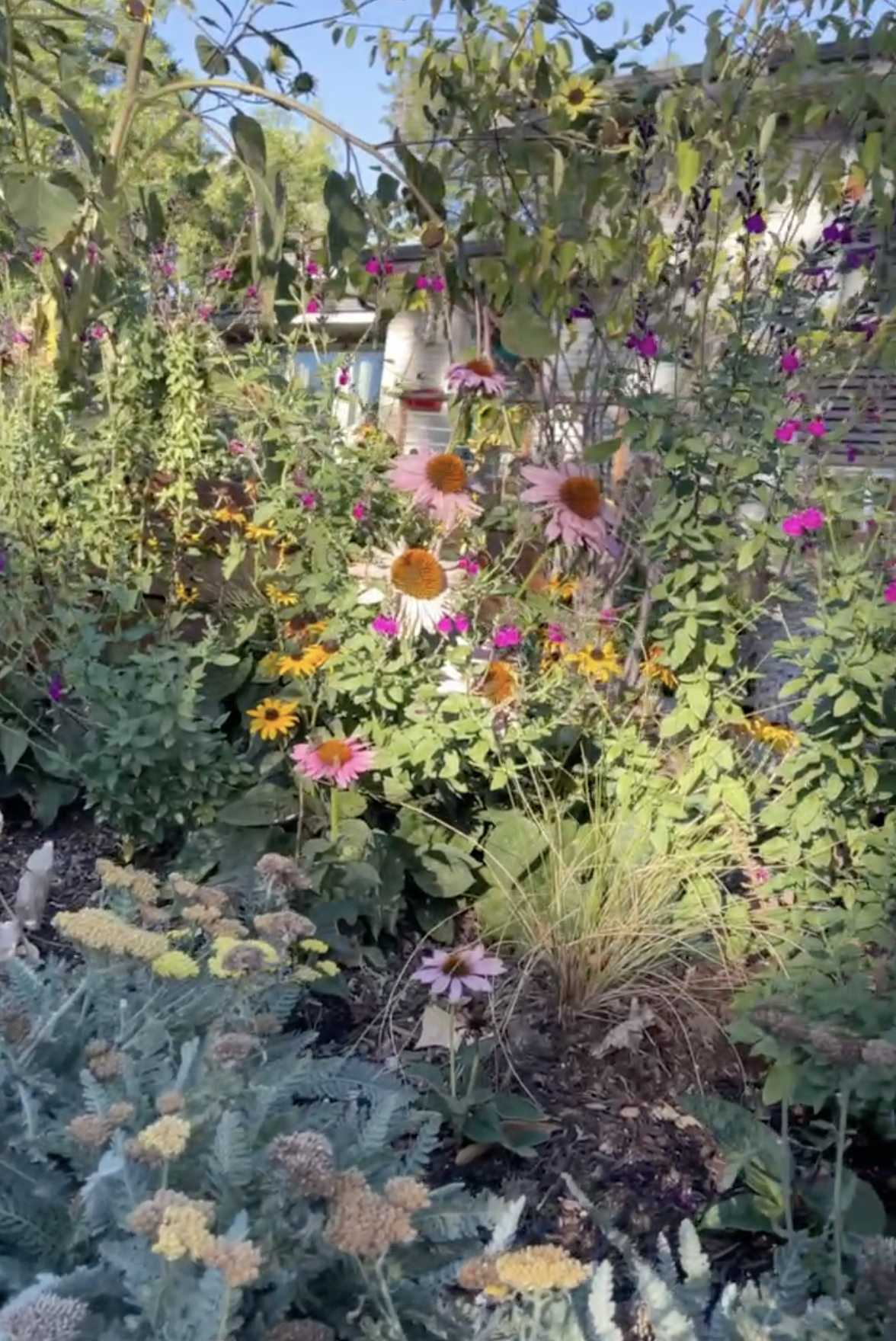
Designing with Rudbeckia
Rudbeckia shines when used in drifts or masses rather than as single specimens.
Try pairing with:
Native grasses
Purple or blue flowers (for contrast)
Late-season bloomers for succession
They’re especially useful as space fillers in new beds—growing quickly while slower perennials establish.
I also have one gorgeous Blackjack Gold planted in exactly the wrong place, but it THRIVES there, so I am not moving it.
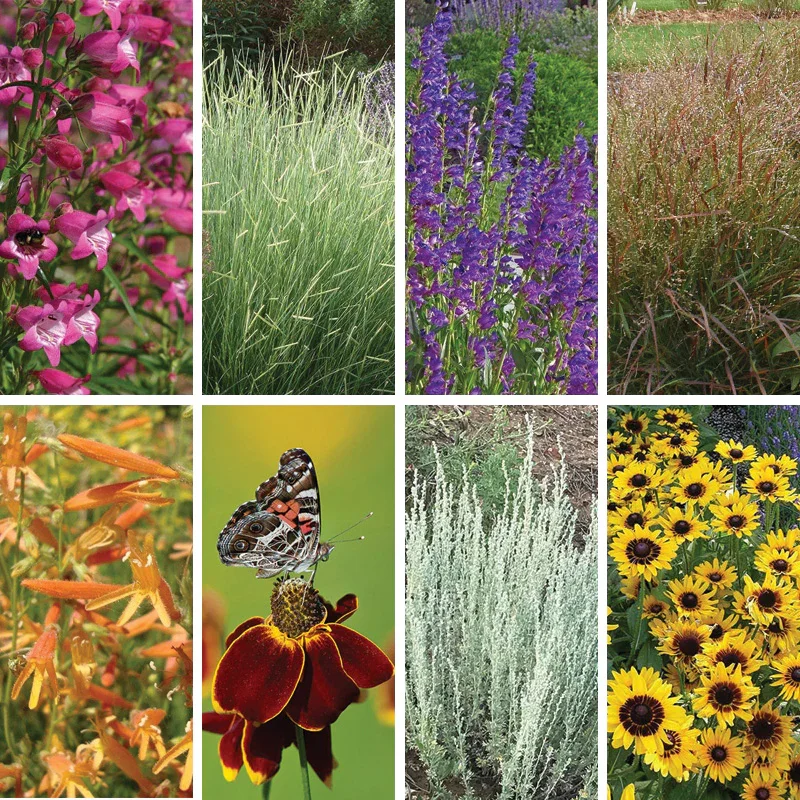
And this week I planted out some Denver Daisies as part of High Country Gardens’ pre-planned Colorado Perennial Collection. These plants are chosen to grow well together, and I’m excited to see how they do! Here’s the list of plants:
I’m renovating a tired raised bed which is particularly dry. This group of lovely plants will give it color, texture, and a great infusion of fun!
at the close…
I am just going to say this: every North American garden should have some Rudbeckia in it. We want to support our native insects and birds, and this is the plant group that does it all. The flowers are beautiful. The leaves are tasty (if you are a caterpillar). The pollen and nectar are both nutrient-rich. And the seedheads are abundant.
It can be:
A cheerful cottage garden flower
A low-maintenance perennial border staple
Or a keystone piece of a native planting
But the difference between a pretty plant and a functional planting comes down to one choice:grow the species that belongs where you live.
If you make the right choice, your garden will absolutely hum!
If you have questions, don't hesitate to ask!
This post originally appeared on my Substack. Subscribe to my Substack, and all of this gardening goodness will appear in your email inbox weekly!
Happy Gardening!
Angela
Subscribe now so you never miss a thing!