

Easy Ways to Protect Your Garden from a Surprise Spring Freeze
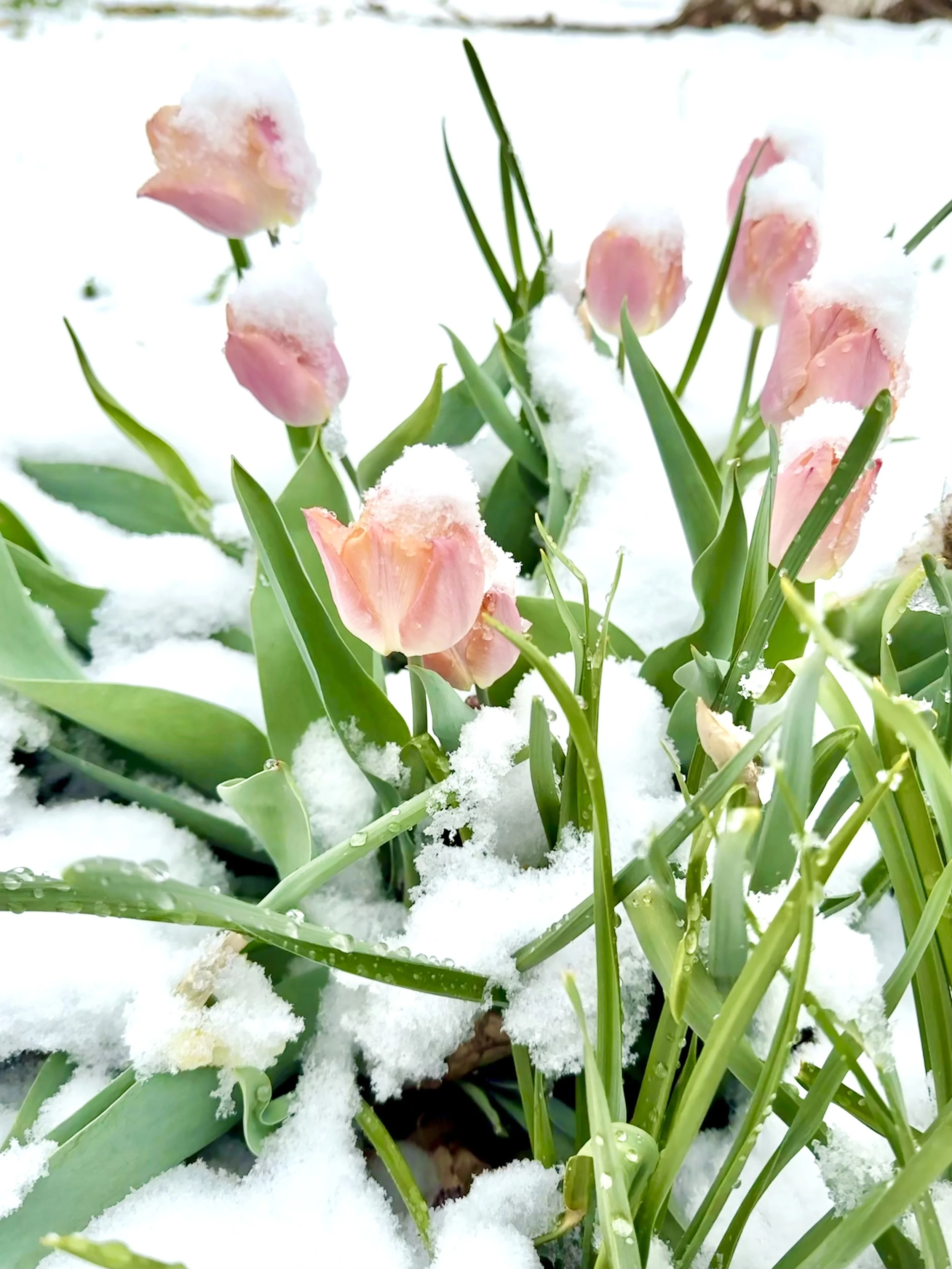
How to Save Your Garden from Freeze and Snow
I have gardened in Minnesota where the cold and the winter are very intense. I have also gardened in parts of California where a freeze or a frost warning was a rarity. So in some ways, Colorado is a funny mix of those two locations.
We normally get a real winter with plenty of snow and some cold snaps that are really cold. But we also have fairly temperate weather in the spring and in the fall.
However, the real test of a Colorado gardener is spring. Spring brings about a range of challenges especially what we call “weather whiplash.” And this week is another example of weather whiplash. Today it is going to be 70°. Tomorrow a big cold front is coming through, and within 48 hours we will go from 70° to a potential for 9 inches of snow.
I would love to tell you this is weird. It’s actually not.
The only part about this equation that’s really strange is the fact that we will probably get significant accumulation. But snow in May? Not uncommon. In fact a few years ago we had snow on the last day of school! The accumulation this late in the year is a little bit of an outlier – but again, not that much of one.
But as a result of these crazy late spring storms, I have perfected my plant protection game. And for those of you who deal with late spring, frost, freezes, and potentially snow, I have some tips for you. This can also be employed in the fall, but I don’t generally protect plants in the fall with a few exceptions. And I’ll tell you about those exceptions too.
What plants should I protect?
So this is the first piece when you consider your garden. And I will tell you I have drawn some very distinct lines.
Young Plants
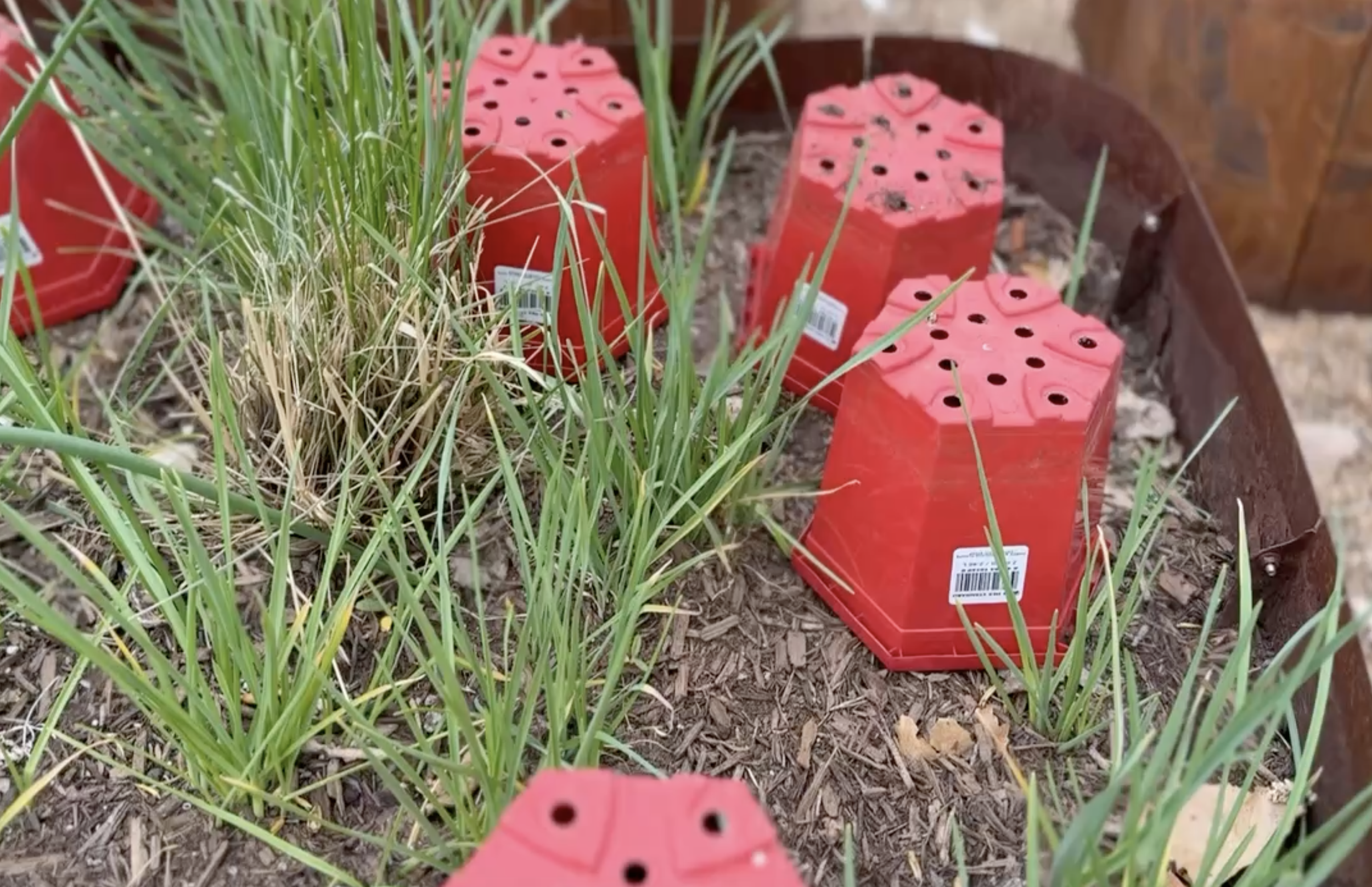
Anything that has been in the ground for six weeks or less gets some protection. In a late spring storm like this, I’m not so much worried about the roots. Their root systems are fine and the ground isn’t going to freeze. What I want to protect is the foliage and the stems. Younger plants don’t have the resources to regenerate and regrow if their stems get crushed and broken by heavy snow. So I protect young plants.
Peonies and Friends
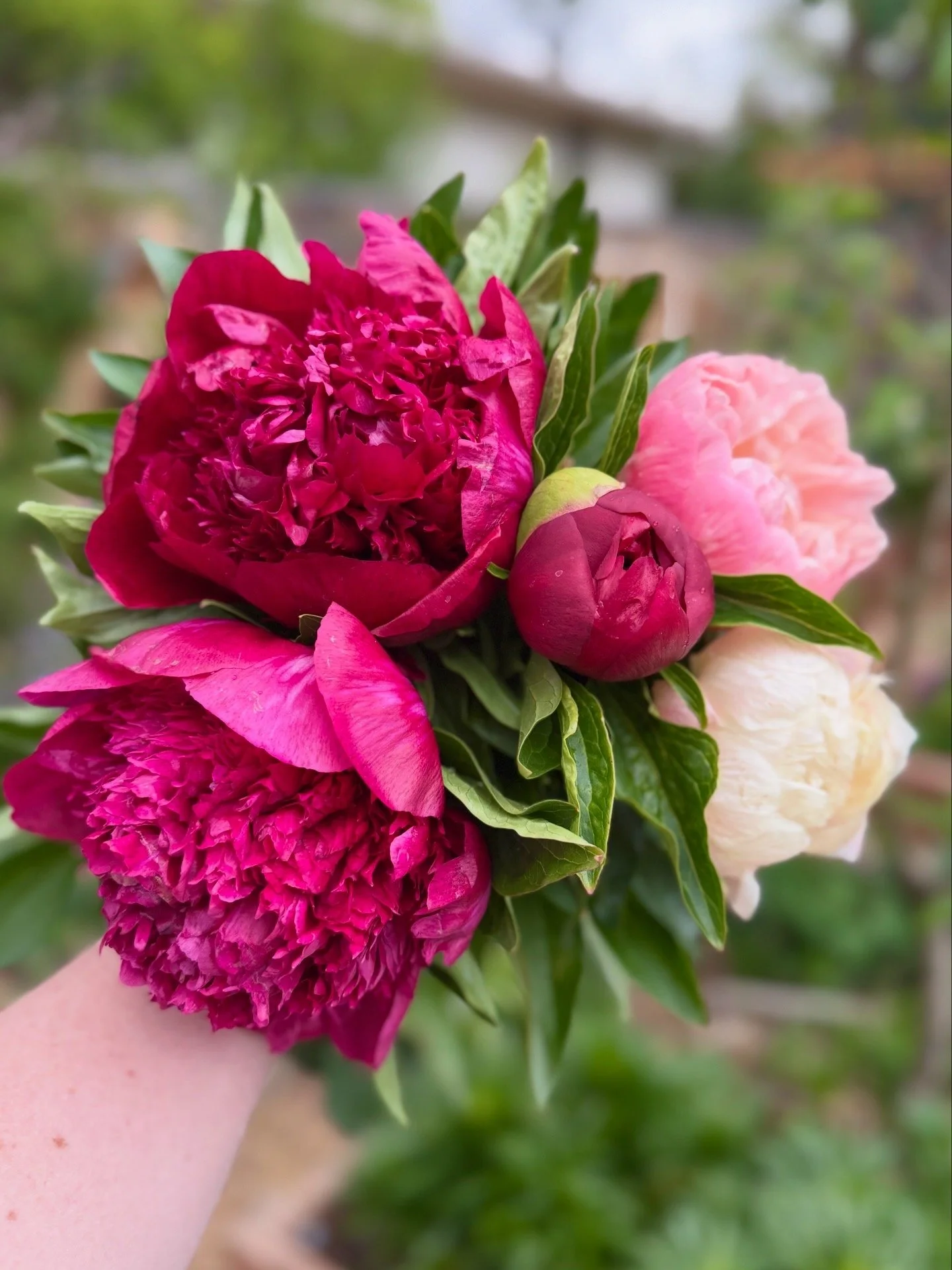
I also protect things like peonies that are not that are close to blooming or blooming, and will not re-bloom. I also protect peonies, because they are a one and done kind of plant. And if their buds freeze, that’s the end.
Also: I protect plants that don’t regrow their foliage over a season. Again, in my garden this is largely peonies. If a peony stem breaks, the stem is done and it will not replace that foliage, and I want my plants to have good foliage all summer. Those plants depend on their foliage to produce sugars all summer to strengthen their root systems. All of that means better blooms next year — so I protect that foliage as much as I can.

Dahlias
Like peonies, Dahlias aren’t well prepared for this kind of weather. I will cover them well and hope for the best. The ground won’t freeze, so I’m not worried about the tubers. Just about the foliage which is already emerging.

The Bee Buffet
I also protect plants that are currently blooming if it is truly going to freeze. Not everything. I can’t possibly do that. But I am concerned that if all of my Salvias, for example, freeze and lose their blossoms, that deprives bumblebees, and other insects of food sources. So I protect as much of that as I possibly can.

Vegetables
I also protect any vegetables that I already have in the ground. This year, honestly, that isn’t all that much. But some years I have a pretty thriving vegetable garden by this point, so I make sure that I have protection measures ready for those plants as well.
All of that sounds like a lot. And I’ll be honest: most of it is planted in one part of my garden. And that is intentional. For the most part, these are the plants that need protection, and I have clustered them together to make it easier to do that. Of course, there are young plants in lots of locations, but everything else that needs real protection is largely in my cutting garden.
What I don’t Protect
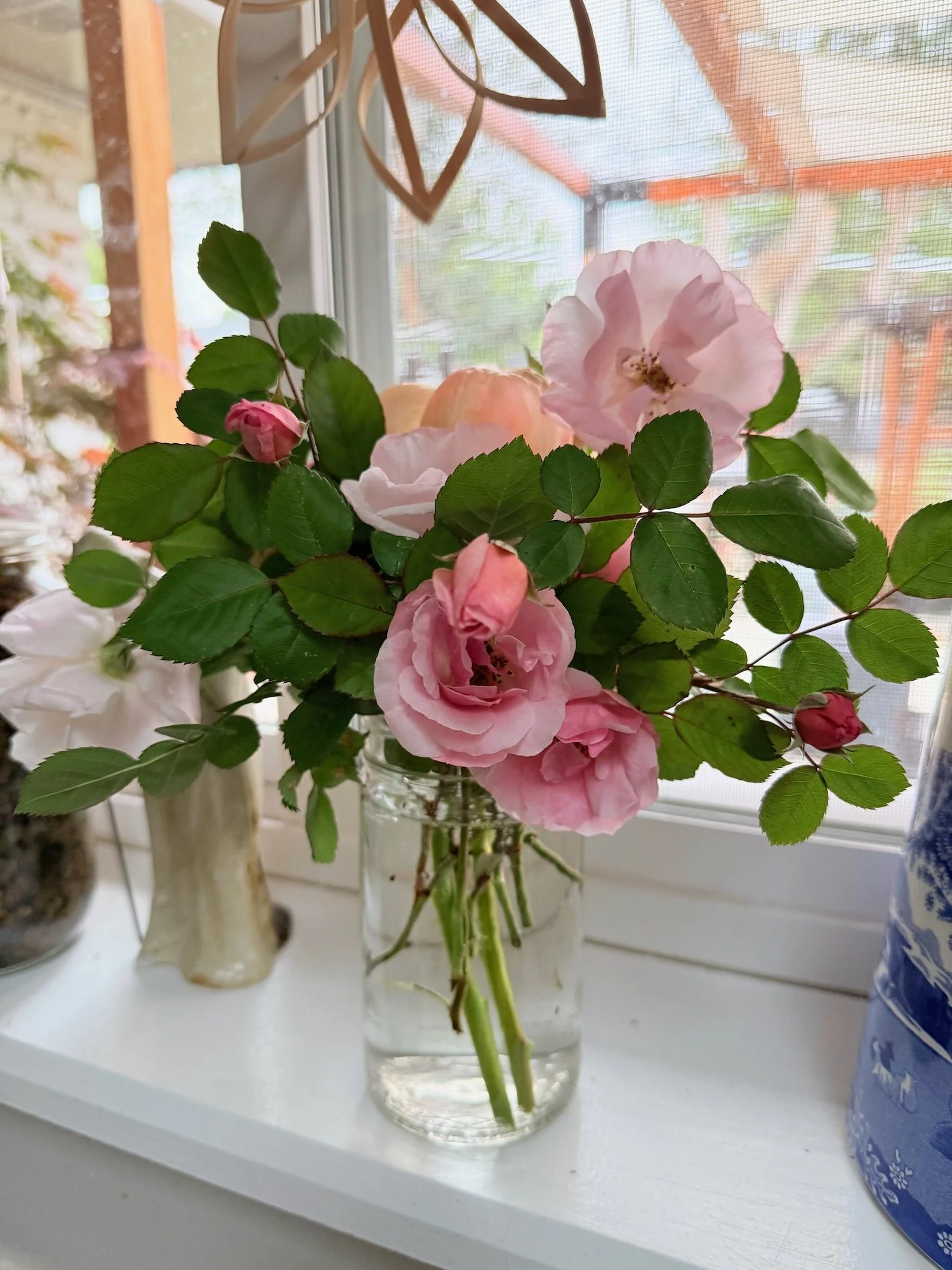
Roses: I don’t protect my roses because they will bloom again. There may be some damage to the canes, but I’m prepared for that. I am sure there will be a little pruning to do next weekend.
The Wildlife Garden: these are largely native plants, and they are all quite hardy. Things will get a little squished, but all in all, the garden will come through just fine.
Native Plants: anything native to Colorado has evolved to withstand this kind of weather whiplash – that’s why they are so hardy here. They may get a little squashed, but they will largely bounce back.
Take a Peek at My Preparations
I filmed this as a late-spring snow was starting, so you can see exactly what I do in my own garden.
How to Protect Your Plants
I actually employ a range of materials and techniques to keep my plants going.
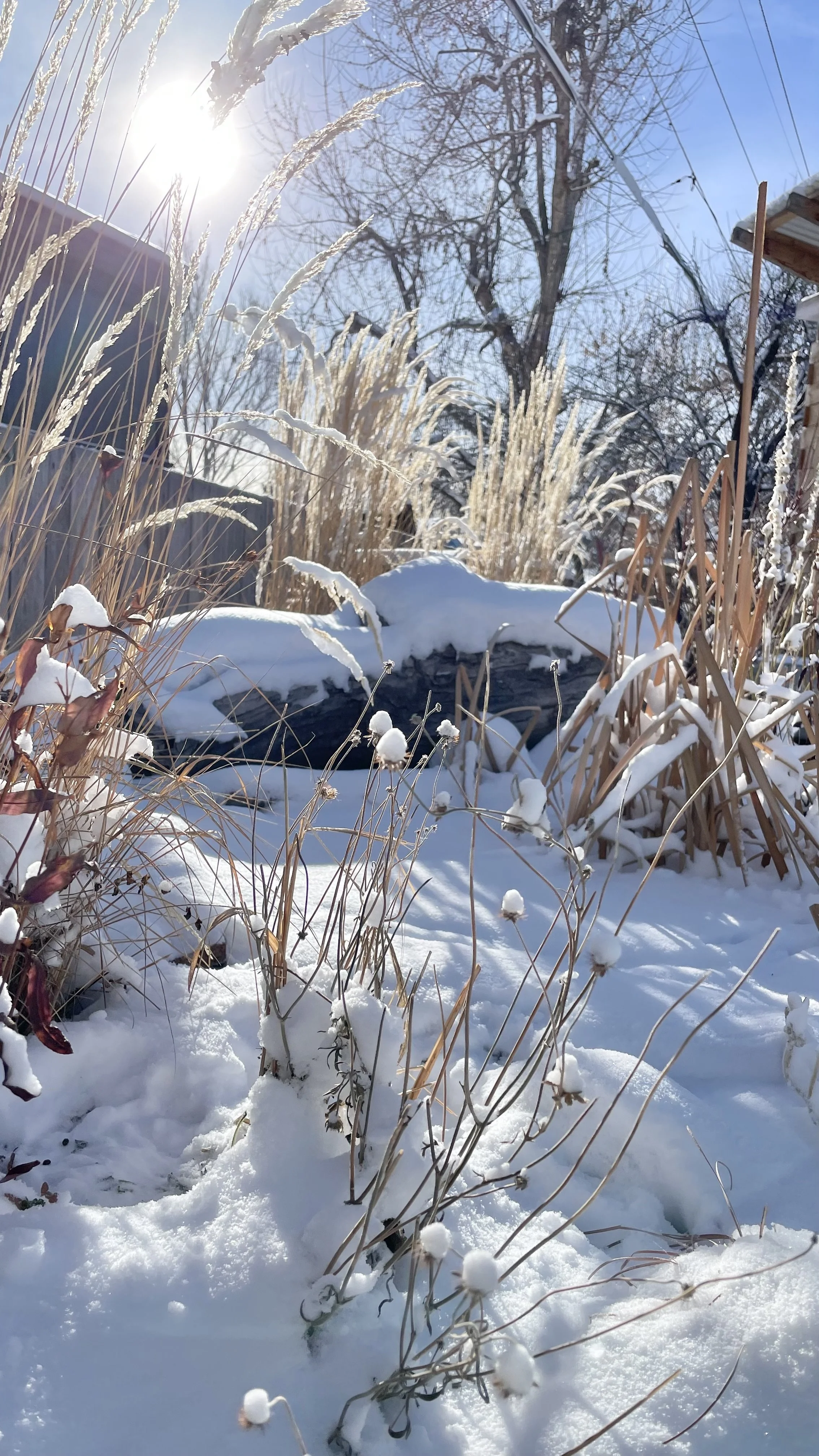
NO to Sheets, Towels, or Blankets
I do not use things like sheets and towels, and blankets over plants. Especially if there is going to be rain or snow. They tend to crush the plants more than the snow will, and the plants don’t fair as well. Instead, I use a few other sturdier items.
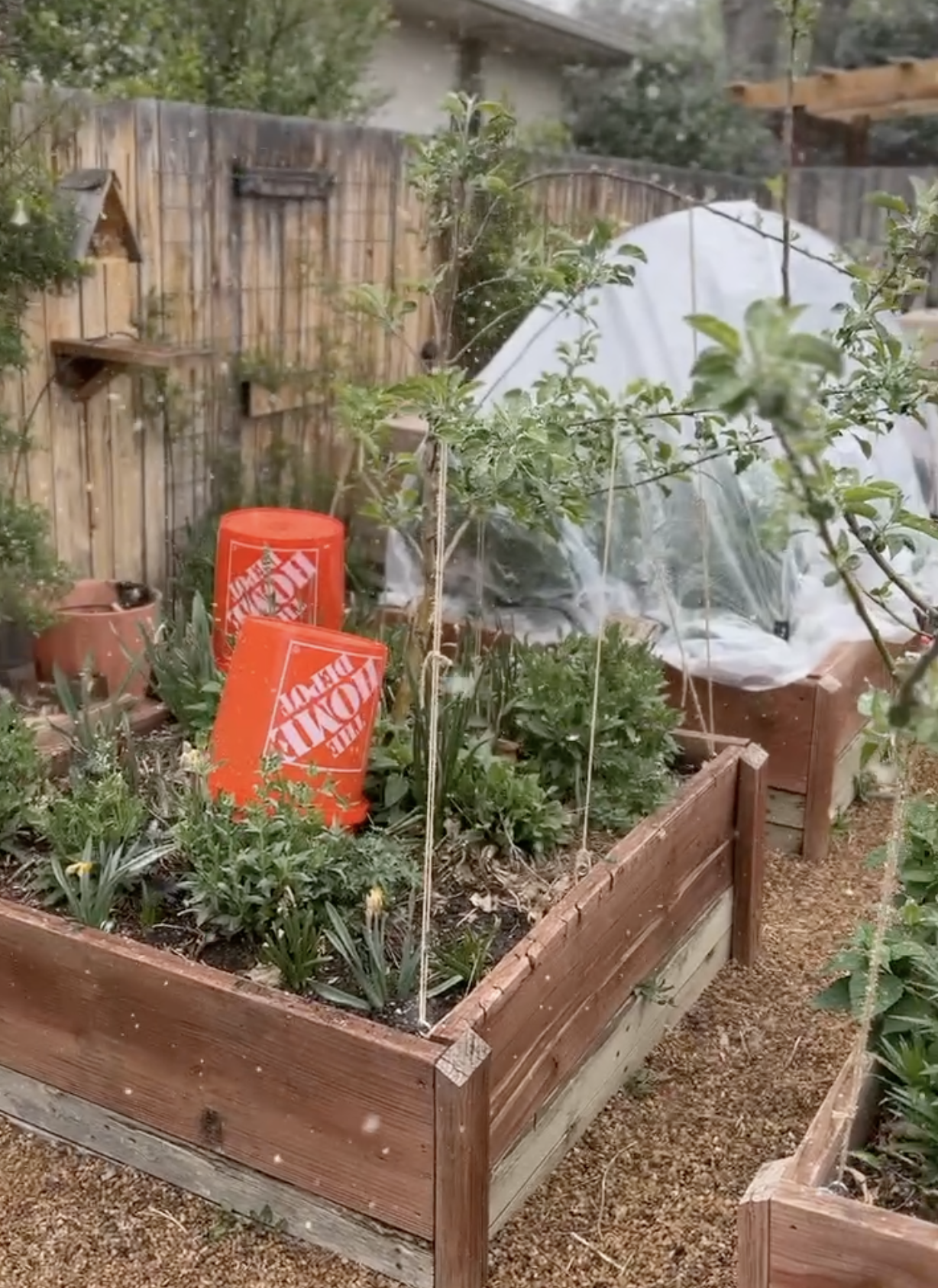
Buckets
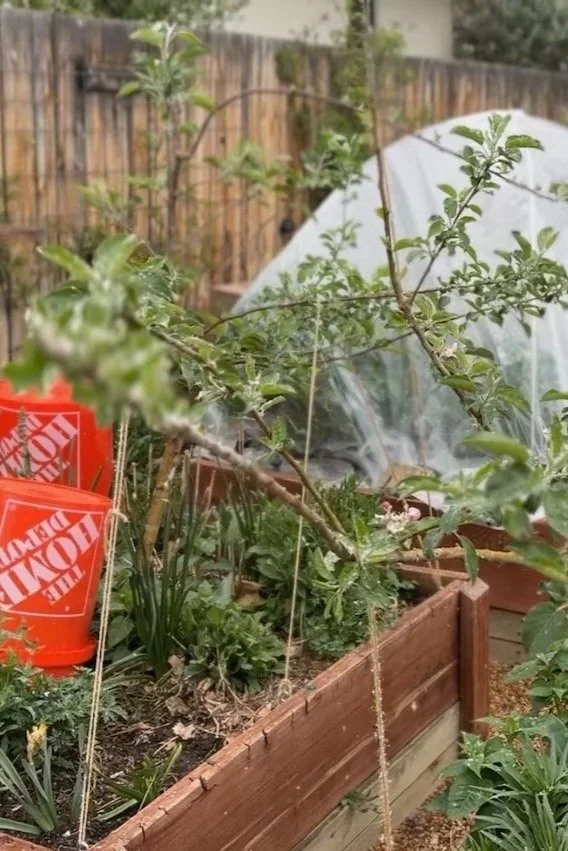
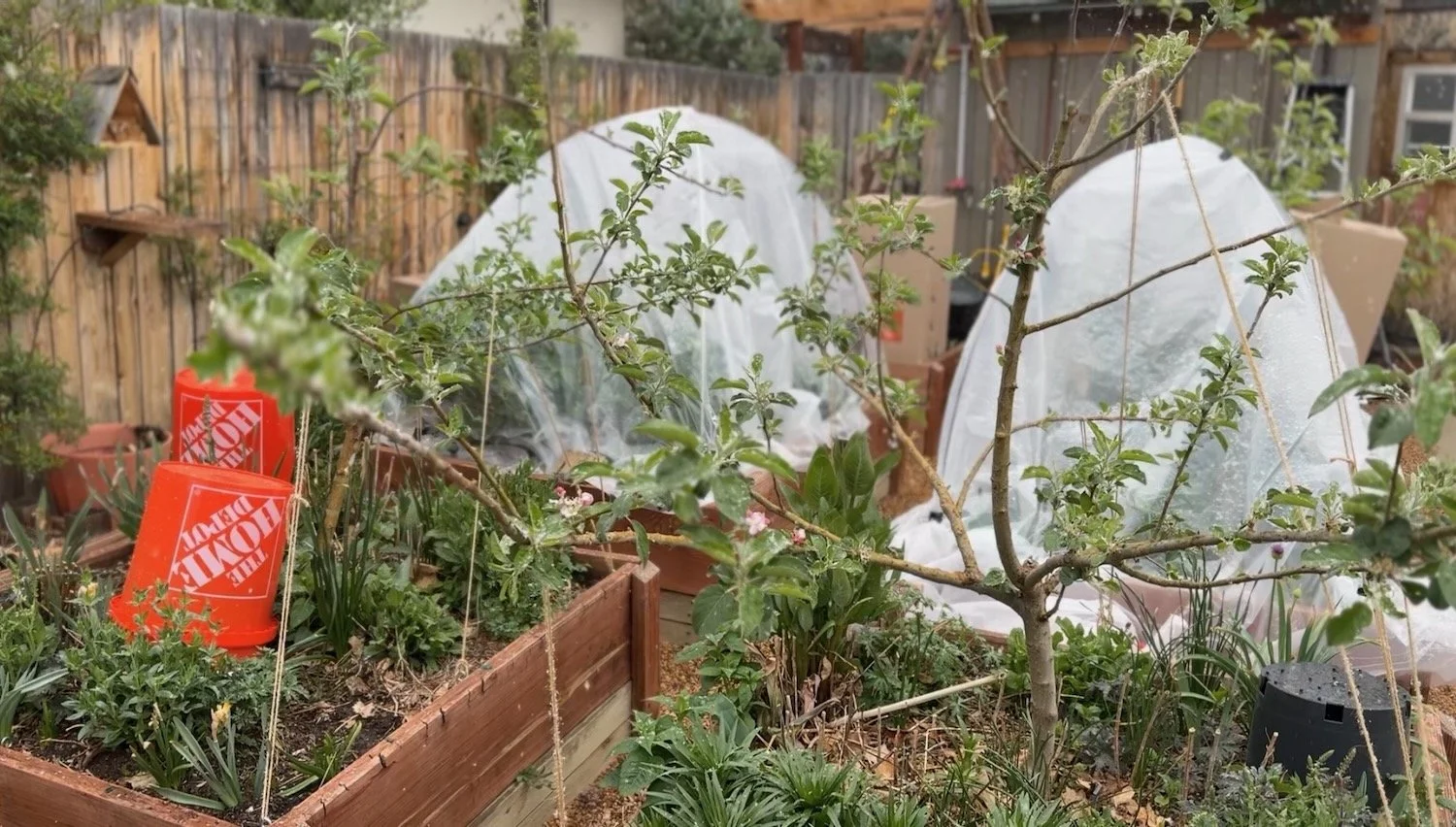
We have a host of 5 gallon buckets that we use for a range of projects. But in the spring, they are frequently employed to protect plants. I just tuck the plant inside the bucket upside down and make sure that the lip of the bucket is making contact with the soil. Buckets are great because not only do they trap a little bit of warmth inside, but they have such a nice strong structure that they are protecting the plant from being crushed by snow. So they do both jobs really well.
Plastic Nursery Pots
When I buy larger plants like shrubs, I often save the pots if they are a really nice quality of plastic. I wish they all were! Just like with buckets if you put a pot upside down over a plant it will protect that plant. And the key is just to make sure that the lip of the pot makes contact with the soil. It’s OK if the pot has holes in the bottom. I used to really worry about that, but I don’t anymore. It isn’t an issue.
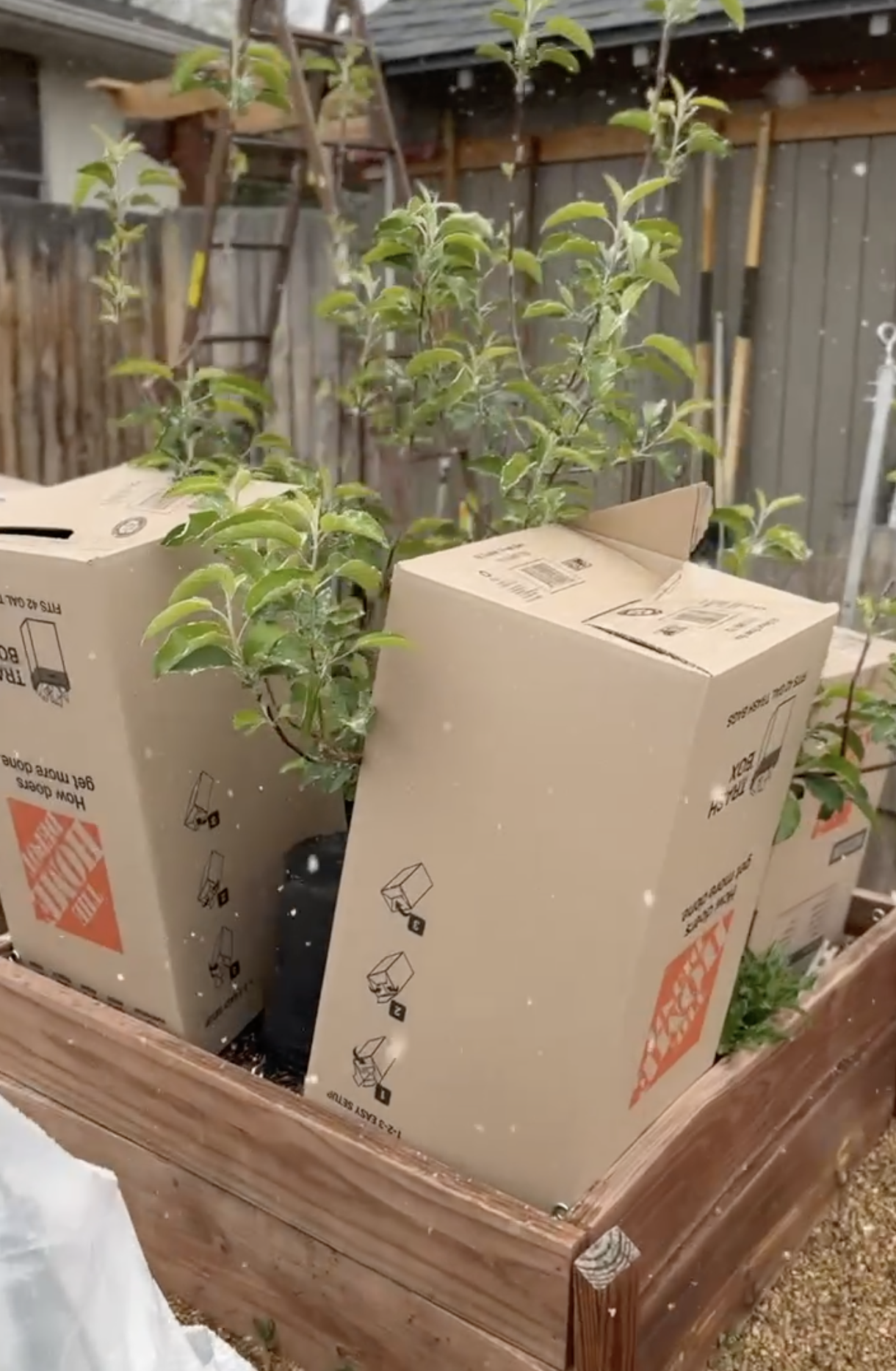
Boxes
I have a stack of cardboard boxes that I keep on hand as well. I especially like the cardboard trash cans that you can buy at Lowe’s. They are very tall and this year have been incredibly helpful for protecting peonies. They can be used over and over again, even if they get wet. Just let them dry in the sun before you fold them flat again. And make sure that the tops are taped together well so that the weight of the snow doesn’t crush in on them.
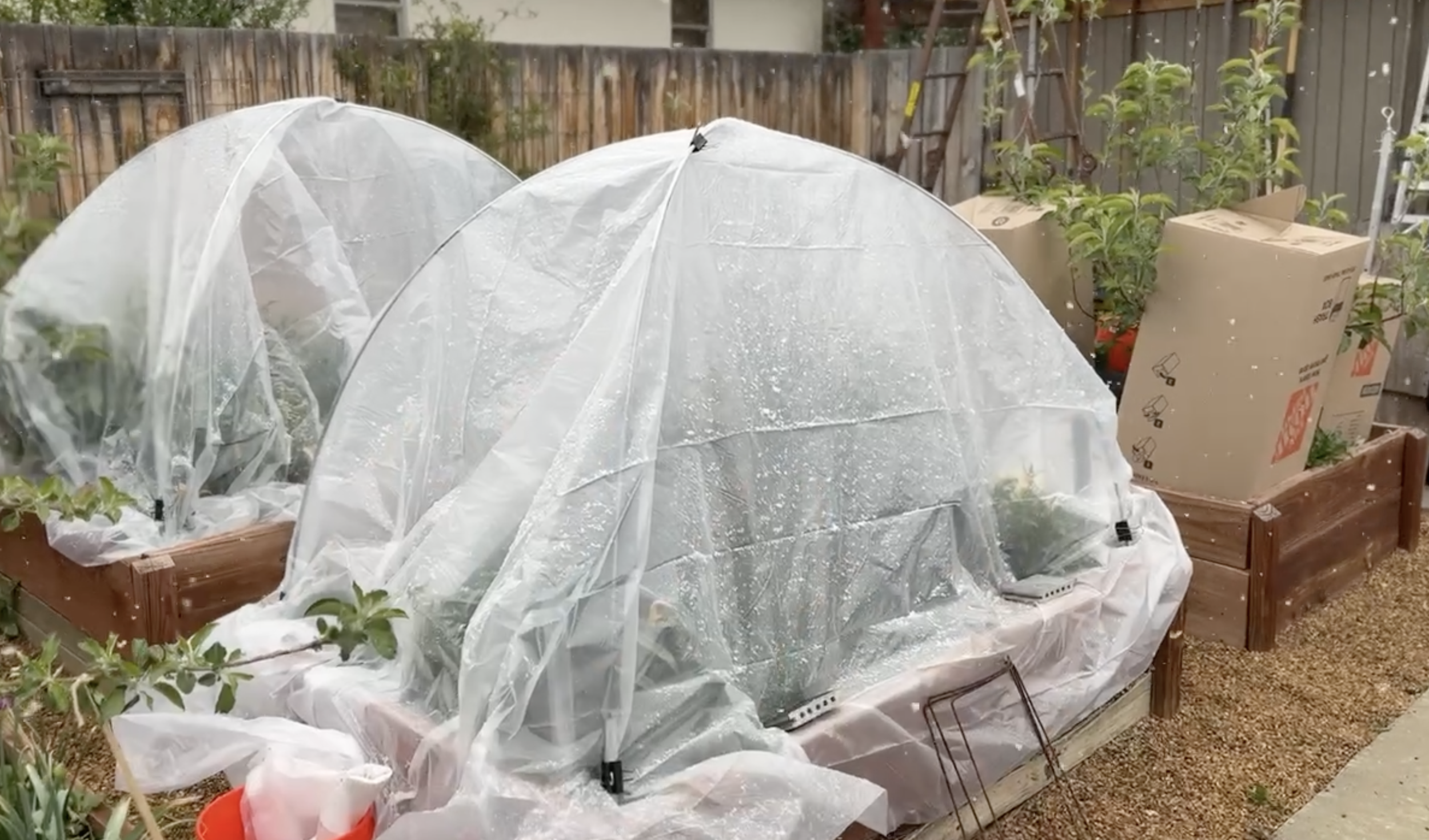
Season Extenders
In some parts of my cutting garden, you might notice tent poles arching over the plants. This is part of my very inexpensive season extender solution. And I leave them there all the time because if we are having incredibly intense heat, I can throw a piece of burlap over the arches to give plants a little bit of shade and relief. But in the spring, I can throw a plastic drop cloth over the top and hold it in place with binder clips. And that will protect the plants inside this little bubble. It essentially creates a little temporary greenhouse – great for nurturing seedlings as well as snow protection.
Interested in learning more about my season extenders? Check out this post:
Other Protection Measures
When I know a storm is coming, it might seem counterintuitive, but I water everything very deeply. There are two reasons that this helps to protect your plants.
First and foremost, plants that are well-hydrated are more resilient. So making sure that everything has had a good drink and is as healthy as it possibly can be helps a plant to survive whatever the weather brings, and to bounce back a little bit quicker.
But also, saturated soil is more resilient, maintains its warmth and temperature better. It won’t freeze as quickly, and it will stay warmer for longer. Which helps to protect the plants and its roots. So in the day or two before a cold front is going to come, I make sure that everything in my garden has been watered. And I often need to water again after a freeze – unless we have had a significant amount of snow or rain with the cold snap.
Additionally, anything in a pot that can be moved is moved inside – either into the greenhouse or into our home. And, to be honest, I don’t really put out plants in pots until after Mother’s Day. That’s the general guideline, and it is a guideline for a reason!
Cutting Flowers
One of the last things I do in my storm preparations is to go around and cut flowers that I know will not survive the storm. Today that will be roses and peonies that have opened. And there will be some other flowers that I will cut as well.
I will fill my home with some bouquets. It will only be cold here for two or three days, and then we will be back to typical spring weather. And my garden is pretty resilient. So with a little effort and a little planning, I should be able to save almost everything, and get back to regular spring gardening quickly.
What about fall freeze preparations?
Honestly, generally I am pretty Darwinian by the time fall comes. Unless those cold snaps and freezes come in early September. I’m not ready to let go that early. So I will pull out all of the gear in September, too. It just doesn’t work as well because the plants are so much bigger at that point.
Generally, however, that’s not much of an issue. But there was the year when it snowed on September 8 — we got rather… creative… that year. We had some rigid insulation ready for another project. So we just built a shelter out of the insulation around my cutting garden beds and saved everything we could. The garden was MUCH smaller then, though. I’m not sure we could do the same now!
Plant Choices
The last thing I will say, is the more native plants you have, the less concerned about these kinds of things you need to be. And that is one of the great things about native plants. They are well adapted to this kind of experience. And they will do better than most other plants will as a result. And that’s not just true here in Colorado, it’s true anywhere.
So when I talk about having concentrated the plants that need protection in one part of my garden, that is a practical measure, but it is also a measure that is reflective of the fact that much of my garden is planted out with native North American and especially Colorado plants that don’t need these kinds of care measures. I’m all for making gardening easier, and that is one of the easiest choices to make.
at the close…
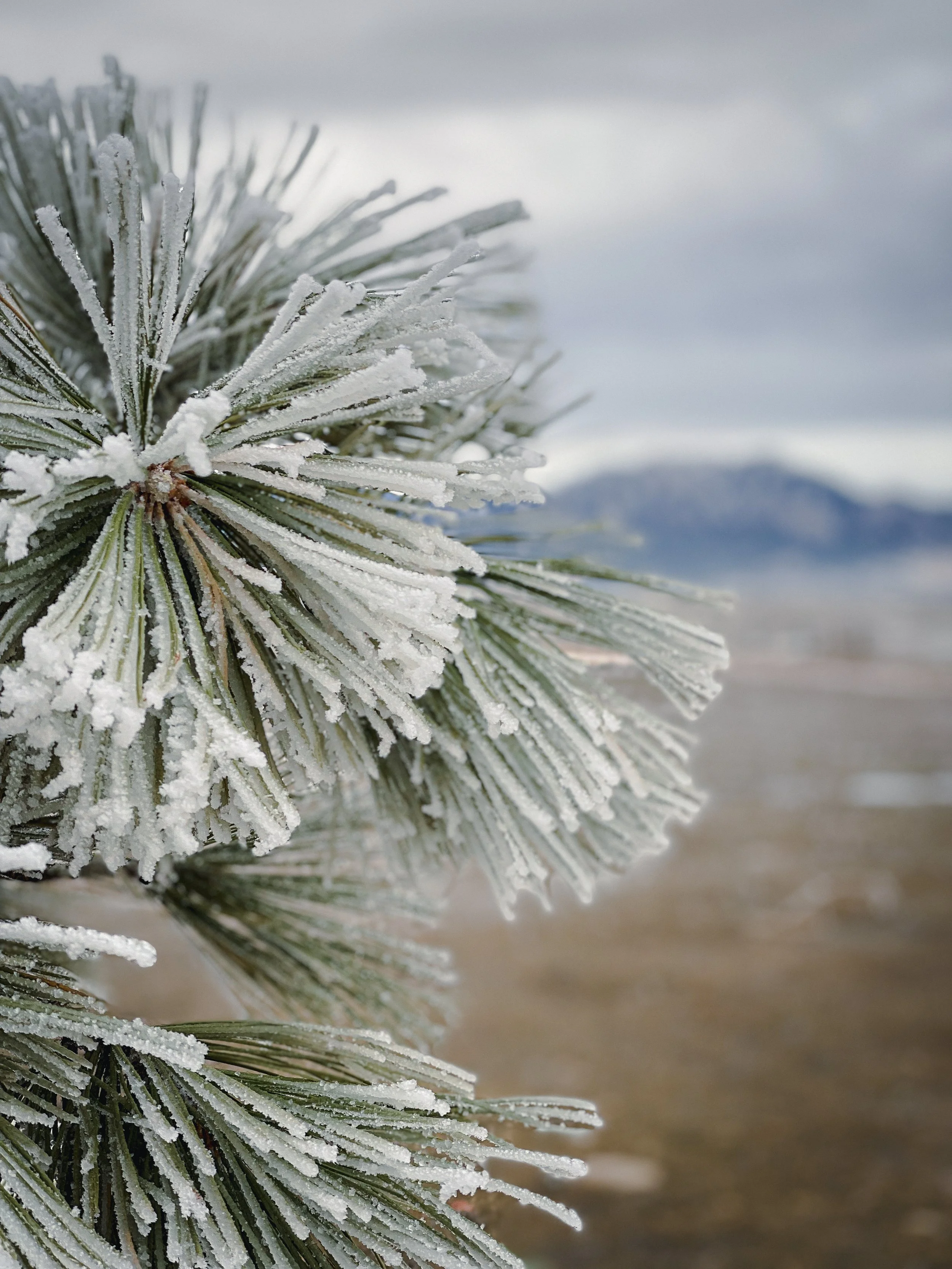
Spring frost, freezes, and snow can happen almost anywhere. And these events are projected to become even more common as the climate changes. But with a few items at hand and a good strategy in place, your garden will come through just fine!
If you have questions, don't hesitate to ask!
This post originally appeared on my Substack. Subscribe to my Substack, and all of this gardening goodness will appear in your email inbox weekly!
Happy Gardening!
Angela
Subscribe now so you never miss a thing!