

Replace Your Lawn With a Wildlife Garden
Real Results & Honest Tips
Four years ago, I started a great experiment. It was the biggest gardening project I had ever taken on in one big push. That became our wildlife garden.
We removed all of the grass—there wasn’t much, let me tell you. We removed all of the weeds – there were a lot of those. Then we planted more than a thousand plants.
And it’s been so worth it.
I’m giving you a peek into how it looks in early spring. I started this garden almost exactly four years later, and I want to show you what a wildlife garden looks like in early spring and how it functions. I also want to give you some ideas and pointers if you’re thinking about putting in a wildlife garden, removing your lawn, or even just part of it. And I’ll share a few things I wish I had known—things I would probably change now, four years later.
Spring Wildlife Garden Video Tour
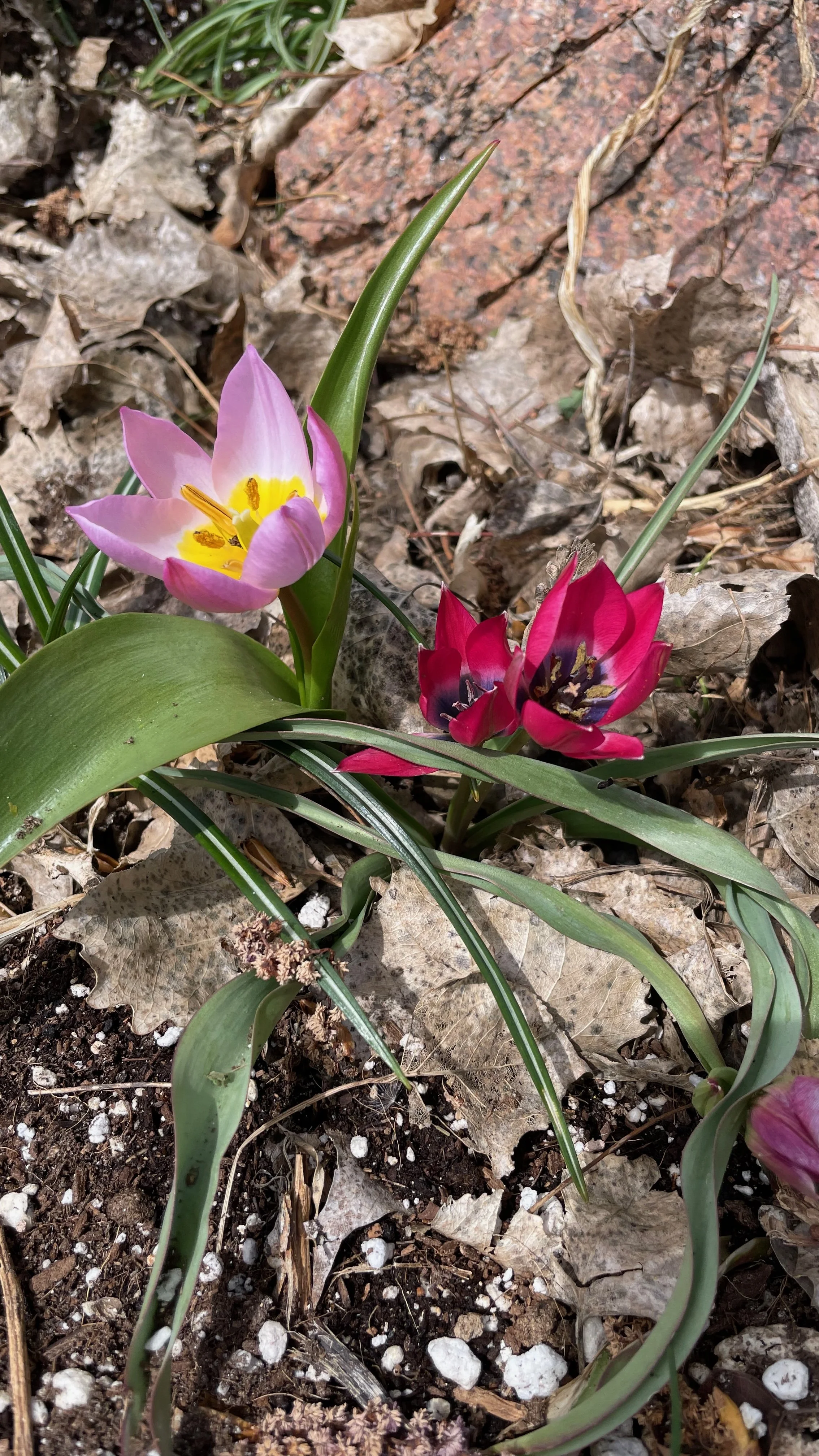
To give you a better idea of the space, I did a little tour this weekend, so enjoy the video — and a summary for those of us who like to read, too! Welcome to a very informal, early spring wildlife garden tour!

The Garden Layout
The wildlife garden is a big L-shape along the front of our house – it isn’t as hellstrip, but it is close. The plants along the front endure reflected heat from the street and are planted on a slope, so it’s dry and hot and while the street is pretty quiet, they do encounter any car pollution and foot traffic, too.
To combat those challenges, the Wildlife Garden is densely planted with all kinds of native plants as well as some introduced species. Initially, plants were planted at 12” on center – one plant per square foot. There are now some areas that are more densely planted than that with the infusion of more plants over the years. But, of course, some plants didn’t make it, either. That is the way.
Habitat Features
I have created small “thicket” areas using clusters of trees—specifically Amelanchier (serviceberry) and Prunus virginiana ‘Canada Red’ | Chokecherry.
The Amelanchiers have been in bloom for about a week and a half or two weeks—they’re so pretty and just starting to fade. Now the chokecherries will bloom. Both trees provide lovely shade in the summer and color in the fall, and they’re native to North America, which is fantastic. The pollinators have already been busy, and they’ll be even busier when the chokecherries bloom.
These clumps of trees:
Provide shade
Offer seasonal beauty
Support pollinators – they are early bloomers
Add structure and habitat
Pro\vide a little privacy
We also leave fallen wood from removed trees. It may seem a little strange, but fallen wood has many functions in an ecosystem including:
Providing shelter
Retaining moisture
Supporting insects and fungi
Dead wood is incredibly valuable for biodiversity.

Helpful Links:
Spring Garden Care So Far
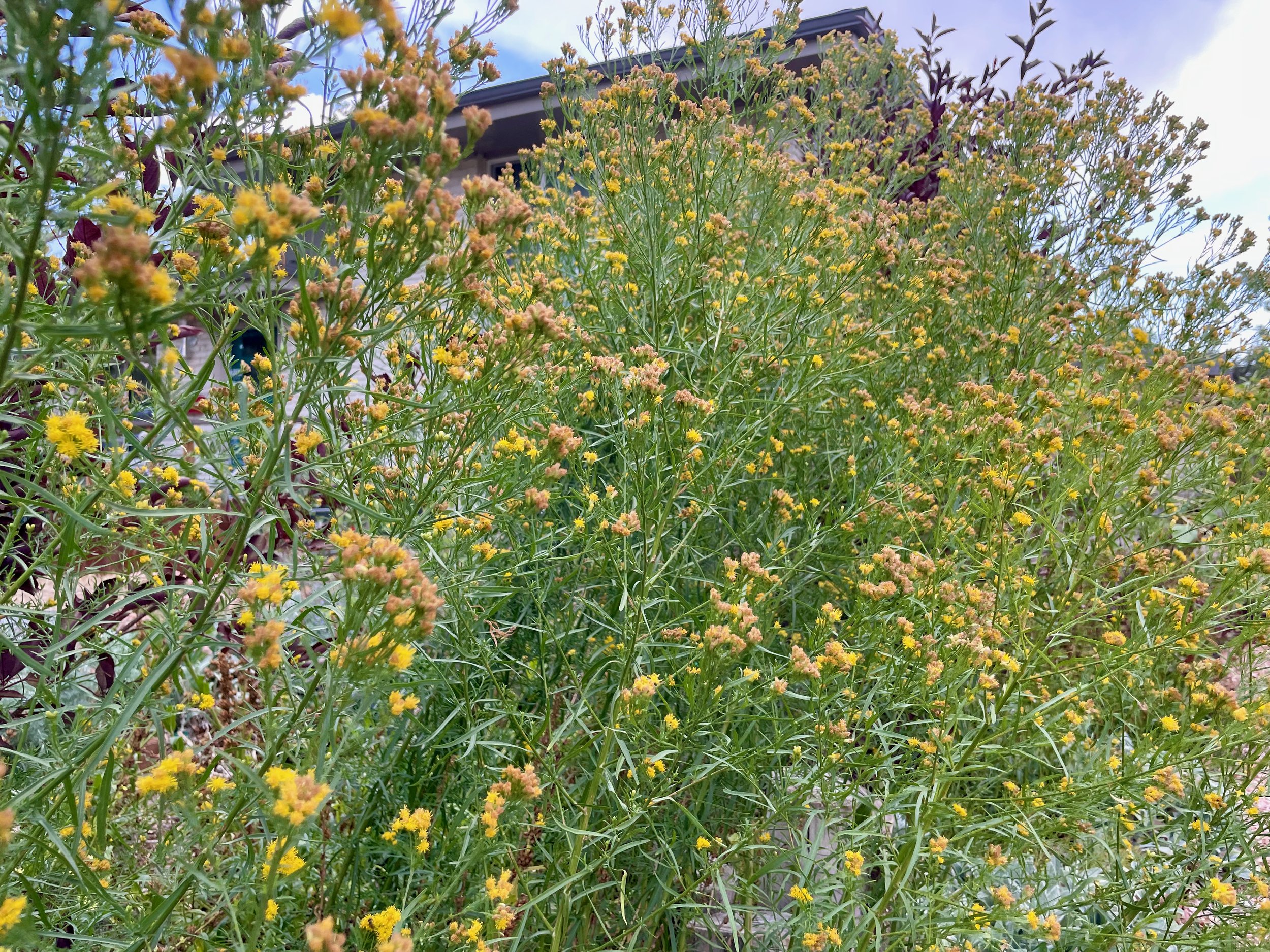
The only thing I did recently was cut back a tall variety of goldenrod that was flopping everywhere. But I left the stems—cut to about 6–8 inches—because they’re hollow.
That’s important: hollow stems provide nesting sites for bees and other insects in spring. So even when you cut, you leave the stems.
That’s really the only thing I’ve done out here this spring. There’s more to do, and I do clean up, but I do it very slowly and deliberately. Mostly, I leave things. And with almost everything I do, I chop and drop.
I am a little concerned about one of the Amelanchiers—it didn’t bud like the others. I’m hoping I didn’t lose it. It may just be behind. We had such a dry winter with almost no snow, and I know there will be perennials I lose despite watering, which makes me sad.
Last fall, I planted a ton of irises. I’m a little concerned about how many made it through the winter with so little moisture, but we’ll see. I also have a lot of salvias and some blue glow thistle, which is coming back really well.
I planted some grasses last fall too, and I’m not sure how they’ll do. I love grasses, but I struggle with them here. A botanist I spoke with said grasses need regular irrigation for the first three to four years, and you’ll lose some in the winter. That honesty was helpful—they need water to establish, even if they’re native.
Wildlife Garden Highlights in April
One thing I’ve realized is that I didn’t have enough variety in plant shapes. That’s why I planted so many irises—they’ll add vertical structure with their tall, upright leaves. And those irises are beginning to come up!
Nepeta: catmint—and it’s already blooming in early April. It blooms all summer long. Some people don’t like it, but I think it’s beautiful. It has this lovely mounding shape, and I really love those rounded forms in the garden
Artemisia ‘Powis Castle’: has silvery foliage year-round. I often cut it back to maintain a rounded shape, and I even use the stems to make wreaths during the holidays.
Rocky Mountain Penstemon: one of my favorite native plants. I just snap off the old stems and let it regrow. It will bloom in a few weeks with stunning blue-purple flowers. It also reseeds, which I love.
Yarrow: a keystone species. It looks messy now, but it will soon be lush and covered in blooms.
There are about 40 different plant varieties here, and they all emerge at different times. Right now, some areas look empty, but they’ll fill in quickly.

Helpful Links:
Wildlife Benefits
The impact of this garden has been immediate and amazing.
We now see:
Bees and butterflies
Birds
Owls
Hawks
Even a golden eagle hunting
All of this… on a small suburban lot.
That’s the power of increasing biodiversity. Even a small patch can make a difference.
Is it time to ditch your lawn?
Lessons Learned & Tips for You
I often see people ask if this is the year to ditch their lawn and plant a wildlife garden. I would say yes—any year is a good year. But you need to know that plants require water to establish. You won’t save much water in the first couple of years.
That said, the benefits show up immediately. You’ll see more bees, butterflies, birds, and other wildlife almost right away. Even a small patch can make a difference.
We’ve seen owls, hawks, and even a golden eagle hunting in our garden. This is a small suburban lot, and yet the wildlife presence is incredible. There are rabbits and mice, but they’re part of the ecosystem—they feed the predators. It’s all connected.
I have some tips for you when you decide to take the plunge!

Key Lesson #1: Watering Matters
You need a good watering plan. Even if you’re planting drought-tolerant plants, they need water to get established. I spent hours watering this space in the beginning. I eventually added soaker hoses and a smart sprinkler system, which helped a lot.
One of the biggest lessons I’ve learned:
Even drought-tolerant plants need water to establish.
For the first few years:
You will not save water
You may spend more time watering – especially in targeted ways
I spent hours watering early on. If I could redo it, I’d invest in a better irrigation plan from the start.
Now I use a combination of:
Soaker hoses
A smart sprinkler system – The Oto Lawn
Takeaway: Have a solid watering plan before you plant. You’ll need to water more than you think at the start, but it’s a temporary state. Over time, you’ll need to water less and less.

Key Lesson #2: Add More Shrubs
Second, I would have planted more shrubs. The garden looks great in summer, but I’d like more color and structure in fall and winter.
Shubs can provide:
Better fall color
More winter structure
More habitat
Right now, the garden looks great in summer—but it could use more visual interest in colder months – especially in the first few months of the new year.
I need a few evergreens and some shrubs with height to break things up a bit.

Key Lesson #3: Plan Paths
This is a big one. From the start, I didn’t include paths because I wanted a dense, natural look—but that made maintenance difficult. Some areas are wide and hard to access for weeding, especially in the early years. I’ve had to climb around plants—and yes, I’ve fallen a couple of times.
As a result:
Some areas are hard to access
Weeding can be tricky
I’ve literally fallen trying to navigate it – free entertainment for my neighbors, I’m sure!
If you’re starting out:
Add simple paths (gravel, stepping stones, etc.) for access.
Weeding was intense in the beginning, but it’s improved as the plants matured and outcompeted weeds. Leaving leaves in place also helps suppress weeds, especially cottonwood leaves, which decompose slowly.
If I were starting again, I’d add simple paths—gravel or stepping stones—to make maintenance easier.
at the close…
Should you replace your lawn?
If you’re wondering whether to replace your lawn with a wildlife or native garden:
Yes—any year is a good year to start.
Just remember:
Start small if needed
Plan for watering
Think long-term
The benefits—for you and for wildlife—begin almost immediately.
Subscribe now so you never miss a thing!