

A Science-Based Winter Care Guide for Houseplants
What Plant Physiology Tells Us About Winter Care
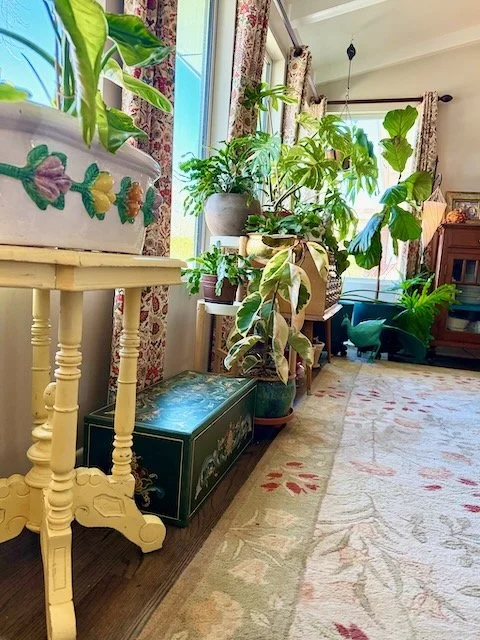
I will be honest: my attitude toward houseplants is pretty… Darwinian. I don't pamper them. They are largely there for decoration – to warm up the space. Partly that's because I really only have one good spot for them: in my dining room. Otherwise, the design of our home is such that there isn't enough light in most other rooms to do plants.
But I do have a fair collection, and what hasn't died thrives. Survival of the fittest, you know.
Winter is always a bit of a challenge for my houseplants. Houseplants don’t experience “winter” the way outdoor plants do—but they do respond to changes in light, temperature, and humidity. In winter, shorter days and indoor heating alter the conditions plants evolved for, which slows their metabolism and changes how they use water and nutrients.
The fact is: most of the plants we think of as houseplants are from tropical regions of the world. Their native climates are seasonless. That's part of why they thrive in our temperate homes – our homes are pretty seasonless, too. But with the changes in light, temperature, and humidity that come with winter conditions, it's important to do just a little TLC to set your plants up for a great spring and summer ahead.
So, let's look at a few basic plant science principles that can help you adjust your care routine and avoid the most common winter plant problems.

Reduced Light Lowers Photosynthesis—and Growth
The science:
Ok. We are going back to high school biology. Plants perform photosynthesis – they manufacture their own sugars (fuel) to keep their cells running. Largely taking place in a plants' leaves, photosynthesis is the most important process in a plant's biology.
Photosynthesis depends on light intensity and duration. In winter, two factors reduce the amount of light plants receive: the sun sits lower in the sky and the days are shorter. These two factors have a significant effect on plans – even indoors near windows.
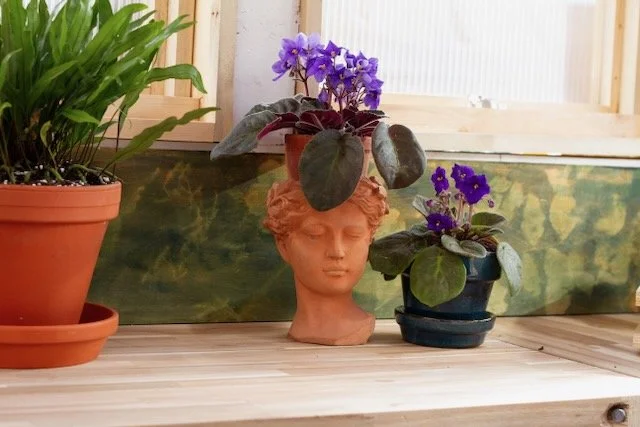
When photosynthesis slows:
Growth rate decreases
Water uptake slows
Nutrient demand drops
What this means for care:
Move plants closer to light sources
Rotate plants to ensure even light exposure
Clean leaves to improve light absorption
Supplement with grow lights if natural light is insufficient
This can also mean some stress for your plants – particularly if they are tropical. The closer a plant's origins are to the equator, the less evolution has prepared them for a period of declining sunlight. In the equatorial regions, there are not seasonal differences!
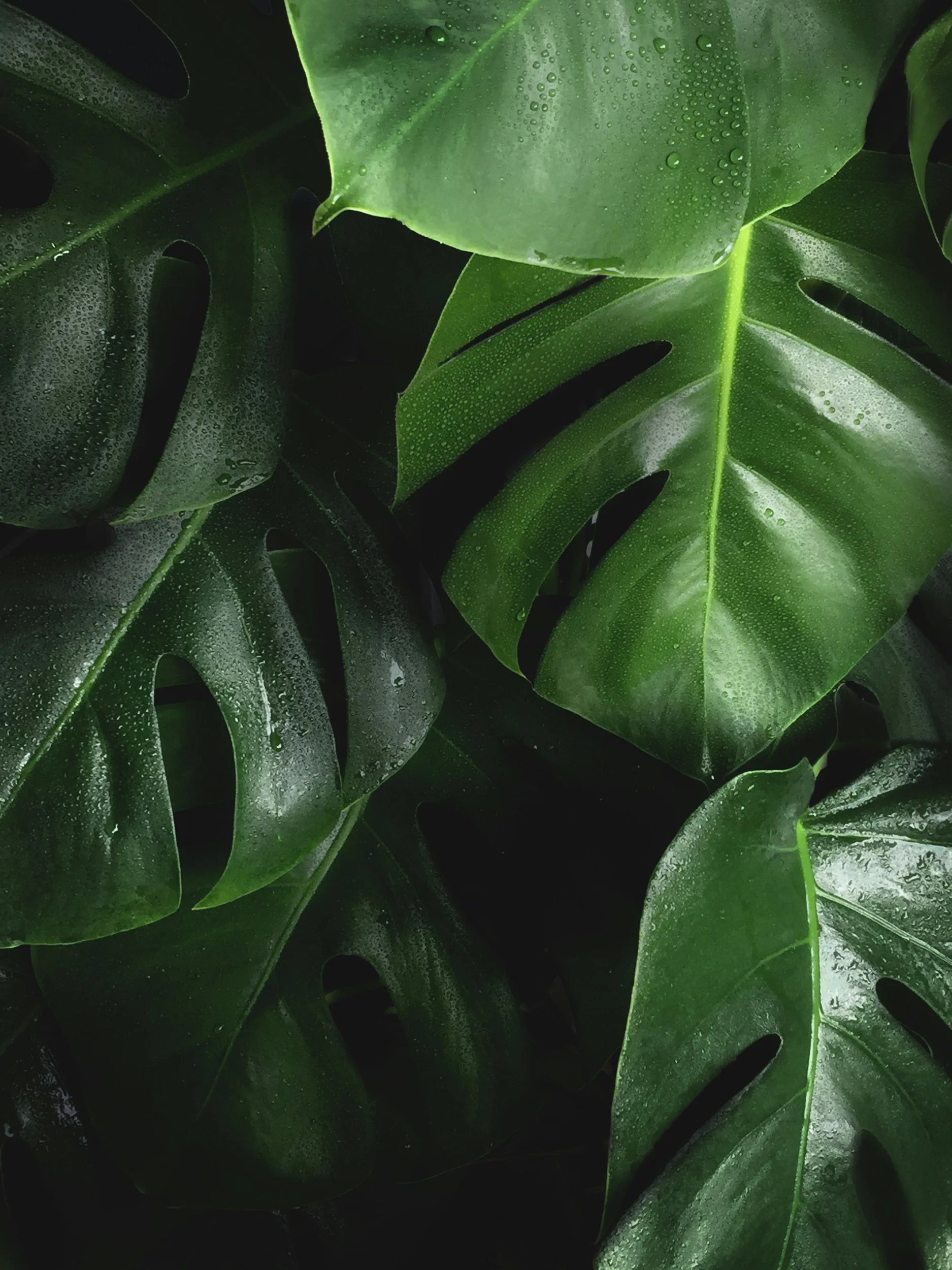
So that Monstera deliciosa, which hails from Mexico and Central America, may get a little stressed by four months of short days and low light levels. Move it closer to the window! Put a grow light on it. And give it as much light as possible. It won't die, but recognizing that it may be stressed can be helpful.
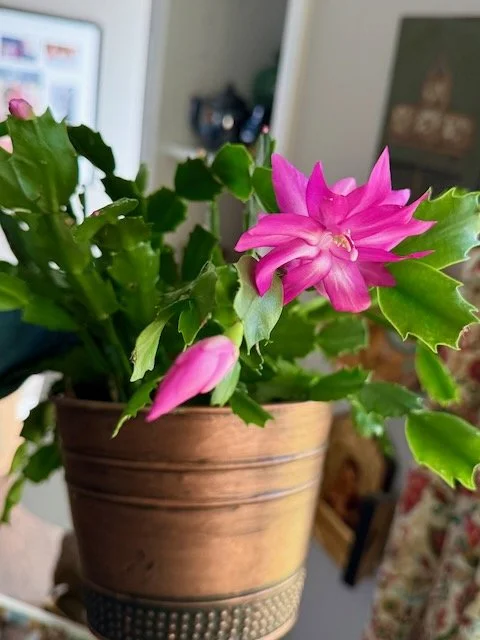
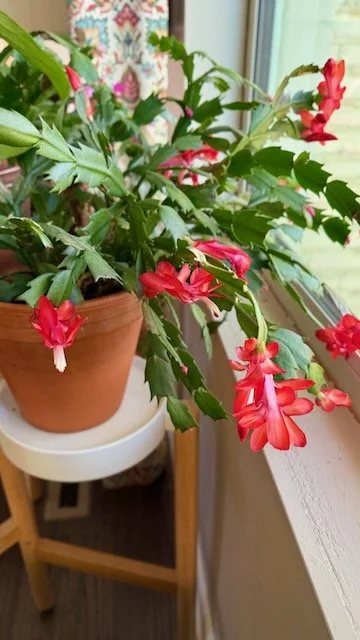
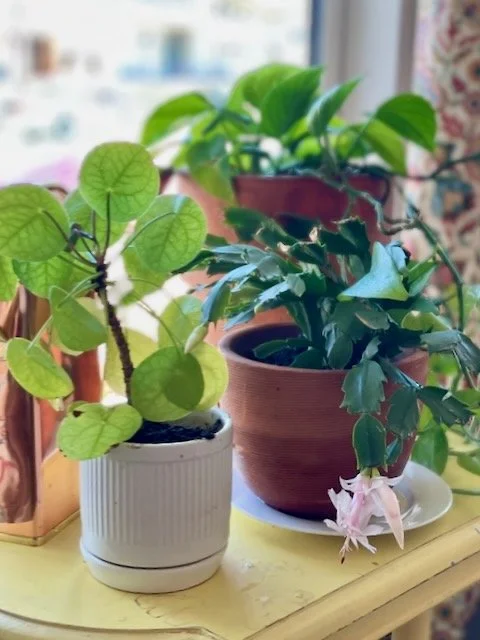
Of course, that stress can also have other effects. With Schlumbergera truncata, Thanksgiving cactus, the stress of declining light levels causes the plants to bloom. I wish stress made me bloom! The beautiful blooms of the Thanksgiving and Christmas cactus (Schlumbergera × buckleyi) are a beautiful reaction to shorter days. Easter cactus – Rhipsalidopsis gaertneri their cousin – blooms around Easter in reaction to longer daylight hours.
90 Minute Winter Houseplant Refresh
Here’s what I do to support my houseplants for the winter — and it only takes 90 minutes!
Reduce Your Watering Schedule
The science:
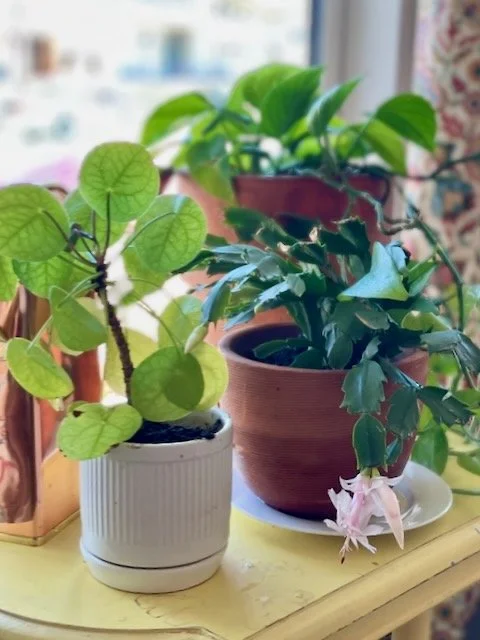
Back to high school biology! During the winter, houseplants need less water – this is also, indirectly, because of lower light levels. Water uptake is driven by transpiration—the movement of water through the plant and out through leaf pores (stomata). Transpiration is akin to breathing in a plant. The plant can take in carbon dioxide and expel both oxygen and water through these microscopic openings in leaves and stems. In the winter, lower light and cooler temperatures reduce transpiration, meaning water stays in the soil and in the plant itself longer.
Overwatering in winter leads to:
Oxygen-deprived roots
Increased risk of root rot
Fungal and bacterial issues
What this means for care:
Allow soil to dry more between waterings
Check moisture at the root level, not just the surface
Use pots with drainage to maintain soil oxygen
Did you know that roots need oxygen as much as they need water?
They do! And when soil is too saturated with water it deprives the plant of oxygen intake. It can also encourage the growth of certain fungi in the soil which can lead to root rot.
So, take care when watering your houseplants in the winter. You'll probably be able to cut back. For me, I adjust from weekly watering to every 10 days or so. But this depends on lots of factors including the type of pots used, the volume of the pots, and even the position of air vents nearby.
Dry Air Can Dry Everything Out
The science:
You know all of that lotion that you have to use in the winter? Well, your plants would like some, please! Indoor heating lowers the relative humidity which can also be stressful for your houseplants. Ironically, this can cause your plant to use more water – that's why checking your plant's soil is especially important.
Symptoms include:
Brown leaf tips
Leaf curl
Premature leaf drop
What this means for care:
Increase ambient humidity with a humidifier
Group plants to create a microclimate
Fill a tray with stones, put the pot in the tray, and keep the tray filled with water
Keep plants away from heat sources
So I'll be honest: despite the fact that I live in a very dry part of the world, I don't do much. And I would probably have healthier plants if I ran a humidifier and paid more attention to this. Again: I'm pretty Darwinian. However, I do keep my plants bunched up together – that can subtly raise humidity levels in their little microbiome.
Yes, they would love to live in the bathroom and have a shower a few times per day. But my bathrooms are tiny! This just isn't realistic in my home. Sorry, plants!
And, I can't believe I have to say this, but: please don't actually apply lotion (or banana peels or smashed avocado to your plants). You will only harm them.
Stop Feeding
your Plants during
the Winter
The science:
Think about a 15 year-old during a growth spurt vs. that same person 15 years later. For many plants, summer is their teenage period – tons of growth and they need tons of food. Winter is more like the plant's thirtysomething era – steady and stable. Plants need more nutrients primarily during active growth – spring and summer. In winter, reduced photosynthesis limits the plant’s ability to use additional nutrients. And feeding them when they are thirtysomethings can lead to salt buildup in the soil and damage the roots.
What this means for care:
Pause fertilizing during winter dormancy
Resume feeding when new growth appears
If using grow lights, fertilize lightly and infrequently
Nutrients don’t equal growth without sufficient light energy. You are just wasting your money by feeding most plants in the winter. The exception: anything that blooms in the winter. My Schlumbergera truncata, Thanksgiving cactus, for example, blooms because of the stress caused by declining light levels. So once it is done blooming, I give it a good feed.
Maintain a Comfortable Temperature
The science:
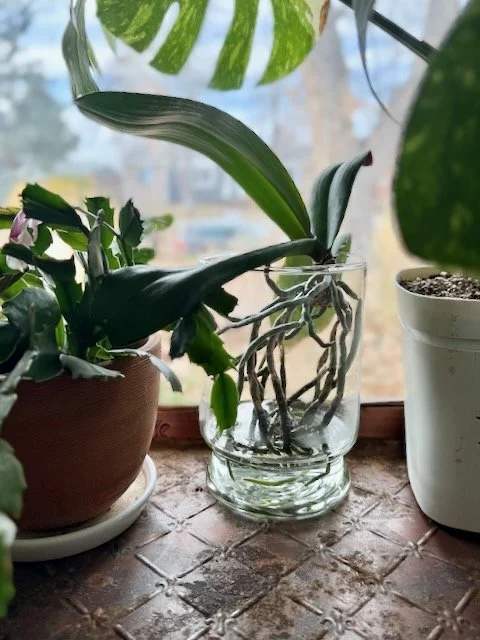
Unlike you a plant can't just put on a sweater. But if you are comfortable, so are your plants. Sudden temperature changes—like cold drafts or heat blasts—can disrupt cellular processes and damage tissues.
Cold stress can cause:
Leaf discoloration
Cell rupture near cold windows
Growth inhibition
What this means for care:
Keep plants away from drafty windows and doors
Avoid placing plants near radiators or vents
Maintain typical indoor temperatures
Consistency matters more than warmth. But if it gets very cold, and leaves are touching the windows, it's possible for your plant's leaves to freeze. Take care!
Skip Repotting Unless…
The science:
Moving house is one of the most stressful experiences for a human. Same for plants. Even when repotting to a bigger, more luxurious pot, the plant will experience stress. So repotting in the winter is generally not recommended. Afterall, all growth – roots, leaves, stems – requires energy and when photosynthesis is decreased, so is the energy available for growth. So during the winter, slower growth means roots recover more slowly from disturbance.
What this means for care:
Avoid repotting unless necessary
Delay major changes until spring
Address urgent issues like root rot immediately
Having said that: sometimes you have to do what you have to do! If you suspect root rot: repot. Don't wait. Frankly, I just repotted several houseplants a few weeks ago. One was too topheavy and kept getting knocked over. Another DID get knocked over and needed a complete reboot. And the third was ridiculously rootbound.
If you do have to repot something during the winter, give it some extra support:
Choose a pot with good drainage
Place the repotted plant in the sunniest spot
Fully saturate the soil with water, and watch the soil moisture carefully for the first month
Don't Freak Out about Leaf Drop
The science:
We don't freak out about trees dropping their leaves in the fall. Frankly, leaf drop is completely normal, but it can feel a little disconcerting when it happens with houseplants. But don't worry! Plants may shed older leaves to reduce energy demands when light is limited. This is a resource-allocation strategy. Think of it as self-pruning. Yes, sometimes leaf drop is a sign of illness, but not always.
What this means for care:
Monitor overall plant health, not just leaf loss
Focus on stable conditions rather than intervention
Avoid “panic care” like extra watering or fertilizer
at the close…
Your Houseplants will be Just Fine
Taking a few basic steps will help your houseplants make it through the winter. Focus on light, watering in moderation, humidity, and stability. But when you think about the basic botany behind your plant babies, caring for them becomes a lot easier!
Questions about houseplants? Let me know!
Happy Gardening!
Angela
Subscribe now so you never miss a thing!