

Winter Watering Tips
Why and How to Water Plants During a Dry Winter
I am watering my plants outside this weekend – especially my trees. That's not something most people say in the winter. In fact, when people talk about watering plants, winter rarely comes up. And honestly, before I moved to Colorado, I used to think the same thing. Cold weather, dormant plants, no obvious growth — why would watering matter?
But if you live in an area with dry winters, little or infrequent snow cover, or frequent warm spells, winter watering is not only helpful — it’s essential. Research from university extension programs consistently shows that trees, shrubs, and even some perennials can suffer serious stress during dry winters if soil moisture drops too low.
This is particularly important for those of us who live in urban areas. Our trees are an incredibly valuable resource. They cool and shade our streets. They make our yards and gardens more beautiful. And they provide habitat for countless creatures in our ecosystems from birds to bugs and beyond.
But trees require water. And the larger and more mature a tree is, the more water it requires. Climate change is making that even more challenging in many parts of the world – including mine. With less overall moisture or more erratic rain and snowfall, stress on trees and other perennial plants is significant.
So watering even a few times each winter can be a great help to those plants we love so much.
Here’s what the science says — and how to make winter watering simple and effective.

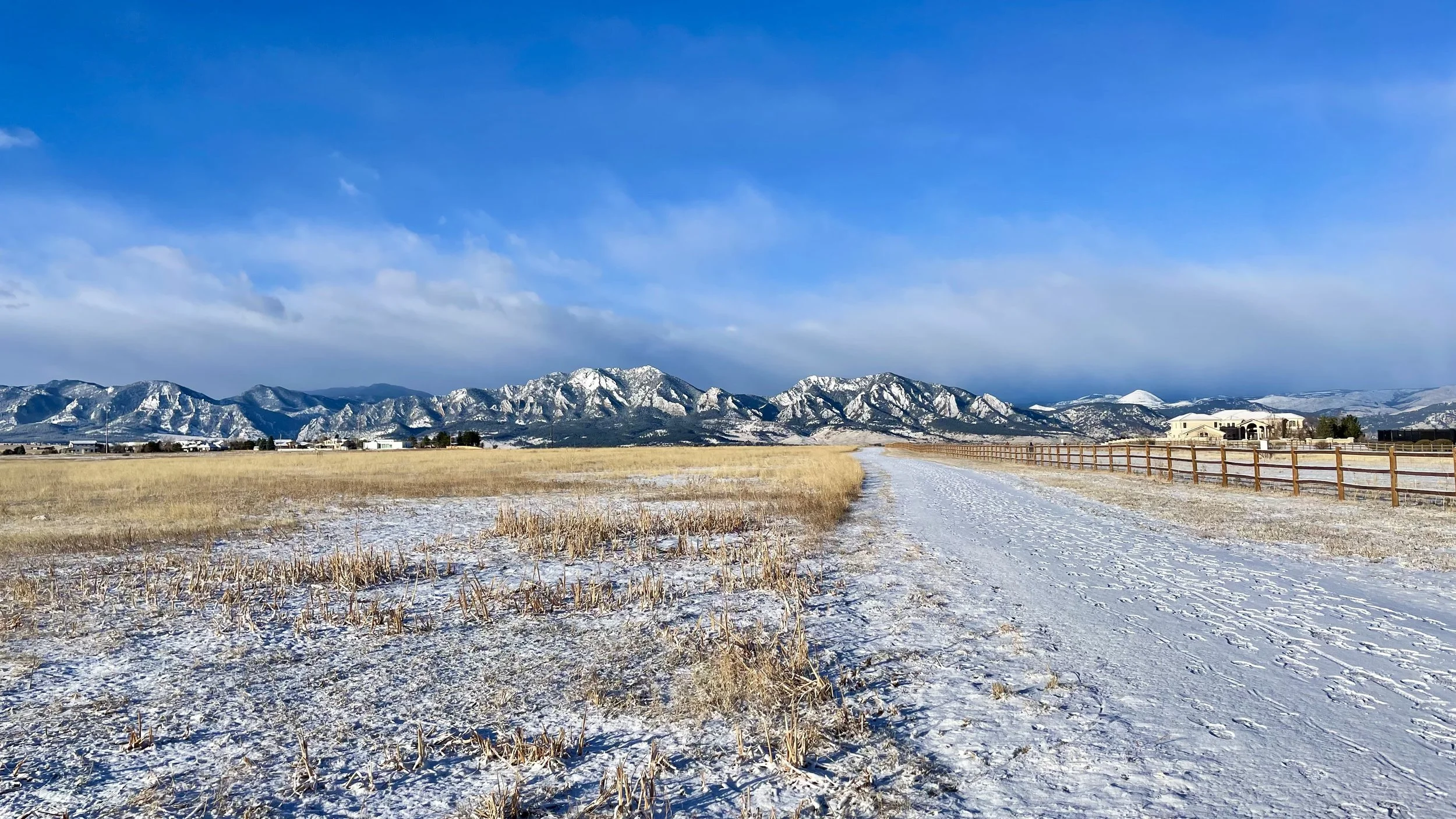
Why Winter Watering Is Important
Even though many plants go dormant in winter, their roots are still alive. And in dry winter conditions, those roots can lose moisture faster than they can replace it.
Winter watering helps prevent:
Root desiccation (drying out underground)
Winter burn on evergreens
Delayed spring growth
Increased susceptibility to pests and disease
Evergreens are especially vulnerable because they continue to lose water through their needles all winter. When frozen or dry soil prevents water uptake, the result is browning, needle drop, or dieback — often not noticed until spring.
Winter watering is most important during:
Dry winters with little snow
Warm winters with frequent freeze–thaw cycles
Periods of extended drought
Windy conditions that increase moisture loss
This winter in Colorado we have had all four of those conditions. So winter watering is a must.
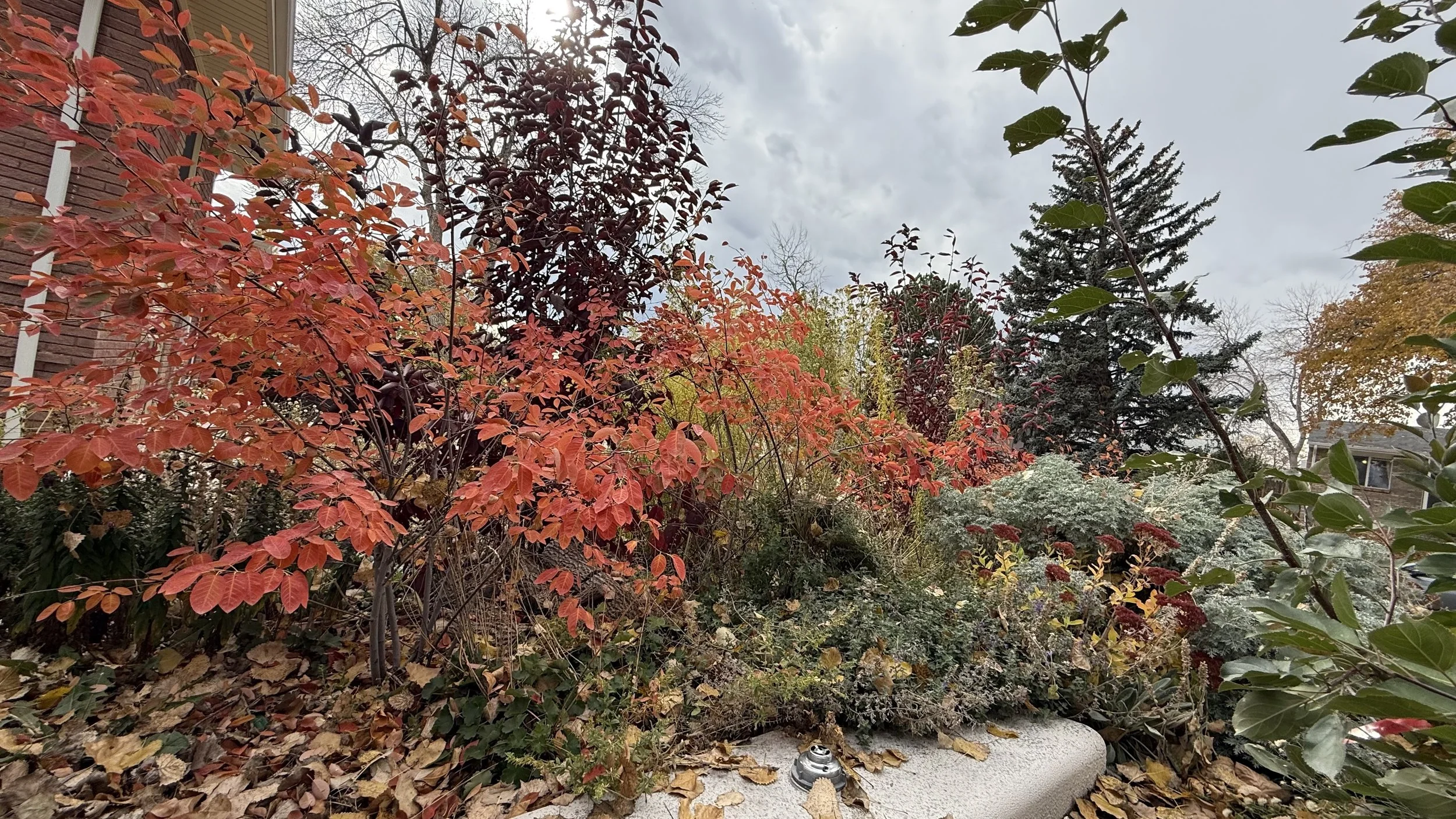
When to Water in Winter
Timing matters more in winter than any other season.
The best conditions for winter watering:
Air temperatures above 40°F
Soil that is not frozen
Midday to early afternoon
No snow or ice covering the ground
Avoid watering:
When the ground is frozen
During extended cold snaps
Late in the day before nighttime freezes
What Plants Need Winter Watering Most
Not all plants need the same attention in winter. Focus on these first:
Evergreen Trees and Shrubs: Pines, spruces, firs, junipers, boxwoods, and hollies lose moisture year-round and are the highest priority during dry winters.
Newly Planted Trees and Shrubs: Plants installed within the last 1–3 years have smaller root systems and dry out faster.
Trees Near Pavement or Structures: Heat reflection and compacted soil can increase moisture loss even in winter.
Plants Exposed to Wind: Wind dramatically increases water loss, especially for evergreens.
Established, deep-rooted deciduous trees usually tolerate winter conditions better, but they still benefit from watering during prolonged dry periods.

How to Water Properly in Winter
I have two words for you: deep and slow.
Use:
A soaker hose
Drip irrigation on low flow
A garden hose at a slow trickle
A good sprinkler
The goal is to moisten soil down to the root zone, not just on the surface.
Water at the Drip Line
Apply water around the outer edge of the plant’s canopy — where the absorbing roots are — not directly at the trunk.
Avoid the Trunk
Keep water several inches away from the base of trees and shrubs to prevent rot and disease.
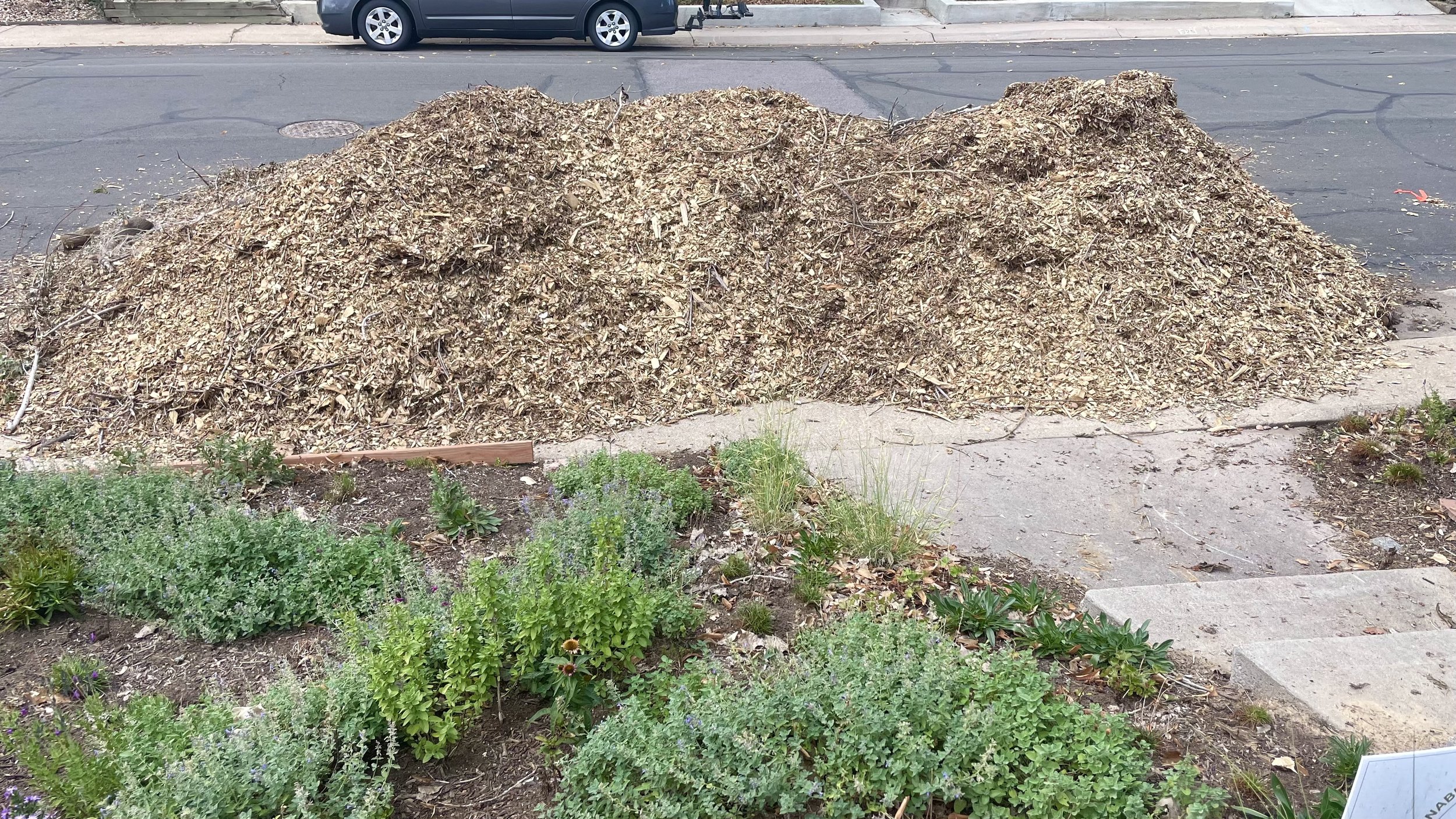
Use Mulch
It's never too early or too late to apply mulch! Some people think you can only do it in the spring or fall, but honestly, you can apply it any time of year. Have time in February? Mulch!
A 2–4 inch layer of organic mulch:
Helps retain soil moisture
Reduces temperature swings
Protects roots during freeze–thaw cycles
Keep mulch slightly pulled back from the trunks of trees.
What I Do
Each time we get substantial snow – at least 1" – I restart the clock. If it doesn't snow for 2-3 weeks, I water. And then I start the clock over again. And I literally keep track by making a note of every rain or snowfall in my gardening journal.
How Often Should You Water in Winter?
Frequency depends on weather, soil type, and plant age, but general guidelines include:
Established trees and shrubs:
Every 3–4 weeks during dry winter conditionsYoung or newly planted plants:
Every 2–3 weeks in dry wintersAfter long dry spells with warm temperatures:
Every 2–3 weeks without moisture
When snowfall is consistent and snow remains on the ground, additional watering may not be necessary.
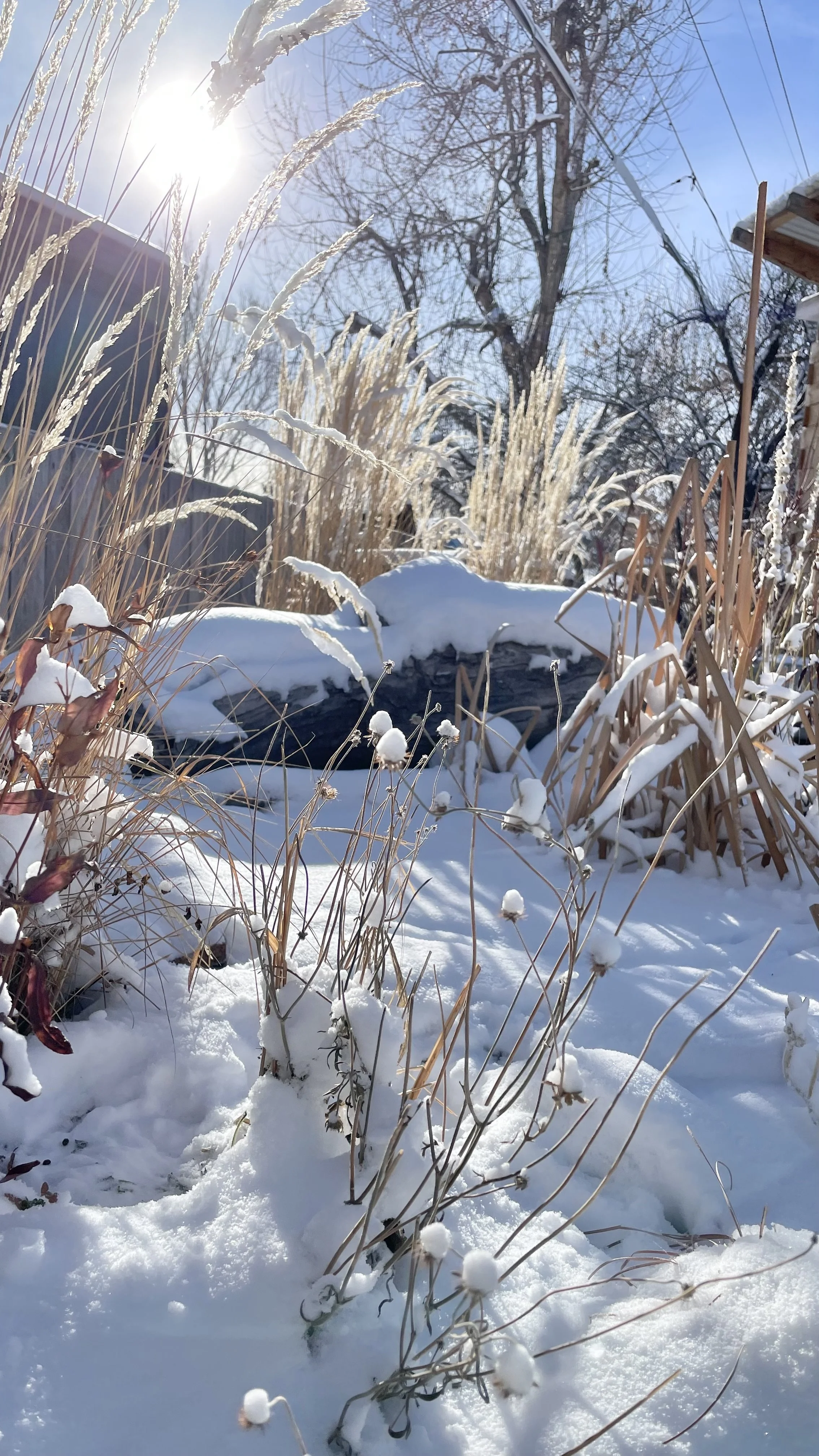
Common Winter Watering Mistakes
Avoid these common problems:
Watering frozen soil
Overwatering in cold conditions
Watering right before a hard freeze
Frequent shallow watering instead of deep soaking
Ignoring evergreens until damage appears
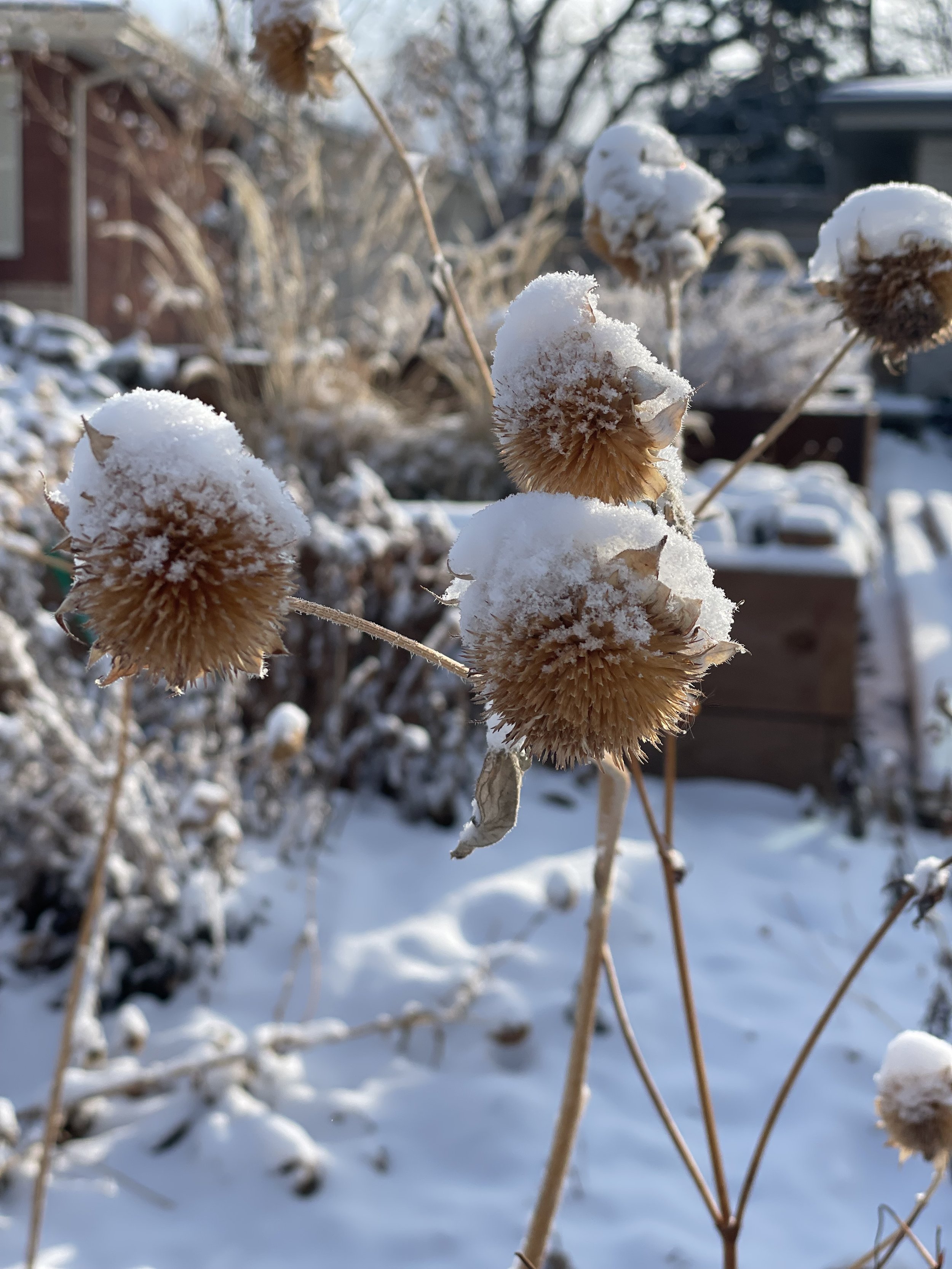
Easy Winter Watering Tips
Check the weather forecast and plan ahead
Track rain and snowfall in a gardening journal
Water earlier in the day when temperatures peak
Prioritize evergreens and young plants
Use mulch as insulation
Disconnect hoses once watering is done.
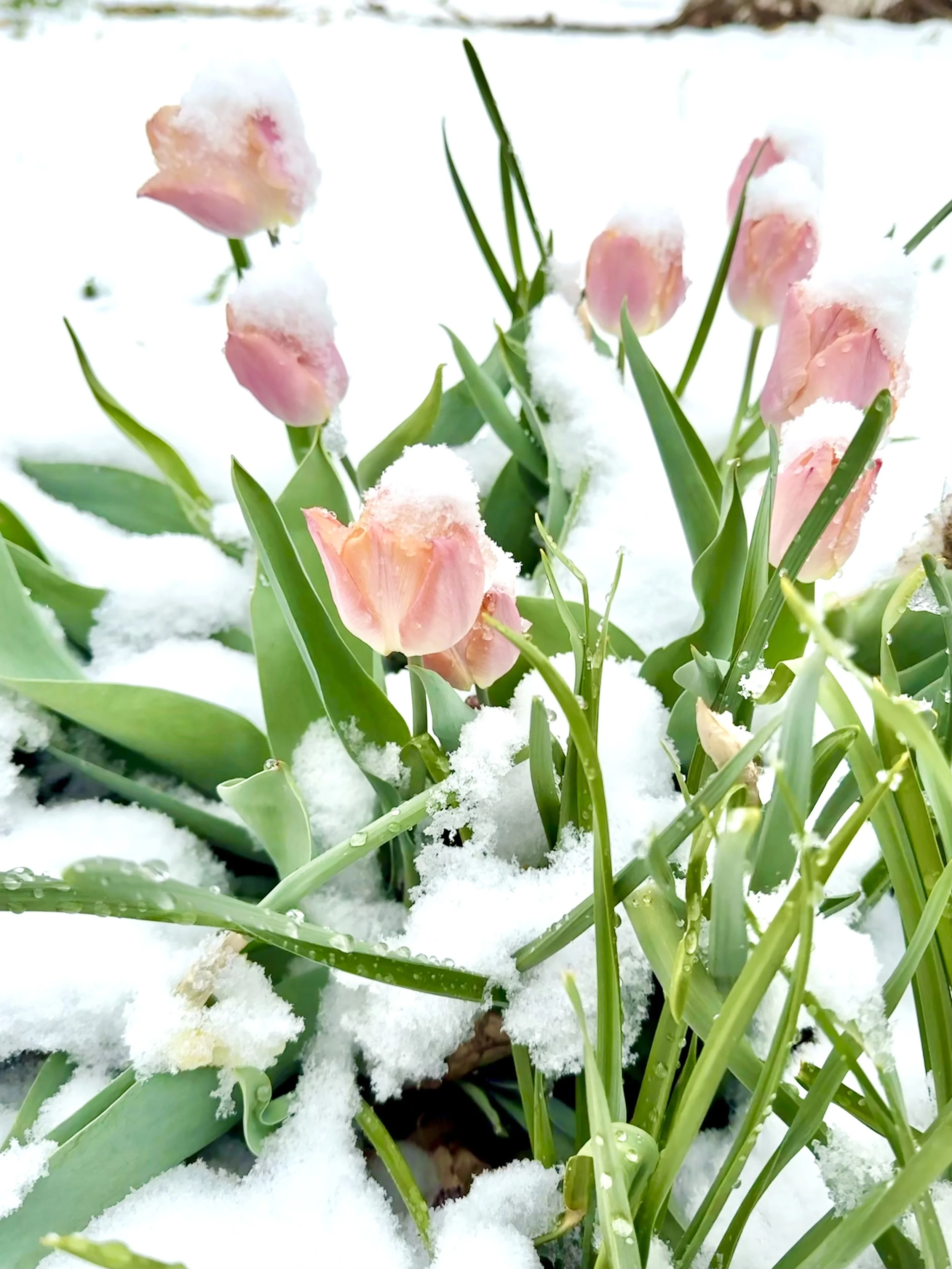
Why Winter Watering Pays Off in Spring
Plants stressed by winter drought often:
Leaf out slowly
Show dieback or browning
Require extra care to recover
Healthy winter moisture supports stronger roots, better spring growth, and overall plant resilience.
It may feel strange to water when everything looks dormant — but underground, your plants are very much alive. And giving them the moisture they need during a dry winter can make all the difference once spring arrives.
Frequently Asked Questions
-
Even in winter, plant roots are still alive. During dry winters with little snow, soil moisture can drop too low, which stresses plants underground. This can lead to root desiccation, winter burn on evergreens, delayed spring growth, and long-term damage that doesn’t show up until months later.
-
Water on days when temperatures are above about 40°F and the ground is not frozen. Midday to early afternoon is best, since it gives water time to soak into the soil before temperatures drop overnight. Avoid watering during hard freezes or when snow or ice covers the ground.
-
Evergreen trees and shrubs need the most attention because they continue to lose moisture through their needles all winter. Newly planted trees and shrubs (within the last 1–3 years) are also more vulnerable because their root systems aren’t fully established. Plants exposed to wind or growing near pavement may need extra water as well.
-
During dry winter conditions, most established trees and shrubs benefit from deep watering about every 3–4 weeks. Newly planted trees and shrubs may need watering every 2–3 weeks. The key is deep, infrequent watering rather than frequent shallow watering.
-
No. Frozen soil cannot absorb water, so watering during frozen conditions is ineffective and can create ice on the surface. Always wait until the soil has thawed and daytime temperatures are warm enough for water to soak in.
-
Consistent snowfall that stays on the ground can provide enough moisture for plants. However, during dry winters with little snow or frequent melting, additional winter watering may still be necessary—especially for evergreens and young plants.
at the close…
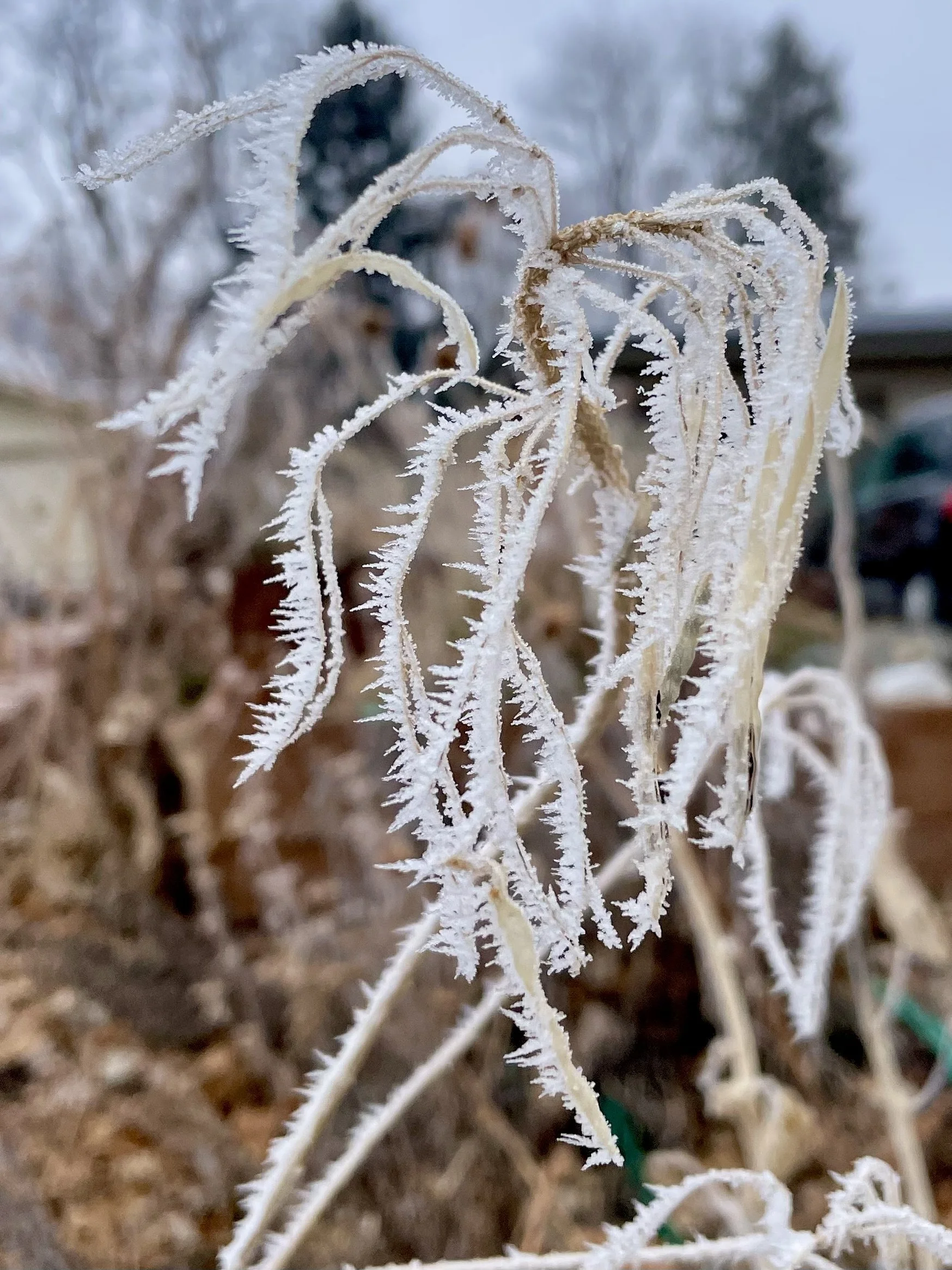
This weekend is warm and sunny, so it's the perfect time to water. Yes, we had snow last weekend, but we didn't get much. So I'll be out watering!
Happy gardening!
Angela
Subscribe now so you never miss a thing!