

Why Replace Your Lawn with Native Plants
We have been conditioned to believe that a verdant, perpetually green lawn is the ultimate sign of a cared-for home—but what is the true, hidden cost of this cultural obsession? For most of us, the answer is a shockingly high water bill. Traditional turf grass, a class of plants ill-suited for most American climates, is an immense drain on our most precious resource.
Our yards guzzle millions of gallons of water every day and the startling truth is as much as half of that water is simply wasted.
Let's talk about the cold, hard numbers that make me cringe. The average American family consumes 320 gallons of water per day—and around 30% of that is devoted to watering plants outside including high-maintenance lawns and gardens? Nationwide, landscape irrigation is responsible for nearly one-third of all residential water use, a jaw-dropping total of almost 9 billion gallons every single day.
If you live in an arid region, like here in Colorado or in the American Southwest, outdoor watering can guzzle as much as 60 percent of your total household water. Now, if you are watering a productive veggie garden: no problem! Keeping your trees alive? Fabulous! But watering a vast expanse of decorative, mown grass: well, it's time to rethink that.
And perhaps the most heart-breaking statistic might be this: experts say up to half of that precious irrigation is completely lost—evaporated, blown away by the wind, or just running off because of outdated, inefficient systems.
If you're tired of seeing your money—and precious water—vanish, it's time to transition to rethink your lawn. If you are here reading this, I am sure you already are considering this change. Welcome! This guide has everything you need to make the change – whether all in one big project or in smaller bites, a bit at a time.
If you are ready to break free from the burden of high-maintenance yard work and embrace a truly sustainable gardening solution, the answer is simple: replace your lawn with native plants.
Not yet convinced?
Well, let's start with five critical environmental and financial reasons why switching to native landscaping is the most impactful step you can take today to boost biodiversity, conserve water, reduce pollution, and cultivate a truly resilient landscape in your own backyard.
Lawns Are Ecological “Dead Zones”
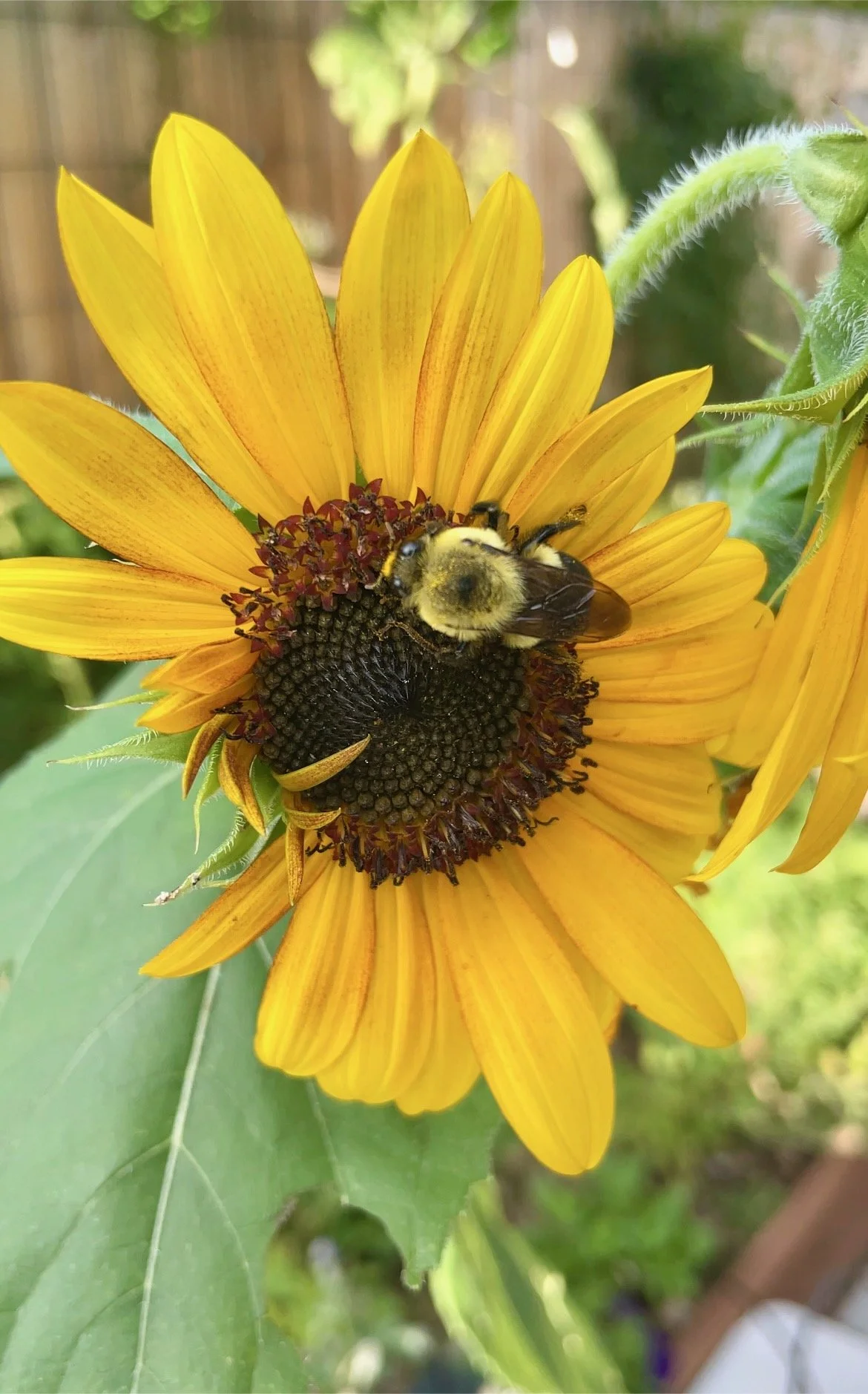
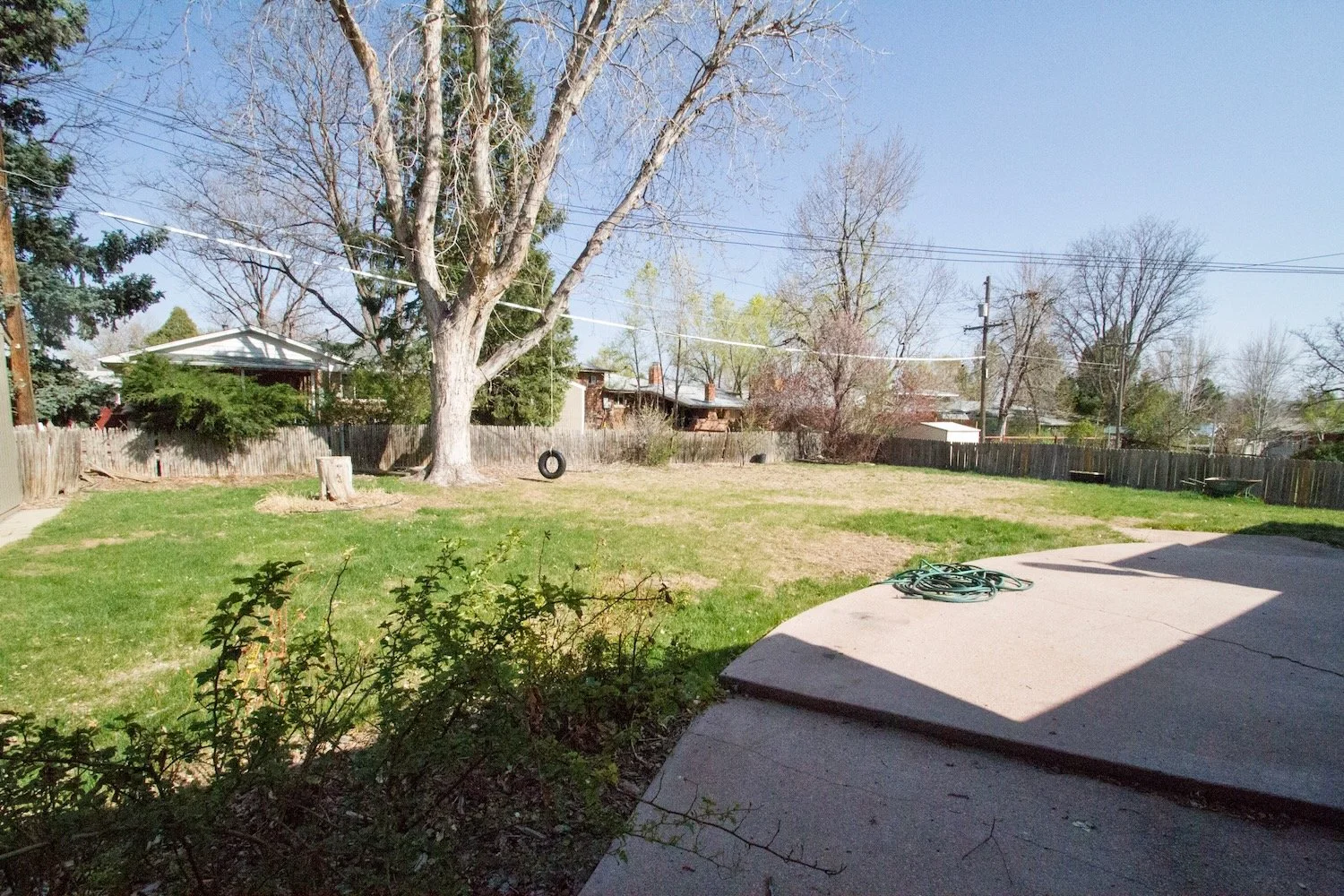
Traditional lawns are monocultures – areas composed of only one plant species – that provide little food or shelter for wildlife. By contrast, native plantings create layered habitats that support insects, birds, and other species. Replacing lawns with native plants helps restore food webs, shelter, and breeding sites for wildlife.
Native Plants Support Pollinators and Biodiversity
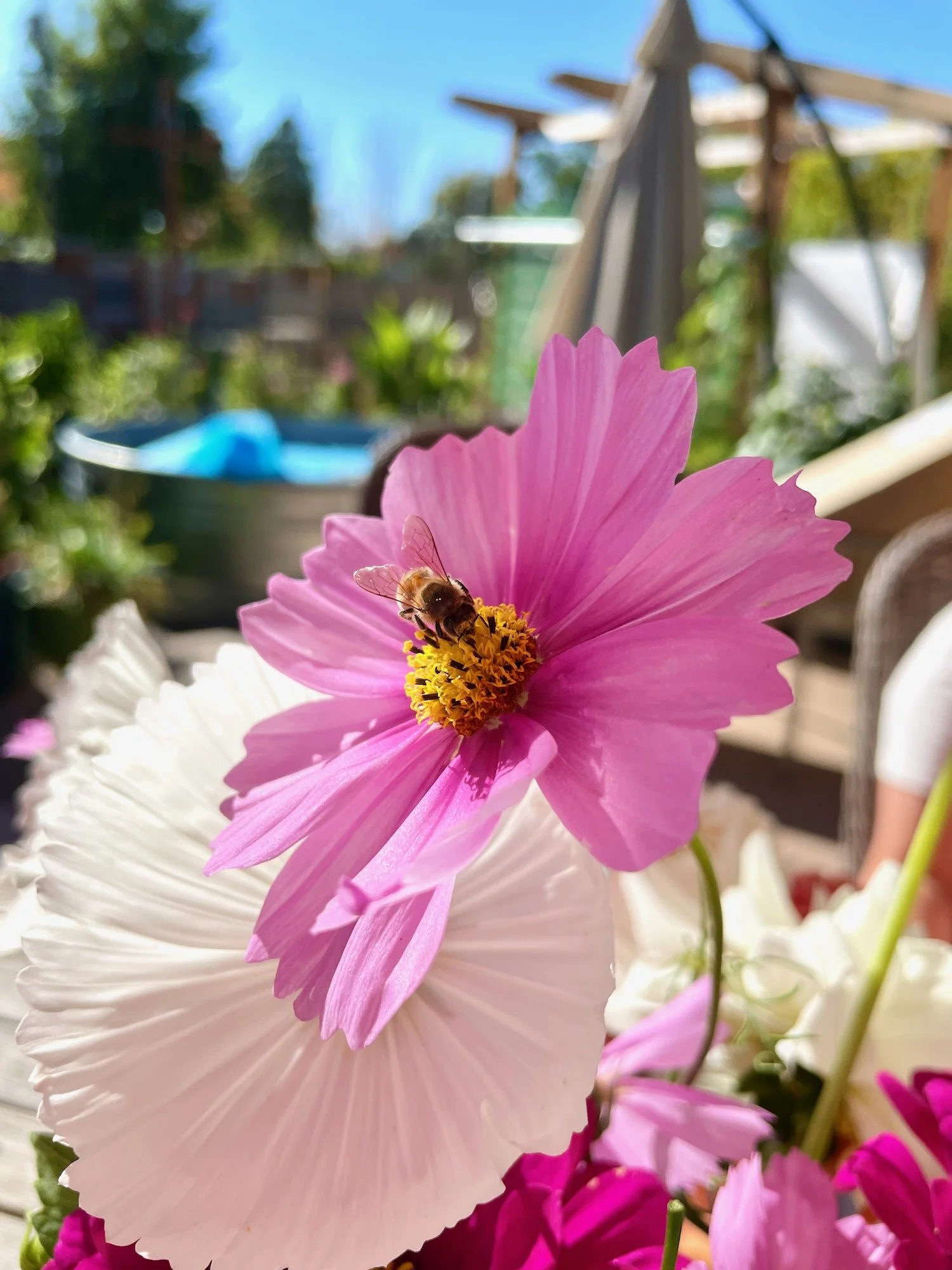
Native plants are the foundation of local ecosystems. They support insects, which in turn feed birds and other animals. Increasing native plant diversity leads to more resilient wildlife populations and better-connected habitats.
Even small changes matter—converting just a portion of lawn can significantly expand habitat for pollinators like bees and butterflies.
Reduce Water Use and Pollution
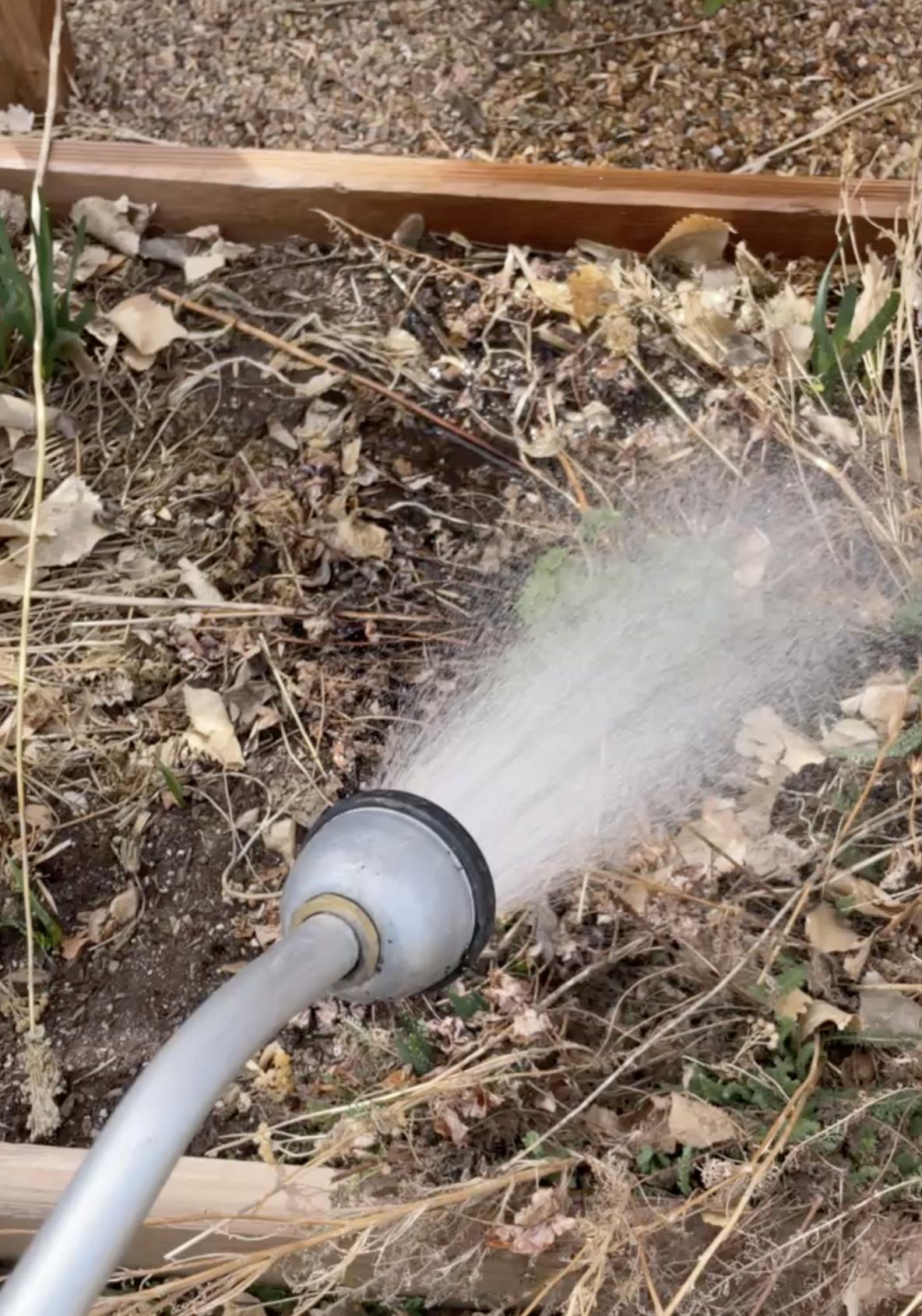
Native plants are adapted to local conditions, meaning they typically require:
Less irrigation
No synthetic fertilizers
Fewer pesticides
The United States Environmental Protection Agency reports that lawns contribute to water pollution through fertilizer runoff, while native plants improve water quality and reduce chemical use.
Lower Maintenance and Costs
Once established, native landscapes:
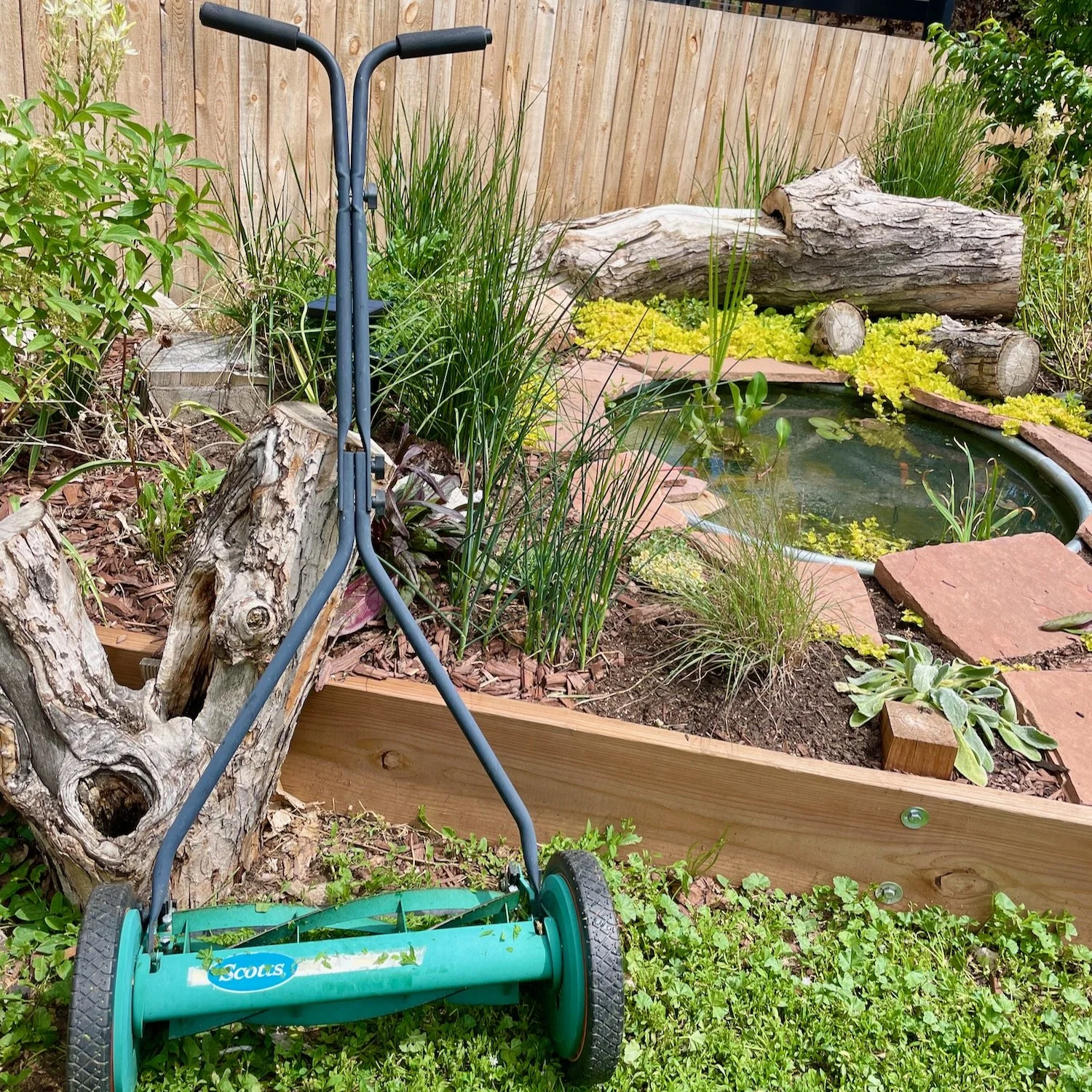
Require little to no mowing
Reduce fuel use and emissions
Save time and money
They also contribute to better air quality by eliminating the emissions from lawn equipment.
Fight Climate Change
Native plantings help:
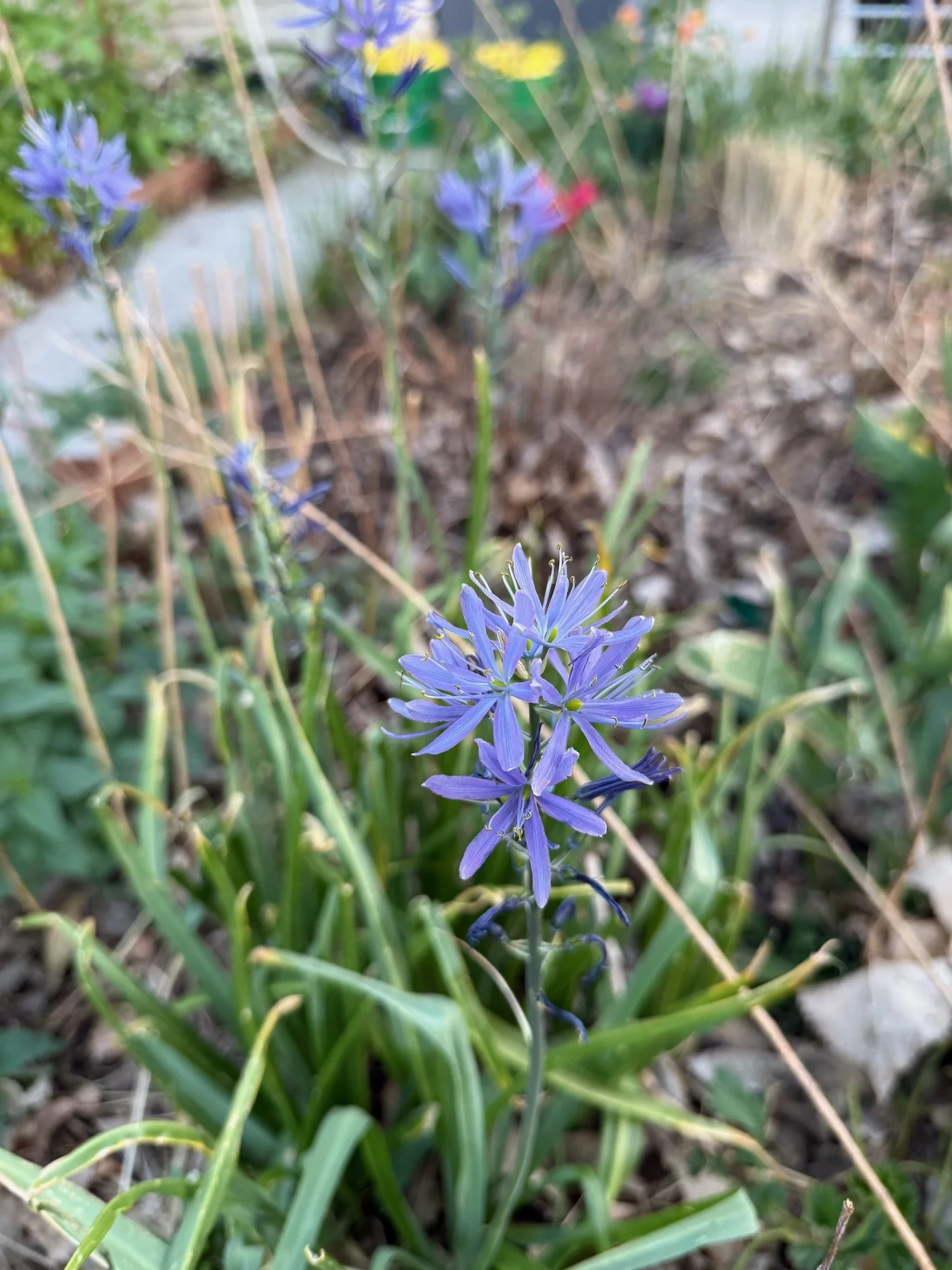
Sequester carbon in soil
Reduce urban heat
Lower emissions from mowing and chemical use
Ecological landscaping can even reduce water use by 60–80% compared to lawns.
The statistics on water use are sobering, and as we face the realities of climate change and droughts, we all must do our parts to reduce water waste. Part of the solution is simple and within your reach: replacing high-maintenance turf with native landscaping is the single most impactful step you can take to stop water waste and cultivate a gorgeous, low-maintenance yard.
By choosing plants that naturally belong in your region, you are building a resilient landscape that thrives on local rainfall, dramatically slashing your irrigation needs and contributing to broader environmental health. You will not only save water but also gain time and money previously spent on constant maintenance. Stop fighting your climate and start working with it. Ready to transform that thirsty turf into a beautiful, sustainable garden? The time to plant your future is now.