

Step-by-Step: How to Replace Your Lawn
A Step-by-Step Guide to Replacing Your Lawn with Native Plants
Replacing a traditional lawn with native plants is one of the most effective ways to create a more environmentally responsible yard — and I have done it! I was faced with a choice: turf grass or native plants.
Turfgrass requires significant water, fertilizer, and maintenance and has almost no value as habitat — unless you are a Japanese beetle. In contrast, native plants typically need less irrigation and less work once established. Native plants also support pollinators, birds, and beneficial insects, connecting with surrounding ecosystems rather than just being a green surface.
I know which choice I made! And today I have a step-by-step guide, showing you exactly how to replace your lawn with native plants—from removing existing grass and improving soil to selecting the right species and planning your layout.
I have learned a lot in the last few years as I have made this change - and I didn’t do it all at once or hire a landscaper. I did it bit by bit with just my family to help. So, whether you’re converting a small section or your entire yard, I can assure you that making this change will help you reduce water use and create a space that supports local wildlife. Plus it will be soooo beautiful!
Ok. Let’s get started!
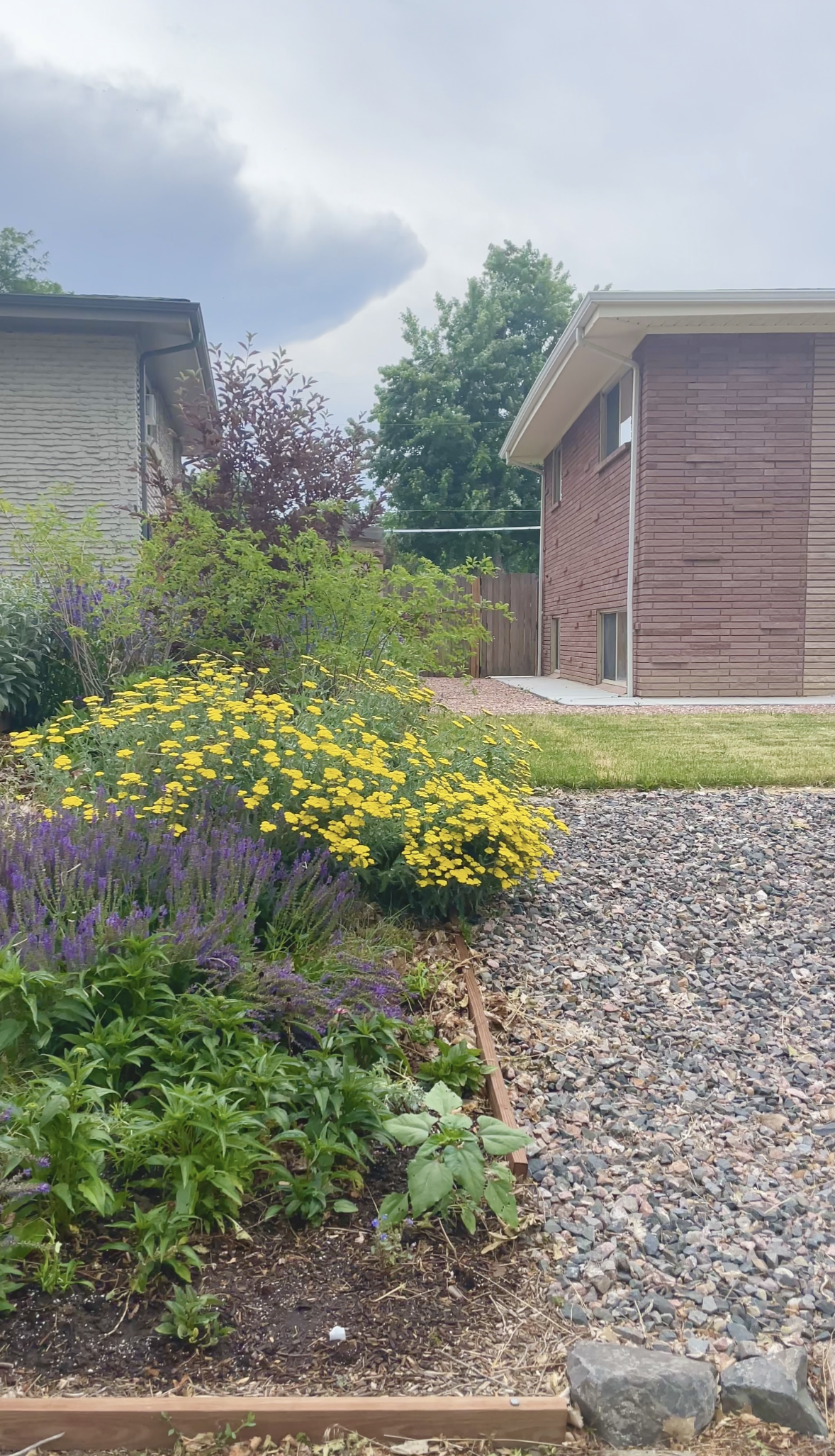
The contrast between the Wildlife Garden and our neighbor’s gravel/grass combination is… striking. And that’s not shade: the house is a rental and the owners do the bare minimum. That grass: all dead now.
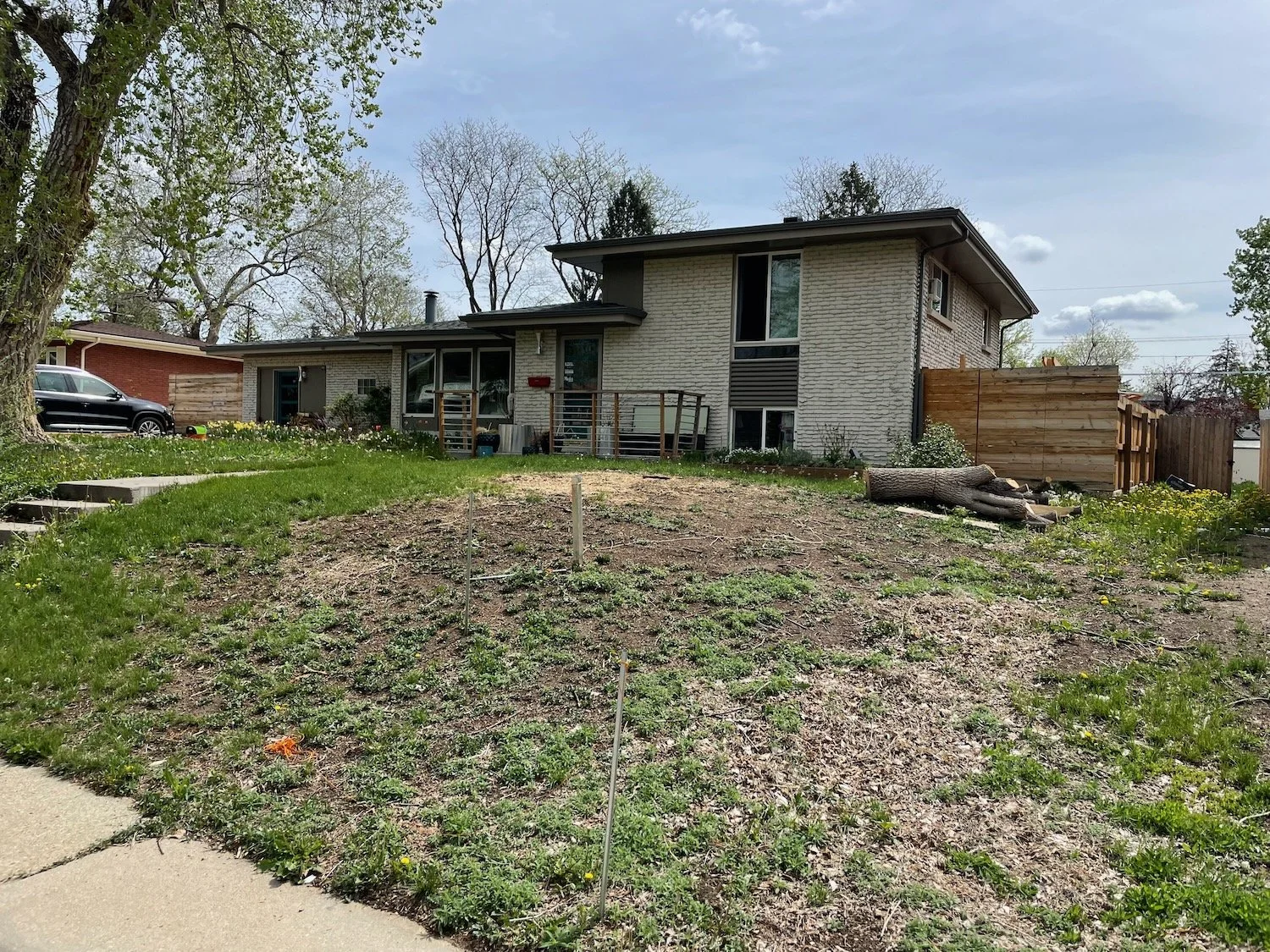
This was the BEFORE in our front yard. We had no curb appeal and no grass — just weeds and a big mess. This was actually one of the last parts of our yard that we tackled. I worked on the back yard first — and learned from my mistakes in a less public way before going for broke in the front.
Step 1: Start Small (and Strategic)
You don’t need to remove your entire lawn at once. Begin with:
A border along your house
A pollinator garden bed
A low-use section of yard
This phased approach makes the transition manageable.
In my garden: to date, our transition has taken six years. We started small – carving out sections at a time. And we drew up a master plan one winter – before we ever started. Has that plan changed? Absolutely! But it defined different areas of our garden, and broke it down into smaller pieces. We have worked on those pieces bit by bit as we have had time and money to do so.
And the master plan wasn’t plant-specific. It defined our lot into zones and gave them functions – The Orchard, the Cutting Garden, the Potager Garden, the Wildlife Garden, the Shade House. But when it came time to tackle those areas, then I started planning what to plant and when.
Your transformation does not have to be overnight! It can evolve over time. In fact, I would argue that in some ways that’s more fun!
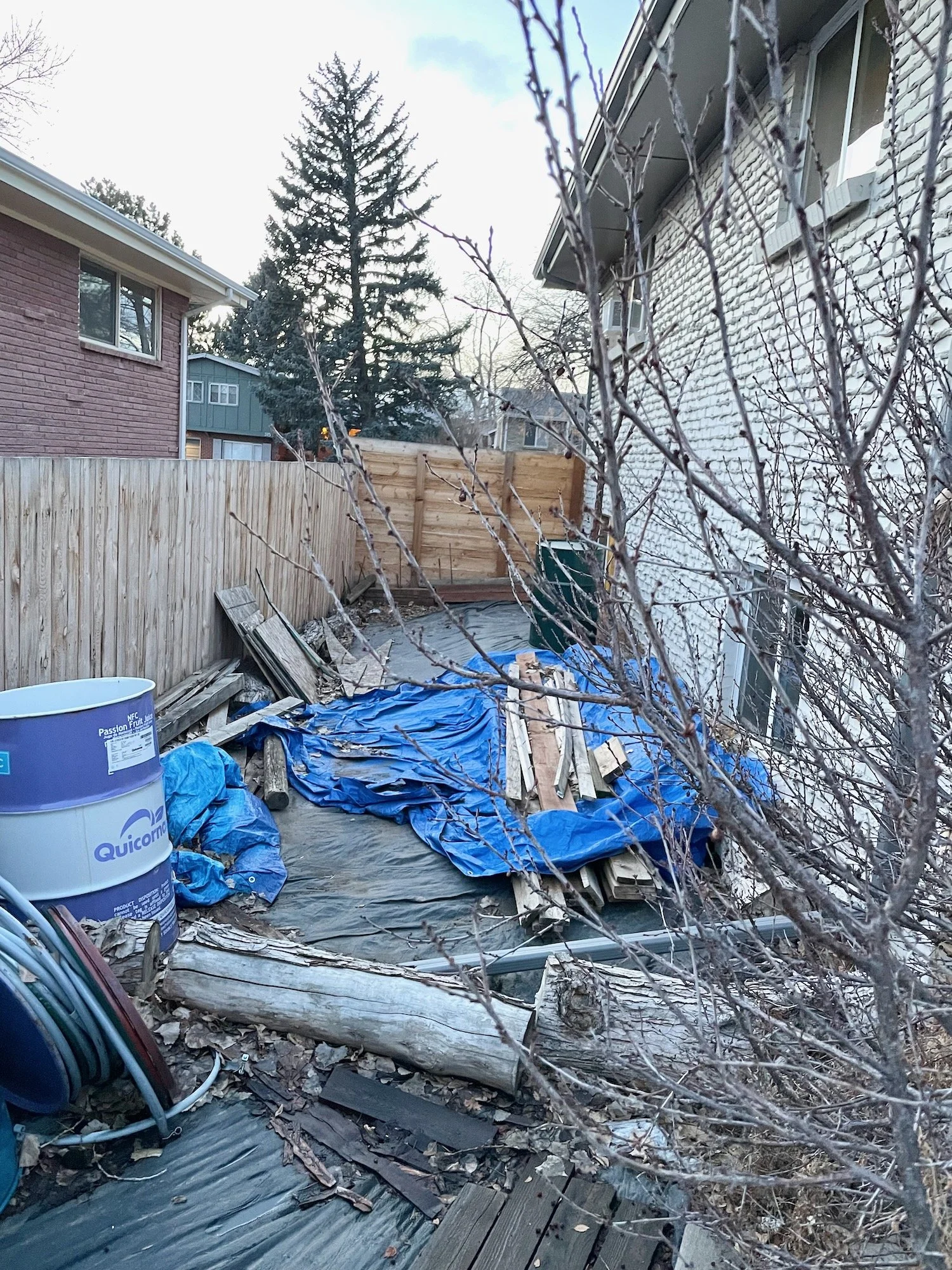
In the Orchard (above) I used a recycled billboard to smother an infestation of bindweed and thistles. I left the billboard in place for more than a year — held down by logs and storage of raw materials for other projects. It worked better than I expected, honestly. I still have weeds there, but not nearly the infestation that I had had before.
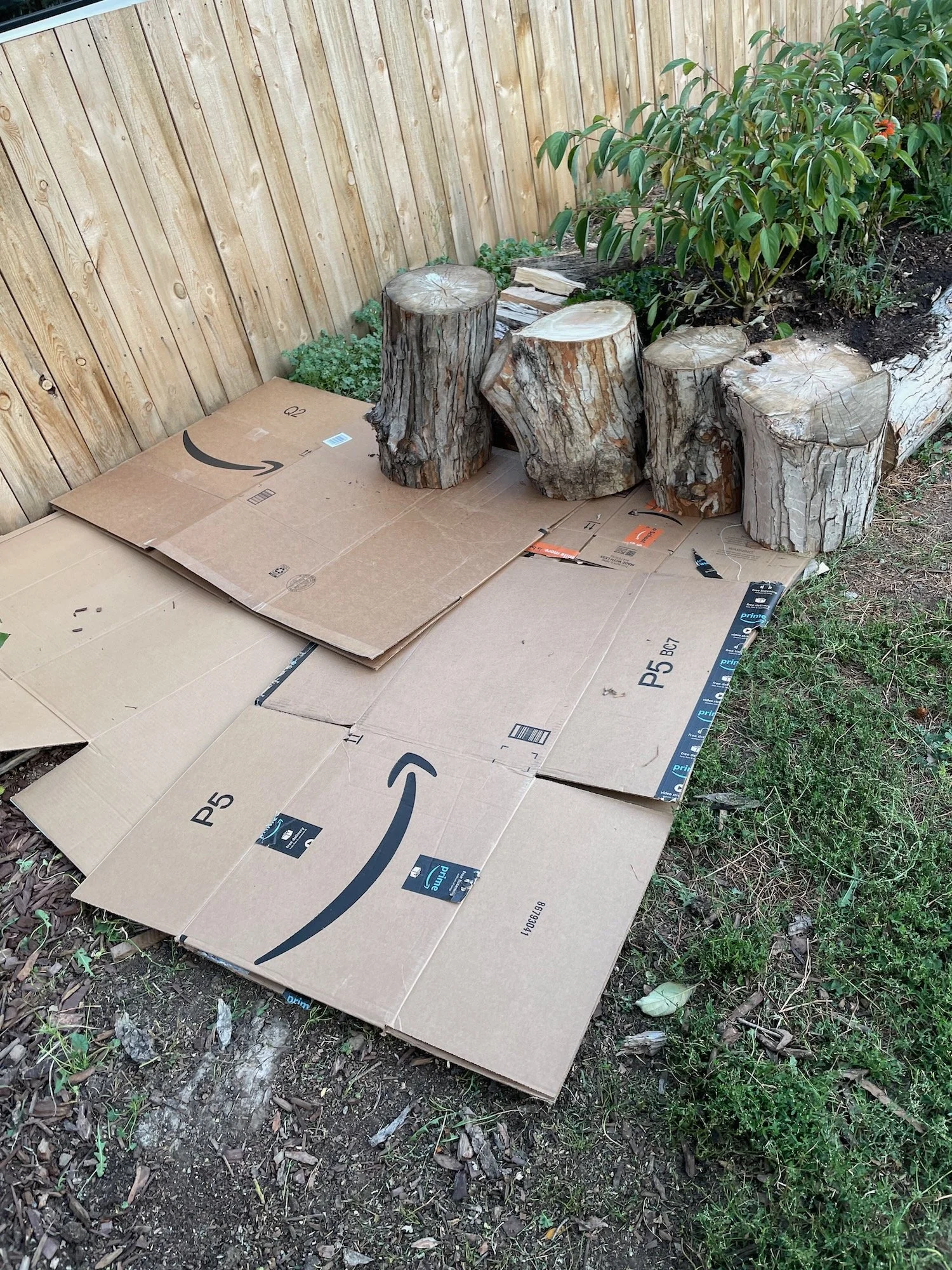
When building the Stumpery and other raised beds and planting areas, I lay down a thick layer of cardboard over the ground and then cover that with raised bed soil or mulch. It works well as a weed block, but here in Colorado that cardboard takes years to break down. Our moisture levels are just too low for it to decompose quickly.
Step 2: Remove or Smother Grass
Common methods include:
Sheet mulching (cardboard + mulch)
Solarization (plastic sheeting)
Manual removal (sod cutting)
Herbicides
Sheet mulching is widely recommended because it builds soil while suppressing weeds.
In my garden: I have used almost every method, but in different situations.
Sheet Mulching: I use this at the bottom of raised beds and in paths. When putting in a raised bed, I put down a thick layer of cardboard at the bottom of the bed. Then I fill the bed. All of our paths have been made with cardboard at the bottom and then mulch or pea gravel over top.
Solarization: I use recycled billboards. They are HUGE, and they last for years. I purchased two and just kept moving them from place to place in our yard – often leaving them in place for a year or more. I hold them down with landscaping staples. Don’t even bother with plastic sheeting. It disintegrates and tears too easily. Get the billboard.
Herbicides: for grass, this is overkill. Grass dies easily. But for persistent weeds like Bindweed, this may be your only solution. A professor once told me: “use herbicides like chemotherapy. Use them once to kill the cancer, not every time you have a cold.” I have used them once – in a bindweed-infested area where I had tried everything else. And it worked.
Sod Cutting: we didn’t have sod, so this is the only thing I haven’t tried. But if you do use a sod cutter, lay the sod back down, roots up. The grass will die, but you’ll still retain the nutrients and top soil – and microbial life – in the sod itself.
Overall, I can’t recommend solarization more highly. It’s very effective, but it does take time. So, if you are impatient, this isn’t the method for you. Other resources with more information:

Large shrubs or small trees in the Wildlife Garden. These groupings of Amelanchier and Prunus give the Widlife Garden height and dimension while providing shelter and refuge for birds and insects.
Step 3: Design with Layers
Healthy native landscapes mimic natural ecosystems. Include:
Groundcovers
Perennials
Shrubs
Trees
Layering increases habitat value and visual appeal.In my garden: I have to be honest – I sometimes forget about shrubs. And then I have to go back and add them later. Don’t forget the shrubs! They are really important!
And another note: plant some trees! And remember that tree size can be controlled. You don’t have to let all of your trees become huge. You can commit to some basic pruning and end up with lovely trees on the smaller side. This can also be achieved by planting them closer together or by choosing multi-stemmed specimens and coppicing.
In the Wildlife Garden I have six trees planted together in two clumps of three: two Serviceberries | Amelanchier canadensis and one Chokecherry | Prunus virginiana. I chose multi-stemmed Amelanchiers which I will then coppice every few years to keep them appropriately-sized. I will do the same with the Prunus. It’s a little more work, but they are planted very closely together, too, so they are keeping each other in check.
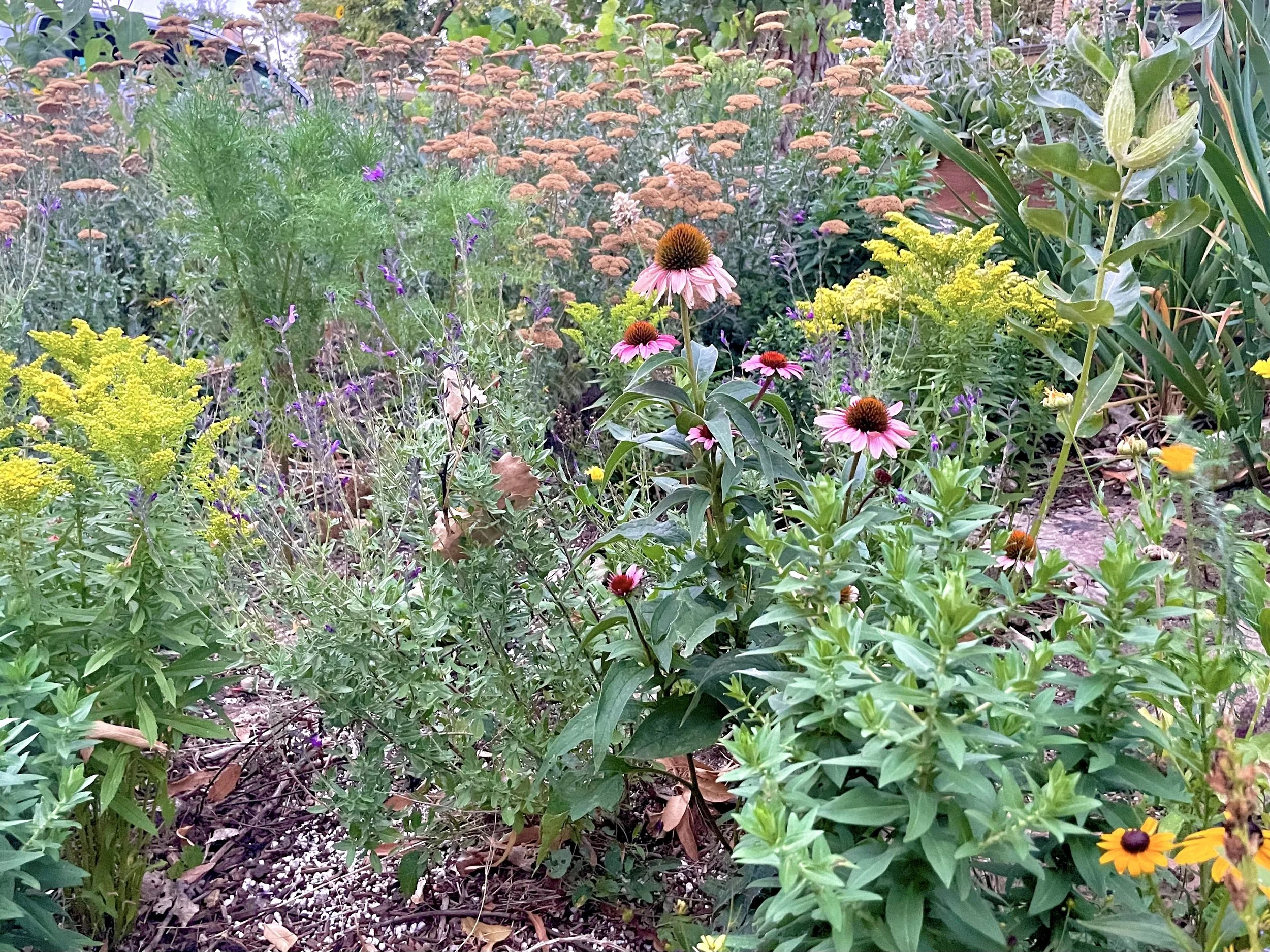
The Wildlife Garden features regionally-appropriate plants including Echinacea, Solidago, Rudbeckia, Salvia, and Achillea. A full plant list can be found here.
Step 4: Choose Regionally Native Plants
Focus on species native to your specific region, not just your country. Local ecotypes are better adapted and more beneficial to local wildlife.
New Jersey is very different from Alabama which is very different from Washington State – but all three have relatively similar levels of rainfall and USDA Growing Zone distributions.
Resources to help you choose plants are available here:
In my garden: I maintain a full plant list for my Wildlife Garden which I update each year. And I frequently consult the resources listed here when I’m choosing new plants.
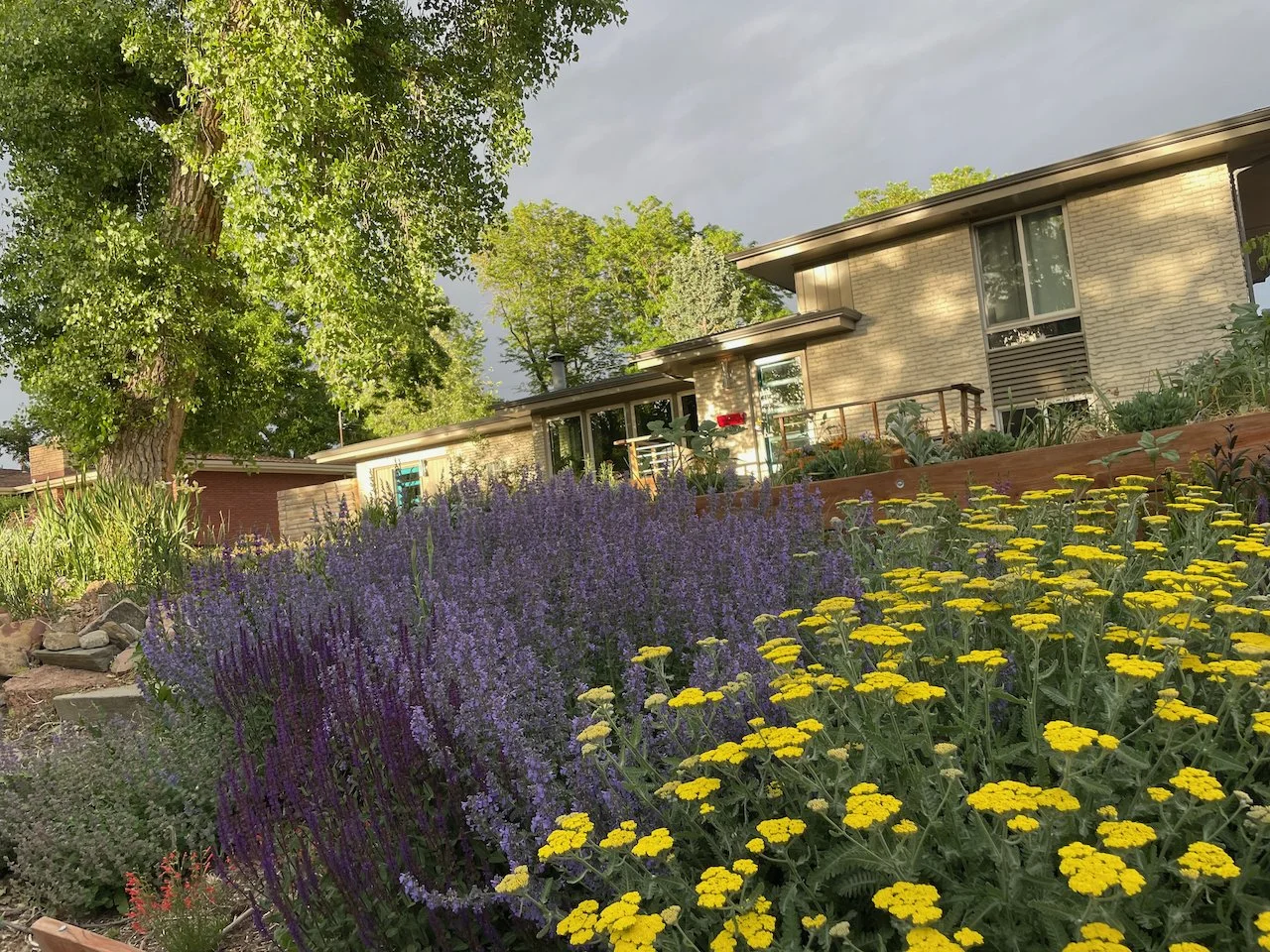
The secret to not having weeds is MORE PLANTS. Seriously. Keep the soil covered and shaded by plants, and you’ll have far fewer weeds. Pack them in. Ignore the planting spacing guidelines and just put in more plants. And add more year after year.
Step 5: Plant Densely
Dense planting:
Suppresses weeds
Retains moisture
Provides continuous habitat
In my garden: this is HUGE! The best mulch is more plants. Hooray! But seriously, buy or grow as many plants as you can afford. Plant them 6-12” on center. That means 1-2 plants per square foot.
When I did the initial planting for the Wildlife Garden, I used plants in 4” pots – that’s a little bigger than a standard plug. Smaller plants tend to establish faster. They were planted at 12” on center – so one plant per square foot, roughly. If I had all the money in the world, I would have planted them at 6” on center. The garden simply would have established faster.
Tools that are Helpful:
Power Planter Auger: makes digging holes really easy
Concrete Mesh Grid: I used this as a grid to make sure my holes were evenly-spaced. Super helpful!
Compost: I compost raised beds, but not those in the ground. I did compost the Wildlife Garden before planting, though – just a little boost to help those plants get established and to save water.
You can read more about my Wildlife Garden project here:

In the fall I blow fallen leaves into all of my beds and into the Wildlife Garden. They insulate during the winter, provide cover for insects and other animals, and keep weed seeds from germinating in the spring.
Step 6: Manage — Don’t Maintain
During the first 1–2 years:
Water regularly to establish roots – this is very important!
Remove invasive weeds – plan to weed every week or two
Add mulch as needed – choose what’s appropriate for your climate
Chop and Drop as much as possible
Add and replace plants as needed
After establishment, maintenance drops dramatically.
In my garden: without a sprinkler system, watering to get plants established can be a big job, honestly. I can recommend several great solutions which make watering easier.
Hoselink Hose Reel: a hose reel makes watering soooo much easier. I love Hoselink’s products – and their sprinklers are great, too!
Oto Watering System: I compare the Oto to a 3-D printer for water. You program and schedule it, and they water on schedule. Connect it to a Hoselink, and you have a quick, temporary sprinkler system. Great for getting new plants established!
Soaker Hoses: I wish I had put in soaker hoses before I started planting the Wildlife Garden. They would have been an easy and cheap watering solution. I do have them in many of my garden beds. Buried under the mulch, they are very efficient.
In addition to watering, I weed – far less now than I did in the first two years. And I don’t mulch, but I do allow fallen leaves to remain all winter and well into spring. I only remove them in places where I want seeds to germinate. They are good insulation and cool the soil, and they help keep weed seeds from germinating.
at the close…
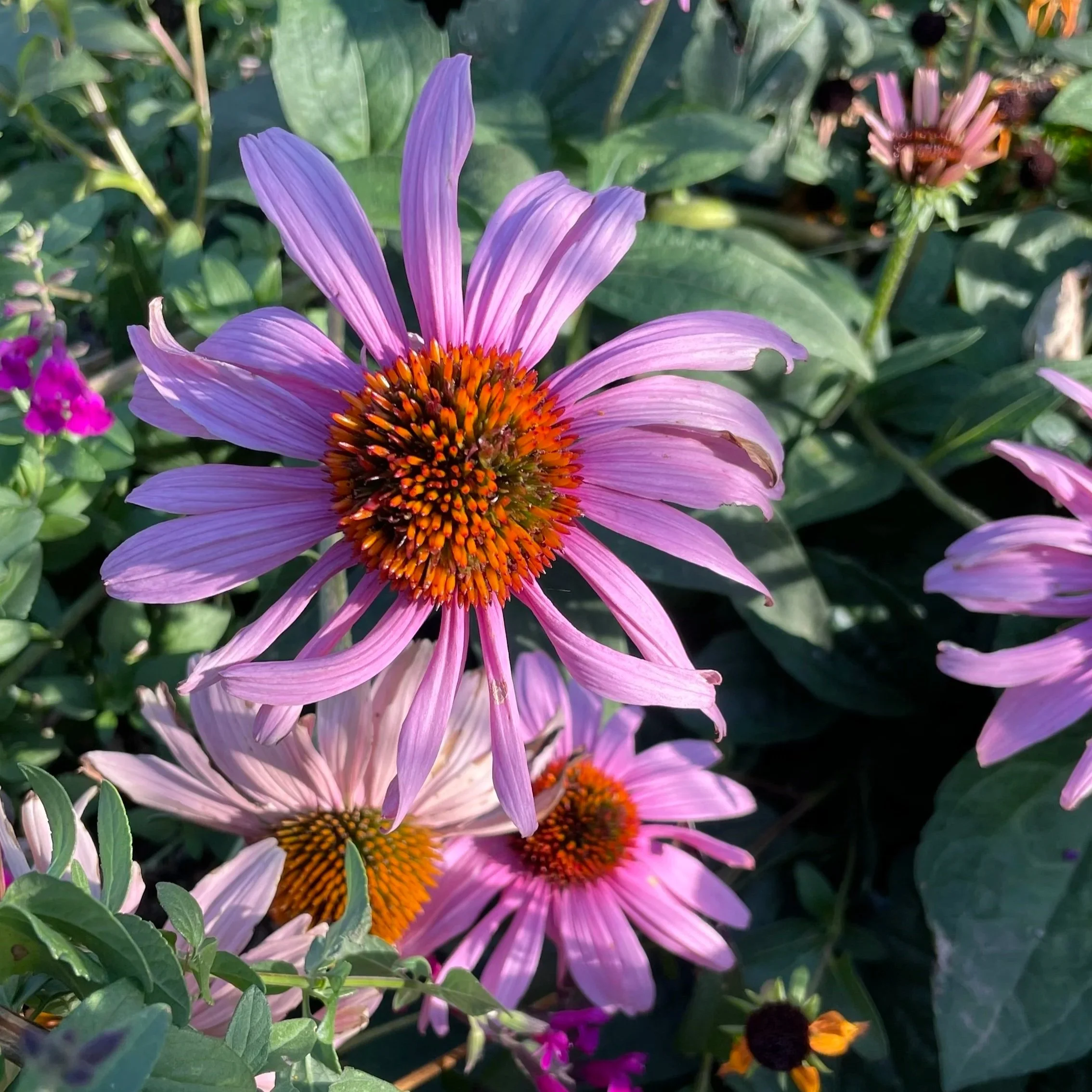
Replacing our “lawn” with native plants and gardens has been one of the best things we have ever done! Its lower maintenance, more beautiful, and the explosion of wildlife has been astonishing to watch. I wish you luck as you begin your journey toward a more sustainable garden.
If you have questions, don't hesitate to ask!
This post originally appeared on my Substack. Subscribe to my Substack, and all of this gardening goodness will appear in your email inbox weekly!
Happy Gardening!
Angela
Subscribe now so you never miss a thing!