

How to Create
a Rain Garden
Create a Garden Bed that Can Help to Manage Excess Rain, Prevent Flooding, and Prevent Run Off, too.
My friend, Spencer, is a gifted musician in St. Louis who just bought his first house this summer. Hooray! Not long ago, he emailed me asking for help with his new back yard.
The yard features a big slope down to the back boundary, and at the base of the slope water pooled every time it rained. The grass and lawn there was saturated with water and not growing well. And it was a muddy place for his dog, too.
What can you do with a garden that has drainage problems?
His first thought, like so many of us might, is to move the water away – perhaps out to the alley.
However, I suggest a different approach.
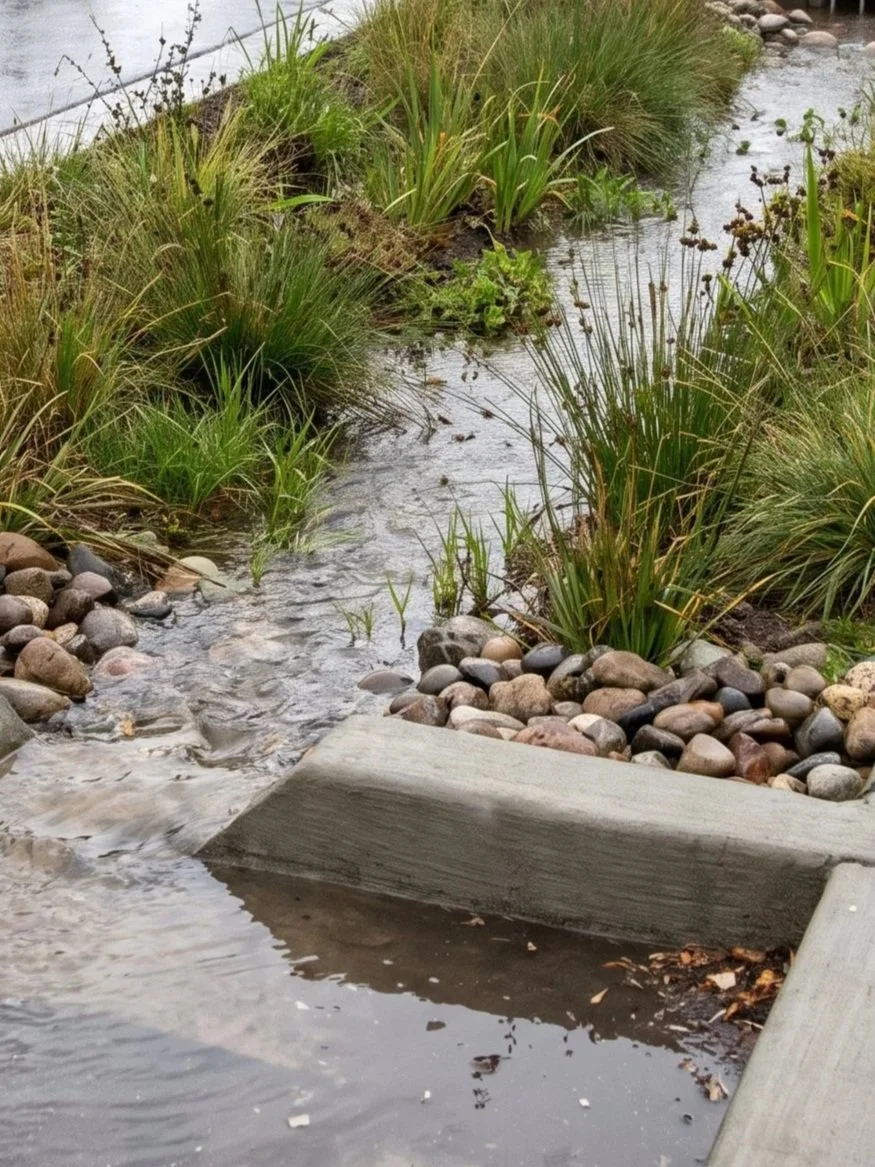
Curb cuts and curbside swales are my current obsession! | ©️ Waseem | Adobe Stock
Historically, we have been advised that when water collects in an area, it is a problem.
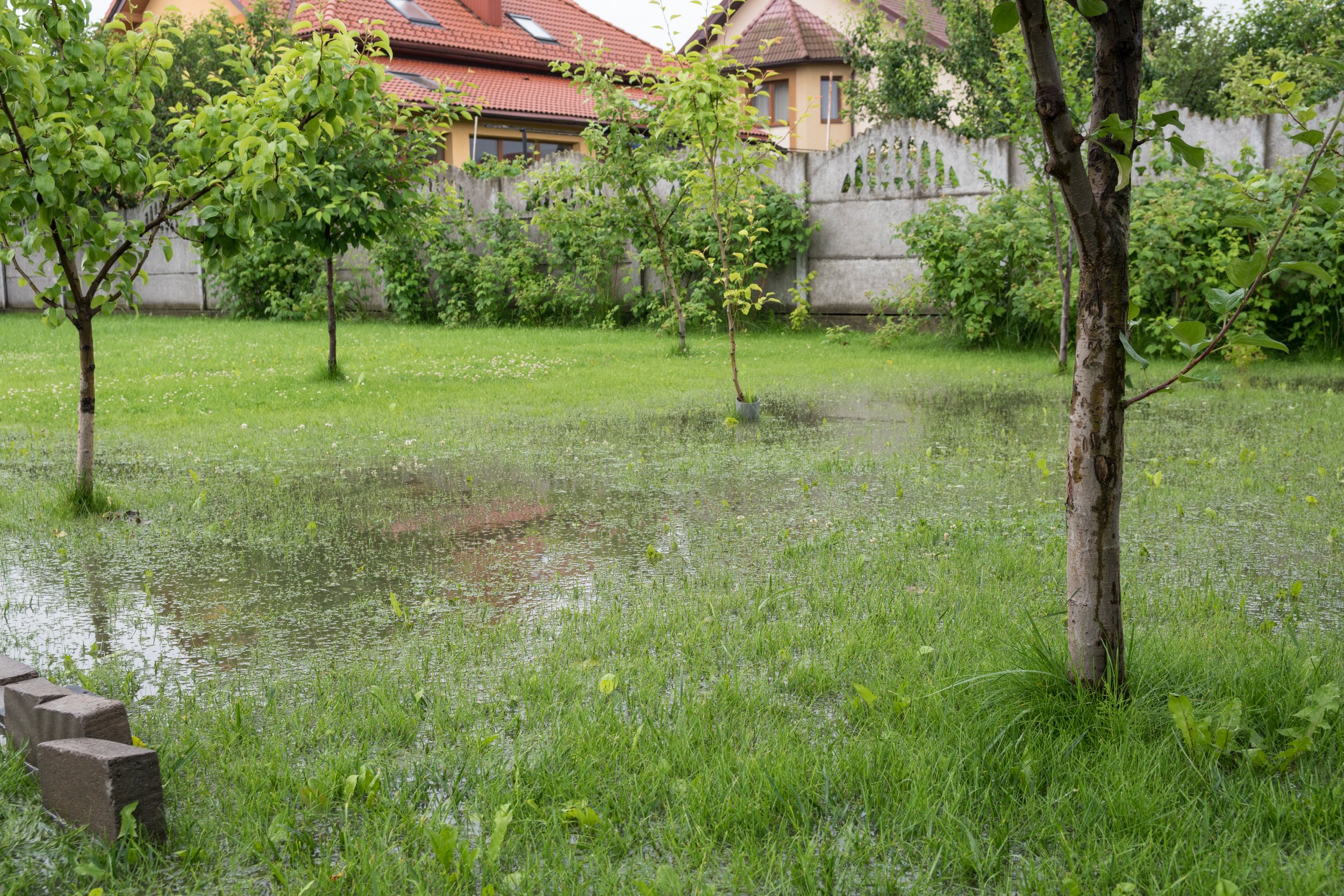
While this may not be problematic at all, it does leave a muddy mess for a time. This lower area would make a lovely spot for a rain garden! | Photo ©️ Kokhan O | Adobe Stock
But in your garden, all of that water can actually be an advantage. We spend all of this time and energy watering our plants and our lawns, but then when too much water comes it’s an issue.
But it is only an issue if we haven’t planned for it.
Instead of thinking about how we can get rid of that water – which generally means rerouting it into our overburdened storm sewer systems – what if we thought about how to capture and use that water? After all, it can water plants. And if it soaks into the ground eventually, it makes its way into our aquifers to recharge them.
So my response to Spencer is: consider making the flood-prone part of your garden into a rain garden.
Now let’s be clear if water pools next to your foundation or in a place where it is going to erode at your home or cause flooding: it is a problem and it should be dealt with.
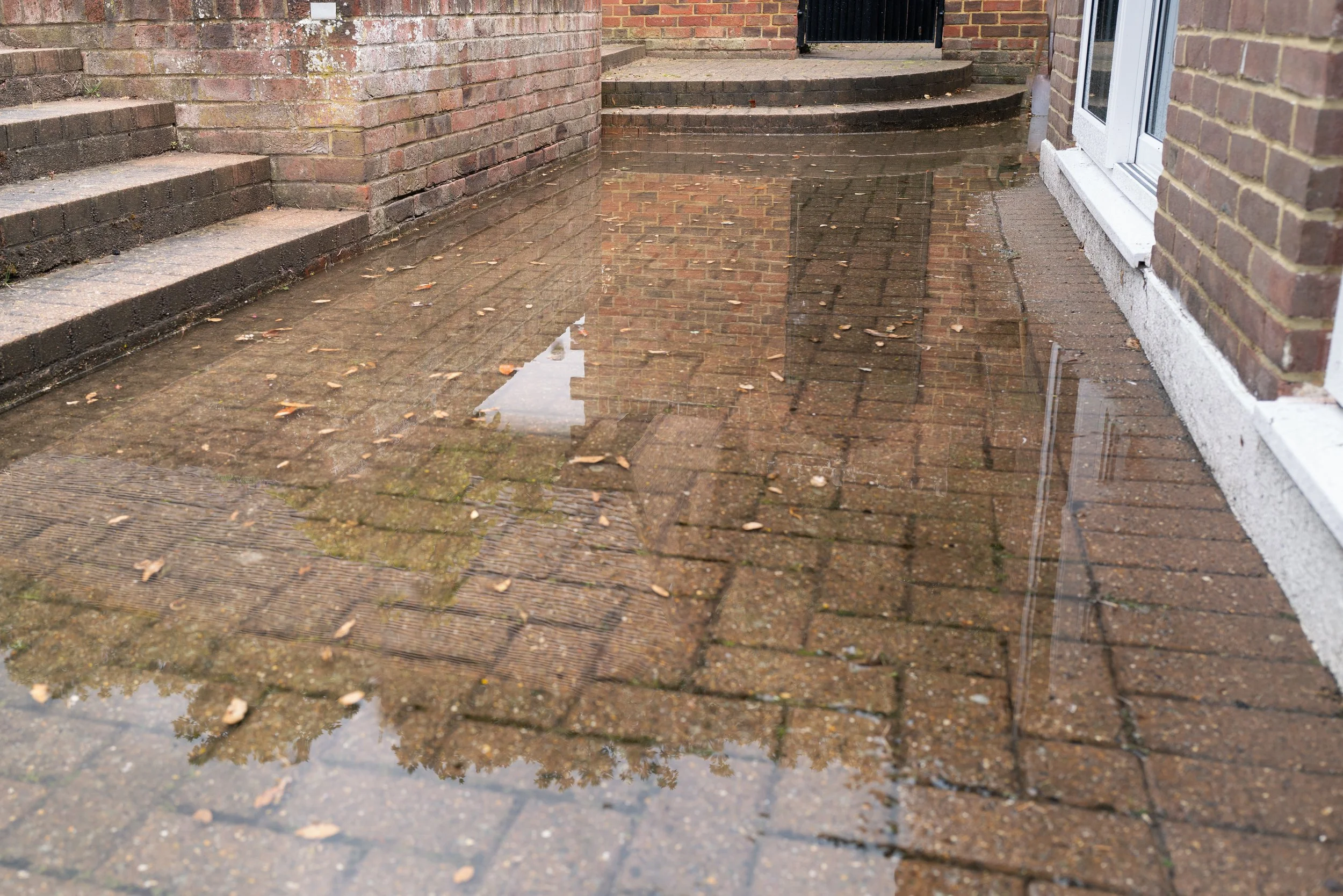
THIS is a problem. The water has collected up against the foundation, and with paving it has nowhere to go. | Photo ©️ Christine Bird | Adobe Stock
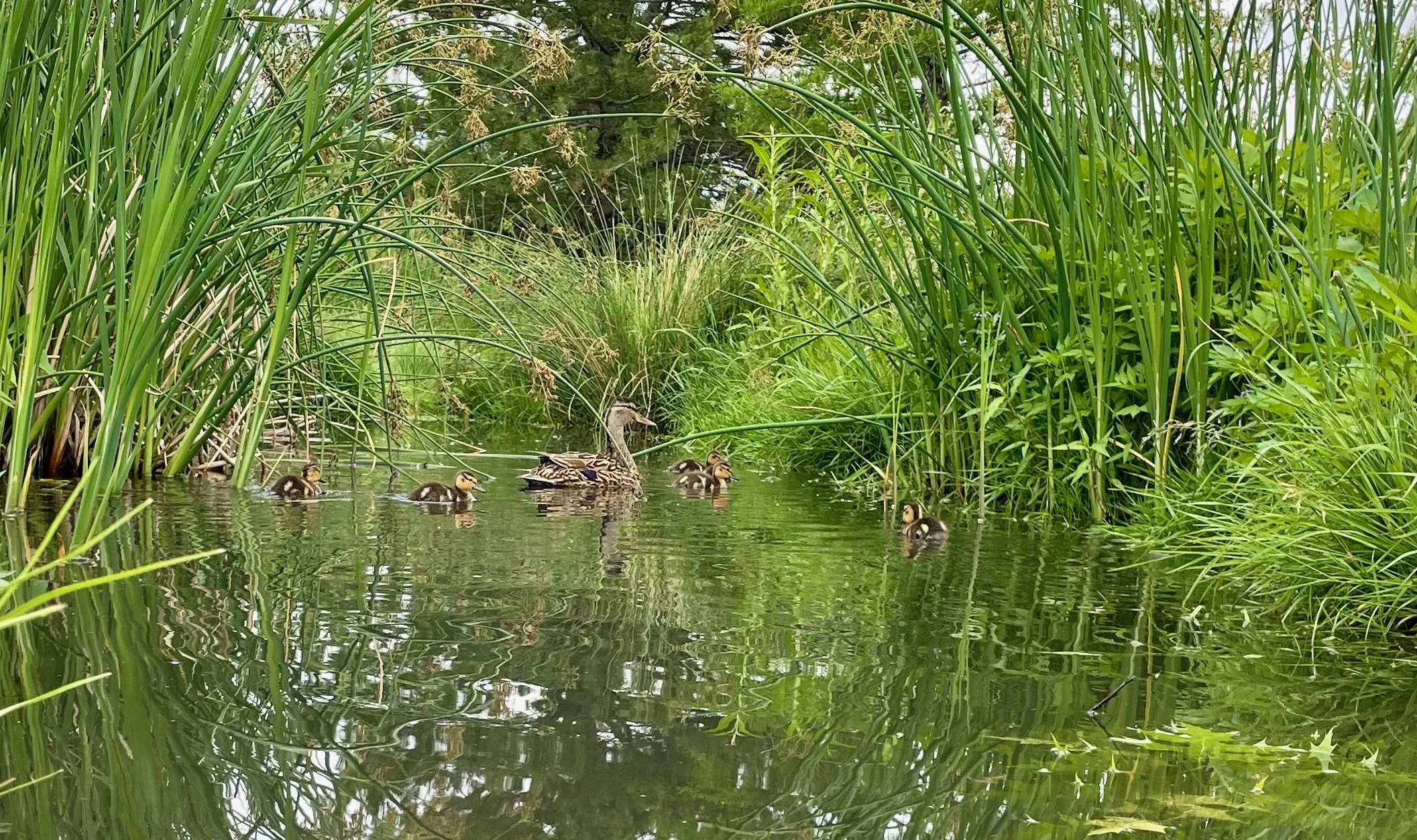
This looks like a pond, but it is actually a rain garden near my home. When the local stream floods, this area becomes quite marshy. And it sometimes becomes a pond to the delight of local ducks. But in dry season, this is just an area of tall grasses and other plants that can handle the dry/wet cycles.
What’s a rain garden?
A rain garden is specifically designed to capture large amounts of water, to slow the flow of that water so it can be taken up by flood-happy plants, and to allow excess water to sink into the soils and eventually into the aquifers.
The most effective rain gardens:
Take advantage of places where water naturally pools anyway.
Divert water away from foundations and other problematic areas.
Look natural and are filled with native plants that help to sustain wildlife.
Like Spencer, you may already have dips and low lying areas that naturally fill with water. Once you identify these spots, you can expand them to capture even more water. Or, if you are diverting a downspout off a home, you may need to dig some catchment basins – called swales – to hold the water flow. Then you plant those areas out with plants that can handle a monsoon-drought cycle. Those plants really come alive when the swales fill with water. They help slow the drainage. And the water seeps deep into the soil.
Rain garden plantings vary widely from location to location – and we want to use as many native plants as possible in a rain garden. But Spencer is super lucky! He lives in St. Louis near the Missouri Botanical Garden.
The Missouri Botanical Garden is one of the best botanical gardens in the US. I have spent quite a bit of time there, and I love it. And one of the great things about this particular botanical garden is their huge collection of online resources. They have an online catalogue of plants plus incredible gardening projects, ideas, and resources which are free for the public to use – even if you don’t live near the Missouri Botanical Garden. And they just so happened to have a full guide for setting up a rain garden.
This guide includes information about the mechanics of planning and planting out a rain garden as well as an extensive plant list.
When built out correctly, including putting in infrastructure to slow the flow of the water, to capture the water and to hold it until it has time to seep into the ground, a rain garden can be a tremendous asset.
And the Missouri Botanical Garden’s guide gives you all of the information so that you could DIY this yourself at home.
Even if the botanical garden or plant association near you doesn’t have information on the mechanics for creating a rain garden, they probably have a really good list of plants that are appropriate for your location. I will say that the MBG’s list of plants is really good for much of the Midwest. Those plants are quite ubiquitous on both sides of the Mississippi River through the middle section of North America.
So if you have a spot that naturally seems to collect water, and it is far enough away from your house structure that it will not flood your home, think about a rain garden.
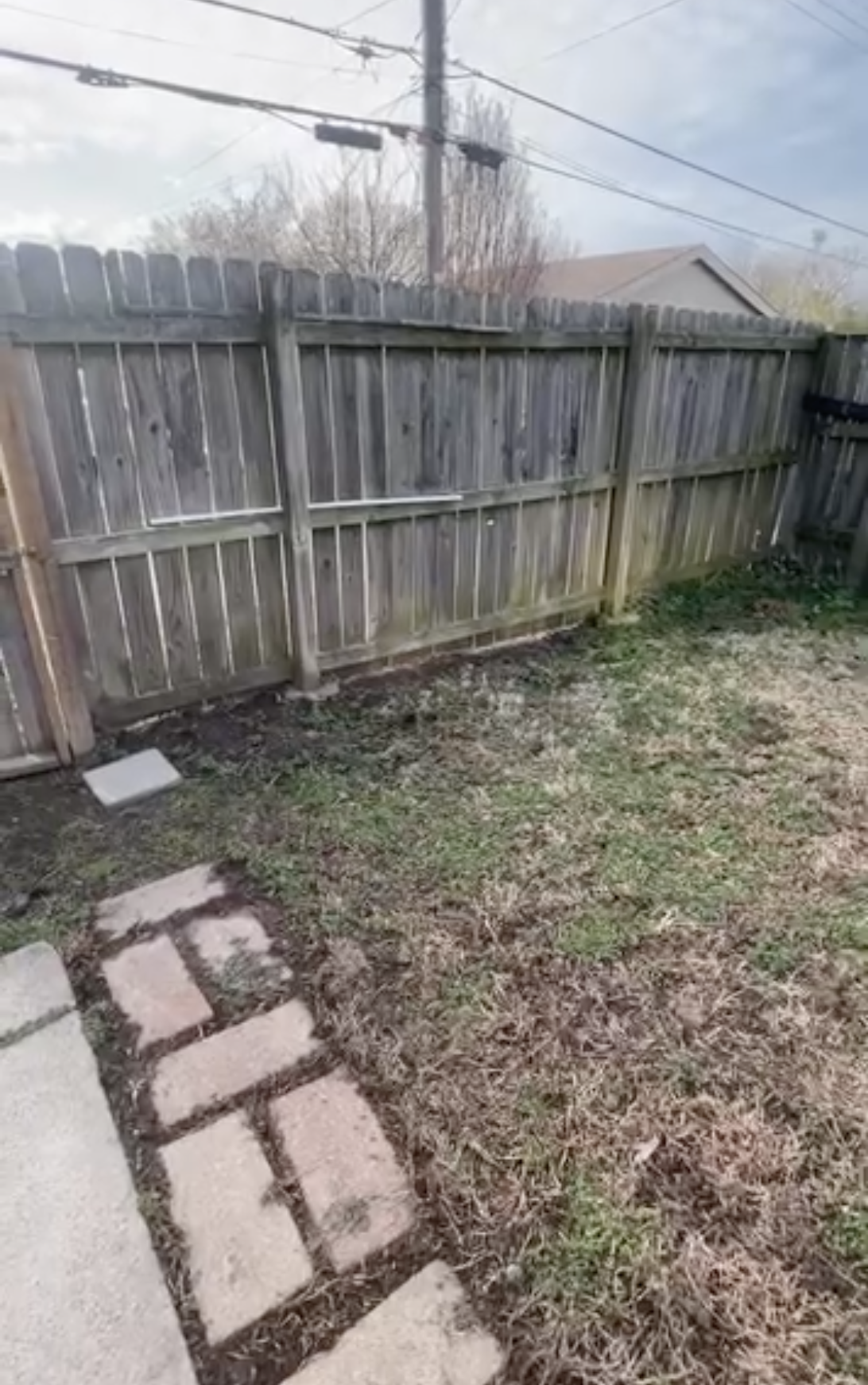
You can see how soggy this end of Spencer’s yard gets even days after a big rain. It’s the perfect spot for a rain garden!
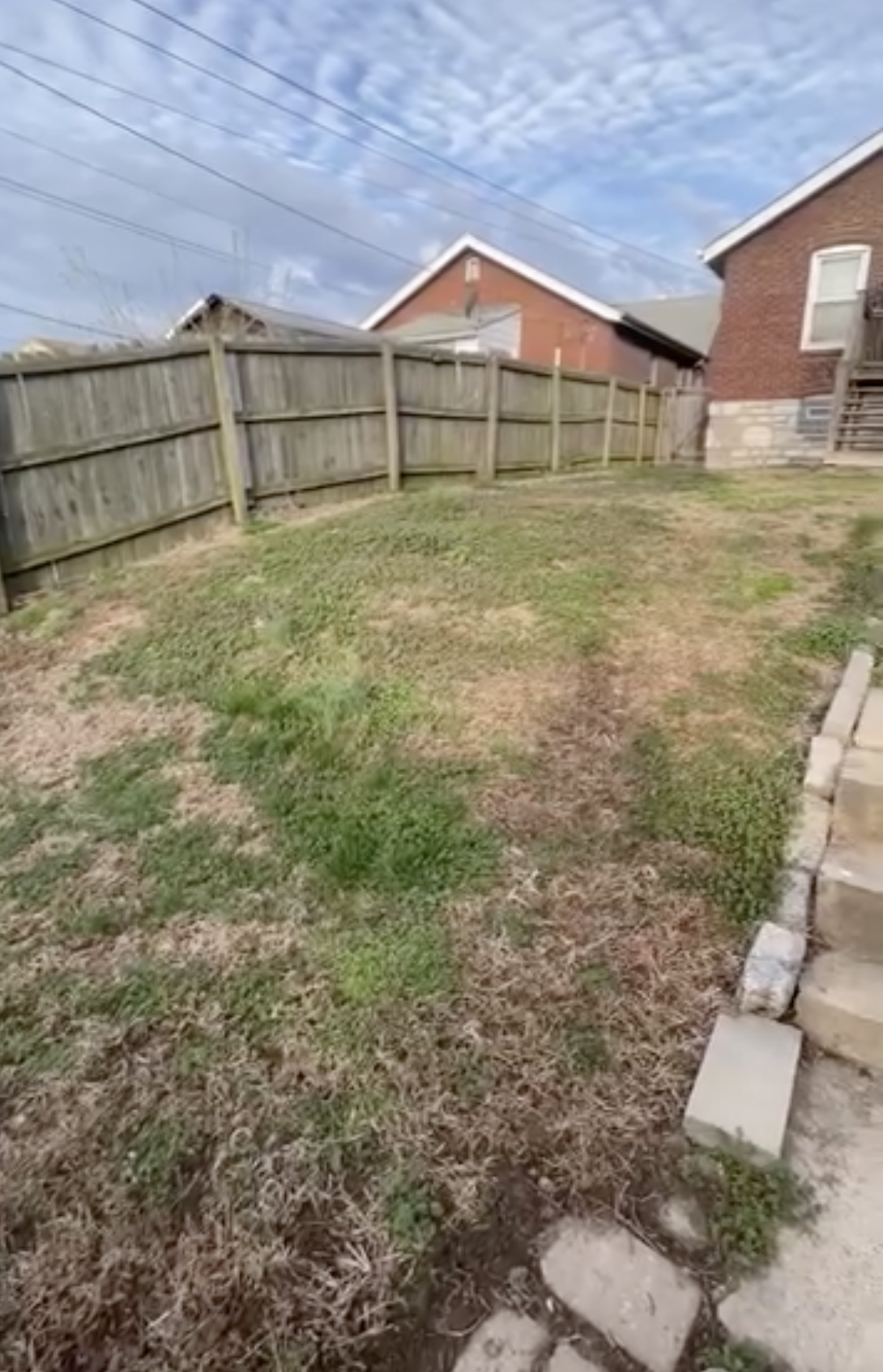
With such a generous back garden to work with, Spencer’s yard is a blank canvas for all kinds of beautiful ideas!
Resistance Gardening Tip
Our Resistance Gardening Tip for the day: keep as much water as possible from running into your storm sewers.
Our storm sewer systems can very easily be overwhelmed when we get unseasonably big storms. And those kinds of storms have become more and more frequent with climate change. This leads to flooding.
But if each of us is thinking about sequestering as much of that water as possible on our own property, that can help significantly.
Plus, your storm sewer system is generally not water that gets treated and reused as drinking water or potable water. It is generally discarded into rivers. And it’s often pretty polluted after running over roofs, down alleys and streets, and into the storm sewer system.
So the more that we can keep water out of the storm sewer system, the better. And rain gardens are a great way to do this!
Personally, I have one downspout which I have my eye on. I want to redirect it into the Wildlife Garden and capture that water. So that is a project I’m going to be working on as soon as it gets cool enough. I’ve also been considering what to do about my driveway… And of course, I will share all of that with you!
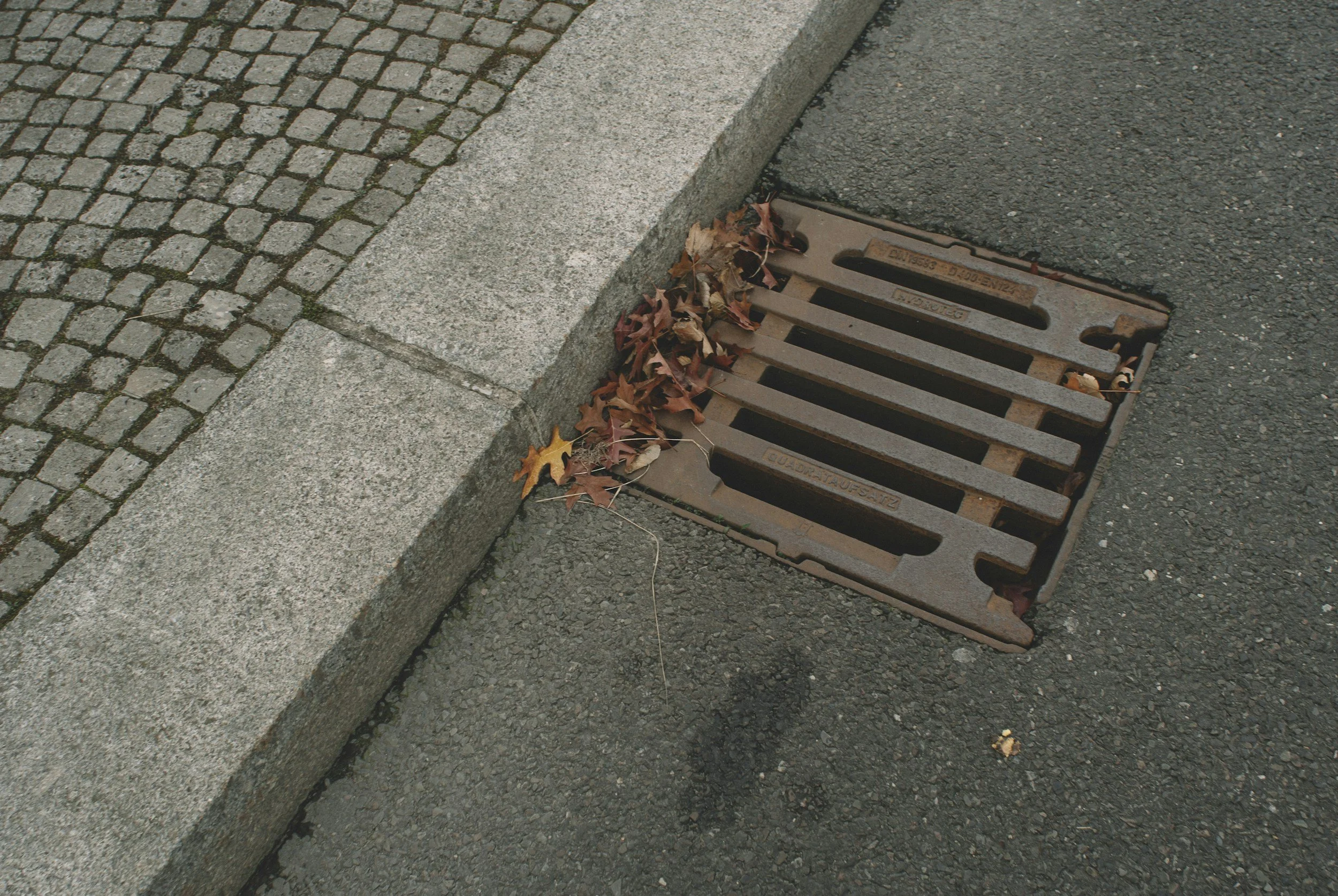
A Little Rain Garden Inspiration
When I was looking at Spencer’s garden, I was immediately reminded of one of Jo Thompson‘s designs. If you don’t follow Jo Thompson on Substack (hers is called The Gardening Mind), I highly recommend it. Her designs are beautiful, and she is the Queen of Romantic Gardens!
I interviewed Jo a few months ago. Here’s that interview:
In her book The New Romantic Garden, Jo features this kind of long and narrow garden that she created filled with roses and arches. It is gorgeous! And I sent these two reels of that garden to Spencer, because I feel like there are some ideas there which he could employ as well.
The biggest idea: put borders and beds everywhere and reduce your grass just to the paths. That of course is a project that takes time and money. So it’s something that could unroll over years. But since Spencer is struggling with grass and weeds, anyway, I always see an opportunity to replace our grassy monoculture with more plants! More diversity! Honestly, there are very few problems that can’t be solved with a few more plants. At least in the garden…
So when I look at the footprint of Spencer‘s garden, I see an opportunity to surround that patio with perennial borders filled with roses, peonies, and loads of native St. Louis area plants.
If you aren’t familiar with the St. Louis area, it is hot and sticky in the summer with pretty mild winters. And plenty of rain! So there are lots of amazing plants that will grow there with very little if any irrigation. I actually lived in St. Louis when I was in graduate school. And while I didn’t garden, I lived in the backhouse of a woman who did. And it was in St. Louis that I fell in love with peonies! She had the most amazing peonies – dozens of varieties! So there’s a plant to start!
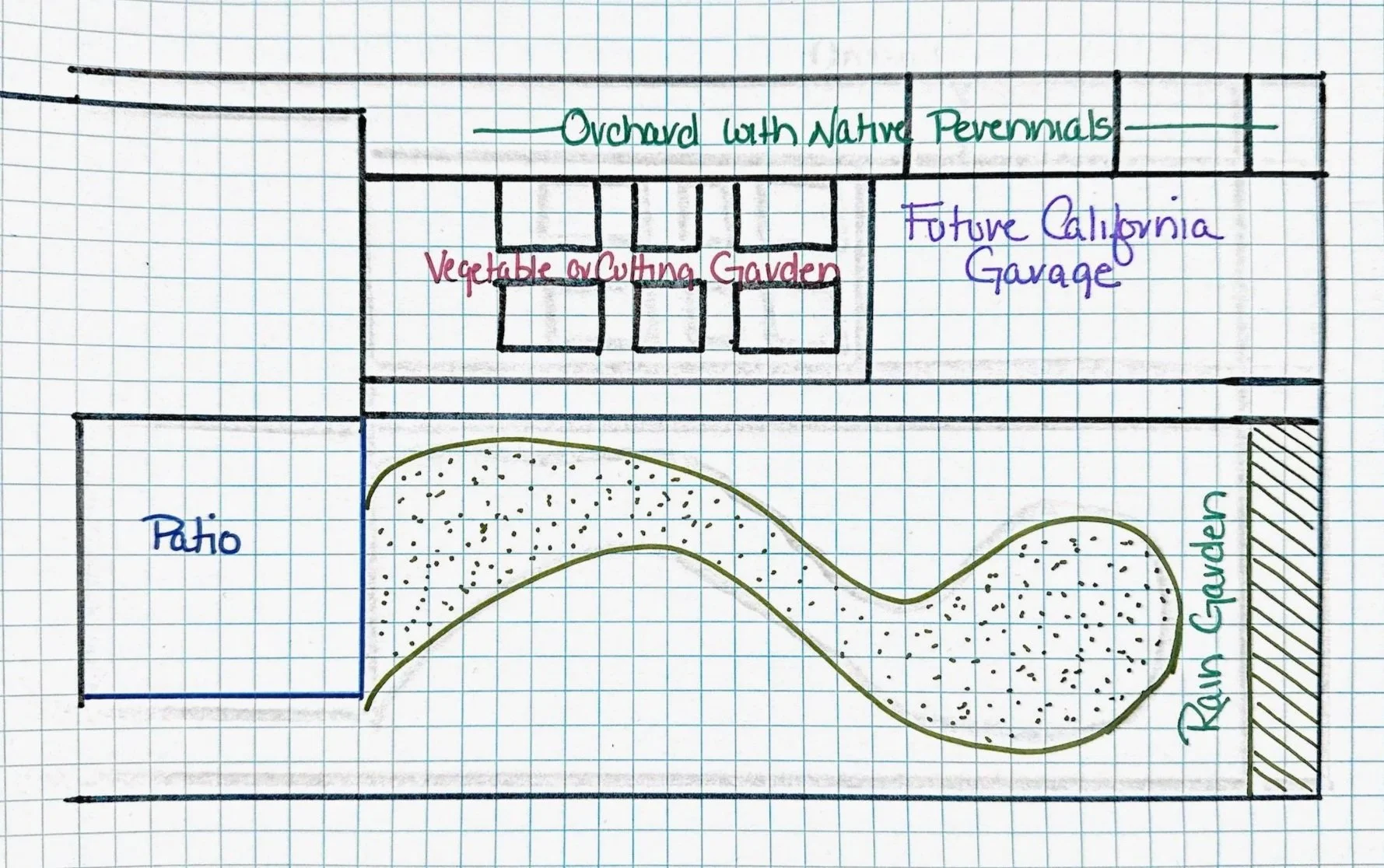
If this was my garden, I would start to play with these shapes with the rain garden at the far end and a meandering path of grass to get there. Those wide borders are reminiscent of Jo Thompson’s design, and I would pack them with a mix of roses, peonies, and native Missiouri plants.
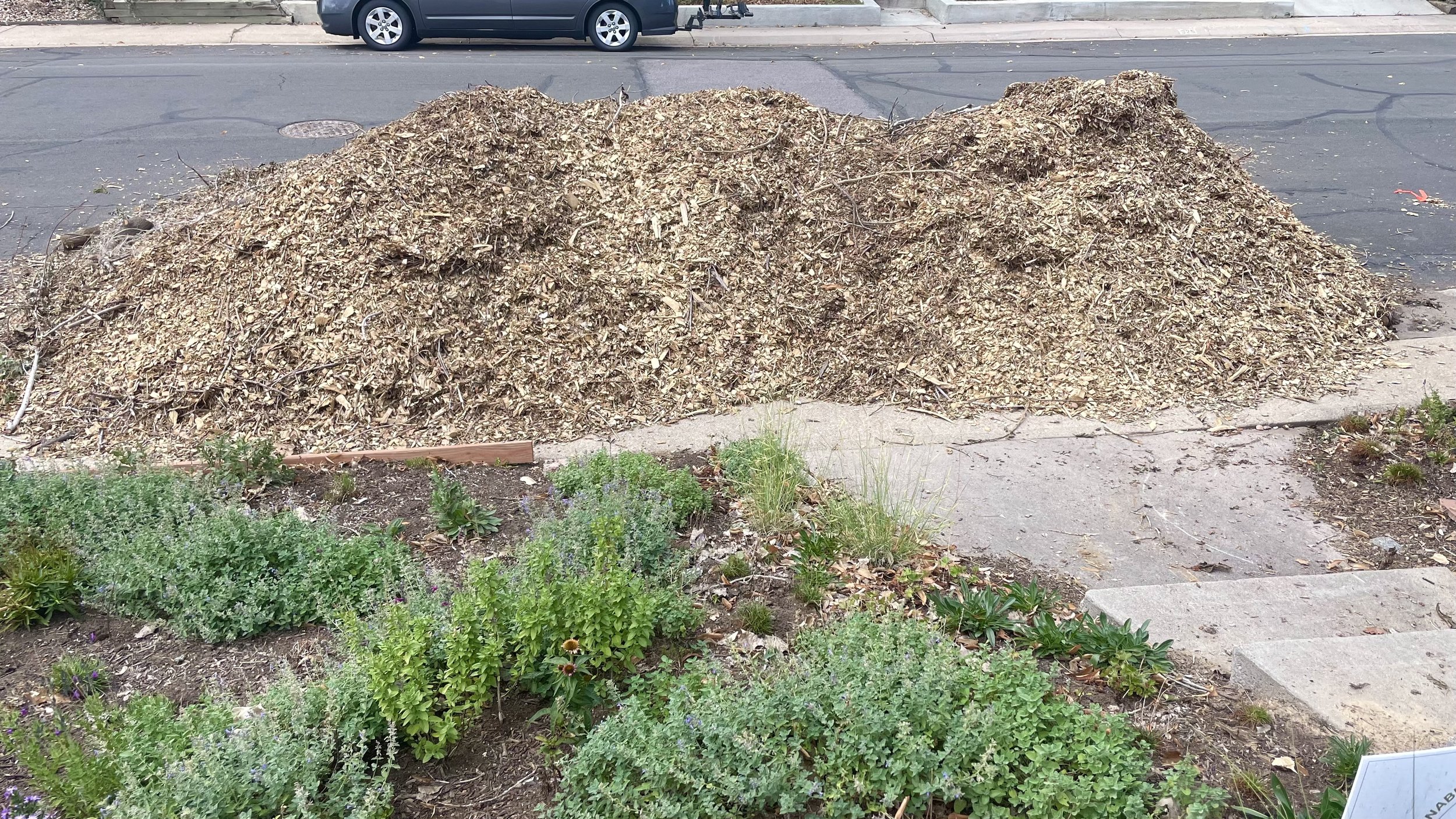
A Hot Tip for Starting a Garden from Scratch
Get a delivery of shredded tree material from an arborist or pick some up from your city. It’s usually free. And when you have a big project like this, you will end up using a lot of that material.
Also: invest in a good wheelbarrow or a dumping wagon. This one is my favorite!
To establish new beds, and to kill off grass and weeds, you can lay down a layer of cardboard (hello, moving boxes!) and cover it with 5 inches or more of arborist’s chip. Then just let it sit for as long as you need. It will do the work for you, and when you are ready to plant, even if it’s two years from now, that area will be neater and easier to work.
You may have to top up the wood chips every 6 months to a year. I have several bins in my back garden that I keep full of arborist’s chip, and when I need it, I have it. But over time it is also just composting itself. So that’s great, too!
Some Fast-Growing Plants to Get a Romantic Garden Started
It’s easy to get impatient when we have new projects. So here are some fast-growing plants that can give you almost instant results in a short period of time.
A Note: in the beginning, don’t waste your time or money on annuals. Invest in perennials from the start. Annuals come later, they are window dressing! But the perennials will put on the big show for you.
This list is vastly incomplete, but it is a place to start. For almost all of these plants, there are locally-appropriate species and varieties for North America. Before making a purchase, find out what will thrive where you garden.
Climbers
Clematis montana | Anemone Clematis
Campsis radicans | Trumpet Vine
Shrubs
Amelanchier | find a species appropriate to your area
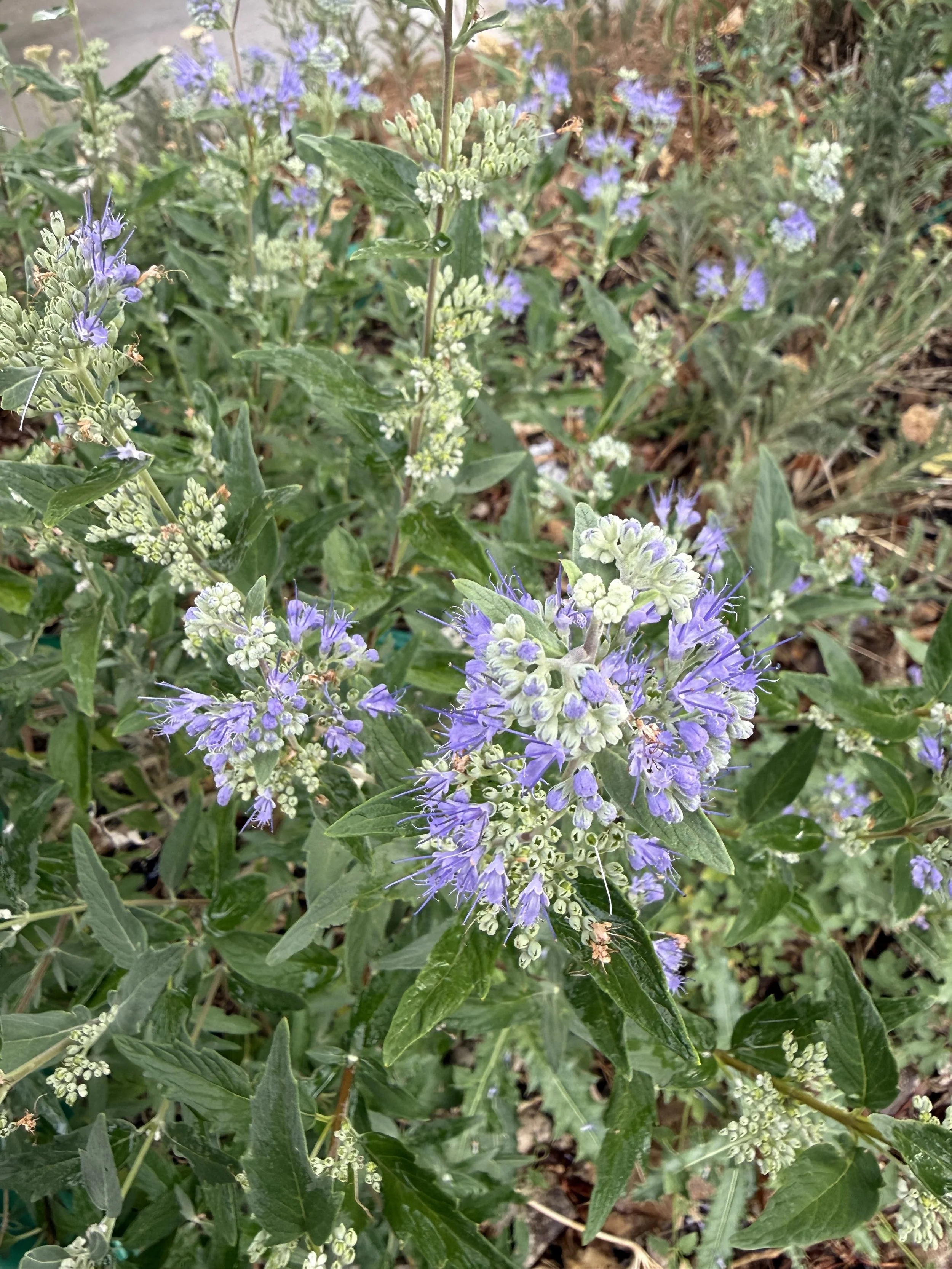
Caryopteris | Blue Mist Spirea
Cotinus | Smoke Bush
Hydrangea quercifolia | Oakleaf Hydrangeas
Herbaceous Perennials
Trees
Prunus virginiana | Chokecherry
Hamamelis virginiana | Witchhazel
Quercus | Oak
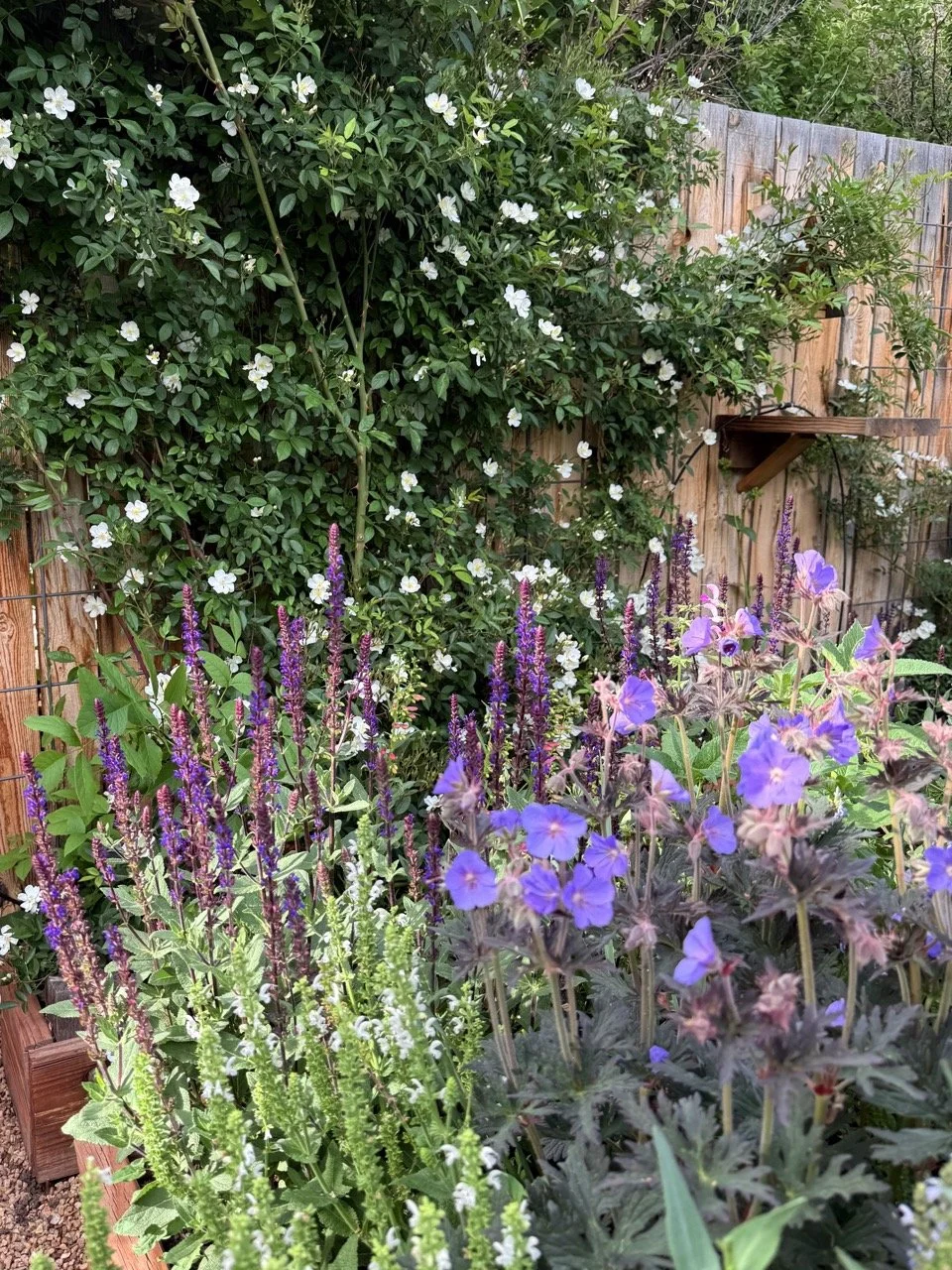
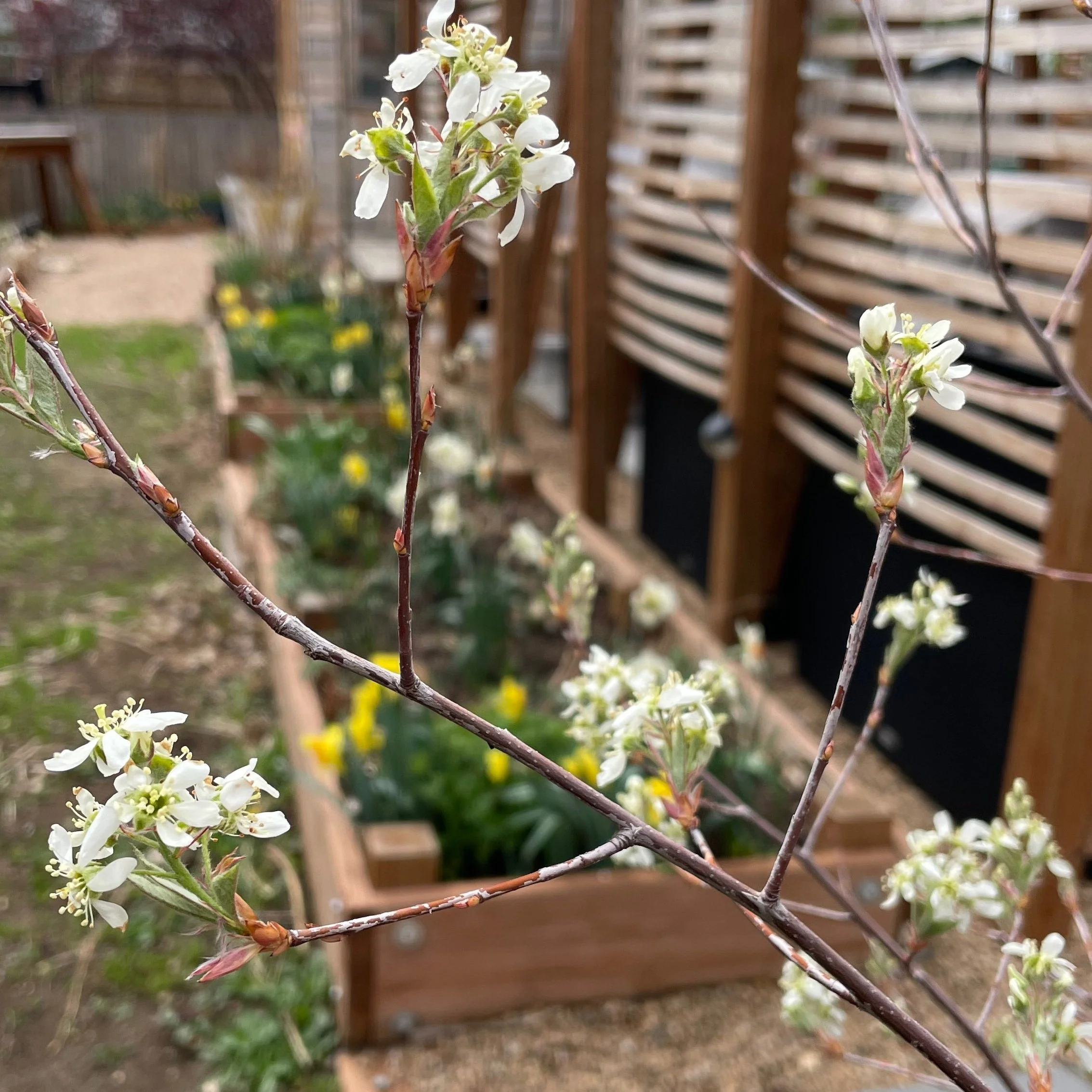

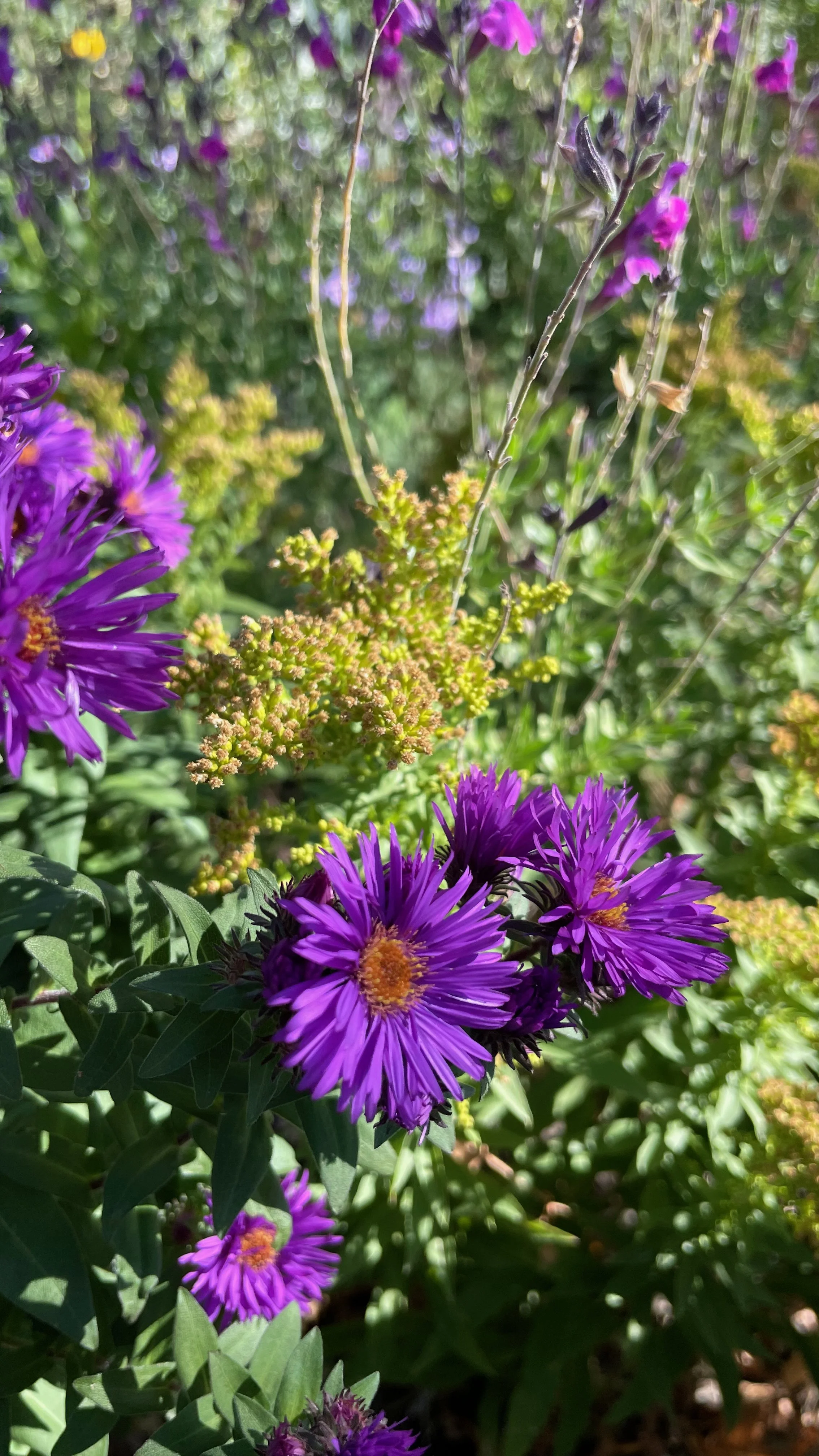

at the close…
Agastache is so much more than a pretty perennial.
When you choose native species and plant them well, you’re:
Supporting pollinators
Reducing water use
Building resilience into your landscape
And honestly? It’s one of the easiest ways to make your garden feel alive. There is nothing more satisfying than welcoming wildlife into your garden. I look forward to a summer of hummingbirds and butterflies feasting on my Agastache garden. I'll let you know how it goes!
If you have questions, don't hesitate to ask!
This post originally appeared on my Substack. Subscribe to my Substack, and all of this gardening goodness will appear in your email inbox weekly!
Happy Gardening!
Angela
Subscribe now so you never miss a thing!