

Is Stone an Effective Mulch?
A Research-Based Look at Pea Gravel, Stone, and Mulch Types
When famed British garden designer, Nigel Dunnett, visited the Denver Botanic Gardens he was heard to exclaim, “Well, you are sure proud of your mulch!” Whether this actually happened or not, this apocryphal story gets at two important points:
In British garden design, plants are crammed together in much more densely-planted beds than is common in North America.
North Americans tend to use mulch everywhere – and our planting schemes are much more sparse than in other parts of the world. So mulch is a much more prominent part of our gardens.
When I went to the Chelsea Flower Show last year, I saw this in action. In fact, I even saw a garden designed by Nigel Dunnett.
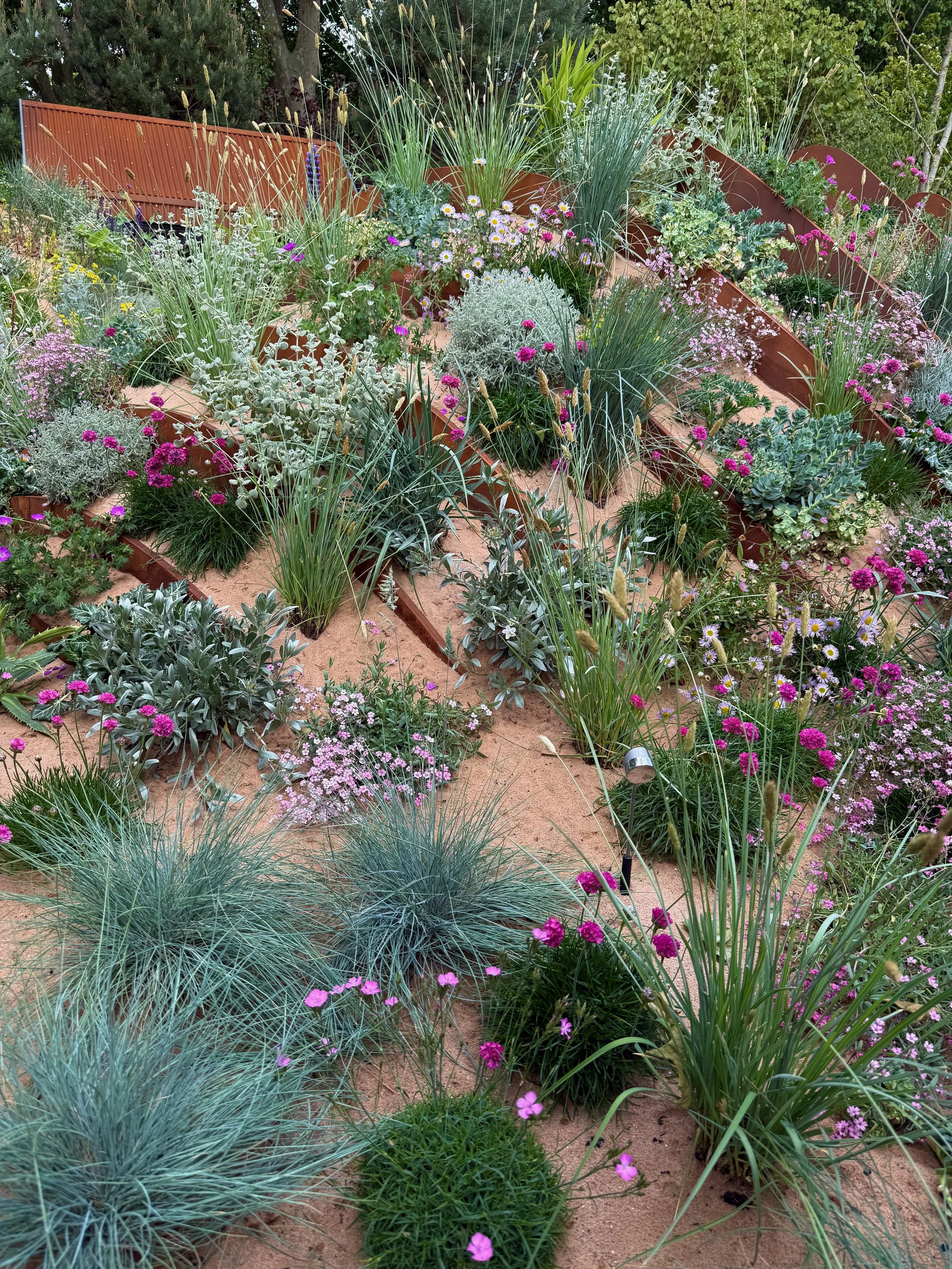
This is part of Nigel Dunnett’s garden for the 2025 Chelsea Flower Show. Ironically, of course, his design featured lots of “mulch space” — but it was based on the idea of recreating sand dunes with plants that could grow in sandy conditions. Sand, however, is NOT an effective mulch.

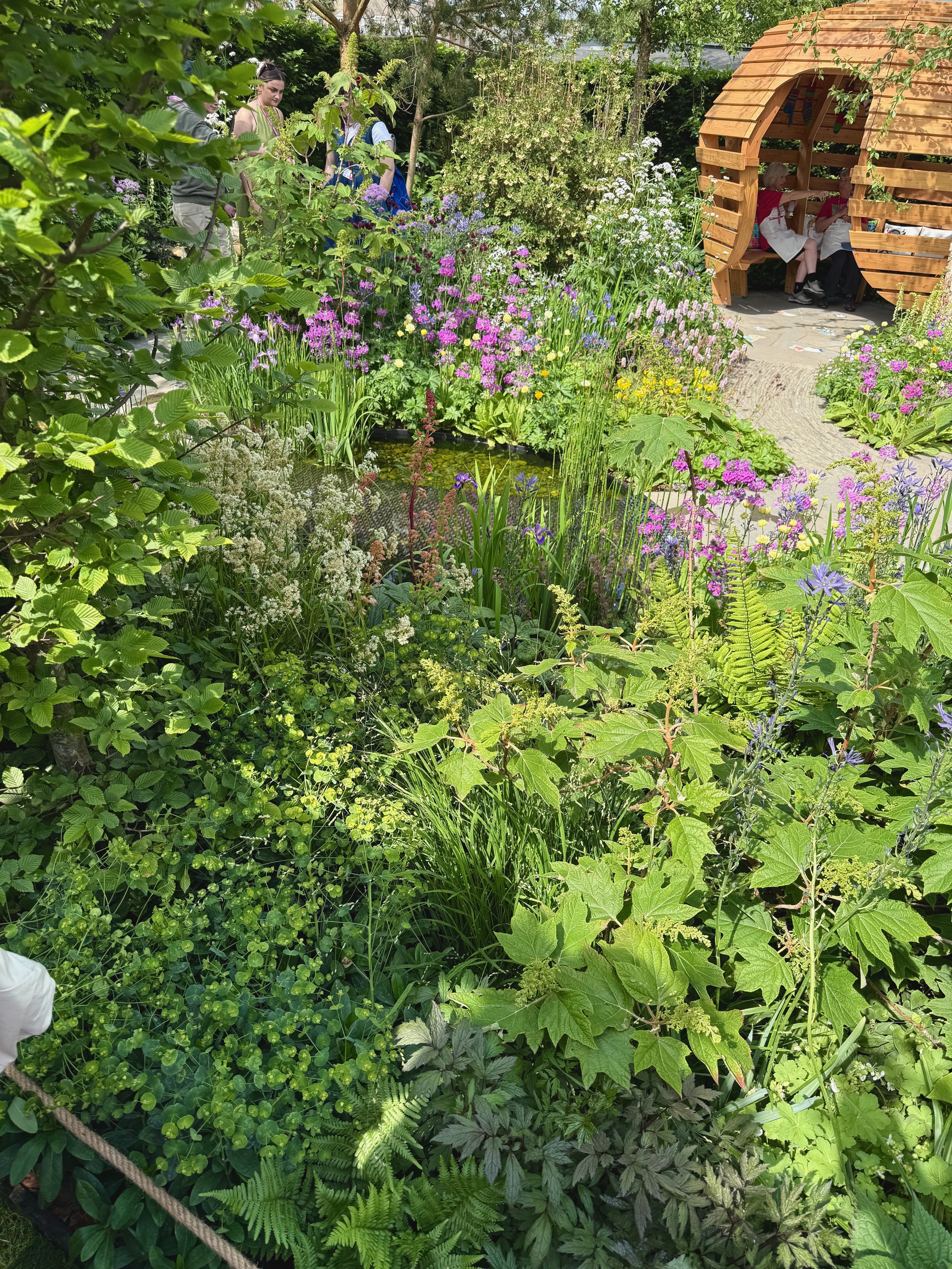
This is the Dog Garden designed by Monty Don. Look how closely those plants are planted! It was a dense celebration of purples and greens. Gorgeous!
The Chelsea Flower Show is about much more than flowers. It is a show filled with incredible garden designs by some of the world’s most prominent garden designers who build out full gardens for one week of glorious floriferousness.
And one of the things I saw firsthand at Chelsea was the British approach to packing plants in closer together and into beds of seamless beauty.
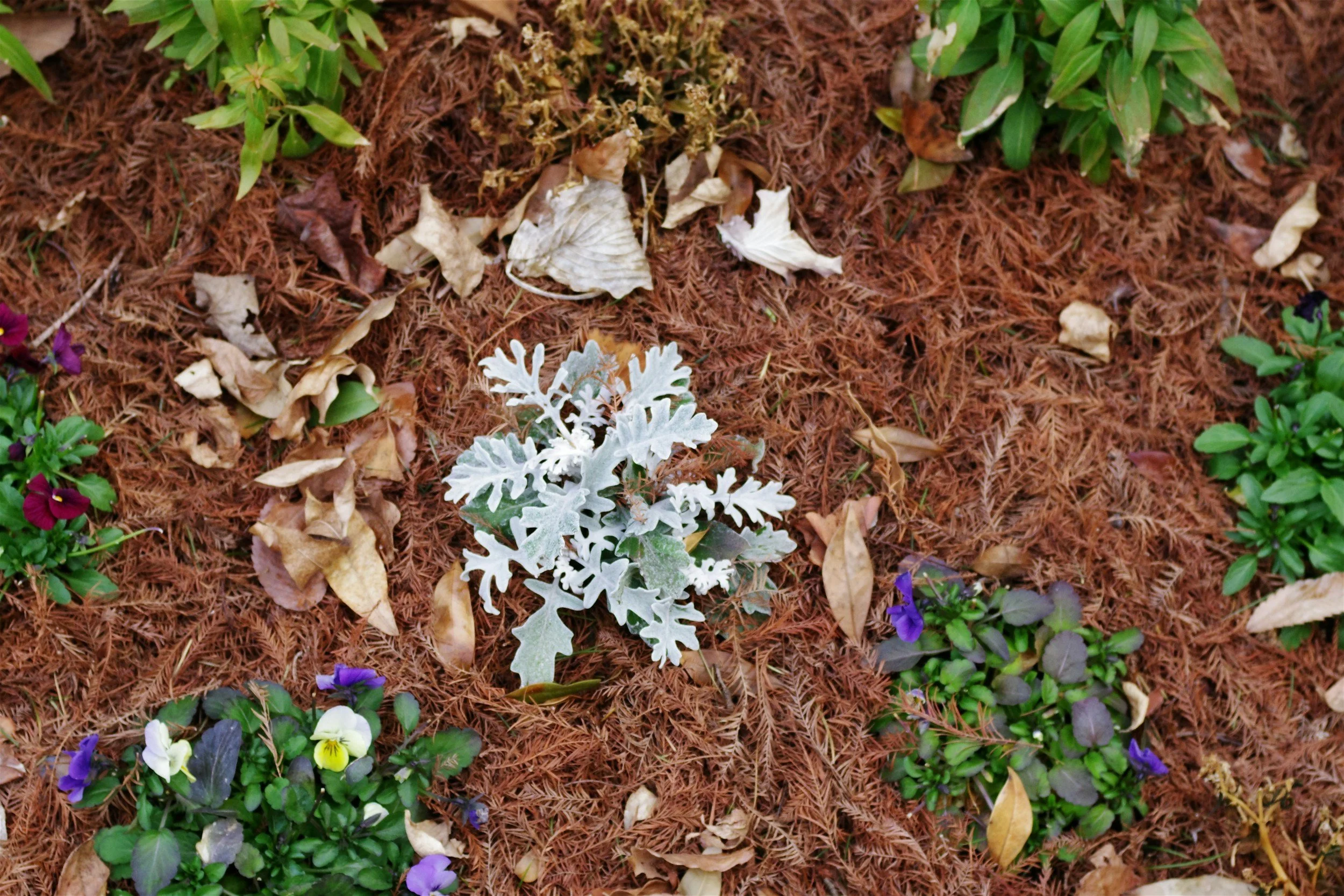
This is more of the American approach — plants separated by mulch. It does leave more room for plants to get larger. | Photo by Naoki Suzuki on Unsplash
On the other hand, American landscapers tend to separate plants apart with a sea of mulch in between.
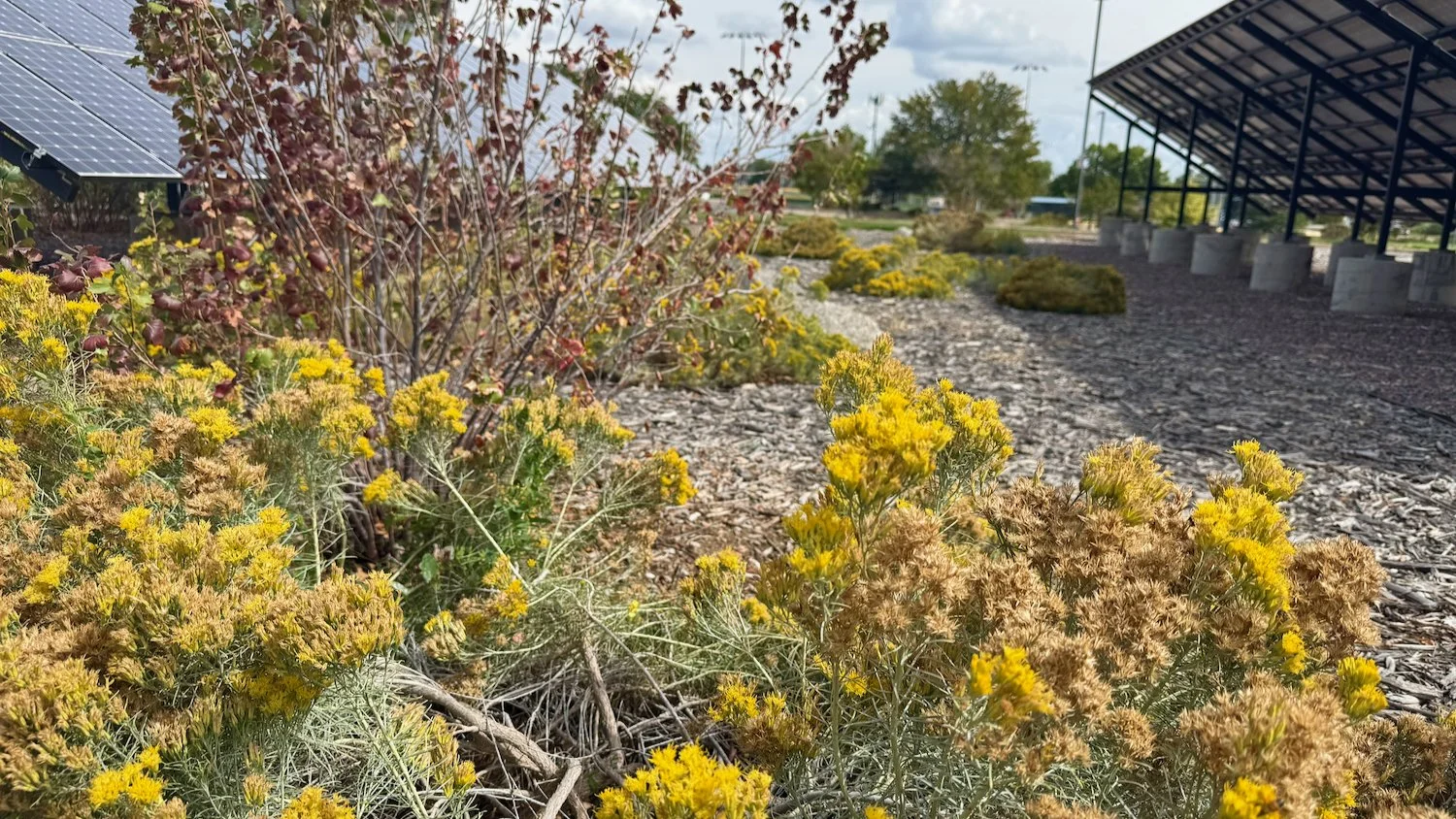
Rabbitbush in a sea of arborist chip.
Whether you are of the British gardening persuasion or of the American model, we need to talk about mulch, however. Because mulch is important, and what we use for mulch matters immensely.
What is Mulch and Why does it Matter?
First, let’s define mulch: a mulch is something which is applied on top of the soil with the goal of preventing evaporation from the soil, preventing weed germination, and protecting the roots of our plants.
And I am actually of the British persuasion: plants make the best mulch. I tend to pack them in tightly and allow them to romp about. That’s my preferred method. But it takes years to get to that point. Years of starting plants from seed. Dividing plants you have. And adding new plants every season. So I use mulches as a placeholder in most parts of my garden. Mulch is covering the soil until another plant can be put into place. And then another. And another.
There are lots of different materials which are commonly used as mulch on both sides of the Atlantic. They are generally divided into two different categories: organic and inorganic. I am also going to create a third category: plastic mulches.
Organic Mulch: wood chips, bark, pine straw, straw, leaves, grass clippings, clover and other living mulches, compost, hemp burlap
Inorganic Mulch: pea gravel, decomposed granite
Plastic Mulches: rubber tire mulch, plastic sheeting, landscaping fabric
Many of us use wood chips or arborists chips in our gardens. Eventually the wood chips break down adding organic matter to the soil. And they do allow some water penetration.
But when I planted out my new lavender plants recently, I decided to go a different route, because of a talk CSU professor John Murgel gave a few years ago about the efficacy of different types of mulch.
Now, if you want to listen to his talk in its entirety, here is the video. It’s excellent coving the basics of xeriscape practices and what is effective — and what isn’t:
Murgel begins speaking about mulches at the 38:54 mark, but the whole talk is good!
Mulches to Avoid
Plastic Sheeting and Landscaping Fabric: I hesitate to even list plastic sheeting and landscaping fabric as mulches. They generally are not. Plastic sheeting does not allow water to pass through it. Landscaping fabric does, to a degree, but it is not an effective mulch either. And BOTH shed microplastics into your soil, and neither one lasts long because plastic degrades with sunlight leaving a shredded plastic mess in your garden. Just say no!
If you need the functionality of these spreadable fabric solutions, I highly recommend jute burlap. Burlap is incredibly effective at suppressing weeds and preventing animal damage. And it decomposes naturally. Just be sure it is plastic-free and made from jute. And I find that 2 layers is perfect for most applications.
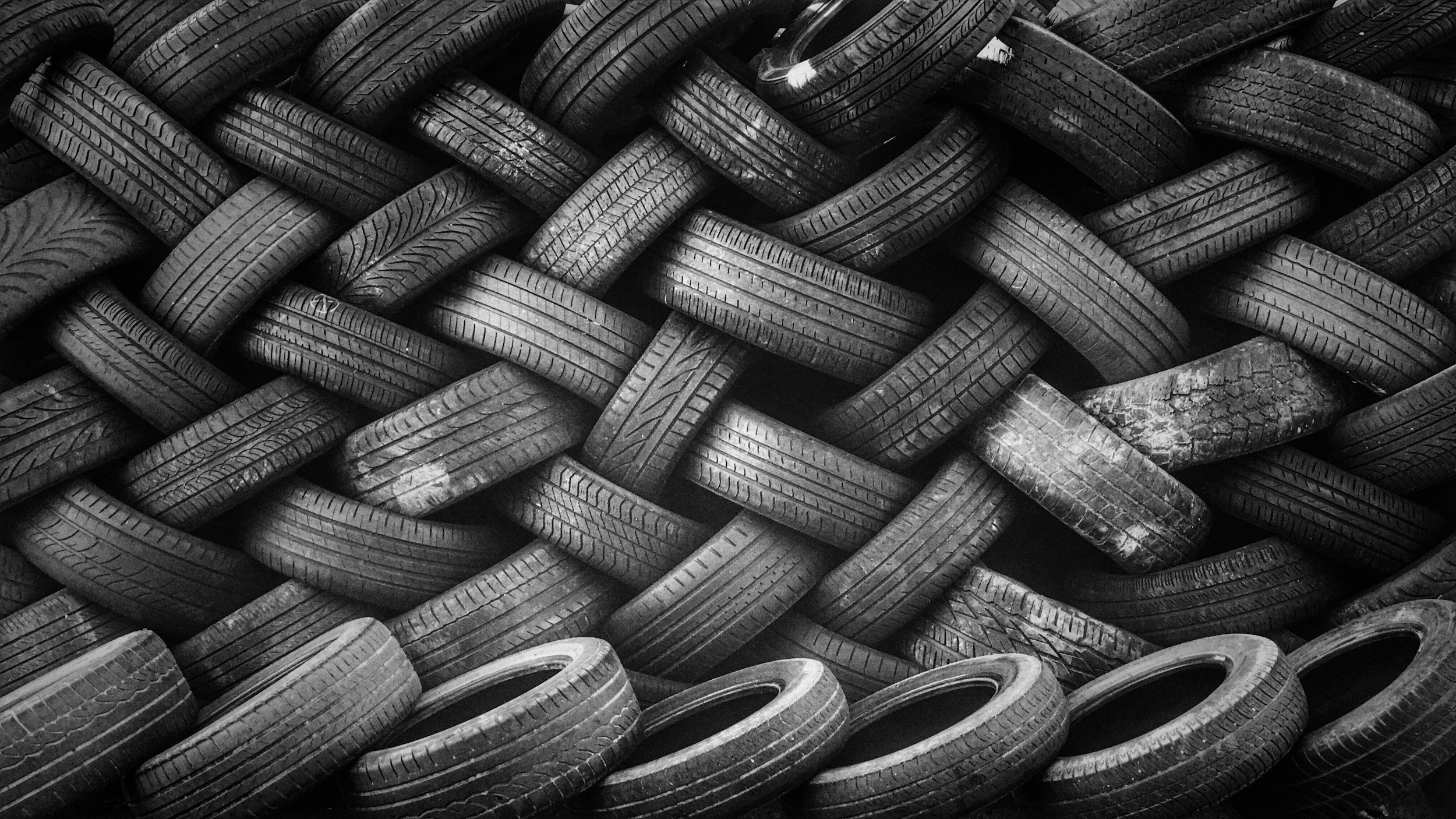
Rubber Tire Mulch: Do not use rubber tire mulch. While it has been marketed as a long-lasting mulch that never needs to be replaced, rubber tire mulch is hugely problematic.
Chemical leaching: chemicals from the tires leach into the soil
Heat Buildup: the mulch gets very, very hot and cause plants to get hotter – often killing them in hot locations
Flammability: tire mulch is highly flammable
No Nutrients: tire mulch does not add nutrients to the soil as it breaks down. But it contributes microplastics.
In general, anything made from plastic is not an environmentally-responsible mulching solution. If it has been used, I recommend removing it!
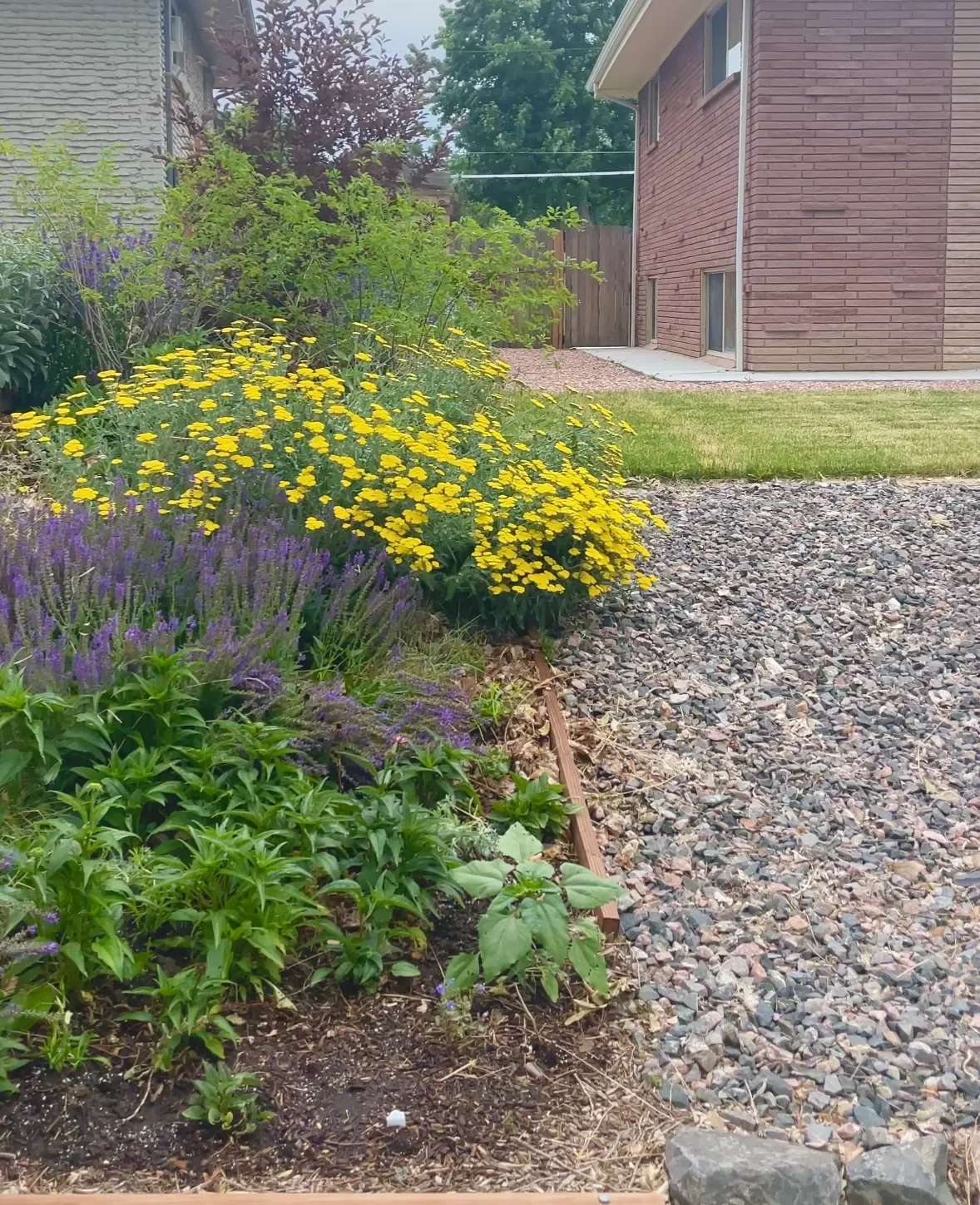
This is the boundary between my Wildlife Garden and my neighbor’s yard. I strive to use plants as mulch. They do not. It’s a striking difference.
What is the Best Mulch for Hot and Dry Areas?
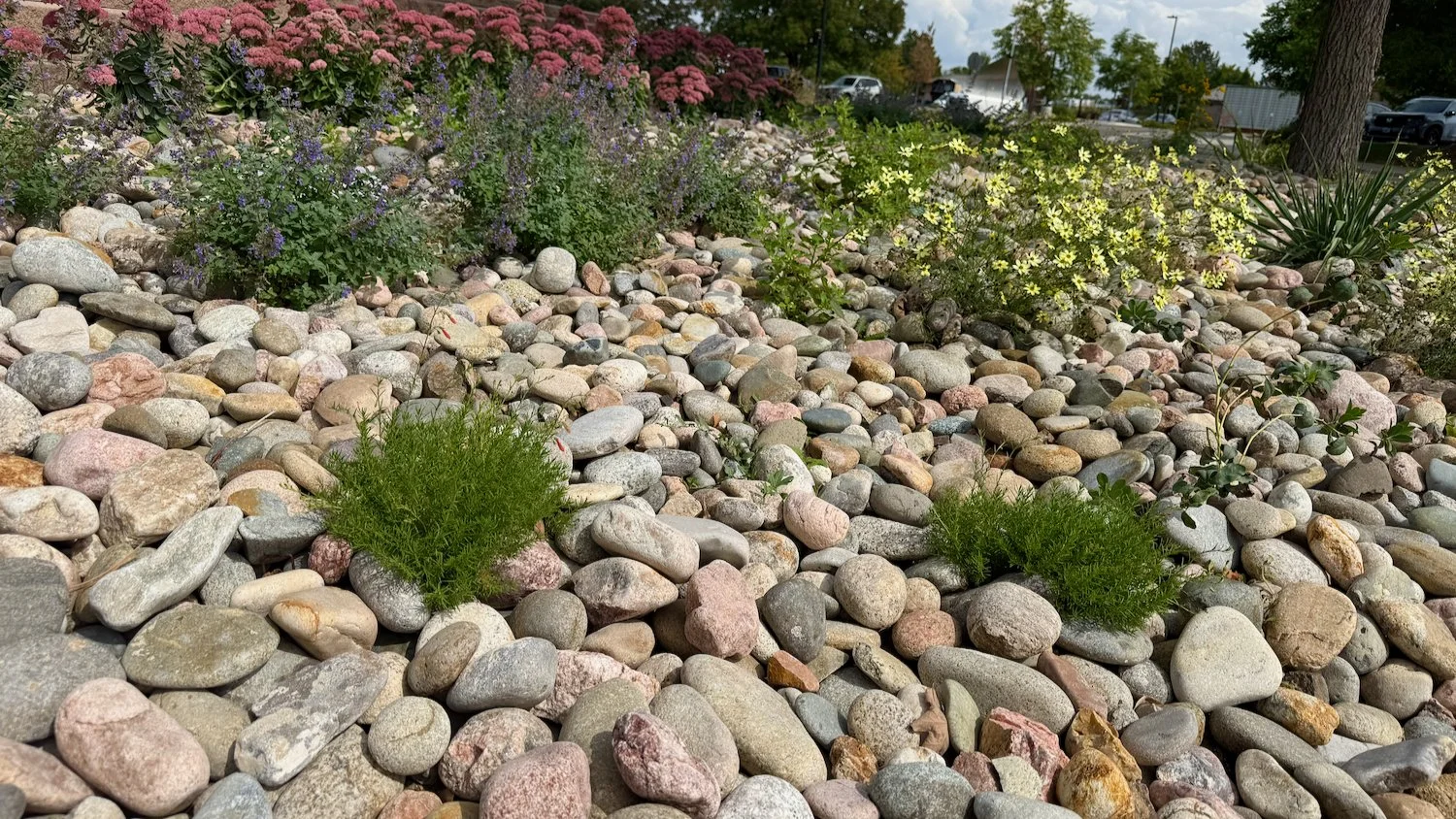
Here are lovely native and water-wise plants in a sea of large stones. The size of these stones means that they will make the soil and surrounding air hotter and will further reduce water penetration making the survival of these plants more difficult.
What Murgel argues, and this is based on several studies which he cites, is that pea gravel and decomposed granite are the most effective mulches in hot and dry climates. Not hot and dry where you are? This probably doesn’t apply to you. But as more and more of us live in hot and dry zones, this is certainly research to make us think a bit.
Pea gravel is gravel which is about the size of a pea, and studies show that stone loses its efficacy as a mulch if it is larger than ½” in diameter.
Oh, my poor neighbors!
I see large stones used as mulch all over here in Colorado. Maybe you do, too. But the larger the stone, the more water evaporates out of the soil below – and less water penetrates it in the first place. Murdel explains that this is because the air pockets between the stones allow for more air movement. Additionally, those stones allow for more heat buildup INCREASING the heat island effect.
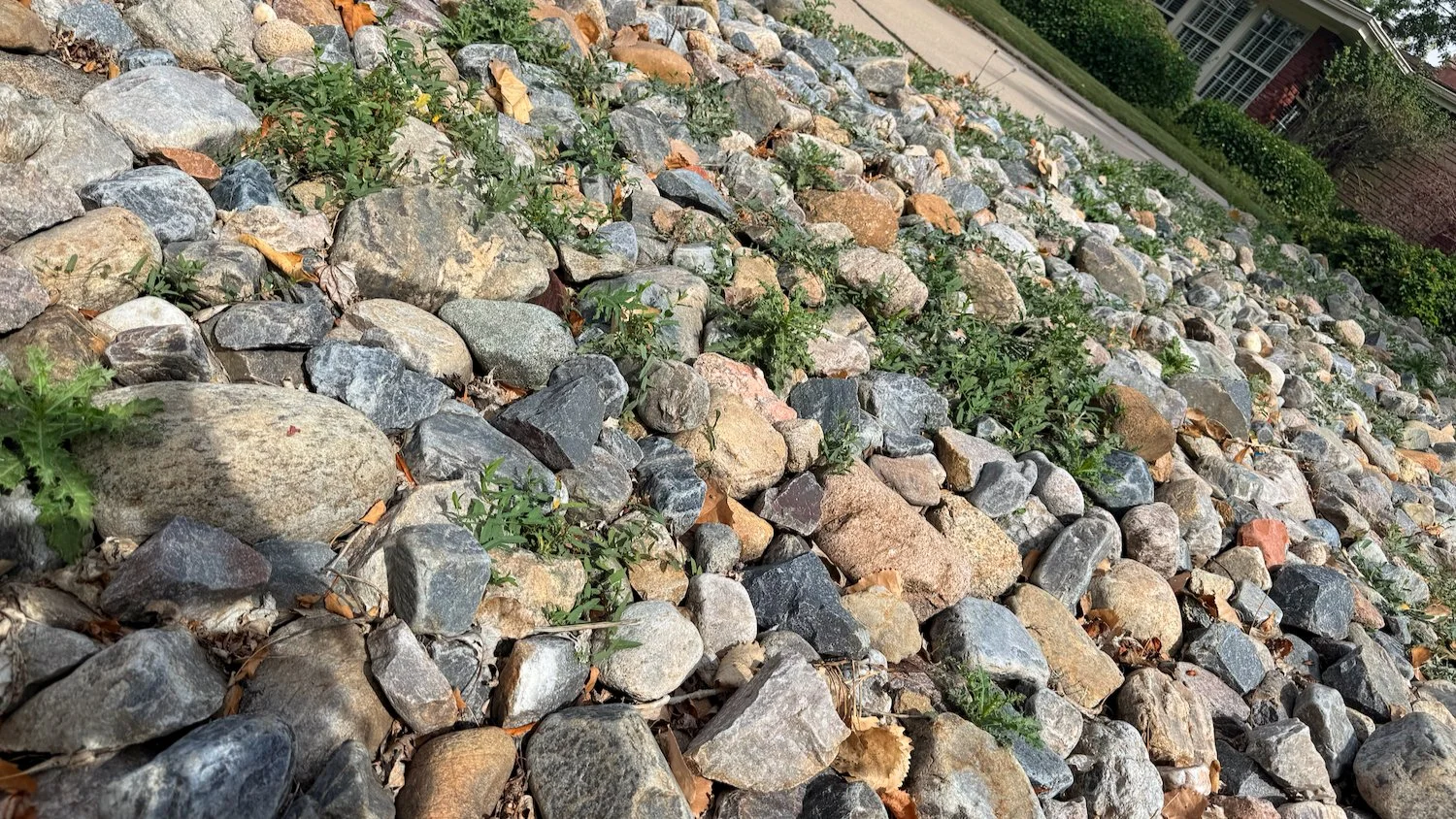
These stones are not cheap! And there are a lot of them. But they are completely ineffective at preventing weeds. This homeowner sprays several times per summer to kill the weeds in this stony bed.
I will also add that large stones allow weeds to grow like crazy. I mean what else grows in rock fields like this in the real world: weedy plants like bindweed. This is not a landscape based on nature. It is based on convenience and a misunderstanding of xeriscaping.
I am convinced that landscaping companies use them to then get maintenance clients. And then they just come along and spray all of the weeds. So large stones also might mean more use of herbicides.
Xeriscaping Gone Astray
Where does all of this use of stone come from?
I think it is all well-intentioned. And I think it shows a lack of education amongst landscapers many of whom just imitate what they see in other landscaping installations, right? They aren’t necessarily trained in xeriscaping, so they do what they see others do. And that has led to this proliferation of lawn replacement projects that look like martian landscapes – stone and rock of all sizes with very few plants in between.
“Xeriscaping: a style of landscaping and gardening designed to eliminate or greatly reduce the need for supplemental watering and irrigation.”
These homeowners have the right idea: they want to reduce their water usage. And reduce their lawns. Their intentions are good! But the execution often makes the end result worse, not better.
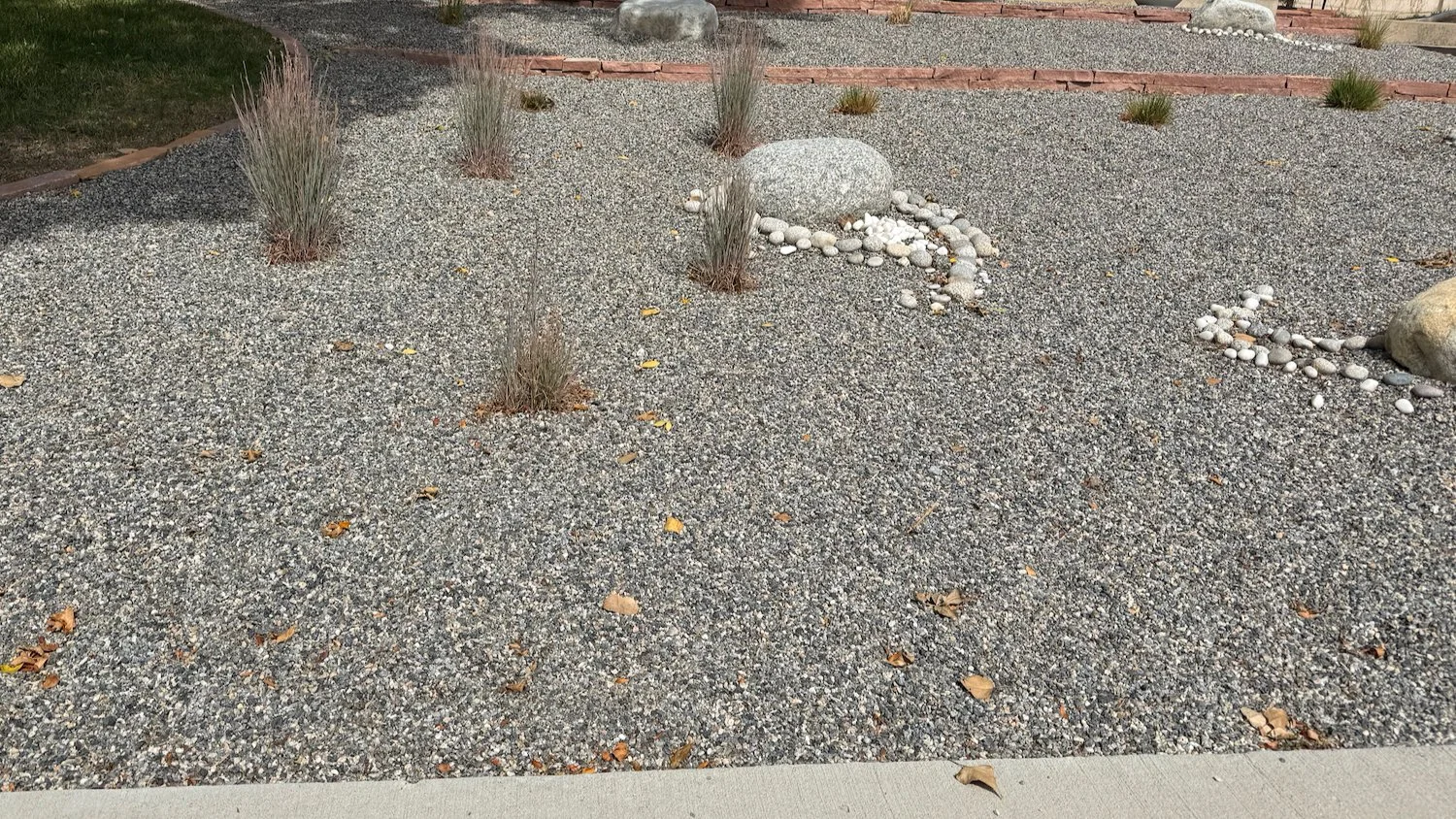
This is actually small gravel, so that is good news. But it is so sparsely planted! They have missed an opportunity to support wildlife and to create beauty.
Using Pea Gravel as a Mulch
Unlike larger stones, pea gravel hits all of the sweet spots!
Even though it is stone, the soil beneath it warms up more slowly during the day – even more slowly than under wood chips! And it cools down more slowly at night which may help plants during spring and fall especially. If their roots aren’t cooling as dramatically, they may be able to grow more readily.
Additionally, with pea gravel and decomposed granite, you get better water infiltration into the soil below. Wood chips, for example, can act like a sponge where as the water runs off the pea gravel and better penetrates the soil.
I am also just going to say it: I love the look of pea gravel! It evokes Italian and Mediterranean gardens for me. That’s why all of our garden paths are pea gravel. It brings just a little bit of Italian joy into our garden. I think it’s beautiful when done well!
So, when I planted out my new beds of Lavender, I added three inches of pea gravel as the mulch on top. And because I live in a hot and dry climate, I’m considering adding pea gravel to other beds as well.
There are a few disadvantages to using pea gravel or decomposed granite, too.
It doesn’t decompose, and it has to be applied in a thick layer (3-4”). So adding organic matter to your soil after applying the pea gravel is impossible. That’s a big drawback in some ways – depending on what you are planting.
Additionally, fallen leaves and other plant material will need to be cleaned up. No more chop and drop. No more leave the leaves – at least not on the gravel. Now, I also have gravel paths – I’m used to this. But it is a consideration.
And planting into pea gravel takes some maneuvering. It’s not hard, you just have to move it around. So that’s a factor, too.
My new Lavender beds seemed like a perfect place to try this out. These beds will be rather monolithic – nothing else will be planted there. They are plants that don’t mind a little heat. And Lavender doesn’t need amended soil. It’s happy in lean soil without a lot of compost and other soil amendments.
For more about the new Lavender project, check out this post from a few weeks ago:
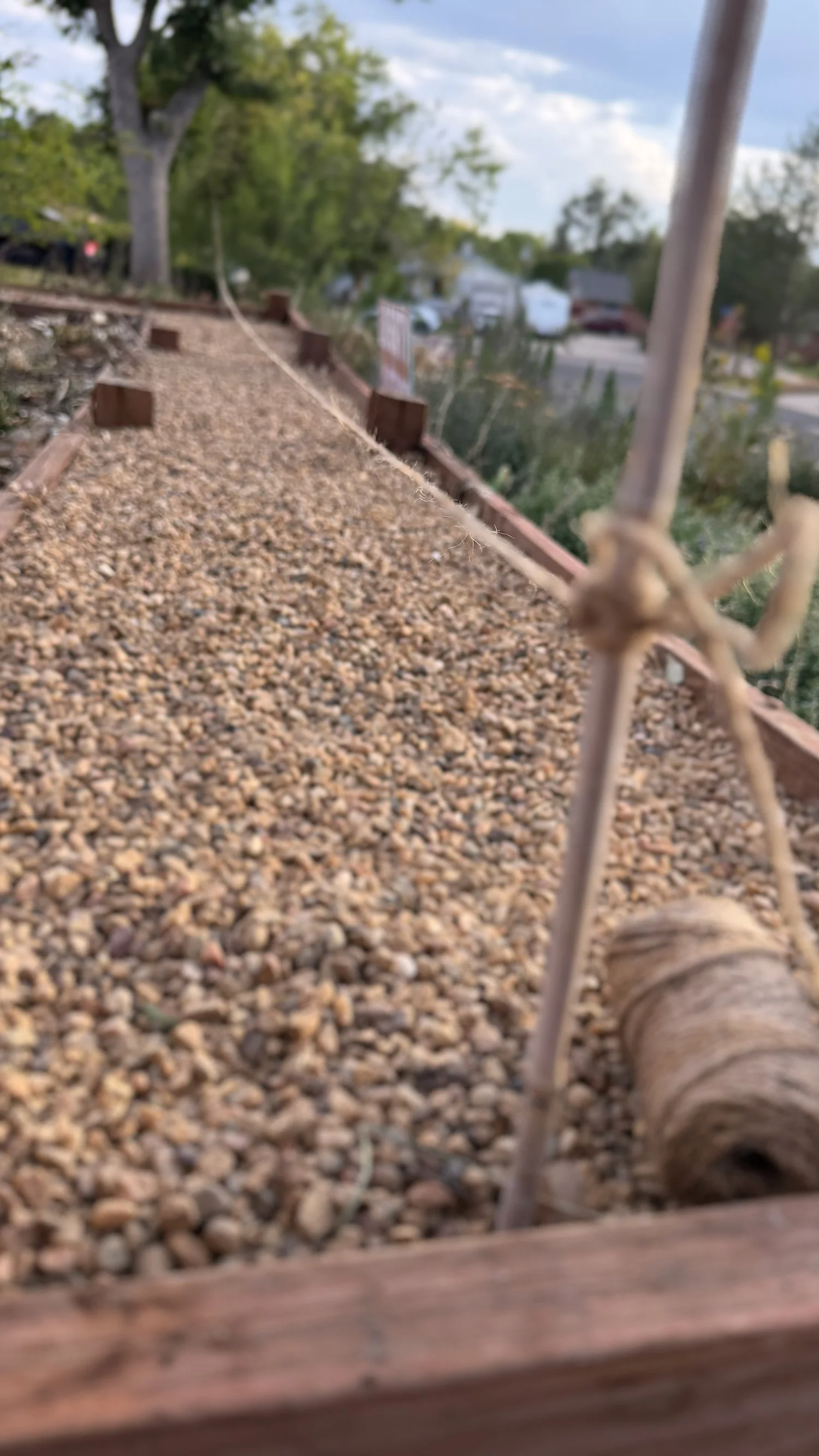
I added 3-4” of pea gravel on top of the soil in these raised beds before planting out the new Lavender plants.
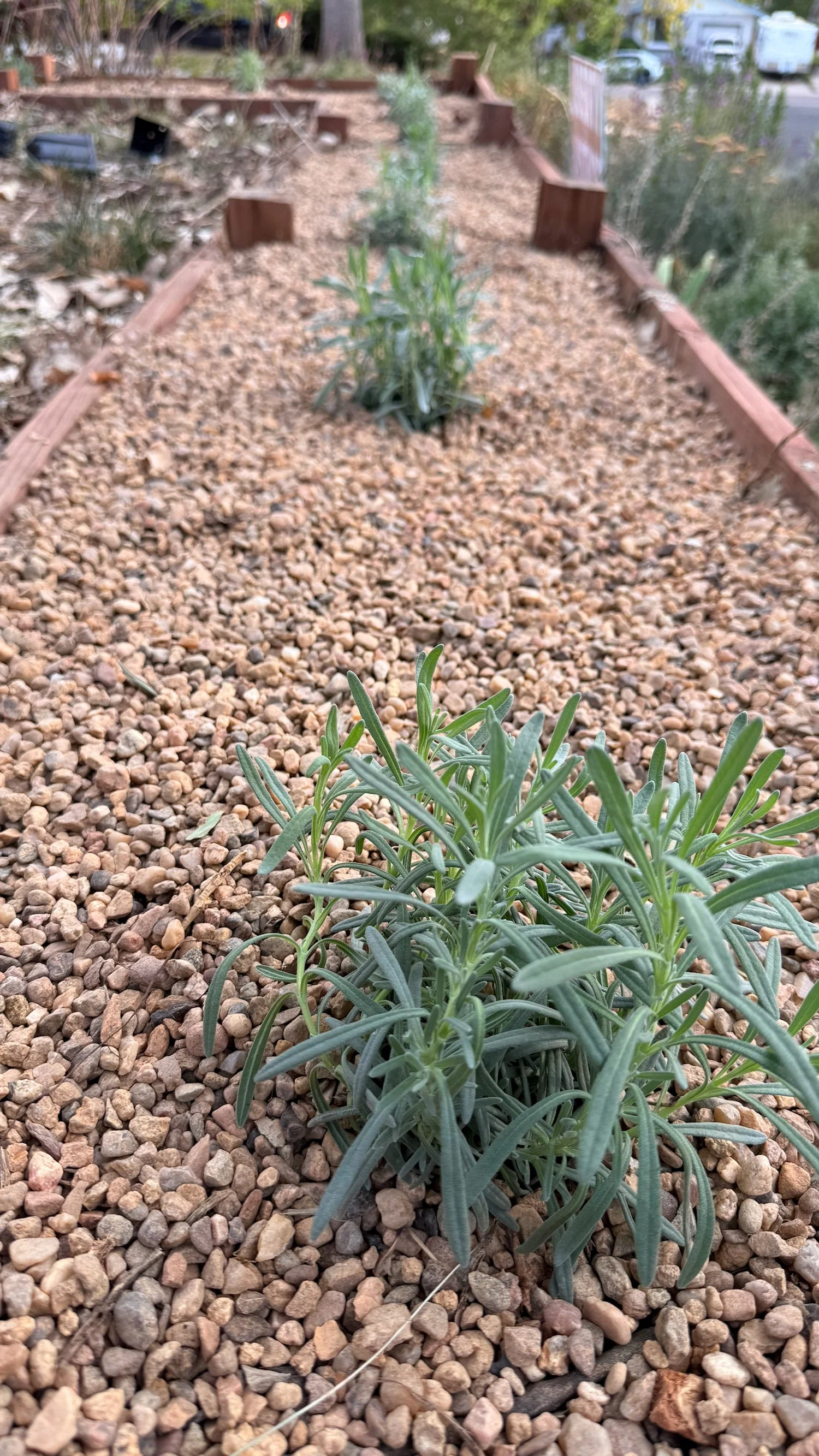
This is one of my new Lavender beds all planted out. I like how neat the pea gravel makes these beds while I wait for the Lavender plants to reach full size which will take 3-4 years.
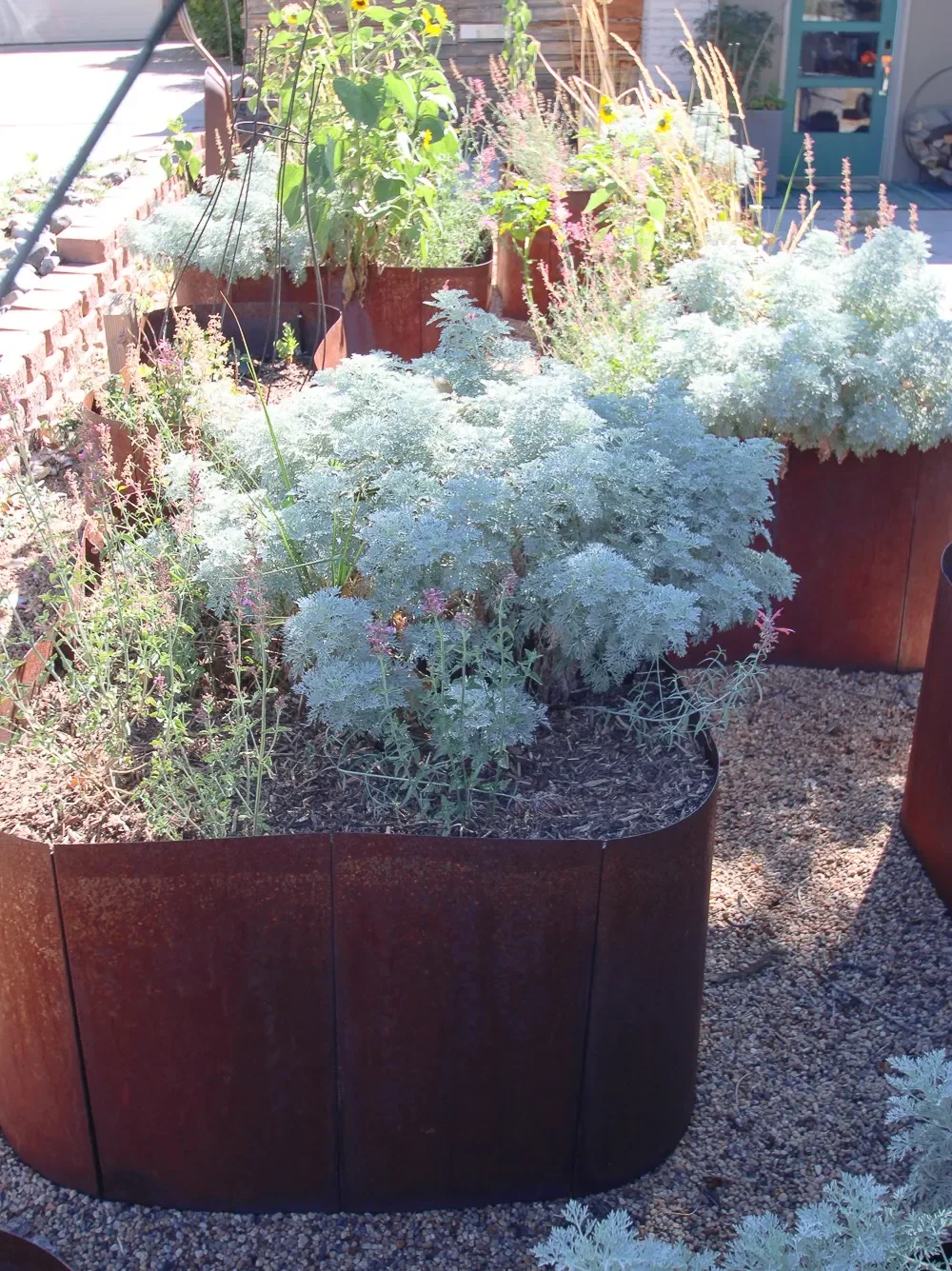
We have hauled in SOOOO much gravel over the years! But it makes for clean paths and still allows water to penetrate the soil underneath and eventually into the water table. I like the look, too!
at the close…
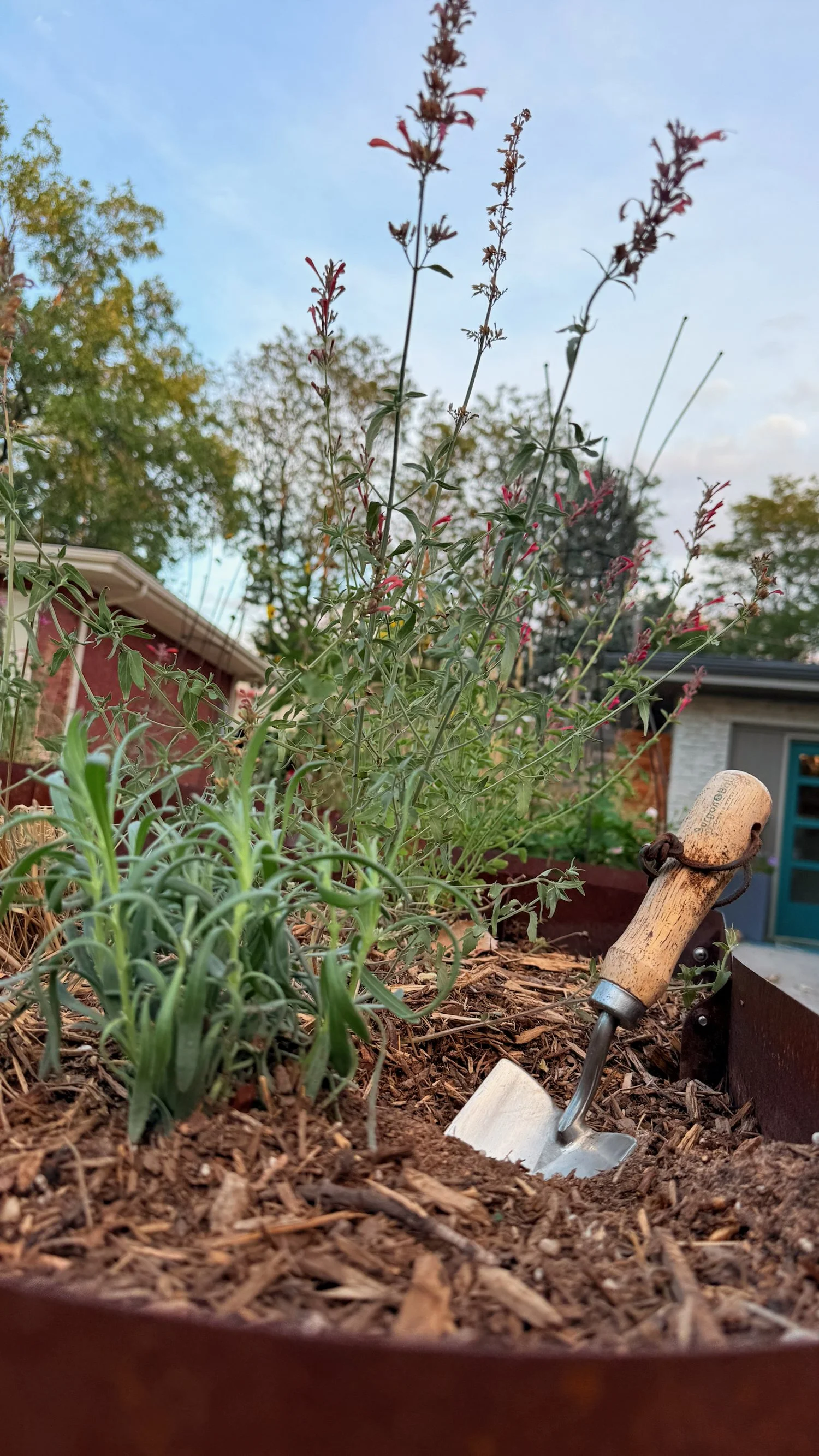
I have other places in my garden where using pea gravel wouldn’t make much sense, but this seems like a great place to try it out. If I like how it works, I have a few other beds that are similar where gravel might be a good addition, too.
So, as you are thinking about fall and composting and mulching for winter, consider if pea gravel or decomposed granite might be a good solution for your garden. As I said before: it isn’t for everyone. But it is something to consider for those of us in hot and dry locations. I’ll keep you posted on what happens with my beds!
If you have questions, don't hesitate to ask!
This post originally appeared on my Substack. Subscribe to my Substack, and all of this gardening goodness will appear in your email inbox weekly!
Happy Gardening!
Angela
Subscribe now so you never miss a thing!