

Garden Pond Maintenance Tips
How to Keep Garden Ponds & Birdbaths Clean Without Harming Pollinators
Fresh water is one of the most valuable resources we gardeners can provide in a wildlife-friendly garden. Birds need water for drinking and bathing, butterflies gather at shallow puddles to obtain minerals, and bees use water to regulate hive temperature and support brood development.
Our neighborhoods, streets, and homes have often been built on land modified to remove water flow.
I know that’s true in my neighborhood. What streams and ponds once existed are now paged over and diverted. So any body of water we can add helps all of the wildlife in the area.
However, a neglected water feature can quickly become a source of algae, mosquito breeding, disease transmission, and accidental drowning for beneficial insects. Fortunately, if we use a few science-based maintenance practices we can keep our wildlife ponds, fountains, and birdbaths healthy for birds and pollinators alike.
I’m including tips here from several fabulous resources which are listed at the end. And I am also telling you what I do personally to maintain my water sources.
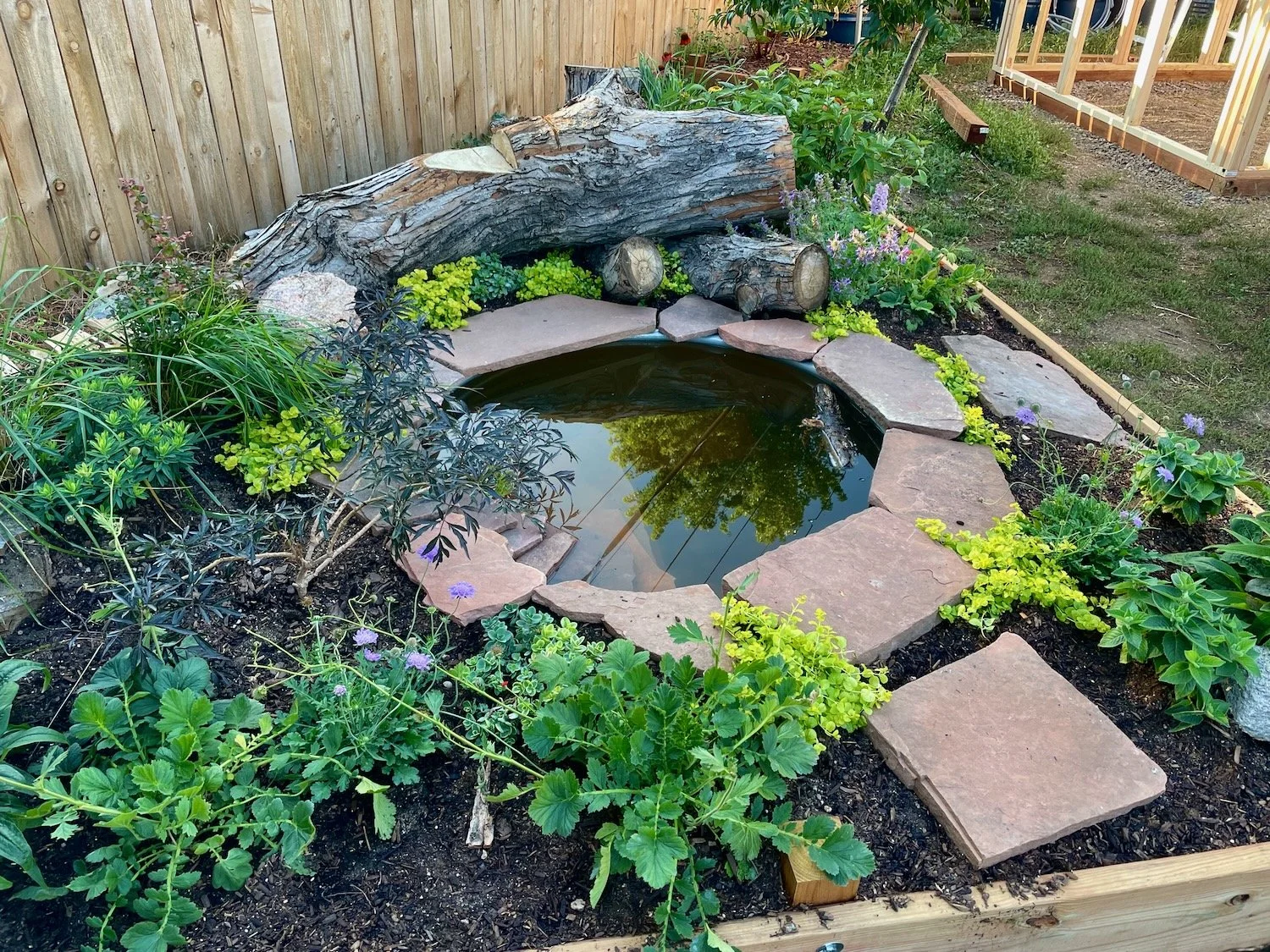
Why Every Garden Needs a Wildlife Pond
This post is part of a whole series on garden ponds and waterfeatures.
Why Water Features Matter for Wildlife
Water is one of the essential habitat components for birds and pollinators. After all, just like humans and dogs and cats, wildlife of most kinds need water sources to stay alive. Even small water sources can support a surprising diversity of species when designed and maintained properly.
Pollinator-friendly water sources may include:
Birdbaths
Wildlife ponds
Small fountains
Butterfly puddling stations
Shallow dishes with stones or pebbles
As gardeners, we must focus on providing clean, accessible water while minimizing risks to wildlife.
A Note about Small Children and Water
Water can be irresistible to children. It’s dynamic. It’s full of life. It invites play. All of those things are great! But there is also inherent danger for small children who can drown in water less than 1 inch deep.
If you have small children in your home or who visit frequently, use caution and put safety first. Even a small pond could be deadly for a small child. If visitors with small children come to your home, always warn them about the water. And make sure children are supervised at all times.
For more information about drowning risks and water safety, consult:
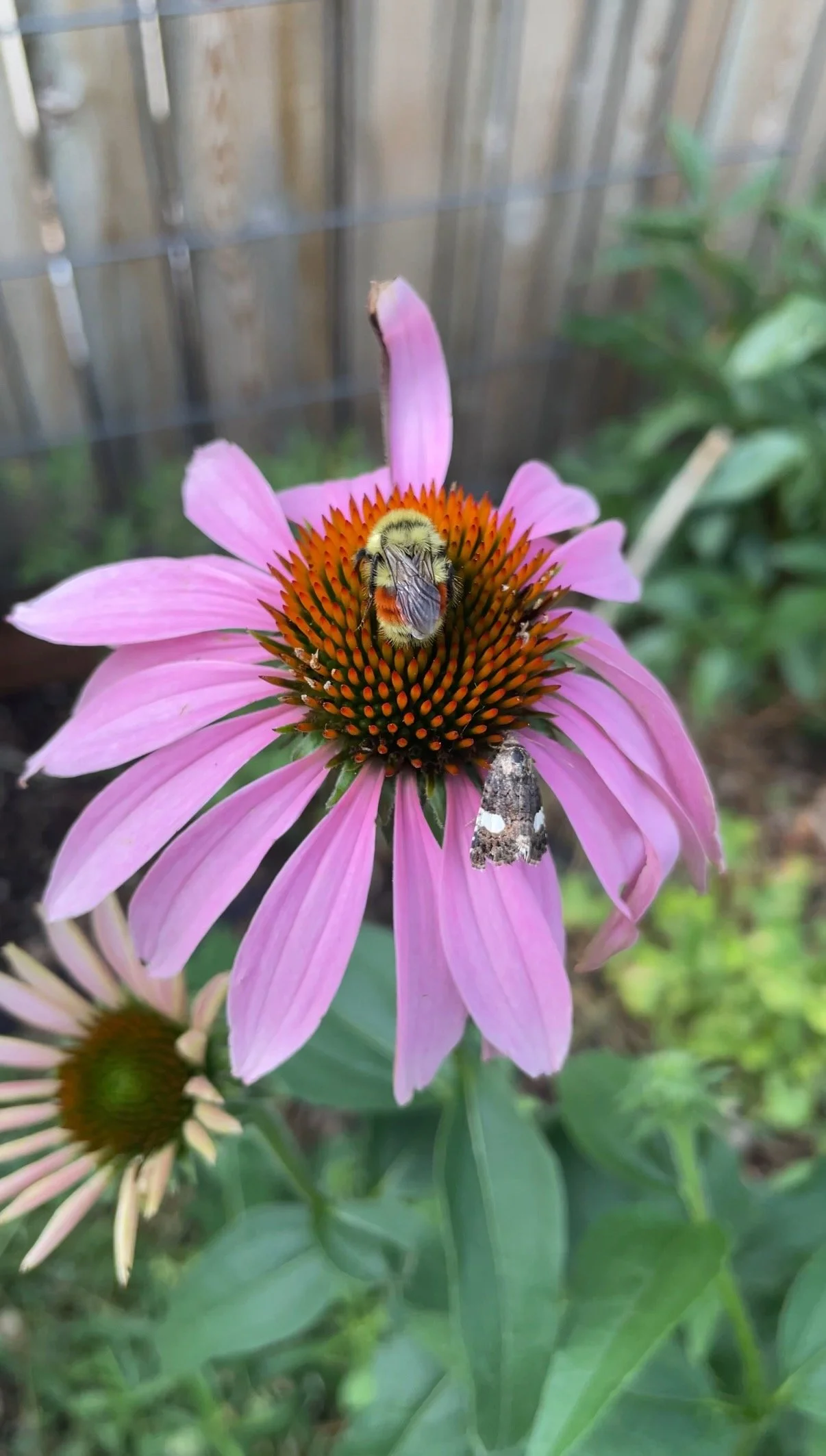
Create Safe Access for Bees and Butterflies
One of the most common mistakes in wildlife gardening is offering water with steep, slippery sides. Bees and butterflies need landing areas where they can drink safely without falling into deep water.
For birdbaths and fountains:
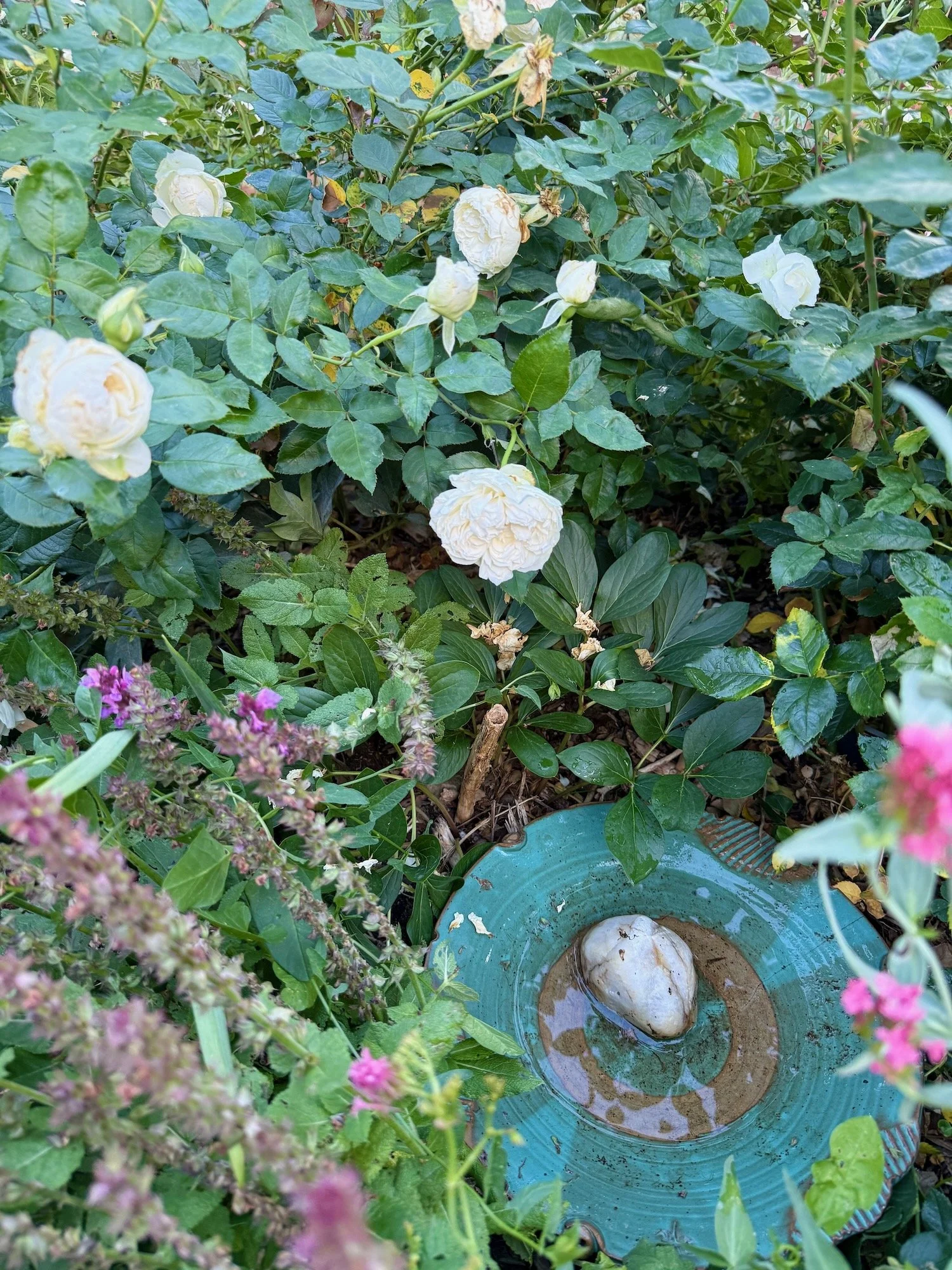
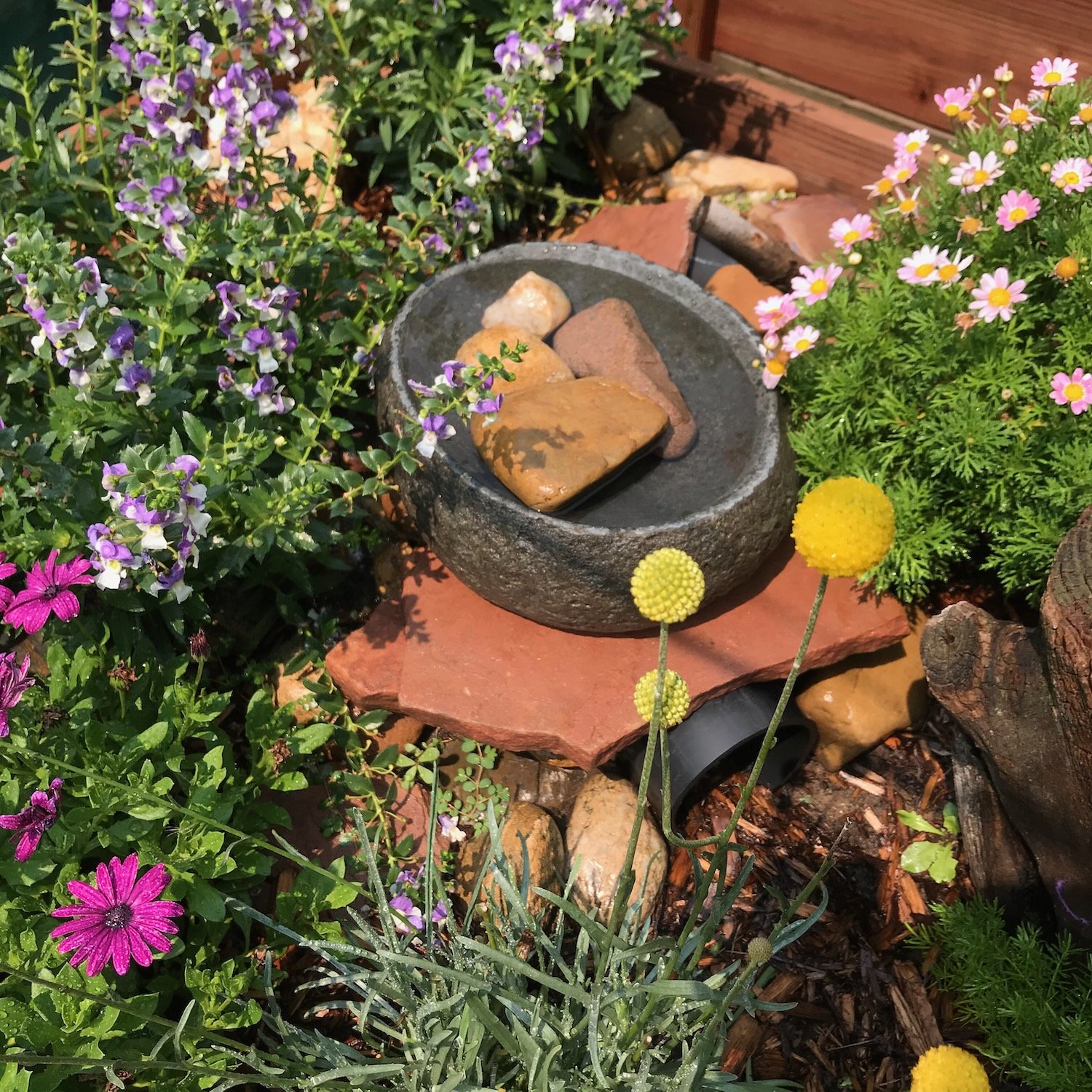
Add flat stones, pebbles, or gravel that rise above the water surface.
Maintain shallow edges whenever possible.
Include partially submerged rocks to create “islands.”
For ponds:
Build gently sloping shorelines or beaches.
Consider stone steps.
Include shallow shelves along pond margins.
Place rocks near the edge so insects can enter and exit safely.
These features also help small birds access water more comfortably. Make sure you are building these beaches, stairs, and exits on a scale so that they help insects and animals – not just humans!
Keep Water Moving Whenever Possible
Moving water benefits both birds and pollinators.
A small solar fountain, bubbler, or drip system can:
Attract more birds
Reduce mosquito breeding
Improve oxygen levels
Slow excessive algae growth
Even a slow drip into a birdbath can significantly improve water quality and wildlife use.
For more about why moving water prevents mosquito breeding, check out this post:
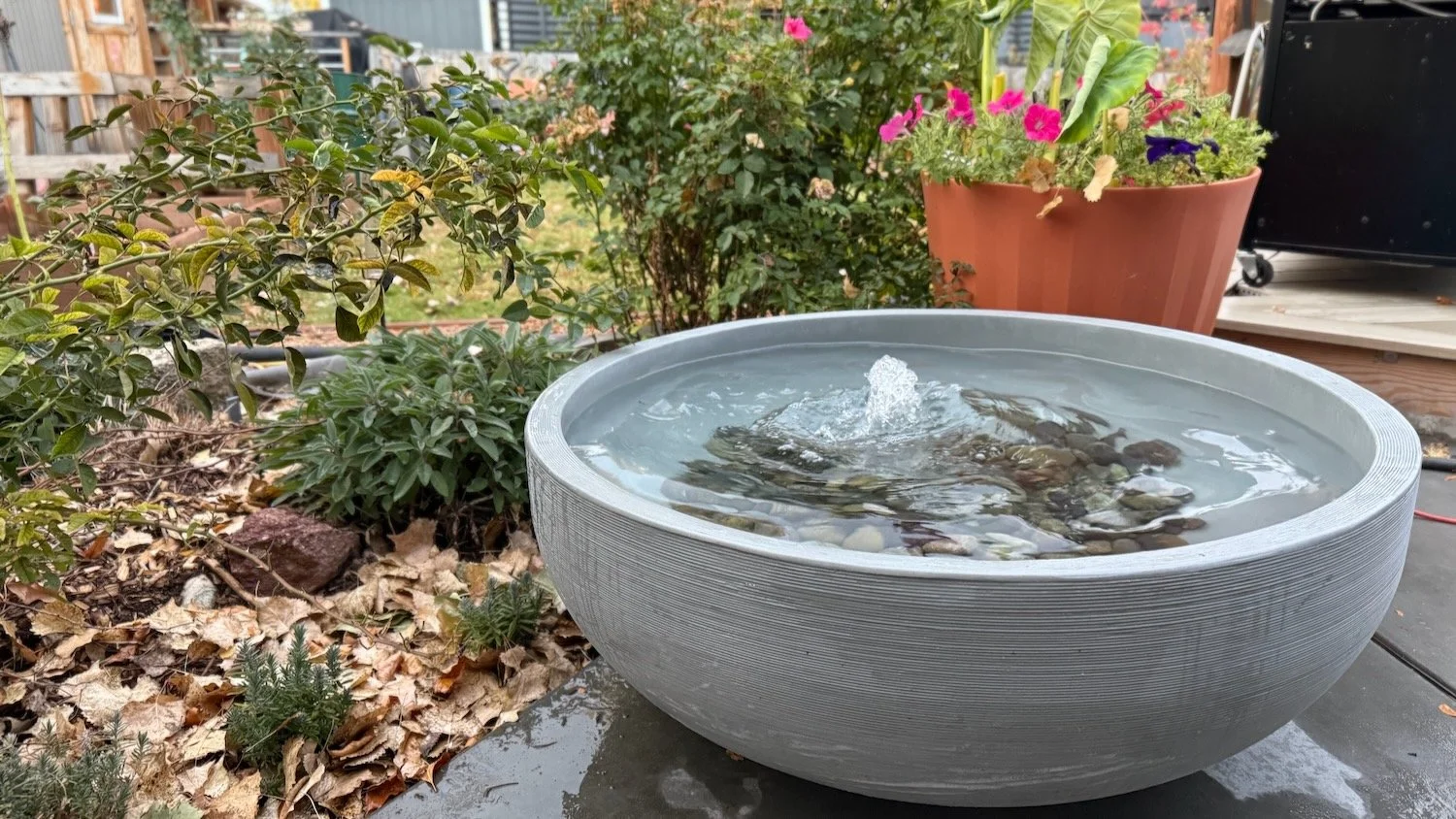
Change Birdbath Water Frequently
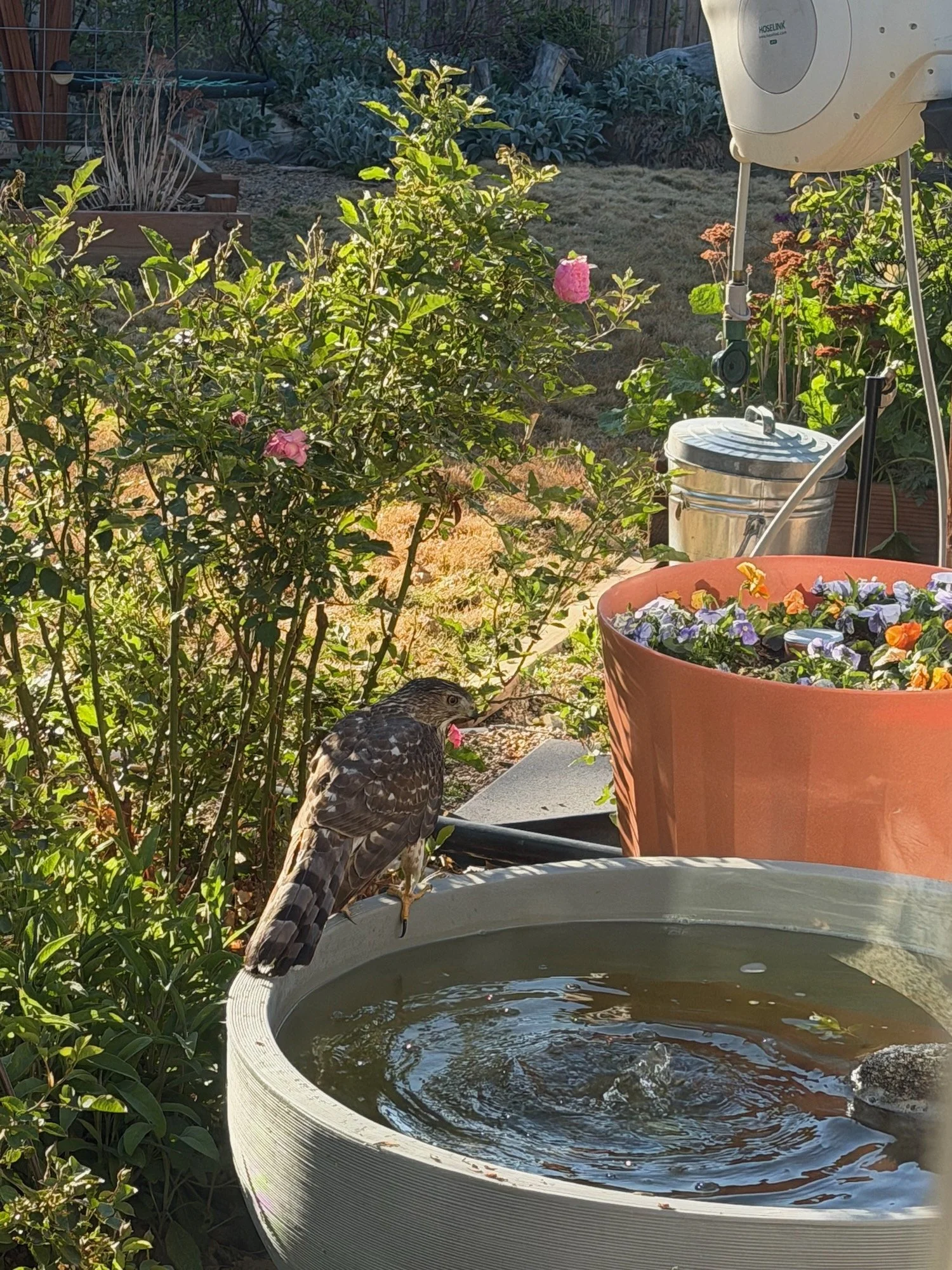
Fresh water is one of the most effective disease-prevention tools. And you don’t want your birdbath to become a place where birds exchange or pick up diseases. So maintenance is key.
Wildlife experts recommend:
Replacing birdbath water daily during hot weather
Changing water at least every 2–3 days under cooler conditions
Removing leaves, feathers, and debris whenever they accumulate
Frequent water changes help prevent:
Mosquito larvae
Bacterial growth
Algae buildup
Transmission of wildlife diseases
Fresh water is especially important during summer when high temperatures accelerate microbial growth.
What I do:
add fresh water daily – twice daily if it is very hot
use the hose to give a vigorous rinse each day
scrub out small birdbaths with dish soap or vinegar at least once per week
Clean Birdbaths Without Harming Wildlife
For routine cleaning:
Empty the birdbath completely.
Scrub with a stiff brush and hot water.
Remove algae, droppings, and debris.
Rinse thoroughly before refilling.
What to Avoid:
Fragranced cleaners
Harsh chemical treatments
Algaecides intended for ornamental ponds
A weekly scrub is generally sufficient, although heavy bird use may require more frequent cleaning. If additional cleaning power is needed, wildlife organizations commonly recommend a diluted white vinegar solution followed by thorough rinsing. I do this occasionally, and it works very well!
Science-Based Algae Control for Wildlife Ponds and Birdbaths
Algae are a natural part of aquatic ecosystems. We really can’t completely eliminate algae, but we can prevent excessive growth. And what you do to prevent that growth depends on the depth of your water source.
For Birdbaths and Fountains
Algae thrive when water is:
Warm
Nutrient-rich
Exposed to direct sunlight
Stagnant
To reduce algae naturally:
Place water features in partial shade.
Change water frequently. Daily for birdbaths. Every 2-3 weeks for fountains.
Remove organic debris every day or two.
Use circulating water.
Scrub surfaces before algae forms thick mats.
I have found that if I am filling my birdbaths daily and scrubbing them out once per week, I rarely have issues with algae in my birdbaths and fountains. But if I am gone for vacation, I generally have to do a good scrub when I come home.
For Wildlife Ponds
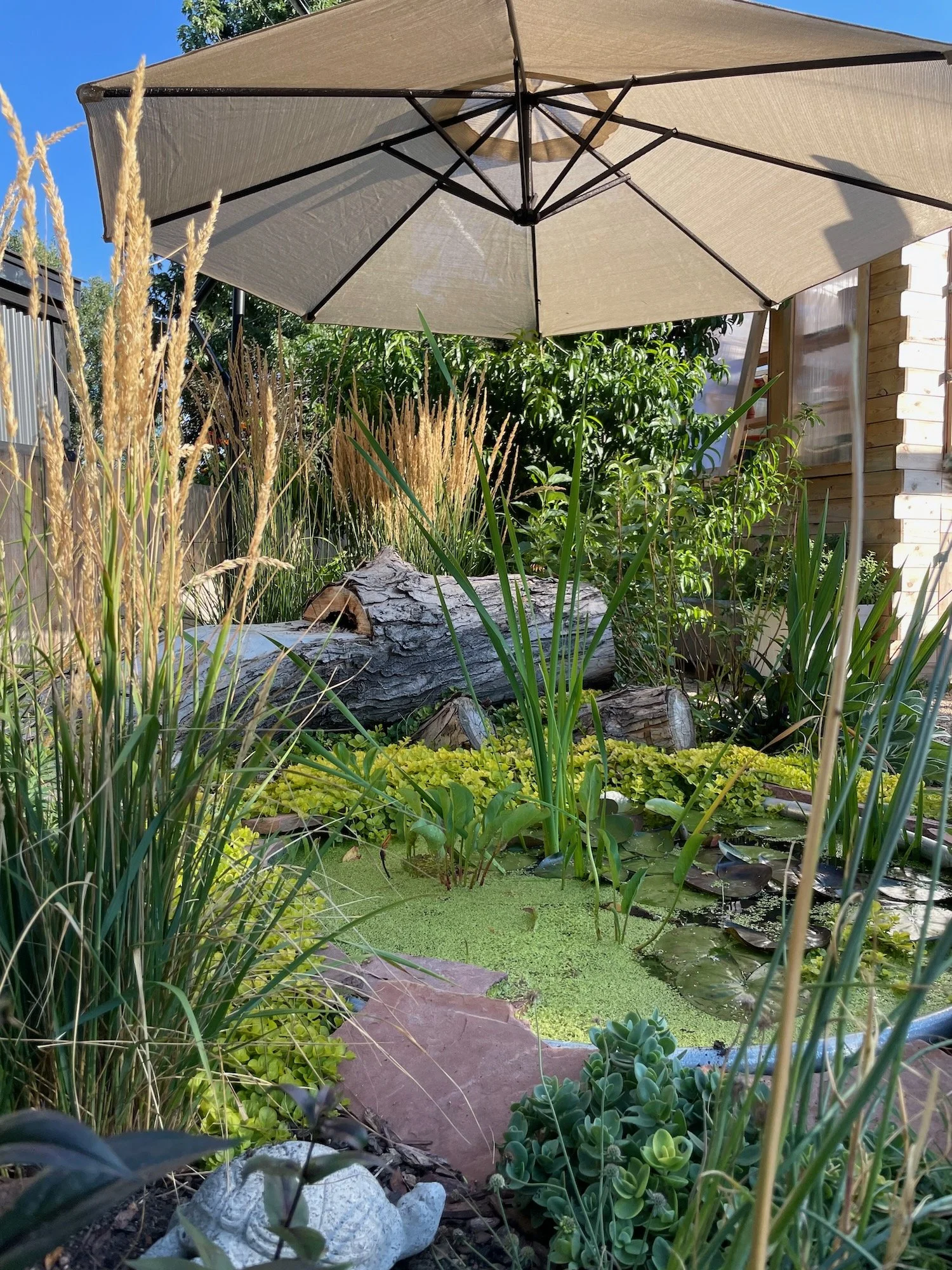
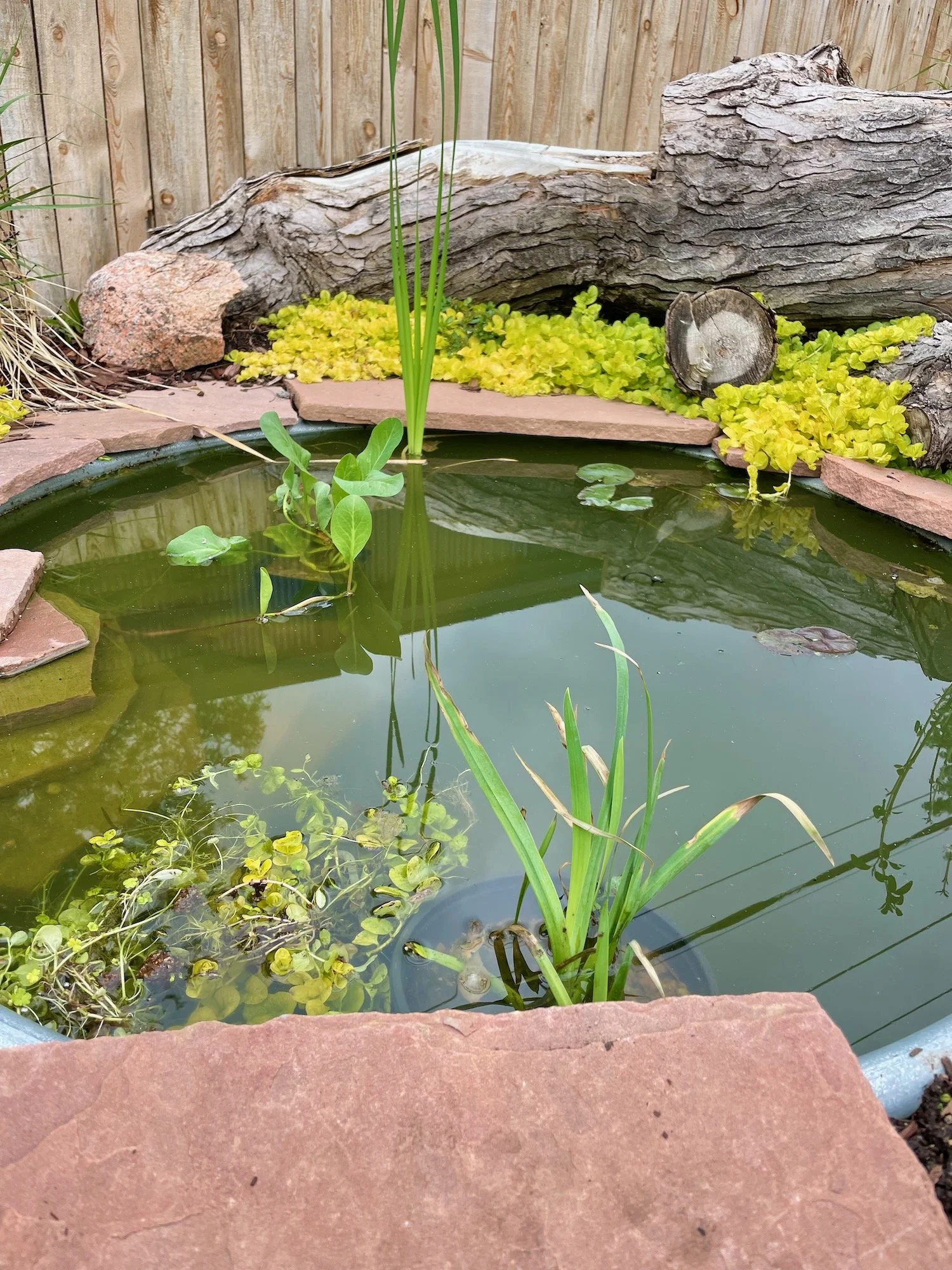
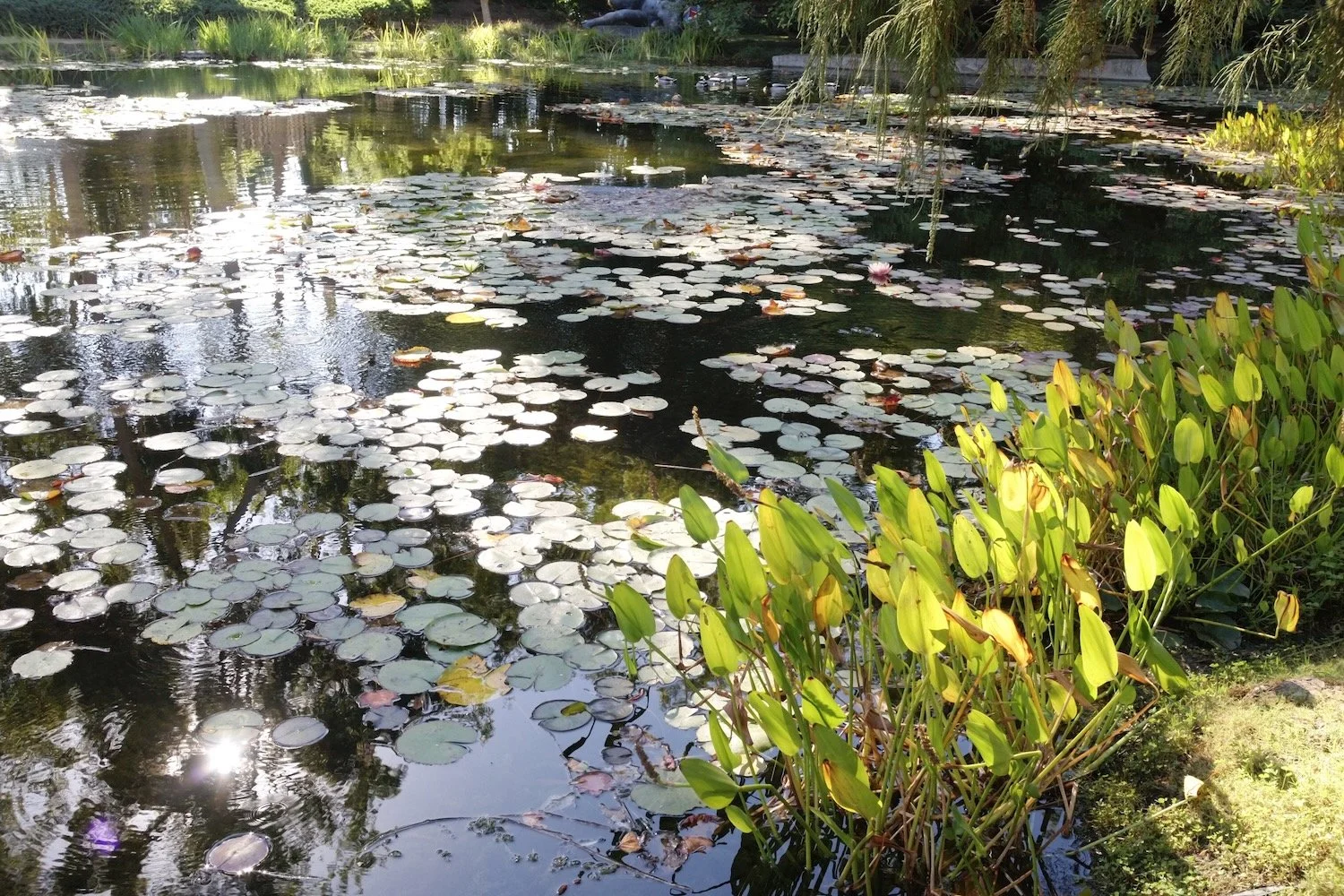
With wildlife ponds maintaining a good balance of aquatic plants makes algae control so much easier! That’s especially true for our Large Pond where water lilies and other plants shade the water and keep the algae in check.
Honestly, adding aquatic plants makes maintenance so much easier!
Add Aquatic Plants
Aquatic plants compete with algae for nutrients. I only have algae problems in the spring before the waterlilies come up. Once they begin to leaf out, balance is secured.
Helpful categories include:
Floating plants
Submerged oxygenating plants
Marginal plants around pond edges
These plants absorb excess nutrients and provide shade that suppresses algae growth.
Beware: lots of plant stores sell invasive water plant species. Look for native plants and just as you do in your garden, use native plants as much as possible in your ponds.
And yes, I do have some aggressive and invasive species (Creeping Jenny and Water Lettuce) in my own ponds. I take responsibility for keeping all of that plant material in my ponds, and they don’t drain into any other waterways.
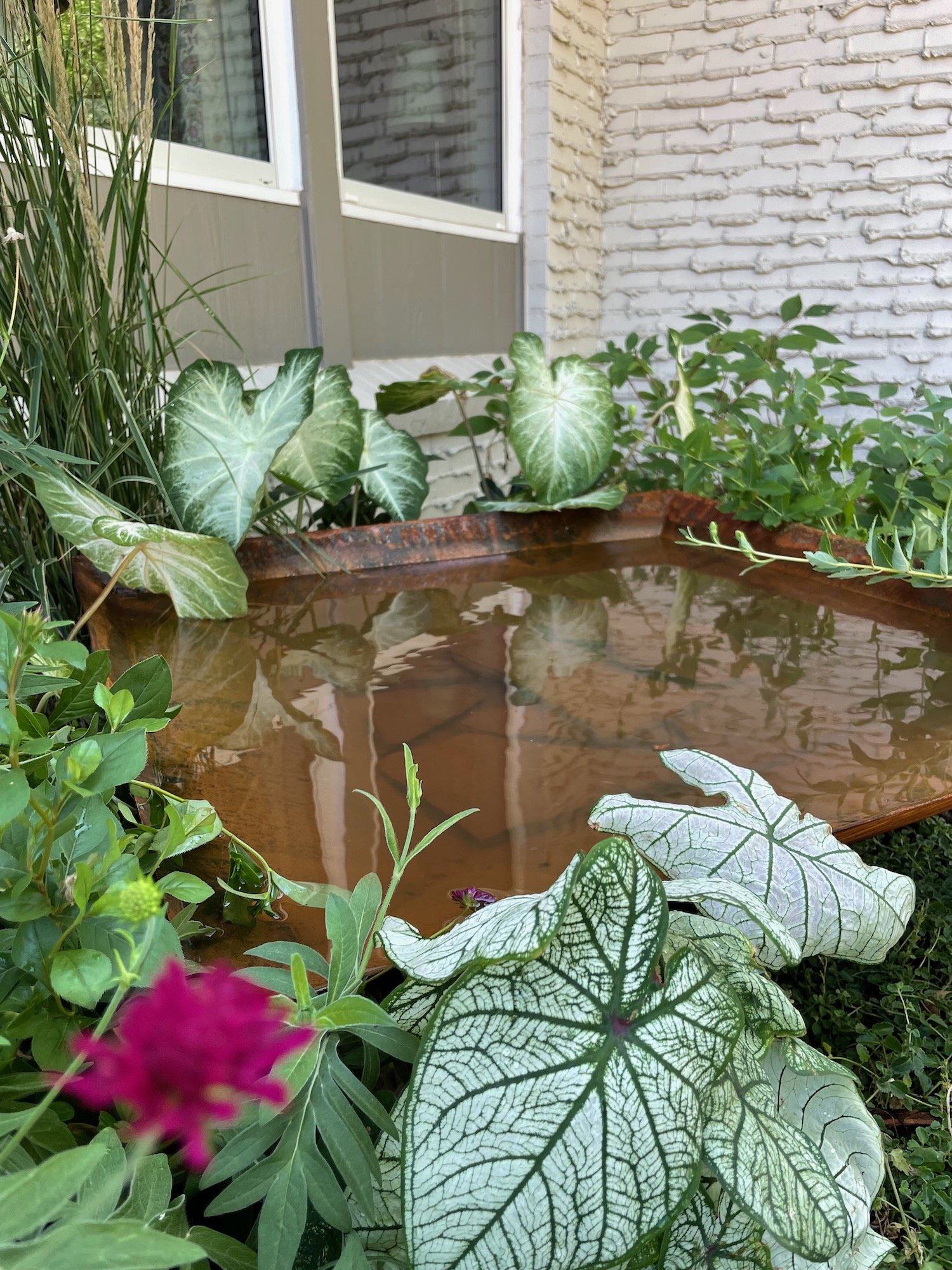
Provide Partial Shade
Water exposed to full sun all day tends to experience more algae blooms. Aim for a balance of sunlight and shade rather than complete exposure. We even put an umbrella up over our pond when needed. It helps control algae – and keeps the water cooler.
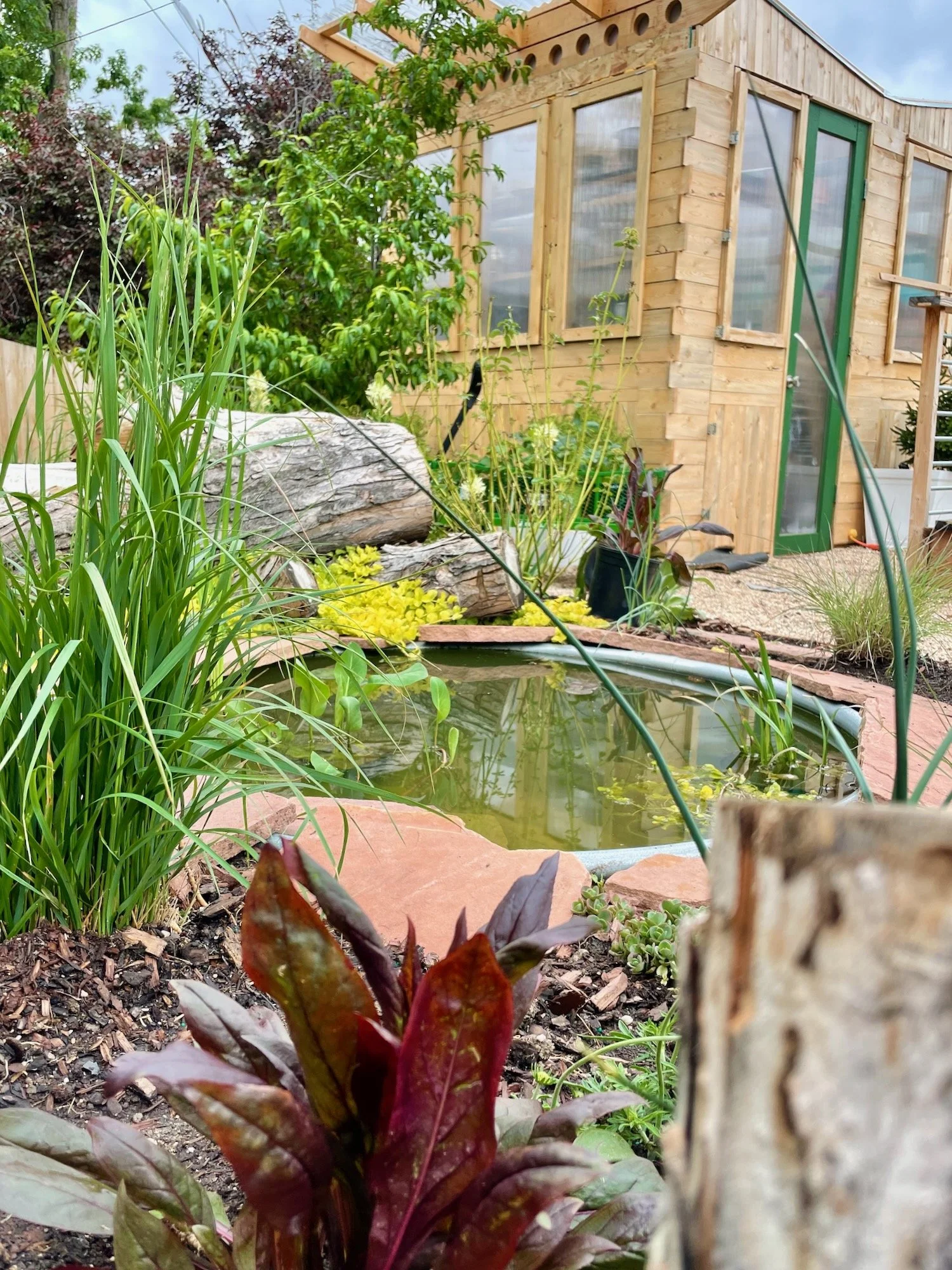
Remove Filamentous Algae Manually
String algae or “blanketweed” can often be removed with a stick, rake, or gloved hand.
Manual removal is usually safer for wildlife. Just leave the algae strands sitting on the side of the pond for 24 hours to allow any small creatures to return to the water before you compost the algae.
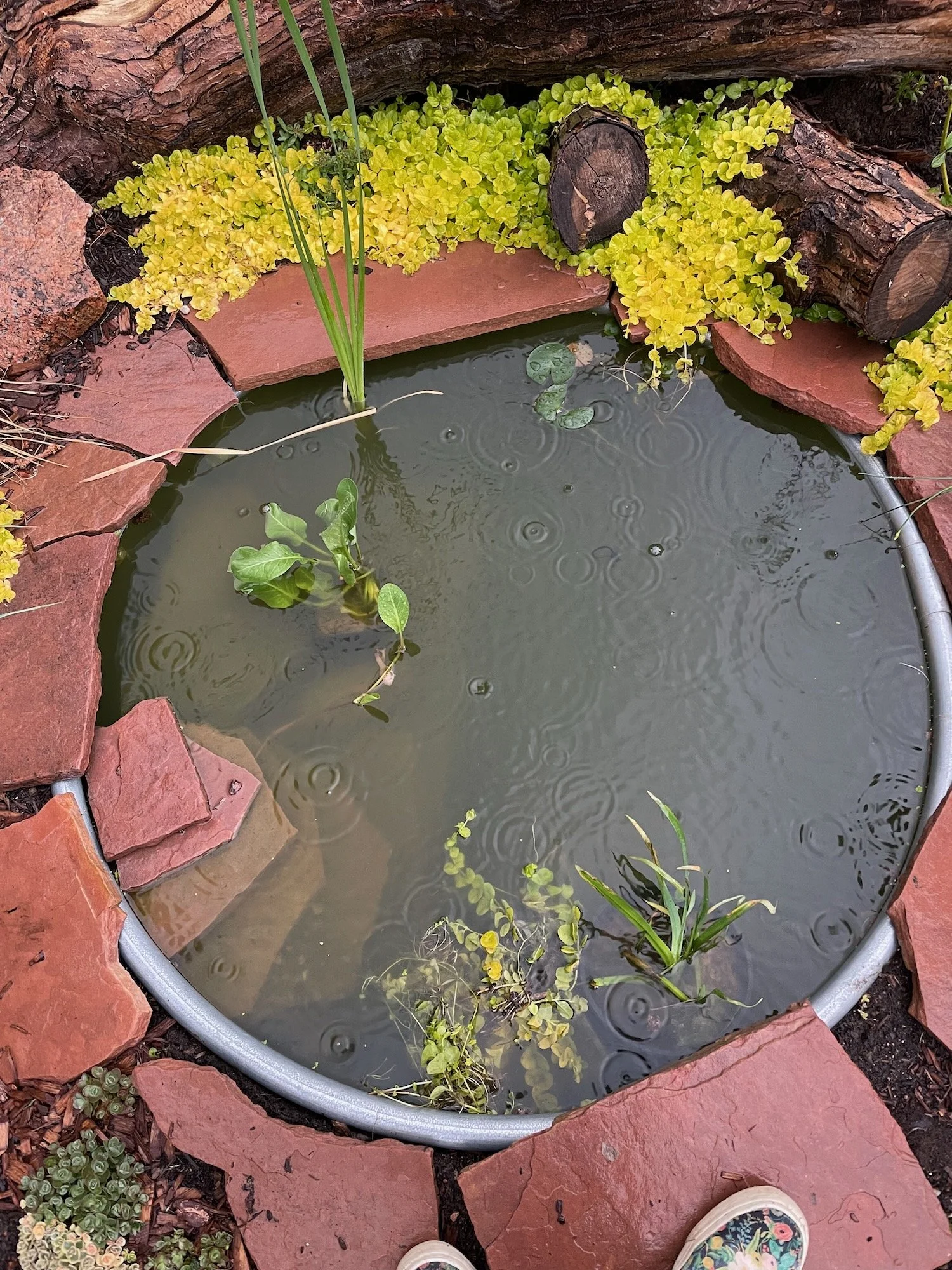
Limit Nutrient Inputs
Excess nutrients fuel algae growth.
Reduce nutrient buildup by:
Keeping lawn fertilizer away from ponds
Preventing grass clippings from entering water
Removing fallen leaves
Avoiding overstocking fish
If you have an algae problem, chances are there are too many fish or dead plants in your pond.
If this happens to our pond, here’s what I do:
Use a pump or buckets to remove half of the water by volume. Use the water on the plants around the pond so small pond life has a chance to make it back to the pond.
Refill the pond with rain water from my rain barrels.
Add more lilypads! In my pond’s ecosystem, the lilypads keep everything else in check by shading and cooling the water.
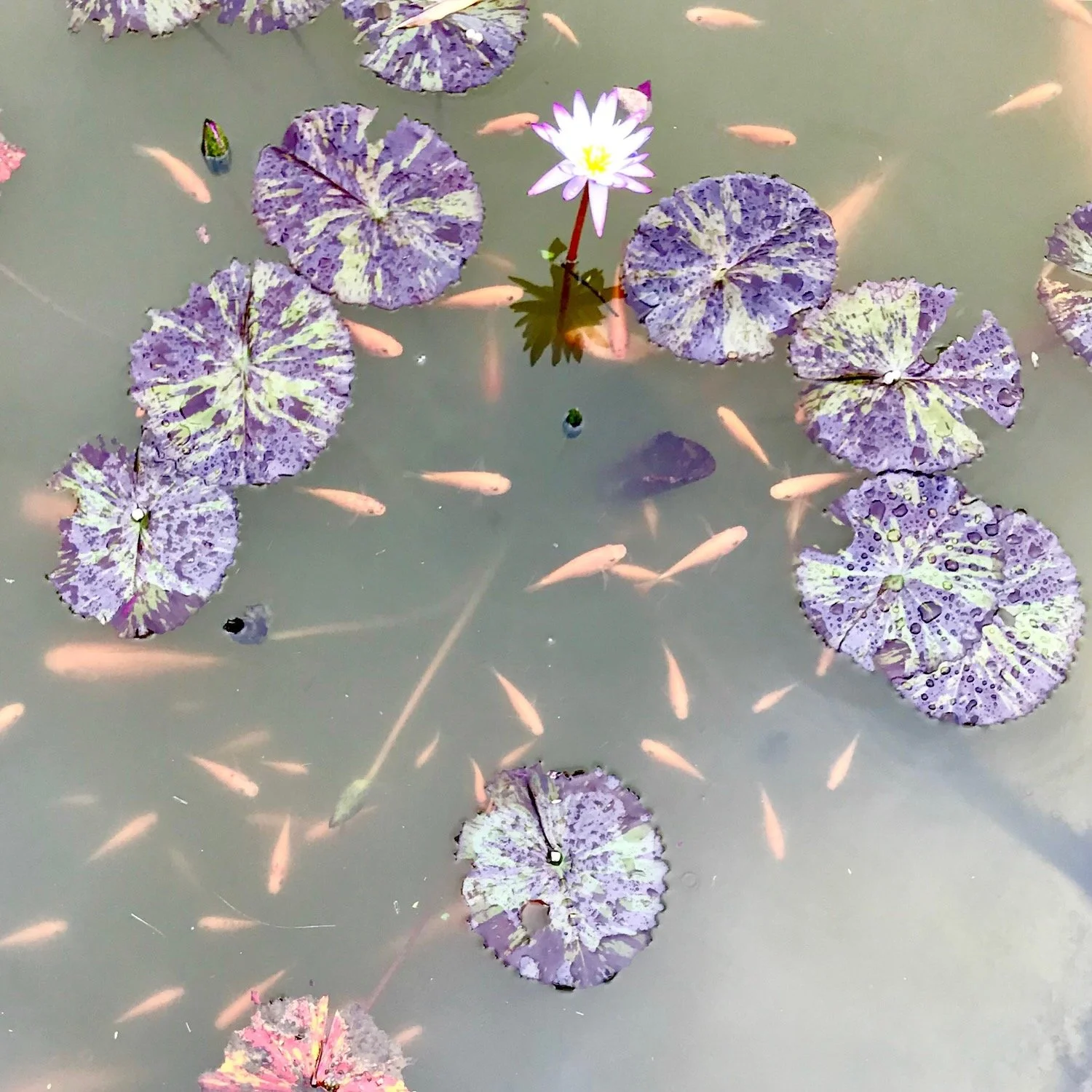
Prevent Mosquitoes Without Insecticides
Many gardeners worry that water features automatically create mosquito problems. I know I did before we put in our first pond! But in reality, proper maintenance greatly reduces mosquito habitat. And a well-maintained pond might actually reduce your mosquito population.
Strategies include:
Changing birdbath water every few days
Using fountains or bubblers
Maintaining healthy pond ecosystems
Encouraging dragonflies around ponds
Removing stagnant containers elsewhere in the garden
I don’t use insecticides at all. But I do use Mosquito Dunks in my ponds. Between that and the moving water, our mosquito problems are quite minimal. Read more about preventing mosquitos here:
Support Pollinators with Puddling Stations
Butterflies and some bees often prefer mineral-rich damp soil over open water.
A simple puddling station can be made by:
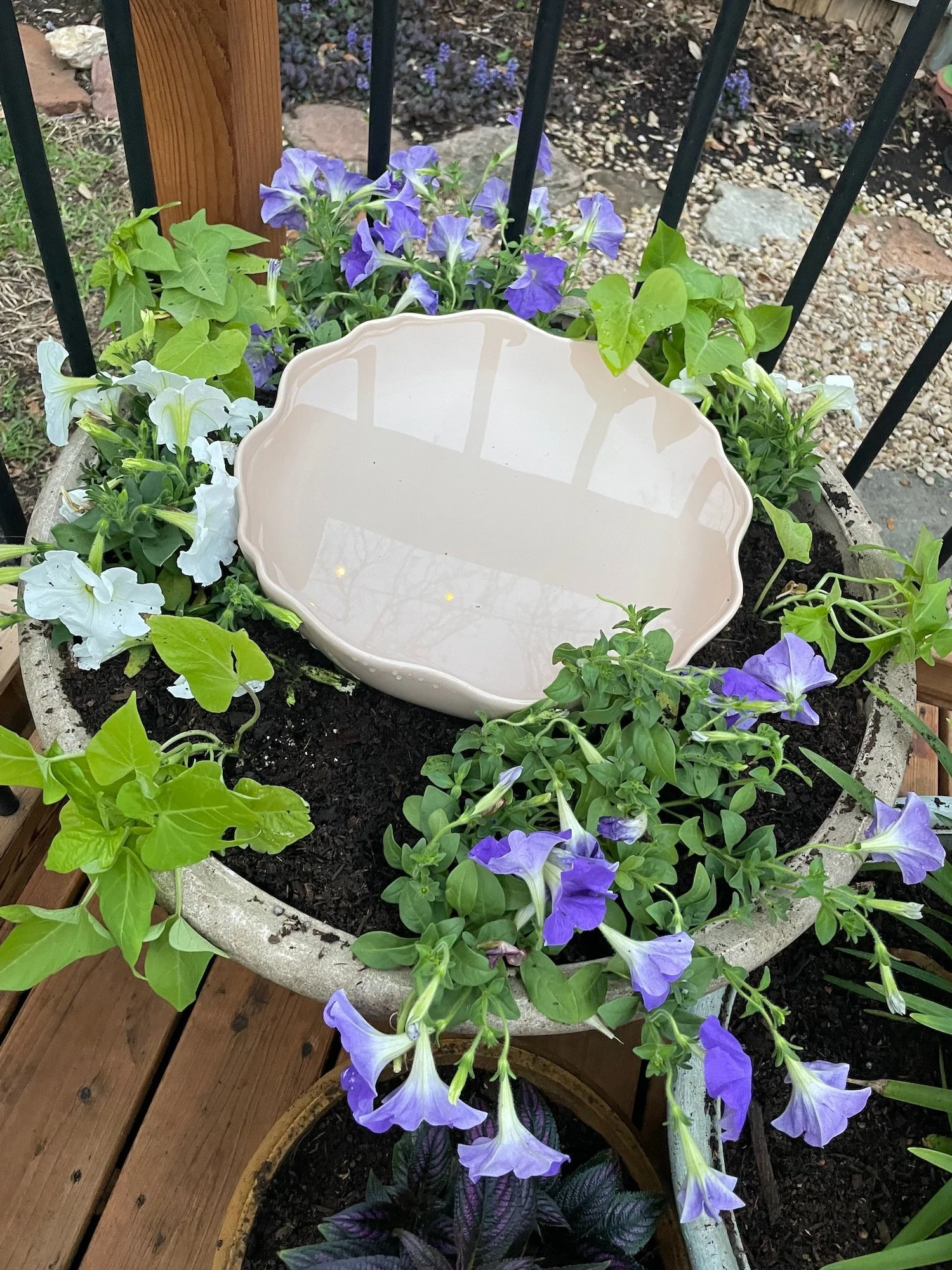
Filling a shallow tray with sand and gravel and/or soil
Keeping it consistently moist
Adding a few small stones for landing spots
Bees may also use damp sand and mud for nesting and hydration. These stations provide water with very little drowning risk. I place mine in potted plants on our deck so they are easy to fill and maintain several times per day.
Seasonal Maintenance Checklist
Spring
Remove winter debris.
Inspect pumps and fountains.
Thin overgrown aquatic plants.
Check pond edges for safe wildlife access.
Summer
Refresh birdbath water frequently.
Monitor algae growth.
Remove excess pond vegetation if necessary.
Top off water lost through evaporation.
Fall
Net ponds if leaf drop is heavy — or just scoop out regularly.
Remove decaying plant material.
Continue cleaning and filling birdbaths regularly.
Winter
Keep a portion of water ice-free where possible.
Use wildlife-safe birdbath heaters if needed.
Continue refreshing water during warm spells.
at the close…
It might sound easier to just dump chemicals into your water to keep it clean, but when you are gardening for wildlife, that’s the last thing you should do. The healthiest wildlife water features rely on ecological maintenance. Clean water, shallow access points, moving water, native aquatic plants, and regular debris removal create a safer environment for birds, bees, butterflies, dragonflies, and other beneficial wildlife.
And we gardeners want to do everything we can to keep our wildlife safe and happy!
Adding a well-maintained pond, fountain, or birdbath might become one of the most important habitat features in your landscape—supporting pollinators and birds throughout the year while remaining beautiful, functional, and naturally balanced.
And the wildlife will arrive – and will thank you!
If you have questions, don't hesitate to ask!
This post originally appeared on my Substack. Subscribe to my Substack, and all of this gardening goodness will appear in your email inbox weekly!
Happy Gardening!
Angela
Subscribe now so you never miss a thing!
Primary science-based references:
Penn State Extension: Water for Wildlife: Bird Baths and Backyard Ponds
Penn State Center for Pollinator Research: Provide Water Sources
Penn State Extension: Creating a Puddling Station for Pollinators
Cornell Cooperative Extension: Water and Shelter for Pollinators
University of Maine Cooperative Extension: Provide Water for Pollinators