

From Birds to Butterflies:
The Wildlife Visiting Our Garden
How a Simple Water Source Brought More Wildlife to Our Garden
On the day that we signed the closing papers on this house, our family stood outside in the back yard together – just taking it all in. Suddenly a hawk swooped overhead and landed in the soaring Cottonwood tree in the front yard – a large, wriggling snake clutched in its beak. My blood ran cold and goosebumps broke out all over my body.
My first question: what would the ancient Romans say? Was this a good omen? Or a bad one?
If you’ve been around awhile, you may know that I have written several books about Italy and Rome. So wondering what my family’s ancestors would have said isn’t so out of the ordinary. After some consideration, we decided that the ancestors would have considered this an omen of good fortune and prosperity.
So, we went through with the closing paperwork – but that image has stuck in my mind all these years.
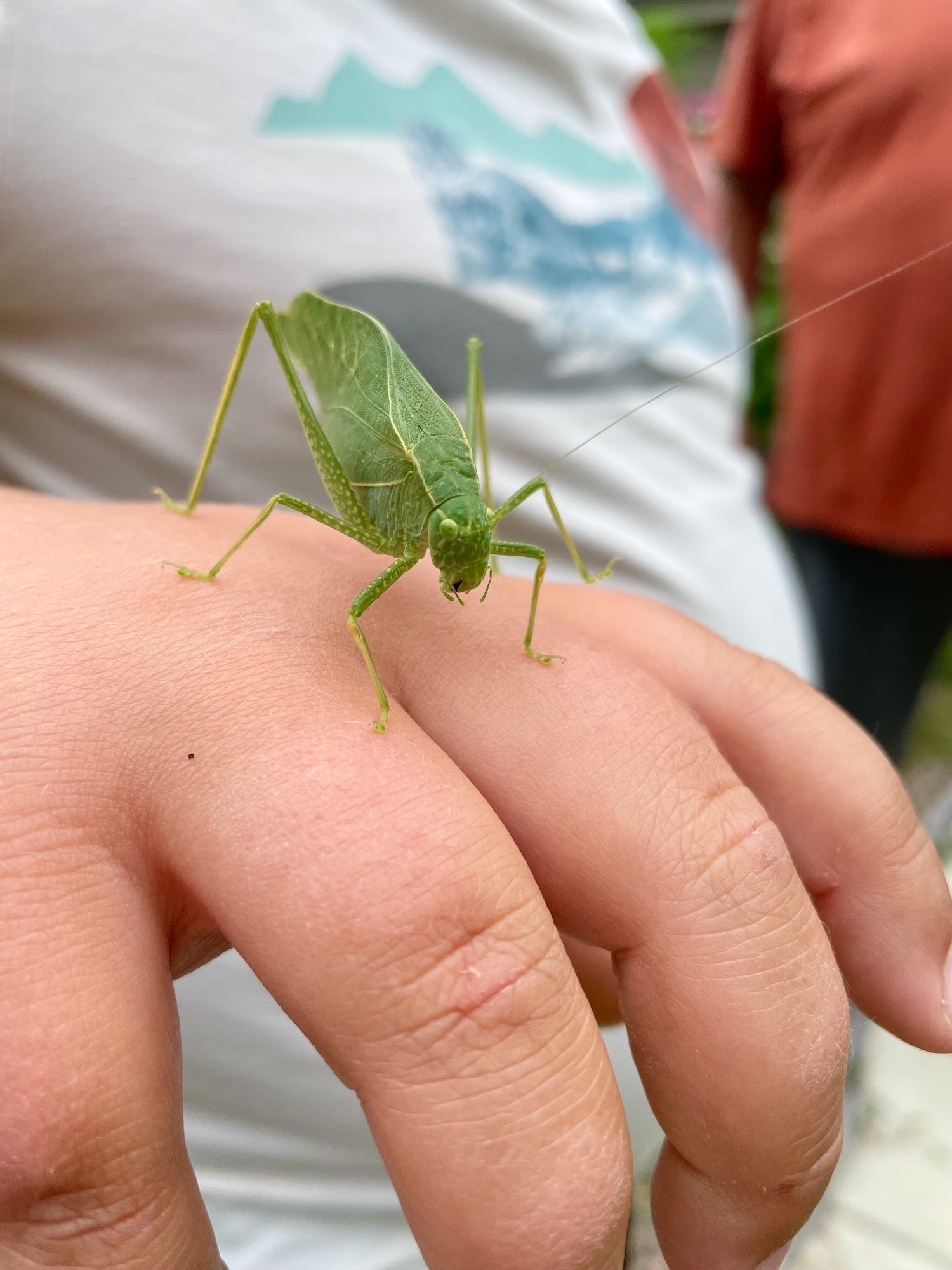
a katydid, one of many, many insects we find with relative frequency
Why Every Garden Needs a Wildlife Pond
This post is part of a whole series on garden ponds and waterfeatures.
Was it an omen of good fortune and prosperity?
Probably not. But it was certainly a sign that there is wildlife here in the suburbs.
Yes, I live in the suburbs. I am on a smaller-than-average suburban lot in Colorado. The suburbs even owe their name to the Latin word suburbium – the outer or lower parts of a city. And while we don’t have any temples to Vesta or Saturn around here, we do have wildlife – lots of wildlife.
While what we see here may not be the SAME as what you might see where you live, it is representative of the diversity of life that is around us all. We share the same ecosystem with each of these creatures. And when we make that ecosystem hospitable by providing water, food, and shelter – then we attract and support a more abundant and bountiful food web for all creatures.
And providing water in some way is critical to making a place more hospitable for wildlife. Water binds us all together. And many of our landscapes are now devoid of open water where streams and ponds once supported any number of species.
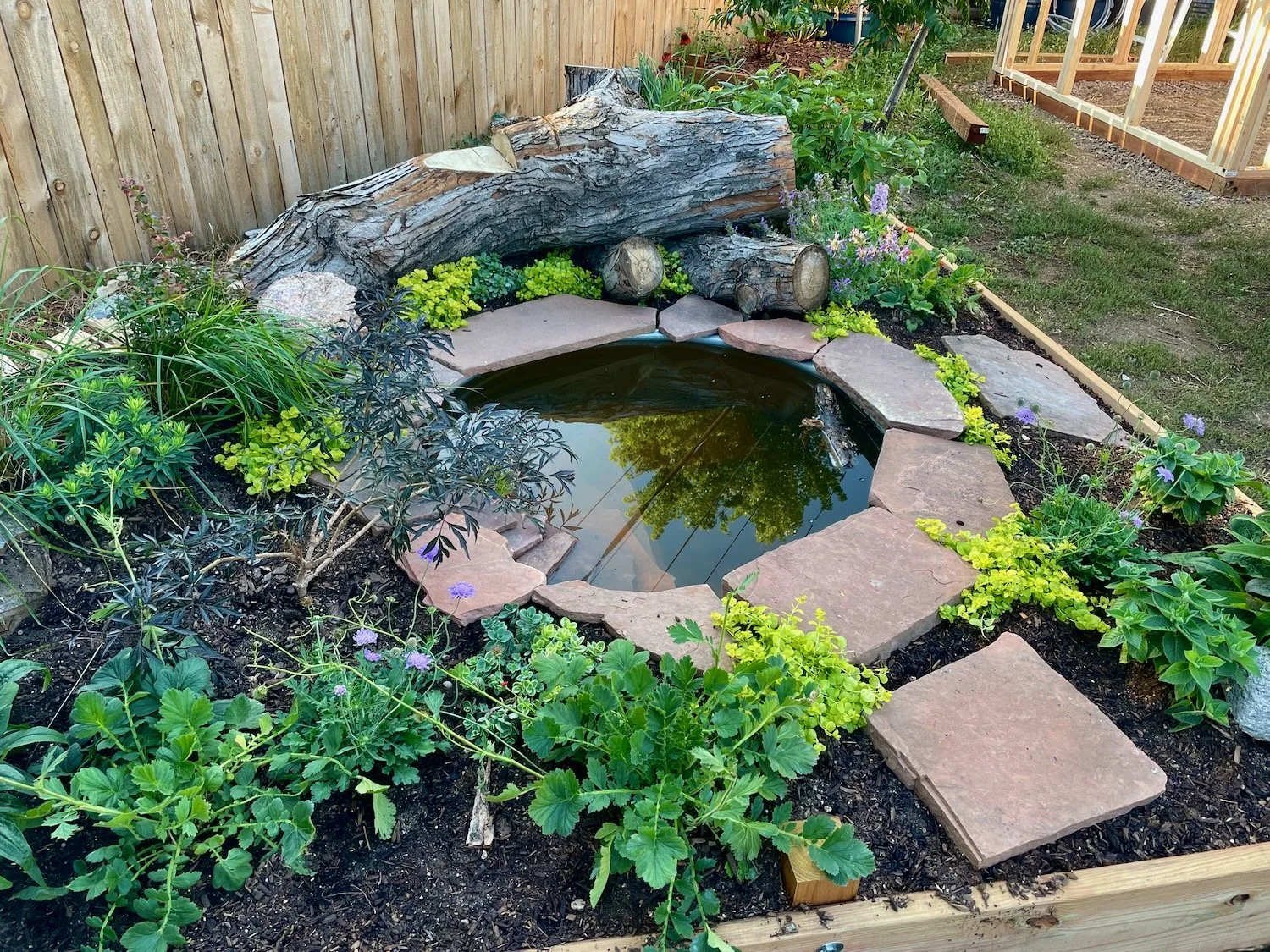
The Large Pond, our first pond venture
So when we built our first pond we had one wildlife goal: Frogs. Specifically, Northern Leopard Frogs, our native species – that was the goal for the Large Pond in our garden. We hoped to attract them and establish a breeding place for local frog species. However, we have never seen a frog near our house – largely because there is no water near our house. So on that front we have, sadly, failed.
However, in their stead we have attracted more wildlife than I can even list! Water has a magical appeal to the wildlife in an area – particularly, perhaps, one like mine where water sources are relatively rare. And none of our water sources are large. Our Large Pond is only 4 feet across and about 3 feet deep – that is small on a pond scale. But all of our projects are DIY projects and were done on the cheap.
Wildlife doesn’t care about your budget, however! They are interested in your water – and in the food sources around it. And that makes our garden all the more interesting!
So today, let’s take a look at some of the creatures who have come to our ponds. Now, these are just the animals I have seen and/or captured. I don’t have wildlife cameras, and I know there are other visitors who I haven’t been able to photograph, but who I have seen.
Three Changes that Made My Garden Wildlife-Friendly
To begin, this may be helpful if you haven’t been around awhile. These are three changes we made in our garden that have made it more wildlife-friendly.
Hawks and More Hawks
That first day wasn’t our only hawk encounter. In fact, this spring we have a pair of hawks nesting in a neighbor’s tree which we can watch from our back deck. And those hawks have taken to bathing in our fountain morning and evening which has been delightful to watch.
They also have to eat, and twice we have watched them hunting the squirrels who live in our Cottonwood tree. Both times the squirrels have triumphed, however.
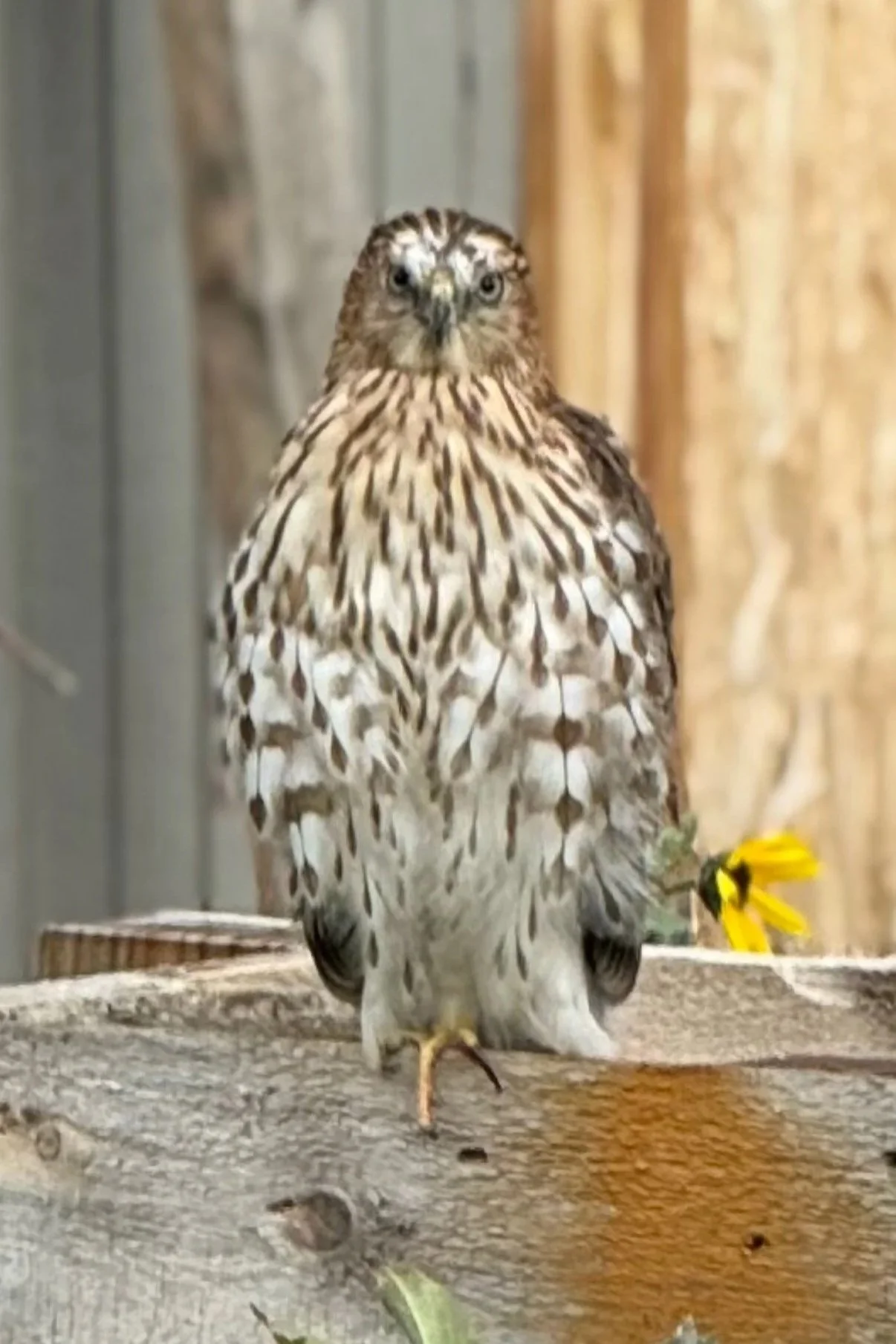
a Cooper’s Hawk who preened and hunted in our garden one afternoon
Other Bird Visitors
One summer we had a mated pair of mallards who considered nesting near the Large Pond. They appeared several times each day to swim and eat. But I think our dogs scared them away. That’s probably a safe move, but they were fun to watch. They do come for a swim frequently, however, if our dogs are inside — and they are welcome!
And if we accidentally leave the cover off the top of the Stock Tank Pool we often will find ducks swimming in it in the morning. I mean, it looks like a pond!
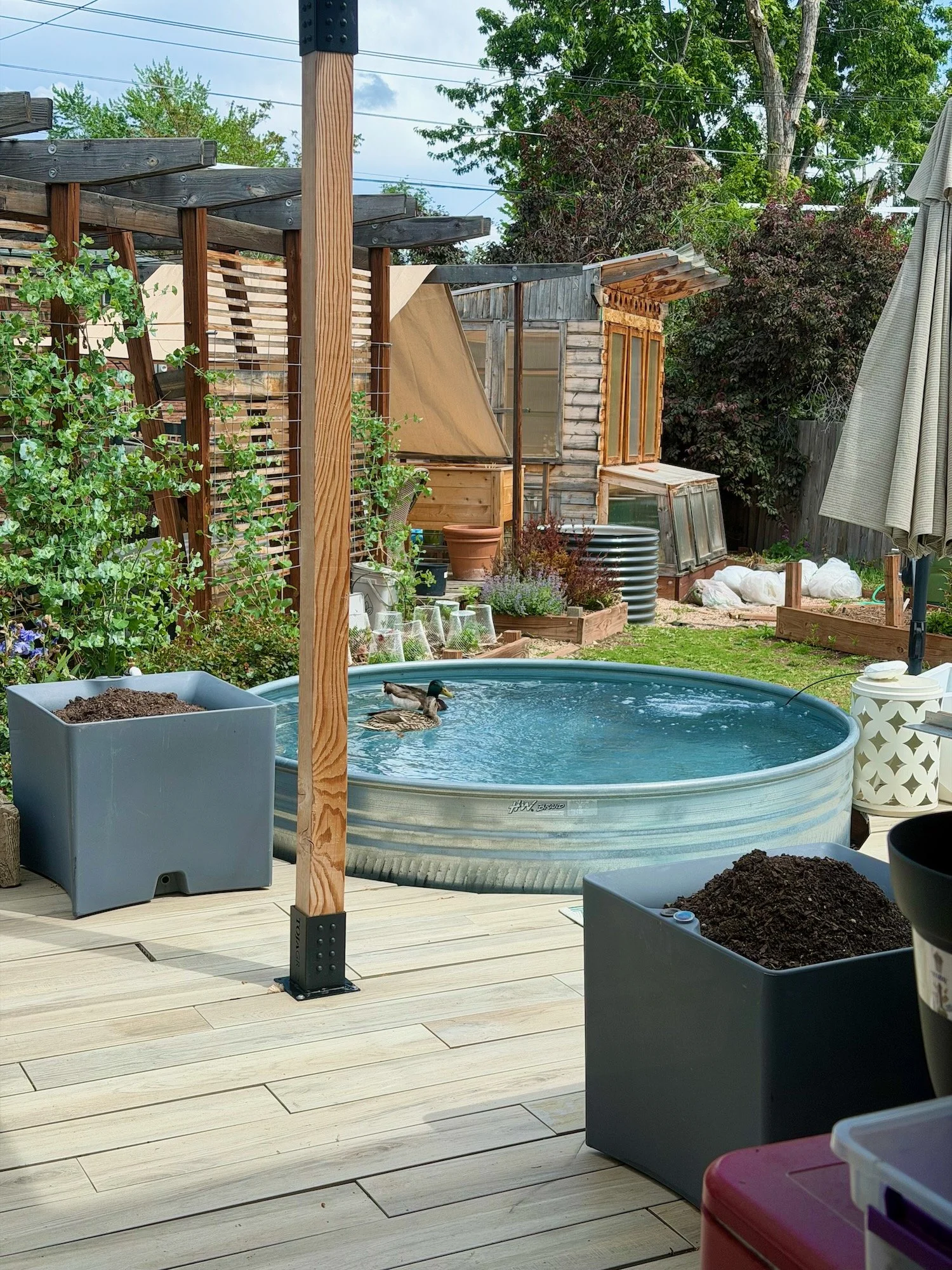
Mallards swimming in our Stock Tank Pool
And the hummingbirds! While I have never found their tiny nests, I do suspect they nest in our Sandcherry tree each summer. While hummingbirds are known for their nectar-sipping, they are also tremendous small insect eaters – including mosquitos, spiders, aphids, ants, and flies. Having them in the garden is always a treat, and I love their quiet ferocity!
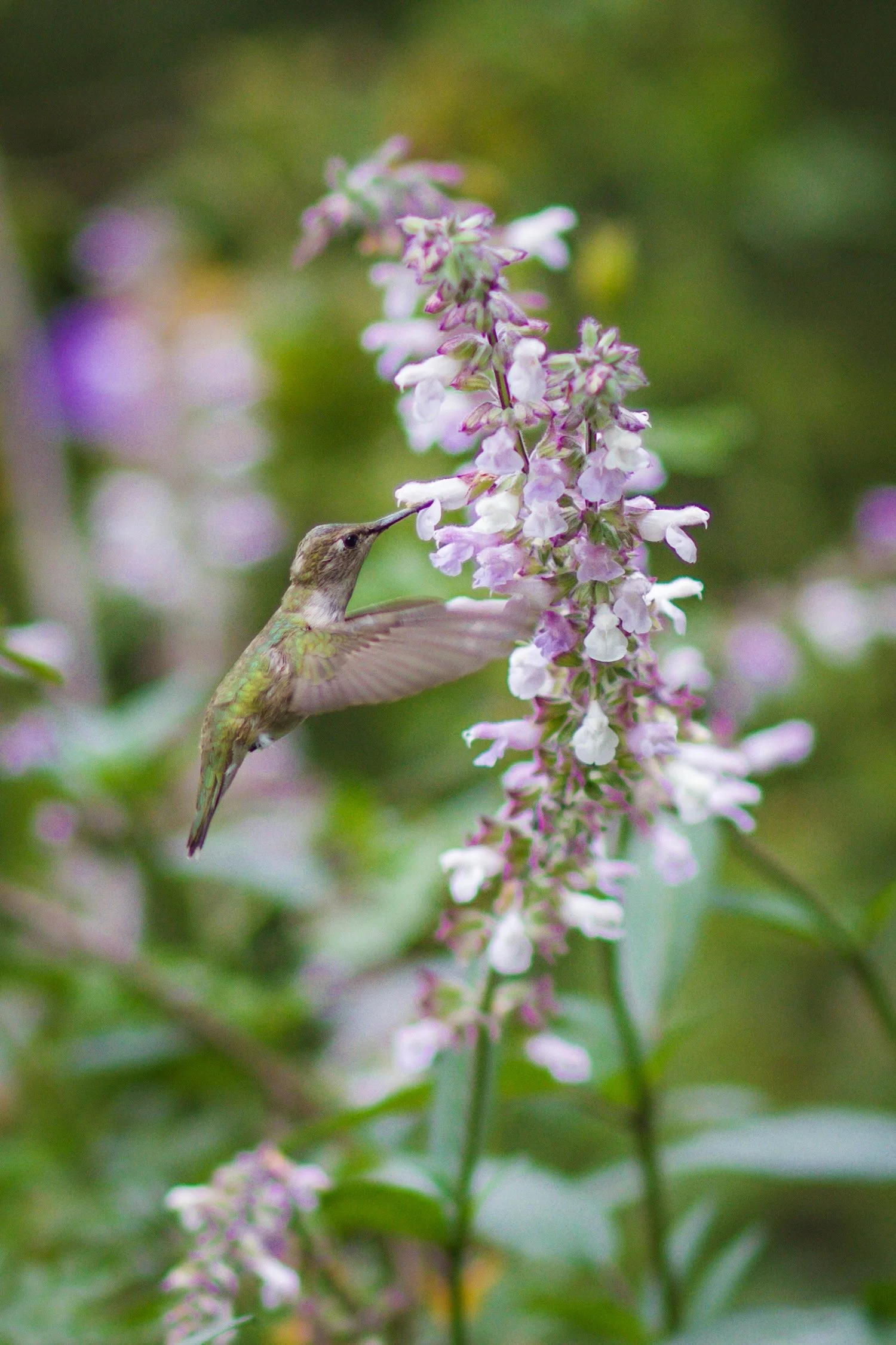
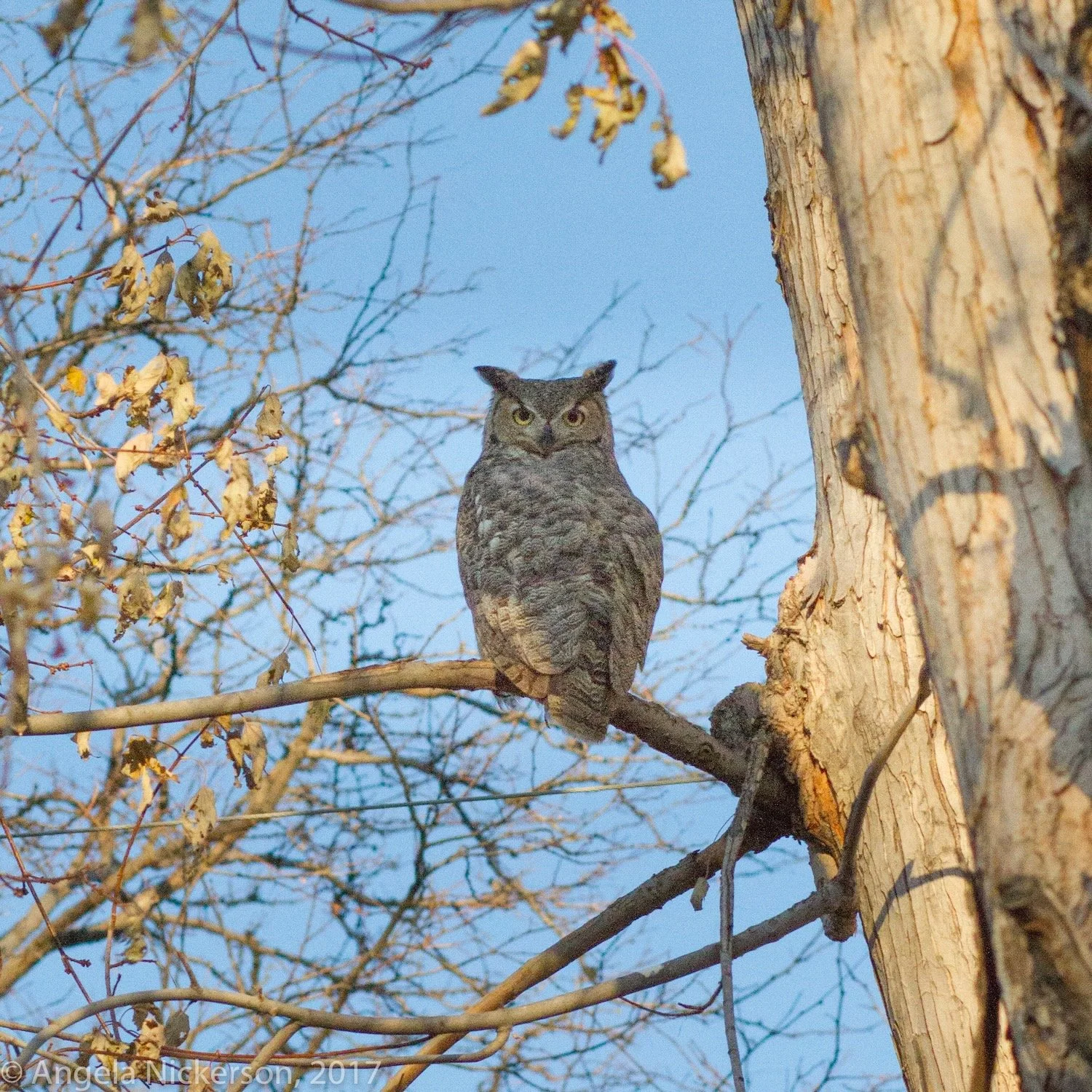
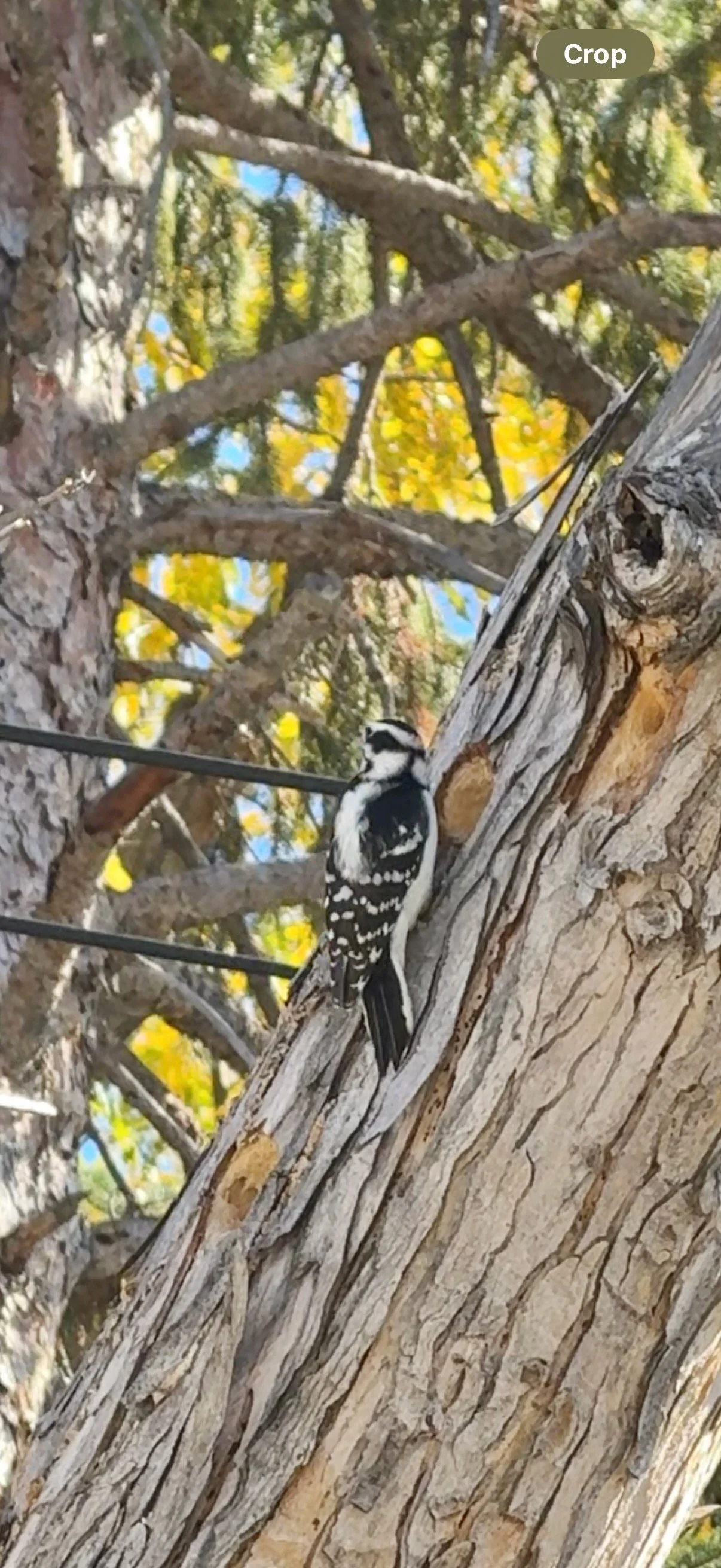
In addition, we have owls, a wide array of song birds, and so many others who stop by, feed, drink, and nest here. That’s not just because of the water that is now available. But it is a contributing factor, I am sure.
The maple snag we have left standing is another draw. Read more about that here:
One day I was sitting at my desk which overlooks the Wildlife Garden and the Lake of Shining Waters pond. A huge bird swooped past my window. I raced upstairs, and there was a Golden Eagle sitting in the top of a tree across the street.
Will we have Golden Eagles settle in our yard? Probably not. But having a diversity of other creatures around means that they have opportunities to find food here.
Flocks of finches and other smaller birds often visit the Cutting Garden drawn both by the seedheads of spent flowers and the bird baths that I fill each morning. One morning last fall I left my phone out for an hour to capture some of the activity. This was just an average morning, and it was busy!
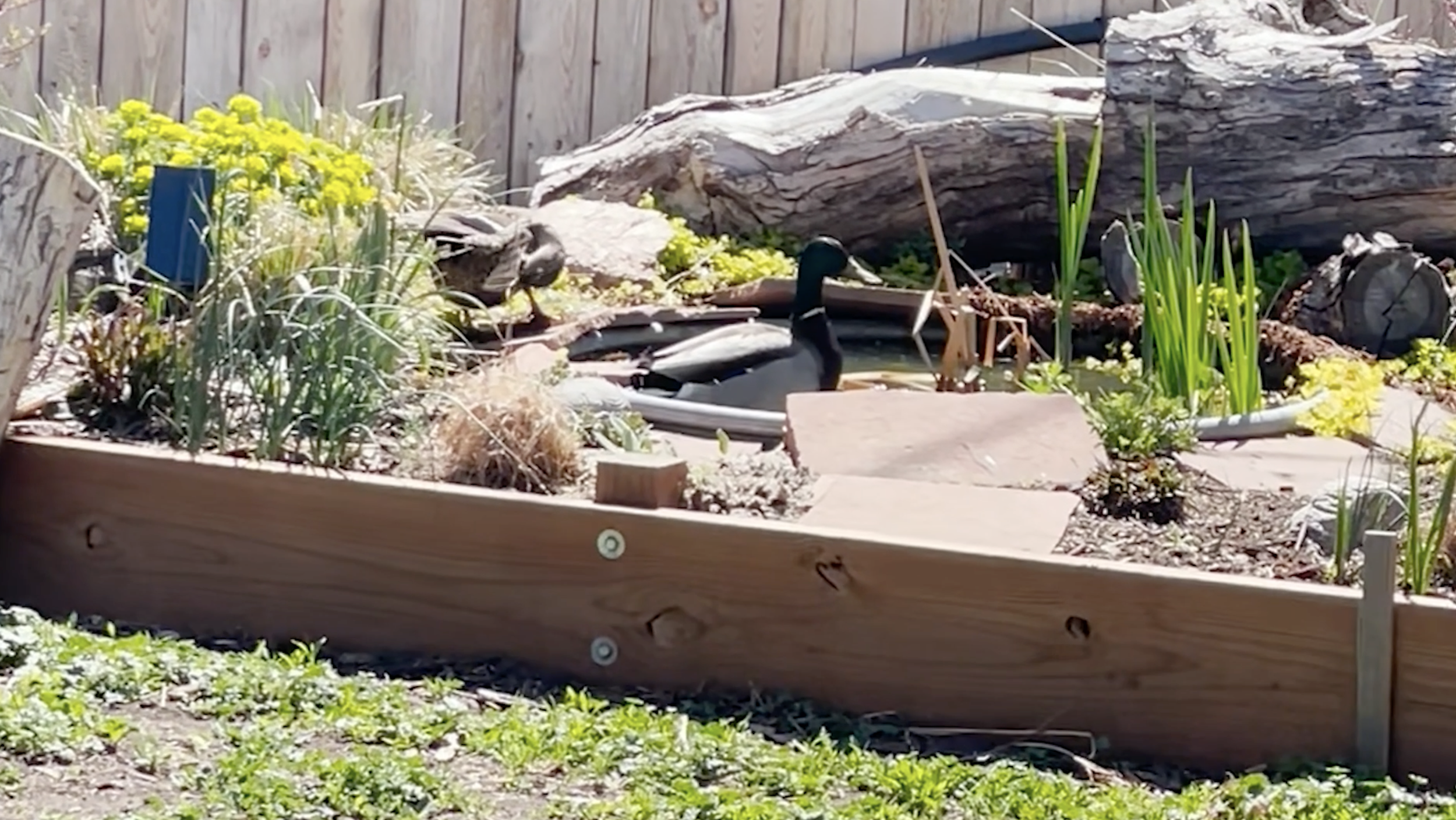
a Mallard Duck pair trying out the Large Pond when it was new
It’s a Bug’s Life Here, too!
The birds are coming, in part, because of the increased diversity of insect life. And some of those insects are coming to hang out at the ponds, too. When we first built the Large Pond, we went to a local natural pond and scooped up a bucket of pond muck. This was at the suggestion of my uncle and friendly-family mosquito expert, Dr. Todd Livdahl. He suggested that we do this to introduce dragonfly and damselfly larvae as part of the mosquito-control protocols for the pond.
We did, and the dragonflies and damselflies showed up! They are magical to watch floating about.
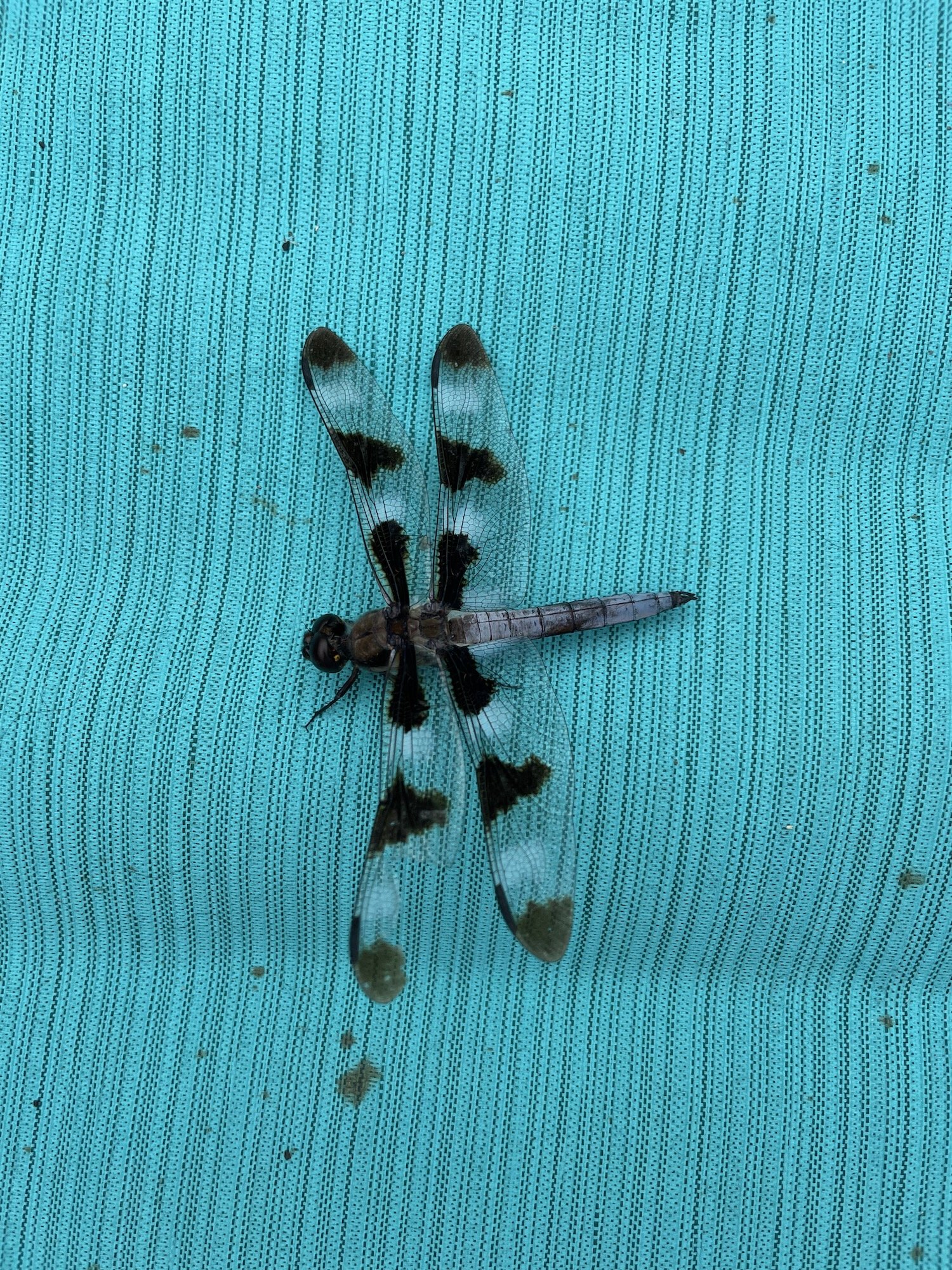
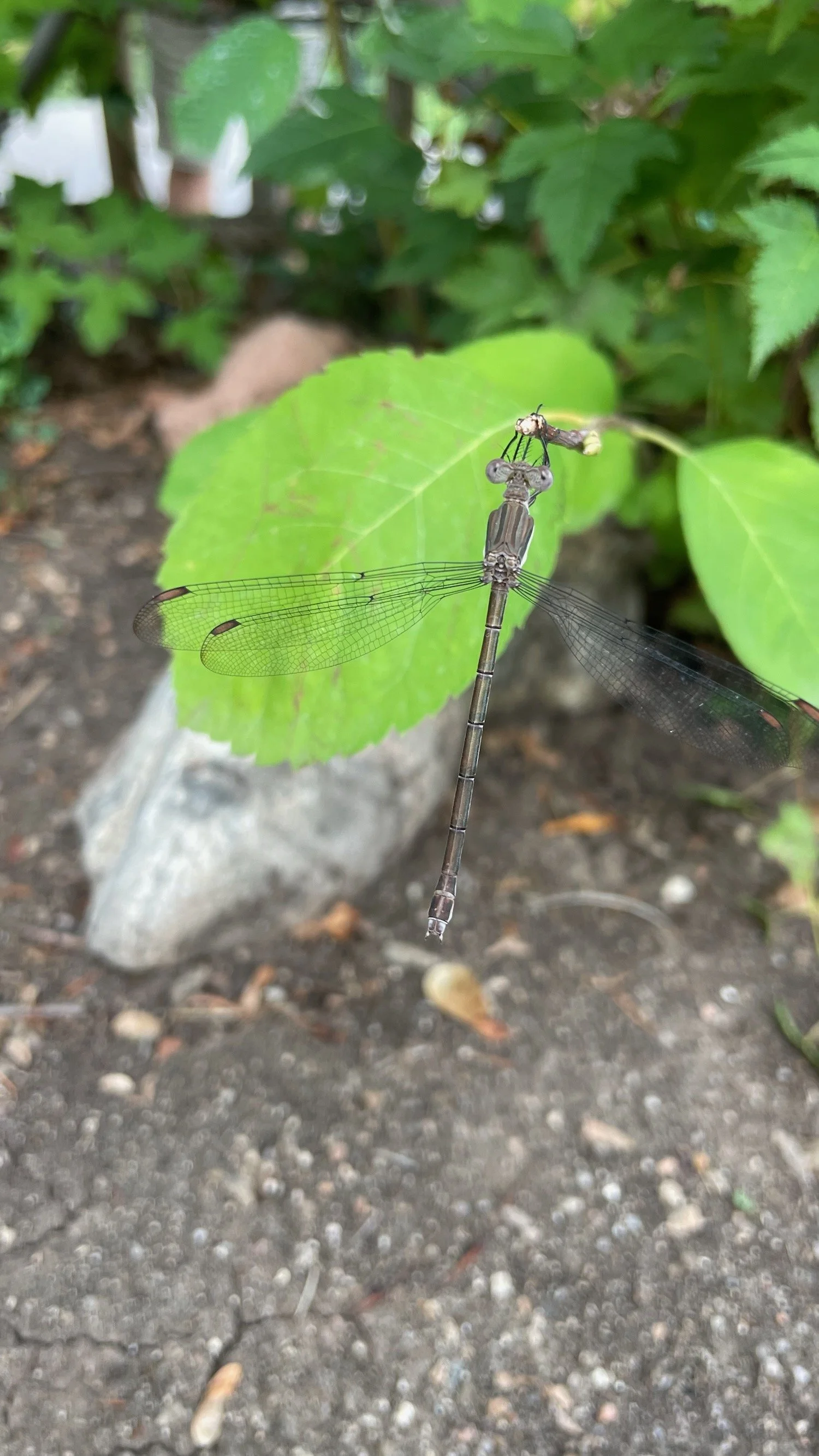
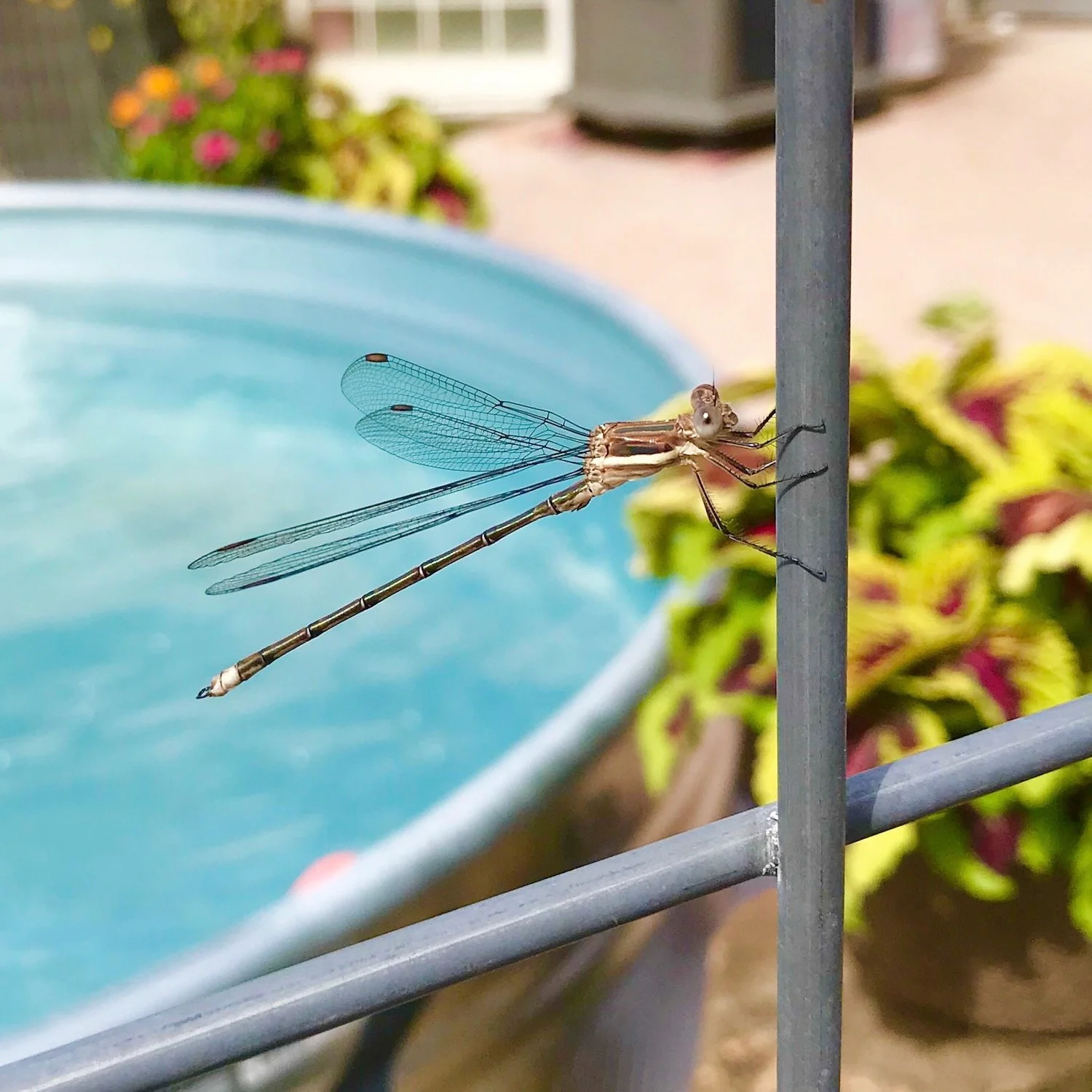
The number of and diversity of bee species has also exploded along with so many other insects. Did you know there are 1006 different species of bees in Colorado? More than a quarter of all of the types of bees in North America are found here, and I LOVE finding them in my garden!
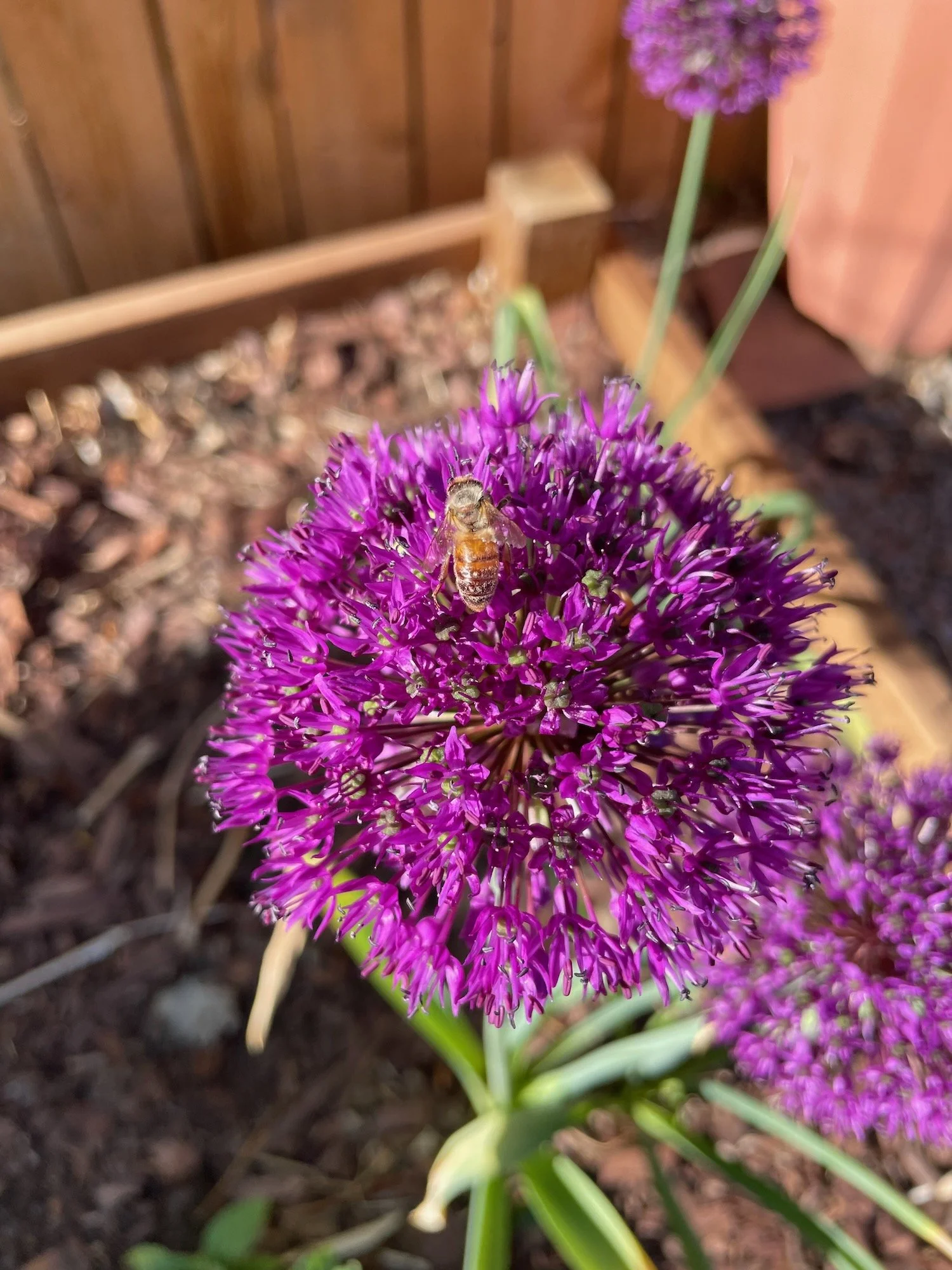
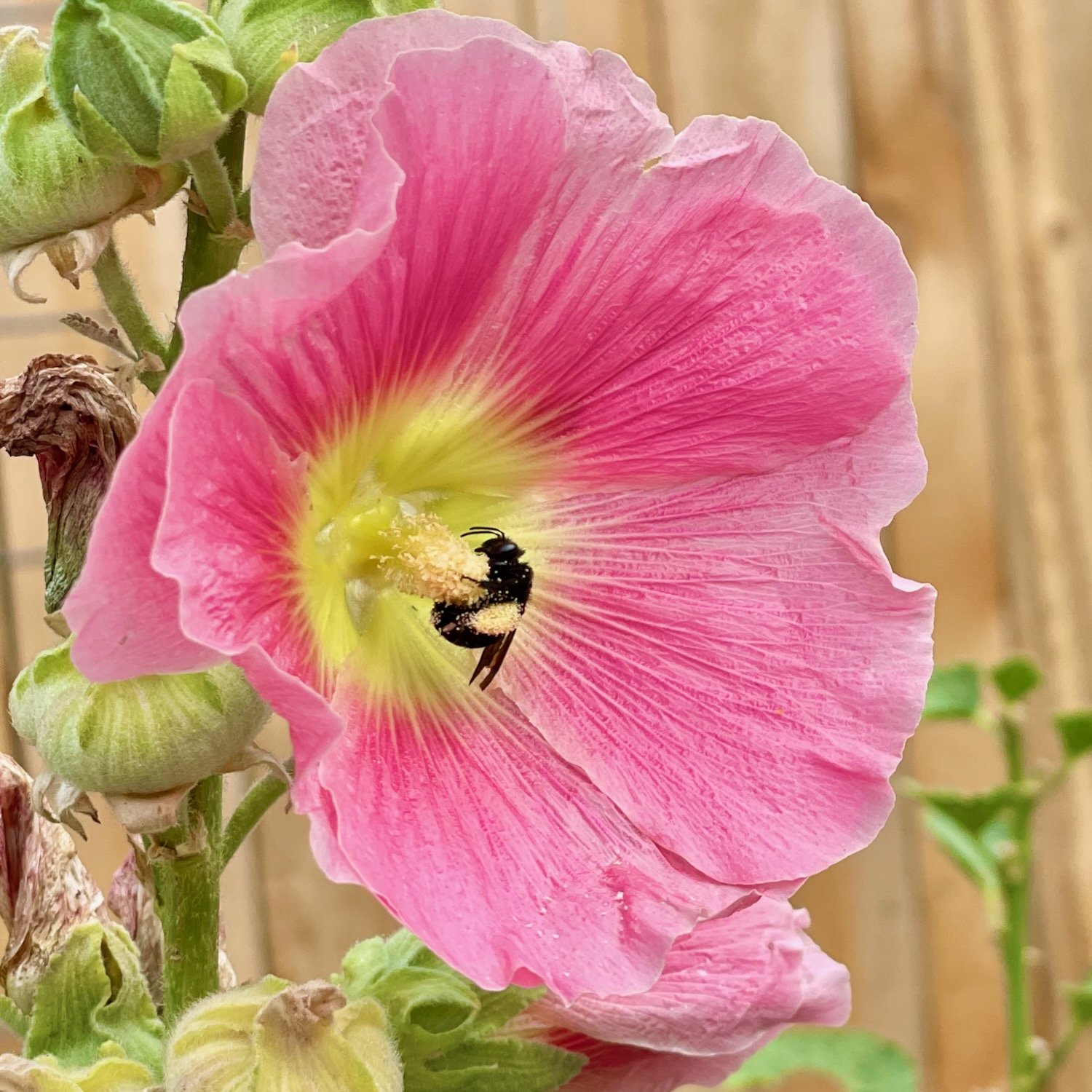
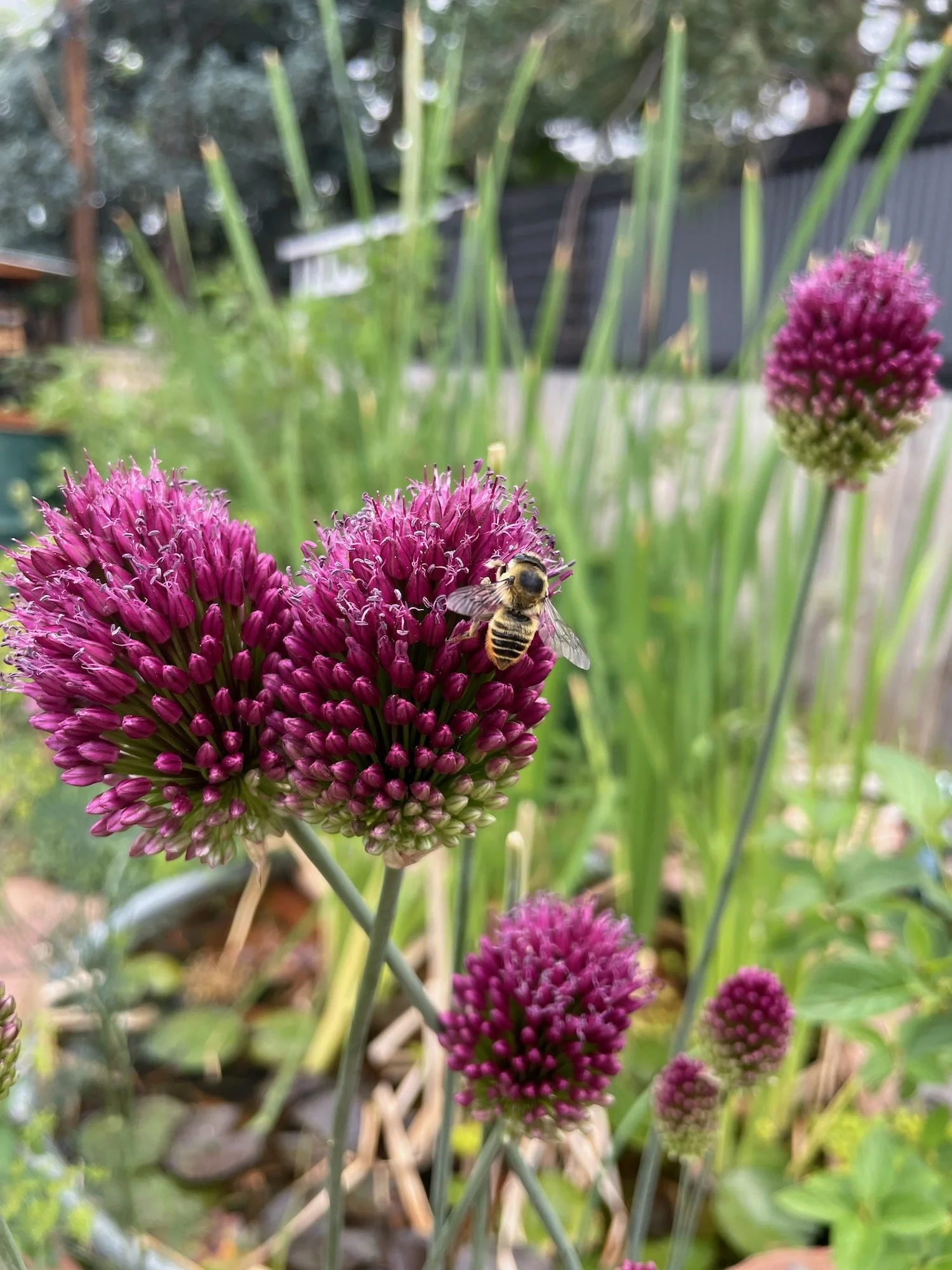
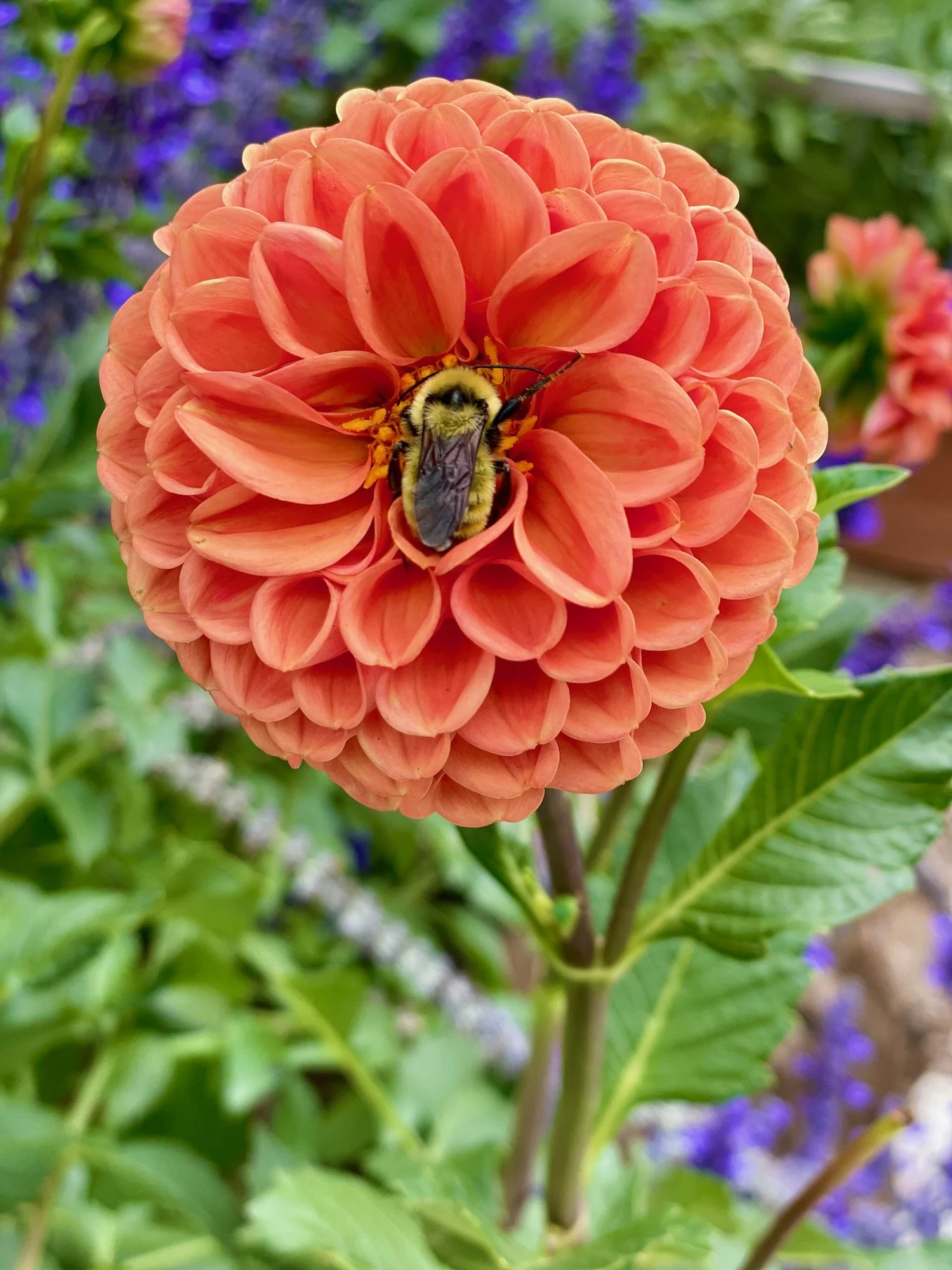
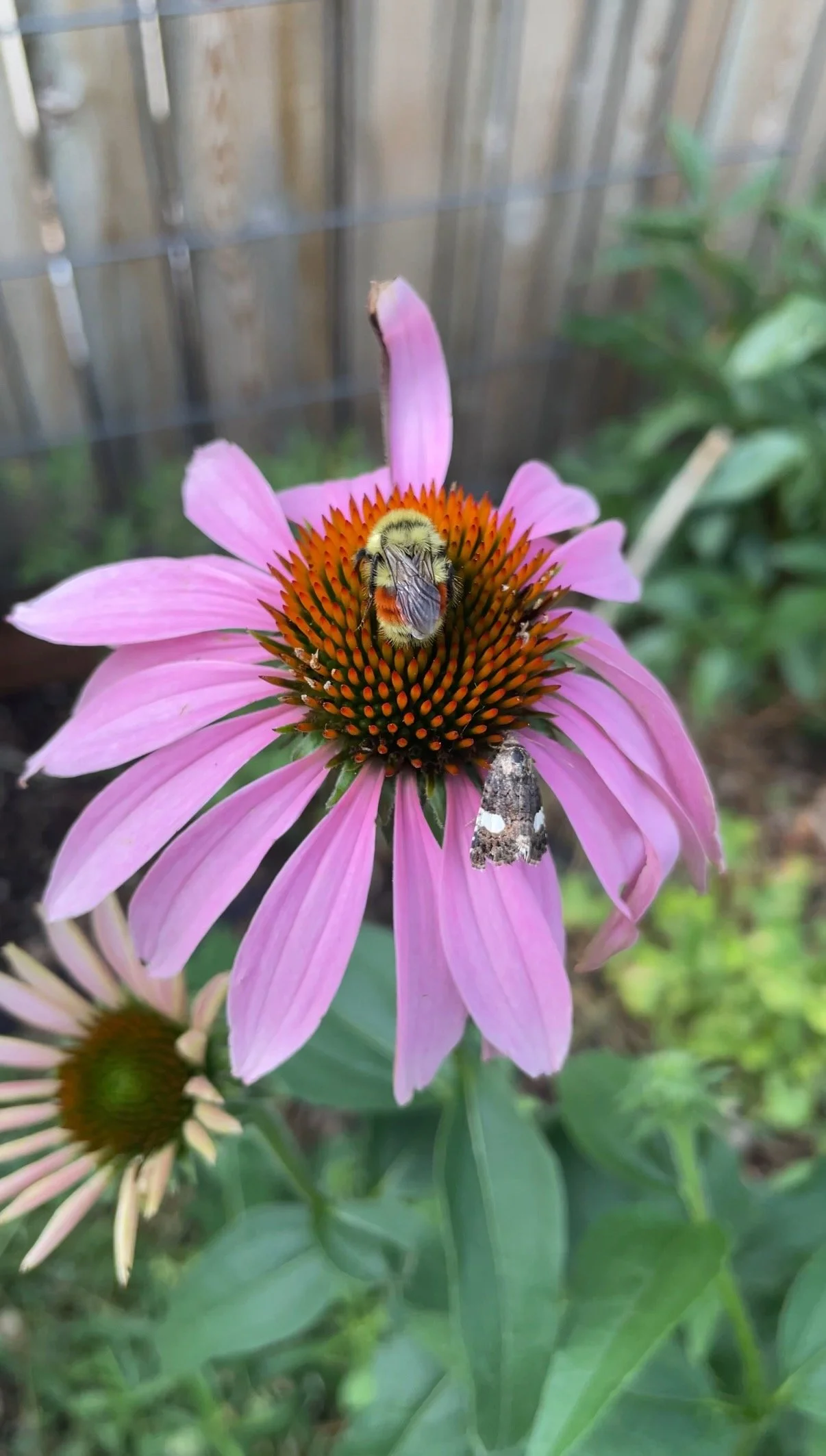
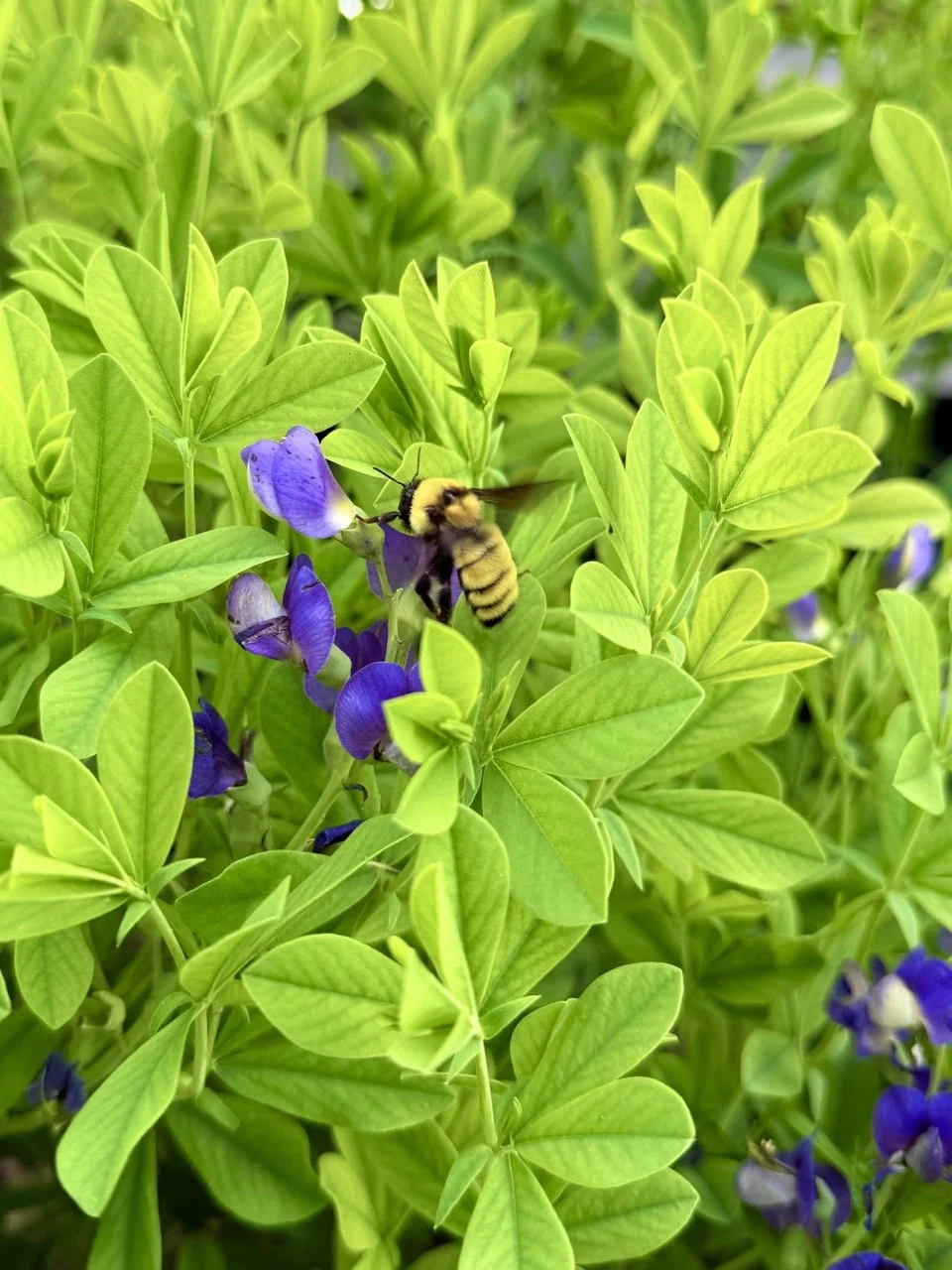
Are these because of the addition of water? That’s hard to know. But when I watch insects sipping water in the ponds or birdbaths I know that they are more comfortable in our garden – and the diversity of plants certainly makes this a more hospitable place to live and to reproduce.
I’m not an entomologist, but I observe dozens of species of bugs every day – most of which I can’t identify. The diversity is shocking, really. And they do gather around the ponds for a drink – sometimes making each other into a meal, too.
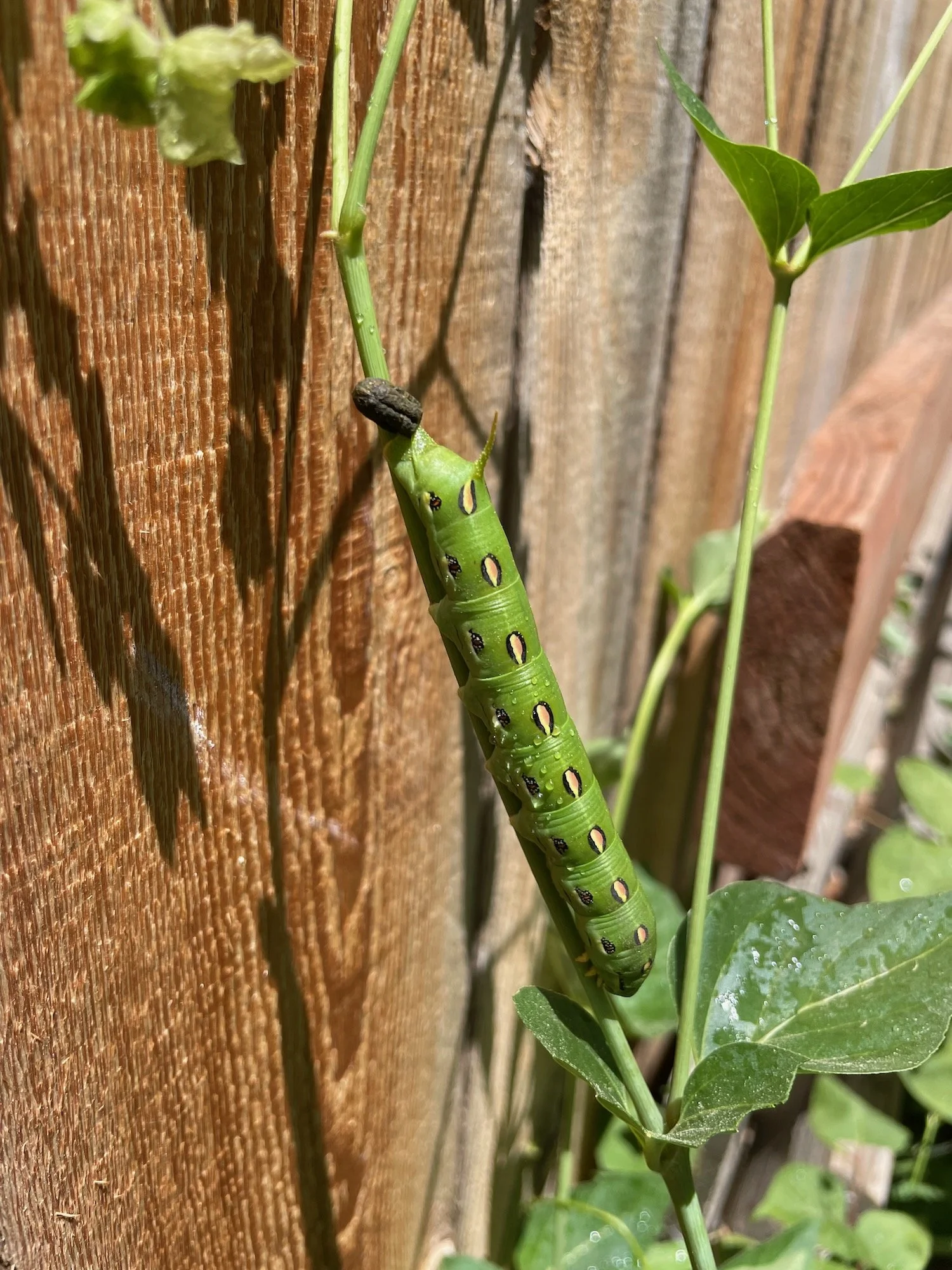
a hornworm which is hours or days from pupating into a hummingbird moth, one of our best pollinators
The Furrier the Better
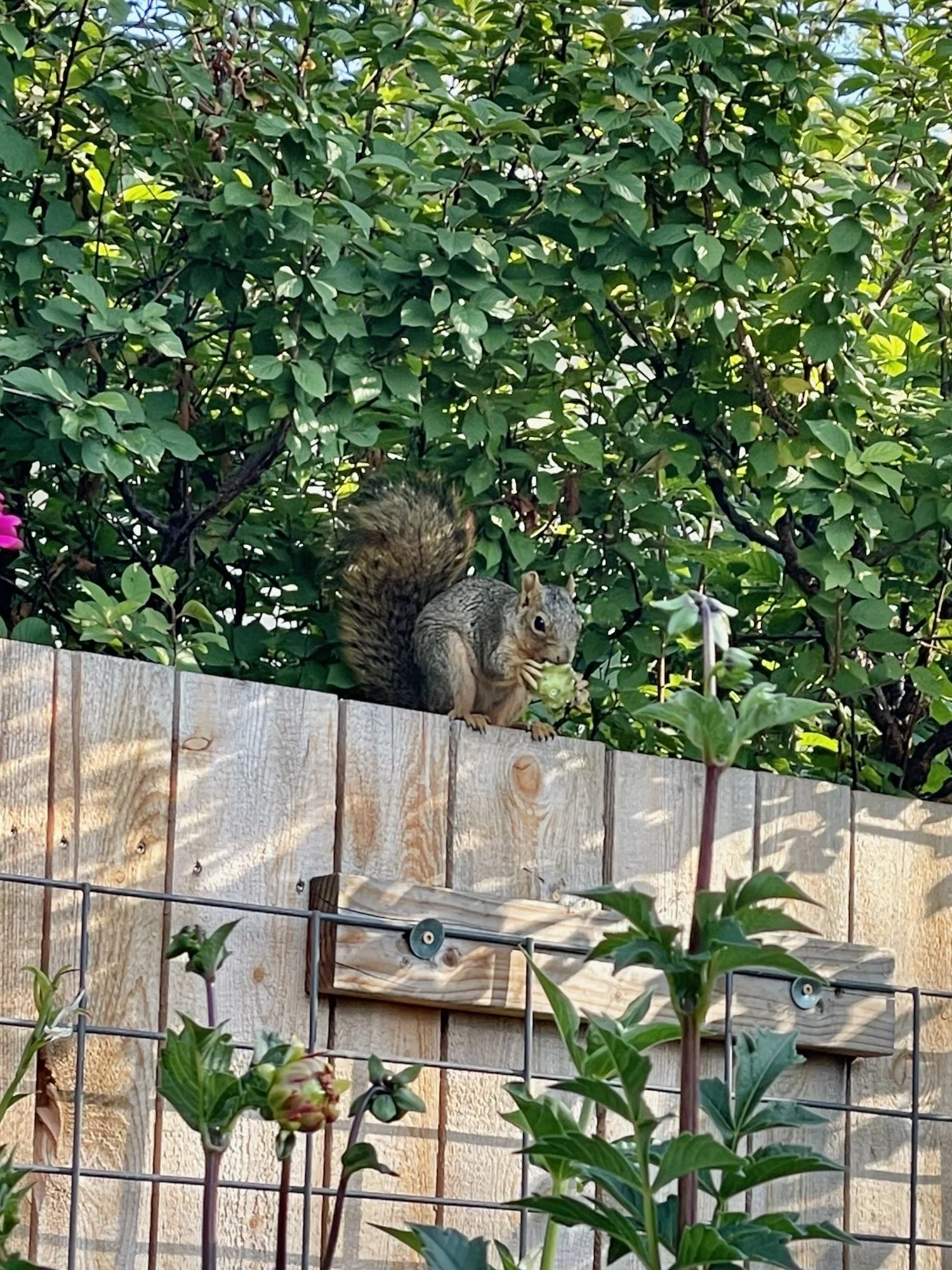
In addition to the smallest of creatures, some of the furrier varieties come around as well. We have had mice inside our house and in The Greenhouse on occasions – where they are NOT wanted. But I have no problem with them enjoying the garden, which they do. Of course, they have a role in this habitat as well.
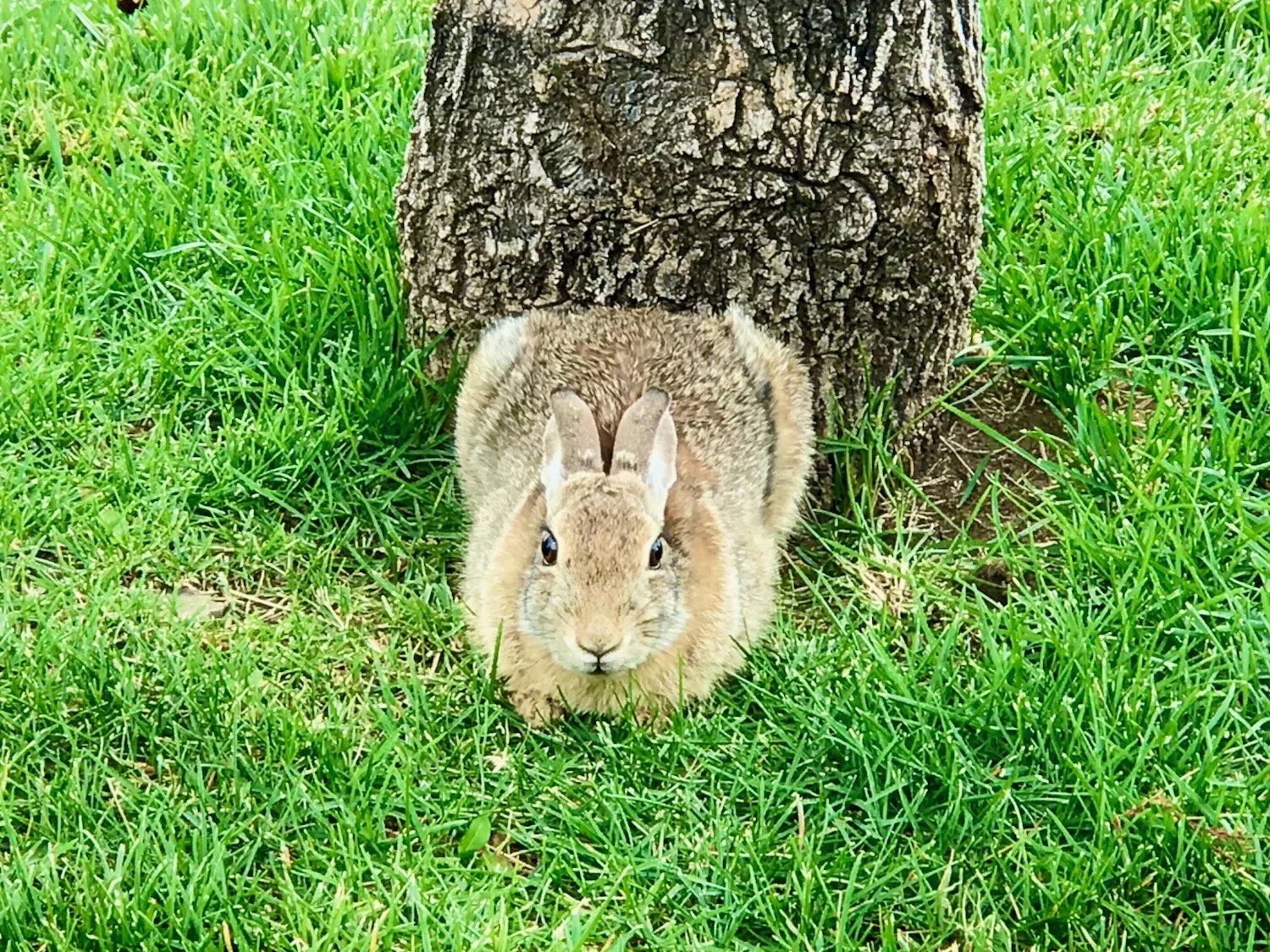
We also have many, many bunnies in the garden who nibble on the clover I plant for them. And other things, too, of course. Abundance is the word around here. With abundance there is plenty to share – even with bunnies.
Before we replaced our fence, we had skunks on the regular. One evening while we were all sitting outside, a pair of skunks came through the fence with their SIX babies. We all sat frozen, watching them. I held our dog by her collar, and they just wandered through the Cutting Garden and then sauntered away, tails held high. It was magical, honestly.
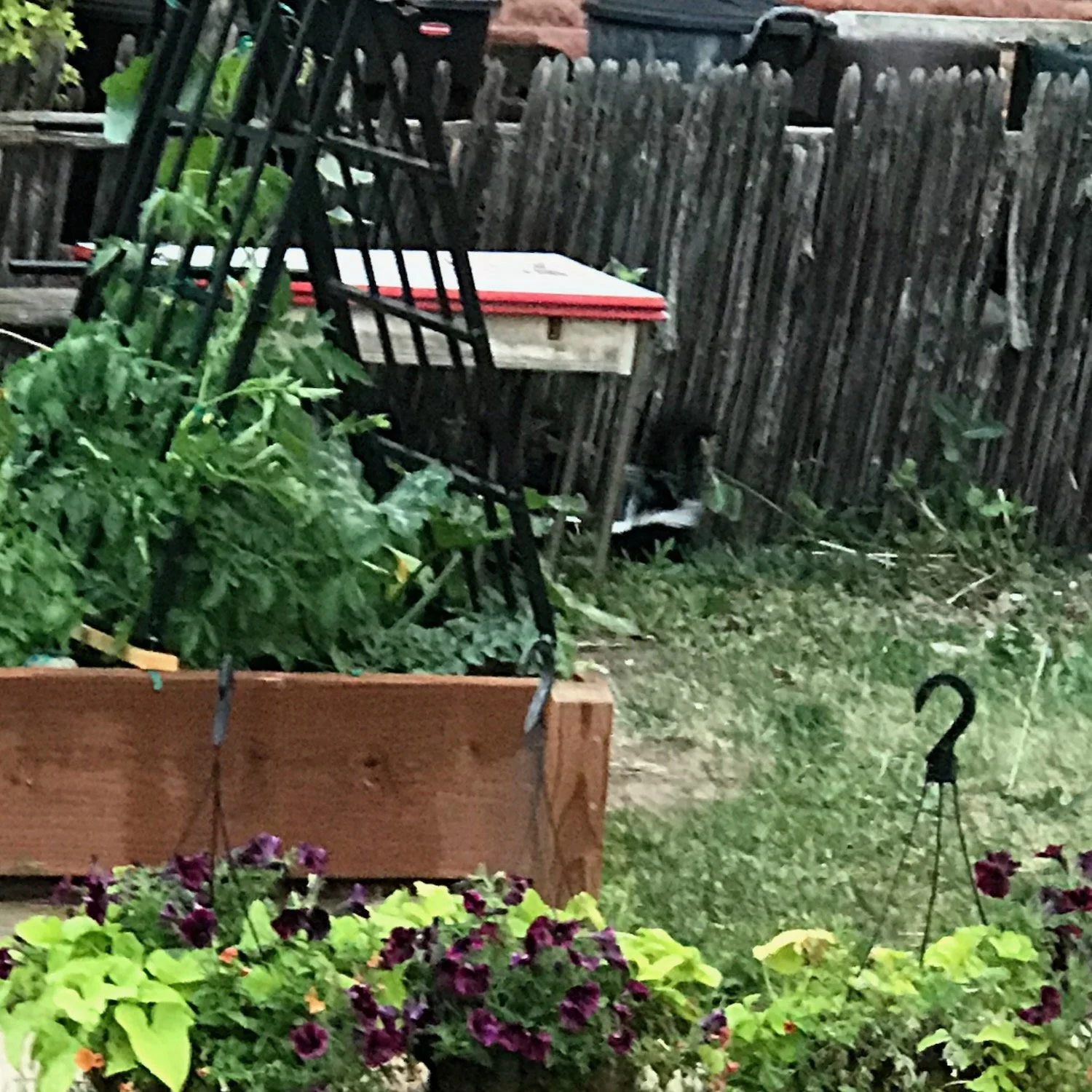
Do you see the little skunk?
But we also replaced the fence not long afterwards. Too risky!
And while I don’t have photos of them I know raccoons come regularly. Occasionally I see them sauntering along at night. I’m sure they make use of the ponds, too. Again: I need some wildlife cameras. Getting on that right away! Who knows what else I would see if I had them!
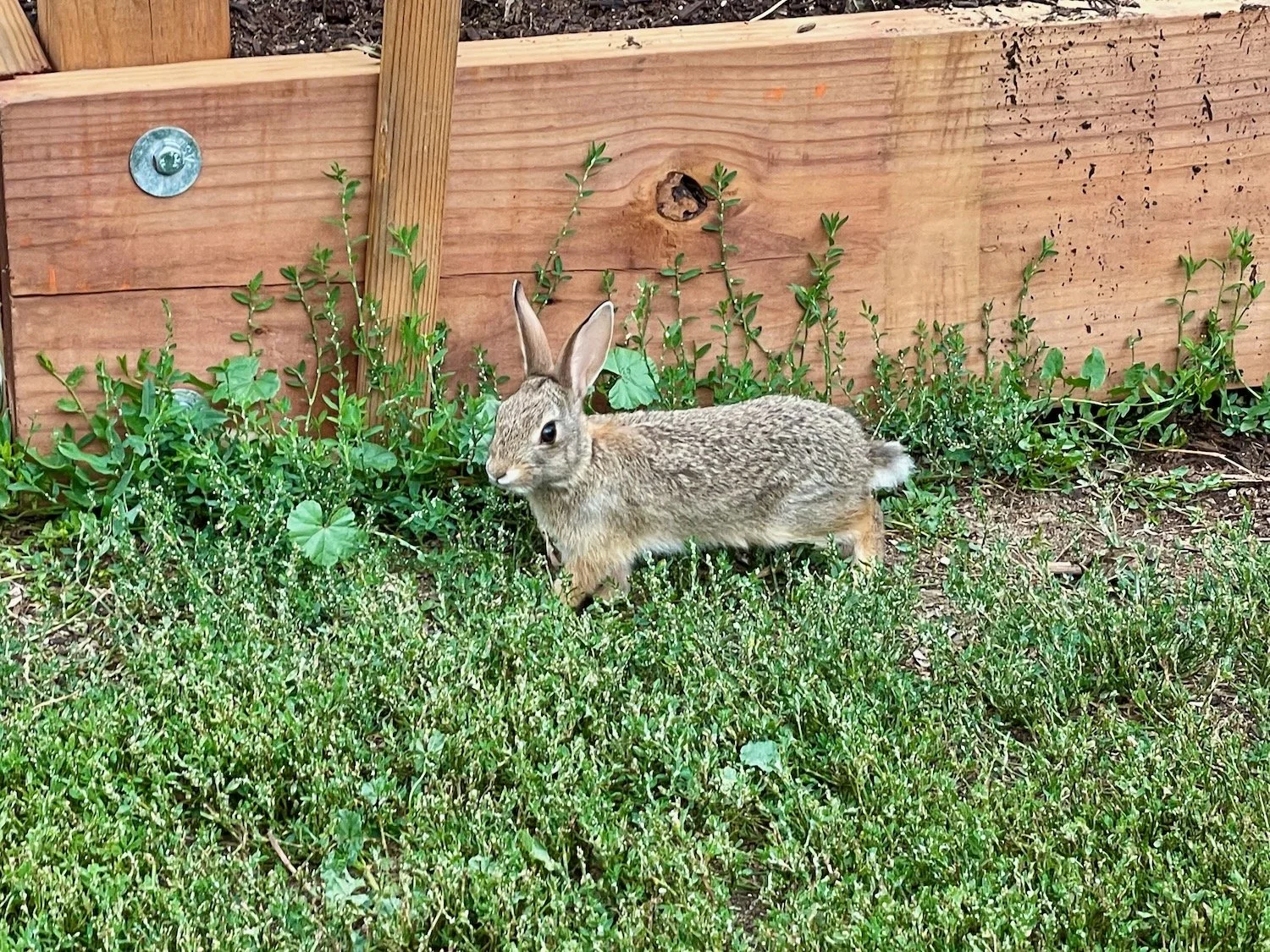
a very young rabbit out to explore for perhaps the first time
The Circle of Life
There have been some tragedies at our house, too. Inviting wildlife means inviting the entirety of the circle of life. We have rescued injured baby bunnies, watched wasps eat bumblebees, and rejoiced over a clutch of mallards — who were later eaten in the night. I know the neighborhood coyotes frequent our front garden and do what coyotes do, too.
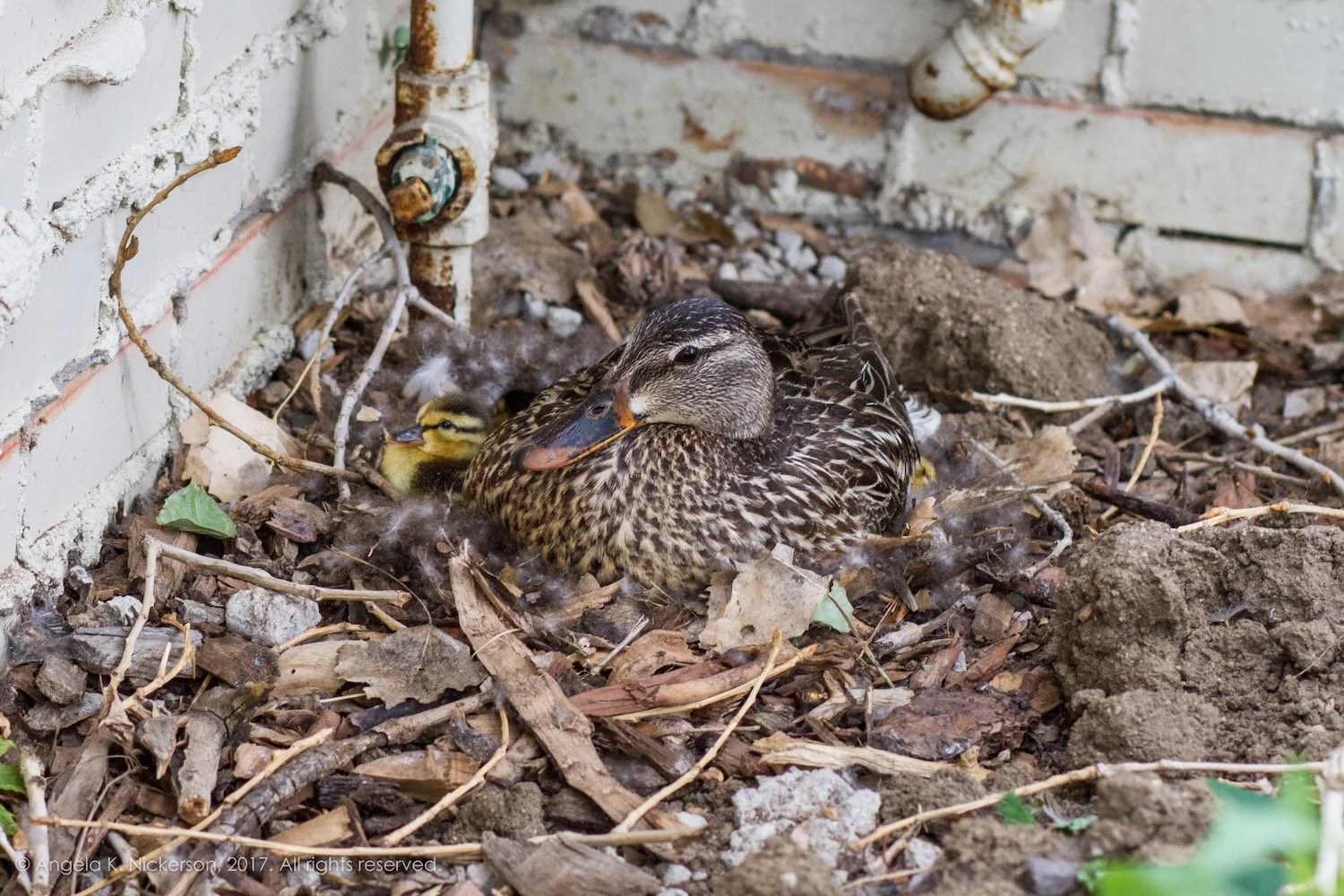
This is part of inviting wildlife in – sometimes it is hard to watch. That’s pretty rare, honestly, but it is there. And for our modern squeamishness, sometimes it is heartbreaking. But if we want birds to survive, they have to have insects to eat. Those insects also need food. As do the predators who come around as well.
So I come back to the word: abundance. When a system flourishes with abundance, those individual stories get lost in the joyful abundance. Right now, as a whole, our food webs are experiencing scarcity. As insect populations decline so do bird populations. And so on.
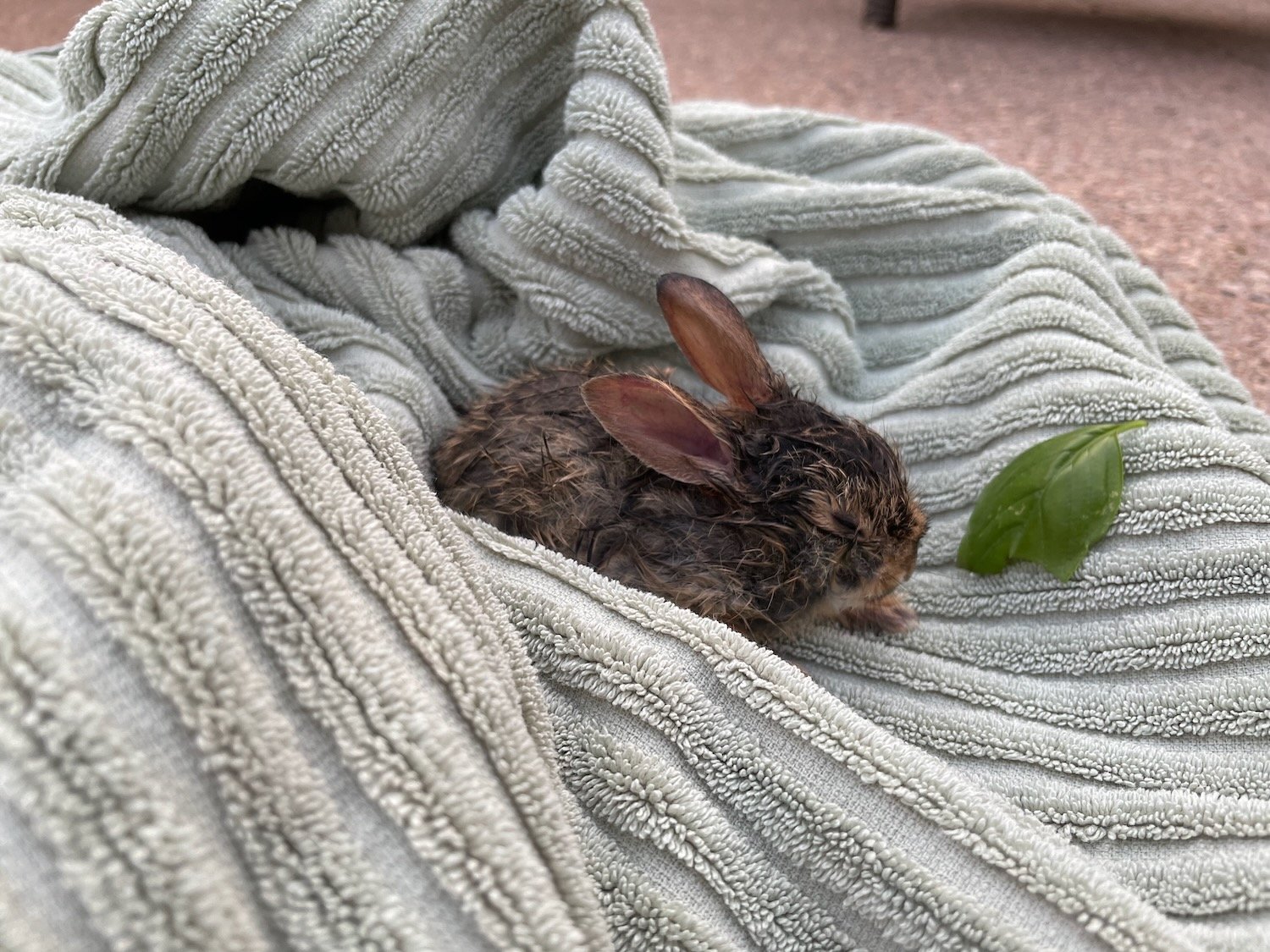
This baby bunny was injured and had to be taken to a wild animal rescue.
at the close…
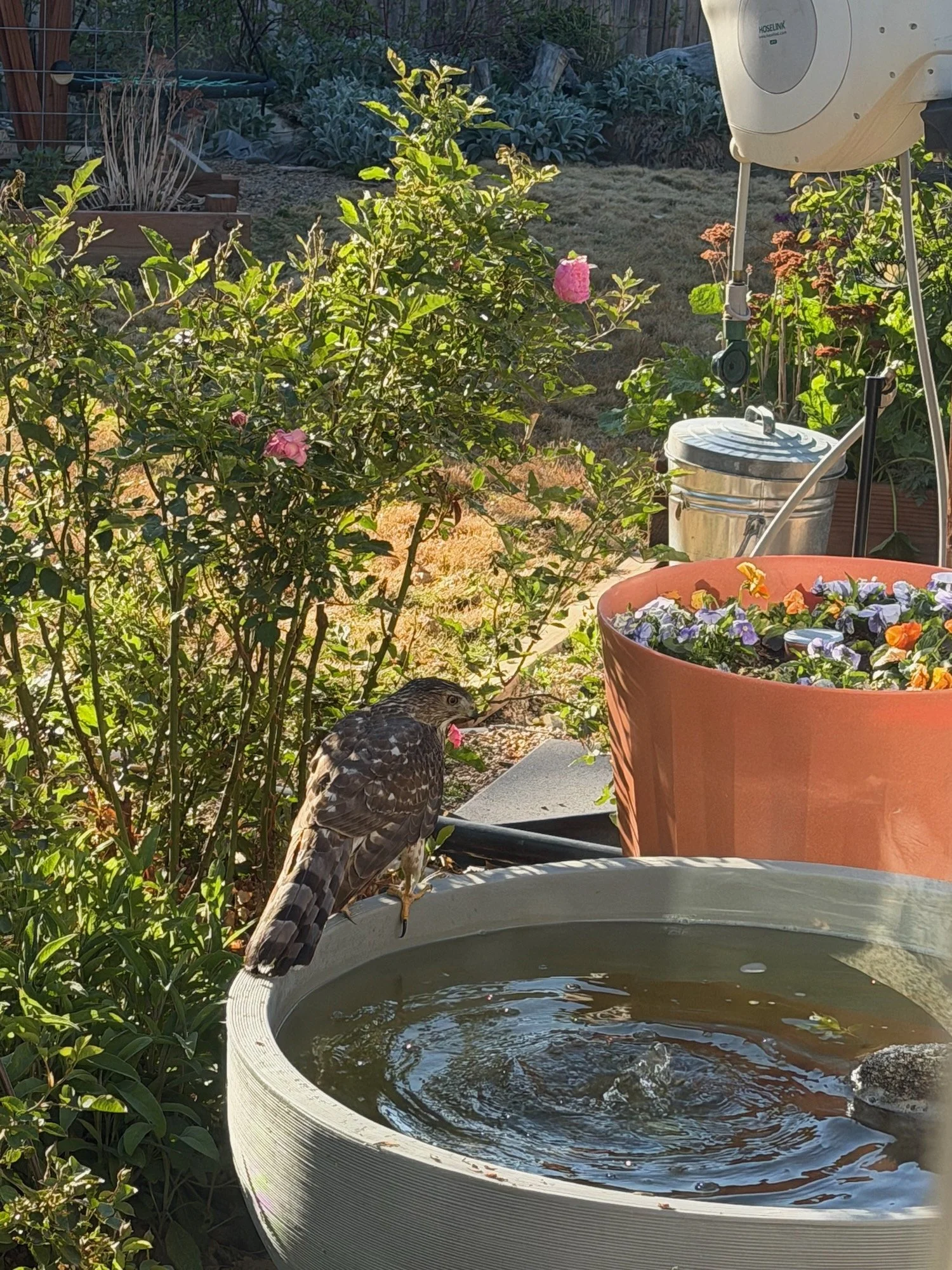
a Cooper’s Hawk bathing at our fountain
But our gardens can play a huge part in shifting from scarcity to abundance. And I have seen this first hand in the last few years. It doesn’t take much. When you change the environment that YOU control – no matter how big or small – you help to tip the balance. And if we all work together, well, so much is possible.
One last note: do yourself a favor and invest in a good pair of binoculars. Get them secondhand. They don’t have to be expensive. I see them at yard sales all the time! But keep them handy. Because if you are inviting wildlife to your garden, it’s a lot of fun to watch! You’ll be shocked at how much you’ll see – just in your own garden!
If you have questions, don't hesitate to ask!
This post originally appeared on my Substack. Subscribe to my Substack, and all of this gardening goodness will appear in your email inbox weekly!
Happy Gardening!
Angela
Subscribe now so you never miss a thing!