

The Surprising Benefits of Adding a Wildlife Pond to Your Garden
A simple pond can transform your backyard — just like it did ours!
When most people picture a beautiful backyard, they imagine colorful flowers, healthy trees, and a lush green lawn. We have been programmed over the last century to accept this as the status quo. But as I have said over and over again: this isn't reality. And a garden that invites wildlife supports local ecosystems is a healthier environment. I've talked about plant selections. I've talked about including dead wood. I've talked about not using pesticides and herbicides.
And now let's talk about one feature is often overlooked despite having one of the biggest impacts on both your landscape and the environment: a wildlife pond.
Whether it's a natural pond, a small preformed pond, a container water garden, or even a bubbling fountain, adding water to your landscape creates opportunities that plants alone simply can't provide. Water attracts birds, pollinators, frogs, beneficial insects, and other wildlife while making your garden healthier, more resilient, and more enjoyable to spend time in.
A wildlife pond may sound like a complicated project, but it doesn't have to be. Even a small water feature can dramatically increase garden biodiversity and transform your backyard into a thriving habitat.
If you've been wondering how to attract birds, insects, and other wildlife to your yard naturally while creating a healthier landscape, adding water is one of the best places to start.
Let's get started!
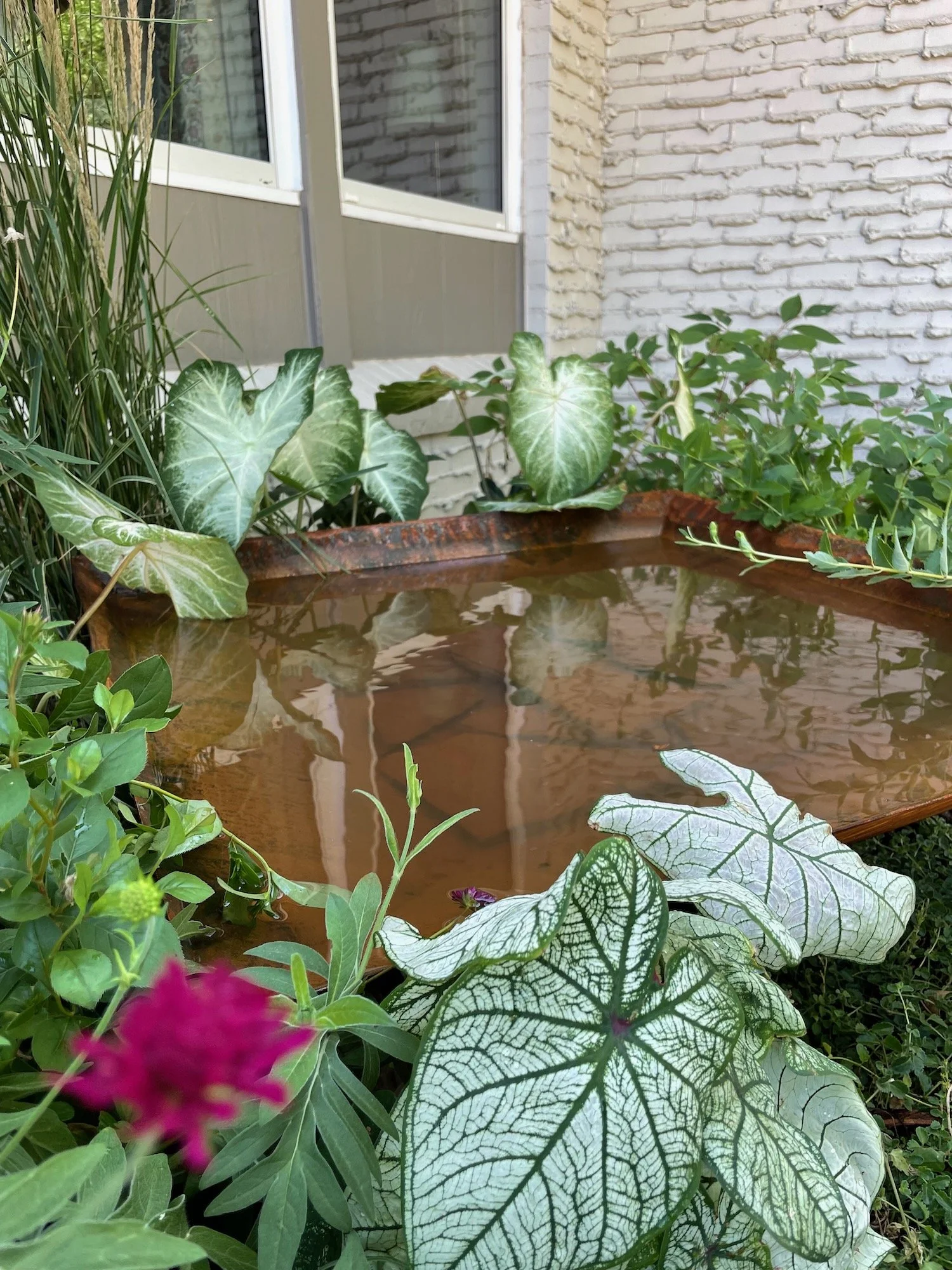
Why Every Garden Needs a Wildlife Pond
This post is part of a whole series on garden ponds and waterfeatures.
Why Water Is One of the Most Important Garden Features
Every living creature needs three basic things:
Food
Shelter
Water
Many gardens already provide food through flowers, shrubs, trees, and seed heads. Dense plantings also offer shelter from predators and harsh weather.
Water, however, is often missing.
Across North America, natural wetlands, ponds, marshes, and seasonal streams have been drained or developed. Urban neighborhoods and suburban landscapes frequently contain plenty of lawns and ornamental plants but very few reliable water sources. If your neighborhood is like mine, those water sources are limited and controlled. Frankly, ours are often pretty gross, too – filled with runoff containing fertilizers from lawns and often trash as well.
That means even a modest garden pond can become a valuable stop for wildlife searching for a place to drink, bathe, cool off, or reproduce. And a pond supports hundreds of different species throughout the year.
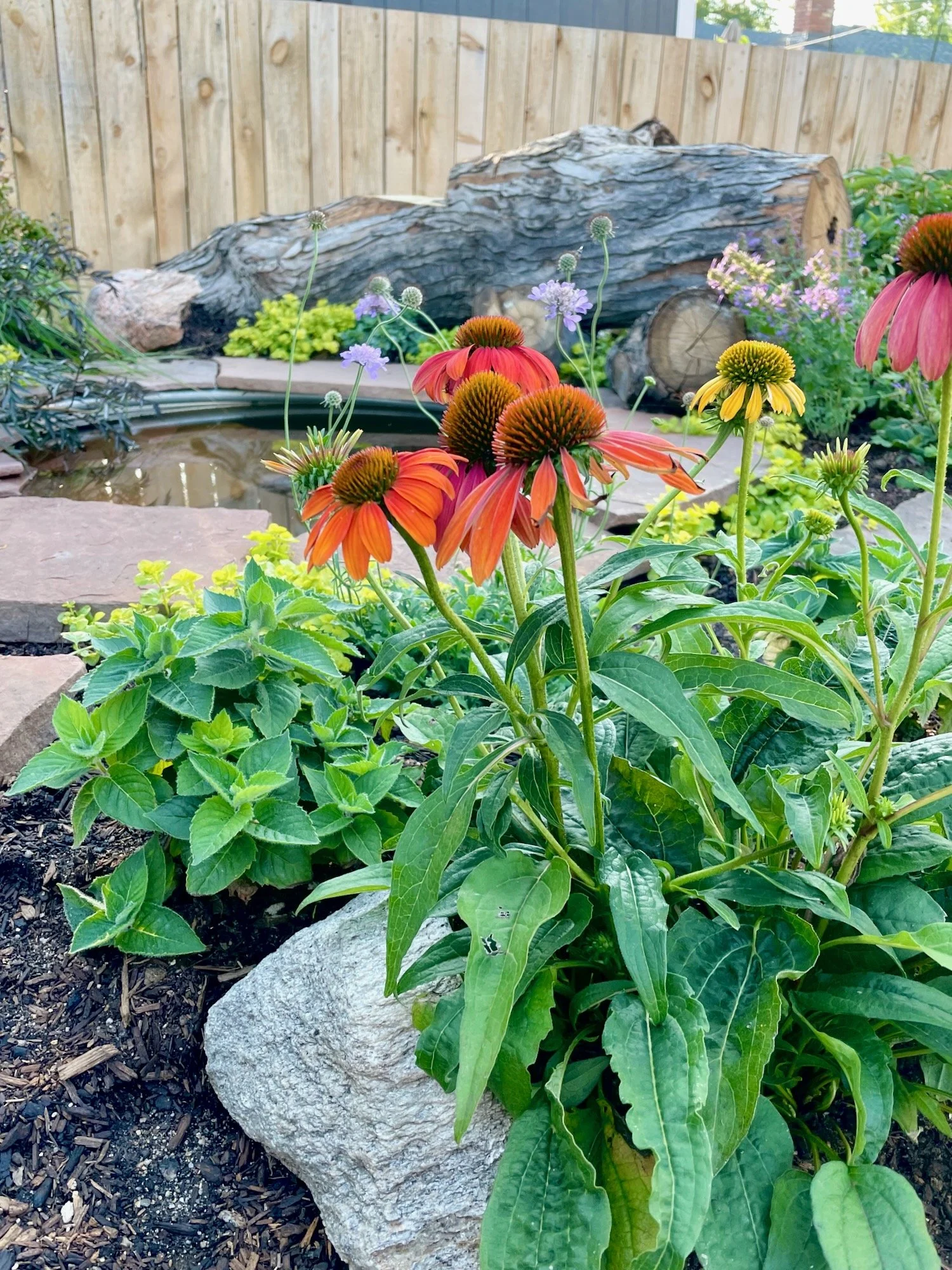
Wildlife Pond Benefits Go Far Beyond Appearance
Ponds can be quite beautiful, but the ecological benefits are often even more impressive.
A wildlife pond can:
Increase local biodiversity
Support native pollinators
Attract more bird species
Provide habitat for amphibians
Encourage beneficial insects
Help naturally reduce garden pests
Improve overall ecosystem health
Create year-round visual interest
Instead of being just another landscaping feature, our ponds have become the heart of our backyard ecosystem. And watching that wildlife has become a family obsession.
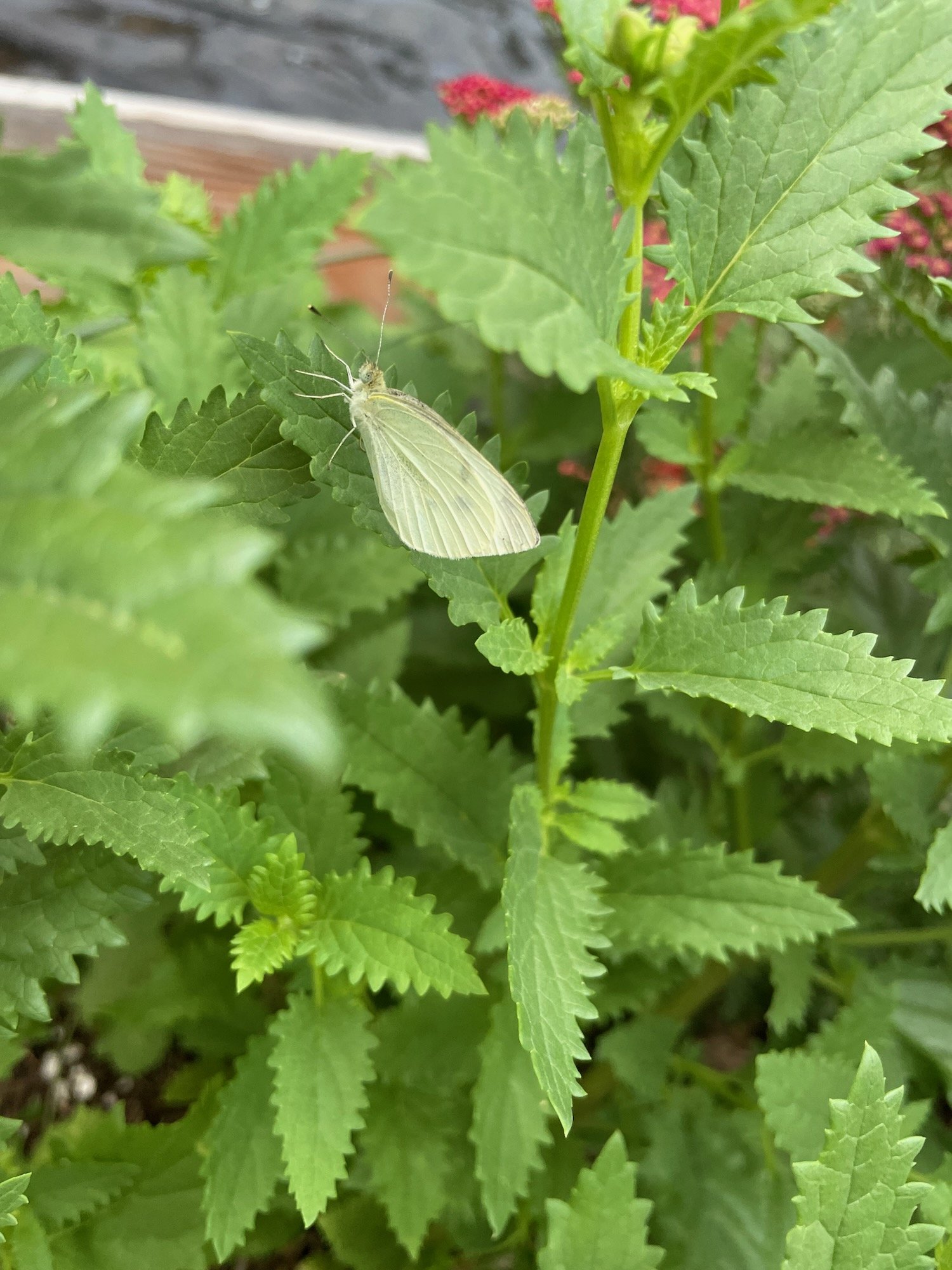
Garden Biodiversity Starts with Water
One of the greatest wildlife pond benefits is its ability to increase biodiversity.
Biodiversity refers to the variety of living organisms sharing an environment. The greater the diversity of plants, insects, birds, mammals, fungi, and microorganisms, the healthier the ecosystem tends to be.
Gardens with high biodiversity are naturally more balanced because different species perform different jobs.
Some pollinate flowers. Others eat pests. Others decompose fallen leaves and recycle nutrients. Still others become food for larger animals.
Water supports every level of this food web.
Instead of attracting only birds or butterflies, our ponds have become a gathering place for countless species interacting with one another. And they make the ecosystem of our garden even more complete and cohesive.
A Wildlife Pond Supports the Entire Food Web
Think of your garden as a neighborhood. With water available, the neighborhood suddenly becomes much more attractive.
A pond supports:
Microscopic organisms
Aquatic insects
Dragonfly larvae
Frogs and tadpoles
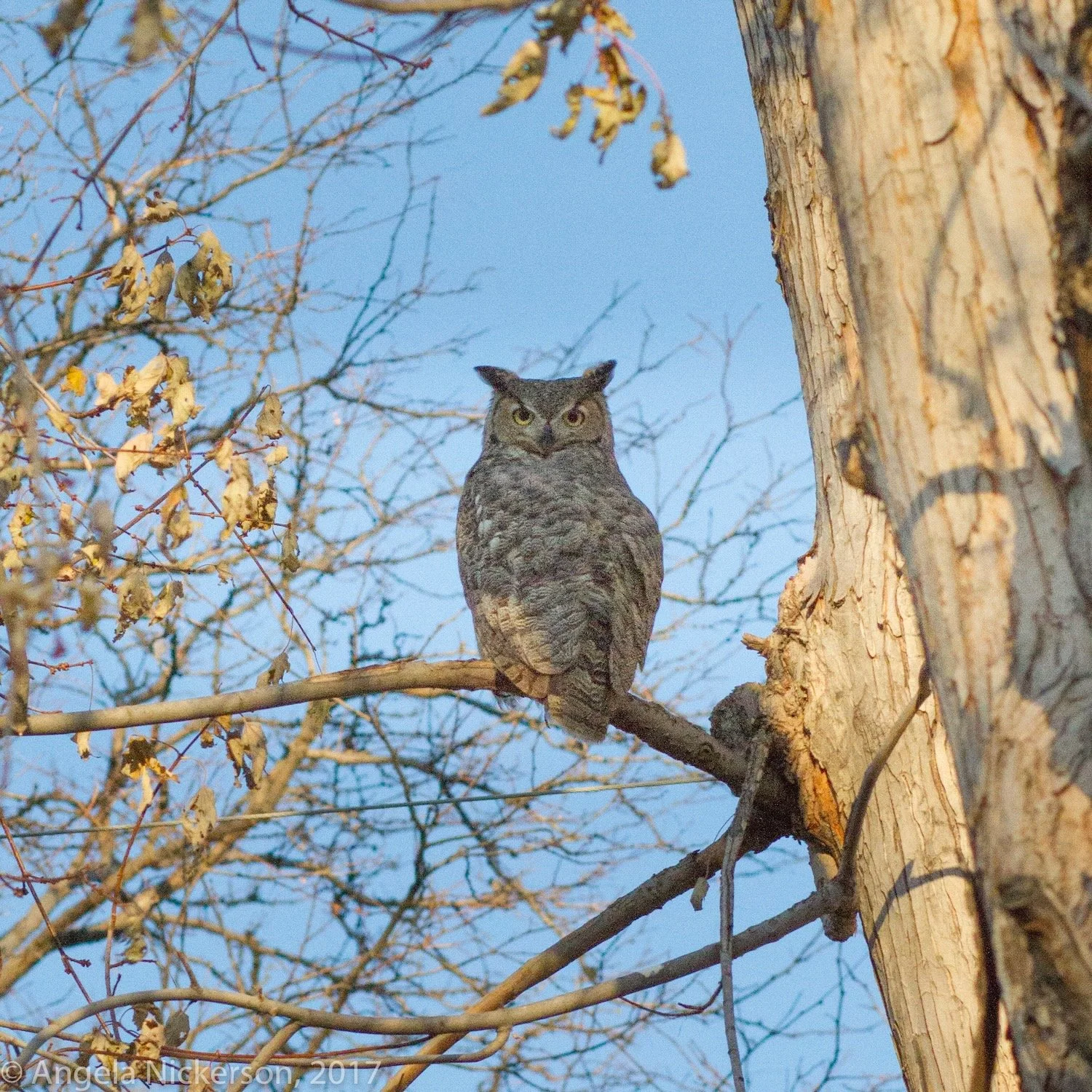
Birds
Native bees
Butterflies
Small mammals
Reptiles
Each of these animals supports others in ways that aren't always obvious.
Dragonflies eat mosquitoes.
Birds feed caterpillars to their young.
Frogs consume slugs and beetles.
Native bees pollinate flowers that later produce seeds for birds.
Everything is interconnected. So the more complete you can make your garden ecosystem, the more wildlife it will support.
How to Attract Birds to Your Yard Naturally
If your goal is attracting birds, many people immediately think about bird feeders. While feeders certainly help, experienced birdwatchers often say one thing attracts more birds than almost anything else: fresh water.
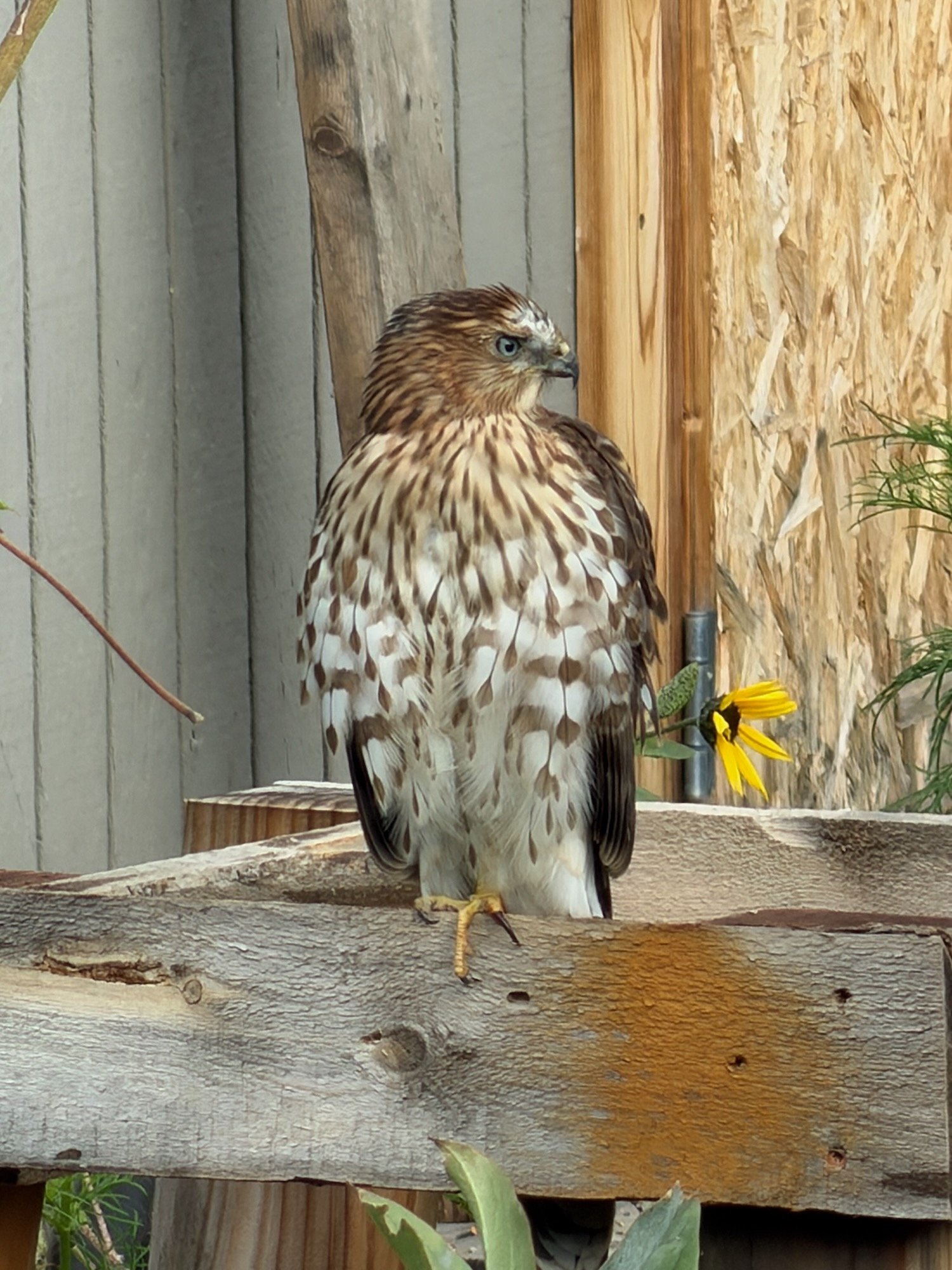
Birds need water every day—not just for drinking but for bathing. Bathing removes dust, dirt, parasites, and excess oils while keeping feathers in excellent condition. Clean feathers insulate birds from heat and cold while allowing efficient flight.
Because birds must bathe regularly, they'll often visit a dependable water source even when natural food is plentiful elsewhere.
Birds Commonly Attracted to Backyard Water Sources
Depending on where you live, you may see:
American robins
Northern cardinals
Black-capped chickadees
Carolina chickadees
House finches
American goldfinches
Blue jays
Mourning doves
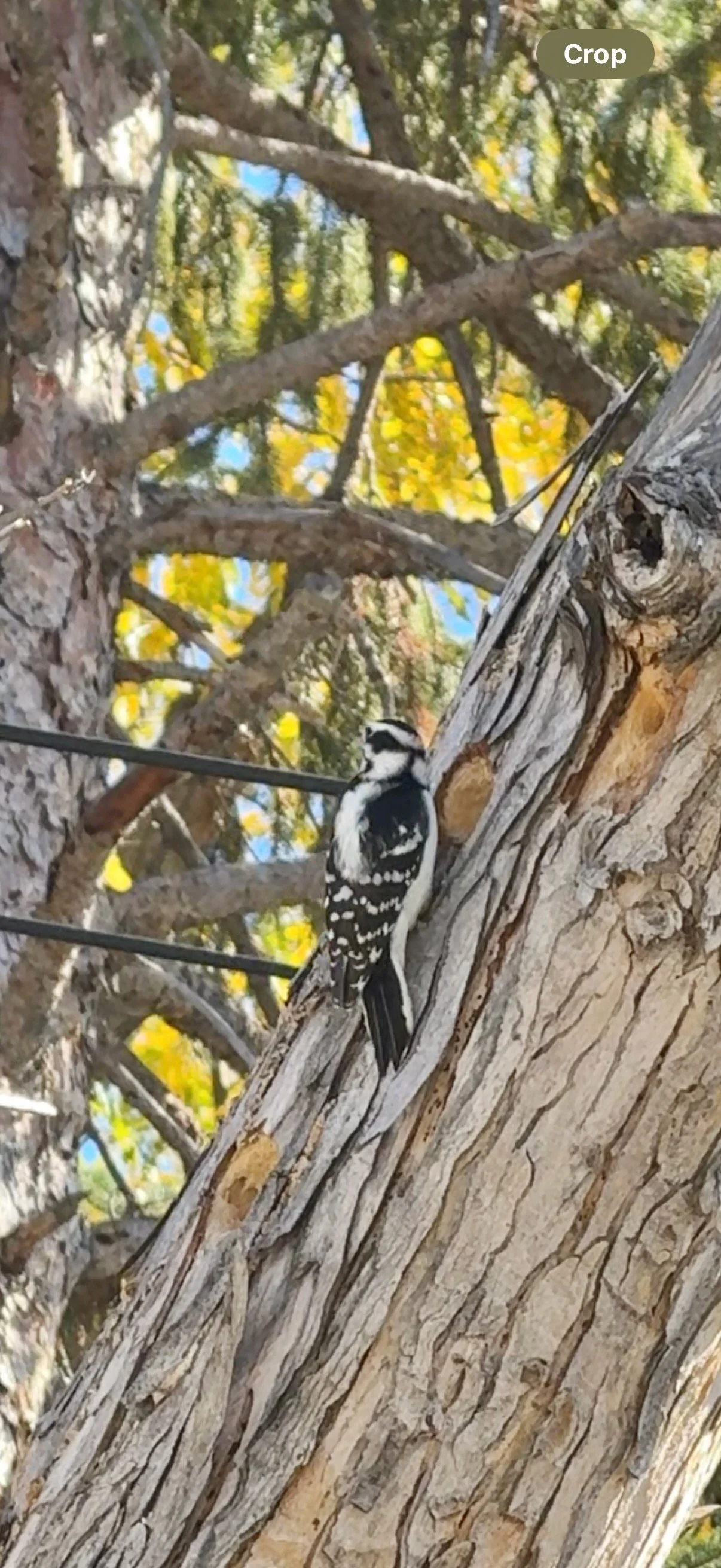
Downy woodpeckers
Hairy woodpeckers
Northern flickers
Wrens
Catbirds
Thrushes
Hummingbirds
Migrating warblers
Migration season is especially exciting! We see all kinds of birds who stop by to feed and to bathe and to rest on their journeys north and south. And we aren't even on a major flyway! When we lived in California – on the Pacific Flyway, the birds we watched migrating each spring and fall were magnificent!
Moving Water Attracts Even More Birds
One of the easiest ways to attract birds to your yard is by adding moving water. Birds can hear gentle splashing from surprising distances. A small solar fountain, bubbler, or recirculating waterfall makes your water source much easier for wildlife to locate.
Moving water also helps keep water oxygenated and discourages mosquito breeding.
Native Bees Need Water, Too
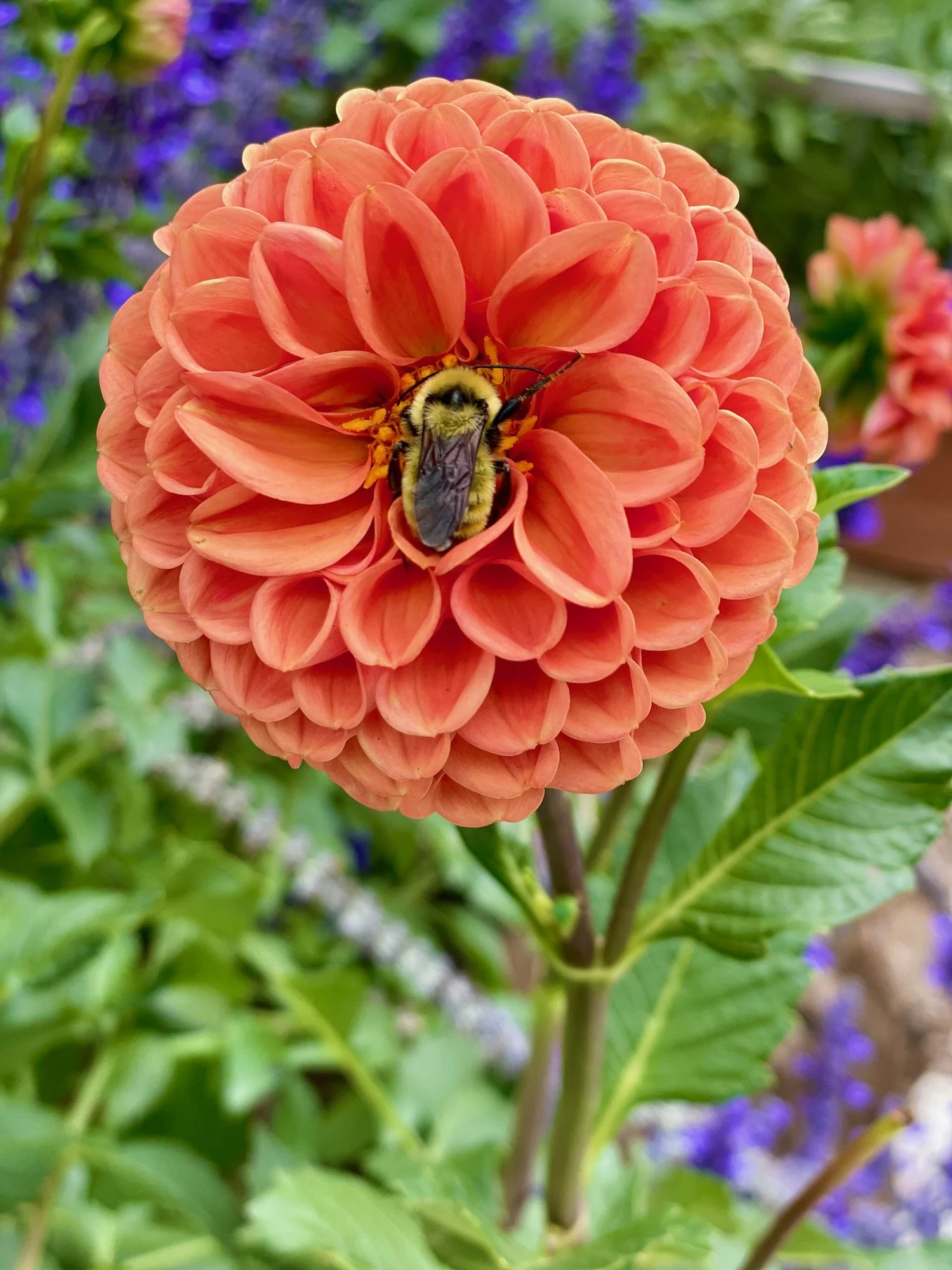
I love watching the bees that show up in my garden, and at first I didn't think about how much they might need water. Frankly, most gardeners – like me – focus on planting flowers for bees. That's important—but bees also need water.
Honey bees collect water to regulate their hive temperatures during hot weather.
Native solitary bees use water while constructing nests.
Note: A shallow pond edge with stones allows bees to land safely while drinking. Without landing spots, many bees and other insects risk drowning.
Butterflies Love Shallow Water
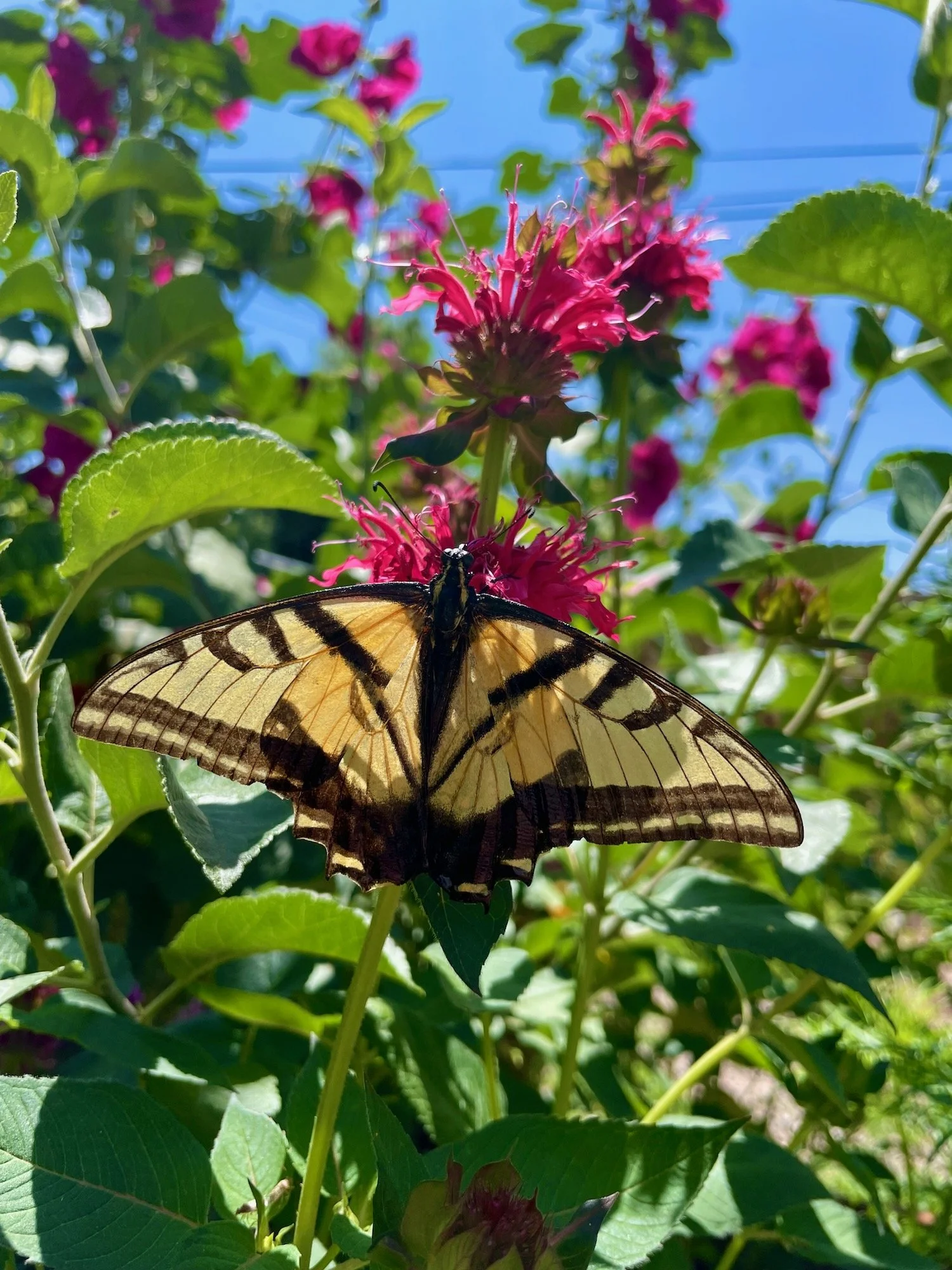
Butterflies don't usually drink from deep water. Instead, they gather around damp soil, mud, or shallow puddles in a behavior called puddling. During puddling, butterflies absorb dissolved minerals and nutrients that aren't available in flower nectar.
Creating gently sloping pond edges with moist soil encourages butterflies to visit regularly.
Dragonflies & Damselflies: Nature's Mosquito Patrol
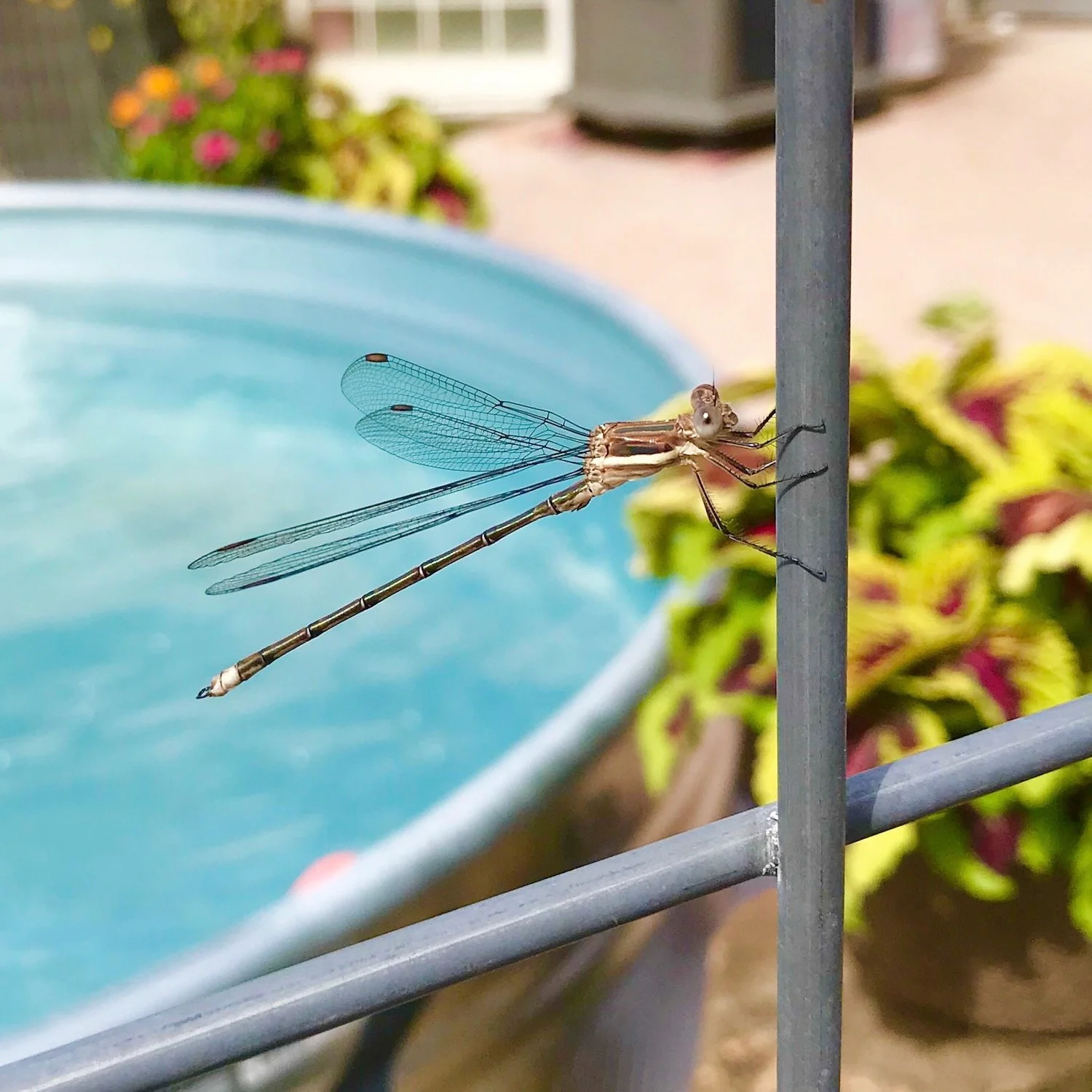
Among the greatest wildlife pond benefits is attracting dragonflies and damselflies, and when we started our first wildlife pond, the Large Pond, this was one of the primary goals. Not only are they really cool to watch, but they also are AMAZING mosquito control.
Both dragonflies and damselflies begin life underwater before emerging as flying adults. Both life stages are predators. Adults consume mosquitoes, gnats, flies, and other flying insects. Aquatic young feed on mosquito larvae and other small aquatic organisms.
A healthy dragonfly/damselfly population is often a sign that your pond ecosystem is thriving.
So how did we attract them? We scooped up a bucket full of pond muck from a nearby healthy pond. That muck was most certainly full of larvae. And within a few weeks, dragonflies and damselflies showed up!
Frogs and Toads Are Valuable Garden Helpers
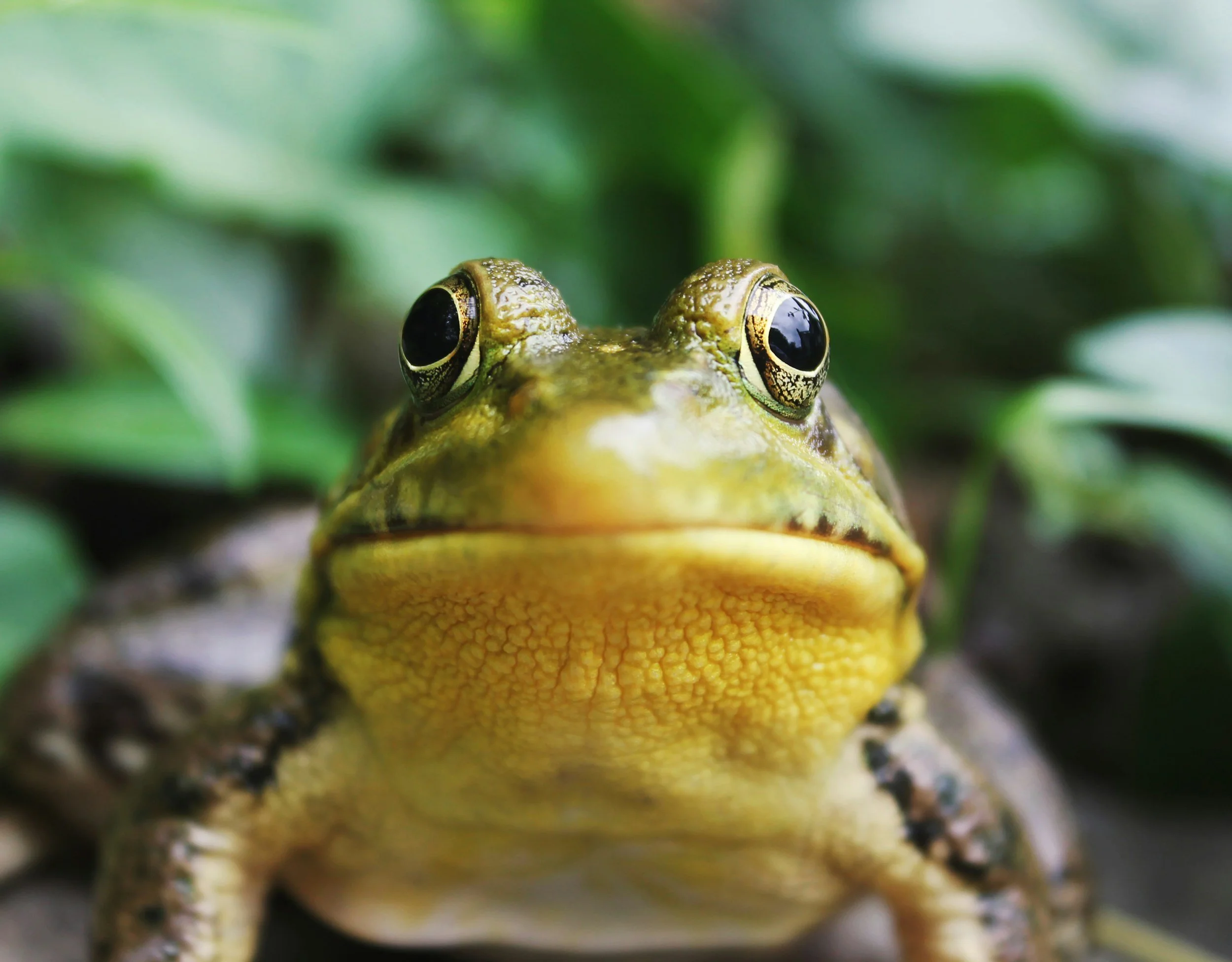
Many homeowners hope frogs will discover their ponds. We do! A single frog may consume hundreds or even thousands of insects during the growing season. Also they are super cool!
Frogs and toads help control:
Slugs
Beetles
Mosquitoes
Earwigs
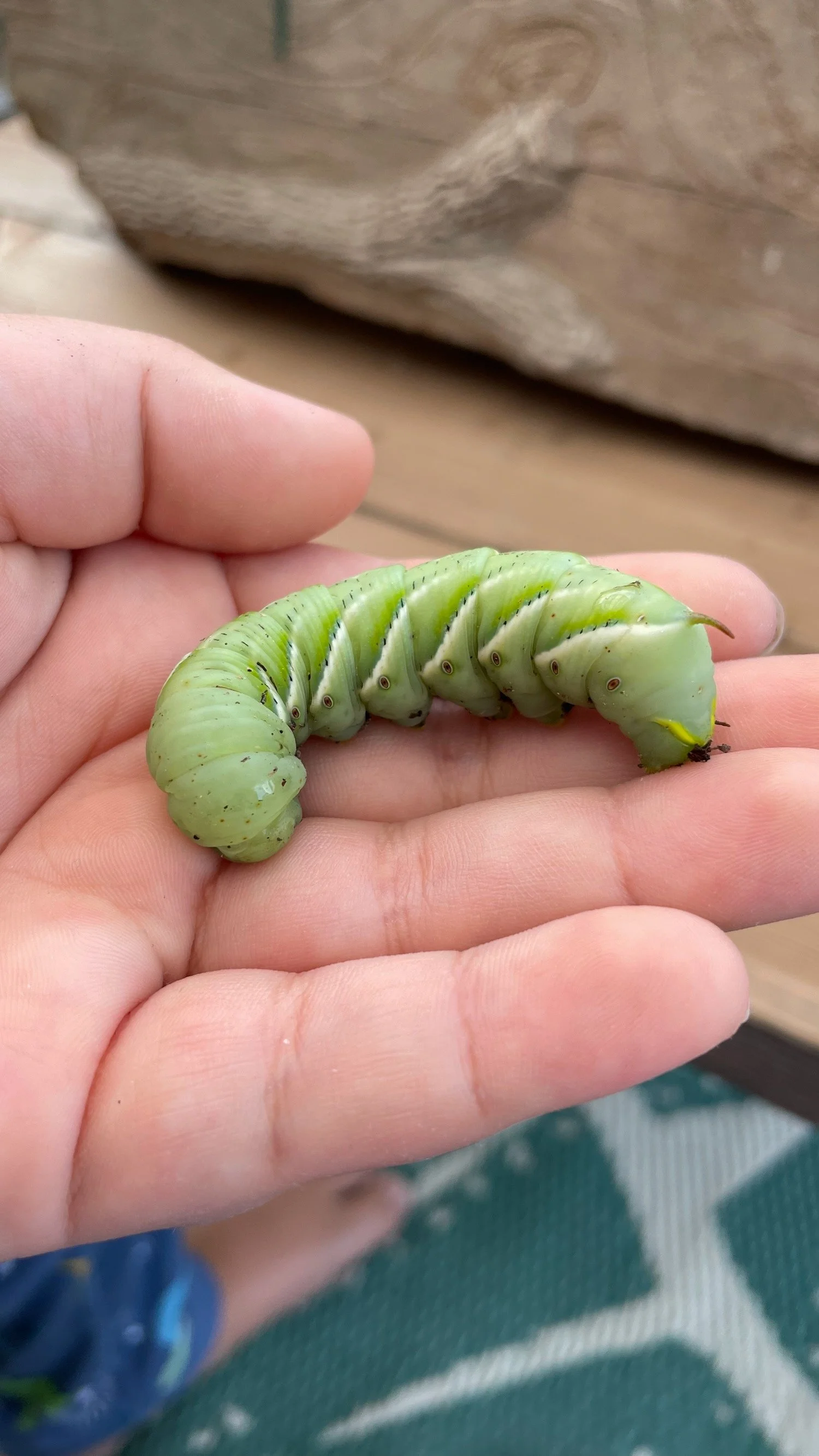
Caterpillars
Various garden pests
Because amphibians have sensitive skin, they're also considered indicators of environmental health. If frogs are thriving in your yard, your ecosystem is likely in good shape.
Sadly, they haven't arrived in our garden yet. Frankly, they aren't in our surrounding area either – lack of fresh water is probably a big reason for this. So we wait. With fingers crossed!
Beneficial Insects Keep Pest Populations Balanced
Not every insect damages plants.
Some of your greatest allies include:
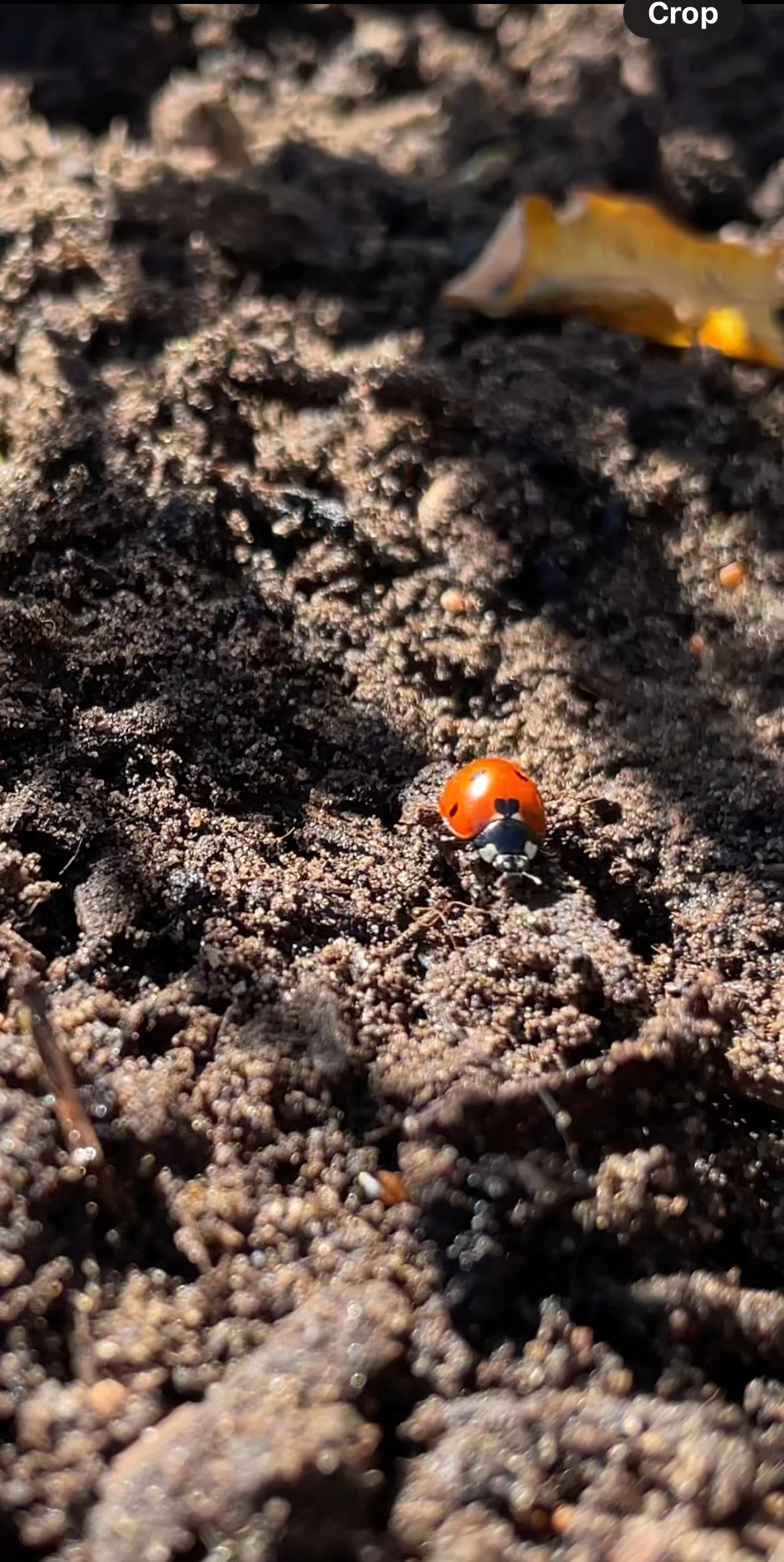
Lady beetles
Lacewings
Hoverflies
Predatory wasps
Ground beetles
Many beneficial insects need water during some part of their life cycle. By supporting these species, your garden develops stronger natural pest control.
I don't use pesticides – even with my worst problems. Usually, if I just wait long enough, a predator will show up and take care of the problem for me.
Reptiles Benefit as Well
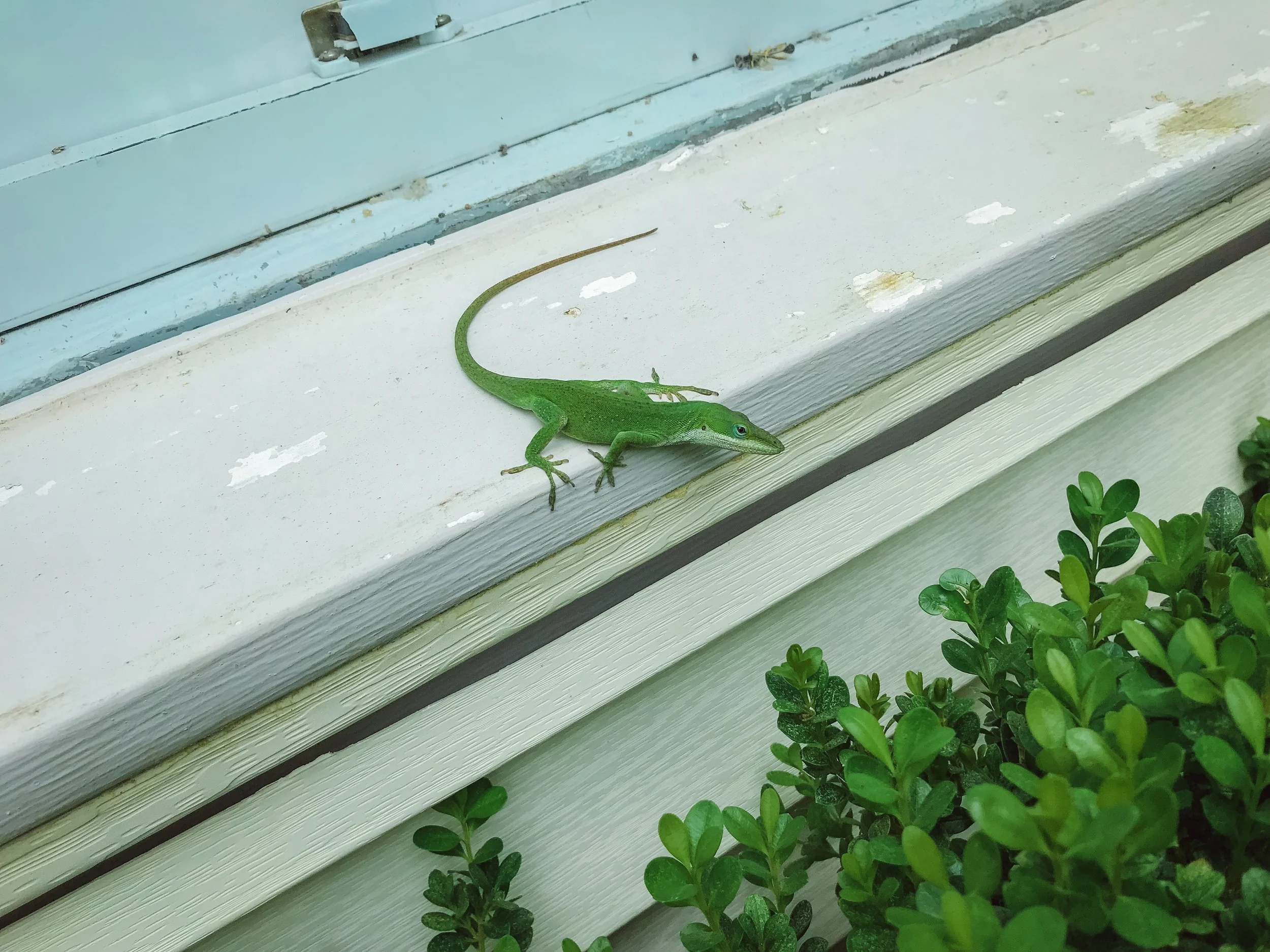
Many reptiles use ponds for drinking or cooling off.
Depending on where you live, you might see:
Garter snakes
Painted turtles
Box turtles
Fence lizards
Skinks
Although snakes often have an reputation for being creepy, most species commonly found in gardens help control rodents and other pests. Trust me: unless they are poisonous, you want those snakes. It's that circle of life!
Small Mammals Also Depend on Garden Water
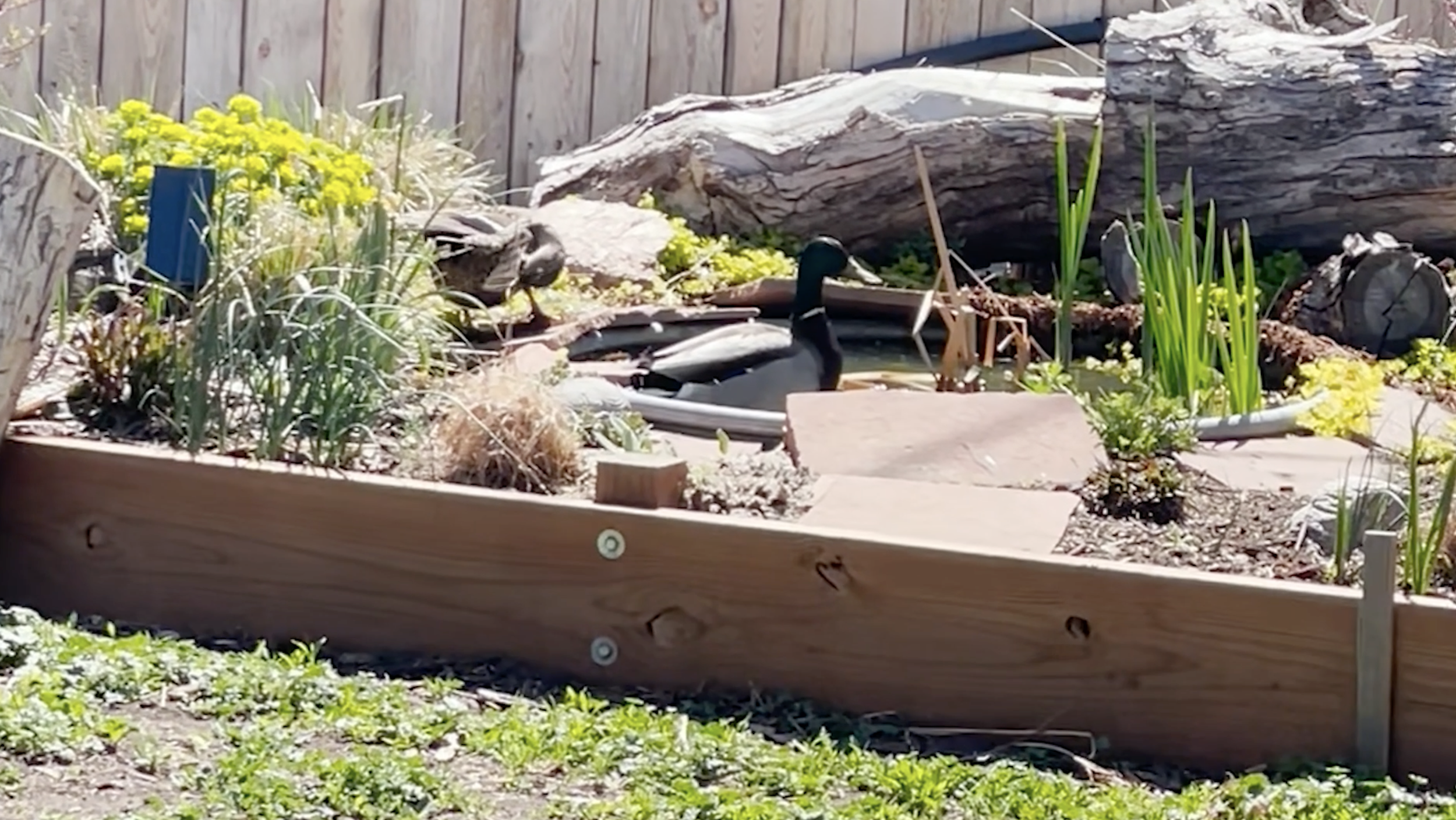
During hot weather and drought, backyard water sources become especially important. As I am writing this, a heat dome is descending on Colorado, and I know there are hot and thirsty animals out there just looking to catch a break. So, my ponds are topped off, my birdbaths are full, and I am watching to see who may show up.
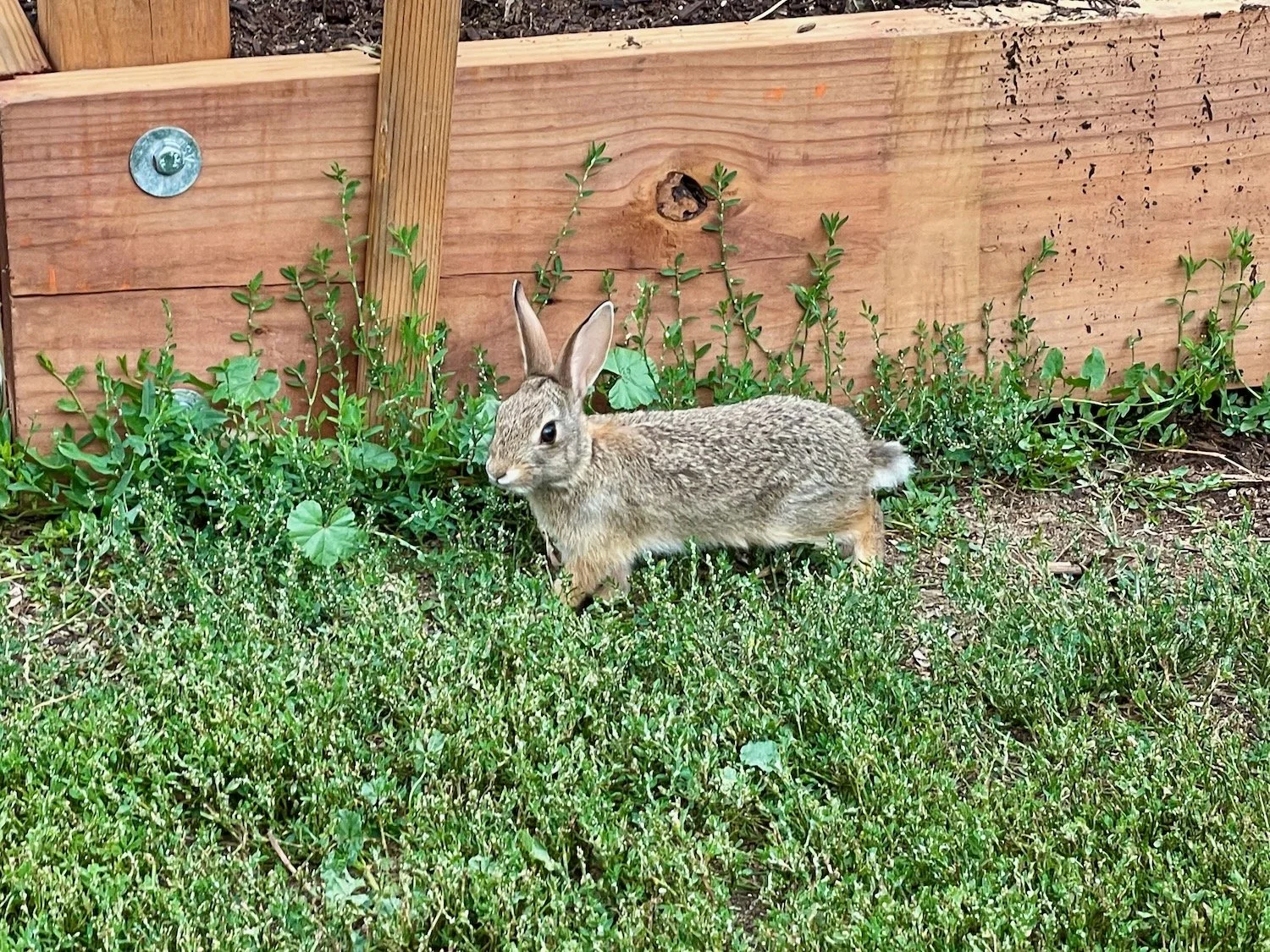
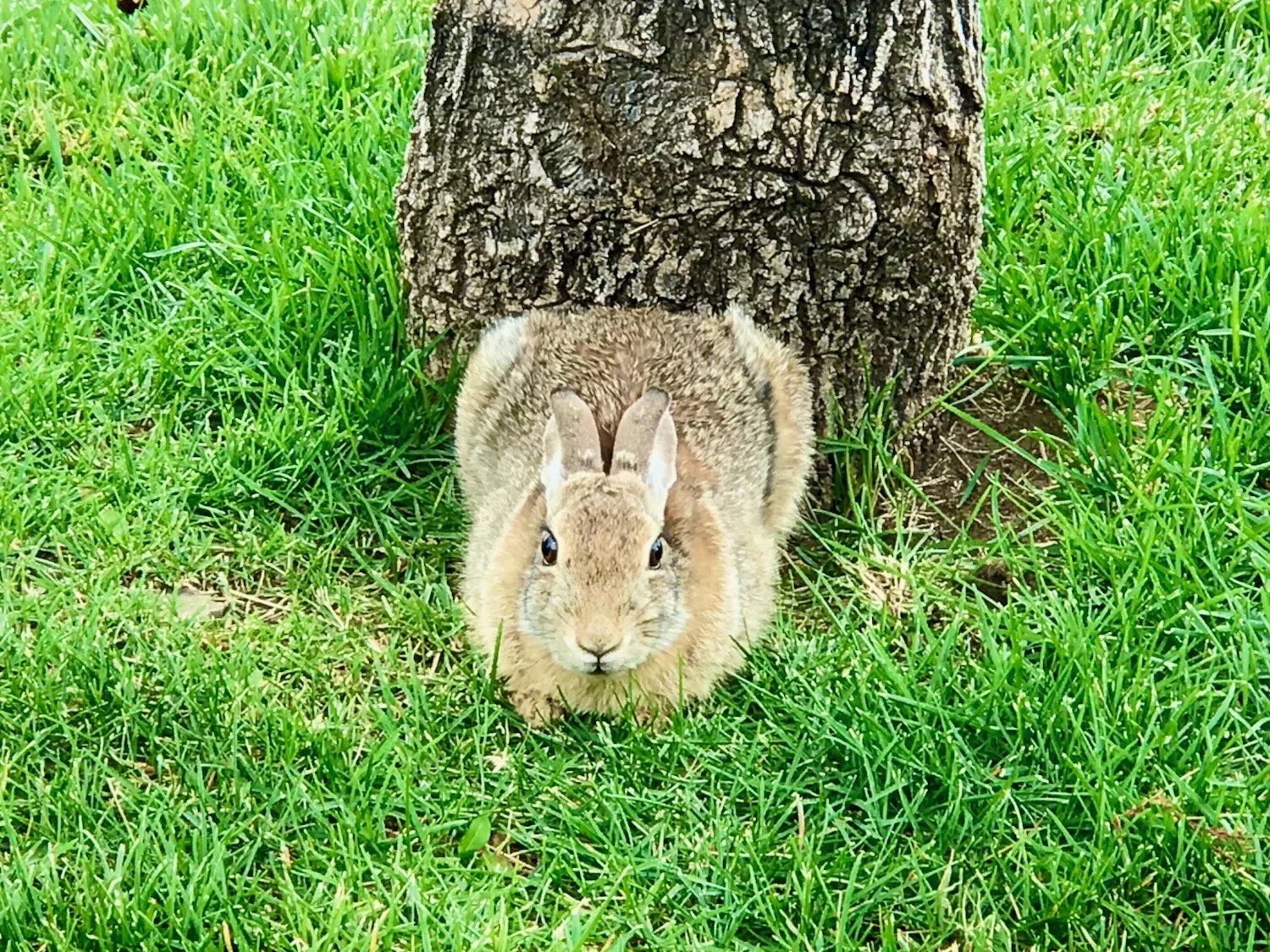
At my ponds we have seen raccoons, squirrels, mice, and rabbits. I suspect coyotes might come by, too, but I have never seen them.
Your visitors could include:
Cottontail rabbits
Chipmunks
Gray squirrels
Skunks
Fox squirrels
Opossums
Deer
Raccoons
Foxes
These visitors often drink quickly before returning to nearby cover.
Watching wildlife use your pond offers opportunities to observe behaviors rarely seen elsewhere. I HAVE to get some wildlife cameras. Without them I am just guessing, honestly, but who knows what happens in the night!

A Pond Creates a Self-Sustaining Ecosystem
One of the most fascinating aspects of a wildlife pond is how it develops over time.
At first, it may simply be water. But then you plant native plants around the edges.
Then insects arrive. Soon birds discover it. Dragonflies appear. Frogs may move in (fingers crossed).
The pond gradually becomes its own miniature ecosystem, and every season brings new visitors.
Wildlife Watching Without Leaving Home
We often have this perception that we have to go somewhere to experience nature. To a park, a national park, the beach, the mountains. But that simply isn't true! Your backyard, your patio, your balcony – it's all out in nature! And one wildlife pond benefit is how much easier it becomes to observe nature – over your morning cup of coffee in your pajamas!
At our ponds I have seen:
Birds bathing in the morning
Goldfinches drinking before feeding
Hummingbirds cooling off on hot afternoons
Dragonflies hunting overhead
Butterflies puddling along the shoreline
We find ourselves spending more time outdoors simply because there's always something interesting happening.
Water Adds Beauty in Every Season
The ecological benefits alone make ponds worthwhile, but they're also beautiful landscape features. Honestly, I'm thrilled by what an enhancement our ponds are for our own enjoyment, too.
The Large Pond's surface reflects surrounding flowers, trees, and clouds.
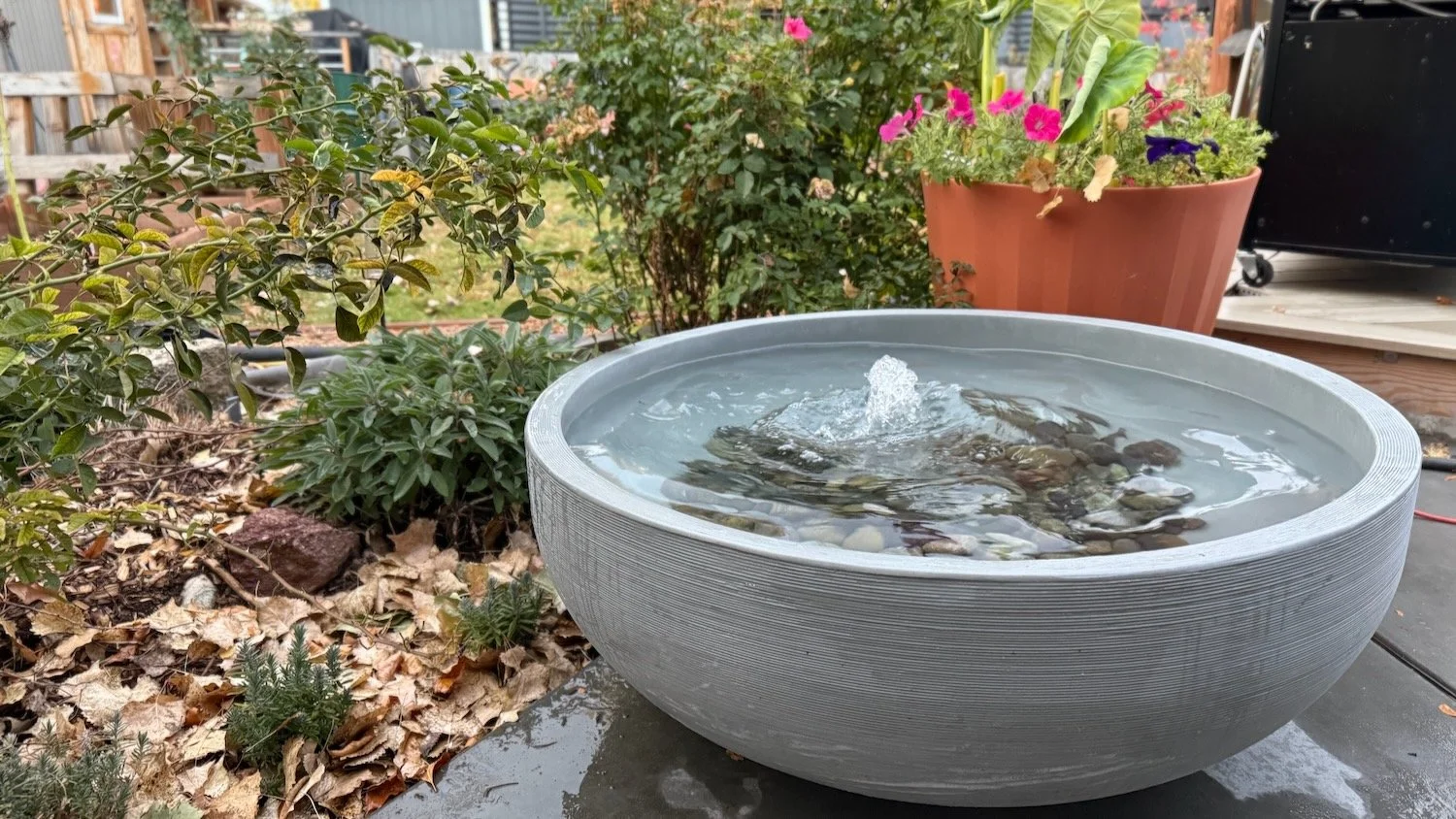
Our small fountain creates soothing background sounds that mask traffic and neighborhood noise.
The Lake of Shining Waters sits just outside my office window and reflects light all year.
Morning light, autumn leaves, spring blooms, and winter ice all transform the pond throughout the year. Unlike many garden features that peak for only a few weeks, water remains interesting every season.
Your Backyard is Part of a Larger Ecosystem
Every wildlife-friendly garden contributes to conservation. While one backyard may seem small, thousands of homeowners creating bird-friendly, pollinator-friendly landscapes collectively provide important habitat across neighborhoods and cities.
Your pond becomes one stop along a much larger network that helps wildlife survive in developed areas.
For migrating birds, native bees, butterflies, frogs, and countless beneficial insects, these small habitats can make a meaningful difference.
You Don't Need a Large Pond
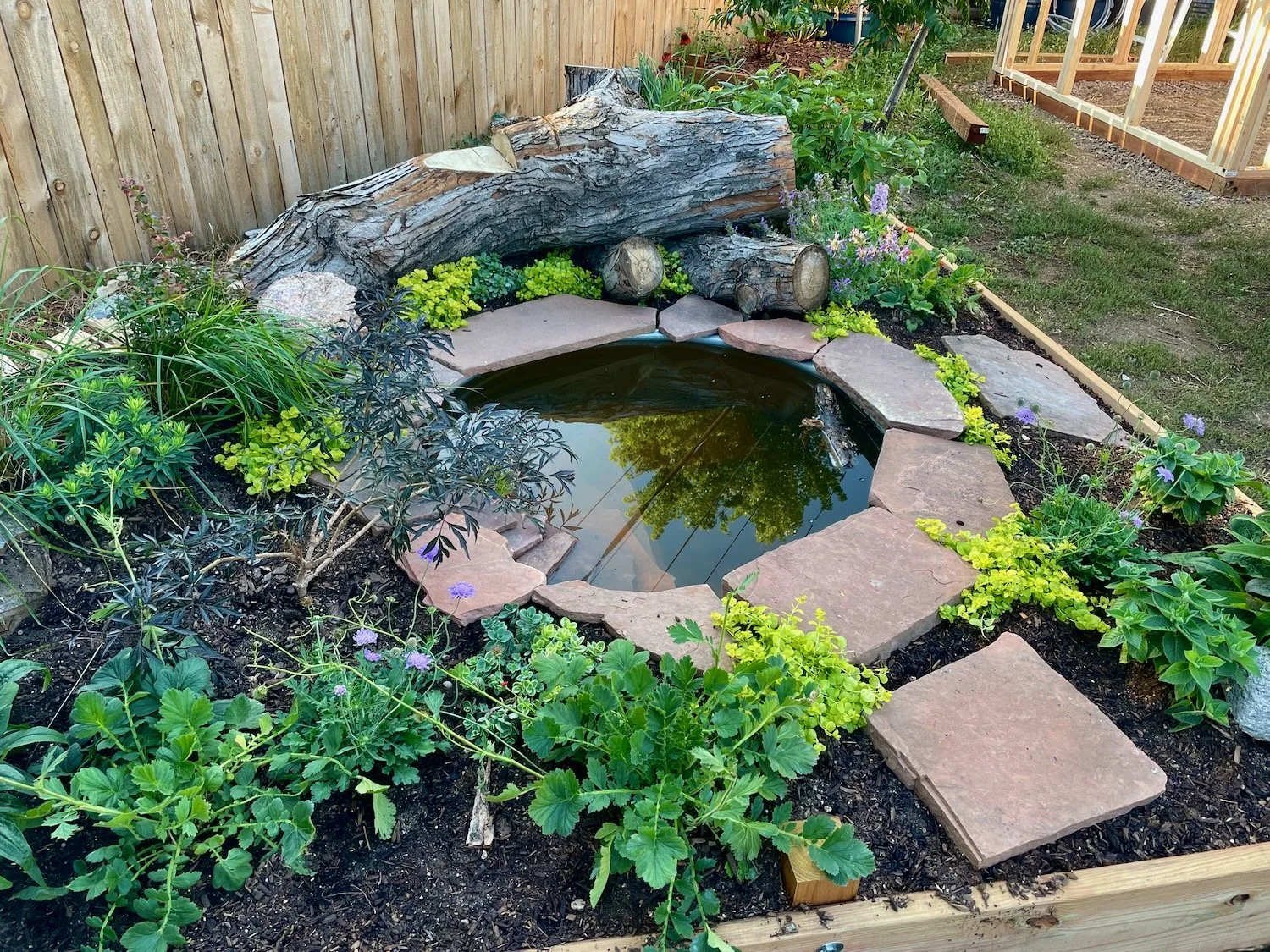
One common misconception is that wildlife ponds require major excavation. None of our ponds have. At all. They are all pretty small and are DIY projects.
In reality, almost any reliable water source helps.
Good options include:
A small wildlife pond
A preformed pond
A container pond
A ceramic bowl water garden
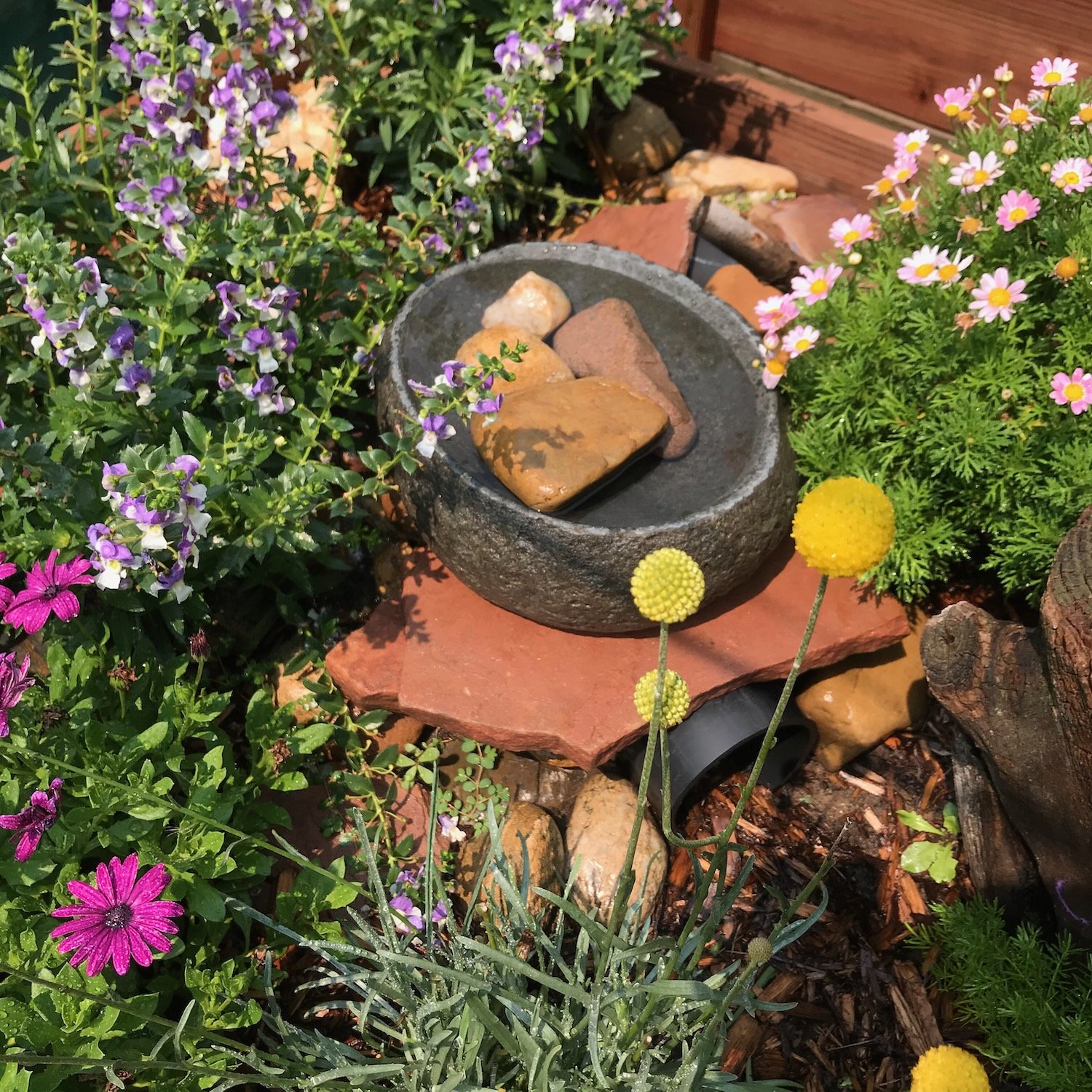
A bird bath with a dripper
A bubbling rock fountain
A shallow basin designed for pollinators
Even a feature only a few feet across can attract an impressive variety of wildlife. One of my most popular water features is a small birdbath in the middle of the Cutting Garden. It's the location – near seedheads and lots of insects – that makes it popular.
Tips for Building a Wildlife-Friendly Pond
If your goal is increasing garden biodiversity, design your pond with wildlife in mind.
Include:
Gently sloping edges for easy access
Flat rocks where insects can land safely
Native aquatic and shoreline plants
Areas of both sun and shade
Moving water if possible
Chemical-free management whenever practical
Native plants around the edges provide additional shelter and nesting habitat while blending the pond naturally into the surrounding landscape.
at the close…
If you're looking for one improvement that delivers beauty, biodiversity, and lasting environmental value, it's hard to beat a wildlife pond.
A reliable water source attracts birds, supports pollinators, provides habitat for frogs and beneficial insects, and creates a healthier, more balanced garden ecosystem. It also transforms your backyard into a place where nature is easier to observe, helping you connect with the wildlife that shares your neighborhood.
Whether you install a natural pond, a small container water garden, or simply add moving water to an existing bird bath, you'll soon discover one of the greatest wildlife pond benefits: life follows water. As birds, butterflies, dragonflies, frogs, and other visitors arrive, your garden becomes more than a collection of plants—it becomes a thriving ecosystem that supports both wildlife and the people who enjoy watching it.
If you have questions, don't hesitate to ask!
This post originally appeared on my Substack. Subscribe to my Substack, and all of this gardening goodness will appear in your email inbox weekly!
Happy Gardening!
Angela
Subscribe now so you never miss a thing!