Can You Have a Garden Pond Without the Mosquitoes?
An Interview with Mosquito Ecologist Dr. Todd Livdahl
Many gardeners dream of adding a pond to their backyard to attract frogs, birds, and dragonflies, but they hesitate for one major reason: mosquitoes. I know: I used to be one of them. But I have a secret weapon in the fight against mosquitos: my uncle.
Uncle? Yep. When you have a biologist who has spent his career studying mosquitos – well, you use every advantage you can get!
To get real answers, I sat down with my uncle, Dr. Todd Livdahl, a biologist and professor at Clark University who has spent his career studying the population and community ecology of mosquitoes.
When we were thinking about adding a pond to our own garden more than five years ago, my first call was to my Uncle Todd. Both my husband and my son have what is commonly known as Skeeter Syndrome – severe allergic reactions to mosquito bites.
I didn't want a pond if it was going to bring more mosquitos in our garden. But I wanted all of the ecological benefits of a pond for the wildlife we always hope to attract.
Uncle Todd gave me some sound advice which has proven incredibly effective. Five years later, we have more ponds and water in our garden, and I suspect we actually have fewer mosquitos.
So, for gardeners everywhere, I sat down with Dr. Livdahl — aka Uncle Todd — to talk about ponds, mosquitos, and the benefits of water in a garden.
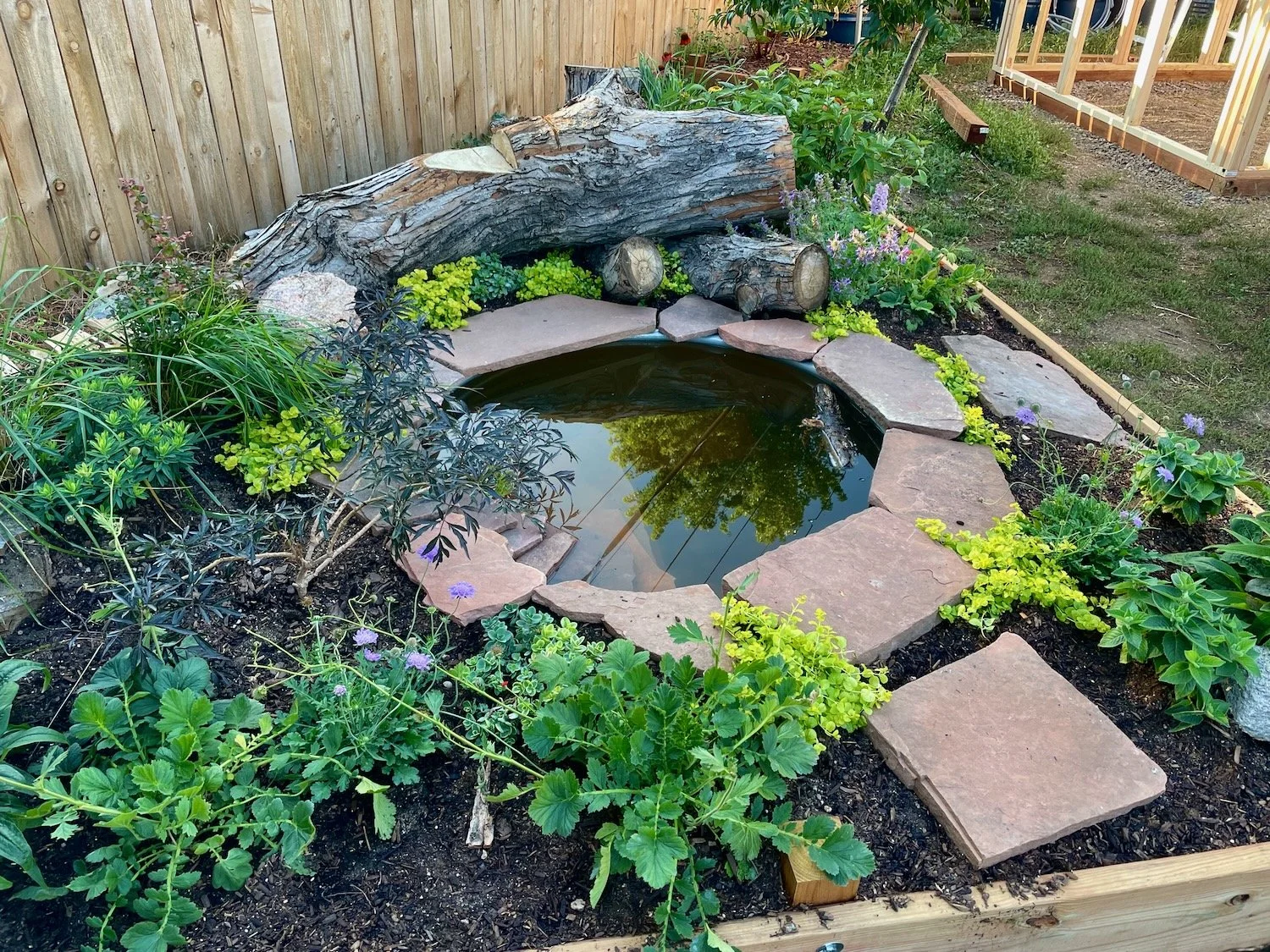
Why Every Garden Needs a Wildlife Pond
This post is part of a whole series on garden ponds and waterfeatures.
Why a Pond is the Ultimate Biodiversity Hub
According to Dr. Livdahl, a pond is more than just a water feature—it’s an ecological engine. "A lot of organisms are happy to have a pond nearby," he explains. "Birds find it a convenient place to drink or bathe; amphibians like to have a pond nearby."
Angela: So from your biologist perspective, why would somebody want a garden pond in the first place?
Dr. Todd Livdahl: Oh, well, aesthetics is one reason. Just supporting more biodiversity within your yard would be another reason.
A lot of organisms are happy to have a pond nearby. So birds would find it a convenient place to drink or to bathe. Lots of insects would be happy with a pond nearby. Amphibians would also like to have a pond nearby. Many of them, anyway, frogs in particular. Salamanders.
So, they can add a lot of interest to your yard by providing some support for some organisms that might not be able to make it without some water nearby. So from an interest point of view and from an aesthetic point of view and from a biodiversity point of view, they’re a good thing to think about.
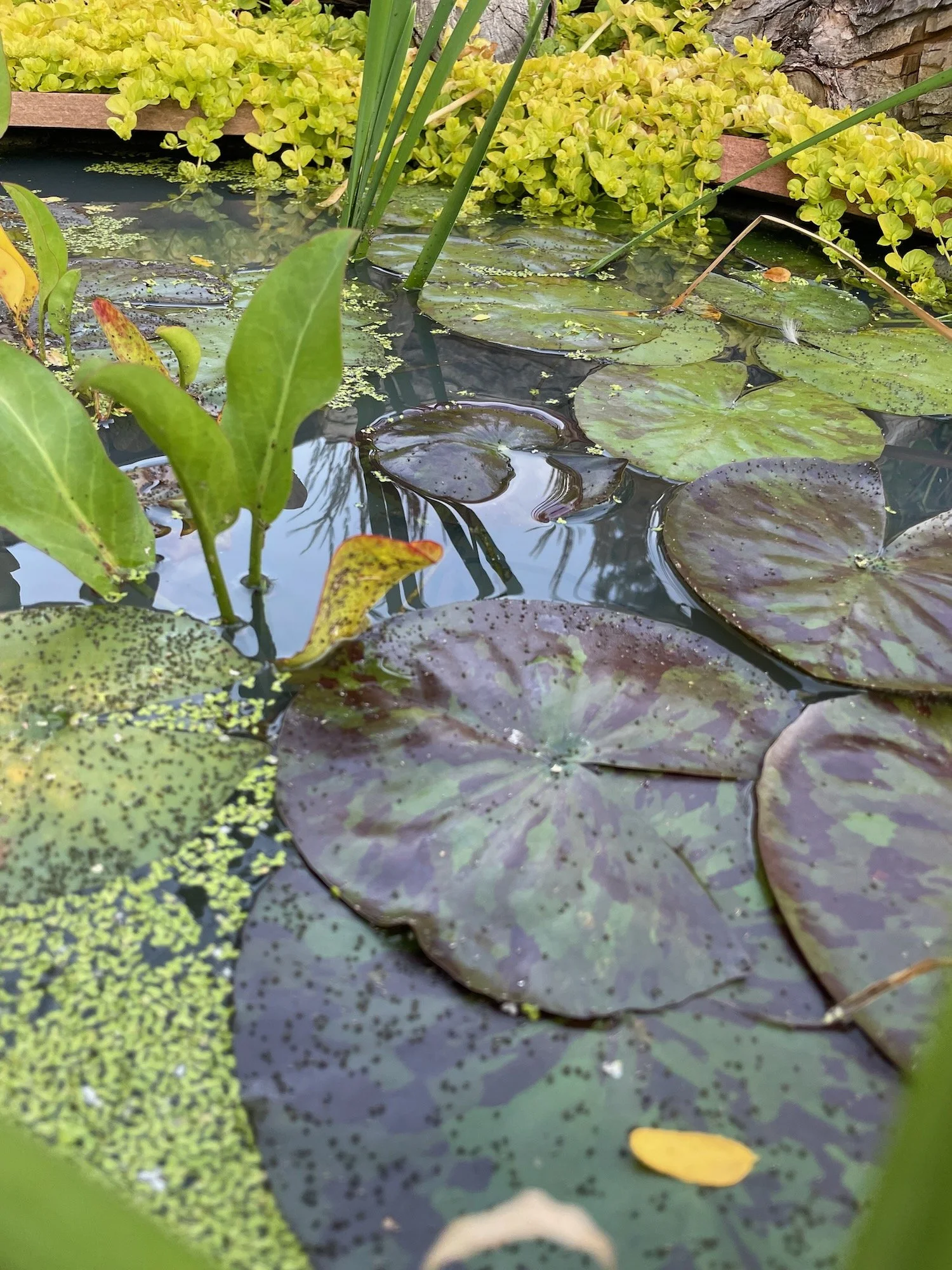
Understanding the "Enemy": The Mosquito Life Cycle
To manage mosquitoes, you have to understand how they live. Dr. Livdahl breaks down the key facts:
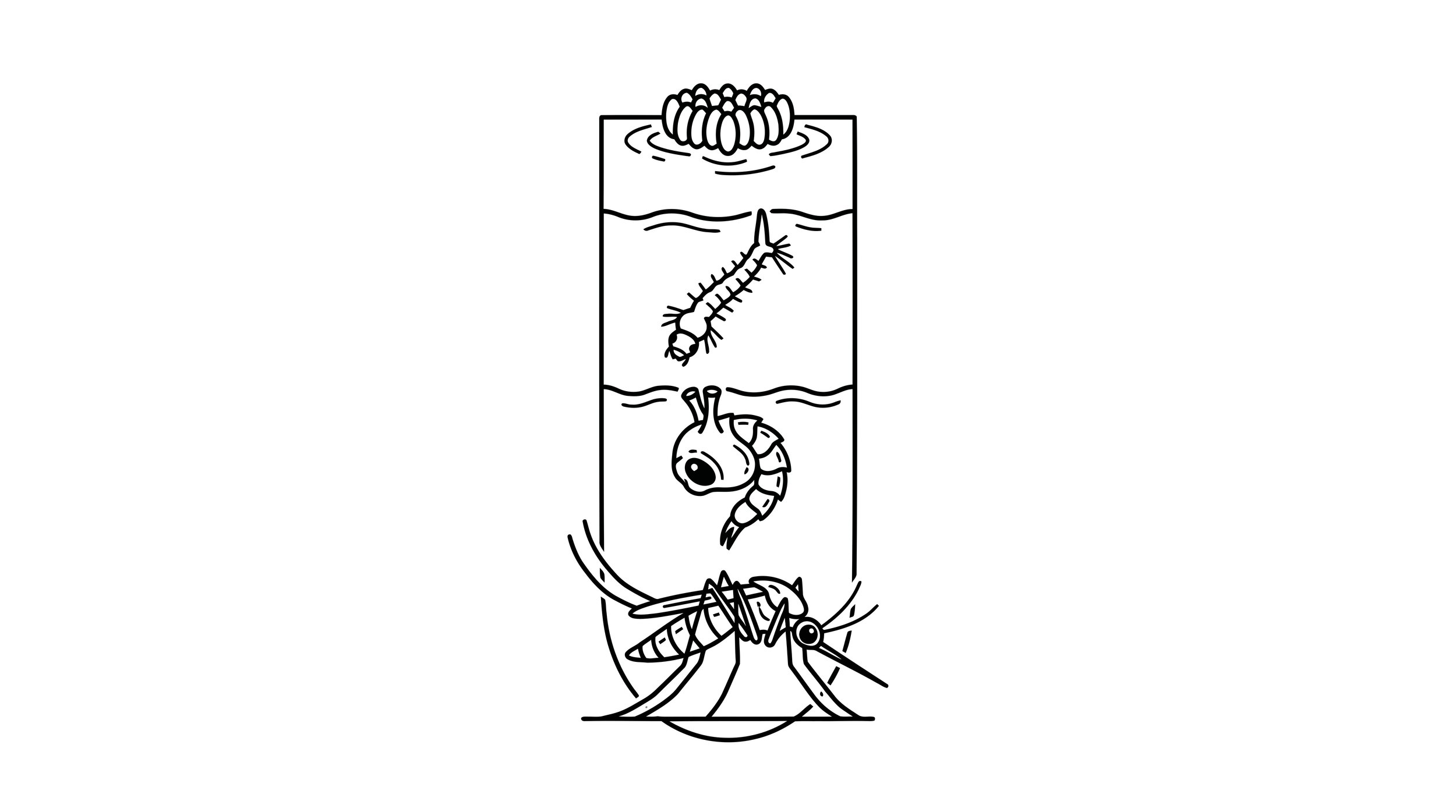
The Egg Stage: Some mosquitoes (like Aedes species) lay eggs just above the waterline, waiting for rain to submerge them. Others (like Culex, the most common pond-dwellers) lay rafts of hundreds of eggs directly on the water's surface.
The Breathing Trick: Mosquito larvae are air-breathers. They have a structure called a siphon at their tail end that they use to "tether" themselves to the water's surface tension to breathe.
The Diet: Larvae are filter feeders, eating microscopic algae and bacteria.
Angela: Tell us about the life cycle of a mosquito, because knowing the life cycle of whatever you’re trying to manage is really critical in Integrated Pest Management (IPM).
Dr. Todd Livdahl: Within a pond, you could get different kinds of eggs depending on the mosquitoes. Some lay their eggs along the water edge, above the water. Those eggs wait until they’ve been submerged by rainfall to hatch into larvae. Those would be mosquitoes like Aedes, the yellow fever mosquito, or the Asian tiger mosquito.
Other important disease-transmitting mosquitoes lay their eggs directly on the surface, like Anopheles (which transmit malaria) or Culex, which lay their eggs in a little waxy raft. Culex really like puddles and small ponds, and they hatch directly into the water after a couple of days.
The larvae swim around and are usually filter feeders, straining algae or bacteria out of the water. They go through four larval stages, molting until they become pupae, where they transform into adults.
One thing to keep in mind is that larvae breathe air; they have a siphon at the tail end that breaks the surface tension. This leads to control tactics like putting oil on the water to suffocate them.
They are also subject to predators; anytime you have fish in a body of water, you’re not likely to find mosquitoes. This has been very successful in Caribbean countries using mosquito fish (Gambusia) in cisterns. I would recommend maintaining some fish, though in cold climates you might need to bring them inside for the winter.
3 Expert Strategies for a Mosquito-Free Pond
Dr. Livdahl suggests three primary ways to ensure your pond doesn't become a "mosquito factory."
Dr. Todd Livdahl: Smaller fish, minnow-sized, would be great. You can always get more minnows. Mosquito fish have the largest geographic distribution of any fish because of their use in control.
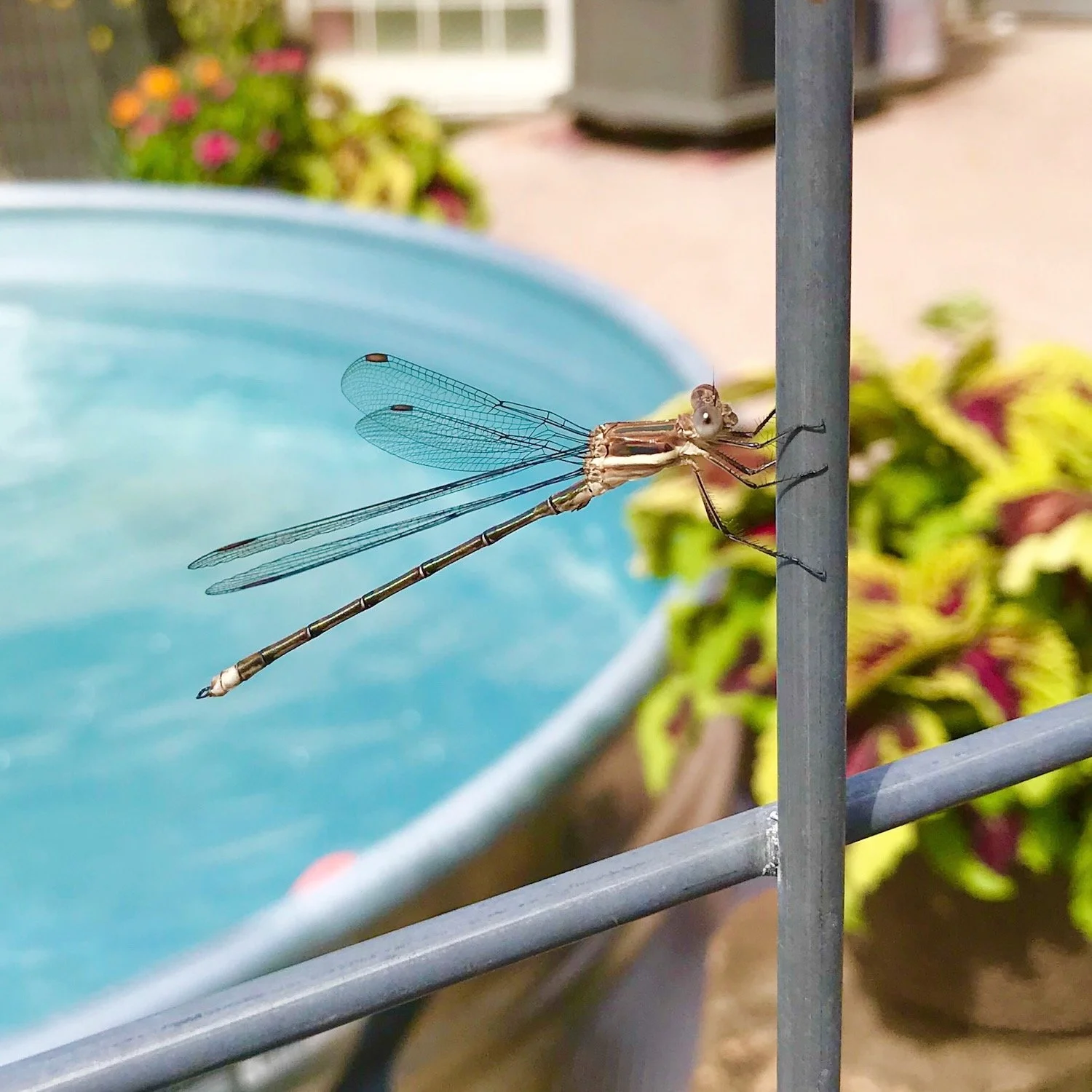
I’d also recommend dragonflies. If you dig up some mud from a pond, you can catch dragonfly larvae; they are very efficient predators of mosquito larvae. Damselflies as well.
If you have a lot of vegetation, it provides hiding places for mosquitoes to escape predation, but dragonfly larvae are still excellent.
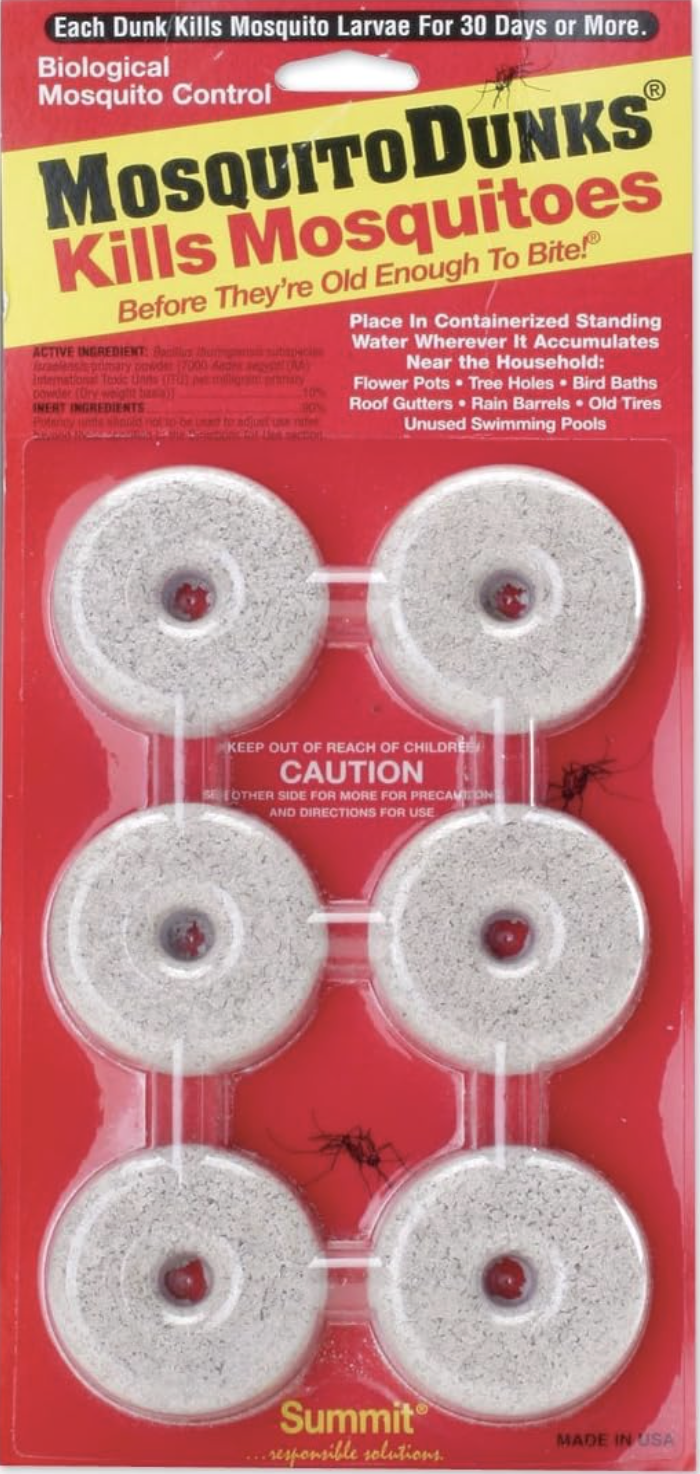
You also mentioned mosquito dunks, which use Bacillus thuringiensis (BTI) bacteria to infect the gut of insect larvae. BTI can also affect other fly larvae like black flies, horseflies, and deer flies, and even non-biting midges, though midges are less crucial to the ecosystem.
Introduce Natural Predators
Nature is the best pest controller. If you create a balanced ecosystem, the mosquitoes often become dinner before they ever reach adulthood.
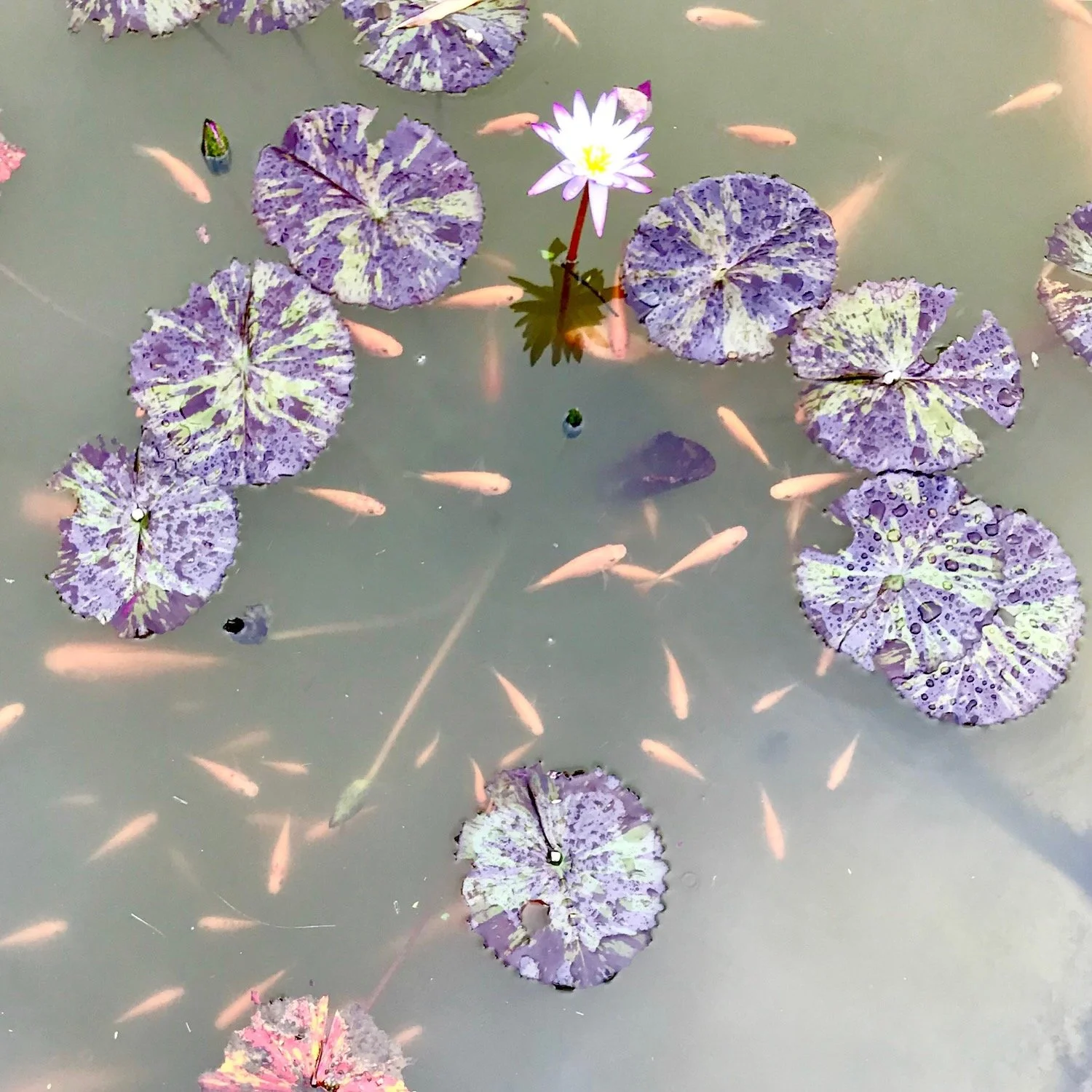
Fish: "Anytime you have fish in a body of water, you’re not likely to find mosquitoes," says Livdahl. Minnow-sized fish, such as the famous Mosquito Fish (Gambusia), are highly effective. Note: If you live in a cold climate, you may need to bring them indoors for the winter.
Dragonflies & Damselflies: These "little monsters" (as larvae) are efficient mosquito hunters.
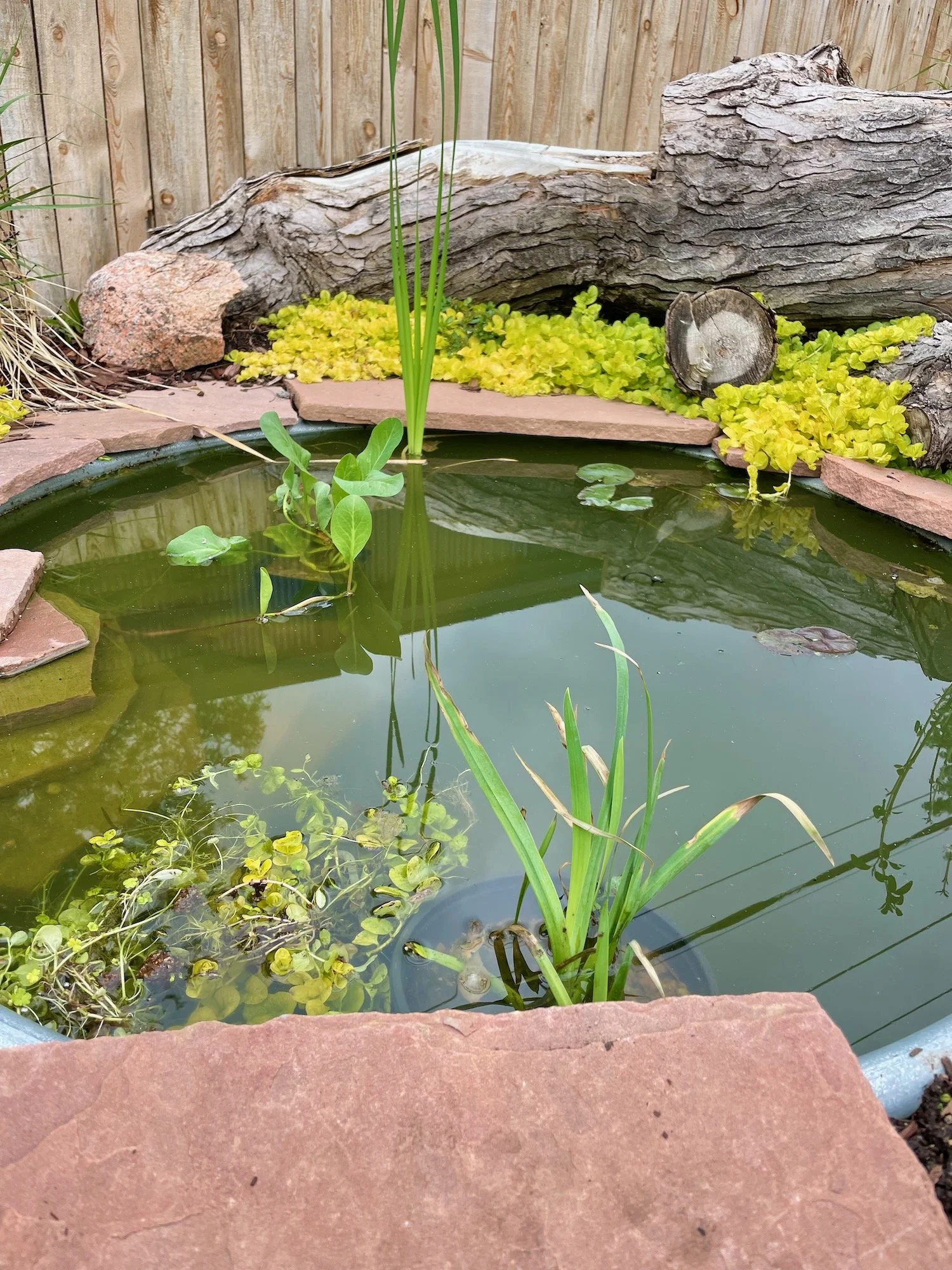
The "Pond Muck" Secret: Dr. Livdahl suggests going to a local, healthy pond and bringing home a bucket of "pond muck." This often contains the eggs or larvae of native predators like dragonflies that will jumpstart your pond’s ecosystem.
Keep the Surface Moving
Because larvae must hang from the surface tension to breathe, moving water is an easy way to control the population.
Fountains & Waterfalls: "If the water is moving, they can't get a good attachment to the surface, so they suffocate," Livdahl explains.
Biological Controls (Mosquito Dunks)
If you have a still-water pond without fish, Mosquito Dunks (containing BTI—Bacillus thuringiensis israelensis) are a safe, effective option.
How they work: This bacterium infects the gut of fly larvae.
The Trade-off: While BTI is very safe for humans, pets, and most wildlife, Dr. Livdahl notes it can affect other aquatic fly larvae (like midges or black flies). However, he suggests that these are often not "crucial" enough to the garden ecosystem to outweigh the benefits of mosquito control.
Interview
with Dr. Todd Livdahl
Here’s my whole interview with Dr. Livdahl about mosquitos and garden ponds.
Myths & Pitfalls to Avoid
During our talk, Dr. Livdahl cautioned against several common "tricks" found online:
The Bucket Trap Trend: You may have seen the TikTok trend of putting grass clippings and a dunk in a bucket. Dr. Livdahl warns that if you forget to maintain these, you might accidentally create a breeding ground or attract mosquitoes from the whole neighborhood into your yard. It’s great in theory — but you must maintain it.
Bug Zappers: "They are indiscriminate insect killers," he warns. They often kill far more beneficial pollinators and moths (important bird food) than actual mosquitoes.
Chemical Fogging: Dr. Livdahl is wary of yard sprays. Most chemicals used by commercial companies will kill your pollinators along with the mosquitoes.
Final Advice for New Pond Owners
If you’re hesitant, start small. Dr. Livdahl emphasizes that a pond doesn't need to be huge to be beneficial—even something just a few feet across and a few inches deep can make a significant impact on your local wildlife.
Angela: What is the most critical piece of advice you’d give someone hesitant to start a pond because of mosquitoes?
Dr. Todd Livdahl: Take preventative measures from the beginning. Use mosquito dunks or fish, or consider a fountain to keep the surface moving.
Ponds are an amazing addition to any garden. They take a little work to get going, but the biodiversity they bring is well worth it.
Dr. Todd Livdahl is a biologist specializing in mosquito ecology. This interview has been edited for length and clarity.